Tallinn Zoo: Estonia's Only Zoo, Worth the Trip West
Founded in 1939 and relocated to its spacious Veskimetsa grounds in 1983, Tallinn Zoo is the only zoo in Estonia. Set about 4.5 km west of the Old Town, it covers enough ground to fill a half-day visit and rewards families, wildlife enthusiasts, and anyone looking to step outside the medieval centre.
Quick Facts
- Location
- Paldiski mnt 145, Haabersti district, approx. 4.5 km west of Tallinn city centre
- Getting There
- Bus 42 from the city centre; alight at Karikakra or Nurmenuku stops.
- Time Needed
- 2.5 to 4 hours for a full visit; half-day with young children
- Cost
- Adults €15, children (3–17) €10; under-3s free; family and concession tickets available
- Best for
- Families with children, wildlife photography, a relaxed outdoor day away from the tourist centre
- Official website
- tallinnzoo.ee/en
What Tallinn Zoo Actually Is
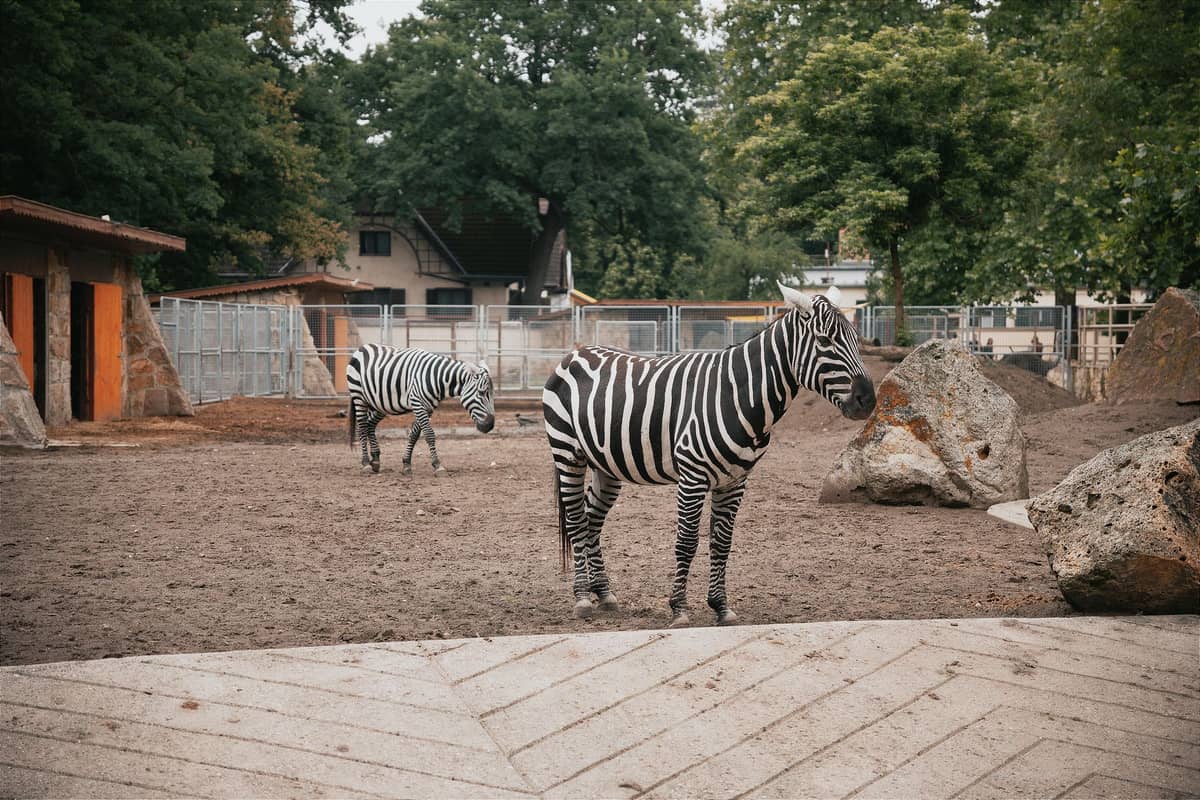
Tallinn Zoo (Estonian: Tallinna Loomaaed) is the only zoological institution in Estonia, and it carries that distinction with a seriousness that extends beyond just collecting animals. Founded in 1939, the zoo spent its first four decades in the Kadriorg area before moving to its current Veskimetsa site in the Haabersti district in 1983. The result is a well-spread property with room to breathe: wide paths through mixed habitat zones, dedicated indoor expositions for smaller species, and a children's zoo section with hands-on animal contact for younger visitors.
The zoo sits along Paldiski mnt, one of the main westbound roads out of the city. The surrounding neighbourhood is residential and unremarkable, which makes the zoo's green canopy feel like a genuine escape from the urban grid. Once inside, the urban density disappears entirely. On a clear summer morning, the grounds smell of cut grass and fresh pine, and the main paths are quiet enough that you can hear birdsong competing with the low murmur of distant enclosures.
💡 Local tip
Opening hours shift seasonally. Check the official site before you go for the latest grounds and indoor exposition schedules, as summer and winter hours vary.
Getting There from the City Centre
The zoo is roughly 4.5 km from the Old Town, which makes it impractical to walk but straightforward by public transport. Bus 42 runs from the city centre toward Haabersti, and you want to get off at either the Karikakra or Nurmenuku stop. The ride takes around 15 to 20 minutes depending on traffic, and the stop is a short walk from the main entrance. Information panels on buses are displayed in Estonian but the stop names are distinctive enough to follow.
A taxi or Bolt ride from the Old Town typically takes under 15 minutes outside peak hours and costs significantly less than in many Western European capitals. If you are using the Tallinn Card, note that it covers free public transport across the city, which makes the bus the obvious choice.
Parking is available on-site for those arriving by car, which is worth noting if you are travelling with a stroller or have limited mobility. The zoo's own website is available in Estonian, English, Russian, and Finnish, and information panels throughout the grounds are posted in all three of the first languages, which reduces navigation friction for international visitors considerably.
Tickets & tours
Hand-picked options from our booking partner. Prices are indicative; availability and final rates are confirmed when you complete your booking.
Self-guided Discovery Walk of Tallinn city contrasts beyond the medieval walls
From 26 €Instant confirmationFree cancellationTallinn's art and culture tour with a local
From 62 €Instant confirmationFree cancellationHistorical walking tour of Tallinn with a local
From 599 €Instant confirmationFree cancellationIntroductory walking tour of Tallinn with a local guide
From 109 €Instant confirmationFree cancellation
How the Visit Unfolds
The zoo’s daily schedule varies by season, so this is not an attraction to arrive at late in the afternoon expecting a full experience. Grounds and indoor expositions operate on different timetables, so check current opening and last-entry times on the official site before planning your visit. Arriving between 09:30 and 10:30 on a weekday puts you ahead of school groups and weekend family crowds, and the animals tend to be more active in the cooler morning air.
The zoo is large enough that you will want to make some rough decisions about where to focus. The indoor expositions cover reptiles, tropical species, and smaller mammals in climate-controlled environments that are a genuine relief in mid-summer heat or on a wet autumn afternoon. These spaces are compact but well-designed, with close viewing distances that are particularly effective for children. The lighting inside is lower than you might expect, which helps with animal stress levels but makes photography without a fast lens more difficult.
The outdoor enclosures are the main draw. The paths wind through zones loosely organized by geography and habitat, and the overall impression is of a zoo that has prioritized space for its animals over spectacle for visitors. Some of the larger enclosures require patience: come back to an area twice, or wait quietly for a few minutes, and you will usually see what you came for. The zoo's size and layout reward a slow, unhurried pace rather than a checklist approach.
Timing, Crowds, and Weather
Weekday mornings in late May, June, or early September represent the best conditions overall. The summer light is generous, temperatures stay below the point where animals seek shade, and visitor numbers remain manageable. Weekends from late June through August bring Estonian families in force, particularly on Saturday mornings. The zoo handles crowds reasonably well given its scale, but popular enclosures can get congested around 11:00–13:00.
Winter visits are a different experience and not necessarily worse. The zoo stays open year-round, and the grounds in January or February, with snow on the paths and bare trees framing the enclosures, have a particular quiet atmosphere. Cold-weather animals are more active in winter than summer. Winter opening hours are shorter than in summer, so plan your arrival accordingly and confirm exact closing times on the official site. Wear insulated, waterproof footwear: the paths are outdoor surfaces and can be icy or muddy in shoulder seasons.
⚠️ What to skip
Rain affects the visit significantly. Most of the zoo is outdoors with limited covered walkways between indoor buildings. A light rain jacket is useful any time from September to April; a full waterproof layer matters in October and November. The indoor expositions become more crowded when weather drives visitors inside.
For a broader sense of how Tallinn's seasons shape attraction visits across the city, the guides on visiting Tallinn in summer and visiting Tallinn in winter provide useful seasonal context.
Historical Context and Institutional Significance
Tallinn Zoo was established in 1939, just one year before the Soviet occupation of Estonia. Its survival through the subsequent decades of occupation and then independence is a minor institutional achievement in itself. The move from Kadriorg to Veskimetsa in 1983 gave the zoo substantially more land and allowed for the development of larger enclosures than the old urban site could support. The original Kadriorg location is still referenced in city records, a reminder of how much the institution has changed in scope.
As the only zoo in Estonia, Tallinn Zoo occupies a position with no domestic competitor and some responsibility for conservation education that goes beyond what a zoo in a larger country might feel. The city of Tallinn, which oversees the institution, has invested in the grounds and indoor facilities over recent decades. For visitors already exploring Kadriorg Park and its cultural venues, the zoo makes a logical second-day addition rather than an either-or choice.
Practical Notes for Families and Accessibility
The children's zoo section offers closer animal contact than the main enclosures and is the part of the zoo that works best for children under five, who may find the distances and waiting involved in the larger outdoor zones frustrating. Check the official site for its current daily opening hours before you go. Strollers are manageable on the main paved paths, though some secondary routes are unpaved and can be uneven.
Ticket discounts apply to students, seniors, and visitors with disabilities; personal assistants accompanying disabled visitors may enter free. Children under three enter without a ticket. The zoo's ticket information page details the full concession schedule, and it is worth checking before your visit if you are buying for a mixed group. Tickets can be purchased as e-tickets online, which avoids any queue at the entrance booth on busy days.
Families visiting Tallinn with children will find the zoo pairs well with other family-oriented stops around the city. The guide to Tallinn with kids covers additional options including the Seaplane Harbour and the Proto Invention Factory.
Photography Tips
Outdoor enclosures in morning light, particularly between 09:30 and 11:00, give the best natural lighting conditions. Many of the larger animals are in shaded or partially wooded enclosures, so a lens with good low-light performance helps. Glass and mesh barriers in some viewing areas can be difficult to shoot through cleanly; moving closer to the glass and using a wide aperture tends to minimize reflections. The indoor expositions require patience: the lower ambient light and moving subjects make sharper shots harder to get without raising ISO significantly.
The zoo grounds themselves, with their mature tree cover and seasonal colour, offer decent landscape shots in autumn. If citywide photography interests you, there are dedicated viewpoint options covered in the guide to Tallinn's best viewpoints that complement a zoo visit on the same day.
Insider Tips
- Buy e-tickets from the official website before arriving. It costs the same as the gate price and skips any queue at the ticket booth, which matters on sunny weekend mornings when families arrive in groups.
- The indoor expositions can be quieter on weekday mornings. If the reptile and tropical houses interest you, aim for a mid-morning or midday visit on a weekday rather than weekends, and always confirm current opening hours on the official site.
- The zoo’s gift shop operates with its own daily schedule, typically opening in the morning and closing before or around general closing time. If you want to pick up something for children before leaving, plan to finish your visit a little before closing rather than rushing out at the last minute, and check exact shop hours on arrival.
- In summer, carry water. There are on-site food and drink options but the zoo covers significant ground and the walking adds up, especially with children. A refillable bottle is more practical than repeated cafe stops.
- Combine with a visit to Stroomi Beach on the same day: it is on the same western side of the city, accessible by the same bus corridor, and gives children a second destination after the zoo without a long cross-city journey.
Who Is Tallinn Zoo For?
- Families with children aged 3 to 12 who want a full half-day activity outside the Old Town
- Wildlife and nature photographers looking for accessible subjects in a managed environment
- Visitors extending their stay beyond two days who have already covered the medieval centre
- Travellers visiting in winter who want an outdoor attraction that remains open and rewarding in cold weather
- Anyone travelling with the Tallinn Card who wants to offset the cost with a free bus ride and discounted or included admission
Nearby Attractions
Combine your visit with:
- Aegna Island
Aegna Island sits 14 km off the Tallinn coast in the Bay of Tallinn, reachable in about 30 minutes by boat. The entire island is a protected landscape conservation area, covered in dense forest, glacial boulders, and coastal meadows. Entry to the island is free, making it one of the most rewarding half-day escapes from the city.
- Estonian Open Air Museum
Spread across 72 hectares of coastal forest in Tallinn's Haabersti district, the Estonian Open Air Museum (Eesti Vabaõhumuuseum) reconstructs rural and fishing life from the 18th and 19th centuries. Twelve farmyards, a working tavern, a church, mills, a schoolhouse, a fire station, and net sheds make this Estonia's largest and most immersive open-air history experience.
- Glehn Park
Glehn Park is a free, forested public park in Tallinn's suburban Nõmme district, built around a 19th-century castle by the eccentric Baron Nikolai von Glehn. With natural woodland trails, stone carvings, and a refreshing distance from the Old Town crowds, it rewards visitors who want something genuinely different from the medieval core.
- Jägala Waterfall
Standing 8 metres tall and stretching over 50 metres wide, Jägala Waterfall is Estonia's largest natural waterfall. Located just 25 kilometres east of Tallinn on the Jägala River, it is free to visit year-round and rewards visitors differently in every season, from frozen curtains of ice in winter to a thundering torrent in spring snowmelt.