Is Tallinn Worth Visiting? The Verdict
Tallinn is one of Europe's most intact medieval capitals, a UNESCO-listed city that pairs cobblestoned Old Town lanes with a surprisingly modern, tech-forward culture. This guide cuts through the hype to tell you exactly what you'll get, what it costs, and when to go.
Plan and book this trip
Tools from our partner Travelpayouts help you compare flights and hotels. If you book through them, we may earn a commission at no extra cost to you.
Flights
Hotels map
TL;DR
- Yes, Tallinn is worth visiting — its UNESCO-listed Old Town is genuinely one of the best-preserved medieval city centers in Europe, compact enough to explore on foot in a day or two.
- Budget realistically: mid-range travelers spend around €100–140 per day; the Old Town is no longer 'cheap,' but budget Tallinn is still very doable if you eat and drink outside the tourist core.
- Late May, June, and September hit the sweet spot for weather, daylight, and manageable crowds — July and August push prices up and fill the narrow streets.
- The city is far more than medieval: neighborhoods like Kalamaja and a thriving tech scene give Tallinn a contemporary edge that surprises most first-timers.
- Winter is cold (typically around −5°C to −15°C in the coldest stretches, with occasional deeper cold snaps) but rewards visitors with a low-crowd atmosphere and one of the finest Christmas markets in the Baltics.
What Tallinn Actually Is (And Why That Matters)
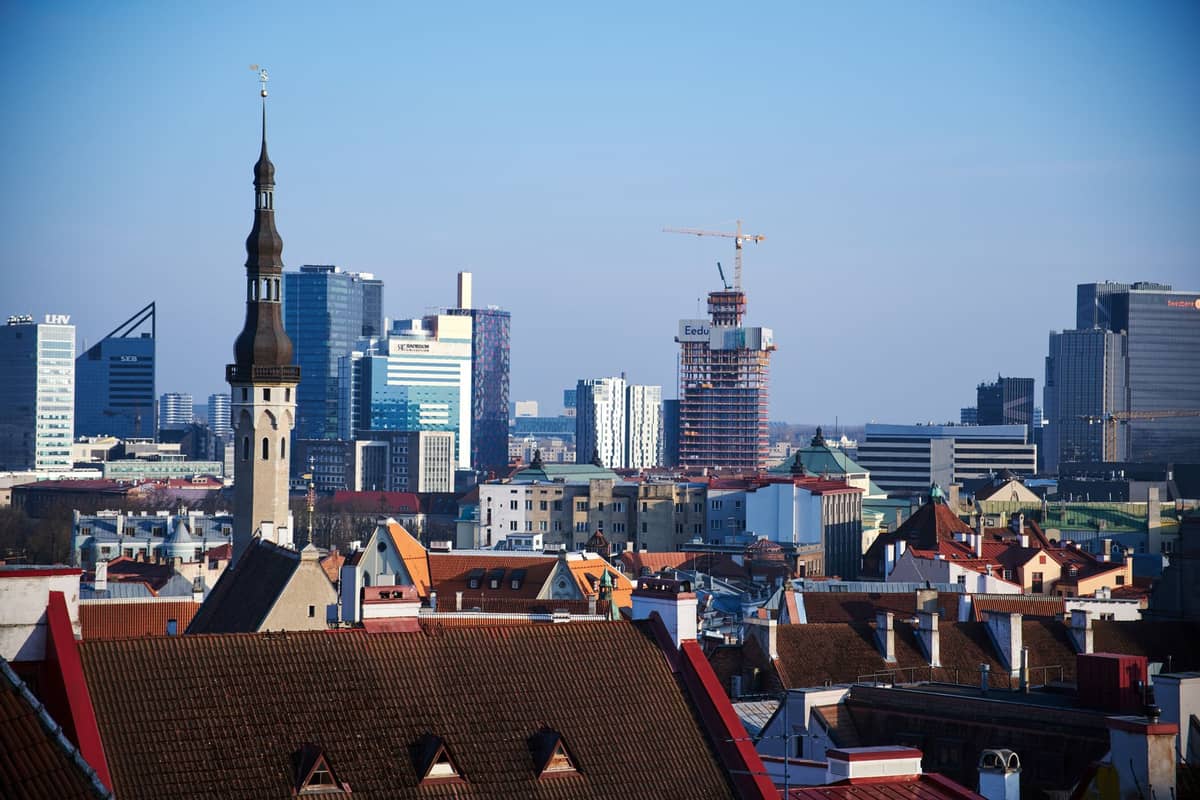
Tallinn is the capital of Estonia, sitting on the southern shore of the Gulf of Finland roughly 80 km across the water from Helsinki. With around 452,000 residents as of early 2026, it accounts for nearly a third of the entire country's population. That scale matters for visitors: Tallinn functions as a proper European capital with international transport links, a dense cultural calendar, and genuine neighborhoods — not just a day-trip backdrop. The city covers 159 km², so it has room to breathe beyond its famous Old Town.
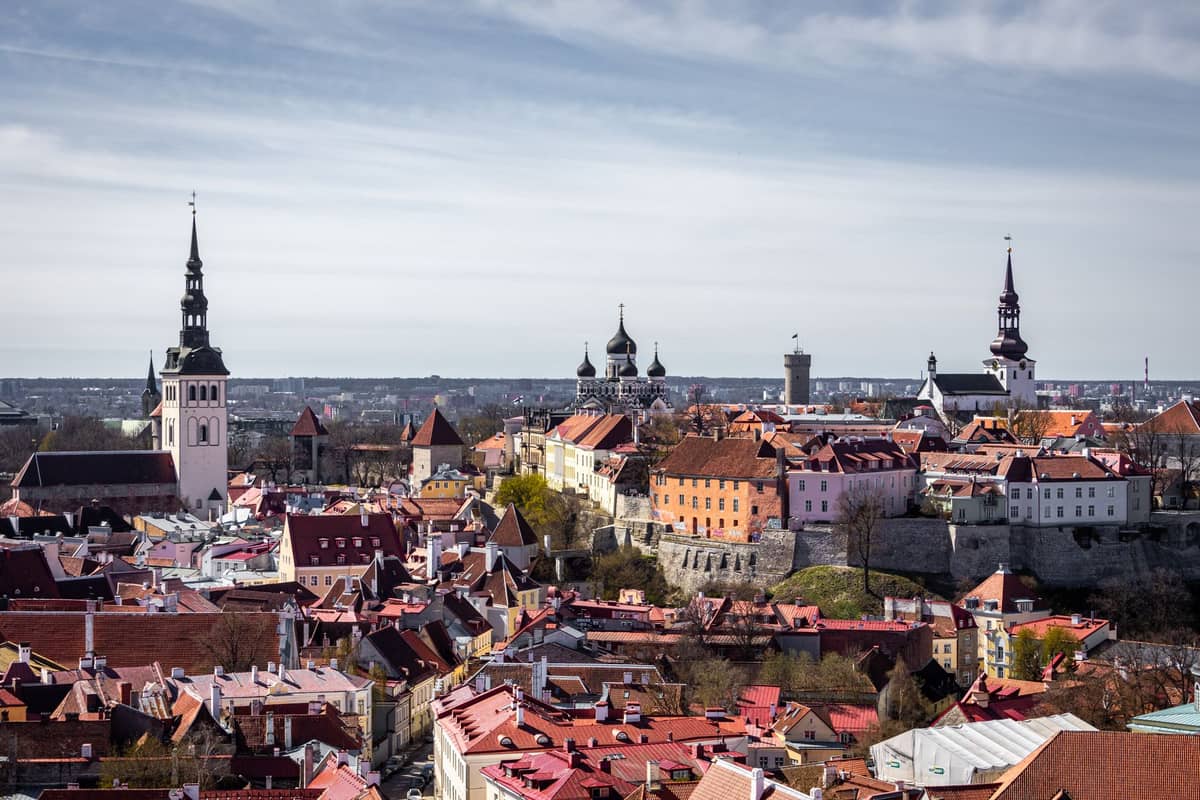
The Old Town, known locally as Vanalinn, earned UNESCO World Heritage status in 1997. The designation is justified. Medieval towers, guild halls, and limestone churches survive here in a density you won't find in most Baltic or Nordic cities, largely because Tallinn escaped the worst of 20th-century bombing and Soviet-era demolition. Walking its lanes feels like a coherent slice of the 14th and 15th centuries rather than a collection of preserved set pieces surrounded by modern infill.
The 'only medieval' label is, however, a serious underestimate. Estonia is one of the most digitally advanced countries in the world — the birthplace of Skype, and a pioneer of internet voting and e-residency. Tallinn reflects this: free public Wi-Fi is ubiquitous, contactless payment is accepted almost everywhere including market stalls, and the startup culture shapes the city's cafes, co-working spaces, and creative districts in visible ways.
The Honest Case For and Against Going
Tallinn earns its reputation for a specific kind of traveler: someone who values walkable historic architecture, a relaxed northern European pace, and good value relative to cities like Stockholm, Copenhagen, or Amsterdam. The Old Town is genuinely spectacular, the food scene has matured considerably over the past decade, and the city's compact size means you can cover serious ground without constant transit.
- Strong reasons to go UNESCO Old Town that takes less than 20 minutes to cross on foot; excellent Nordic-Estonian cuisine at prices well below Scandinavian capitals; easy access from Helsinki by 2-hour ferry; a tech-forward city that feels modern and efficient without losing its historic character.
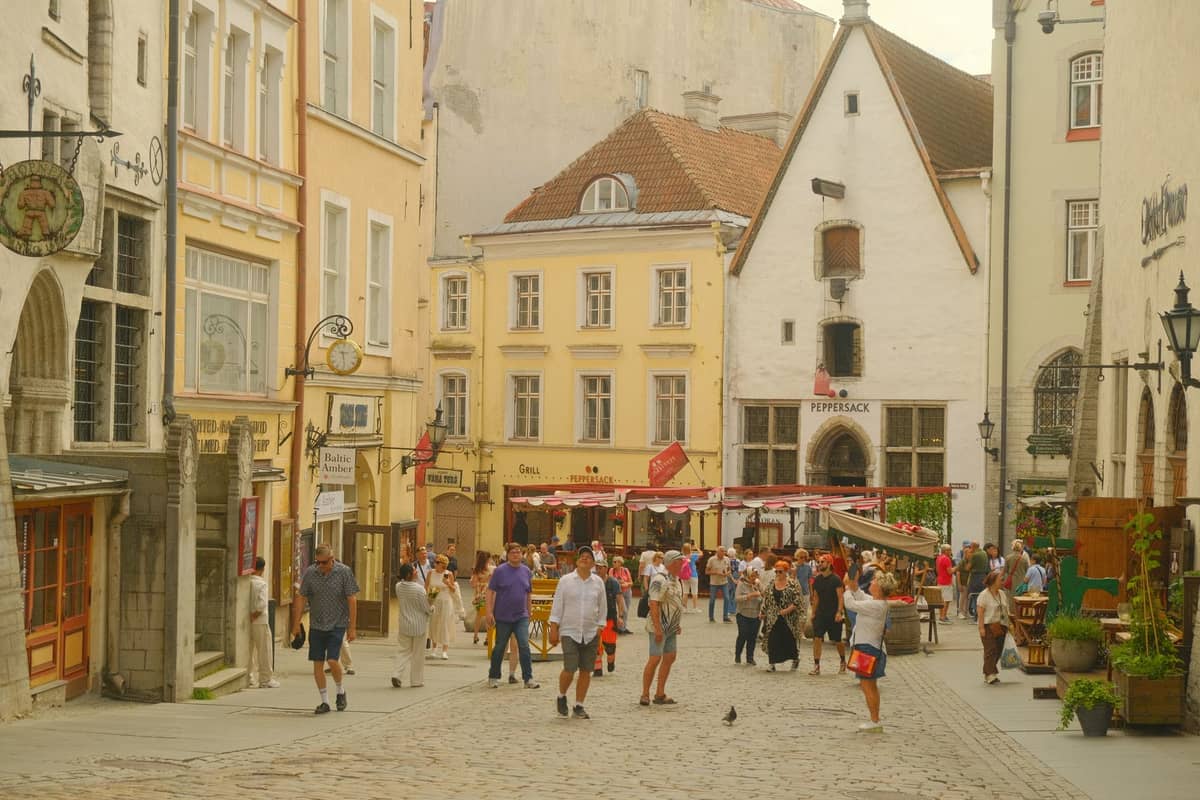
- Valid reasons to hesitate The Old Town gets genuinely crowded from late June through August, especially on weekends and cruise-ship days when tour groups clog the narrower lanes. If you visit only the tourist core, you may feel the city is smaller and more theme-park-like than it actually is.
- Common disappointment Visitors expecting rock-bottom prices are sometimes caught out. A beer in Town Hall Square runs around €5–7, restaurant mains in the Old Town often hit €18–25, and souvenir shops dominate some of the most photogenic streets. The city is affordable compared to Western Europe, but not compared to rural Estonia or some Eastern European capitals.
⚠️ What to skip
Avoid eating or drinking directly on Town Hall Square if budget matters. Prices there are 30–50% higher than just two streets away. Walk toward Telliskivi or Kalamaja for meals that are both cheaper and more representative of how locals actually eat.
When to Visit: Seasons and Crowd Patterns
Tallinn's climate is classified as humid continental (Köppen Dfb). That means proper winters with reliable snow, and mild summers with long daylight hours — near 'white nights' in June when dusk barely settles before midnight. Choosing the right season has a significant impact on both what you experience and what you pay.
- Late May and early June Best overall window. Temperatures reach 15–20°C, daylight stretches past 10 pm, tourist numbers haven't peaked, and accommodation prices are still reasonable. The Old Town feels lively without being overwhelmed.
- July and August Peak season. Warmest temperatures (averaging 20–22°C), the most outdoor events and festivals, but also the highest hotel rates and the most cruise-ship traffic. Worth visiting, but book well in advance and budget for premium prices.
- September Underrated. Crowds thin noticeably after mid-August, temperatures remain pleasant (12–17°C), and the city's cultural season picks up. One of the most comfortable months to visit.
- December The Christmas market on Town Hall Square draws visitors from across Northern Europe and is genuinely atmospheric. Temperatures regularly fall to −5°C to −15°C, occasionally lower. Pack serious winter gear, not just a warm coat.
- January and February Coldest months, minimal crowds, lowest prices. Not for everyone, but if you want the Old Town essentially to yourself and don't mind the cold, this is when Tallinn looks most like a storybook.
💡 Local tip
Tallinn in summer means very late sunsets — useful if you want to photograph the Old Town in golden light without an early wake-up. Plan evening walks after 8 pm in June and July for the best light and fewer tour groups.
Getting There and Getting Around
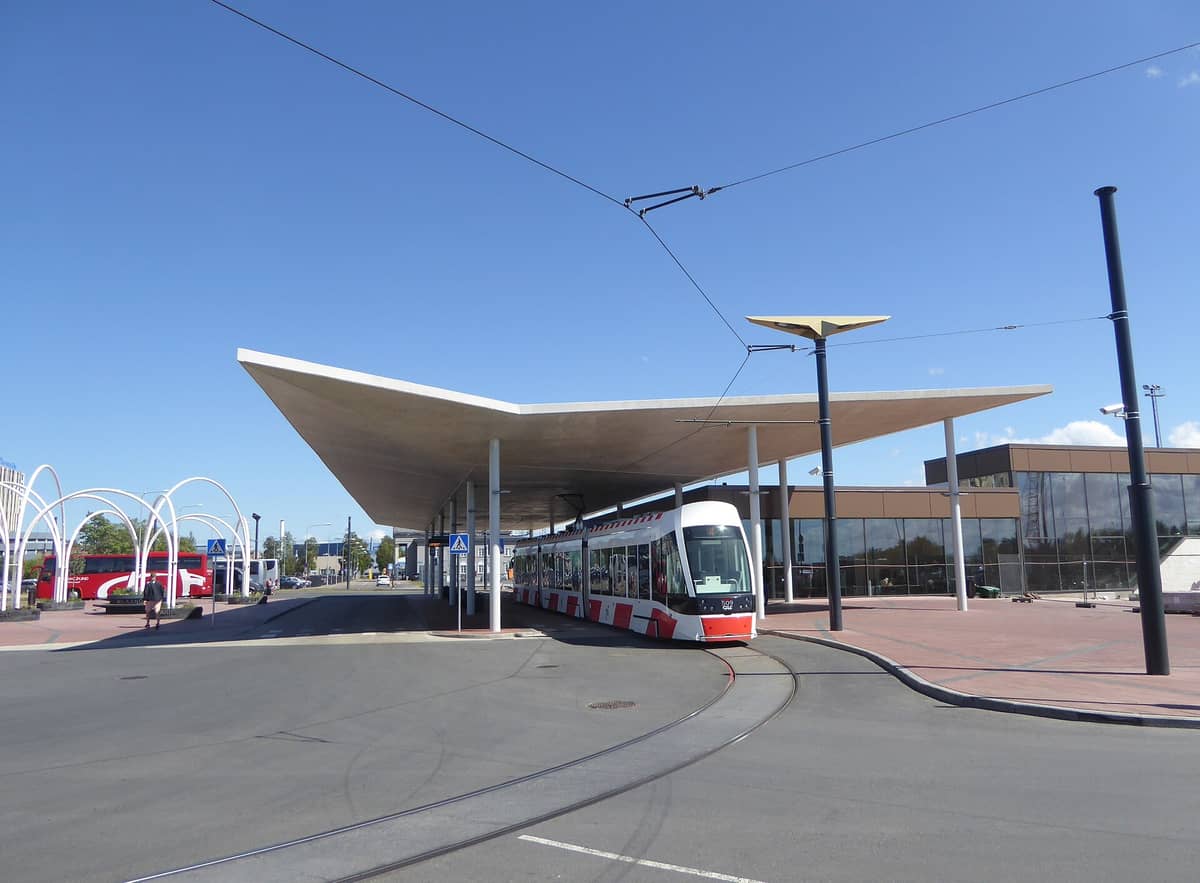
Lennart Meri Tallinn Airport (IATA: TLL) sits about 4 km southeast of the city center. Tram line 4 connects the airport to the Old Town area in roughly 15–20 minutes, making it one of the most straightforward airport transfers in the Baltics. Taxis and the Bolt ride-hailing app are also widely available; a taxi to the center should run €10–15 depending on the time of day.
For travelers coming from Helsinki, the ferry crossing is one of Europe's most convenient international routes. Operators including Tallink Silja, Viking Line, and Eckerö Line run multiple sailings daily; the crossing takes around 2 hours and one-way tickets start around €10–15 if booked in advance, though prices vary considerably by season and departure time. It's a legitimate day-trip route, which is why Tallinn sees so many Finnish visitors. See our Tallinn to Helsinki ferry guide for operator comparisons and booking tips.
Within the city, Tallinn's public transport network covers buses, trams, and trolleybuses. A single ticket purchased via the Ühiskaart smartcard costs around €1.50–2, making it practical for reaching neighborhoods beyond walking distance of the Old Town. The card can be topped up at supermarkets, kiosks, and post offices. For full route information, getting around Tallinn covers the options in detail.
What to See: The Highlights That Justify the Trip
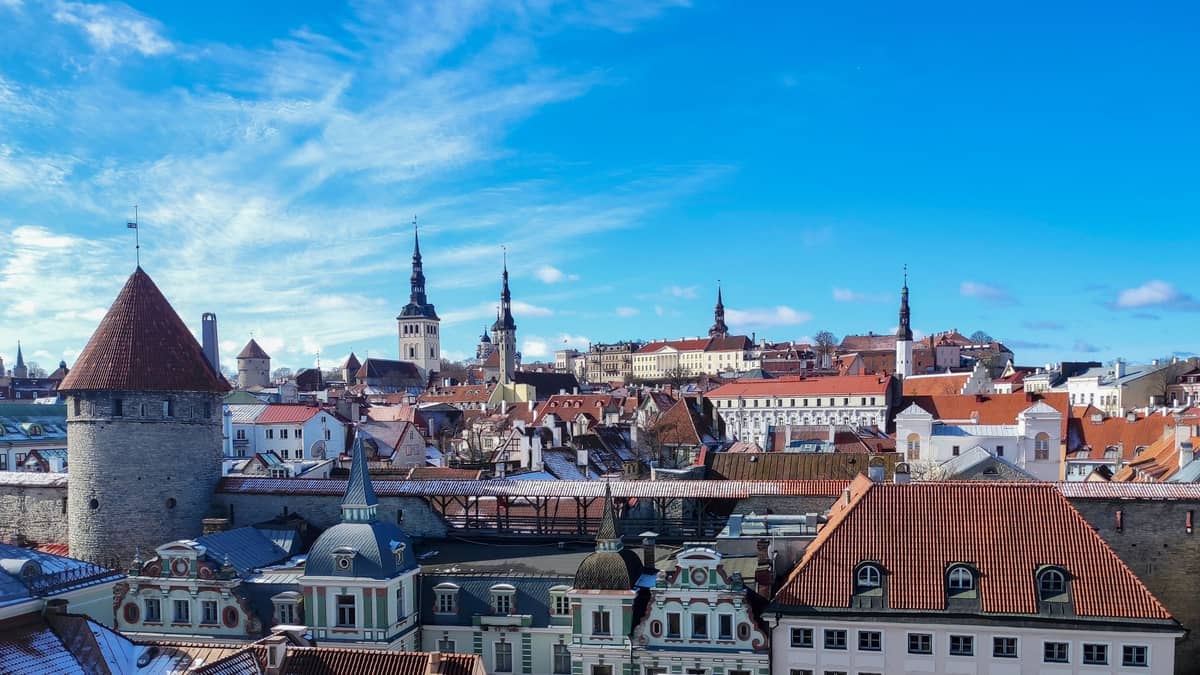
The Old Town's two main areas are Toompea (the upper town, historically dominated by the city's rulers) and the lower town (home to merchant guilds and the main commercial streets). Both reward slow exploration. The views from Kohtuotsa viewing platform and Patkuli viewing platform on Toompea are the most photographed in the city, and they're free.
Beyond the obvious, KUMU Art Museum in Kadriorg is one of the finest modern art institutions in Northern Europe — genuinely worth the admission rather than just a box to tick. The Seaplane Harbour (Lennusadam) is an interactive maritime museum housed in a remarkable early 20th-century hangar; it's excellent for a few hours and particularly good with children. And the Kalamaja neighborhood northwest of the Old Town gives you the city locals actually live in: colorful wooden houses, independent cafes, and the Balti Jaam market.
✨ Pro tip
The Tallinn Card (24h, 48h, or 72h options) covers free entry to most major museums and unlimited public transport. It pays off quickly if you plan to visit three or more paid attractions. Check the current price and inclusions on the official Visit Tallinn site before buying, as the lineup changes. Our Tallinn Card guide breaks down whether it's worth buying for your specific itinerary.
Practical Basics: Costs, Language, and Logistics
Estonia uses the euro, and Tallinn is well-integrated into standard European payment infrastructure. Cards are accepted almost universally, including at smaller independent shops and market vendors. Cash is rarely necessary, though having €20–30 on hand for occasional market purchases or small bakeries is sensible.
English is widely spoken in the tourism and hospitality sectors, and among younger Estonians generally. You will not struggle to communicate in the Old Town, at hotels, or in modern neighborhoods. Russian is also widely understood, reflecting the city's demographic history. Estonian (the official language) belongs to the Finno-Ugric family — unrelated to Russian, German, or any Slavic or Romance language — so learning even basic phrases earns genuine appreciation from locals.
Daily budget ranges break down roughly as follows: budget travelers keeping to street food, self-catering, and free sights can manage around €50 per day. A comfortable mid-range trip with sit-down meals, museum entries, and a decent hotel runs €100–140 per person per day. Tipping is not obligatory but 10% for good restaurant service is customary. Estonia is in the Schengen Area, meaning EU and EEA nationals need only a passport or national ID card, and citizens of the US, Canada, Australia, and New Zealand do not require a visa for short stays — but always confirm current entry requirements with official sources before travel.
- Emergency number: 112 (EU standard, covers police, fire, and ambulance)
- Country dialing code: +372
- Electricity: 230V, Type F (Schuko) sockets — standard European plugs work fine
- Timezone: UTC+2 in winter (EET), UTC+3 in summer (EEST)
- Tap water is safe to drink in Tallinn
FAQ
Is Tallinn worth visiting for just one day?
One day is enough to cover the Old Town's main sights — Town Hall Square, Toompea, the city wall, and a couple of viewpoints — but you'll be moving fast. Two days is a more comfortable window that lets you also see a neighborhood like Kalamaja and a museum or two. If you're arriving by ferry from Helsinki, a full day gives you a solid taste, but you'll leave feeling there's more to come back for.
Is Tallinn safe for tourists?
Yes, Tallinn is generally safe by European standards. Petty theft in busy tourist areas (particularly around Town Hall Square in summer) is the most common concern, so standard precautions apply: keep bags closed, be aware of your surroundings in crowded spaces, and avoid leaving valuables visible in cars. The city center is well-lit and active into the late evening, including in summer when daylight extends past midnight.
Is Tallinn expensive compared to other European cities?
Tallinn is cheaper than Scandinavian capitals and most Western European cities, but noticeably more expensive than it was five or ten years ago. The Old Town tourist core specifically runs close to Western European pricing for food and drinks. Step outside that bubble — into Kalamaja, Telliskivi, or local lunch restaurants — and the value improves considerably. Budget travelers can still do Tallinn affordably with some planning.
How many days do you need in Tallinn?
Two full days covers the essential Old Town sights, a museum, and at least one non-tourist neighborhood. Three days lets you add a day trip — to Lahemaa National Park, the Estonian Open Air Museum, or across the water to a nearby island. Four or five days is worth it if you want to explore the city at a slower pace or use Tallinn as a base for regional excursions.
Is Tallinn worth visiting in winter?
It depends on your cold tolerance. Temperatures regularly drop to −10°C or lower, and occasional extremes reach −20°C or so. That said, winter Tallinn has real appeal: the Christmas market in December is one of Northern Europe's best, snow transforms the Old Town's silhouette dramatically, and crowds thin to almost nothing by January. Go in December for festive atmosphere, or January/February if you want the city to yourself. Just dress properly — multiple base layers, insulated boots, and a windproof outer layer are not optional.