Tallinn to Helsinki: Ferry, Day Trip & Complete Travel Guide
The Tallinn to Helsinki ferry is one of Europe's most convenient short sea crossings, taking as little as 2 hours with up to 10 daily departures year-round. This guide covers every operator, realistic prices, seasonal scheduling, day trip logistics, and what to expect on board.
Plan and book this trip
Tools from our partner Travelpayouts help you compare flights and hotels. If you book through them, we may earn a commission at no extra cost to you.
Flights
Hotels map
TL;DR
- The Tallinn to Helsinki ferry takes 2 to about 3.25 hours depending on the operator and vessel, with crossings from around €15 booked in advance.
- Three main operators serve the route: Tallink Silja Line, Viking Line, and Eckerö Line, with up to 10 daily departures in peak summer.
- Day trips are genuinely practical: early morning departures and late evening returns give you 8+ hours in Helsinki or Tallinn. See the 2-day Tallinn itinerary if you're combining this with a longer stay.
- The route runs year-round, not just in summer. Off-season sailings drop to around 60–70 weekly, compared to roughly 100 in peak summer.
- Book directly with the operator for the best fares, or use a comparison platform to cross-check prices across all three lines.
The Route at a Glance: Distance, Time, and Frequency

Tallinn and Helsinki sit on opposite shores of the Gulf of Finland, roughly 80 kilometres apart by sea. That short distance is what makes this one of the most well-used ferry corridors in the world. During peak summer, around 100 weekly crossings connect the two capitals, operated by three competing companies. Even in the dead of winter, you can count on roughly 60 to 70 weekly sailings.
Crossing time varies by ship. The fastest services, typically run by Tallink's high-speed vessels, complete the crossing in around 2 to 2.5 hours. Slower, larger car-carrying ferries take closer to 3 to 3.25 hours. Neither is a gruelling journey: even the longest sailing is short enough to enjoy a meal on board without feeling like you've lost half a day. Departure windows are wide, with first sailings around 00:00 to 06:00 and the last around 23:00 to 23:30 depending on the operator and season.
ℹ️ Good to know
This is not a traditional long-haul overnight ferry, but there are some late-night and near-overnight departures on this route (for example, sailings departing around 22:30 and arriving after midnight). Most Tallinn–Helsinki services are daytime or evening crossings, so standard cabin bookings are optional rather than essential.
Operators: Tallink Silja, Viking Line, and Eckerö Line
Three operators compete on this route, and each has a slightly different product. Your choice depends on whether you prioritise price, speed, onboard experience, or flexibility with a vehicle.
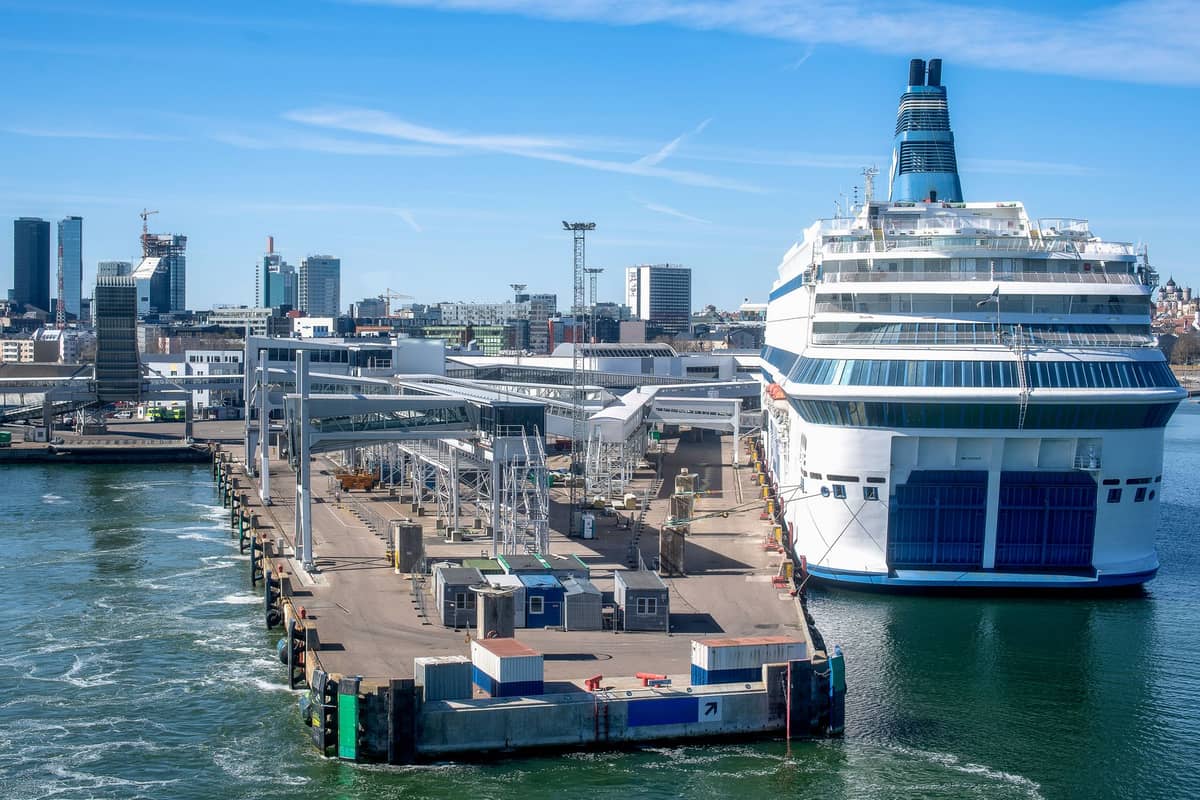
- Tallink Silja Line The dominant operator on the route, running both fast ferries and larger cruise-style vessels. Tallink offers the most frequent departures and a well-developed onboard experience including restaurants, shops, and sometimes a spa deck. Timetables and booking are available at tallink.com.
- Viking Line A strong competitor with a loyal Scandinavian customer base. Viking Line's ships tend toward the larger cruise-ferry format with a focus on onboard dining and duty-free retail. Good choice if you want a more leisurely crossing. Schedules and tickets at vikingline.com.
- Eckerö Line Often the most affordable option, Eckerö runs fewer daily sailings but consistently competitive fares. Timetable details available at laevapiletid.ee. Worth checking if flexibility on departure time can save you money.
For most foot passengers, Tallink and Eckerö provide the best value combination of price and schedule. Viking Line is a solid choice if you're travelling as part of a group and want more onboard options. If you're bringing a car, compare car-plus-passengers packages across all three: the price difference can be significant depending on the season.
✨ Pro tip
Booking directly through the operator's website almost always yields better prices than third-party aggregators, especially for Tallink's flash sales. However, running a quick check on Ferryhopper, Ferryscanner, or Direct Ferries takes two minutes and occasionally surfaces a cheaper Eckerö slot you might have missed.
Prices: What to Actually Expect
Foot passenger fares start around €15 when booked well in advance on Eckerö or during Tallink promotions. A more realistic budget for a standard one-way booking, with reasonable advance notice, is €20 to €30. Last-minute bookings on popular summer dates can push that higher. Return day-trip fares are often sold as packages and can be worth checking if you're planning a same-day round trip.
If you're travelling with a car, budget between €44 and €95 for a vehicle plus passengers on a typical crossing, with the range reflecting seasonal demand and which operator you book with. Cabin upgrades, reserved seating, and onboard meal packages are add-ons that can double the base fare if you're not paying attention during checkout.
- Cheapest foot passenger fares: from around €15 (advance, Eckerö or Tallink promo)
- Average one-way foot passenger fare: €27 to €33 depending on date and class
- Car plus passengers: approximately €44 to €95 depending on operator and season
- Day trip return packages: often cheaper than two separate one-way tickets, worth checking
- Prices are highest in July and during Finnish or Estonian public holidays
⚠️ What to skip
Ferry prices on this route are dynamic and change frequently. The figures here reflect general market ranges, not guaranteed fares. Always check current prices directly with the operator or a comparison platform before booking.
Doing It as a Day Trip: Is It Actually Worth It?
A day trip from Tallinn to Helsinki, or in reverse, is more practical than most people assume. Take a 07:00 departure from Tallinn, arrive by 09:30, spend the day in Helsinki, and catch an evening ferry back. That gives you a solid seven or eight hours on the ground, enough to cover the city centre, the Market Square, Temppeliaukio church, and a proper Finnish lunch. The same logic applies in reverse: Helsinki visitors sometimes use Tallinn as a day excursion, which is one reason Tallinn's Old Town stays busy with Finnish day-trippers throughout summer.
The day trip calculation does depend on how much time you want on each shore versus on the water. Faster Tallink services minimise transit time; slower vessels add an hour each way. For a day trip, always book a fast service if available. The onboard experience is pleasant enough, but two round-trip crossings on a slow boat in a single day means four hours of sailing, which starts to eat into your day.
If your time in Tallinn is limited, a Helsinki day trip is probably best saved for trips of three days or more. A three-day Tallinn itinerary gives you enough breathing room to dedicate one full day to the crossing without feeling like you've shortchanged the city itself.
Getting to and from the Tallinn Ferry Terminal
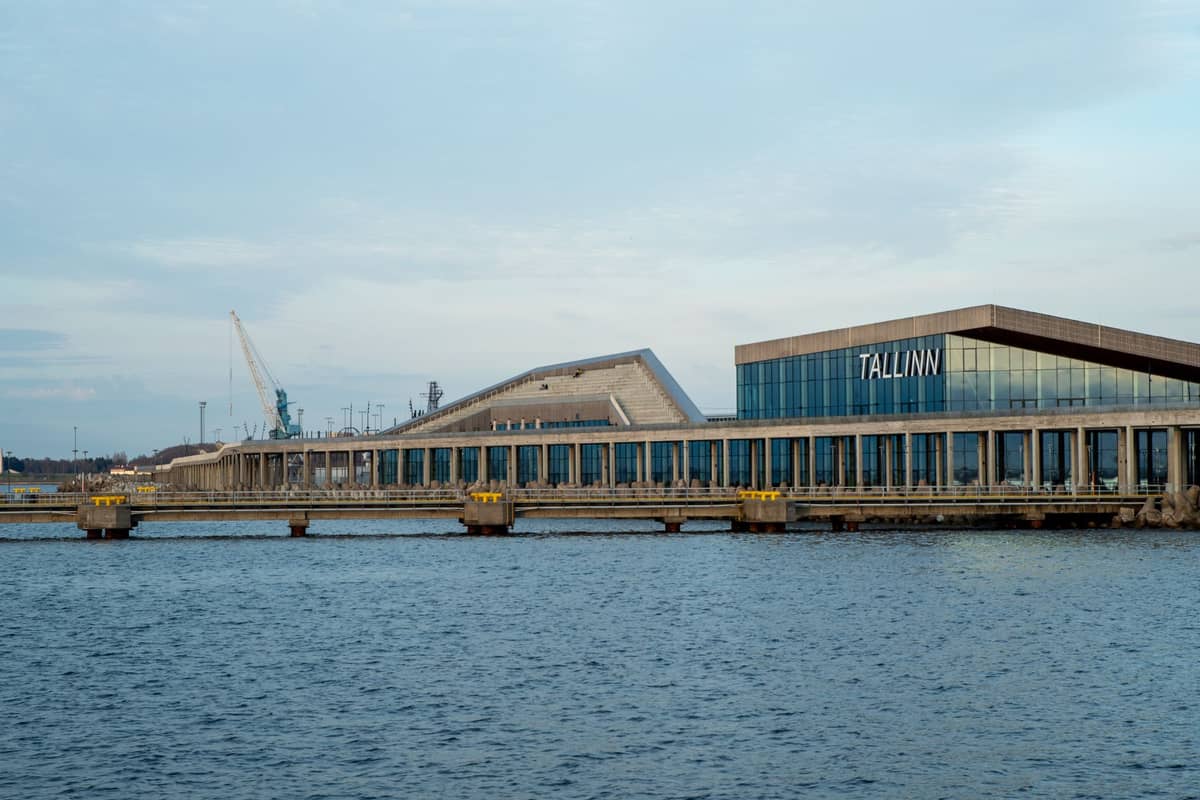
Tallinn's passenger ferry terminals are located at the Port of Tallinn, within easy reach of the Old Town. Terminal A, B, C, and D all handle passenger services at different times, and your boarding terminal depends on which operator and sailing you've booked. Tallink and Viking Line primarily use terminals D and A respectively, while Eckerö currently uses Terminal A. Your ticket will specify the correct terminal, but it's worth double-checking on the operator's website the day before you travel.
The port is roughly a 10 to 15-minute walk from Tallinn's Old Town, or a short taxi or Bolt ride from anywhere in the city centre. Tallinn's public transport network, operated via transport.tallinn.ee, also connects the port area to the broader city. Tickets can be paid in cash on the bus or loaded onto a Ühiskaart smartcard. If you're arriving by taxi, fares are regulated and posted on a yellow sticker in the rear window of each vehicle.
Allow at least 30 minutes before departure for check-in, boarding, and security, more like 45 to 60 minutes if you're travelling with a vehicle. The terminals are functional rather than comfortable, so don't count on spending quality time there before boarding.
Seasonal Considerations and Booking Strategy
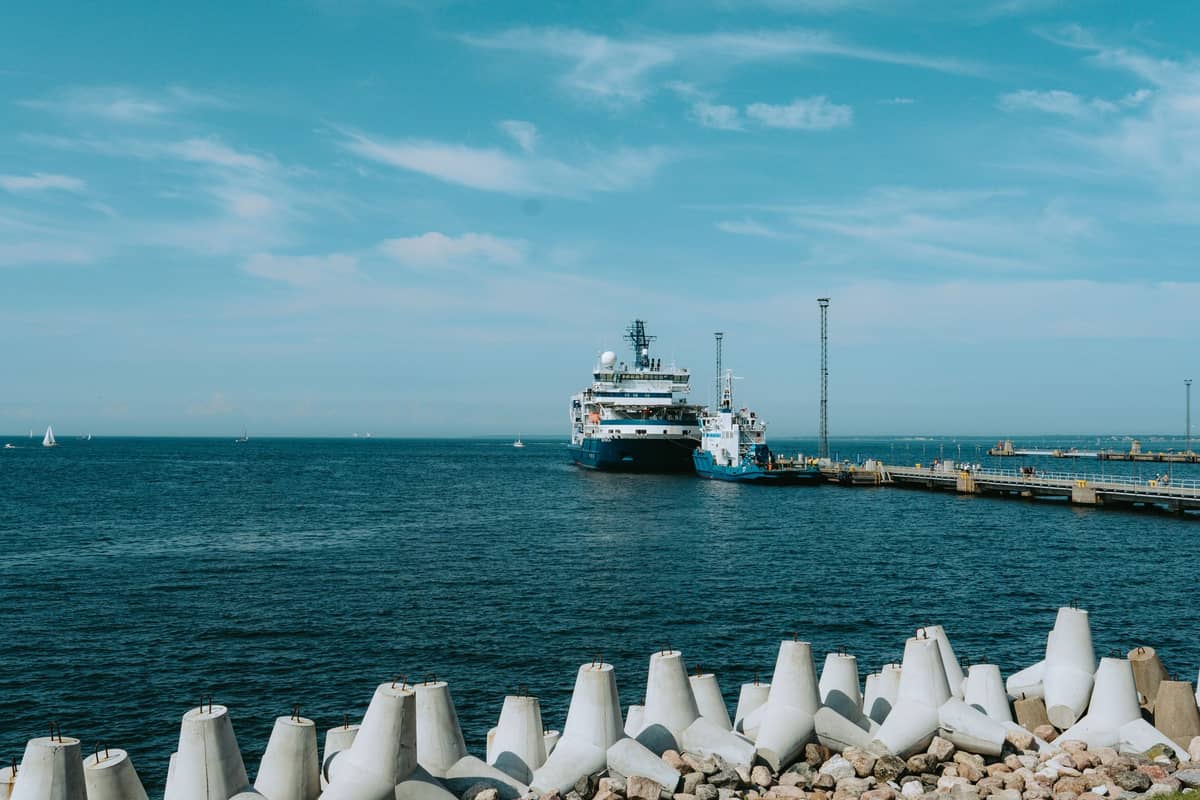
Summer, roughly June through August, is when this route operates at full capacity. Crossings fill up faster, prices peak in July, and the onboard experience leans more toward leisure cruise than commuter ferry. If you're travelling during this window, book at least a few weeks ahead for the best fares. The Tallinn summer season also means the city itself is at its most active, making a combined Tallinn-Helsinki trip particularly rewarding.
Winter crossings are a different proposition. The Gulf of Finland can be choppy from November through February, and while the ferries are large enough to handle standard Baltic weather, those prone to seasickness should be prepared. On the upside, fares drop significantly, sailings are less crowded, and Tallinn's Christmas market season makes a winter visit worthwhile in its own right. The route does not close for winter: year-round operations are guaranteed by all three main operators.
Spring and early autumn, roughly April-May and September-October, represent the sweet spot: lower fares than peak summer, reasonable weather, and manageable crowds on both shores. If you have flexibility, this is the window to aim for.
- Book 3 to 6 weeks ahead for summer sailings, especially July departures
- Check for day-trip return packages, often discounted compared to two one-way tickets
- Eckerö Line tends to offer the most competitive base fares if timing is flexible
- Winter crossings are cheaper but can be rougher: consider anti-seasickness medication if you're sensitive
- Finnish and Estonian public holidays, including Midsummer in late June, cause demand spikes on both sides
FAQ
How long does the Tallinn to Helsinki ferry take?
Most crossings take between 2 and 3.5 hours. Tallink's fast ferries complete the route in around 2 to 2.5 hours, while larger cruise-style vessels from Tallink, Viking Line, or Eckerö take closer to 3 to 3.5 hours. Your ticket and the operator's timetable will confirm the exact duration for your sailing.
How much does the Tallinn to Helsinki ferry cost?
Foot passenger fares start around €15 to €20 booked well in advance, with average one-way prices ranging from €27 to €33 depending on the operator, date, and travel class. Car plus passengers packages range from roughly €44 to €95. Prices are highest during July and around major public holidays.
Which ferry company is best for the Tallinn to Helsinki crossing?
For the most departures and reliable service, Tallink Silja Line is the default choice. Eckerö Line is often cheapest but runs fewer daily sailings. Viking Line suits those who want a more cruise-like onboard experience. For a day trip, prioritise whichever operator offers the fastest vessel on your preferred departure time.
Can you do a day trip from Tallinn to Helsinki?
Yes, and it's genuinely practical. Take an early morning departure, spend seven to eight hours in Helsinki, and return on an evening sailing. The key is booking a fast service, around 2 to 2.5 hours each way, to maximise your time on shore. Day-trip return packages are often sold by operators at a discount.
Does the Tallinn to Helsinki ferry run in winter?
Yes, the route operates year-round. Frequency drops from around 90 weekly sailings in peak summer to approximately 31 weekly in the off-season, but daily service is maintained throughout winter. Crossings can be rougher in the Gulf of Finland between November and February, but the ferries are built for Baltic conditions.