What to Eat in Tallinn: A Complete Estonian Food Guide
Estonian cuisine is more nuanced than most visitors expect. This guide covers the essential dishes, the best neighbourhoods to eat well, realistic price ranges for 2026, and practical advice on where the food is worth it and where it is not.
Plan and book this trip
Tools from our partner Travelpayouts help you compare flights and hotels. If you book through them, we may earn a commission at no extra cost to you.
Flights
Hotels map
TL;DR
- Estonian food centres on rye bread, pork, smoked fish, root vegetables, and dairy. Verivorst (blood sausage), mulgipuder (barley-potato porridge), and Kalev marzipan are the dishes most worth trying.
- Eat in Kalamaja and Telliskivi for better value. Old Town restaurants can charge two to three times more for similar quality.
- Budget around €10-15 for a casual lunch and €20-35 per person for a decent dinner with drinks. Fine dining runs €60-120+ per person.
- The Balti Jaam Market is the single best spot for cheap, authentic eating, with most dishes priced €4-9.
- Estonian cuisine is strongly seasonal. Visit in winter for hearty stews and smoked meats; summer brings fresh produce, berries, and open-air eating.
What Estonian Food Actually Tastes Like
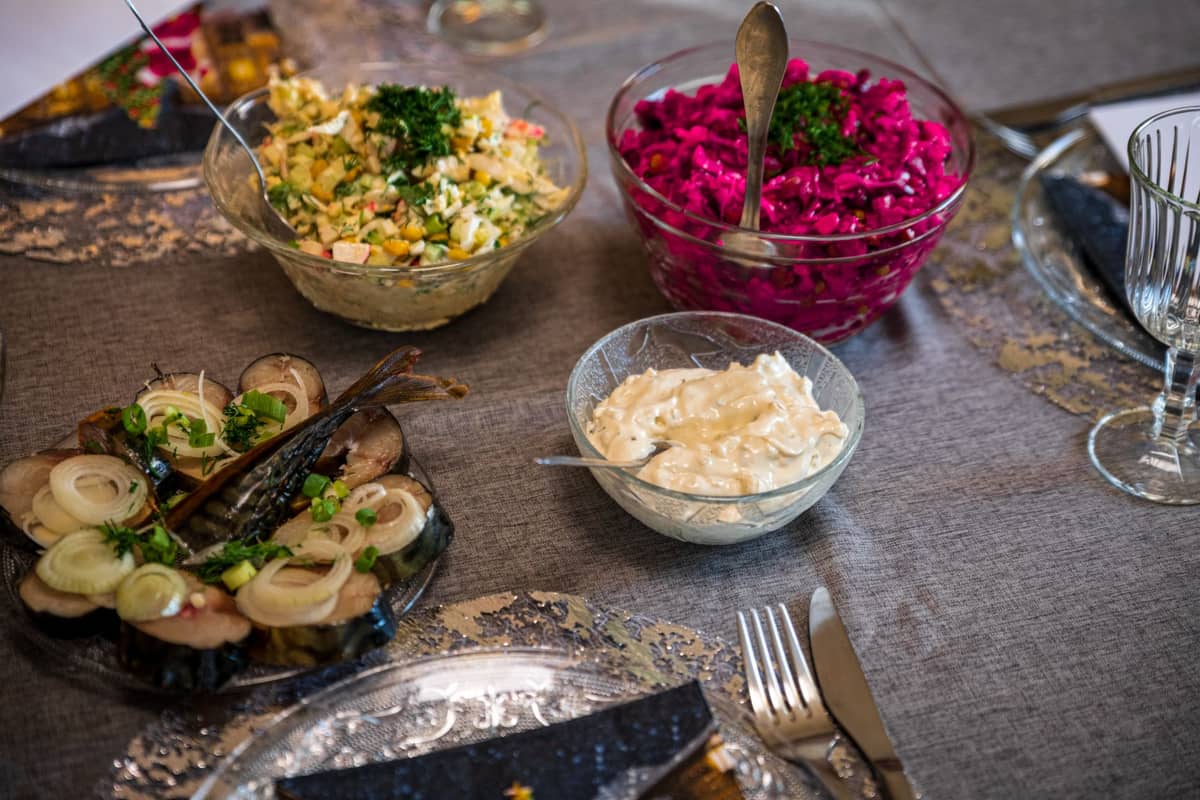
Estonian cuisine is the product of a northern climate, centuries of rural life, and a short growing season. The flavour profile skews savoury and earthy, with smoked, fermented, and pickled elements appearing in almost every meal. Fat is not avoided. Rye bread, butter, sour cream, and pork fat are staples, not exceptions. If you arrive expecting light, herb-forward Mediterranean food, recalibrate. What you will find instead is food built for cold weather: filling, honest, and increasingly refined in the city's better restaurants.
The good news for visitors is that Tallinn's food scene has evolved well beyond the Soviet-era canteen stereotype. A credible farm-to-table movement has taken hold, with a number of restaurants sourcing directly from Estonian farms and coastal fisheries. Traditional dishes coexist with modern Nordic-influenced cooking. The result is a city where you can eat a bowl of mulgipuder (a slow-cooked barley and potato porridge with pork fat) for lunch and sit down to a technically impressive tasting menu the same evening.
ℹ️ Good to know
Estonian food is not only served in tourist restaurants or open-air museums. Everyday lunch spots across the city offer local dishes, often as a 'päevapraad' (daily special) for €7-12, which is genuinely the best value eating you will find in Tallinn.
The Essential Dishes to Try
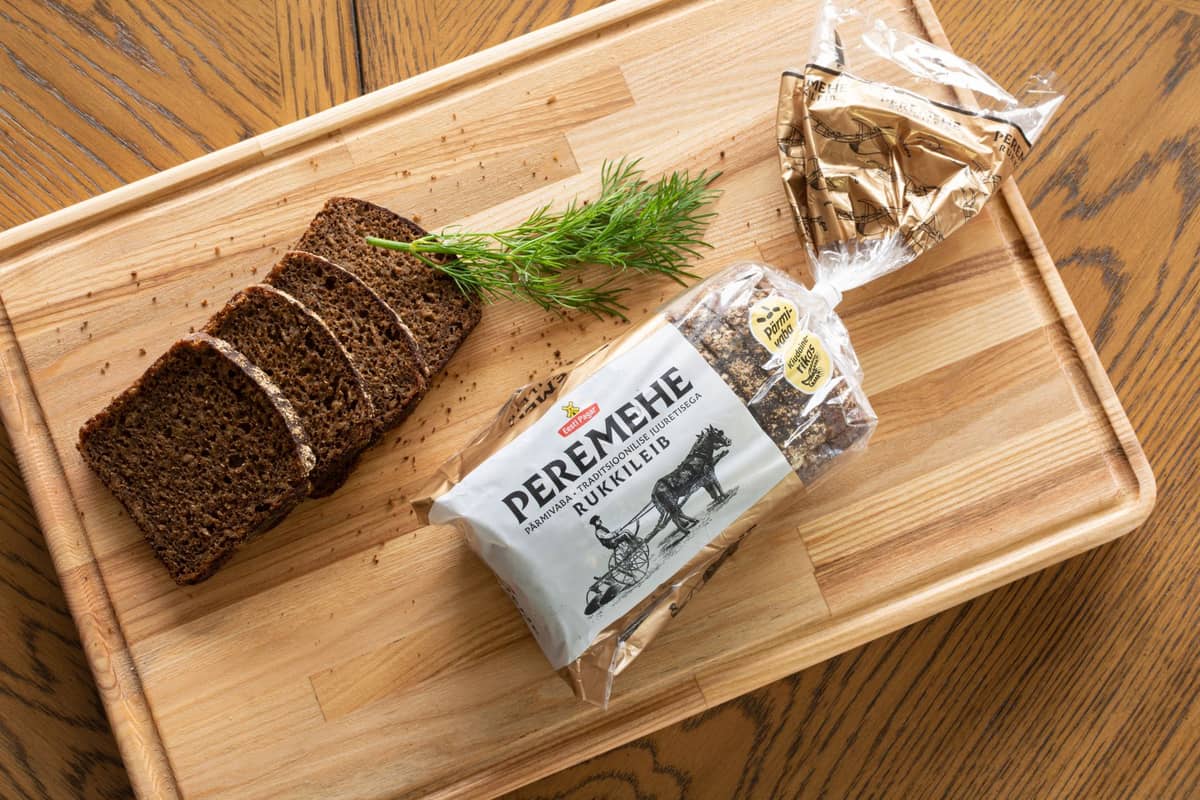
Start with rye bread (rukkileib). Estonian rye is denser and more sour than the Scandinavian versions most visitors know, and it appears at almost every meal. It is worth buying a loaf from a bakery rather than accepting the pre-sliced basket version at tourist restaurants. Pair it with local butter or smoked sprats for a combination that costs almost nothing and captures something genuinely Estonian.
- Verivorst (blood sausage) The most traditional Estonian meat dish, especially common around Christmas but available year-round at markets and certain restaurants. Served with sauerkraut and lingonberry jam. The flavour is mild and slightly sweet, not as intense as British black pudding.
- Mulgipuder A thick porridge of pearl barley and potatoes cooked with pork fat. The name comes from the Mulgimaa region. Rich, slow, and deeply unfashionable in the best possible sense.
- Smoked fish Baltic sprats (kilud) and Baltic herring (räim) are the backbone of Estonian coastal food. Cold-smoked and hot-smoked versions are both worth trying. Look for them at Balti Jaam Market or any decent fishmonger.
- Kama A flour blend made from roasted barley, rye, oat, and pea flour, traditionally mixed with buttermilk and eaten as a porridge or dessert. Increasingly served in upscale restaurants as a dessert element.
- Kohuke A sweet curd cheese bar coated in chocolate, sold in every supermarket. It is a Soviet-era invention that Estonians are unironically proud of. Try one from a shop rather than a restaurant; they cost around €0.50-1.
- Kalev marzipan Tallinn has a centuries-old marzipan tradition, and Kalev is the best-known producer. The Old Town pharmacy claims to have sold medicinal marzipan since the 15th century. Modern Kalev marzipan is sold in decorative shapes and makes a practical, genuinely local souvenir.
💡 Local tip
The 'päevapraad' or daily lunch special is the most efficient way to eat well and cheaply in Tallinn. Most Estonian and mid-range restaurants offer a set lunch from around 11am-3pm for €7-12, usually including a main, sometimes soup, and occasionally a drink. Ask at the door if you do not see it on the menu.
Where to Eat: Neighbourhoods and Price Reality
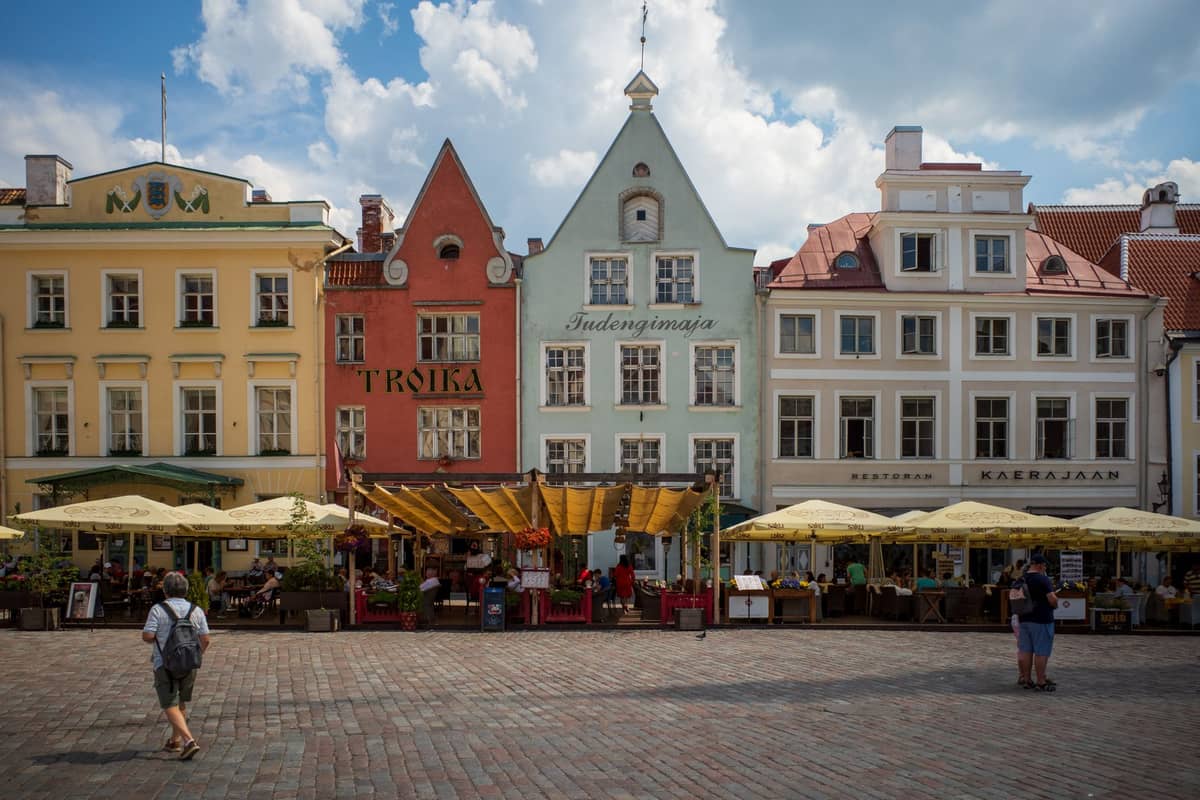
The Old Town is the most photographed part of Tallinn and also where food is most expensive relative to quality. Restaurants on and around Raekoja plats (Town Hall Square) are almost entirely tourist-facing, with menus priced 30-60% above what you would pay three tram stops away. There are exceptions, but they require research. For most visitors, the Old Town is a place to see medieval architecture and drink a beer, not to eat your best meal of the trip.
The Kalamaja neighbourhood and the adjoining Telliskivi Creative City are where Tallinn's food scene is most interesting right now. This is where you will find independent cafes, neighbourhood restaurants, weekend food markets, and a general atmosphere that is not calibrated for cruise ship passengers. Prices are noticeably lower, quality is consistently higher, and the menus are more likely to reflect what Tallinn residents actually eat.
The Balti Jaam Market sits next to the main train station and is the best single stop for budget eating and food shopping. Stalls sell smoked fish, rye bread, pastries, pickles, and hot dishes, with most items priced €4-9. It is not glamorous, but it is the most authentic food environment in the city centre. Come on a Saturday morning when it is busiest.
- Old Town Highest prices, most tourist-facing menus. Some good spots exist but require advance research. Best for a coffee or beer, not a full meal on a budget.
- Kalamaja and Telliskivi Best overall neighbourhood for eating. Good range from casual cafes to quality sit-down restaurants. 15-20 minute walk or a short tram ride from Old Town.
- Balti Jaam Market Best for cheap, authentic food. Open most days but busiest on weekends. Smoked fish, pastries, and hot dishes for €4-9.
- Kadriorg A quieter neighbourhood with a handful of neighbourhood restaurants and cafes near the park. Worth combining with a visit to Kadriorg Palace or KUMU.
- City Centre (Kesklinn) Mixed quality. Lunch spots targeting office workers offer some of the best-value päevapraad deals in the city. Less atmosphere than Kalamaja but practical.
Price Ranges: What to Realistically Budget
Tallinn is not cheap by Eastern European standards, but it remains more affordable than Helsinki, Stockholm, or Copenhagen. Food costs have risen since 2022 due to inflation across the Eurozone, so older price guides may understate what you will actually pay.
- Coffee (espresso or flat white): €3-5
- Pastry or bakery snack: €2-4
- Market or street food dish: €4-9
- Päevapraad (daily lunch special): €7-12
- Casual sit-down lunch: €10-15 per person
- Mid-range dinner with a drink: €20-35 per person
- Fine dining tasting menu: €60-120+ per person
- Supermarket grocery shop for self-catering: €20-30 for two days of basics
⚠️ What to skip
Restaurants on Raekoja plats and the main Old Town tourist streets frequently charge €18-25 for a main course that would cost €12-15 two neighbourhoods away. Check menus posted outside before sitting down, and be aware that some venues add a service charge automatically.
Drinks: What to Order in Tallinn
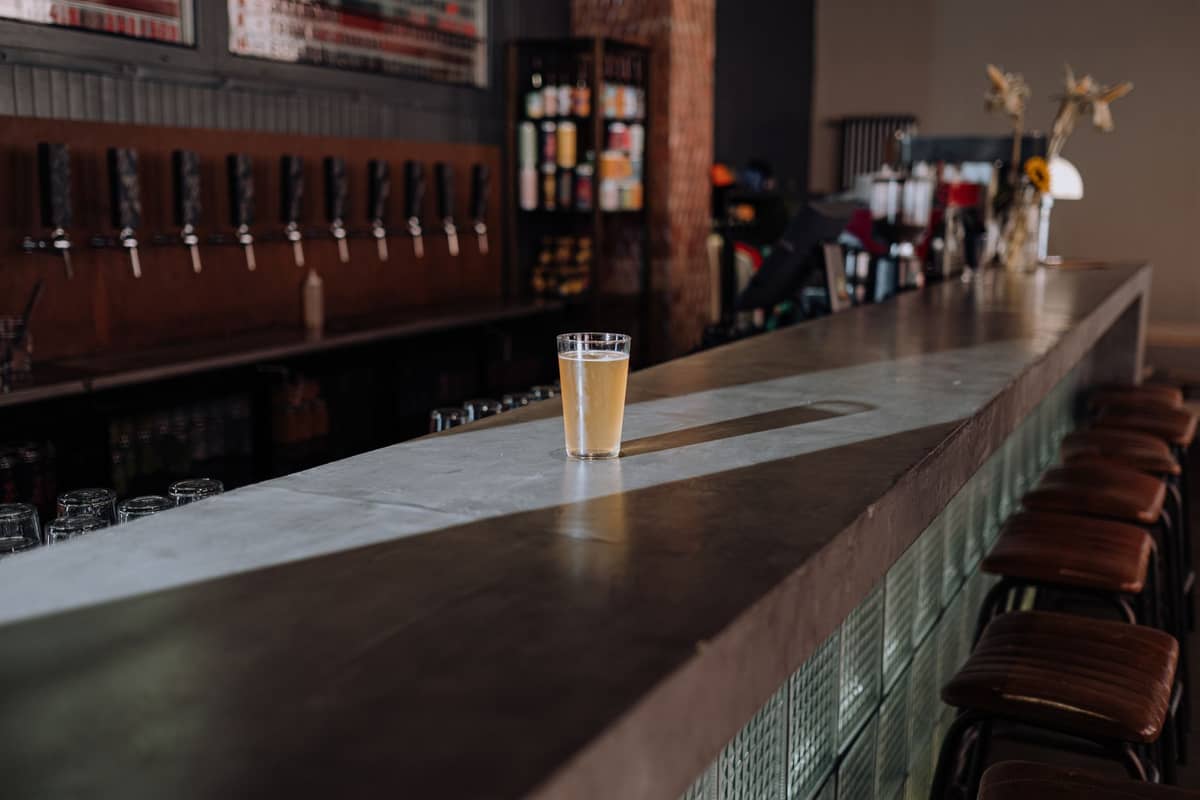
Estonian craft beer has developed quickly over the last decade. Põhjala is the most widely distributed local brewery and produces a range from lagers to stouts and sours. Their seasonal releases, particularly winter dark ales, are worth looking for. Saku and A. Le Coq are the main commercial lagers, available everywhere and reliable if unremarkable.
Vana Tallinn is the city's most famous liqueur: sweet, rum-based, and amber-coloured. It is sold everywhere as a souvenir and is genuinely drunk by Estonians, usually as a digestif or mixed into coffee or cream. It is not for everyone (very sweet), but worth trying in a small measure rather than buying a full bottle without tasting first. Kali is a traditional fermented rye bread drink, lightly alcoholic and similar to Russian kvass. It is an acquired taste, but cheap and interesting to try at a market.
Seasonal Eating and When It Matters
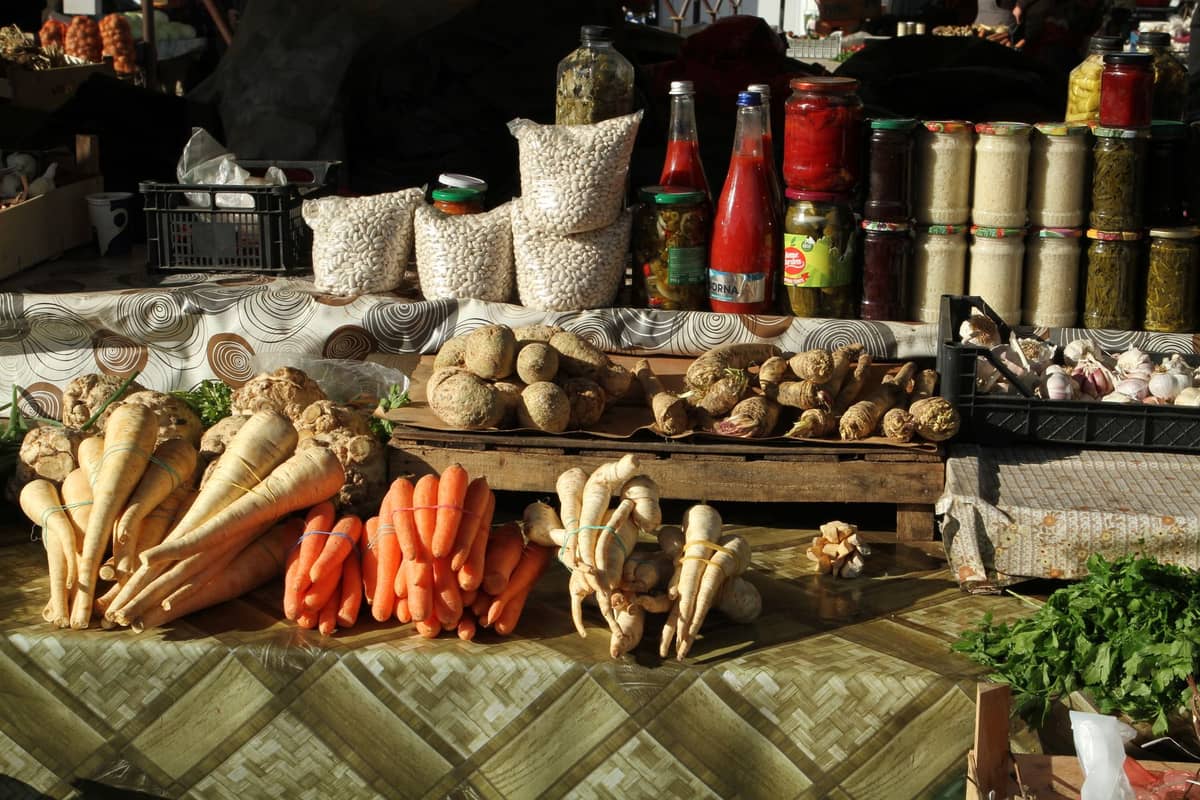
Estonian cuisine follows the seasons more closely than most Western European food cultures, partly because of the short growing season and partly because preservation traditions (smoking, pickling, fermenting) were historically essential rather than trendy. This means the experience of eating in Tallinn is genuinely different depending on when you visit.
In summer, roughly June through August, markets overflow with strawberries, chanterelle mushrooms, new potatoes, and fresh herbs. Outdoor terraces open across Kalamaja and the city centre. This is the best time to eat lightly and seasonally. In winter, the food shifts toward preserved and slow-cooked: hearty soups, blood sausage, smoked meats, and warming spirits. The Tallinn Christmas market in December is a reasonable place to try verivorst and glögg in one go, though prices at market stalls are higher than at permanent restaurants.
Spring (April-May) and autumn (September-October) are quieter and often the most interesting times to eat in Tallinn. Mushroom season peaks in September and October, and you will see foraged mushrooms appearing on restaurant menus across the city. For more on timing your visit, the best time to visit Tallinn guide covers seasonal trade-offs in detail.
✨ Pro tip
If you are in Tallinn between late July and September, look for fresh chanterelle mushrooms (kukeseened) at Balti Jaam Market. They are often sold by individual foragers for a few euros per bag and are significantly better than anything you will find in a supermarket.
Practical Tips Before You Eat
Reservations matter more than visitors often expect. Tallinn is a small city with a relatively limited number of genuinely good restaurants, and the best tables at mid-range and upscale spots fill up by mid-week, especially Friday and Saturday evenings. Book at least a few days ahead for anywhere you specifically want to try.
Tipping is not mandatory in Estonia, but 10% is considered polite for good service and is now widely expected at sit-down restaurants. Most places accept card payments, including contactless. If you are eating on a tight budget, the Tallinn budget eating guide covers the päevapraad system, supermarket options, and neighbourhood cafes in more detail. The where to eat in Tallinn guide provides specific restaurant recommendations with current context.
English menus are standard at virtually every restaurant in the city centre and tourist areas. Staff in Kalamaja and neighbourhood spots occasionally work from Estonian-only menus, but almost all will have an English version available on request or via a QR code. Language is not a practical barrier to eating well in Tallinn.
FAQ
What is the most traditional Estonian dish to try in Tallinn?
Verivorst (blood sausage with sauerkraut and lingonberries) is the most distinctly Estonian dish. Mulgipuder (barley and potato porridge with pork fat) is the other essential. Both are available year-round at Balti Jaam Market and at restaurants specialising in Estonian cuisine.
Is food in Tallinn's Old Town worth the price?
Mostly no. Old Town restaurants, especially those around Raekoja plats, charge significantly more than equivalent quality spots in Kalamaja or Telliskivi. There are a few exceptions, but as a general rule you will eat better and more cheaply if you are willing to walk 15-20 minutes from the tourist core.
Where can I eat cheaply and well in Tallinn?
Balti Jaam Market is the best single option for budget eating (€4-9 per dish). The päevapraad (daily lunch special) system at neighbourhood restaurants offers a main course, sometimes soup, for €7-12. Kalamaja and the city centre business district have the best concentration of lunch deal restaurants.
Can vegetarians eat well in Tallinn?
Traditional Estonian cuisine is heavily meat and dairy-based, so vegetarians will not find much in old-school restaurants. However, Tallinn's modern cafe and restaurant scene is reasonably well-equipped for vegetarians, especially in Kalamaja and Telliskivi. Dedicated vegetarian and vegan restaurants do exist, though the selection is smaller than in larger European capitals.
What should I drink in Tallinn?
Try Põhjala craft beer for a local option with genuine quality range. Vana Tallinn liqueur is the city's signature spirit, best tried in a small measure before committing to a bottle. Kali (fermented rye bread drink) is an interesting non-alcoholic local option available at markets.