Where to Eat in Tallinn: Best Restaurants & Food Areas
Tallinn's dining scene stretches far beyond the medieval Old Town, with Michelin-recognized kitchens, creative Kalamaja eateries, and modernist Estonian cuisine in the Rotermann Quarter. This guide breaks down where to eat, what to spend, and which tourist traps to avoid.
Plan and book this trip
Tools from our partner Travelpayouts help you compare flights and hotels. If you book through them, we may earn a commission at no extra cost to you.
Flights
Hotels map
TL;DR
- Tallinn has a genuine Michelin-recognized food scene, not just medieval-themed tourist fare.
- The best modern restaurants are in Kalamaja, Telliskivi, and Rotermann — not on Town Hall Square.
- Skip the restaurants directly on Raekoja plats — most are overpriced and aimed squarely at cruise tourists.
- Top-end tasting menus rival Northern European prices; budget meals are still possible in cafés and market halls.
- Book fine dining at least a few days ahead, especially on weekends. See what to eat in Tallinn for a full breakdown of Estonian dishes worth trying.
Understanding Tallinn's Food Districts
Tallinn's restaurant landscape divides fairly cleanly into four distinct zones, each with its own character, price point, and cuisine focus. Knowing which area suits your plans will save you both time and money.
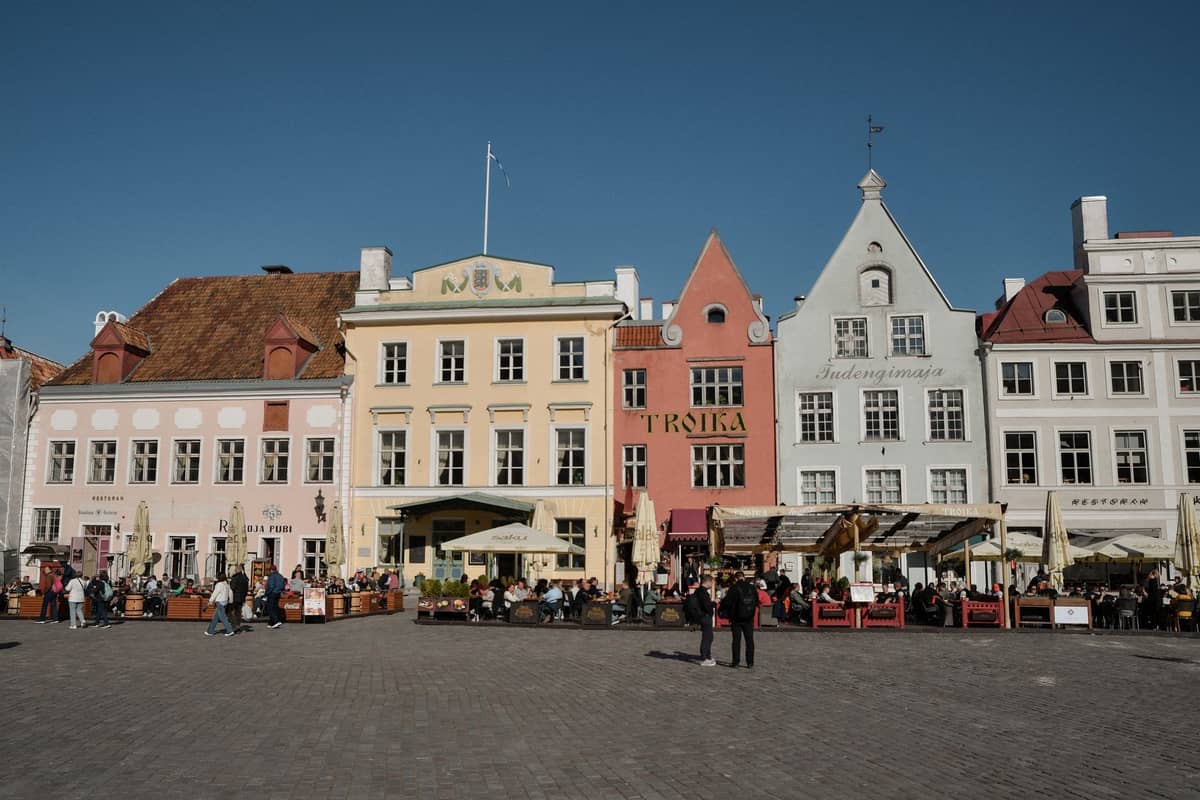
- Old Town (Vanalinn) The most concentrated restaurant area in the city, with dozens of options around Raekoja plats and along streets like Rataskaevu and Pikk. Quality ranges from genuinely excellent to tourist-trap mediocre. The medieval-themed taverns are fun once but rarely worth a return visit.
- Kalamaja & Telliskivi Creative City The city's most interesting neighborhood for food right now. Repurposed industrial buildings host casual restaurants, brunch spots, craft beer bars, and concept cafés. Prices are mid-range, the crowd is local, and the atmosphere is relaxed rather than performative.
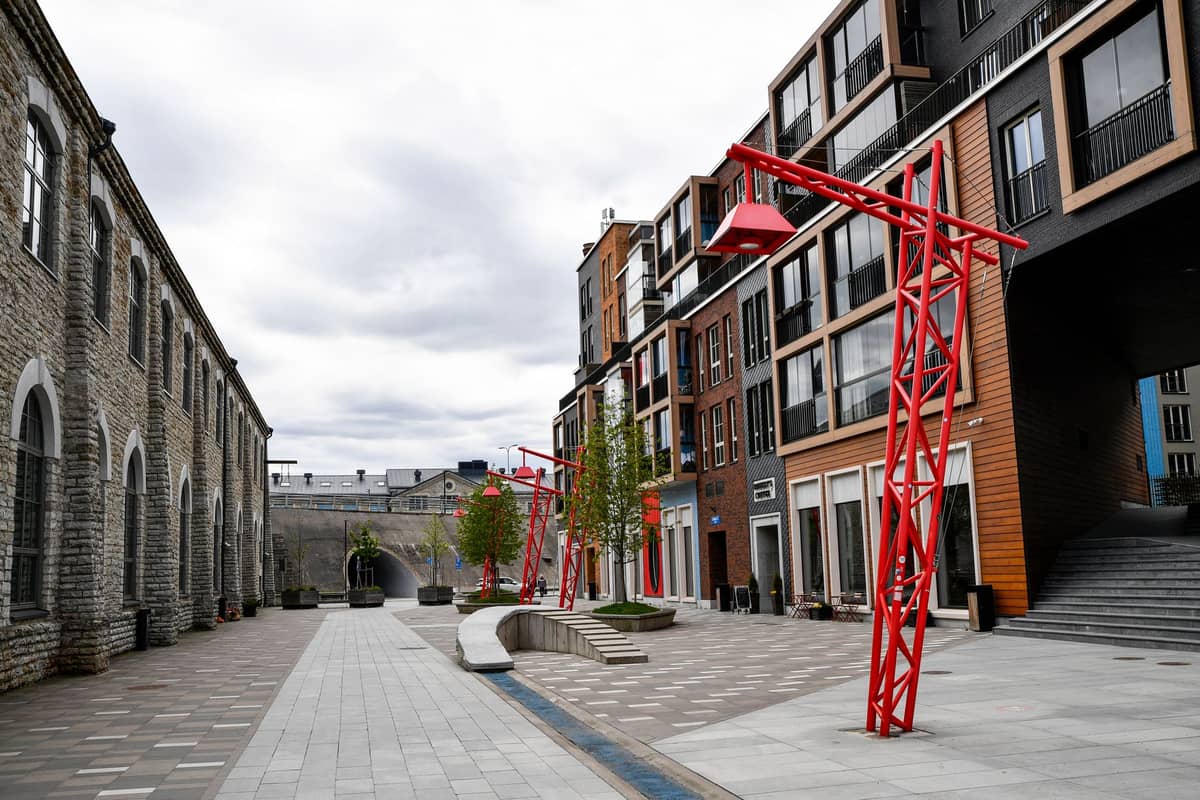
- Rotermann Quarter A block of renovated limestone warehouses between the Old Town and the ferry terminals. Home to modern Estonian and international dining in architecturally striking spaces. Slightly more polished than Telliskivi, slightly less expensive than fine dining venues.
- Seaside & Kadriorg A handful of destination restaurants sit along the coast or near Kadriorg Park, best reached by tram or taxi. This is where you'll find some of Tallinn's most acclaimed fine dining, including NOA Chef's Hall on the seafront.
⚠️ What to skip
Restaurants on Raekoja plats (Town Hall Square) itself are almost universally aimed at tourists and priced accordingly — often 20-30% higher than comparable food elsewhere in the city, with service that reflects the captive audience. Walk two or three streets away and the quality-to-price ratio improves immediately.
The Best Restaurants in Tallinn by Category
Tallinn stands out in fine dining. The Michelin Guide covers Tallinn, and several restaurants have earned recognition — a significant achievement for a city of around 455,000 people. But there are also excellent options at every price point, from market lunches under €10 to tasting menus that rival Copenhagen or Helsinki.
- NOA Chef's Hall (Fine Dining, Seaside) One of Tallinn's most acclaimed tables, situated on the seafront north of the city centre. Multi-course tasting menus focus on Nordic and Estonian ingredients prepared with precision. Book at least a week ahead for weekends. Taxi or ride-share recommended — Bolt is the dominant app in Tallinn.
- Leib Resto ja Aed (Modern Estonian, Near Old Town) Set in a courtyard garden, Leib ('bread' in Estonian) offers a seasonal menu built around local produce, fermented flavors, and traditional techniques updated for contemporary palates. Mid-to-upper price range, with mains typically in the €20-30 bracket. Advance reservations strongly recommended.
- F-hoone (Casual, Telliskivi Creative City) The anchor restaurant of Telliskivi, popular with locals for weekend brunch and weekday lunches. Burgers, salads, and shareable plates at budget-to-mid prices. Expect a wait on Saturday mornings without a reservation.
- Rataskaevu 16 (Traditional Estonian, Old Town) One of the better options within the Old Town walls for actual Estonian food — elk stew, black bread, and hearty soups. Not cheap, but honest and well-executed. The basement dining room has genuine atmosphere.
- Balti Jaama Turg (Market Hall, Kalamaja) Tallinn's main market hall next to the Baltic Station is the best place for a budget lunch. Food stalls serve Georgian dumplings, Estonian open sandwiches, fresh pastries, and international street food. Most dishes are under €8.
For a deeper look at what dishes to actually order — including blood sausage, kama, and marinated eel — the what to eat in Tallinn guide covers Estonian cuisine from breakfast to dessert. If budget is a concern, eating well in Tallinn on a budget is genuinely achievable with the right approach.
Kalamaja and Telliskivi: Where Locals Actually Eat
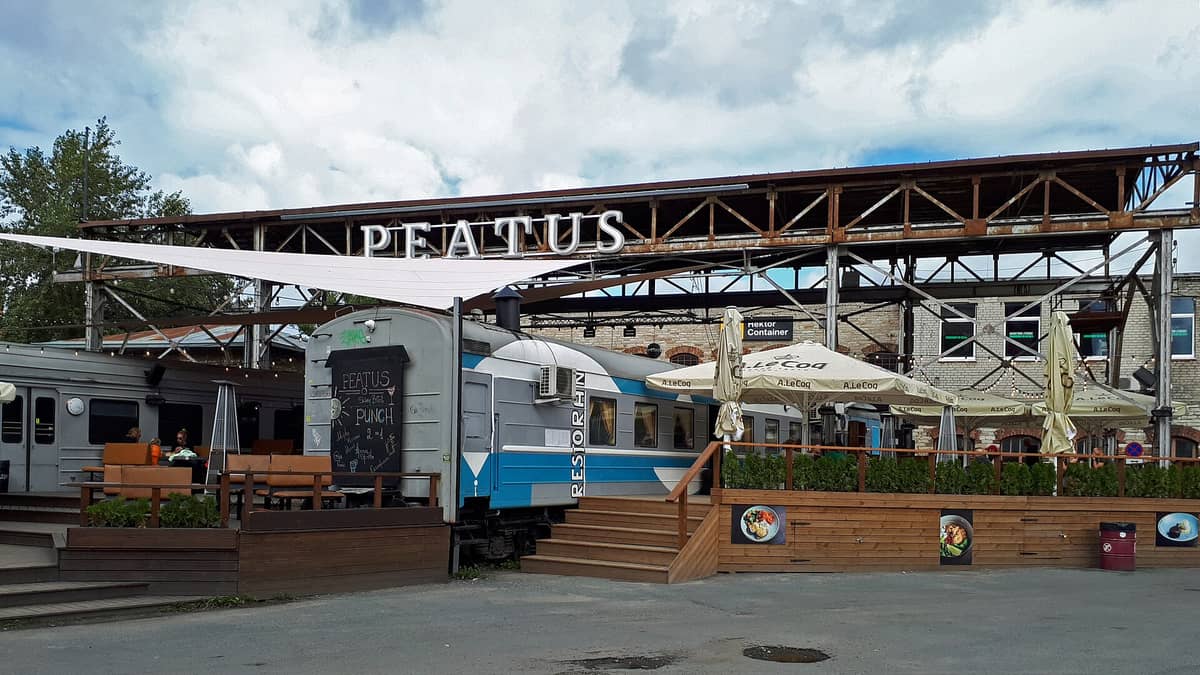
The Kalamaja neighborhood and the adjacent Telliskivi Creative City are where Tallinn's food scene feels most alive. This former working-class and industrial district has been transformed over the past decade into a concentration of independent restaurants, coffee roasters, and natural wine bars.
The atmosphere here is markedly different from the Old Town. Restaurants are housed in converted factory buildings and wooden vernacular houses. Menus change with the seasons, prices are honest, and the crowd is overwhelmingly local. If you only have time for one meal outside the Old Town, this is where to spend it.
The Balti Jaama Turg (Baltic Station Market) sits right at the edge of Kalamaja and is one of the best places in the city for a quick, cheap, and genuinely local meal. The renovated market hall has become a destination in its own right, with permanent food vendors alongside fresh produce stalls.
💡 Local tip
Kalamaja is about a 15-20 minute walk from the Old Town, or a short tram ride on line 1 toward Kopli. It's easy to combine a meal here with an afternoon at Telliskivi's vintage shops and independent galleries.
Old Town Dining: Where to Go, What to Skip
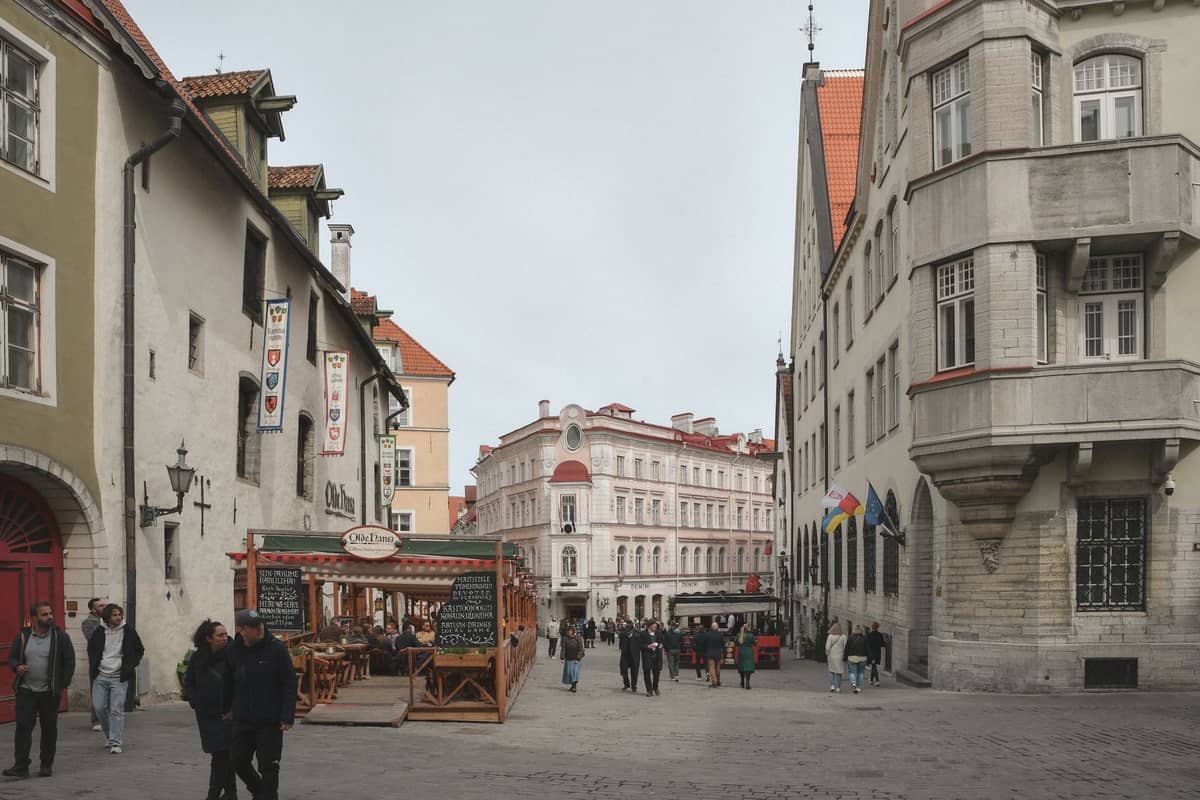
The Old Town is not a dining wasteland — it just requires more selectivity. Avoid anything with a hawker standing outside the door with a laminated menu, and you'll usually be fine. The streets immediately surrounding the main square are the worst for tourist pricing; venture a few blocks toward Pikk or Rataskaevu and the picture changes.
Medieval-themed restaurants (think tankards, open fires, costumed staff) serve a specific purpose: they're atmospheric and novel for first-time visitors. The food is usually fine if unambitious — roasted meats, dark bread, mead. Prices are higher than the experience warrants, but if the atmosphere is what you're paying for, go in with clear expectations and you won't feel burned.
For a genuinely good Old Town meal, look for restaurants tucked into courtyards or on quieter side streets. Several excellent spots also sit near the city wall — combining dinner with a walk along the Tallinn city wall makes for a practical and atmospheric evening.
✨ Pro tip
Lunch is significantly better value than dinner across the Old Town and most of Tallinn. Many restaurants offer a päevapraad (daily lunch special) — typically a main course, soup, and bread for €8-12. This is how locals eat during the workweek, and the food is often fresher than the dinner menu.
Seasonal Dining: How Time of Year Changes Your Options
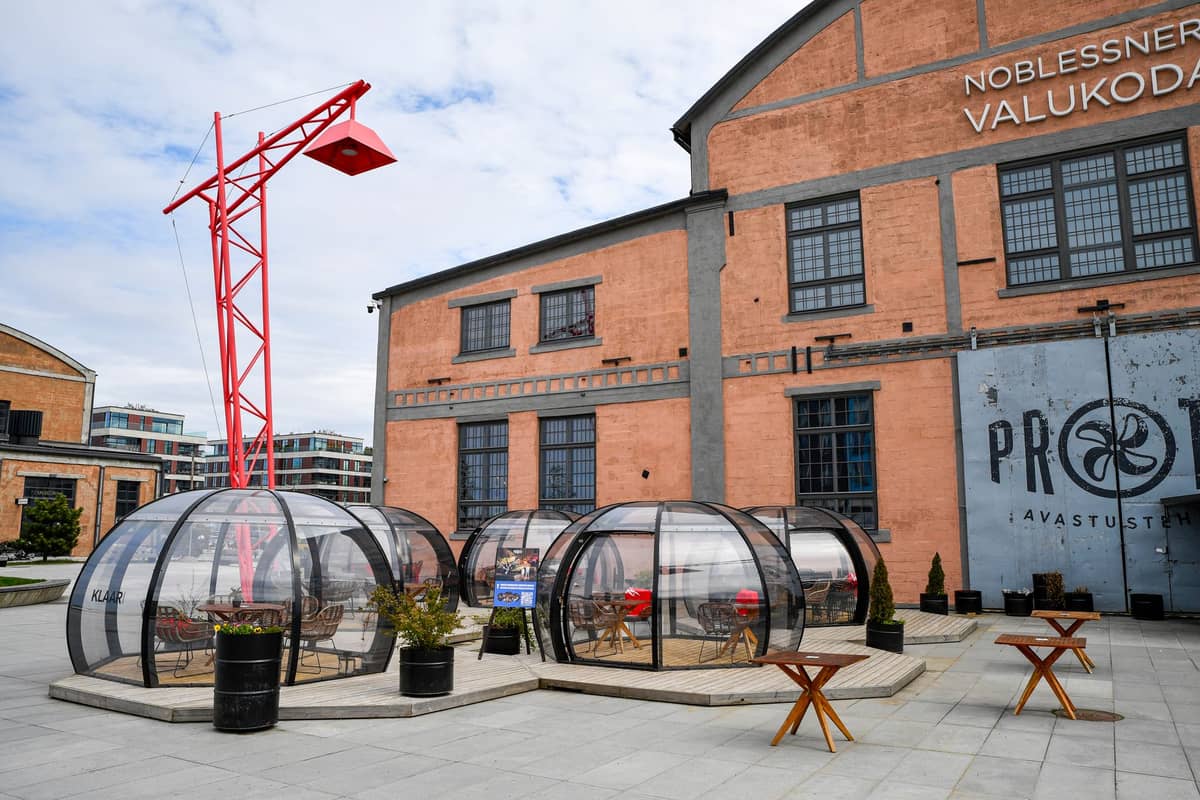
Tallinn's restaurant scene shifts noticeably between summer and winter, and it's worth factoring this into your plans. The city sits at roughly 59.4°N latitude, which means summer evenings stretch until near midnight and winters are dark and cold by 3pm.
In summer (June through August), outdoor terraces open across the Old Town, Rotermann, and the seafront. The terrace at a seaside restaurant with long evening light is one of Tallinn's genuine pleasures. Some venues operate separate terrace menus with simpler, lighter dishes. Rotermann Quarter in particular becomes a lively outdoor dining area on warm evenings.
Winter brings a shift toward hearty, game-heavy menus: elk, boar, root vegetables, preserved fish, and warming soups. The Christmas market period (late November through early January) adds mulled wine and traditional street food to the Old Town, but also dramatically increases tourist volumes and prices in the surrounding restaurants. Book ahead or eat earlier in the day.
For a broader seasonal overview, the best time to visit Tallinn guide covers how crowds, costs, and dining options shift through the year. Winter visitors specifically should check the Tallinn in winter guide for current market and restaurant recommendations.
Practical Tips: Reservations, Tipping, and Payments
Tallinn uses the Euro and card payment is accepted nearly everywhere, including at most market stalls and street food vendors. Contactless payment is standard. There is rarely any need to carry cash specifically for dining.
Tipping is not mandatory in Estonia, but around 10% is considered polite for good sit-down service. Some restaurants include service automatically for larger groups — check the bill before adding extra. At casual cafés and counter-service spots, tipping is not expected.
- Fine dining and popular Old Town spots: book 3-7 days ahead for weekends, 1-2 days ahead for weeknights.
- Telliskivi and Kalamaja restaurants: walk-ins usually work on weekdays; weekend brunch spots fill up fast without a reservation.
- Most restaurants open for lunch from around 11:30-12:00 and serve dinner until 21:00-22:00. Sunday hours are often shorter.
- For reservations, most Tallinn restaurants accept bookings via their own websites or platforms like TableOnline. The Michelin Guide's Tallinn listings also link directly to booking systems.
- If you hold a Tallinn Card, check the current benefits — some restaurants offer discounts to cardholders, though this changes periodically.
If you're planning restaurant visits as part of a wider itinerary, the 2 days in Tallinn itinerary and the 3 days in Tallinn itinerary both include meal recommendations slotted around the main attractions.
ℹ️ Good to know
English menus are standard across Tallinn's restaurant scene — you will rarely encounter a menu that lacks an English translation. Staff in most restaurants speak English well, and this is especially true in Kalamaja, Rotermann, and the Old Town.
FAQ
Where should I eat in Tallinn Old Town without getting ripped off?
Avoid restaurants directly on Raekoja plats (Town Hall Square) — they charge a significant premium for location. Instead, walk a few blocks to streets like Rataskaevu, Pikk, or Müürivahe. Look for a päevapraad (daily lunch special) sign at midday, which signals a restaurant serving locals rather than purely tourists. Rataskaevu 16 and similar spots on quieter Old Town streets offer genuine Estonian food at fairer prices.
What is the best neighborhood to eat in Tallinn?
Kalamaja and Telliskivi are where Tallinn's most interesting dining is happening right now. The food is creative, the prices are honest, and the atmosphere is local. For fine dining, the seafront north of the city centre (home to NOA Chef's Hall) and the Rotermann Quarter are the strongest options. Old Town is convenient and has good options, but requires more careful selection.
How much does a meal cost in Tallinn?
Budget meals — market halls, cafés, lunch specials — typically run €5-12 per person. A mid-range restaurant dinner with drinks comes to around €20-35 per person. Fine dining tasting menus at Michelin-recognized venues start around €80-120 per person and can go higher with wine pairings. Tallinn is not as cheap as it once was, but it remains more affordable than Helsinki or Stockholm at comparable quality levels.
Do I need to book restaurants in Tallinn in advance?
For fine dining venues like NOA Chef's Hall or Leib Resto ja Aed, yes — book at least a week ahead for weekends. Popular Kalamaja brunch spots fill up Saturday mornings, so a same-day reservation helps. Weekday dinners at most mid-range restaurants can usually be accommodated as walk-ins, but calling ahead is never a bad idea.
Is there good vegetarian or vegan food in Tallinn?
The scene has improved significantly. Kalamaja and Telliskivi have the strongest vegetarian and vegan options, with several dedicated spots and cafés offering fully plant-based menus. Modern Estonian restaurants in Rotermann often have strong vegetable-forward dishes. Traditional Estonian cuisine is meat-heavy, so if you're strictly vegan, the Old Town's more traditional venues will have limited choices — check menus in advance.