Shopping in Tallinn: Best Markets, Shops & Souvenirs Guide
Shopping in Tallinn spans medieval souvenir lanes, a three-storey Baltic market with 300 traders, contemporary Estonian design studios, and sprawling Soviet-era food halls. This guide covers every major area, what each does best, realistic prices, and the seasonal quirks that affect when and where you should go.
Plan and book this trip
Tools from our partner Travelpayouts help you compare flights and hotels. If you book through them, we may earn a commission at no extra cost to you.
Flights
Hotels map
TL;DR
- Old Town is best for traditional souvenirs: knitwear, marzipan, Vana Tallinn liqueur, and amber jewelry, but prices are tourist-facing.
- Balti Jaama Turg (Baltic Station Market) is a real working market with ~300 traders, fresh produce, street food, and Estonian design pieces, just a 10-minute walk from Tallinn Old Town.
- For contemporary Estonian design and vintage finds, go to Telliskivi Creative City, not Old Town souvenir shops.
- Major malls (Viru Keskus, Ülemiste, Solaris) open daily 10:00-21:00; Old Town boutiques often close by early evening and may be shut Sunday.
- December's Christmas Market on Town Hall Square is the single best time to buy Estonian crafts, with dozens of artisan stalls concentrated in one place.
Old Town: Souvenirs, Craft Stalls, and the Tourist Price Premium
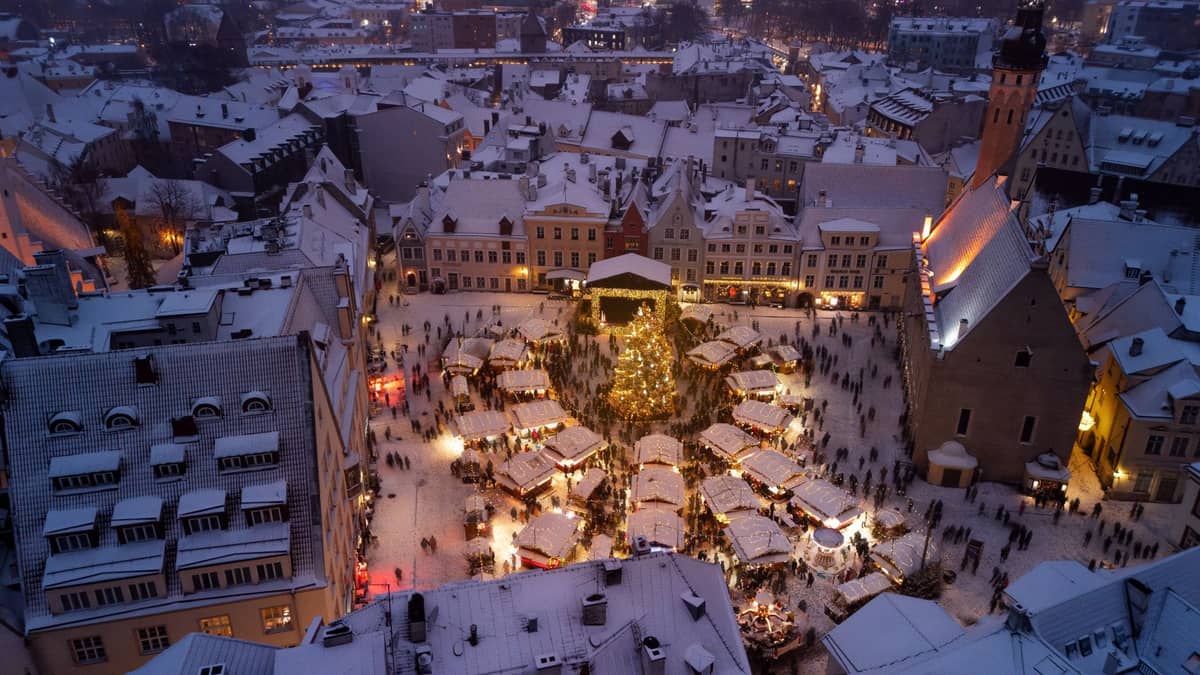
The UNESCO-listed medieval core of Tallinn is the obvious starting point for shopping, and for good reason. Müürivahe Street, which runs along the old city wall, is lined with open-air stalls run by local women selling hand-knitted wool socks, mittens, and sweaters. These are genuinely handmade, not factory imports, and the quality is high. Prices for wool socks typically run €5-12 a pair; sweaters can reach €50-80 depending on complexity. The stalls operate year-round but are busiest from May through September. For more on the medieval streets worth exploring, see our Tallinn Old Town walking tour.
Raekoja plats (Town Hall Square) and the streets feeding off it concentrate the highest density of souvenir shops. The signature items worth buying here are hand-painted marzipan from Kalev (Estonia's historic confectionery brand), Vana Tallinn liqueur (a dark rum-based liqueur with a distinctly Estonian flavor profile), and amber jewelry sourced from the Baltic region. For a more curated selection of Estonian ceramics, linen goods, and artisan food products, the independent boutiques along Viru and Pikk streets offer better quality than the generic souvenir chains, though you will pay for it.
⚠️ What to skip
Old Town shop hours are not consistent. Most boutiques run Mon-Fri roughly 10:00-18:00 and Sat 10:00-17:00. Many are closed Sunday or open only briefly. If you are planning a Sunday shopping morning in Old Town, expect to find many doors shut, particularly the smaller independent stores.
The Town Hall Pharmacy on Raekoja plats is one of the oldest continuously operating pharmacies in Europe and stocks herbal preparations and traditional Estonian remedies that make genuinely unusual gifts. It is a functioning pharmacy, not a museum shop, though it leans into its medieval heritage with period-style decor.
Balti Jaama Turg: The Market That Actually Feeds the City
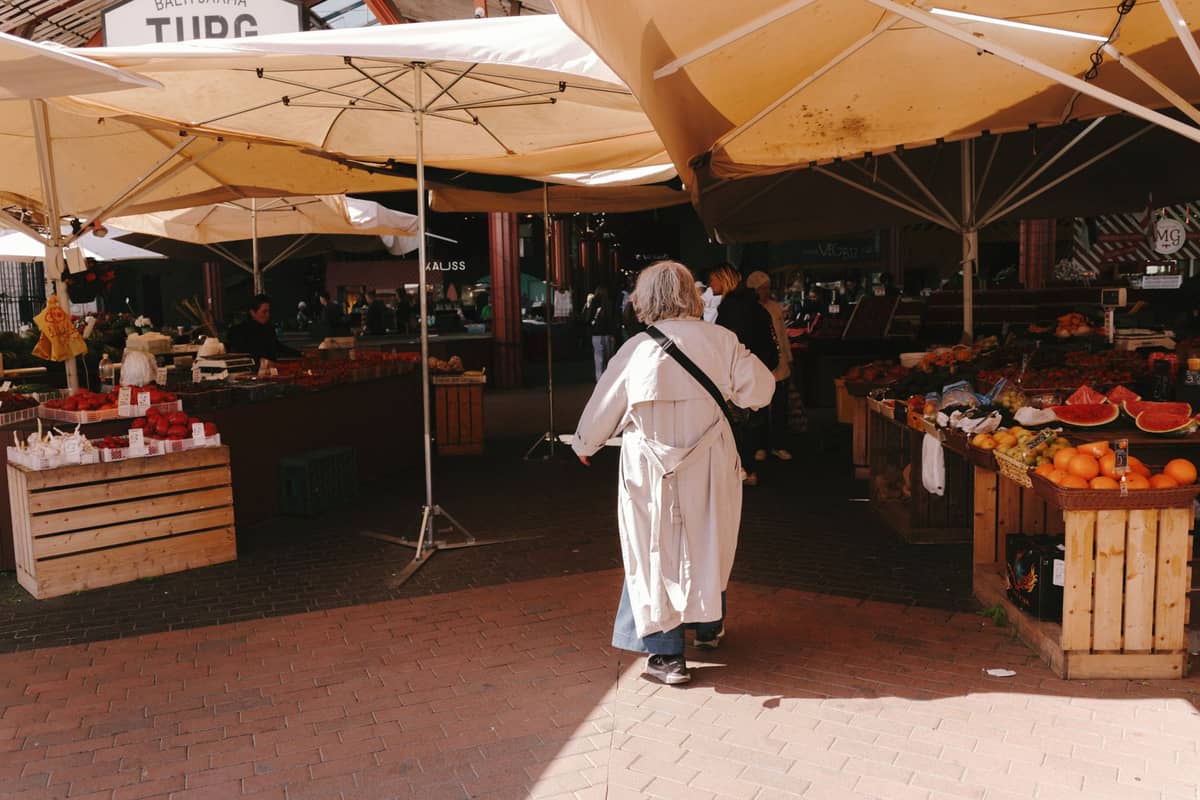
Balti Jaama Turg (Baltic Station Market) at Kopli 1 is the most useful and most misunderstood market in Tallinn. Many visitors assume it is a tourist trap attached to the train station. It is not. This is a three-storey working market with around 300 traders, heavily used by local residents for weekly groceries, and the prices reflect that. The ground floor handles fresh produce, meat, dairy, and pickled everything. Upper levels mix everyday household goods, vintage clothing, antiques, and a growing section of Estonian design brands and street food vendors. Learn more about the market at our Balti Jaama Market guide.
Typical hours are Mon-Sat 9:00-19:00 and Sun 9:00-17:00, though individual stalls vary. The outdoor sections are livelier in summer when seasonal produce is at its peak and additional vendors set up around the perimeter. In winter, the indoor halls remain fully operational and are genuinely warmer and more atmospheric than you might expect. The market is about a 10-minute walk northwest of Old Town, or a short ride on any tram heading toward Kalamaja.
💡 Local tip
Go to Balti Jaama Turg on a Saturday morning for the widest selection. Arrive before noon if you want the best pick of fresh bread, smoked fish, and any vintage or antique items, as serious local buyers get there early.
Telliskivi Creative City: Where Estonian Design Actually Lives
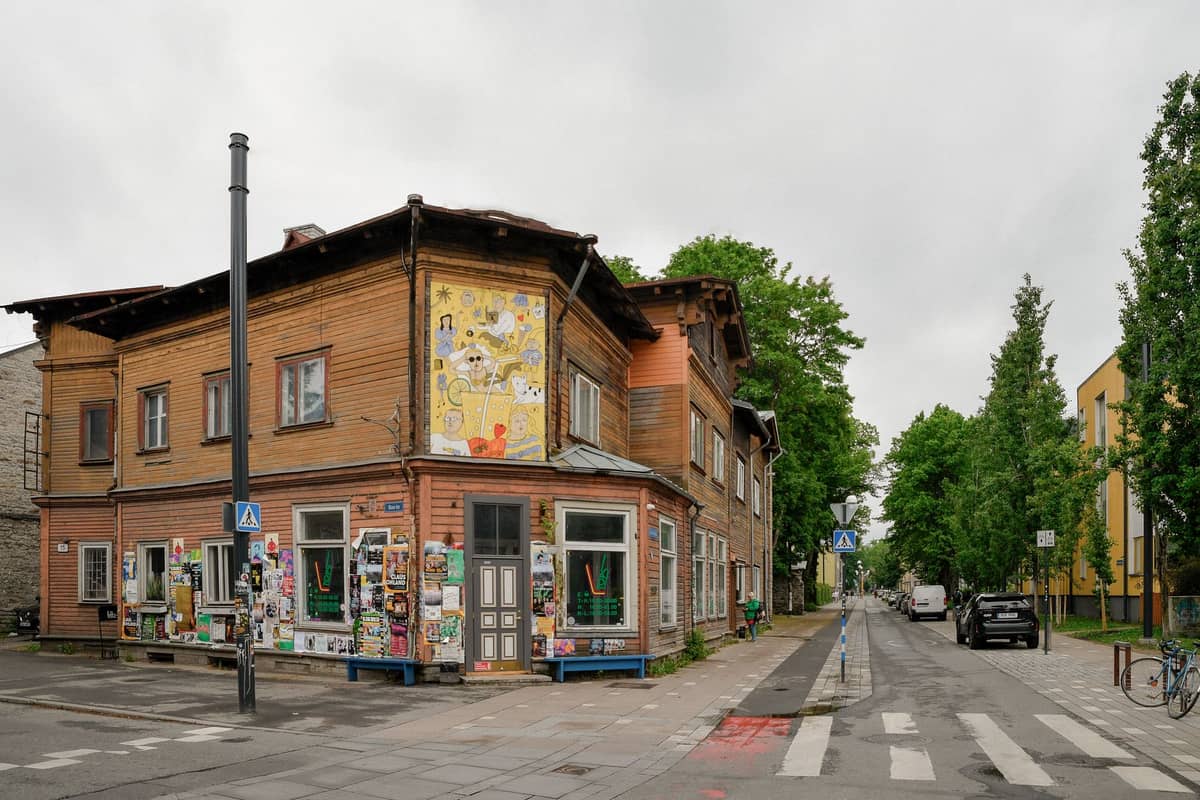
If you buy one thing in Tallinn that is not a souvenir, make it something from Telliskivi Creative City at Telliskivi 60a. This former industrial complex in the Kalamaja district has become the center of gravity for independent Estonian designers, concept stores, vintage dealers, and small-batch food producers. The range here is genuinely different from Old Town: think ceramics by local studio artists, natural cosmetics, contemporary Estonian graphic prints, locally designed leather goods, and small-run textile labels.
Every Saturday from 10:00-15:00, year-round, Telliskivi hosts a flea market where you can find Soviet-era items, antique books, vintage clothing, vinyl, and handmade crafts. The quality varies significantly from stall to stall, but the prices are fair and bargaining is normal. This is one of the few places in Tallinn where you can find genuinely unusual items rather than things produced for the tourist trade. The area also has good cafes and street food, so it works as a half-day outing rather than a quick stop.
✨ Pro tip
The Saturday flea market at Telliskivi fills up fast. Arrive by 10:30 if you want first pick of vintage items and Soviet-era memorabilia. By noon the most interesting pieces are usually gone, though the food stalls and atmosphere remain worth the trip.
Shopping Malls and Everyday Retail
Tallinn has a full complement of modern shopping centres for anyone who needs international brands, electronics, or practical items. Viru Keskus is the most central, directly attached to the Viru Gate entrance to Old Town, making it convenient if you want to combine both in one trip. Solaris on Estonia Boulevard is sleeker and more upscale. Ülemiste at Suur-Sõjamäe 4 is the largest mall, close to the airport, and accessible by city buses 2, 7, 15, and 65. Rocca al Mare and Kristiine are further from the centre but popular with locals for their larger grocery sections and anchor stores.
- Viru Keskus Most central location, right next to the Viru Gate. Good for convenience and international brands. Open daily 10:00-21:00.
- Ülemiste Largest mall in Tallinn, near the airport. Best for electronics, larger clothing chains, and if you have time to kill before a flight.
- Solaris Estonia Boulevard, close to the city centre. More curated feel, with a cinema and dining options. Open daily 10:00-22:00.
- Stockmann Finnish department store chain, central location. Strong for cosmetics, food hall items, and Scandinavian household brands.
- Rocca al Mare Western suburbs, large format. Best for Estonians doing a weekly shop rather than tourists, but useful if you are staying in that part of the city.
Supermarkets inside large malls typically open 08:00-23:00, which is useful for picking up food items like local cheeses, rye bread, and Estonian craft beer to take home. These are significantly cheaper than buying the same items in Old Town gift shops.
Keskturg and Other Local Markets
Keskturg (Central Market) opened in 1947 and retains much of its post-Soviet character: functional, no-frills, and used mainly by locals rather than tourists. It sells fresh food, household goods, cheap clothing, and seasonal produce. Hours run roughly Mon-Sat 9:00-19:00, Sun 9:00-17:00. It is not a destination shopping experience, but if you want to see how Tallinn residents actually shop for food, it gives a more honest picture than anything in Old Town. Prices are lower than supermarkets for fresh fruit and vegetables.
For context on how these neighborhoods fit into the broader city, the getting around Tallinn guide explains tram and bus routes connecting Old Town, Telliskivi, and Balti Jaama in practical terms. If you are working to a budget, note that markets and the Saturday flea market are among the best free things to do in Tallinn in the sense that browsing costs nothing.
What to Buy: The Honest Souvenir Breakdown
Not all souvenirs in Tallinn are created equal. Some are genuinely Estonian and worth the price. Others are generic European tourist tat with an Estonian sticker applied. Here is a practical breakdown of what is worth buying and where.
- Hand-knitted wool items Buy from the Müürivahe Street stalls in Old Town or from Balti Jaama Turg. These are genuinely local and handmade. Socks from €5-12, mittens from €8-15, sweaters from €40-80.
- Marzipan Tallinn has a strong marzipan tradition dating to medieval times. Kalev brand marzipan and hand-painted figures from Old Town confectionery shops are authentic. Avoid vacuum-packed generic marzipan from airport gift shops.
- Vana Tallinn liqueur The original Estonian dark liqueur, widely available in supermarkets at lower prices than tourist shops. Pick it up at Rimi or Maxima to save 20-30% over souvenir store pricing.
- Amber jewelry Baltic amber is regional and legitimate. Quality varies enormously. Reputable shops in Old Town will certify authenticity. Be skeptical of very cheap amber, which may be glass or plastic.
- Estonian craft beer and spirits The local craft beer scene has grown significantly. Põhjala, Purtse, and Lehe are notable Estonian breweries. Find them at Balti Jaama Turg, specialist beer shops, or supermarkets.
- Contemporary Estonian design Ceramics, textiles, and print work by local designers from Telliskivi and Rotermann Quarter. More original than Old Town souvenirs and often similarly priced.
If you plan to shop extensively, the Tallinn Card does not cover shopping discounts directly, but it handles museum entries and public transport, freeing up your budget for purchases. For a broader sense of how shopping fits into a short trip, the 2-day Tallinn itinerary integrates market visits with sightseeing in a practical sequence.
Seasonal Shopping: When to Go and What Changes
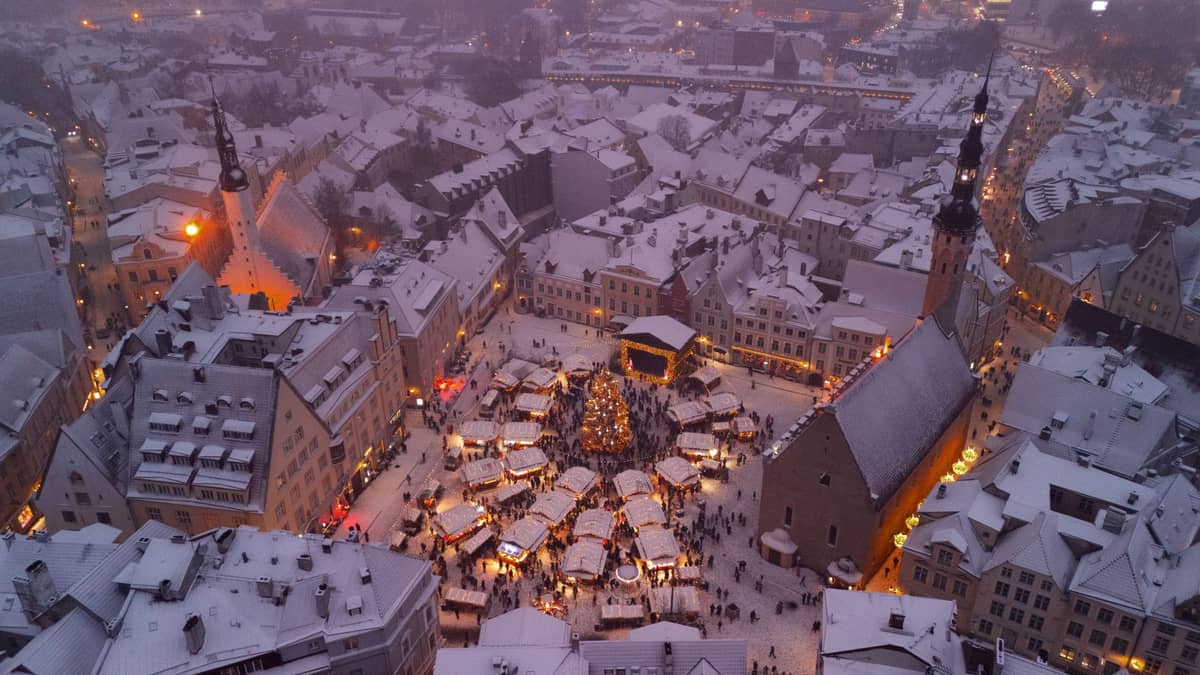
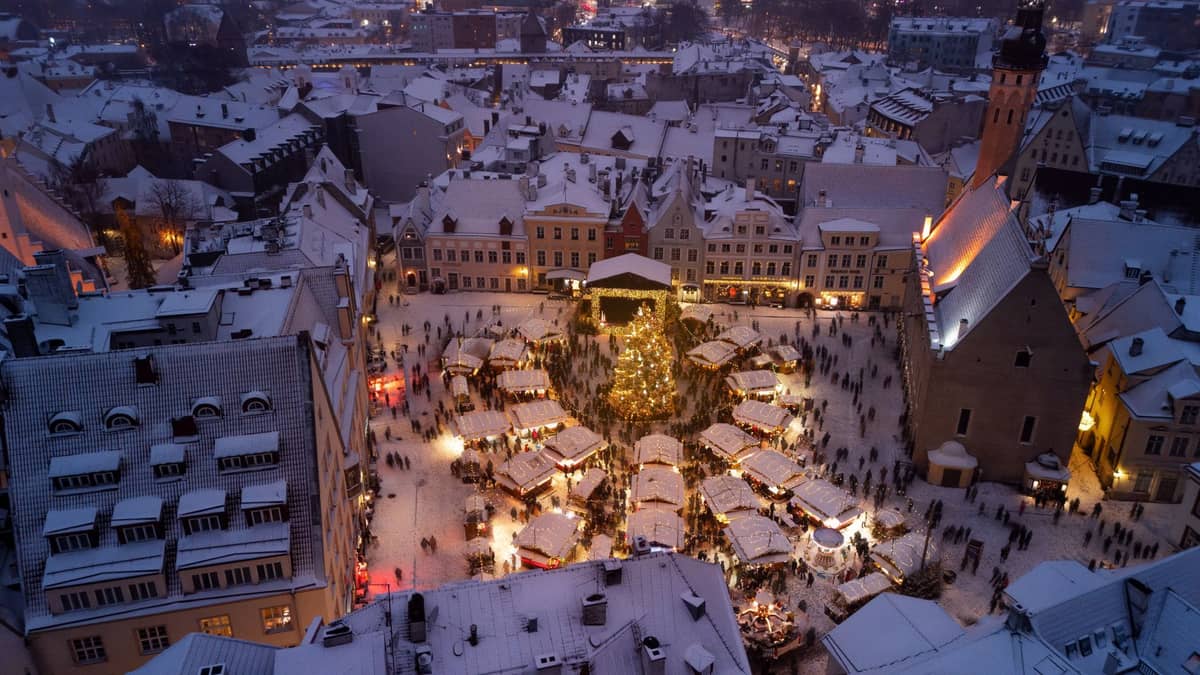
December is the strongest month for craft shopping in Tallinn. The Tallinn Christmas Market on Raekoja plats runs through most of December and concentrates dozens of artisan stalls selling Estonian crafts, smoked meats, mulled wine, and handmade gifts. Quality is generally higher than the year-round souvenir shops because the market attracts dedicated craftspeople rather than generic retailers. If buying Estonian crafts is a priority, this is the best single event of the year for it.
Summer (June to August) brings more outdoor market activity at Balti Jaama Turg and Keskturg, with seasonal produce at its peak and additional vendors setting up in warmer weather. Telliskivi's Saturday flea market is year-round but draws larger crowds in summer. Old Town is at its most crowded from June through August, which affects the shopping experience: expect queues at popular souvenir shops and limited space to browse.
For a fuller picture of how the season shapes what Tallinn feels like, see the Tallinn in summer guide and the Tallinn in winter guide. Both affect opening hours, crowd levels, and which outdoor markets are fully operational.
ℹ️ Good to know
Estonian shops are required to display prices inclusive of VAT. Non-EU visitors may be eligible for VAT refunds on purchases over a certain threshold. Look for the 'Tax Free' sign in shop windows and ask for a tax refund form at the point of sale. The refund is processed at the airport before departure.
FAQ
What are the best souvenirs to buy in Tallinn?
Hand-knitted wool items from the Müürivahe Street stalls, hand-painted marzipan from Old Town confectionery shops, Vana Tallinn liqueur (buy it at a supermarket to save money), Baltic amber jewelry from certified retailers, and Estonian craft beer from Balti Jaama Turg or specialist shops. For something more original, contemporary ceramics and textiles from Telliskivi Creative City are a strong option.
When is Balti Jaama Turg open?
Generally Mon-Sat 9:00-19:00 and Sun 9:00-17:00, though individual stalls set their own hours. The market is fully operational year-round, with outdoor sections being livelier in summer. Saturday mornings are the busiest and best time to visit for the widest range of goods.
Is shopping in Old Town Tallinn overpriced?
Compared to local markets and supermarkets, yes. Old Town prices reflect tourist demand and high-rent locations. That said, specialty items like hand-knitted wool goods and artisan marzipan are genuinely worth buying there because the quality is real. For items like Vana Tallinn liqueur or Estonian beer, buy from a supermarket and save 20-30%.
Are Tallinn shops open on Sundays?
Shopping malls open daily, typically 10:00-21:00. Old Town boutiques are inconsistent on Sundays, with many closed or operating shortened hours. Markets like Balti Jaama Turg open until around 17:00 on Sundays. Telliskivi's Saturday flea market only runs on Saturdays.
Where can I find contemporary Estonian design in Tallinn?
Telliskivi Creative City is the main hub for independent Estonian designers, concept stores, and studio workshops. The Rotermann Quarter near the port also has design-focused shops. Balti Jaama Turg's upper levels have a growing selection of local design brands. Old Town has some quality Estonian craft boutiques on Viru and Pikk streets, but these are mixed in with generic souvenir shops.