Tallinn Nightlife: Best Bars, Clubs & After-Dark Experiences
Tallinn stands out when it comes to nightlife. Whether you want cocktails in a 13th-century cellar, craft beer in a converted factory yard, or a club that runs until 05:00, this guide breaks down exactly where to go, what to pay, and when to show up.
Plan and book this trip
Tools from our partner Travelpayouts help you compare flights and hotels. If you book through them, we may earn a commission at no extra cost to you.
Flights
Hotels map
TL;DR
- Tallinn nightlife centres on three zones: Old Town for clubs and themed bars, Telliskivi and Kalamaja for craft beer and live music, and Noblessner for waterfront summer terrace drinking.
- Clubs don't fill up until after midnight on weekends; arriving before 23:00 means an empty room.
- Expect to pay €4–7 for a pint, €8–14 for cocktails, and €5–15 for club entry. A full night out typically runs €30–50 — roughly half the cost of Helsinki or Stockholm.
- Summer (June–August) is the peak season with packed terraces; events like Tallinn Music Week (April) and Tallinn Craft Beer Weekend (May) are worth building a trip around. See our guide to Tallinn in summer for the full picture.
- Most bars open around 16:00–17:00 and close 01:00–02:00 on weekdays; on weekends, several Old Town clubs run until 03:00–05:00.
The Nightlife Landscape: Zones Worth Knowing
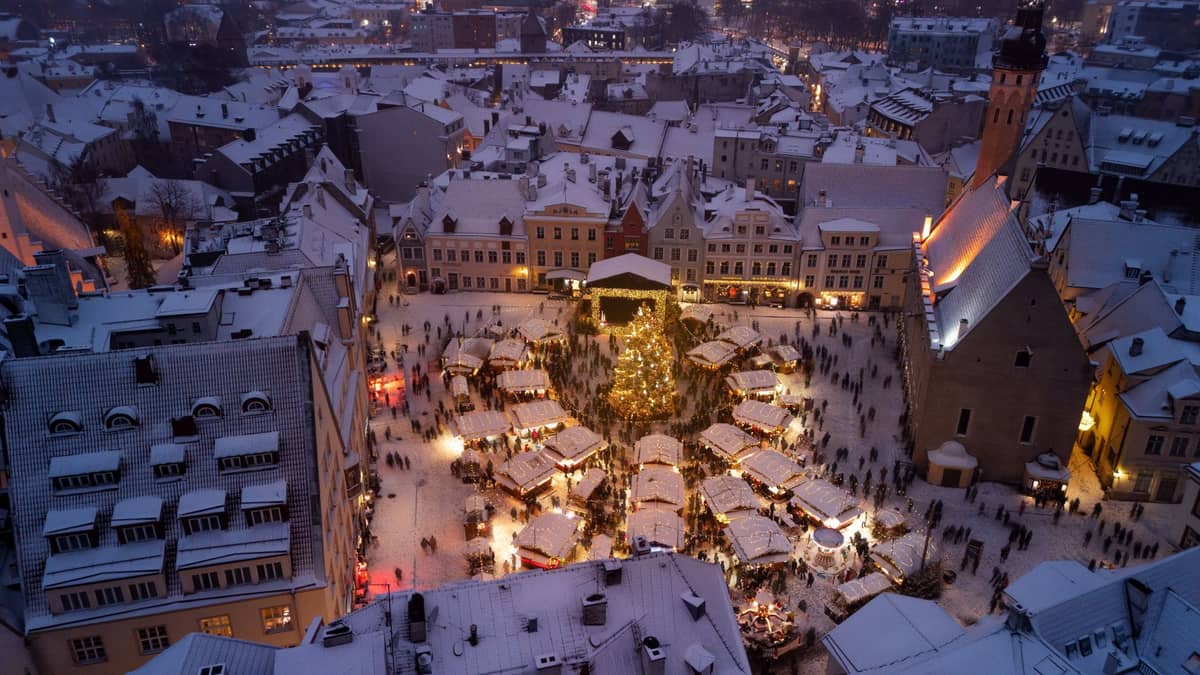
Tallinn is compact enough that you can walk between its main nightlife districts in under 30 minutes, but each zone has a distinct atmosphere. Understanding the geography before you go saves a lot of aimless wandering on a Saturday night.
- Old Town (Vanalinn) The medieval core concentrates the biggest clubs, tourist-facing bars, and some genuinely excellent dive bars. Harju Street and Vana-Posti are the main arteries. Expect cobblestones, cellar venues, and crowds that skew international on weekends.
- Telliskivi Creative City A repurposed Soviet-era industrial complex about 1 km northwest of Old Town. Home to craft breweries, independent bars, and live music stages. The crowd here leans local and younger. More relaxed than Old Town, better value on drinks.
- Kalamaja The residential neighbourhood surrounding Telliskivi, with neighbourhood bars that locals actually use. Less polished than Telliskivi, more authentic. Worth exploring if you want to get off the tourist circuit entirely.
- Noblessner A former submarine factory on the waterfront, now redeveloped into a waterfront dining and bar district. Best in summer when outdoor terraces open. Quieter in winter but still operating. About a 15-minute walk from Old Town.
For a broader sense of how these neighbourhoods fit together, the Kalamaja neighbourhood guide and the Telliskivi Creative City attraction page go into more detail on the daytime and evening character of each area.
Old Town Bars and Clubs: What's Actually Worth Your Time
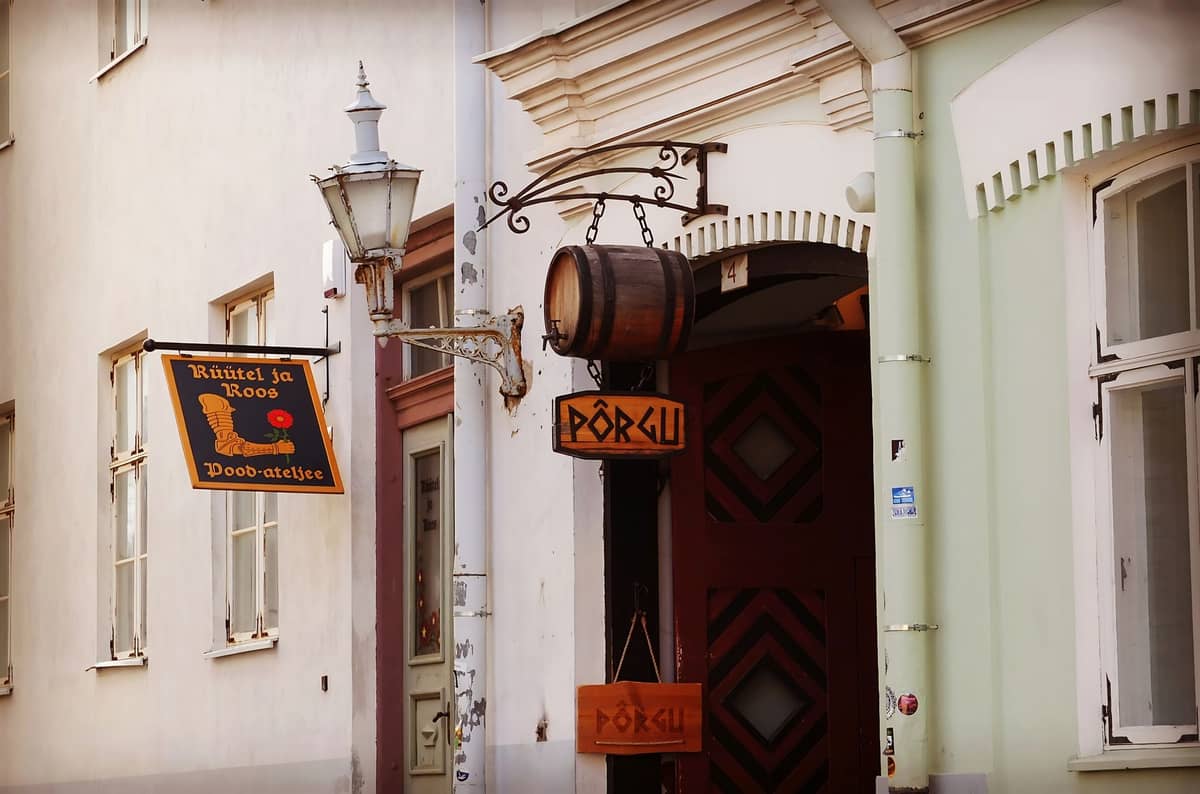
Old Town has the highest concentration of nightlife options in Tallinn, but also the highest concentration of tourist traps. Knowing which venues have genuine character versus which are coasting on medieval aesthetics matters a lot here.
Club Hollywood (Vana-Posti 8) and Club Prive (Harju 6) are the two dominant mainstream clubs. Hollywood is larger, with multiple floors and a mix of commercial house and R&B. Prive is smaller and slightly more selective at the door. Both usually focus on Friday and Saturday nights, typically closing around 03:00–05:00 depending on the night, with entry running €5–12. Neither is particularly cheap for drinks — cocktails here sit at the upper end of the €8–14 range.
One genuinely distinctive spot is DM Baar (Nunne 4), a bar dedicated entirely to Depeche Mode. It plays their music from around noon daily, the walls are covered in band memorabilia, and it draws an eclectic crowd that includes both devoted fans and curious tourists. It's not a club in any meaningful sense, but it's one of the more memorable drinking experiences in the city and far cheaper than the major clubs.
⚠️ What to skip
Several Old Town bars near the Town Hall Square operate with aggressive door staff and inflated menus aimed squarely at stag and hen party groups. If a bar has a laminated photo menu displayed outside and someone actively trying to pull you in from the street, keep walking. Prices inside can be 30–50% higher than comparable venues two streets away.
Craft Beer and Independent Bars: Telliskivi and Kalamaja
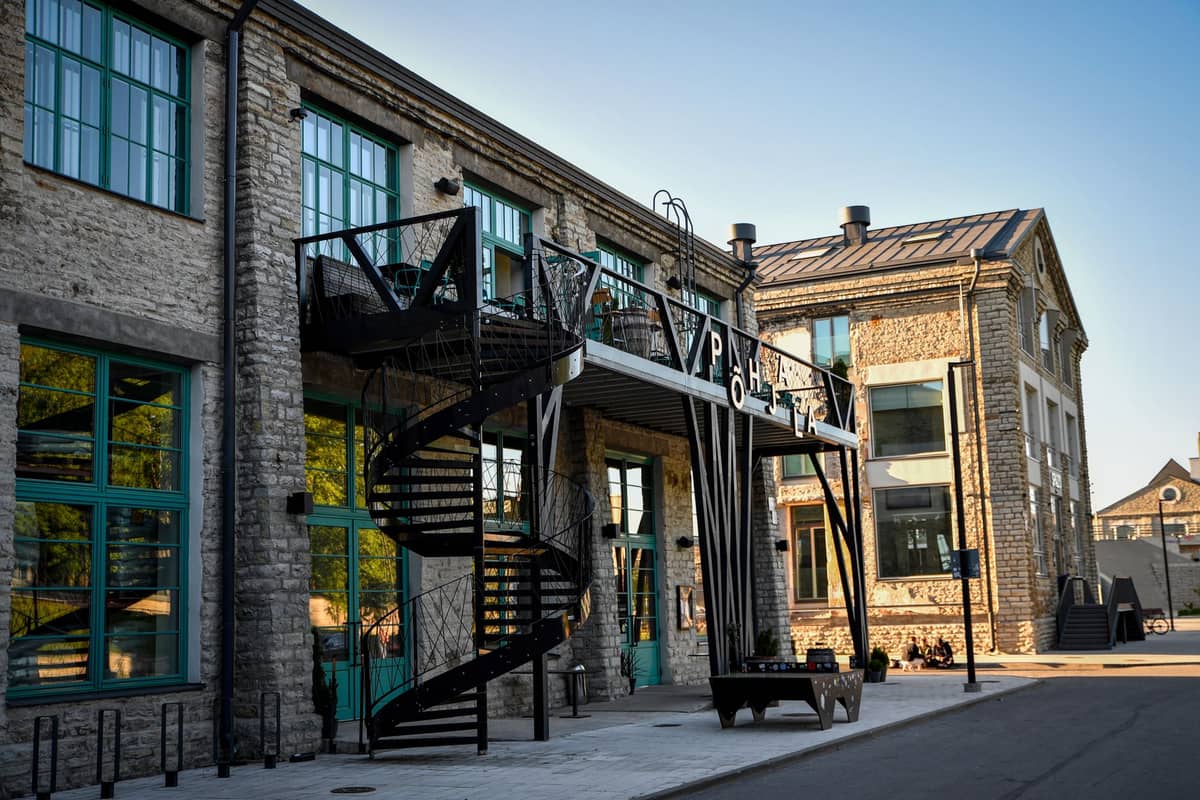
The craft beer scene in Tallinn has matured significantly over the past decade, and Telliskivi Creative City is the centre of it. Several independent bars here rotate Estonian and Scandinavian craft taps, with pints running €4–6 — noticeably cheaper than equivalent Old Town venues.
Kalamaja's neighbourhood bars tend to have shorter opening hours and smaller selections, but the atmosphere is genuinely local in a way Old Town can rarely replicate. These spots don't advertise heavily and some lack English-language signage, which is part of the point. If you're visiting during Tallinn Craft Beer Weekend (usually held in May), Telliskivi transforms into the main festival hub with temporary tap stations and ticketed tastings.
✨ Pro tip
Tallinn Music Week (usually April) is one of the best times to catch live music in the city's bar venues. It operates across 20–30 venues simultaneously, including many Telliskivi and Kalamaja spots, with a single pass giving access to multiple shows. Check the official Tallinn Music Week website for current dates and passes.
Hours, Timing, and How Tallinn Nights Actually Unfold
The rhythm of a Tallinn night follows a predictable pattern once you understand it. Bars generally open between noon and 17:00 depending on the venue and run a slow build through the evening. By 21:00, the livelier bars in Old Town and Telliskivi are active. Clubs technically open earlier, but arriving before midnight on a Friday or Saturday means walking into an empty room with thumping music and a bored bartender.
Peak hours are 23:00 to 02:00. By 02:00, some bars begin winding down, but the clubs in Old Town run until 03:00–04:00 as a minimum, with a few going to 05:00 on big weekend nights. On weekdays, the scene is considerably quieter; bars close around 01:00–02:00 and clubs rarely open at all midweek except for special events.
- Weekday bars: open ~17:00, close ~01:00–02:00
- Weekend bars: open ~17:00, close ~02:00–03:00
- Major clubs (Thu–Sat): close 03:00–05:00 depending on night
- Best time to arrive at clubs: 23:00 onward
- Summer terraces: active from early evening, often from 17:00–18:00
💡 Local tip
If you're visiting in late June, Tallinn's white nights mean it barely gets dark. This creates a strange but genuinely enjoyable situation where terrace bars stay full until well past midnight under pale skies. The Noblessner waterfront is particularly good for this.
Costs and What to Budget for a Night Out
Tallinn has a persistent reputation as an ultra-cheap party destination, which is no longer fully accurate but remains true in comparison to Nordic capitals. A pint of local or craft beer runs €4–7, with Telliskivi venues consistently at the lower end and Old Town tourist bars at the upper end. Cocktails are €8–14 at most venues. Club entry is generally €5–15, with Hollywood and Prive around €5–12 on a standard night.
A realistic budget for a full night out, covering pre-drinks at a bar, entry to one club, and drinks through the night, sits at €30–50 per person. That's roughly half what an equivalent night would cost in Helsinki, which is just two hours away by ferry. For visitors crossing from Finland specifically, this price difference is the dominant reason Tallinn weekends attract the crowds they do.
Tipping is not mandatory in Estonia but around 10% is considered polite for good service. Payments by card are widely accepted at most venues. If you're planning a broader trip and want to stretch your budget further, the Tallinn on a budget guide covers the full picture beyond just nightlife.
Seasonal Variations: When Tallinn Nightlife Changes Character
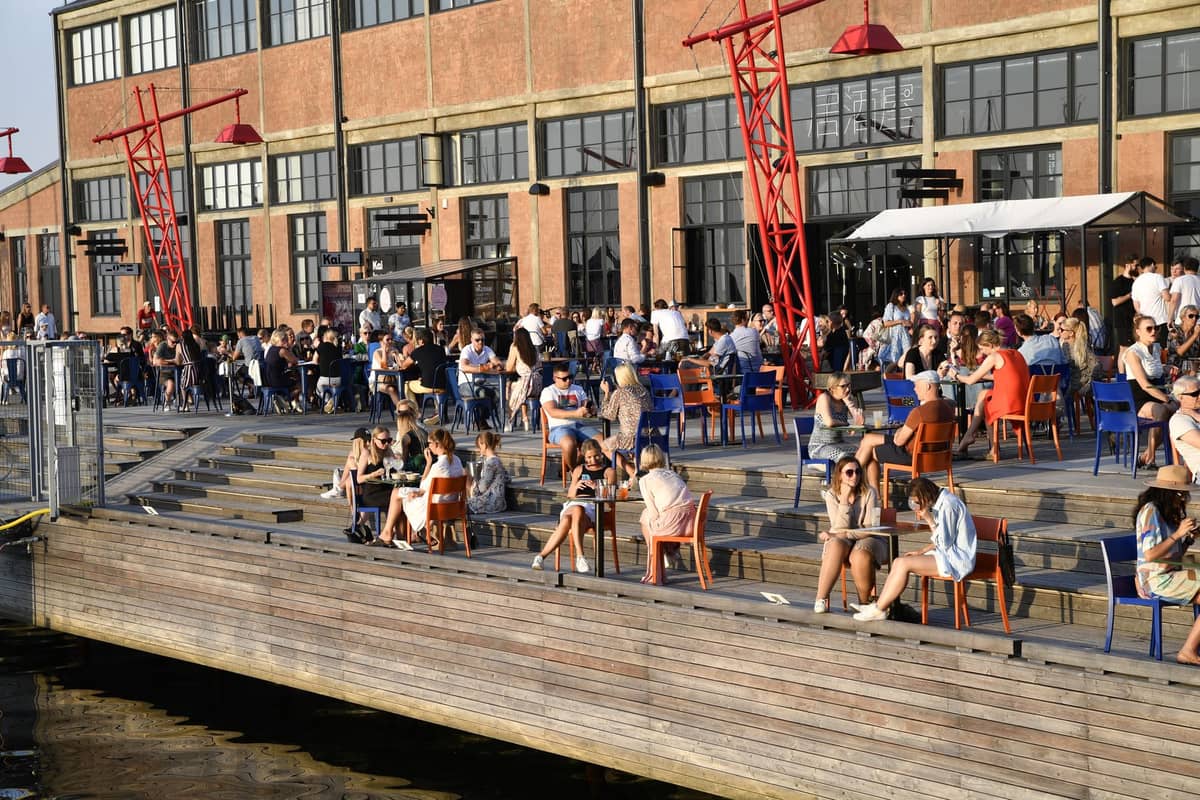
Summer (June–August) is peak season across the board. Noblessner's waterfront terraces fill from early evening, Telliskivi's outdoor spaces run late, and the overall energy in the city is markedly higher. Tourist numbers increase substantially, which means Old Town gets louder and more crowded, but also that venues stay open longer and put on more events.
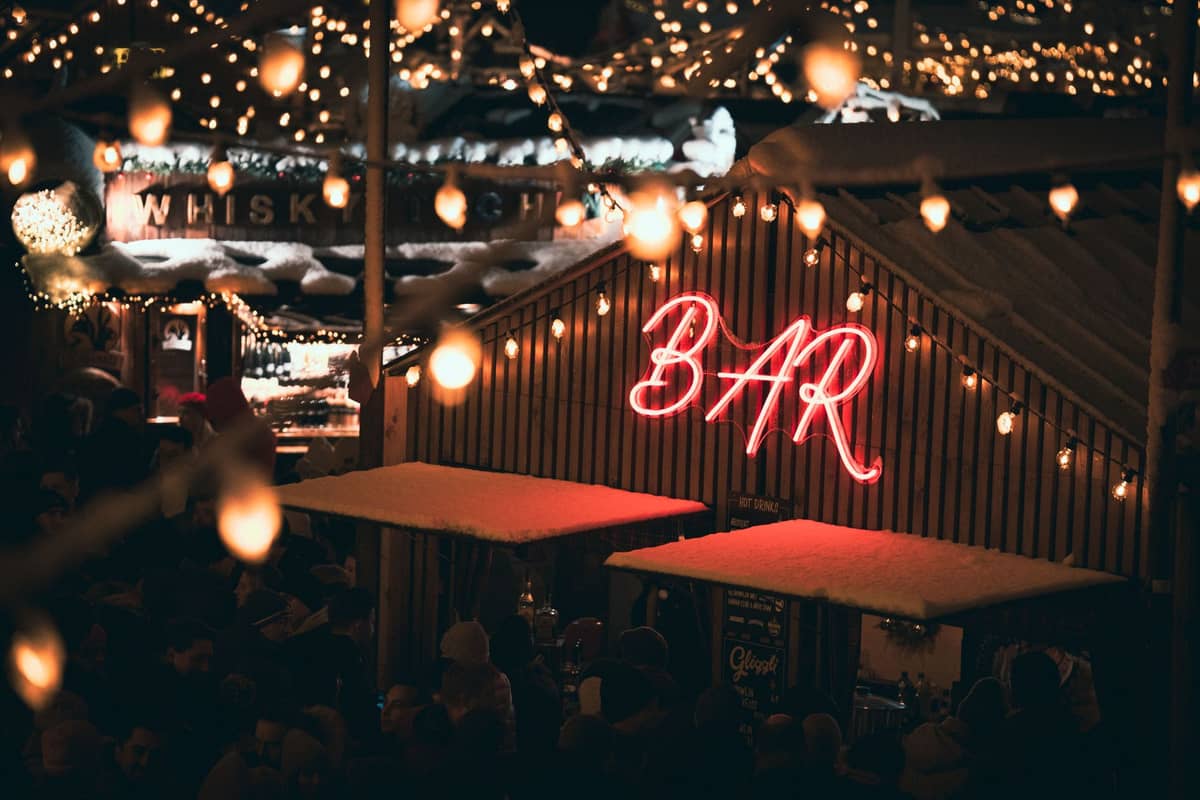
Winter nightlife concentrates indoors and is quieter but not dead. The Christmas market period (late November through December) brings a different kind of evening energy to the city, with glühwein stalls and extended hours at Old Town bars. For a full breakdown of the winter experience, see the Tallinn in winter guide. The best time to visit Tallinn covers seasonal trade-offs in more depth.
April and May are underrated for nightlife. Tallinn Music Week in April activates dozens of bar venues simultaneously. Tallinn Craft Beer Weekend in May draws a beer-focused crowd to Telliskivi. These events give a concentrated nightlife experience that rivals summer in terms of atmosphere, without the peak tourist crowds.
FAQ
Is Tallinn nightlife expensive?
By Nordic standards, no. A pint costs €4–7, cocktails €8–14, and club entry €5–15. A full night out typically runs €30–50 per person, roughly half of what you'd pay in Helsinki or Stockholm for similar activities. Old Town tourist bars charge more than Telliskivi venues for the same drinks.
What time do clubs close in Tallinn?
On weekends, major clubs like Club Hollywood and Club Prive run until 03:00–05:00. On weekdays, most bars close around 01:00–02:00 and clubs rarely open. Arriving at a club before midnight usually means an empty room; 23:00 onward is when things get going.
Where is the best area for nightlife in Tallinn?
Old Town (Vanalinn) has the highest concentration of bars and clubs, including the city's two main clubs. Telliskivi and Kalamaja are better for craft beer and a more local atmosphere. Noblessner on the waterfront is the top choice for summer terrace drinking.
Is Tallinn nightlife safe?
Generally yes. Tallinn is a small capital with a functioning city centre and a visible police presence in Old Town on weekends. Standard urban precautions apply: watch your belongings in crowded bars, use Bolt (the main ride-hailing app) rather than unmarked taxis, and be aware that some Old Town venues near Town Hall Square operate with inflated prices targeting tourists.
What is the drinking age in Tallinn?
The legal drinking age in Estonia is 18. ID checks are common at club doors, especially later at night. Carry your passport or a valid ID card as your phone camera screenshot is unlikely to be accepted.