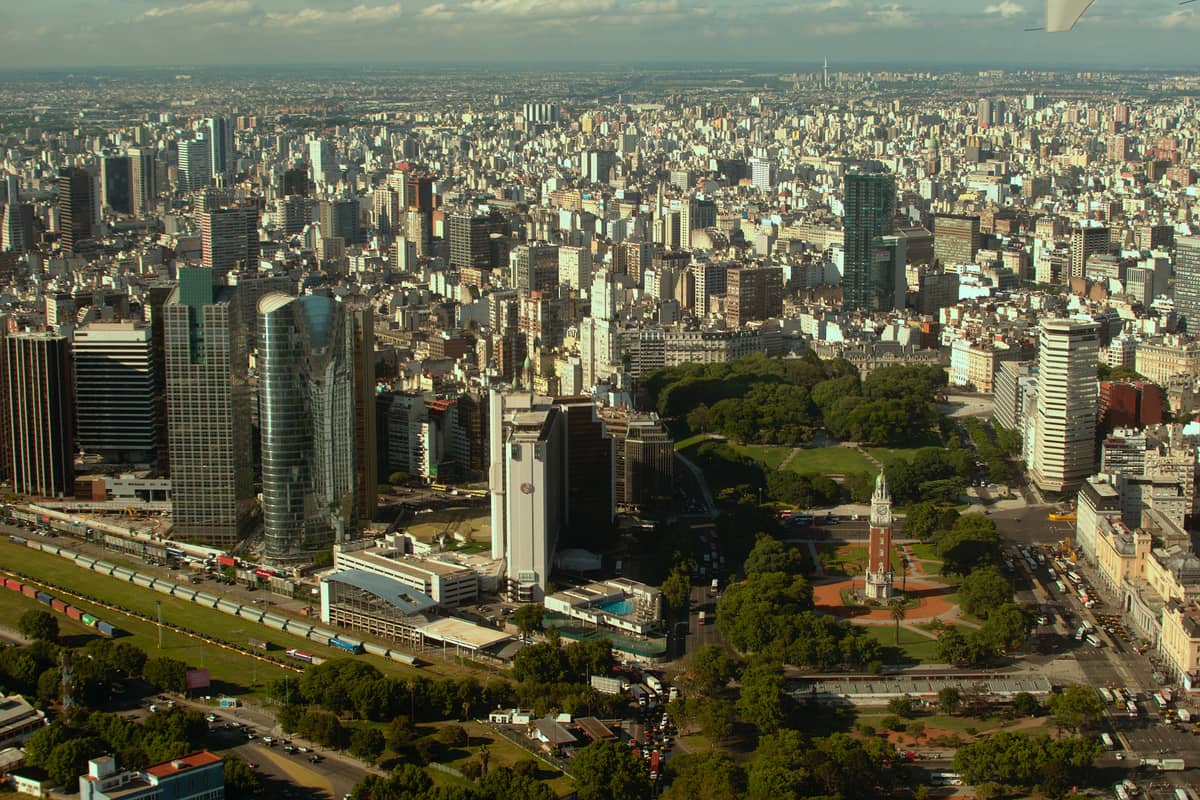
Retiro occupies a unique position in Buenos Aires: it is simultaneously the city's main transport gateway, a corridor of palatial early-20th-century architecture, and a neighborhood where the polished and the gritty exist within a few hundred meters of each other. Plaza San Martín anchors its elegant core, while the sprawling bus and rail terminal defines its northeastern edge.
Retiro is where grand European ambitions in stone meet the controlled chaos of South America's busiest transport hub. The neighborhood stretches from the immaculate lawns of Plaza San Martín down to the congested platforms of the Retiro terminal, and the contrast between those two poles tells you almost everything you need to know about it.
Orientation
Retiro sits at the northeastern edge of central Buenos Aires, occupying a narrow but strategically critical strip between the financial district and San Nicolás to the south and the residential elegance of Recoleta to the west. Its rough boundaries run along streets including Avenida Córdoba and Avenida Santa Fe to the west and southwest, with Avenida Eduardo Madero and the Puerto Madero docks forming its eastern edge along the riverfront, and streets like Uruguay and Montevideo marking transitions toward Recoleta and San Nicolás. The Río de la Plata is only a few blocks away, which explains the constant river breeze that cuts through even the hottest summer afternoons.
The neighborhood functions as a kind of threshold. Travelers arriving by long-distance bus from Patagonia, the northwest, or neighboring countries step off into the Retiro terminal and immediately face a choice: head west toward the elegant hotels clustered around Plaza San Martín, or navigate south toward the Microcentro. That pivotal position makes Retiro one of the most-passed-through neighborhoods in Buenos Aires, even if relatively few visitors take the time to explore it deliberately.
Retiro shares borders with three very different neighborhoods. To the south lies the Microcentro and Monserrat, the dense commercial and governmental heart of the city. To the west, Retiro dissolves almost imperceptibly into Recoleta, Buenos Aires's most architecturally aristocratic barrio. To the east, across Avenida Eduardo Madero, lies Puerto Madero, the redeveloped docklands district of glass towers and waterfront walkways.
Character & Atmosphere
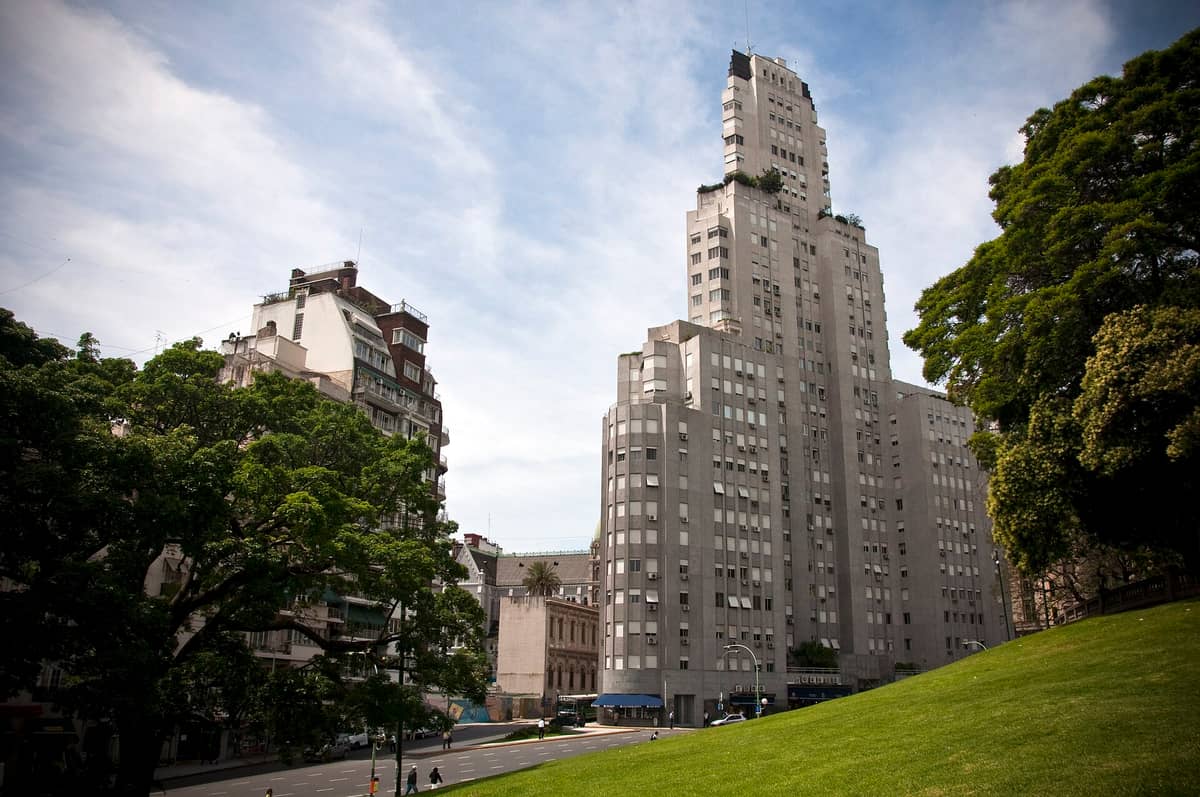
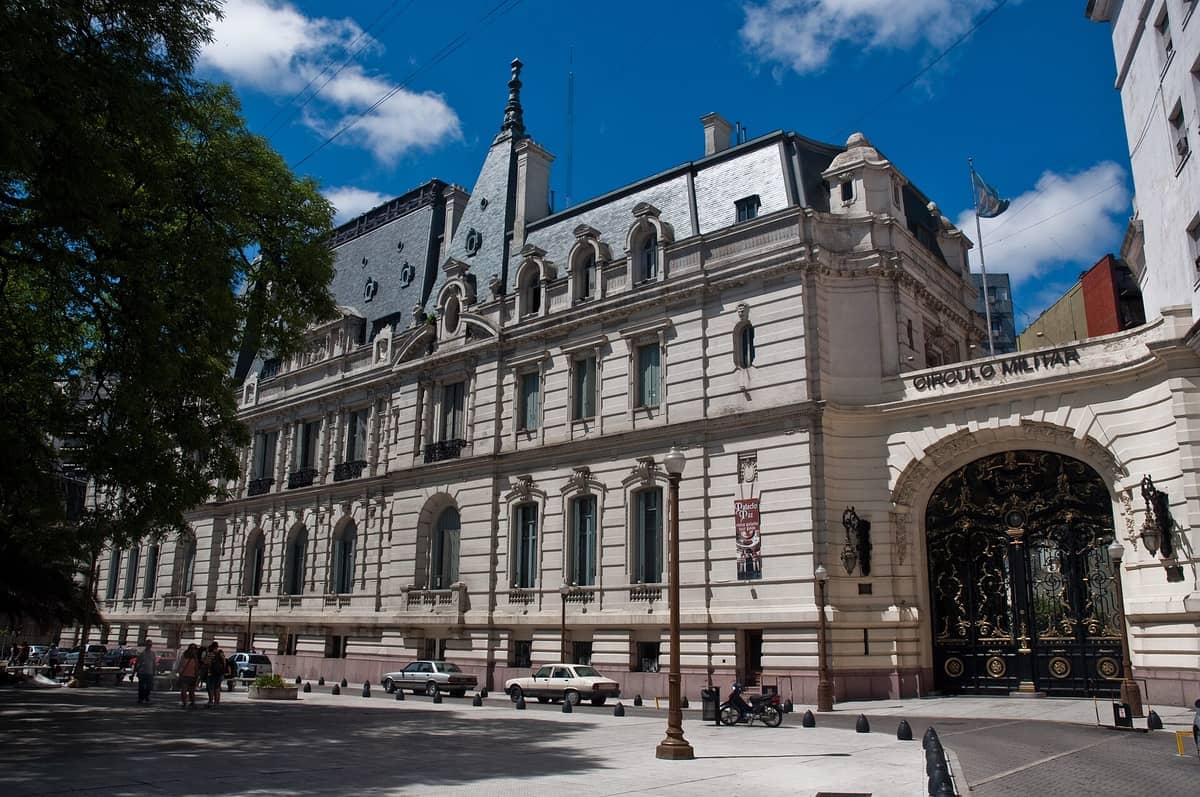
Retiro has a pronounced split personality, and understanding it will prevent some unpleasant surprises. The area around Plaza San Martín, roughly bounded by Calle Florida, Avenida Santa Fe, and the park itself, is among the most composed and visually impressive streetscapes in Buenos Aires. Massive stone palaces built during Argentina's early-20th-century economic boom face the square: the Palacio Paz, the Círculo Militar, and the soaring Edificio Kavanagh, which was the tallest reinforced-concrete building in the world and the tallest building in Latin America when it was completed in 1936. In the mornings, office workers cross the plaza with coffee cups, and the jacaranda trees cast purple shadows onto the paths below in November.
Walk northeast from Plaza San Martín toward the terminal, however, and the atmosphere shifts within two or three blocks. The streets around the bus station and the train platforms are genuinely hectic: vendors, arriving passengers with overstuffed bags, taxi touts, and a significant population of people experiencing homelessness congregate in this area around the clock. This is not a neighborhood that softens its edges for tourists. The terminal itself is functional and enormous, but the surrounding streets require more awareness than the polished hotel zone nearby.
On weekday mornings, the hotel corridors along Avenida del Libertador and the streets approaching the financial district fill with suited professionals and foreign business travelers. By midday, the plazas and benches around Torre Monumental attract lunching office workers and tourists posing for photographs. In the late afternoon, the pace quickens as commuters stream toward the Retiro rail platforms. After dark, the area around the bus terminal remains active but demands caution, while the hotels and upscale restaurants closer to Recoleta keep a quieter rhythm.
⚠️ What to skip
The UK government's foreign travel advice highlights the risk of petty crime in Buenos Aires, especially around busy transport hubs, but it does not specifically name Retiro or the Retiro bus terminal. Keep your bags close, avoid displaying electronics, and use licensed taxis or ride-hailing apps rather than accepting rides from people who approach you inside the terminal.
What to See & Do
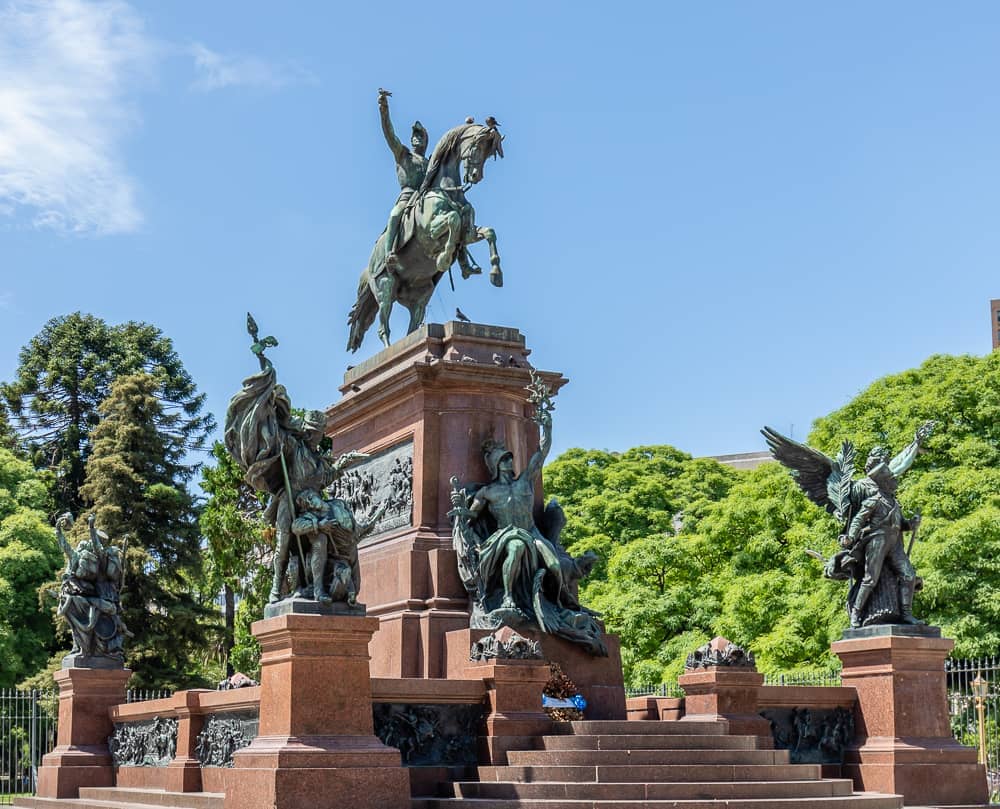
Plaza San Martín is the true centerpiece of Retiro and one of the finest public squares in Buenos Aires. The park rises on a terrace above the surrounding streets, giving it an elevated, almost ceremonial quality. At its northern end stands an equestrian statue of General José de San Martín, the independence hero whose name the plaza bears. The lawns slope down toward the port side, offering partial views toward Puerto Madero on clear days. The Plaza San Martín also serves as an informal outdoor gallery: sculptural monuments, memorials to the Malvinas/Falklands War, and the Torre Monumental all occupy its immediate surroundings.
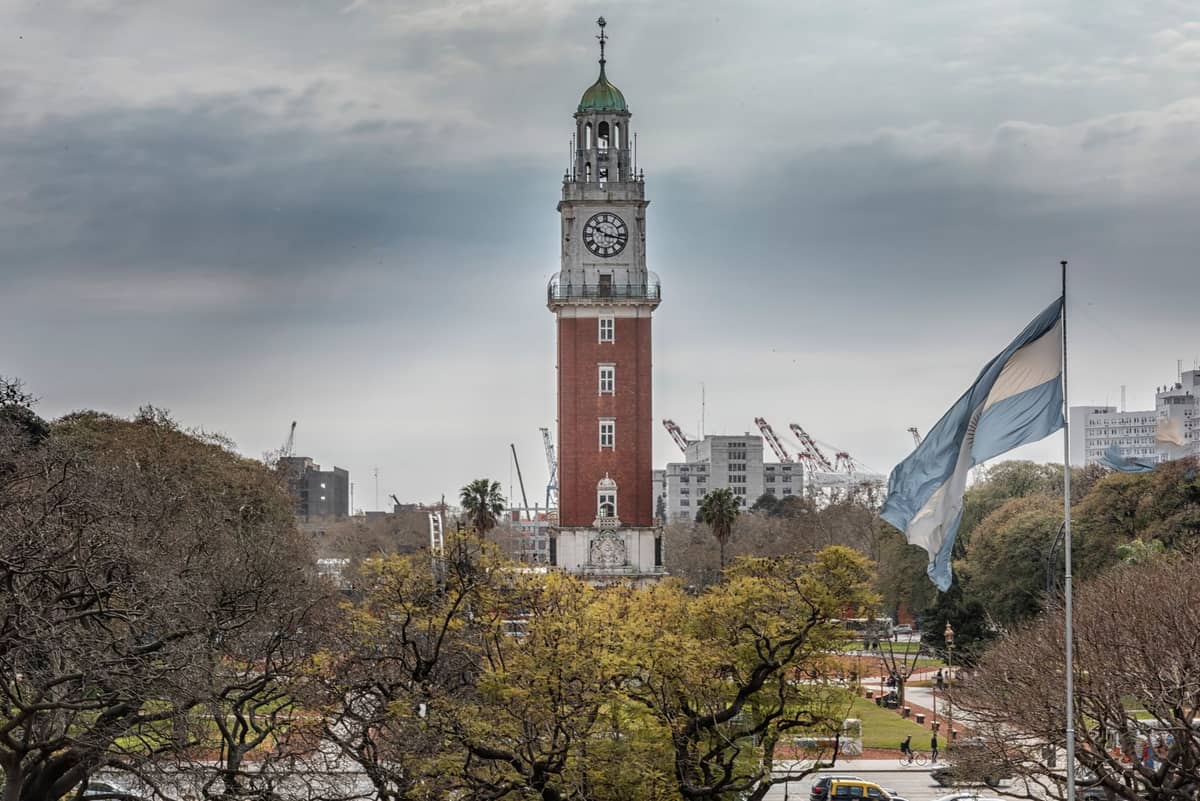
The Torre Monumental, known for most of its history as the Torre de los Ingleses, was a gift from the British community of Argentina and inaugurated in 1916. Its clock tower design draws obvious comparisons to London's Elizabeth Tower, which is partly the point: Buenos Aires's British residents wanted to announce their cultural presence in stone. You can take an elevator to one of the upper levels for panoramic views over the plaza and the river.
The Edificio Kavanagh deserves more attention than it typically receives. Standing at the southern end of Plaza San Martín, this stepped Art Deco skyscraper was financed by Corina Kavanagh, an Irish-Argentine socialite, and completed in 1936. The story behind its construction, involving a rivalry with the wealthy Anchorena family who lived nearby, is one of the more entertaining pieces of Buenos Aires social history. The building is residential and not open to visitors, but its facade repays careful study.
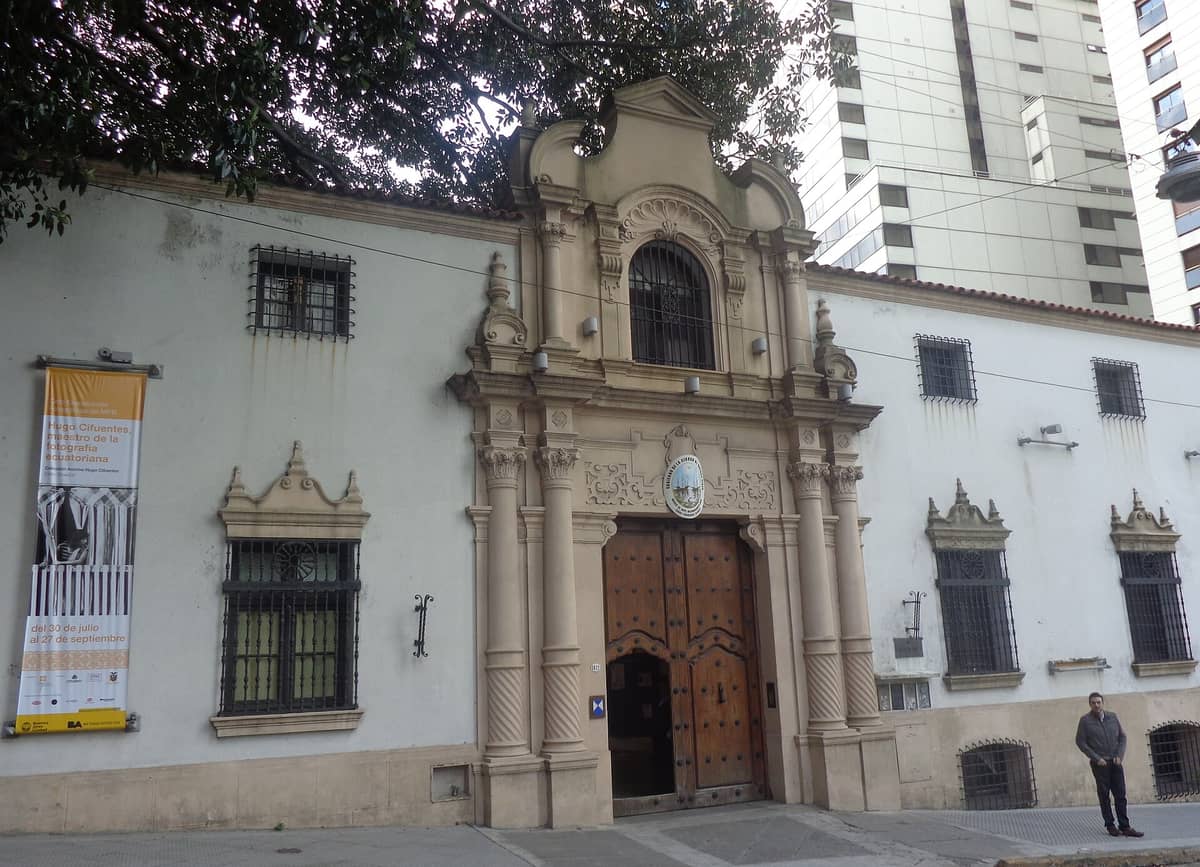
The Palacio Paz, facing the plaza on Avenida Santa Fe, is one of the most opulent private residences ever built in Argentina. Modeled partly on the Palace of Versailles, it now serves as the headquarters of the Círculo Militar and hosts guided tours. Check current opening hours before visiting. Nearby, the Palacio Paz represents the apex of the so-called Belle Époque fever that gripped Buenos Aires's oligarchic families in the early 1900s, when Argentina briefly had one of the world's highest per-capita incomes.
Plaza San Martín: the park, its monuments, and the Malvinas War memorial
Torre Monumental: clock tower with views, free or low-cost entry
Edificio Kavanagh: exterior viewing, one of South America's great Art Deco buildings
Palacio Paz / Círculo Militar: guided tours of a palatial Belle Époque mansion
Calle Florida: the pedestrian shopping street begins just south of Retiro's core
ℹ️ Good to know
If you are interested in Buenos Aires's architectural heritage, Retiro's Plaza San Martín precinct is one of the densest concentrations of early 20th-century monumental architecture in the city. The Buenos Aires Architecture Guide covers the broader context of these building styles across the city.
Eating & Drinking
Retiro's food scene reflects its dual identity. The streets immediately around Plaza San Martín and along Avenida del Libertador are home to the dining rooms and bars of major international and boutique hotels, which tend toward formal, higher-priced menus aimed at business travelers and upscale tourists. These are reliable choices for steak, international cuisine, and an extensive wine list, though you will pay a noticeable premium for the address.
For more everyday eating, the streets running between Retiro and the beginning of Recoleta, particularly around Arroyo and Suipacha, have a handful of mid-range restaurants, parrillas, and cafés. Lunch is the main event in this part of the city: fixed-price executive menus are common at midday and offer solid value compared to evening à la carte pricing. The streets closer to the bus terminal have cheaper counter-service spots, empanada shops, and fast food, but the quality is inconsistent and the environment is noisy.
Travelers looking for Buenos Aires's classic café experience are better served by venturing south to the Microcentro, where landmarks like Café Tortoni on Avenida de Mayo represent the city's grand café tradition. Retiro itself does not have an equivalent institution of that kind. For a broader picture of where to eat across the city, the Buenos Aires food guide is a useful reference.
Getting There & Around
Retiro is one of the best-connected neighborhoods in Buenos Aires from a transit standpoint, which is both its greatest practical asset and one of the main sources of its daily noise and congestion. The Retiro complex brings together the city's main long-distance bus terminal, the Retiro stations for the Mitre, San Martín and Belgrano Norte suburban rail lines, and the Line C Subte station, all within a few hundred meters of each other.
The Subte Line C connects Retiro station south to Constitución, passing through the city center at stations including General San Martín, Lavalle, Diagonal Norte and Avenida de Mayo. This line is the fastest way to reach the southern neighborhoods and the main commercial spine of the city. Line C runs roughly north–south and links Retiro directly to Constitución, one of the city's principal railway hubs. Catalinas, a short walk south of the plaza, serves the dense office towers of the financial district.
Colectivos (city buses) fan out from Retiro in all directions and cover essentially every part of Buenos Aires. The SUBE card, a rechargeable transit card, is required for all bus and Subte journeys and can be purchased and topped up at kiosks throughout the neighborhood. For full guidance on navigating Buenos Aires by public transport, see the getting around Buenos Aires guide.
Jorge Newbery Airport (Aeroparque, IATA: AEP), the city's domestic and regional airport, sits on the riverfront roughly 4 kilometers north of Plaza San Martín, making Retiro one of the closest central neighborhoods to it. A taxi or remise from Aeroparque to the hotels around Plaza San Martín takes around 10 to 20 minutes depending on traffic, which is modest by Buenos Aires standards. The international airport at Ezeiza (EZE) is approximately 30 to 35 kilometers to the southwest; transfers from Ezeiza typically take 45 minutes to over an hour and should be arranged in advance through a licensed taxi stand or airport transfer service.
💡 Local tip
If you arrive at the Retiro bus terminal after a long overnight journey, your hotel is most likely a 10 to 20-minute walk west toward Plaza San Martín, or a short taxi ride. Do not accept unsolicited transport offers inside the terminal. Walk to the official taxi stand or use a ride-hailing app.
Where to Stay
Retiro is one of Buenos Aires's primary hotel zones, particularly for four and five-star international properties. The streets around Plaza San Martín, Avenida del Libertador, and the Recoleta boundary host several well-known luxury and boutique hotels. The location is practical for business travelers who need access to the financial district and the airport, and for leisure travelers who want a central base with easy transit connections.
The best hotel positioning within Retiro is as close to Plaza San Martín as possible, preferably on the western or southern side of the park. This keeps you within walking distance of the upscale dining and shopping of Recoleta, a short Subte ride from the Microcentro, and far enough from the terminal area that nighttime noise and street activity are manageable. Hotels immediately adjacent to the bus terminal are cheaper but significantly less comfortable in terms of environment.
Retiro makes a reasonable base for first-time visitors who want central access without committing to the higher prices of Recoleta proper. That said, travelers focused on food, nightlife, or a residential neighborhood feel may prefer basing themselves in Palermo or Recoleta instead. For a full comparison of where to stay across the city, see the where to stay in Buenos Aires guide.
Assessment: Who Retiro Is For
Retiro is not a neighborhood most visitors will want to spend an entire day in, and it works best as a starting point, a transit corridor, or an architectural detour rather than a destination in its own right. The Plaza San Martín precinct is genuinely impressive and worth an hour of serious looking. The Torre Monumental and Edificio Kavanagh reward close attention. But once you have seen the plaza and its surrounding palaces, the neighborhood offers relatively little compared to the density of experiences in San Telmo, Palermo, or even the Microcentro.
Its value as a base depends entirely on your priorities. If you are arriving by long-distance bus or flying into Aeroparque, Retiro is a logical first night's location. If you are planning your trip from scratch and optimizing for atmosphere, consider reading the Buenos Aires safety guide and the broader 3-day Buenos Aires itinerary before committing to a neighborhood.
TL;DR
Retiro contains some of the grandest Belle Époque and Art Deco architecture in Buenos Aires, concentrated around Plaza San Martín and best appreciated on a deliberate walking loop.
The Retiro transport hub is the most connected point in the city, with Subte Line C, three suburban rail lines, and the main long-distance bus terminal all within walking distance.
The area around the bus terminal requires extra vigilance: petty theft and scams targeting arriving passengers are well-documented, and UK government travel advice specifically flags the terminal and surrounding streets.
As a hotel base, Retiro suits business travelers and transit-oriented visitors; leisure travelers who want neighborhood atmosphere or nightlife will be better placed in Palermo or San Telmo.
Retiro is worth a half-day visit for the architecture, but most travelers will pass through it rather than linger, and that is a perfectly reasonable approach.
Three days is enough to cover Buenos Aires' essential neighborhoods, landmarks, and cultural experiences, if you plan smart. This itinerary breaks the city into logical daily routes, with honest notes on timing, transport, and what the crowd-pleasing options actually deliver.
Buenos Aires delivers more than its size suggests as a museum city. From world-class fine art collections to intimate houses dedicated to Eva Perón and Carlos Gardel, the city's museums cover Argentina's full cultural range. This guide covers the best of them, organised by theme.
Buenos Aires works as a year-round destination, but the timing of your visit shapes everything from comfort to cost to what's actually happening on the street. This guide breaks down every season with real temperature data, crowd realities, and event timing so you can pick the trip that fits your priorities.
Buenos Aires has two airports serving very different purposes. Ezeiza (EZE) handles most long-haul international flights, while Aeroparque (AEP) sits close to downtown and covers domestic and regional routes. This guide breaks down both airports, how to get between them, and the best ways to reach the city center.
Buenos Aires spans more than three centuries of architectural history, from the Spanish colonial Cabildo on Plaza de Mayo to the sweeping art nouveau interiors of El Ateneo Grand Splendid and the glass towers of Puerto Madero. This guide breaks down the city's key styles, neighborhoods, and buildings worth seeking out, with practical tips on timing, logistics, and what to skip.
Buenos Aires takes its café culture seriously. The city has formally designated more than 80 establishments as bares notables, protecting them for their historic, architectural, or cultural significance. This guide covers the best historic cafés, what to order, neighbourhood coffee scenes, and practical advice for experiencing it all like a local.
Managing money in Buenos Aires is more nuanced than in most cities. Argentina's peso, evolving exchange rates, ATM fee structures, and the once-legendary 'blue dollar' all require a clear-headed strategy. This guide breaks down exactly how the Buenos Aires currency system works today, what's changed, and how to avoid the most common financial mistakes visitors make.
Eva Perón shaped Buenos Aires as much as any building or boulevard. This guide maps the key sites tied to her life and legacy, from the Museo Evita in Palermo to the Duarte family tomb in Recoleta Cemetery, with opening hours, entry prices, and a clear take on what is worth your time.
Buenos Aires has a well-earned reputation as one of South America's most romantic cities. This guide covers the best couples experiences, from tango dinner shows with verified pricing to waterfront dining, atmospheric neighborhoods, and practical advice for making your trip feel effortless.
Buenos Aires rewards those who go beyond the postcard. From a bookshop inside a theatre to a mosaic-covered alley in Barracas, these are the experiences that turn a good trip into an unforgettable one.
Buenos Aires nightlife runs on its own clock: dinner at 10 pm, bars filling after midnight, and clubs peaking at 3 am. This guide breaks down the best neighborhoods, venue types, price expectations, and the tango scene so you can stop guessing and start going out.
Buenos Aires offers genuine value for travelers who know the system. This guide covers everything from navigating the SUBE card and free museums to eating well for next to nothing — and where the city actually costs more than expected.
Buenos Aires is a major world city with real risks that are manageable with the right knowledge. This guide breaks down neighbourhood safety, common scams, transport precautions, and official emergency resources so you can travel with confidence.
Buenos Aires offers one of South America's most varied shopping landscapes, from grand European-style galleries and sprawling malls to weekend antique markets and independent designer stores. This guide breaks down where to shop, what to buy, and how to avoid the common tourist pitfalls.
Buenos Aires is one of South America's most rewarding solo destinations, with an extensive metro network, walkable neighborhoods, and a rich cultural scene. This guide covers everything from the safest areas to stay and how to navigate public transport, to money tips and the best times to visit as a solo traveler.
Buenos Aires is one of Latin America's most important cities for public art, with commissioned murals, mosaics, and political works spread across dozens of neighborhoods. This guide covers where to go, how to get there, which tours are worth booking, and what most visitors miss.
The Buenos Aires Tango Festival & World Cup (Tango BA Festival y Mundial) is one of the world's largest free tango events, drawing thousands of dancers and spectators each August. This guide covers how to get tickets, what to expect at the competition finals, which venues to prioritize, and how to make the most of two weeks of non-stop tango across the city.
Buenos Aires rewards those who look up and climb high. From a Dante-inspired skyscraper to a British clock tower overlooking the Río de la Plata, these are the city's finest viewpoints, street-level panoramas, and architectural frames worth seeking out.
Buenos Aires is one of the great walking cities of South America, with distinct neighborhoods close enough to link on foot and rich enough to fill a full day each. This guide breaks down the best self-guided walking routes by barrio, with practical details on duration, what to prioritize, when to go, and where to be careful.
Buenos Aires is a more family-friendly city than most first-time visitors expect. This guide covers the best kid-focused attractions, the most practical neighborhoods for families, how to get around with children, and what to skip — with honest notes on crowds, costs, and seasonal timing.
Buenos Aires delivers world-class culture, food, and architecture at a fraction of European city prices. But it rewards those who plan ahead. This guide breaks down costs, seasons, safety, and the neighborhoods that matter, so you can decide if it belongs on your itinerary.
Buenos Aires rewards slow exploration, but the city also sits within easy reach of some genuinely excellent escapes. This guide covers the top Buenos Aires day trips by distance, difficulty, and what you actually get for your time and money.
Buenos Aires is one of the world's great football cities, home to over 20 professional clubs and two of the most iconic stadiums on the planet. This guide covers everything you need to know: how to get match tickets, what stadium tours cost, when to visit, and how to avoid the most common tourist mistakes.
Buenos Aires rewards travelers who know where to look. The city has free-entry museums, landmark plazas, vast parks, and weekly market days that cost nothing at all. This guide covers 20 of the best free experiences across every corner of the city.
Buenos Aires has one of South America's most comprehensive urban transport networks. This guide covers every practical option for getting around the city, from the Subte metro and colectivo buses to ride-hailing apps, Ecobici bikes, and airport transfers from Ezeiza and Aeroparque.
Seven days is enough time to move through Buenos Aires properly, from the political heart of Plaza de Mayo to the cobblestones of San Telmo, the parks of Palermo, and a night at Teatro Colón. This day-by-day guide covers logistics, timing, and the trade-offs worth knowing before you go.
Buenos Aires is the birthplace of tango, and the city takes that seriously. This guide covers milongas, tango lessons, dinner shows, seasonal events, dress codes, and honest price breakdowns — everything you need to engage with tango culture on your own terms.
Buenos Aires rewards visitors who go beyond the obvious. This guide covers the city's top experiences across culture, history, food, and nightlife, organized by neighborhood and enriched with practical logistics, honest assessments, and local context to help you plan a trip that actually works.
Buenos Aires is one of South America's great eating cities, built on beef, Italian immigrants, and neighborhood traditions that stretch back a century. This guide covers the essential dishes, where to find them by neighborhood, what things actually cost, and how to navigate the city's food scene without wasting a meal.
Choosing where to stay in Buenos Aires shapes your entire trip. This guide covers the top neighborhoods for every travel style, from historic San Telmo to polished Recoleta, with practical advice on transport links, price ranges, and seasonal timing.