Grand-Place and Îlot Sacré form the historic core of Brussels, pairing one of Europe's most celebrated medieval squares with a protected labyrinth of pedestrian lanes, guild houses, and centuries-old restaurants. This is where Brussels announces itself most dramatically to first-time visitors.
Grand-Place and Îlot Sacré sit at the geographic and symbolic heart of Brussels, Belgium's bilingual capital and the de facto seat of the European Union. The square itself is a UNESCO World Heritage Site framed by elaborately gilded guild houses and the towering Gothic spire of the Town Hall, while the Îlot Sacré, a protected quarter, fans out to the north and northeast in a compact grid of pedestrian alleys, covered arcades, and restaurant-lined streets that have changed remarkably little in their basic character over the past century.
Orientation
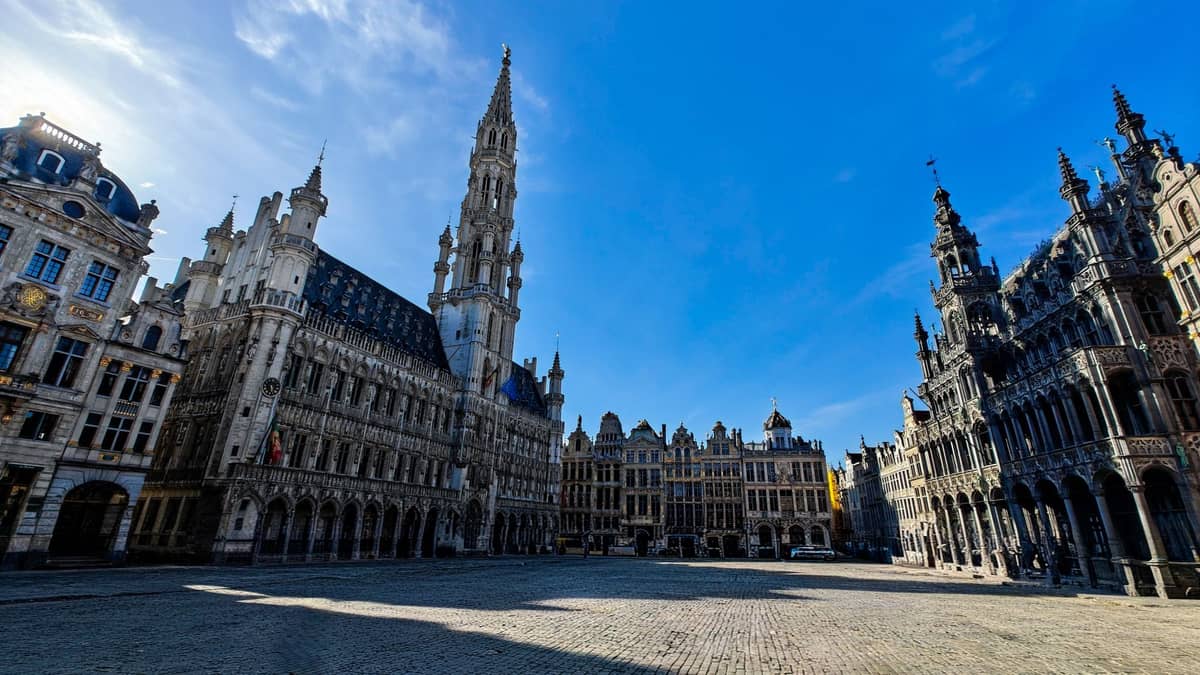
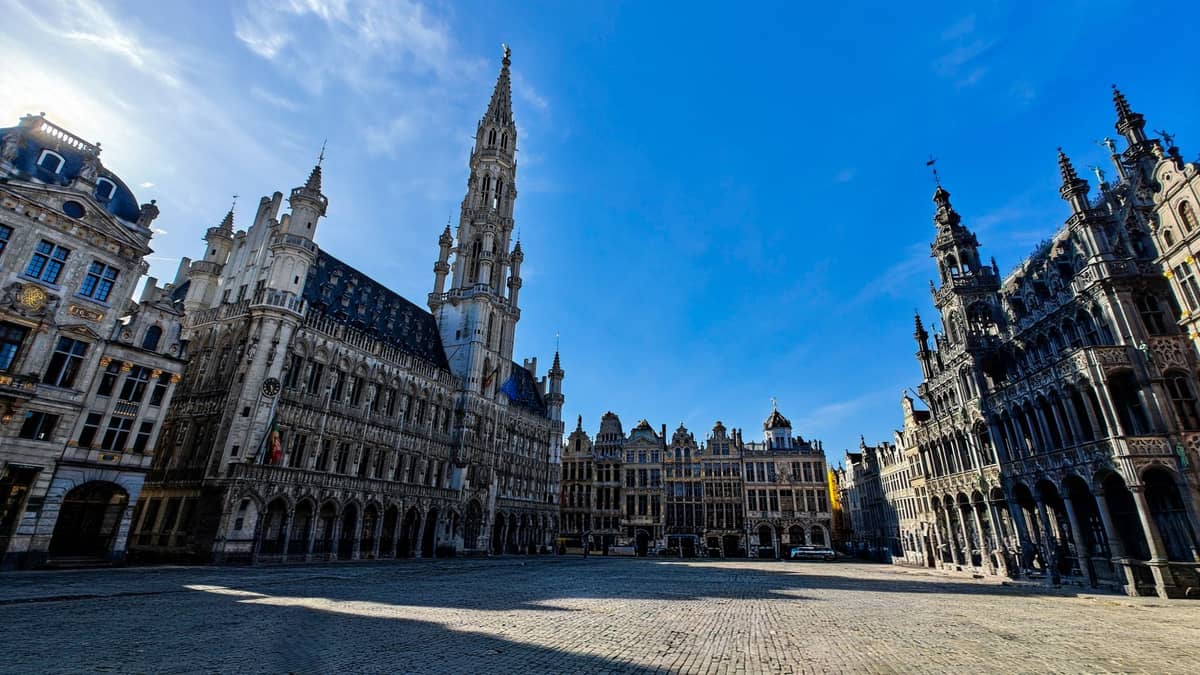
Grand-Place sits roughly at the geographic and symbolic heart of Brussels, Belgium's bilingual capital and the de facto seat of the European Union. The square itself is a UNESCO World Heritage Site framed by elaborately gilded guild houses and the towering Gothic spire of the Town Hall, while the Îlot Sacré, a legally protected quarter, fans out to the north and northeast in a compact grid of pedestrian alleys, covered arcades, and restaurant-lined streets that have changed remarkably little in their basic character over the past century. The square is not on an obvious through-road; you arrive by ducking down one of several narrow approach streets, which means the space always produces a small shock of surprise no matter how many times you've made the turn.
The Îlot Sacré occupies the roughly rectangular block immediately to the north and northeast of Grand-Place. Its formal boundaries run along Rue de l'Ecuyer to the north, Rue d'Arenberg to the east, Rue du Marché aux Herbes and Rue de la Colline along the southern edge closest to the square, and Rue des Fripiers to the northwest. Inside those boundaries you find Rue des Bouchers, Petite Rue des Bouchers, Rue des Dominicains, Rue de la Fourche, Rue Grétry, and a handful of short impasses including the Impasse de la Fidélité and the Impasse des Boeufs. The Galeries Royales Saint-Hubert, The Îlot Sacré occupies the roughly rectangular block immediately to the north and northeast of Grand-Place. Its formal boundaries run along Rue de l'Ecuyer to the north, Rue d'Arenberg to the east, Rue du Marché aux Herbes and Rue de la Colline along the southern edge closest to the square, and Rue des Fripiers to the northwest. Inside those boundaries you find Rue des Bouchers, Petite Rue des Bouchers, Rue des Dominicains, Rue de la Fourche, Rue Grétry, and a handful of short impasses including the Impasse de la Fidélité and the Impasse des Boeufs. The Galeries Royales Saint-Hubert cuts through the eastern edge of the quarter along Rue du Marché aux Herbes., cuts through the eastern edge of the quarter along Rue du Marché aux Herbes.
Within the wider city, this neighborhood connects directly south toward the Sablon antiques district and the Royal Quarter via the uphill streets, and northwest toward the Place Saint-Géry and the Dansaert fashion district. Brussels-Central railway station stands a short walk to the southeast, making the area genuinely easy to reach from anywhere in the country., making the area genuinely easy to reach from anywhere in the country.
For a broader sense of how this neighbourhood fits into the full city, the where to stay in Brussels guide gives a useful overview of all central districts and their relative characters.
Character & Atmosphere
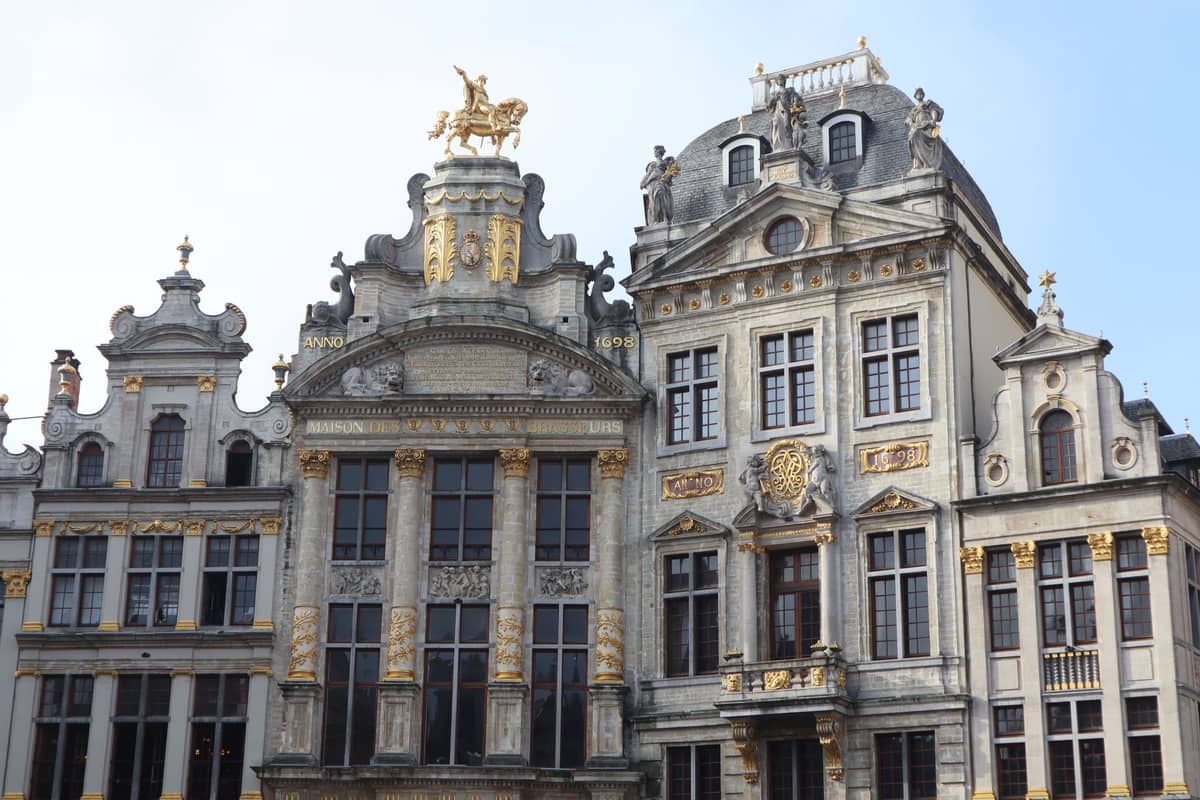
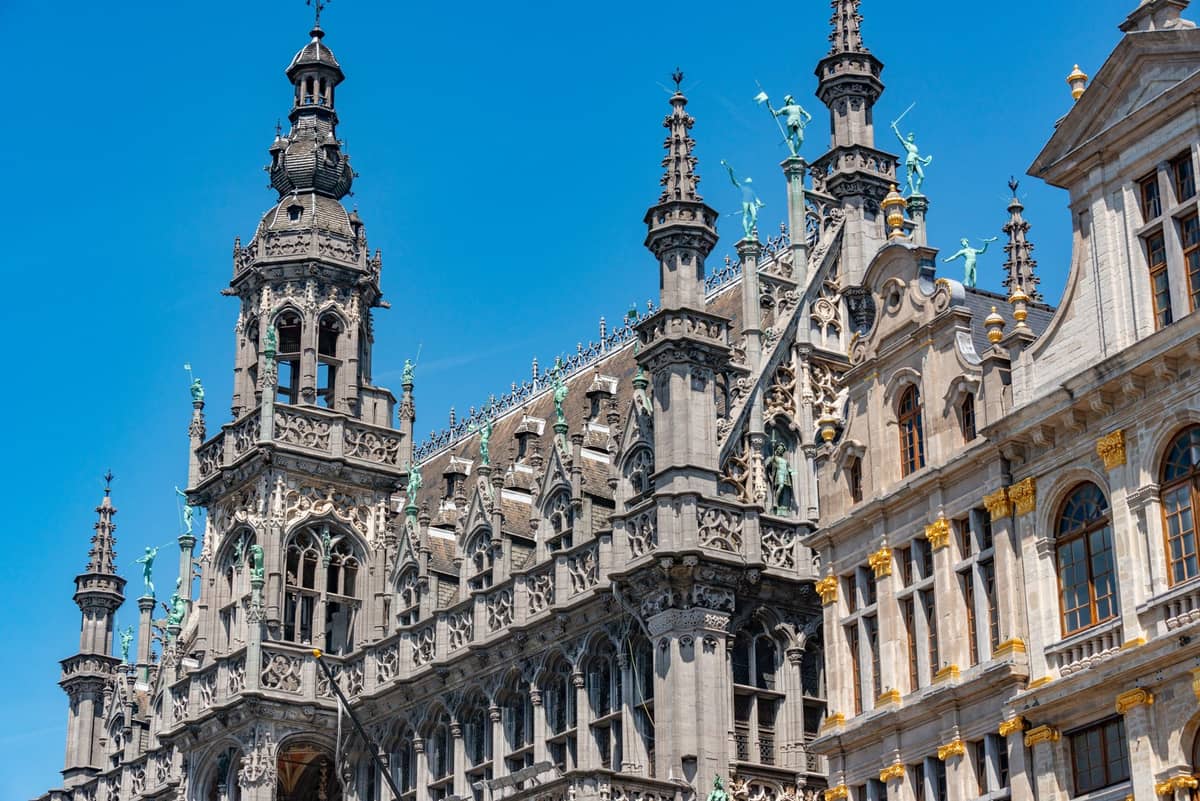
Grand-Place in the early morning, before 8am on a weekday, belongs almost entirely to delivery workers, early-rising tourists with good instincts, and the occasional runner. The cobblestones are still damp from overnight cleaning, the gold leaf on the guild house facades catches low slanted light at a different angle than it does at midday, and the square is quiet enough that you can hear pigeons and distant tram bells. At this hour the architecture reads more clearly: the asymmetric relationship between the 15th-century Town Hall spire and the neo-Gothic Maison du Roi across the square, the way each guild house competes for verticality within a strict horizontal cornice line.
By 10am the tourist tide has begun in earnest, and by midday in summer the square is genuinely packed. The surrounding Îlot Sacré fills up in stages: Rue des Bouchers is a theatrical experience even when you know what to expect, with seafood displayed on crushed ice in the doorways of restaurants and staff stationed outside to catch passing trade. It is Brussels's most concentrated restaurant street and also one of its most tourist-facing; prices on Rue des Bouchers reflect the address.
After dark the neighborhood shifts register again. Grand-Place is illuminated from below and the guild houses glow gold against a dark sky, which is why summer evenings draw crowds who simply stand in the centre of the square and look. The Galeries Royales Saint-Hubert close their boutique shutters in the evening but the arcade itself stays open late, and the cafés and chocolatiers along Galerie du Roi and Galerie de la Reine stay lit and busy. Rue des Bouchers remains active late into the evening., and the cafés and chocolatiers along Galerie du Roi and Galerie de la Reine stay lit and busy. Rue des Bouchers remains active until at least 11pm most nights.
One honest note: the Îlot Sacré is, by European city-centre standards, heavily tourist-oriented. That does not mean it lacks authenticity, but it does mean that the street-level experience is shaped primarily by what visitors want to find rather than how Brussels residents actually live. For a sense of daily Brussels life, you need to walk ten minutes in almost any direction. That said, the legal protection status of the quarter, established in 1960, has at least preserved the physical fabric from the demolition that swept away much of Brussels's heritage in the 20th century.
💡 Local tip
For the most dramatic first impression of Grand-Place, approach via Rue de la Colline or Rue Charles Buls from the south. Both streets are narrow enough that the square only reveals itself at the last moment.
What to See & Do
The Grand-Placeitself is the obvious starting point, and it rewards more time than most visitors give it. The Grand-Place itself is the obvious starting point, and it rewards more time than most visitors give it. Walk the perimeter slowly and read the guild identities still visible in the facades. The square was largely rebuilt after Louis XIV's bombardment of 1695 and completed in a remarkably short period, which explains its unusual stylistic coherence.
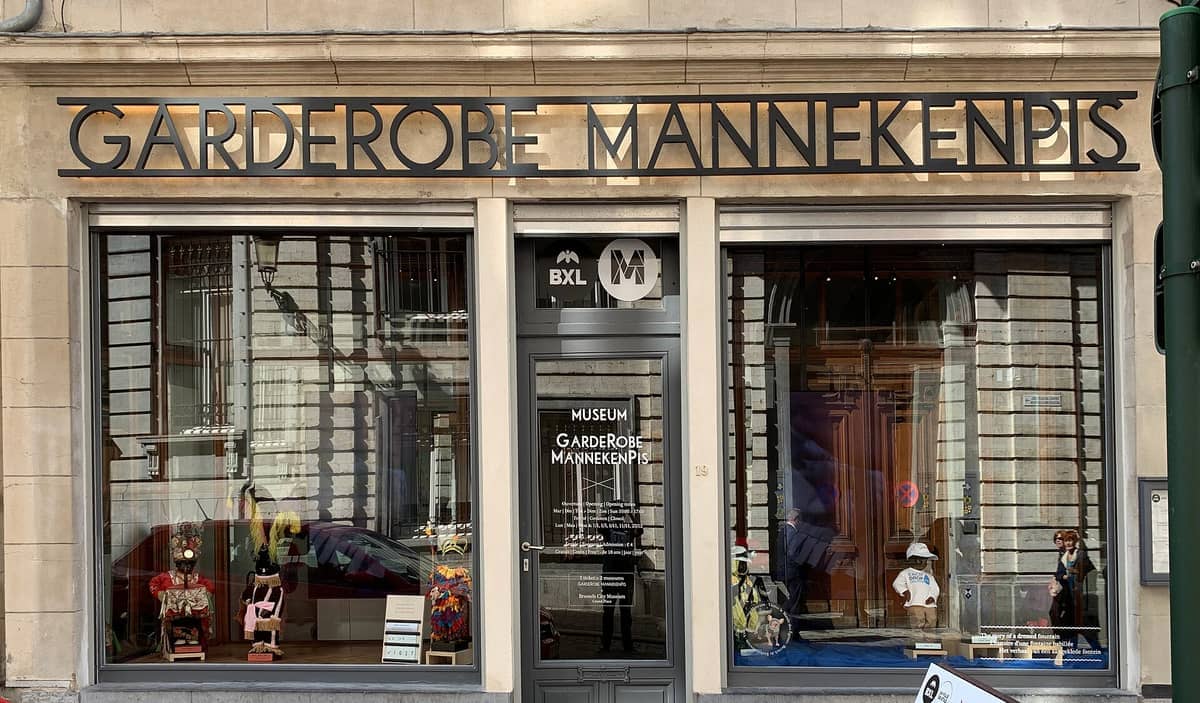
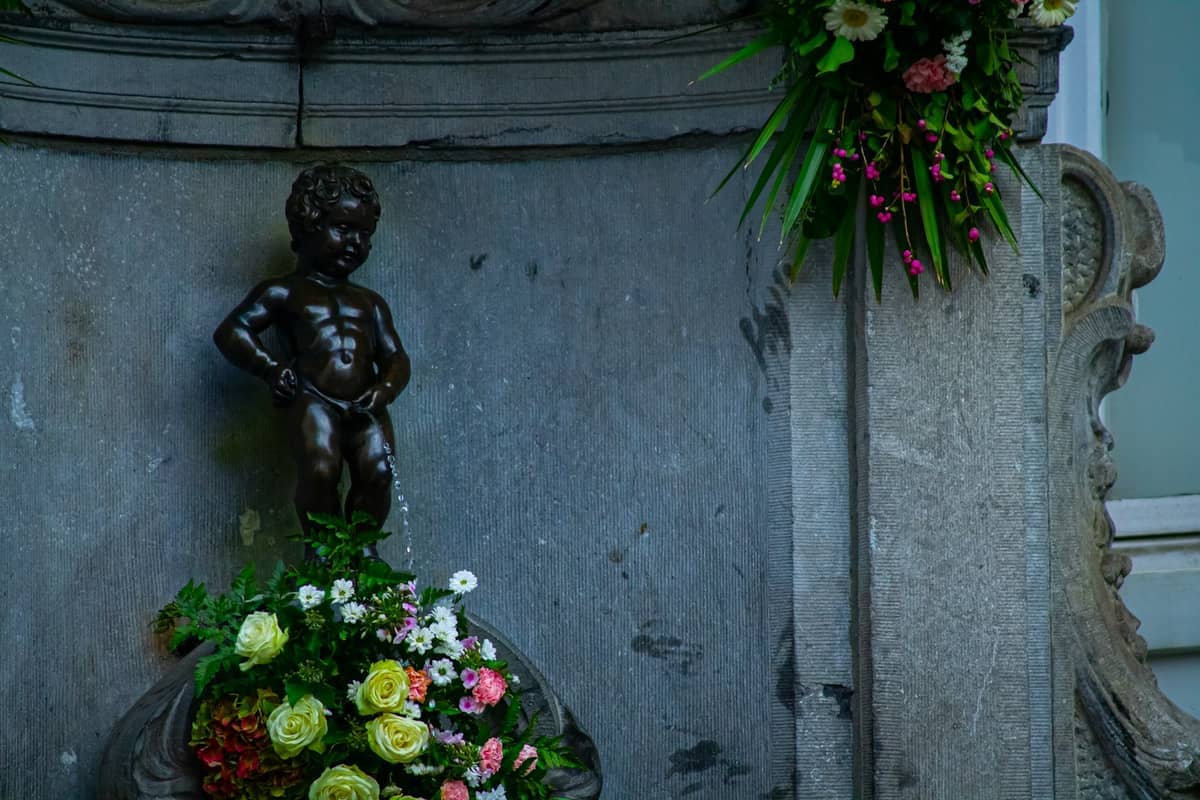
The Brussels Town Hall is open for guided visits on certain days, and it is worth the effort: the interior contains Flemish tapestries and painted rooms that most visitors never see. The Maison du Roi, the neo-Gothic building on the north side of the square, houses the Brussels City Museum, which includes the famous wardrobe collection of Manneken Pis costumes.
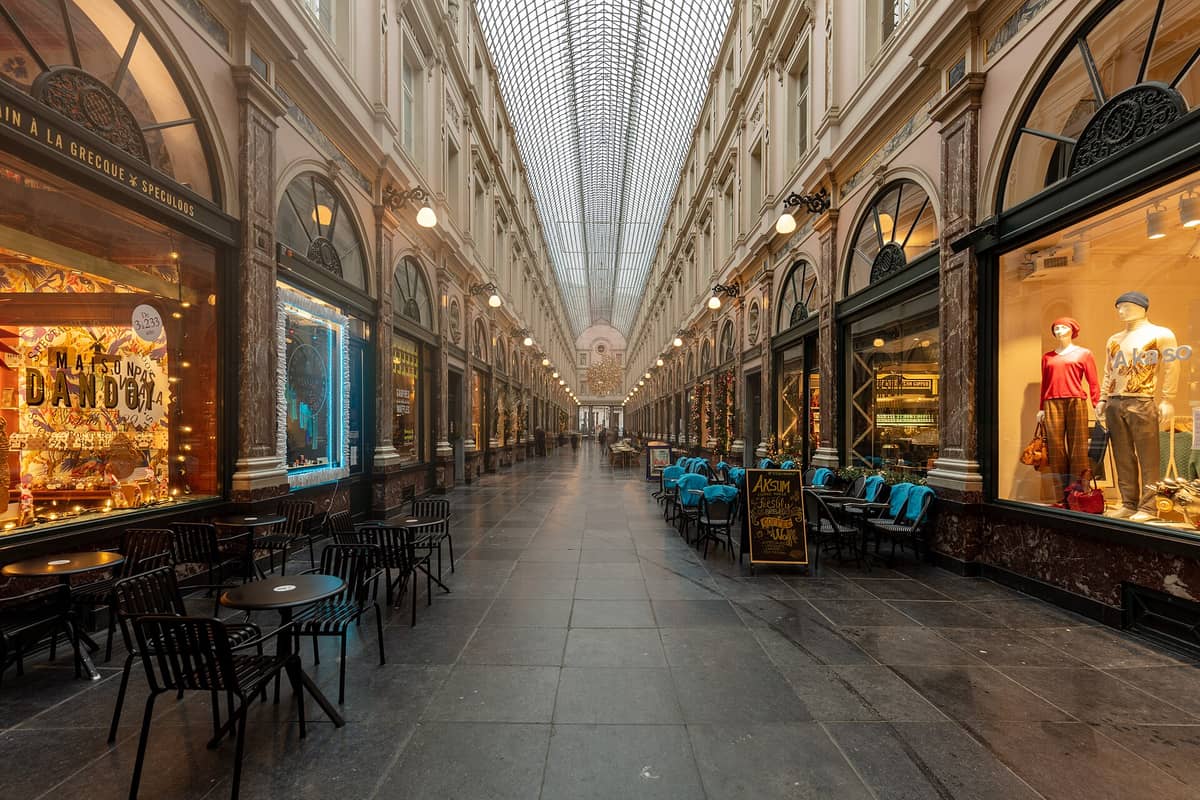
A short walk east through the Îlot Sacré brings you to the Galeries Royales Saint-Hubert, which opened in 1847 and was one of the first covered shopping arcades in Europe. The barrel-vaulted iron-and-glass roof, the mosaic floors, and the mix of chocolatiers, bookshops, and cafés make it one of the most pleasant covered spaces in Brussels to pass time in, regardless of the weather. A short walk east through the Îlot Sacré brings you to the Galeries Royales Saint-Hubert, which opened in 1847 and was one of the first covered shopping arcades in Europe. The barrel-vaulted iron-and-glass roof, the mosaic floors, and the mix of chocolatiers, bookshops, and cafés make it one of the most pleasant covered spaces in Brussels to pass time in, regardless of the weather.
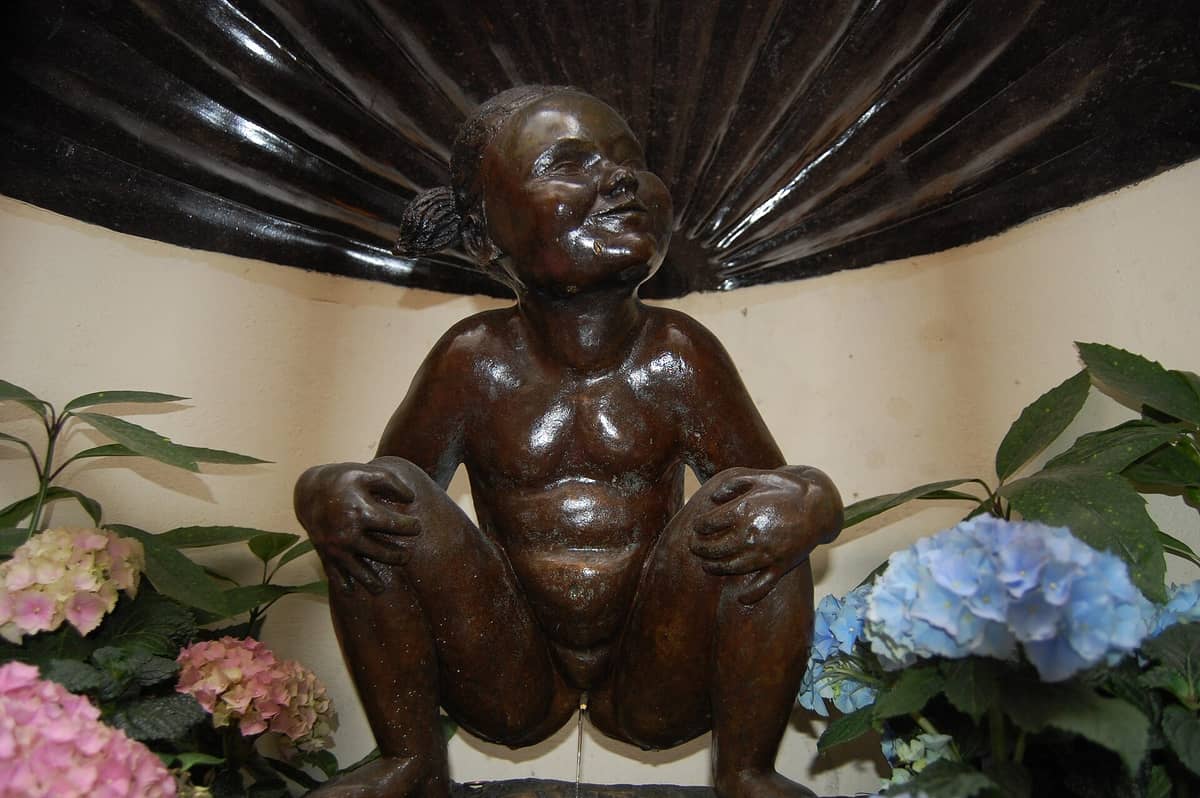
The neighbourhood's most famous resident is, technically, the Manneken Pis, the small bronze fountain statue at the corner of Rue de l'Etuve and Rue du Chêne, The neighbourhood's most famous resident is, technically, the Manneken Pis, the small bronze fountain statue at the corner of Rue de l'Etuve and Rue du Chêne, a short walk southwest of the square. The statue is genuinely small (about 61cm tall) and the surrounding area is perpetually crowded, but it is one of Brussels's most enduring and self-aware symbols. Check the city's event calendar: the statue is dressed in themed costumes on dozens of occasions throughout the year, and a full archive of those costumes is held nearby.. The statue is genuinely small (about 61cm tall) and the surrounding area is perpetually crowded, but it is one of Brussels's most enduring and self-aware symbols. Check the city's event calendar: the statue is dressed in themed costumes on dozens of occasions throughout the year, and a full archive of those costumes is held nearby at the Garderobe Manneken Pis.
Grand-Place: perimeter walk and guild house identification
Brussels Town Hall: guided interior visits (check schedules)
Maison du Roi / Brussels City Museum: costume collection and city history
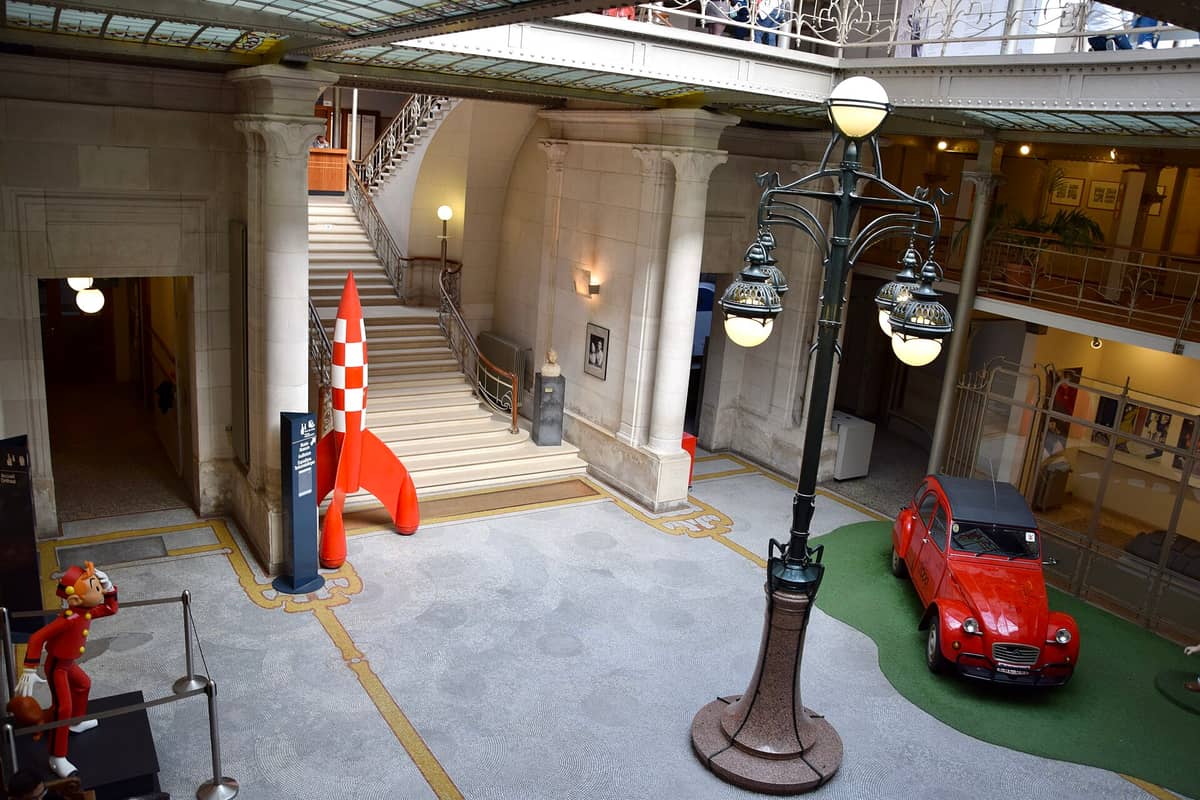
Belgian Comic Strip Center: 10-minute walk north on Rue du Sable
Jeanneke Pis: in the Impasse de la Fidélité off Rue des Bouchers
If you want to extend your day into a structured route, the Brussels walking tours guide covers self-guided and guided options that start from Grand-Place and radiate outward.
Eating & Drinking
The food landscape around Grand-Place and Îlot Sacré is wide in range and variable in quality. The honest summary: the closer you eat to the square itself, the more you are paying for location. That is not always a bad deal, but it is worth knowing before you sit down.
Rue des Bouchers and Petite Rue des Bouchers are the neighbourhood's main restaurant corridor, lined primarily with Belgian-style brasseries, seafood restaurants, and a scattering of Greek and Italian spots that have operated here for decades. Moules-frites (mussels and fries) is the default order on this street and the quality is generally competent rather than exceptional. The experience is theatrical, which is part of what you are buying. Prices sit at the mid-to-upper range for Brussels; expect to pay around €18-28 for a main course.
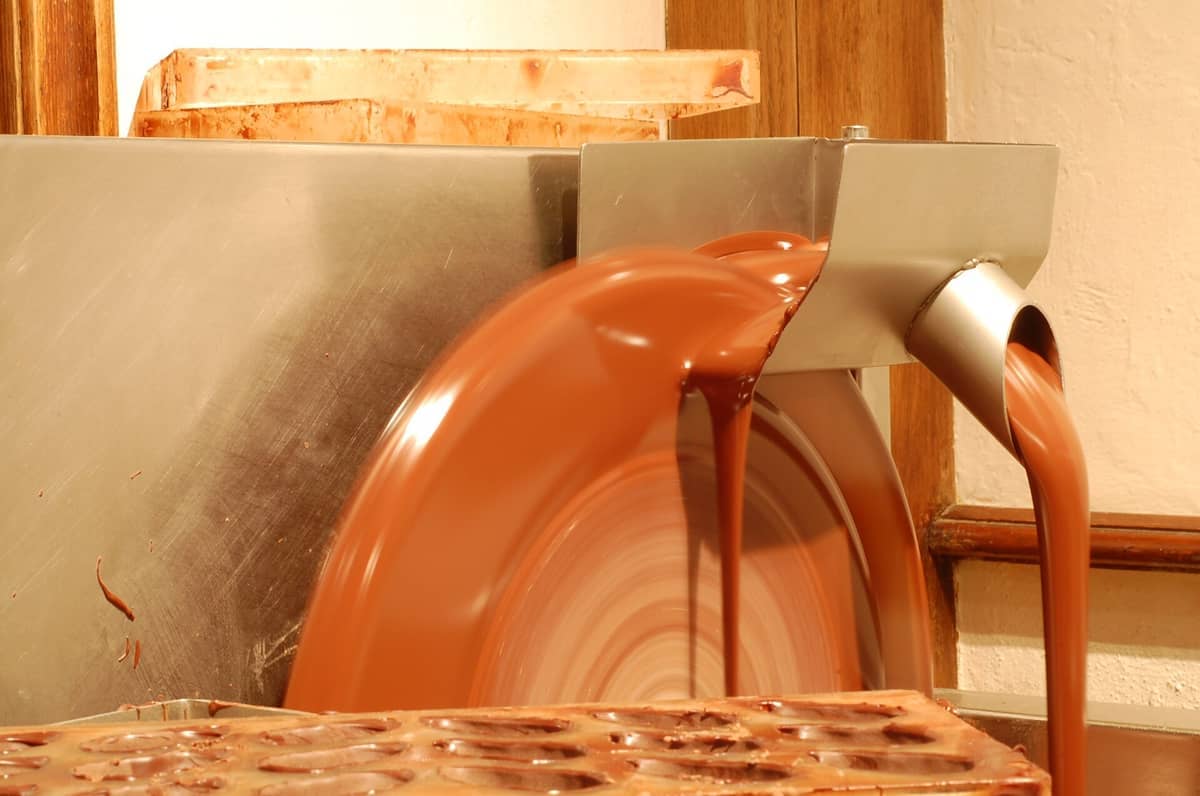
For better value and more considered cooking, the streets one or two blocks beyond the Îlot Sacré boundaries tend to be more rewarding. Rue du Marché aux Herbes hosts several chocolate and waffle shops that genuinely represent the Belgian tradition rather than serving airport-grade product. The Galeries Royales Saint-Hubert contain some of Brussels's best chocolatiers, including historic names that have occupied the arcade for generations.
Belgian beer is taken seriously in every café on and around Grand-Place. The square's cafés carry long tap and bottle lists, and the tradition is deep: Belgian beer culture is one of the more rewarding rabbit holes to go down in Brussels. The café on the corner of Rue au Beurre, occupying the ground floor of the Maison du Roi des Espagne guild house, is one of the more atmospheric spots to have a Trappist or gueuze, if you can get a seat.
For Belgian waffles specifically, the distinction between the Brussels-style waffle (rectangular, lighter, often eaten plain or with powdered sugar) and the Liège-style waffle (denser, pearl-sugar studded, eaten warm from the street) is worth understanding before you order. The Brussels waffle guide explains the difference and names where to find each style done properly.
⚠️ What to skip
Rue des Bouchers is notorious for aggressive touting: staff stationed outside restaurants will actively try to guide you to their tables. This does not indicate quality in either direction, but be aware that some establishments display seafood that is not always as fresh as it appears. Read recent reviews before committing to a full meal here.
Getting There & Around
The most convenient rail access is Brussels-Central (Gare Centrale), served by national SNCB/NMBS trains from Brussels Airport (The most convenient rail access is Brussels-Central (Gare Centrale), served by national SNCB/NMBS trains from Brussels Airport (journey time approximately 18 minutes), Brussels-Midi (for Eurostar and international services), and Brussels-Nord. From Brussels-Central, Grand-Place is about a 400-metre walk west and downhill via Rue de la Montagne or Cantersteen, taking roughly five minutes on foot.), Brussels-Midi (for Eurostar international services), and Brussels-Nord. From Brussels-Central, Grand-Place is about a 400-metre walk west and downhill via Rue de la Montagne or Cantersteen, taking roughly five minutes on foot.
By metro, the two most useful stations are De Brouckère (lines 1 and 5), which is about 500 metres north of Grand-Place via Rue des Fripiers or the boulevard, and Bourse (now served by trams and buses), a similar distance to the west on Rue au Beurre. Gare Centrale on lines 1 and 5 puts you at the bottom of the slope leading up to the square from the east. All of these are within a 5-7 minute walk of the square itself.
The Îlot Sacré and Grand-Place are almost entirely pedestrianised. Once you are in the quarter, navigation is on foot. The street grid is compact and slightly irregular, and it is very easy to loop around without realising it: the area rewards wandering but can disorient briefly. The covered Galeries Royales Saint-Hubert is a useful east-west landmark that cuts straight through the quarter and helps you reorient.
For the full picture of public transit options in Brussels, the getting around Brussels guide covers STIB/MIVB metro, tram, and bus networks in detail, including how to buy tickets.
ℹ️ Good to know
Taxis and rideshares cannot enter the pedestrianised zone directly. Drop-off and pick-up points are typically on Rue du Marché aux Herbes or Boulevard de l'Impératrice at the edges of the pedestrian area. Allow an extra 5-minute walk when timing pickups.
Where to Stay
Staying within or immediately adjacent to the Grand-Place and Îlot Sacré area puts you at maximum walkability for central Brussels: the Sablon, Mont des Arts, and the Galeries Royales Saint-Hubert are all reachable in under ten minutes on foot. Several four and five-star hotels occupy the streets immediately surrounding the square, and a concentration of boutique and mid-range options lines the streets toward De Brouckère and Bourse.
The trade-off is noise. Grand-Place and Rue des Bouchers are active until midnight or later on weekends, and some streets in the Îlot Sacré carry significant foot traffic and ambient noise well into the evening. If you are a light sleeper or value quiet mornings, request a courtyard-facing room, or consider a hotel one or two blocks beyond the core pedestrian zone toward Place de Brouckère or Rue du Midi, where you get the same central access without the direct nighttime noise.
The neighbourhood suits travellers who want to be in the middle of Brussels's symbolic and cultural centre, who are doing a short stay and want to minimise transit time to major attractions, and who value the experience of waking up near one of Europe's great public squares. It is less suited to budget travellers (accommodation prices here are at the higher end of the Brussels market) or to those seeking a quieter, more residential atmosphere.
Pickpocketing in high-density tourist areas is a consistent concern in any major European city, and Grand-Place is one of Brussels's most crowded spaces in summer. Keep bags zipped and in front of you in the square and along Rue des Bouchers, particularly when large tour groups are moving through. The area is well-monitored and generally considered safe, but standard precautions apply.
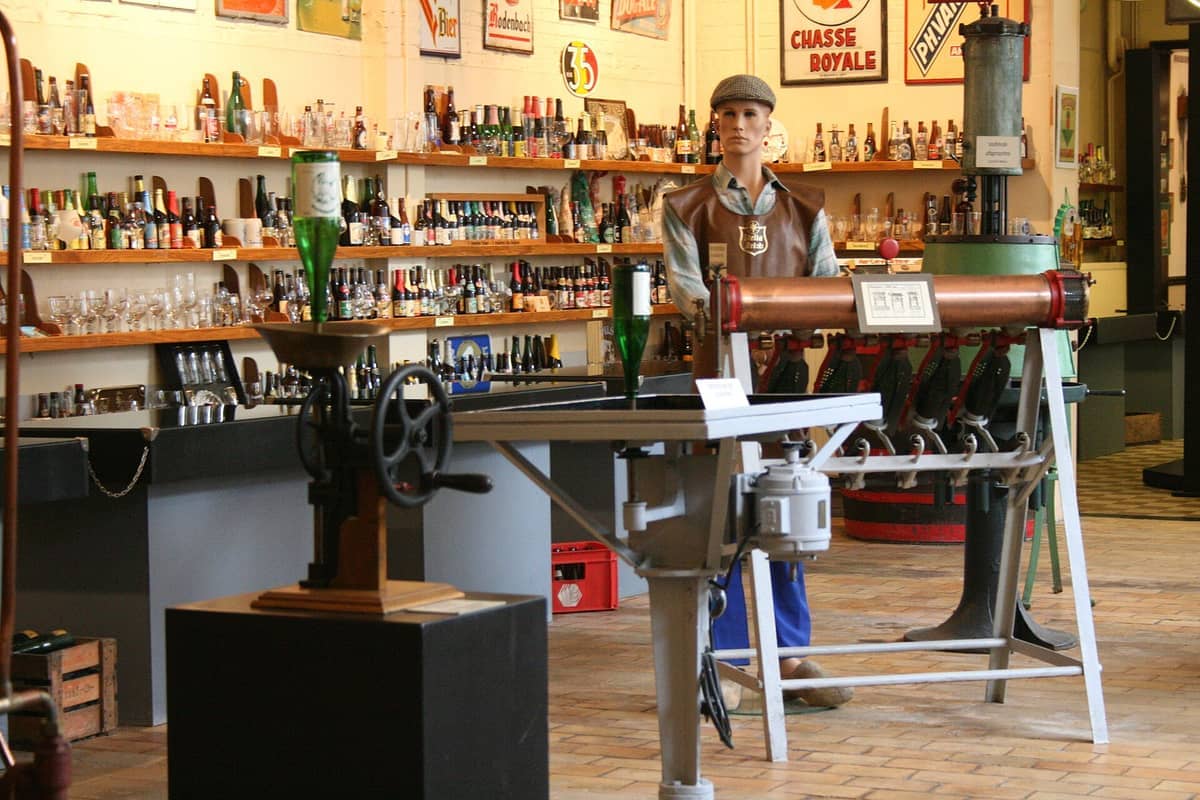
Brussels runs a Belgian Beer World experience at the former Brussels Stock Exchange (Bourse), a five-minute walk west of Grand-Place, which opened as a major beer museum and experience space. It is a good rainy-day option and connects the historic centre to the broader Belgian brewing tradition. For context on that tradition, the Belgian beer guide is a useful read before visiting.
The Christmas market period (roughly late November through early January) transforms Grand-Place into one of the city's most atmospheric seasonal experiences, with a large tree, lights, and market stalls occupying the square and the surrounding streets. It is very crowded and accommodation prices rise significantly during this period. If you plan to visit then, book well in advance.
💡 Local tip
The Flower Carpet event, held every two years in mid-August, covers the entire surface of Grand-Place in a geometric pattern made from begonias and other flowers. It lasts only four days but draws large crowds; the best view is from the Town Hall balcony, for which timed tickets are available.
TL;DR
Grand-Place is the most architecturally significant public square in Brussels and one of the finest in Europe; the guild houses and Town Hall are worth genuine time and attention, not just a photo stop.
The Îlot Sacré, protected by Royal Decree since 1960, preserves a network of pedestrian lanes and historic facades that would otherwise have been demolished in Brussels's 20th-century redevelopment wave.
Rue des Bouchers is the neighbourhood's most famous restaurant street but also its most tourist-facing; good food exists nearby but requires stepping outside the most obvious corridors.
Best suited to first-time visitors to Brussels, short-stay travellers who want to be central, and anyone for whom walking distance to major landmarks is the primary accommodation priority.
Honest drawback: this is the most tourist-concentrated part of Brussels. For daily local life, independent food culture, or quieter streets, areas like Ixelles, Saint-Gilles, or the Dansaert quarter offer a noticeably different experience.
Two days is enough time to cover Brussels' historic core, world-class museums, and legendary food scene — if you plan it right. This itinerary cuts through the noise to give you a practical, hour-by-hour plan that works around real opening hours, Monday closures, and the best use of the Brussels Card.
Brussels holds one of the greatest concentrations of Art Nouveau architecture on the planet. This guide covers the essential buildings, the best museums, how to use the Art Nouveau Pass, and when to visit for the BANAD Festival — with a frank note on what's actually open and what requires booking ahead.
Brussels sits at the heart of one of the world's great beer cultures. This guide covers every major brewery, museum, and tasting experience in the city, with clear pricing, practical logistics, and the context to understand what makes Belgian beer genuinely different.
Brussels is the undisputed capital of Belgian chocolate, with heritage praline houses, boundary-pushing artisan makers, and chocolate museums all within walking distance of each other. This guide covers the best chocolate shops, realistic prices, seasonal considerations, and exactly what to skip.
Brussels has an unusually dense museum scene for its size. From a world-class Surrealism collection to a living lambic brewery, a spectacular natural history hall, and a free EU history centre, the Belgian capital offers remarkable depth across every genre. This guide covers the best of them.
Brussels rewards visitors in every season, but the timing of your trip shapes everything from hotel rates to crowd levels to which festivals you can catch. This guide breaks down exactly what to expect each month, with the real trade-offs for every type of traveller.
Brussels rewards those who seek elevation. This guide covers the city's best viewpoints, from iconic hilltop terraces and Art Deco rooftops to medieval towers and futuristic observation spheres. Whether you want free skyline vistas or ticketed platforms, here's exactly where to go and when.
Brussels Airport (BRU) in Zaventem is 12 km from the city centre, with a direct train station beneath the terminal. This guide covers every transport option, realistic fares, terminal layout basics, and the common mistakes that cost travellers time and money.
Brussels transforms each winter into one of Europe's most atmospheric seasonal destinations. This guide covers every aspect of Winter Wonders (Plaisirs d'Hiver): where the markets actually are, what things cost, when to visit to avoid the worst crowds, and the practical details that most guides overlook.
Brussels takes comic art more seriously than almost any city on earth. This guide covers the official mural route with 60+ painted walls, the Belgian Comic Strip Center housed in a Victor Horta building, and everything you need to navigate the city's Franco-Belgian comic heritage without wasting a step.
Brussels is the de facto capital of the European Union, and its EU quarter is one of the few places on earth where you can step inside a functioning democratic institution for free. This guide covers every visitor attraction in the European Quarter, with opening hours, booking tips, and a frank take on what's worth your time.
The Brussels Flower Carpet is one of Europe's most spectacular temporary installations, covering the Grand-Place in nearly one million flowers for just four days every two years. This guide covers dates, viewing options, crowd strategy, and practical tips to help you plan a visit worth the trip.
Brussels rewards couples who look beyond the obvious. This guide covers the city's most romantic squares, gardens, museums, and neighborhoods, with practical details on timing, cost, and what to skip, so you can plan a genuinely memorable trip together.
Brussels rewards curious travellers who look beyond the Grand-Place. From buried medieval palaces and spontaneous-fermentation breweries to Art Nouveau masterpieces and canal-side art museums, the city's best experiences are often the least obvious ones.
Brussels has a deeper luxury scene than many visitors expect. From a dense cluster of Michelin-starred restaurants across the Brussels-Capital Region to a cluster of exceptional five-star hotels along Avenue Louise, this guide covers exactly where to stay, eat, and spend your time when budget is not the constraint.
Brussels nightlife is not one scene but many, spread across distinct neighborhoods from the beer bars of Saint-Géry to the techno clubs of Ixelles. This guide breaks down the best districts, key venues, realistic costs, and the practical logistics every visitor needs to know.
Brussels has a reputation as an expensive EU capital, but the reality is more nuanced. Between free museum Sundays, affordable public transport, and some of the best street food in Europe, a trip to Brussels can cost surprisingly little. This guide breaks down exactly where your money goes and where you can save it.
Brussels gets rain year-round, but a wet day here is far from a wasted one. The city packs in some of Europe's finest museums, covered galleries, breweries, and atmospheric indoor spaces that reward slow exploration whatever the weather.
Brussels is the capital of Belgium and the de facto capital of the European Union, drawing millions of visitors each year. Most trips are trouble-free, but understanding where the real risks lie, and which fears are overblown, makes a significant difference. This guide covers crime patterns, safe neighborhoods, transport safety, emergency contacts, and practical tips for navigating the city with confidence.
Brussels rewards shoppers at every budget level, from designer boutiques on Avenue Louise to the chaotic pleasures of the Marché du Midi. This guide breaks down every major shopping district, market, and seasonal event with plain assessments, opening hours, and local context.
The Brussels to Amsterdam corridor is one of Europe's most well-connected intercity routes, with high-speed trains completing the journey in under two hours and budget buses offering a cheaper alternative. This guide breaks down every option, what it actually costs, and how to book smart.
Bruges is Belgium's most visited city for good reason, and from Brussels it takes under 70 minutes by direct train. This guide covers every transport option, what to expect on arrival, the best way to structure your day, and the honest truth about crowds, costs, and whether one day is actually enough.
Brussels takes its waffles seriously, and visitors who don't know the difference between a Brussels waffle and a Liège waffle often end up disappointed. This guide explains exactly what to order, where to find the best versions across the city, what you should expect to pay, and which spots are overpriced tourist traps.
Brussels rewards walkers more than almost any other European capital. This guide covers the best walking tours and self-guided routes in the city — from the medieval Grand-Place loop to Art Nouveau trails in Saint-Gilles — with honest breakdowns of costs, crowd patterns, and what to skip.
Brussels rewards families with an unusually rich mix of hands-on museums, outdoor parks, and genuinely weird landmarks that kids actually remember. This guide covers the best family activities in Brussels, from the Atomium to Train World, with practical advice on what to prioritise.
Brussels sits at the centre of one of Europe's most rewarding day-trip networks. Within 90 minutes by train or car, you can reach medieval cities, ancient forests, living brewery museums, and one of history's most significant battlefields. This guide covers the best excursions, organised by type.
Brussels offers an unusually rich set of free experiences. From its UNESCO-listed Grand-Place and world-class museums with free admission days to self-guided comic mural trails and sweeping city panoramas, you can fill several days in Brussels without opening your wallet.
Brussels has one of Western Europe's most comprehensive urban transport networks, but navigating two airports, four metro lines, and a tangle of tram routes takes some preparation. This guide covers every practical option — from the STIB/MIVB metro to airport trains, taxis, and cycling — with current fares, route logic, and the mistakes most visitors make.
Brussels divides opinion like few European capitals. This guide gives you a clear-eyed look at what the city genuinely offers, what it gets wrong, and exactly who will love it, so you can decide before you book.
The Paris to Brussels train is one of Europe's most efficient city-to-city rail connections: under 1h30, departures nearly every hour, and advance fares starting around €29. This guide covers everything from booking strategy and station logistics to what awaits you in Brussels.
Brussels rewards visitors who look past the postcard images. This guide covers the essential things to do in Brussels, from UNESCO-listed squares and world-class museums to flea markets, beer culture, and EU institutions, with practical notes on timing, costs, and what to skip.
Brussels is a serious food city for its size. This guide covers every dish worth knowing, from the classics served in century-old brasseries to street food you should seek out, with clear price guidance and tips on what to skip.
Brussels offers far more than one good neighborhood for visitors. This guide breaks down the best areas to stay by location, budget, and travel style, with a clear read on each district, current price benchmarks, and practical advice on taxes, timing, and transport.