Brussels Nightlife Guide: Where to Go, What to Expect, and How to Get Home
Brussels nightlife is not one scene but many, spread across distinct neighborhoods from the beer bars of Saint-Géry to the techno clubs of Ixelles. This guide breaks down the best districts, key venues, realistic costs, and the practical logistics every visitor needs to know.
Plan and book this trip
Tools from our partner Travelpayouts help you compare flights and hotels. If you book through them, we may earn a commission at no extra cost to you.
Flights
Hotels map
TL;DR
- Brussels nightlife is spread across multiple districts, not a single strip. Saint-Géry, Dansaert, Flagey, and Châtelain each have a different character.
- Bars typically open around 18:00–20:00; club doors open around 23:00 and things only really start moving after midnight.
- Draft beers start at €4–6 in tourist-heavy areas; club entry fees run €10–20 depending on the night. See our Brussels on a budget guide for ways to keep costs down.
- The Noctis night bus network runs on Friday and Saturday nights only (midnight to 03:00), with 11 lines departing from Brussels-Central at no extra fare cost.
- For the full context on eating and drinking culture before the evening begins, check what to eat in Brussels.
Why Brussels Nightlife Defies Easy Description
Brussels is the capital of Belgium and the de facto capital of the European Union, home to around 1.25 million people across the Brussels-Capital Region. That demographic reality shapes its nightlife directly: the city draws EU officials, students from its several universities, long-term expats, and a shifting population of tourists. The result is a nightlife scene that is unusually fragmented for a city of its size, and that fragmentation is actually its strength.
There is no single party district in Brussels. Nightlife here is multi-centric, split between neighborhoods with almost nothing in common except a late-night energy. Understanding which district suits you is the first decision to make. If you are still planning your overall trip, the things to do in Brussels guide gives useful daytime context for each neighborhood before you decide where to spend your evenings.
ℹ️ Good to know
Brussels is officially bilingual (French and Dutch), but English is widely spoken in bars, clubs, and restaurants, particularly in the city centre and Ixelles. You will rarely need to worry about a language barrier in nightlife settings.
The Main Nightlife Districts and What Makes Each Different
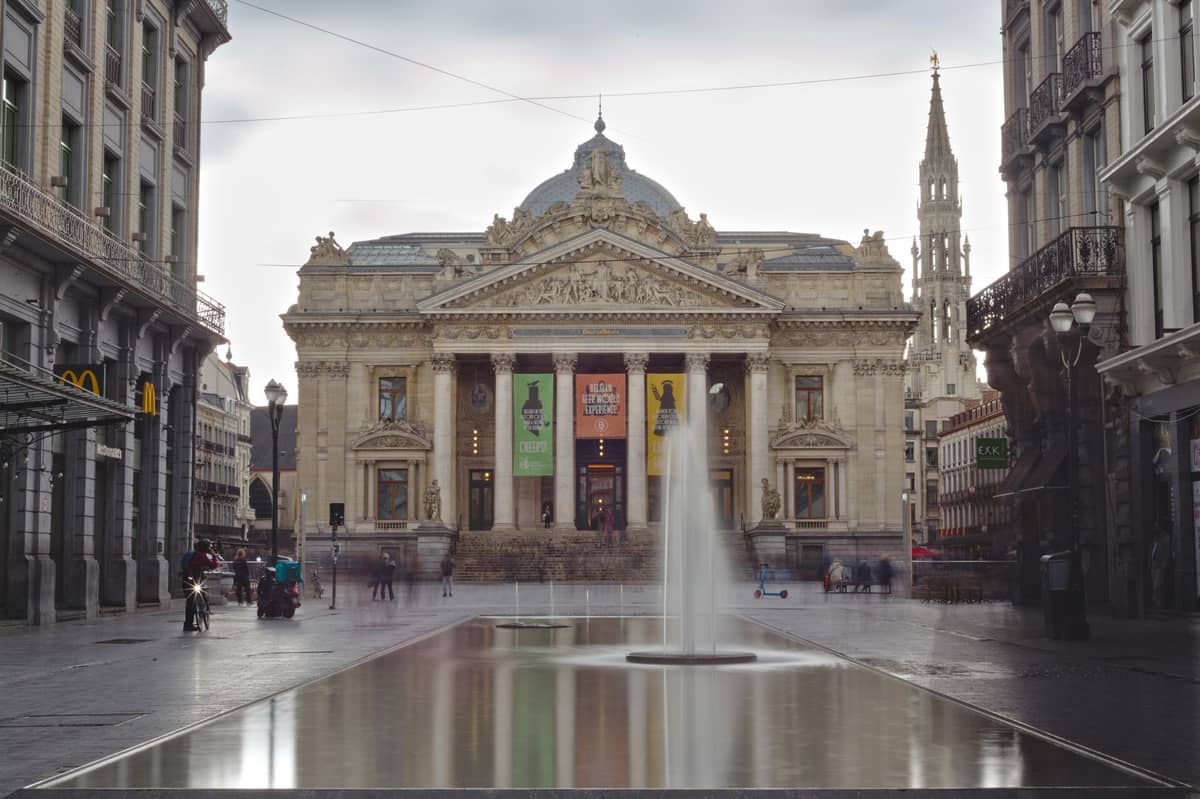
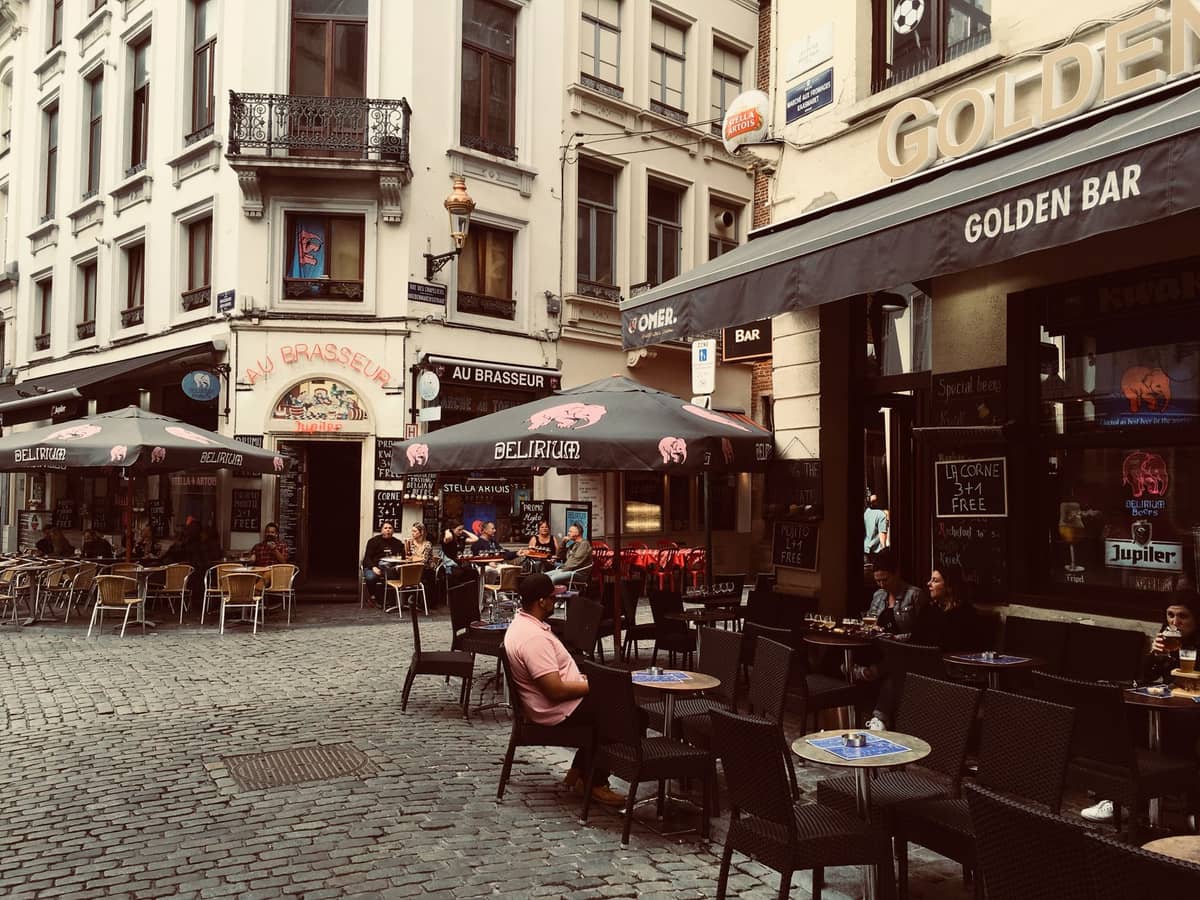
Saint-Géry and the adjacent Dansaert-Saint-Géry area is the most concentrated nightlife zone in central Brussels. The Halles Saint-Géry, a covered 19th-century market hall, anchors the area and hosts bars and occasional events. The surrounding streets are lined with bars ranging from unpretentious Belgian beer spots to cocktail bars that would not look out of place in any European capital. This is where a mixed crowd of expats, locals, and tourists naturally converges on a Friday evening, and it stays lively until the early hours on weekends.
The area around Grand-Place and the Îlot Sacré is the most tourist-facing nightlife zone. Delirium Café, just a short walk from the main square, has become genuinely well-known for its multi-floor layout and extensive Belgian beer list. It is loud, crowded at weekends, and not the place for a quiet conversation, but the beer selection is serious. Nearby, the Galeries Royales Saint-Hubert and its surroundings offer more upscale bar and café options. This zone is convenient but prices lean higher than the rest of the city.
In Ixelles, two nodes matter for nightlife. Place Flagey draws a younger, student-heavy crowd to its terrace bars and the cafés along the adjacent streets, particularly lively during the university term from September through May. A few minutes' walk away, Place du Châtelain fills up on Wednesday evenings for its market and stays active through the weekend with a slightly older, more neighbourhood-local crowd. These are Brussels at its least performative: people actually living in the city, not visiting it.
The Sablon neighbourhood skews more toward wine bars and upscale cocktail spots than beer halls or clubs. It is worth knowing about if you want a quieter, more refined evening, but it tends to wind down earlier than the Saint-Géry or Ixelles zones. Saint-Gilles, the dense inner-city municipality adjacent to Brussels-Midi station, has developed a reputation for independent bars and a genuinely local feel, particularly around the lower end near the Parvis de Saint-Gilles.
- Saint-Géry / Dansaert Central, mixed crowd, best for Belgian beer bars and casual cocktail spots. Stays lively until 03:00+ on weekends.
- Grand-Place / Îlot Sacré Tourist-heavy, convenient, pricier. Good for iconic beer bars like Delirium. Avoid if you want a local atmosphere.
- Flagey (Ixelles) Student-dominated, affordable, energetic during term time. Best from September to May.
- Châtelain (Ixelles) Wednesday market crowds spill into the weekend. More local than central areas, slightly older demographic.
- Sablon Wine bars and cocktail lounges. Good for a quieter, upscale evening, but closes earlier than other zones.
- Saint-Gilles Genuine neighbourhood bars with fewer tourists. Requires a bit more wandering to find the right spots.
Key Venues: What to Know Before You Go
Delirium Café near Grand-Place is the venue most visitors encounter first, and it earns its reputation for the beer list even if the atmosphere is rowdy. With hundreds of Belgian beers available and multiple floors, it functions more as an attraction than a quiet bar. Expect to pay €5–8 for specialty Belgian ales, and expect a queue on Friday and Saturday nights.
For clubs, Spirito in Ixelles is one of the better-known larger venues, occupying a converted church space and hosting electronic music nights. Entry typically runs €10–20 depending on the night and the artist. The door policy at Brussels clubs is generally relaxed by major-city standards, but smart dress is expected at most larger venues and arriving in sportswear or trainers can result in being turned away. Always check the venue's official channels for event listings, as programming changes frequently and some nights are ticketed in advance.
Brussels has a strong craft beer culture that extends well into the evening. The Cantillon Brewery in Anderlecht is not a nightlife venue (it closes in the afternoon), but its lambic and gueuze beers appear on serious beer bar menus across the city. If you want to understand what makes Belgian beer different before your evening out, our Belgian beer guide covers the styles, the vocabulary, and the best places to drink them.
⚠️ What to skip
Several bars around Grand-Place operate a tourist pricing strategy. Beers that cost €4 in Saint-Géry can cost €7–9 in the most central tourist spots. If you are watching your budget, walk five minutes away from the main square and prices drop noticeably.
Realistic Costs for a Night Out
A draft beer at a regular neighbourhood bar in Brussels costs around €3–5. In tourist-facing central venues, expect €5–8. Cocktails typically start at €9–12 in mid-range bars and go higher in more polished cocktail spots. Wine by the glass is usually €5–9.
Club entry fees at major venues run €10–20 for standard nights. Events with international DJs or artists are ticketed separately and prices vary considerably. Some smaller club nights and bars have no entry fee at all. Pre-buying tickets online is advisable for weekend events at established venues, as doors can sell out.
- Draft beer (neighbourhood bar): €3–5
- Draft beer (central tourist area): €5–8
- Specialty Belgian ale (Delirium, specialist beer bars): €5–10
- Cocktail (mid-range bar): €9–12
- Club entry (standard night): €10–20
- Taxi home from city centre (within Brussels): €10–20 depending on distance and time
- Noctis night bus: covered by standard STIB ticket (around €2.40–3.00) or passes
Getting Home: Night Transport and Practical Logistics
Brussels metro and regular trams stop running around midnight on most nights. The Noctis night bus network fills that gap, but with important limitations that catch visitors out regularly: Noctis runs on Friday and Saturday nights only, from midnight to approximately 03:00. There are 11 lines (numbered N04 through N18) all departing from Gare Centrale (Brussels-Central). Buses run every 20–30 minutes and the service uses regular STIB tickets and passes, so there is no surcharge if you already have a valid ticket or pass.
On weeknights (Sunday through Thursday), night buses do not operate. Your options after midnight are taxis or ride-hailing apps. Standard metered taxis within the Brussels-Capital Region should have clearly displayed tariffs. For general transport logistics around the city including day and evening options, see the getting around Brussels guide.
✨ Pro tip
If you are planning a late night on a weekday, factor in the taxi cost when budgeting. A taxi from Ixelles or Saint-Géry to a central hotel at 02:00 on a Wednesday can cost €12–20 depending on exact distance and traffic. Apps like Uber have operated in Brussels, but check current availability before relying on them, as ride-hailing regulation in Belgium has shifted over the years.
Seasonal Patterns and When to Expect Crowds
Brussels nightlife follows a recognisable seasonal rhythm. The busiest and most energetic periods are during the university term: from September through December and again from February through May. During these months, student bars around Flagey and the university areas are consistently full on weekends, and even mid-week evenings have a pulse.
Summer (June through August) sees students leave, but tourist numbers rise significantly. The overall nightlife character shifts: terrace bars become the focus, and the Saint-Géry area draws a more tourist-and-expat crowd. Certain clubs reduce their programming in July and August when a portion of their regular local audience is away. If you are visiting specifically for the nightlife scene rather than for tourism generally, late September through November and March through May are the sweet spots.
Winter nightlife is concentrated indoors and tends to cluster around Grand-Place and the central neighbourhoods, partly because weather discourages the cross-city wandering that defines summer evenings. The city does animate significantly around the Christmas period, with the Christmas market drawing crowds that fill nearby bars well into the evening.
For a broader picture of how the calendar affects Brussels, including major events that affect crowd levels, see the best time to visit Brussels guide.
💡 Local tip
Brussels nightlife genuinely starts late by northern European standards. Arriving at a club before midnight will often mean you are nearly alone. The real movement begins around 00:30–01:00. Plan your evening accordingly, especially if you are taking the Noctis buses, which only run until 03:00.
FAQ
What time do bars and clubs close in Brussels?
There is no single fixed closing time across Brussels. Most bars continue until 02:00–03:00 on weekends. Clubs can run until 05:00 or later on Saturday nights. On weekdays, most bars close around midnight to 01:00. Always check the specific venue, as hours vary and can change seasonally.
How do I get home after a night out in Brussels?
On Friday and Saturday nights, the Noctis night bus network runs from midnight to around 03:00, with 11 lines all departing from Brussels-Central (Gare Centrale). Regular STIB tickets and passes are valid. On other nights, you will need a taxi or ride-hailing app, as the regular metro and trams stop around midnight.
Is Brussels nightlife expensive compared to other European capitals?
Brussels sits in the mid-range. Draft beers in neighbourhood bars cost €3–5, which is cheaper than London or Amsterdam but comparable to Paris. Tourist-area pricing around Grand-Place can push beer to €7–9. Club entry is usually €10–20. Overall, if you stay away from the most central tourist zones, a night out in Brussels is reasonably affordable.
What is the best neighbourhood for nightlife in Brussels?
It depends on what you want. For the most central and varied options, Saint-Géry and the Dansaert area offer the best mix of beer bars and cocktail spots with a good atmosphere. For a student-oriented, more local feel, Flagey in Ixelles is the better choice. For clubs specifically, Ixelles has the best-known larger venues.
Do Brussels clubs have a strict dress code?
Most mainstream clubs in Brussels expect smart casual dress. Sportswear, tracksuits, and overly casual trainers can result in being turned away at the door of larger venues. The policy is generally less strict than in cities like London or Berlin, but checking the specific venue's social media or website before you go will tell you what to expect for a given event night.