Things to Do in Brussels: The Definitive Guide
Brussels rewards visitors who look past the postcard images. This guide covers the essential things to do in Brussels, from UNESCO-listed squares and world-class museums to flea markets, beer culture, and EU institutions, with practical notes on timing, costs, and what to skip.
Plan and book this trip
Tools from our partner Travelpayouts help you compare flights and hotels. If you book through them, we may earn a commission at no extra cost to you.
Flights
Hotels map
TL;DR
- The Grand-Place is the city's centerpiece and free to visit any time of day or night.
- Brussels splits neatly into walkable clusters: the historic Pentagon, the EU Quarter, Sablon, and Ixelles are each worth at least half a day.
- Several top attractions are free, including Manneken Pis and the Comic Strip Route; paid museums typically cost €8–16 per adult.
- Late spring to early autumn (May to September) gives the best weather for outdoor sightseeing, but winter brings the acclaimed Christmas Market.
- Getting around is straightforward on the STIB-MIVB metro, tram, and bus network. See our guide to getting around Brussels for full details.
Start at the Centre: Grand-Place and the Historic Pentagon
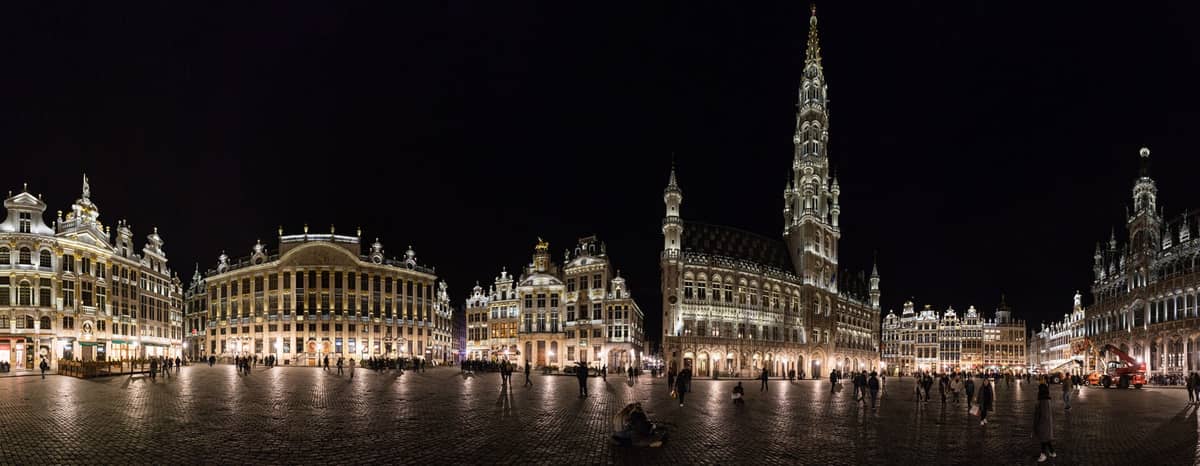
No visit to Brussels makes sense without anchoring it to the Grand-Place, the gilded central square that earned its UNESCO World Heritage status in 1998. The Gothic Town Hall dates to the 15th century, and the surrounding guild houses, rebuilt after French bombardment in 1695, form one of the most coherent Baroque ensembles in Europe. Admission is free to walk the square itself, which means there is no excuse not to see it multiple times: at dawn before the crowds arrive, at midday in full light, and after dark when the illuminations turn the gold facades luminous.
About 500 metres southwest of Grand-Place, Manneken Pis is free to see but genuinely small, roughly 60 cm tall. Manage your expectations accordingly. The real interest is the figure's wardrobe: over 1,000 costumes donated by governments, organisations, and fan clubs worldwide. The full collection is displayed at the GardeRobe MannekenPis museum nearby, which is worth a brief stop if you find the statue itself anticlimactic.
Within the same walkable zone, the Galeries Royales Saint-Hubert deserve more attention than they typically get. Built in 1847, this cast-iron and glass arcade predates Milan's Galleria Vittorio Emanuele II and still houses independent chocolatiers, a theatre, and a cinema. Walking through it costs nothing and takes less than 10 minutes. The Cathedral of St Michael and St Gudula on the Treurenberg hill is five minutes north and free to enter; the stained glass from the 16th century alone justifies the detour.
💡 Local tip
The Grand-Place Flower Carpet appears in even-numbered years, typically in mid-August. The next edition is 13–16 August 2026. Arrival before 9am gives you the colours without the crowds; the carpet is best viewed from the upper floor of the Maison du Roi (Brussels City Museum), which faces the square directly.
Museums Worth Your Time (and a Few That Aren't)
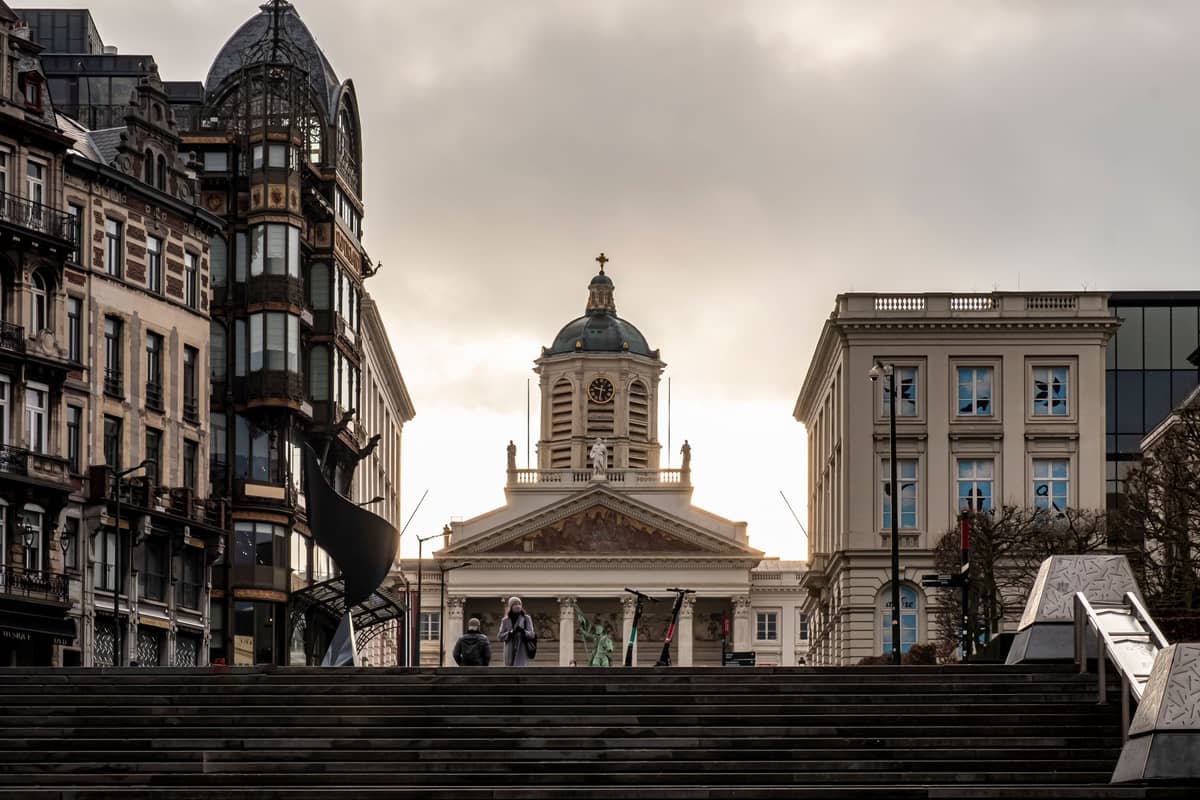
Brussels has an unusually dense museum offer for a city its size. The Royal Museums of Fine Arts consolidate the Old Masters collection, the Magritte Museum, and modern galleries under one complex on the Rue de la Régence. The Magritte Museum alone holds the world's largest collection of René Magritte's work, with over 200 pieces. A combined ticket covering multiple buildings typically runs around €15 for adults. Allocate at least three hours if you want to cover both the Flemish Primitives and the Surrealism galleries without rushing.
The Horta Museum in Saint-Gilles is essential for anyone interested in architecture. Victor Horta's own townhouse, built between 1898 and 1901, demonstrates Art Nouveau interior design at its most complete: custom-designed furniture, ornamental ironwork, and mosaic floors that work as a unified composition. Entry is around €14 for adults. It is small and closes on Mondays; the visiting window each day is limited, so book ahead in peak season. For an overview of the broader Art Nouveau legacy across the city's facades, the Art Nouveau Brussels guide maps out the best routes.
- Atomium The 1958 World's Fair structure in Laeken remains a genuine landmark and offers panoramic views from the top sphere. Adult admission is around €16, children 6–11 around €8.50. Combine it with Mini-Europe next door if visiting with children.
- Museum of Musical Instruments (MIM) Housed in a stunning Art Nouveau department store on Mont des Arts, the MIM lets visitors listen to instruments through wireless headphones as they move through the collection. One of the most genuinely interactive museums in the city.
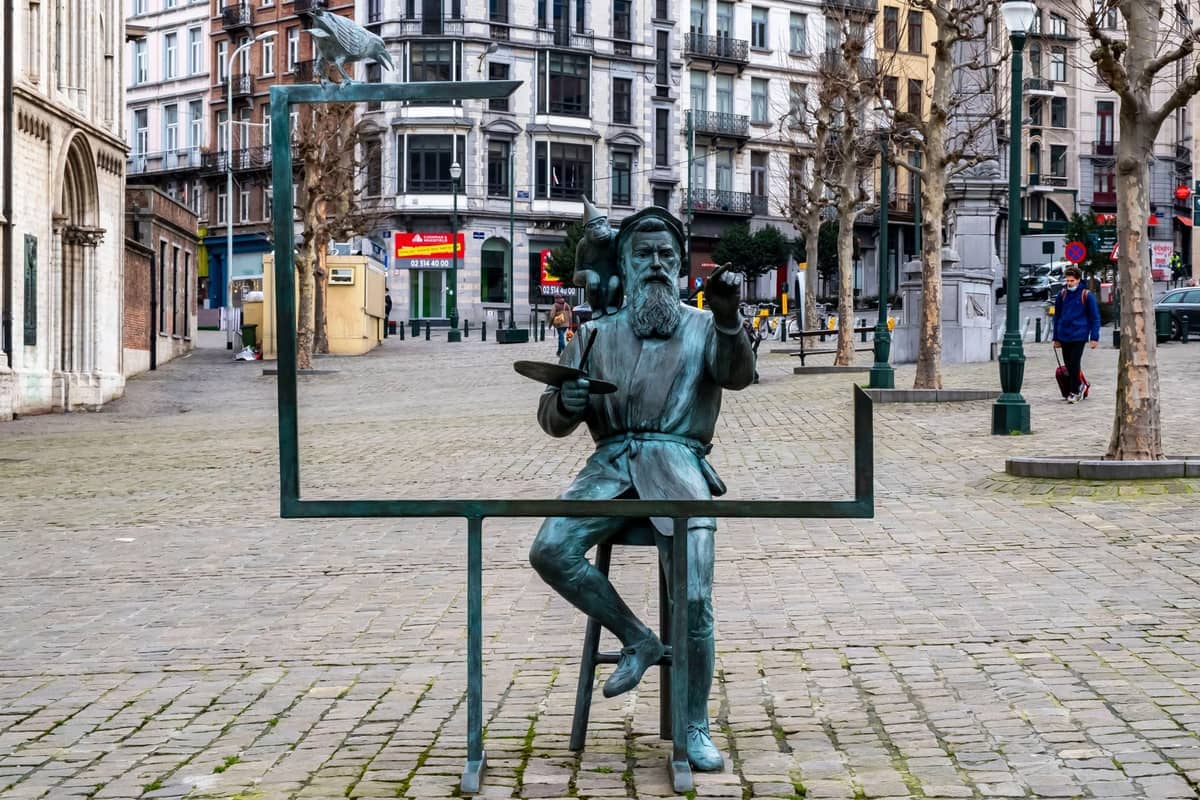
- Belgian Comic Strip Center A thorough survey of Belgian bande dessinée from Hergé's Tintin onwards, housed in a Horta-designed warehouse. Worth two hours. The free outdoor Comic Strip Route across the city's murals is a good complement.
- Cantillon Brewery A working lambic brewery in Anderlecht that functions as a living museum of traditional Brussels beer-making. Entry includes a self-guided tour and a tasting. Closed Sundays and Wednesdays; arrive early, as capacity is limited.
⚠️ What to skip
The Atomium queues on weekends between July and August can stretch 45 minutes or longer. Book online in advance to use the priority entrance. The viewing platform closes in strong winds, which is not uncommon in Brussels even in summer.
Neighborhoods Worth Exploring on Foot
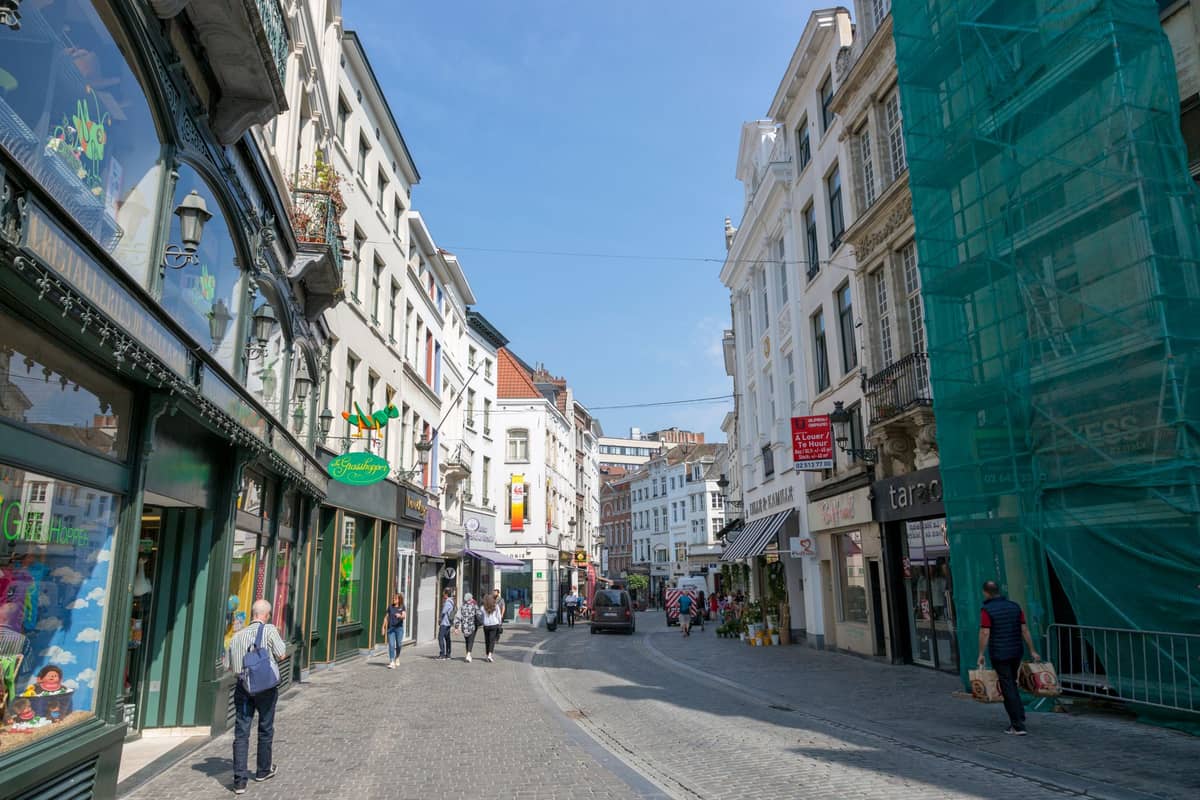
The Sablon area sits uphill from Grand-Place and operates at a different pace. The Place du Grand Sablon is ringed by antique dealers, patisseries, and praline shops that represent the more expensive side of Brussels's chocolate scene. The weekend antiques market on the square runs Saturday mornings and all day Sunday and draws a genuine mix of dealers and browsers rather than pure tourist theatre. Notre-Dame du Sablon church, free to enter, has 15th-century stained glass that rivals the cathedral's.
Ixelles (Elsene in Dutch) is the municipality immediately south of the Pentagon and one of Brussels's most rewarding areas for aimless walking. The stretch between Place Fernand Cocq and Place Flagey is dense with cafes, independent bookshops, and some of the best Art Nouveau residential facades in the city. The Etangs d'Ixelles (twin ponds) provide a natural focal point on weekend afternoons. The Saint-Gilles neighbourhood next door adds more Art Nouveau street architecture and connects directly to Gare du Midi.
For something less polished, the Marolles district below the Palace of Justice is Brussels's traditional working-class quarter, now partly gentrified but still anchored by the Place du Jeu de Balle flea market. The market runs every morning from roughly 9am to 2pm on weekdays and until around 3pm on weekends, but Sunday is the main day when serious dealers and volume buyers show up. It is genuinely cheap and genuinely chaotic, with everything from Depression-era furniture to bicycle parts spread across the cobblestones.
Food, Beer, and Chocolate: The Essentials
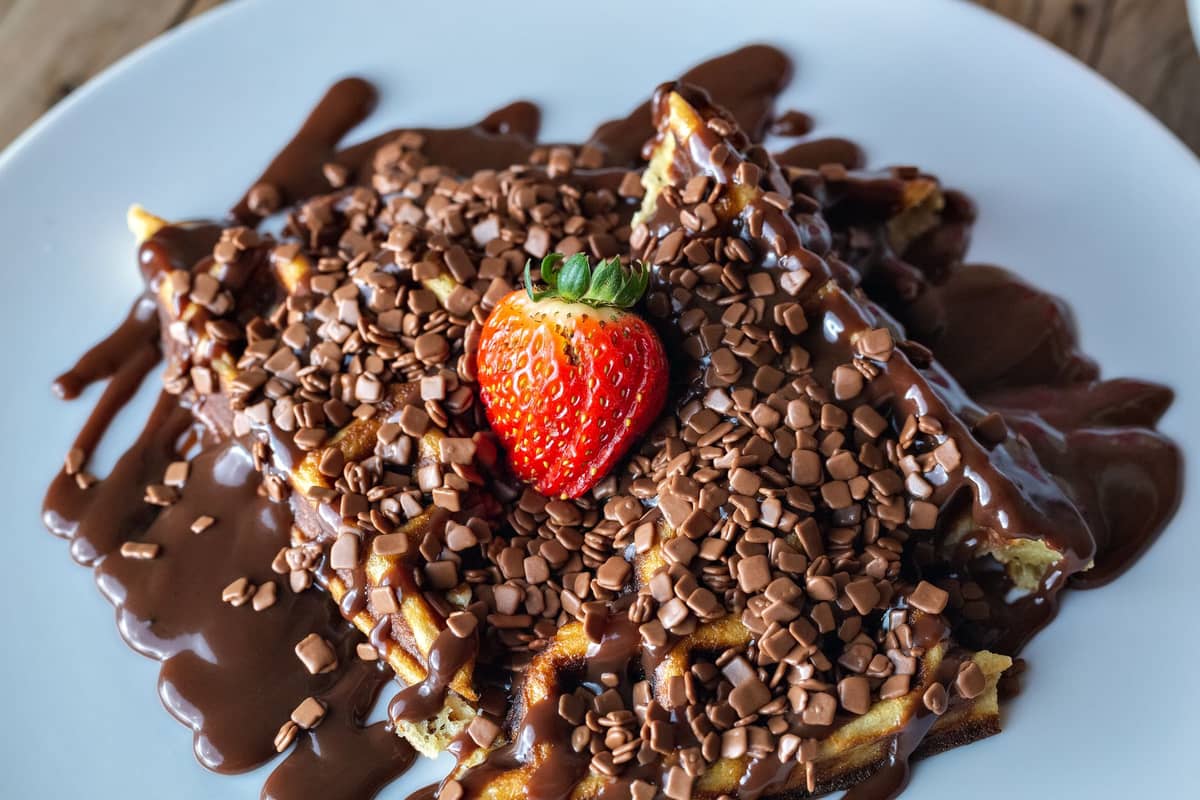
Brussels's food identity is more specific than its reputation as a generic European capital suggests. The city takes waffles, frites, moules, and pralines seriously, and there is a clear quality hierarchy that visitors often miss. For waffles, the distinction between the Liège waffle (denser, pearl-sugar, eaten warm as a street snack) and the Brussels waffle (lighter, rectangular, often topped) matters more than most visitors realise. The Brussels waffle guide breaks down where to find the best versions of each.
Belgian beer deserves more than a single pint at the nearest tourist bar. The lambic tradition, specific to the Senne valley around Brussels, produces beers fermented with wild airborne yeast rather than cultivated strains, resulting in dry, sour, complex flavours quite unlike anything from Germany or the Czech Republic. Cantillon Brewery is the best place to understand this tradition hands-on. For a broader overview of Belgian styles and where to drink them, the Belgian beer guide for Brussels covers the essential bars and bottle shops.
Chocolate in Brussels ranges from mass-produced pralines at airport kiosks to single-origin bars from independent chocolatiers. The Sablon neighbourhood has the highest concentration of serious chocolate shops. Choco-Story Brussels offers a good introductory museum on the history and production of Belgian chocolate if you want context before you start buying. See the guide to Belgian chocolate in Brussels for specific shop recommendations.
✨ Pro tip
Avoid the waffle stands immediately surrounding Grand-Place; prices are inflated and quality is inconsistent. Walk three to four blocks in any direction and you will find the same product for less. The same principle applies to frites: the best friteries in Brussels are neighbourhood institutions, not tourist-adjacent stalls.
Day Trips, Seasonal Events, and Practical Planning
Brussels's position in central Belgium makes it an efficient base for day trips. Bruges is about 55–65 minutes by direct train from Brussels-Midi, and Ghent is around 35–40 minutes. Amsterdam is reachable in under two hours by Eurostar or a slower Intercity. For full logistics on each route, the Brussels to Bruges guide and the Brussels to Amsterdam guide cover train options and timing. Waterloo, the site of Napoleon's 1815 defeat, is 30 minutes south by bus from Brussels and worth a half-day if military history interests you.
Seasonally, two events define the city's calendar at opposite ends of the year. Brussels Summer Wonders (Plaisirs d'Été) runs roughly July to August and fills the city centre with free outdoor concerts and markets. Brussels Winter Wonders, the Christmas market centred on Grand-Place and the surrounding streets, typically runs from late November through early January and is among the better Christmas markets in northern Europe, though it draws large crowds on weekends.
- Best for first-time visitors Grand-Place, Manneken Pis, Galeries Saint-Hubert, Sablon, and one major museum. This covers the essential Brussels things to do in two full days without rushing.
- Best for architecture enthusiasts Horta Museum, Art Nouveau facades in Saint-Gilles and Ixelles, Cauchie House, and the Cinquantenaire complex. The EU Quarter also has notable early 20th-century buildings around Square Ambiorix.
- Best on a tight budget Grand-Place, Comic Strip Route murals, Parc du Cinquantenaire, Place du Jeu de Balle flea market, and free-admission days at several museums (typically the first Wednesday afternoon of the month).
- Best with children Atomium plus Mini-Europe (Laeken), Museum of Natural Sciences for its dinosaur hall, Choco-Story, and the Bois de la Cambre park for outdoor space. Tram 7 connects several of these stops.
On transport within the city: the STIB-MIVB network of metro, tram, and bus lines covers all the main tourist zones. A single journey ticket is valid for 60 minutes with transfers across all modes. The metro is fastest for cross-city travel; trams are better for scenic routes through residential neighbourhoods. Brussels is also walkable within districts, though the hills between the lower town and the Sablon or Ixelles require some effort. For full ticketing options and route advice, see the guide to getting around Brussels.
ℹ️ Good to know
Brussels is officially bilingual French-Dutch, but English is widely understood in tourist areas, restaurants, and EU-adjacent neighbourhoods. Menu items and street signs often appear in both French and Dutch; do not be surprised if the same street has two different names on different maps.
FAQ
How many days do you need in Brussels?
Two full days cover the major landmarks and one or two museums at a reasonable pace. Three days allows you to explore neighbourhoods like Ixelles and Marolles, take a day trip to Bruges or Ghent (around an hour by train to Bruges and 35–40 minutes to Ghent), and spend more time in the museums. One day is possible but means prioritising ruthlessly: Grand-Place, one major museum, and the Sablon area is a realistic itinerary.
What are the best free things to do in Brussels?
Grand-Place, Manneken Pis, the outdoor Comic Strip Route murals, Parc du Cinquantenaire, and the free-entry halls of the Galeries Royales Saint-Hubert all cost nothing. Most major museums also offer free admission on the first Wednesday afternoon of the month, though this is worth confirming directly with each venue before visiting.
Is Brussels expensive for tourists?
Brussels sits in the mid-range for Western European capitals. Museum tickets typically cost €8–16 per adult. A sit-down lunch without alcohol in a non-tourist restaurant runs around €15–20 per person. The biggest savings come from using public transport (single journey around €2.40 with the right ticket) and taking advantage of free attractions, of which there are more than most visitors expect.
What is the best time of year to visit Brussels?
May to September offers the most reliable outdoor sightseeing conditions, with temperatures between 14°C and 23°C and longer daylight hours. July and August bring city festivals and the highest visitor numbers. Late November to early January is worth considering specifically for the Winter Wonders Christmas market, despite colder temperatures (lows around 1–5°C). Spring (April to May) tends to be the least rainy season and is often less crowded than summer.
How do I get from Brussels Airport to the city centre?
The fastest option is the SNCB/NMBS direct train from Brussels Airport (Zaventem, code BRU) to Brussels-Central or Brussels-Midi, taking 17–25 minutes. Fares including the airport supplement are typically around €9–12 one way; verify current prices with SNCB before travelling. Taxis cost approximately €40–55 for the same journey under normal traffic conditions. Note that Brussels South Charleroi Airport (CRL) is used by low-cost carriers and is significantly farther from the city, with transfers to central Brussels running considerably more expensive.