Brussels Waffles: Where to Find the Best in the City
Brussels takes its waffles seriously, and visitors who don't know the difference between a Brussels waffle and a Liège waffle often end up disappointed. This guide explains exactly what to order, where to find the best versions across the city, what you should expect to pay, and which spots are overpriced tourist traps.

Plan and book this trip
Tools from our partner Travelpayouts help you compare flights and hotels. If you book through them, we may earn a commission at no extra cost to you.
Flights
Hotels map
TL;DR
- Brussels waffles (gaufres de Bruxelles) are rectangular, light, and crispy, made from batter, not dough. Liège waffles are denser, sweeter, and better as street food.
- Maison Dandoy on Rue au Beurre is the most respected address for a proper sit-down Brussels waffle, with prices around €6-10 depending on toppings.
- Street stands near Grand-Place charge €8-12 for loaded waffles. Comparable quality is available for less in Ixelles, Saint-Gilles, and the Sablon area.
- Locals eat Liège waffles plain. Heavy toppings on a Brussels waffle are a café tradition, not an authentic street-food experience. See also: what to eat in Brussels for the full food picture.
- Avoid waffle stands with long rows of pre-made waffles sitting under heat lamps. Freshness is everything with a Brussels waffle.
Brussels Waffle vs. Liège Waffle: Why the Distinction Matters
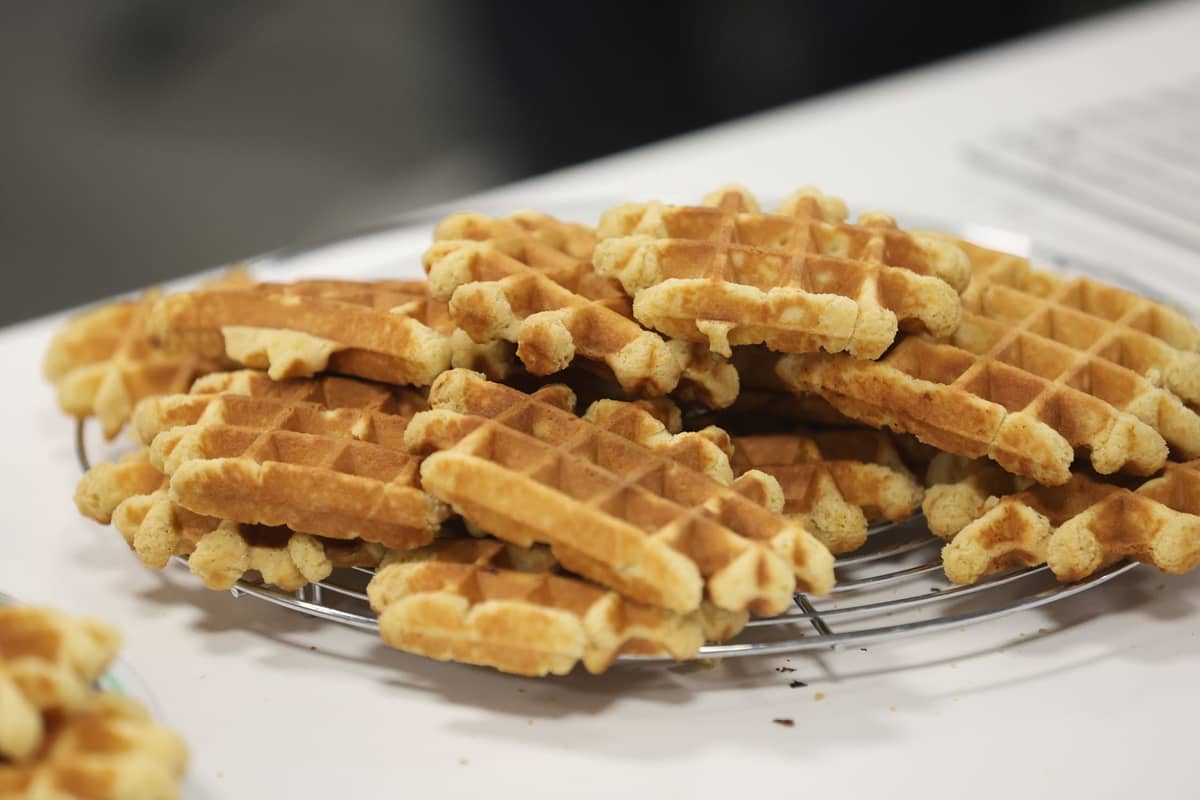
Most visitors arrive in Belgium expecting one thing and find two. The difference between a Brussels waffle and a Liège waffle is not a minor detail. They are fundamentally different foods, made differently, eaten differently, and found in different contexts.
The Brussels waffle (gaufre de Bruxelles) is rectangular, made from a light yeast-leavened batter, and pressed in a deep iron that creates its signature large rectangular grid. It comes out crisp on the outside, airy inside, and barely sweet on its own. Traditionally it is served as a dessert or afternoon treat in a tearoom, topped with whipped cream, fresh strawberries, or warm chocolate. The flavour is neutral enough to pair with almost anything.
The Liège waffle is oval with irregular edges, made from a dense yeasted dough loaded with pearl sugar. When pressed, that sugar caramelises and creates a sticky, amber crust. It is smaller, richer, and much sweeter than its Brussels counterpart. Liège waffles are the dominant street-food waffle in Belgium. You eat them warm, from a paper wrap, while walking. Locals often eat them plain, without any toppings, and that is genuinely the right way.
ℹ️ Good to know
The generic 'Belgian waffle' sold outside Belgium is loosely based on the Brussels-style waffle, but it is usually softer, thicker, and less delicate than the real thing. An authentic gaufre de Bruxelles, made fresh, is noticeably lighter and crispier than most international versions.
- Brussels Waffle (Gaufre de Bruxelles) Rectangular shape, large deep grid, made from batter, light and crispy, mild vanilla flavour, served plated with toppings in a café or tearoom.
- Liège Waffle (Gaufre de Liège) Oval with uneven edges, made from yeasted dough with pearl sugar, dense and chewy, very sweet with caramelised crust, sold warm at street stands.
Where to Find the Best Brussels Waffles: Addresses Worth Knowing
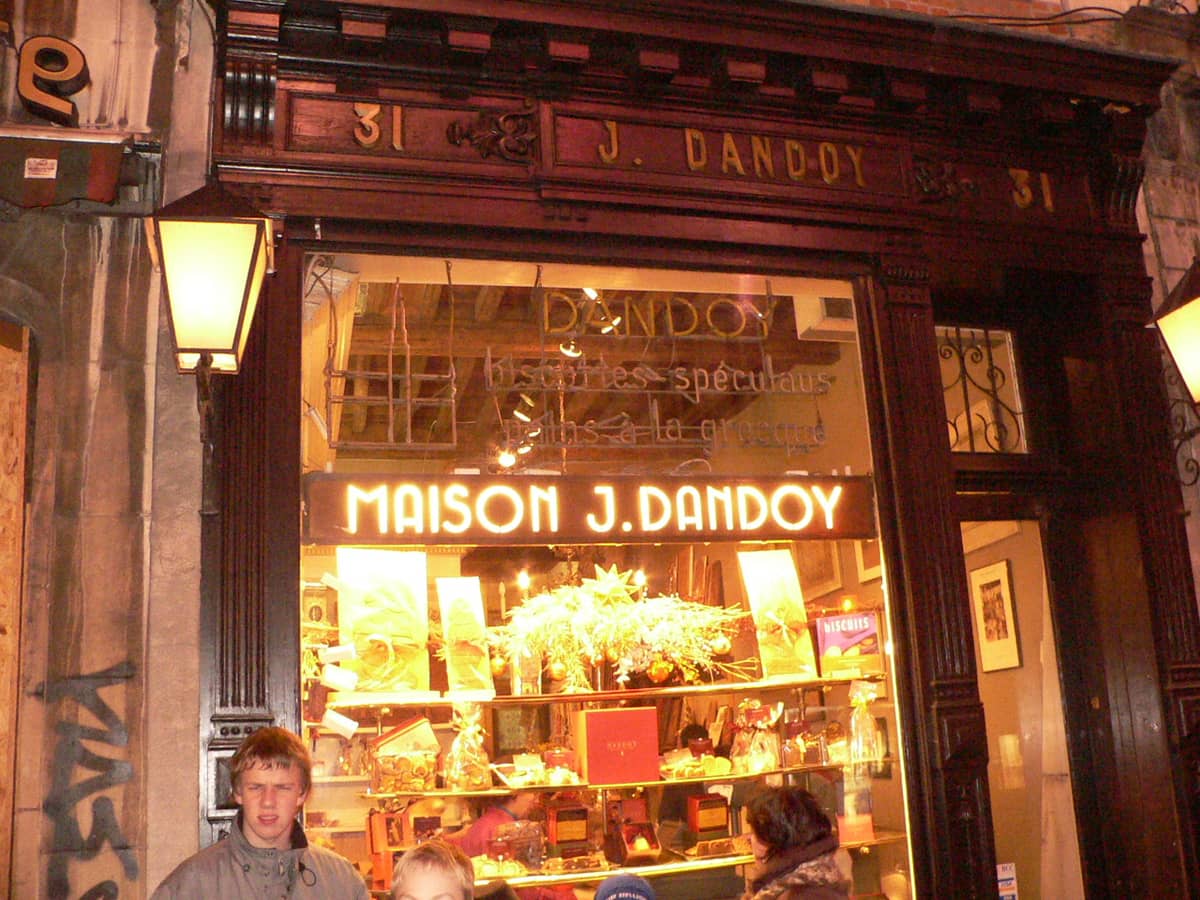
Maison Dandoy is the most authoritative address in the city for a Brussels waffle. The family bakery was founded in 1829 and has maintained locations near Grand-Place, including Rue au Beurre and Rue Charles Buls. The tearoom offers properly plated Brussels waffles with whipped cream at around €7, with more elaborate options involving strawberries, chocolate, or caramel toppings running €8-10.50. It is not cheap, but the quality is consistent and the waffles are made to order.
Le Funambule, near the Galeries Royales Saint-Hubert, is another central option with a good reputation among locals and regular visitors. It tends to be slightly less crowded than Dandoy on peak weekend afternoons, which is worth factoring in if you want to sit down without a wait.
For a less touristy experience, look toward the Sablon neighbourhood and Ixelles. Several neighbourhood bakeries and cafés in these areas serve fresh Brussels waffles at prices 20-30% lower than the Grand-Place corridor, with essentially the same quality. The catch is you need to find them by walking around rather than following a map of tourist highlights.
⚠️ What to skip
Avoid waffle stands near Grand-Place that display pre-made waffles stacked or sitting under a heat lamp. A Brussels waffle loses its crispness within minutes of leaving the iron. If it is not made fresh in front of you, the defining texture is already gone. These stands are common along the Rue du Marché aux Herbes and around the Manneken Pis. High price does not compensate for a soggy waffle.
What You Should Expect to Pay
Pricing in Brussels splits clearly between street vendors and sit-down tearooms. At street stands and casual stalls, a plain Liège waffle typically costs €2.50-3.50. A Brussels waffle from a stand, without toppings, is slightly higher, often €4.00-6.00. Once you add toppings at a tourist-area stand, prices climb quickly: loaded waffles with cream, fruit, and chocolate sauce regularly reach €7-10.
In a café or tearoom, a plated Brussels waffle with one or two toppings generally runs €6-10. At Maison Dandoy, the base whipped cream waffle is around €6, with premium versions reaching €10.50. More elaborate sit-down venues in tourist zones can charge €12-15 for fully topped presentations that are as much about aesthetics as flavour.
- Plain Liège waffle at a street stand: €2.50-4.00
- Plain Brussels waffle at a casual stand: €4.00-6.00
- Brussels waffle with toppings at a tourist-area stand: €7-10
- Plated Brussels waffle at a quality tearoom: €6-10
- Fully loaded Brussels waffle in a sit-down tourist venue: €10-15+
✨ Pro tip
The price gap between a Grand-Place area waffle stand and a neighbourhood bakery 10 minutes' walk away can be €3-5 for the same product. If you are happy to explore slightly off the main drag, particularly around Place Sainte-Catherine or the Sablon, you will almost always find fresher waffles at lower prices.
Timing, Queues, and Seasonal Patterns
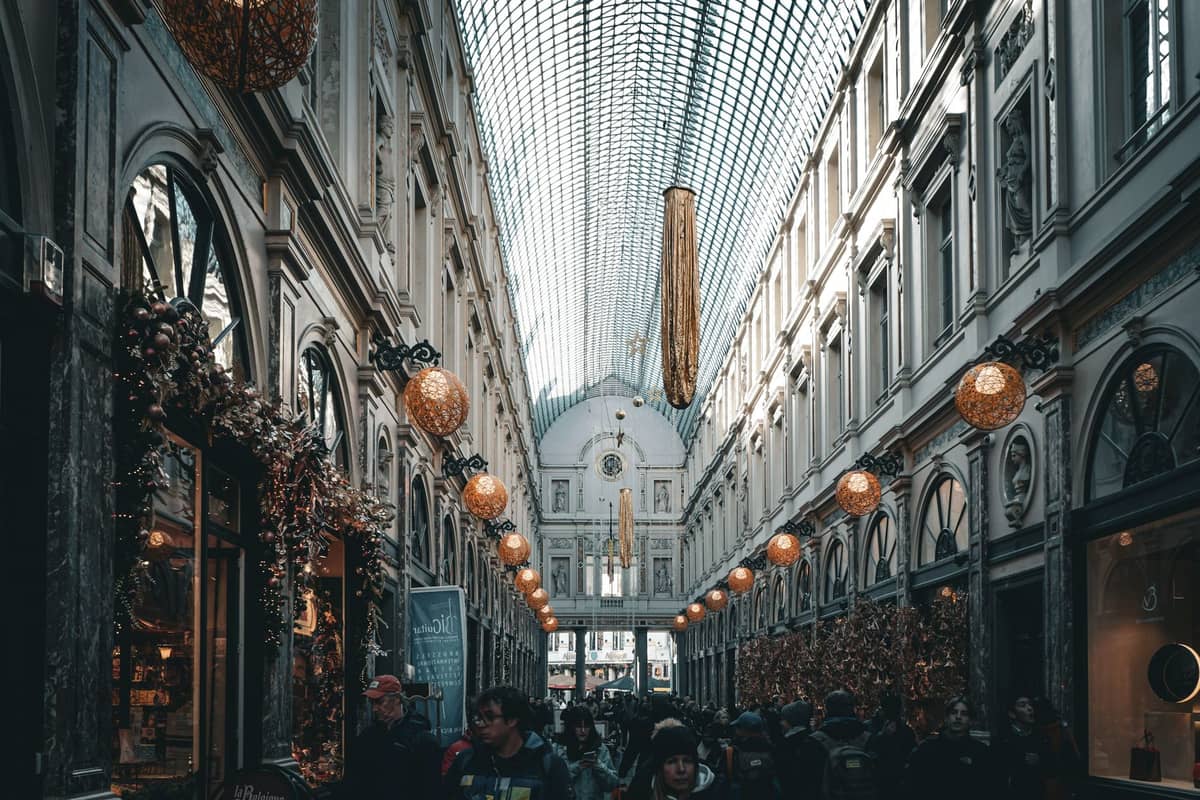
Established tearooms like Maison Dandoy operate year-round, and they are genuinely busiest on Saturday and Sunday afternoons, especially in milder weather. Arriving before noon or after 3pm on weekdays avoids most queues. The Galeries Royales location offers indoor seating and is a reliable choice in winter when outdoor eating is less appealing.
Street vendors are more weather-dependent. In winter, particularly from November through February, many outdoor stands reduce hours or close on cold or rainy days. Brussels has a temperate maritime climate with around 825-850mm of annual rainfall spread across the year, so there is no reliable dry season to count on. For a waffle in bad weather, an indoor tearoom near Galeries Royales Saint-Hubert or in the Sablon is the practical choice.
During the Brussels Christmas Market, which typically runs from late November through early January (exact dates vary by year), waffle stands proliferate across the city centre. Crowds are large and prices at the market-specific stands tend to be slightly higher than normal. The atmosphere is enjoyable, but if quality is the priority over ambience, stick to established tearooms during this period rather than temporary market stalls.
How to Order Like You Know What You Are Doing
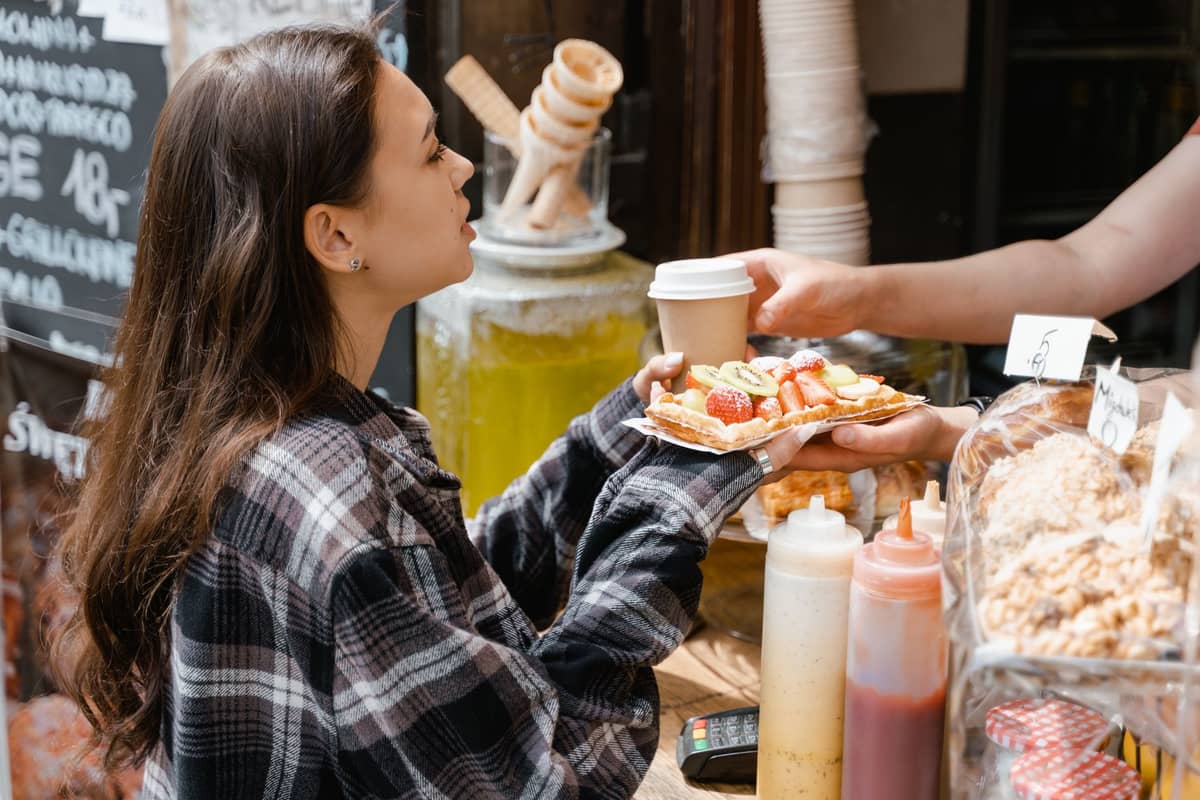
At a street stand, the practical question is simply Brussels or Liège. If you want something to eat while walking, order a Liège waffle plain and eat it warm. If you want a dessert experience with toppings, sit down at a proper tearoom and order a Brussels waffle. Trying to eat a fully topped Brussels waffle standing up is messy and misses the point of both formats.
In a tearoom, common toppings include aardbeiensaus or sauce aux fraises (strawberry sauce), slagroom or crème chantilly (whipped cream), chocoladesaus (chocolate sauce), and fresh fruit. A combination of whipped cream and fresh strawberries is the classic. If the strawberries look pre-sliced and sitting in syrup, that is a sign the kitchen is cutting corners. Fresh, whole strawberries sliced to order are a good marker of quality.
Brussels is officially bilingual in French and Dutch, and English is widely spoken across the city, especially in tourist-facing businesses. Ordering in English at any central waffle shop will not be a problem. That said, knowing the French term gaufre de Bruxelles or the Dutch Brusselse wafel is useful at local bakeries away from the centre. See the full Brussels food guide for broader context on Belgian food culture and ordering etiquette.
Integrating Waffles into a Broader Brussels Visit
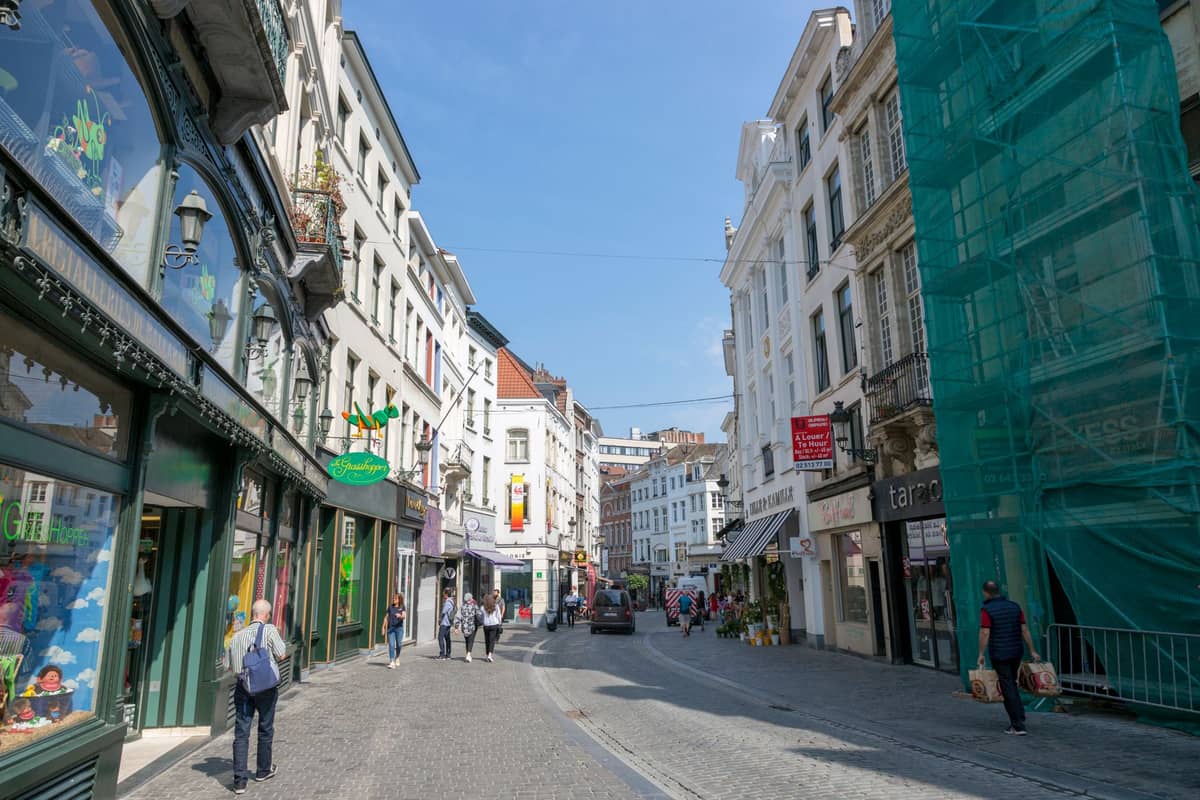
A waffle stop pairs naturally with a walk through the city centre. Maison Dandoy on Rue au Beurre is two minutes from Grand-Place, making it an easy addition to any central sightseeing route. The Grand-Place and Ilôt Sacré area is the most logical starting point: walk through the Galeries Royales, loop down to Rue au Beurre for a waffle, and continue toward the Sablon for chocolate. That circuit takes about two hours at a relaxed pace and covers most of the central food highlights.
Waffles and Belgian chocolate are natural companions. The Belgian chocolate guide covers the best chocolatiers in detail, but as a general rule, the Sablon neighbourhood has the highest concentration of quality chocolate shops alongside decent independent waffle options. It is also less relentlessly touristic than the Grand-Place corridor, which matters when you are trying to eat well rather than just participate in a queue.
If you are planning a full day of food-focused sightseeing, consider pairing the waffle trail with a visit to the Cantillon Brewery in the Anderlecht area or one of the craft beer cafés in the Saint-Gilles neighbourhood. Brussels food culture is dense and geographically walkable. The Brussels on a budget guide has practical tips for keeping food costs down across a full visit.
FAQ
What is the difference between a Brussels waffle and a Belgian waffle?
The Brussels waffle (gaufre de Bruxelles) is the authentic original: rectangular, light, crispy, made from a yeast-leavened batter, and traditionally served with toppings in a café. The term 'Belgian waffle' used internationally is a loose adaptation, typically softer and denser than the real thing. In Belgium itself, people distinguish between Brussels waffles and Liège waffles, not 'Belgian waffles' as a single category.
Is Maison Dandoy worth the price?
For most visitors, yes. The quality is consistent, the waffles are made fresh, and the historic tearoom setting near Grand-Place adds something to the experience. At around €6-10 for a plated waffle with toppings, it is not cheap, but it is not extortionate for central Brussels. If budget is a concern, neighbourhood bakeries in Ixelles or around the Sablon offer comparable quality at lower prices.
Should I eat a Brussels waffle or a Liège waffle?
It depends on what you want. For a sit-down dessert experience with toppings, order a Brussels waffle at a tearoom. For something warm and sweet while walking around the city, a plain Liège waffle from a street stand is the more authentic street-food experience. Many visitors eat both during a trip, and that is entirely reasonable.
How do I avoid tourist-trap waffle stands in Brussels?
The clearest warning sign is pre-made waffles sitting under a heat lamp. A Brussels waffle should be made fresh to order. Also avoid stands that advertise waffles with elaborate photo displays and prices above €10 right on the main tourist drag near Manneken Pis. Walk one or two streets away from the main sightseeing route and prices and quality generally improve.
When is the best time to visit Brussels for waffle lovers?
Established tearooms like Maison Dandoy are open year-round and are the most reliable option regardless of season. Spring and early autumn (April-May and September-October) offer mild weather, shorter queues than peak summer, and comfortable conditions for walking between food stops. Summer weekends are busy across the centre but waffles remain easy to find. Winter street stands can be unreliable; stick to indoor tearooms in colder months.