Belgian Chocolate in Brussels: Where to Buy and Taste in 2026
Brussels is the undisputed capital of Belgian chocolate, with heritage praline houses, boundary-pushing artisan makers, and chocolate museums all within walking distance of each other. This guide covers the best chocolate shops, realistic prices, seasonal considerations, and exactly what to skip.
Plan and book this trip
Tools from our partner Travelpayouts help you compare flights and hotels. If you book through them, we may earn a commission at no extra cost to you.
Flights
Hotels map
TL;DR
- Brussels has both prestige chocolatiers and under-the-radar artisan makers worth seeking out — price and quality are not always correlated.
- Top artisan shops are concentrated around the Sablon and the Galeries Royales Saint-Hubert, a few minutes walk from Grand-Place.
- Artisan pralines typically cost €1.30–€2.50 each; assorted boxes range from around €18 (12 pieces) to €60 (36 pieces) at top houses.
- Choco-Story Brussels is the most convenient chocolate museum, open daily 10:00–18:00; avoid 25 December and 1 January when it is closed.
- Chain brands near Grand-Place are cheaper but are not representative of what makes Belgian chocolate genuinely special.
Why Brussels Is the Right Place to Buy Belgian Chocolate
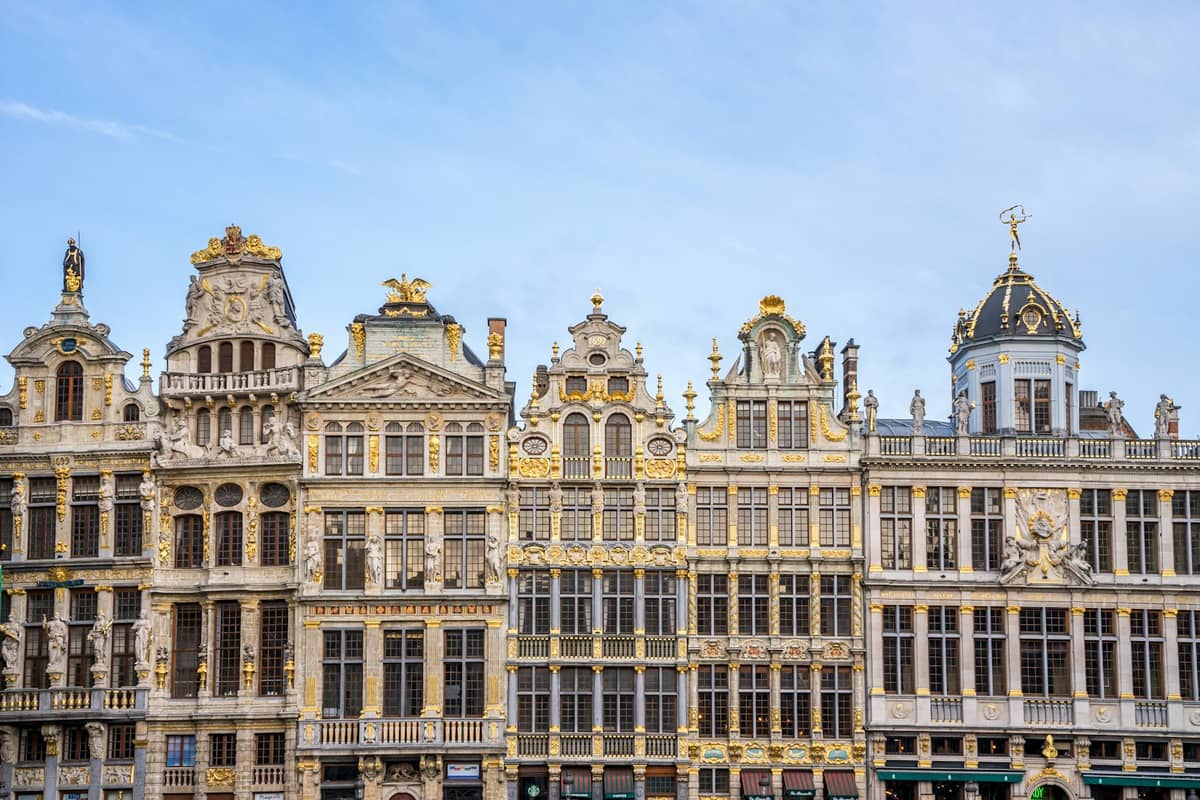
Belgium did not invent chocolate, but it codified the praline — the filled chocolate shell that became the country's signature export — and Brussels is where that tradition is most densely concentrated. Within a ten-minute walk of Grand-Place, you can visit a royal-warrant chocolatier founded in 1919, a bean-to-bar maker sourcing directly from single-origin farms, and a museum dedicated entirely to the history of cocoa. Few cities in the world offer that density.
The Belgian chocolate scene divides broadly into three tiers. At the top are the heritage houses with royal warrants and Michelin-level presentation. Below them are smaller artisan makers who emphasise unusual flavour combinations and ethical sourcing over packaging. At the bottom are the tourist-facing chains that dominate airport shops and central pedestrian streets. Understanding where each shop sits in that hierarchy saves you money and sets realistic expectations.
ℹ️ Good to know
Belgian chocolate must technically contain a minimum of 35% cocoa solids under EU and Belgian law, though most premium houses work well above that threshold. The term 'Belgian chocolate' on a box sold in Brussels is not a guarantee of quality — it means the chocolate was made in Belgium, not that it was made by hand in small batches.
The Best Chocolate Shops in Brussels, Ranked by Category
Rather than listing every shop alphabetically, it is more useful to group them by what they do best, since the right choice depends on whether you are buying a gift, tasting for pleasure, or looking for something genuinely unusual.
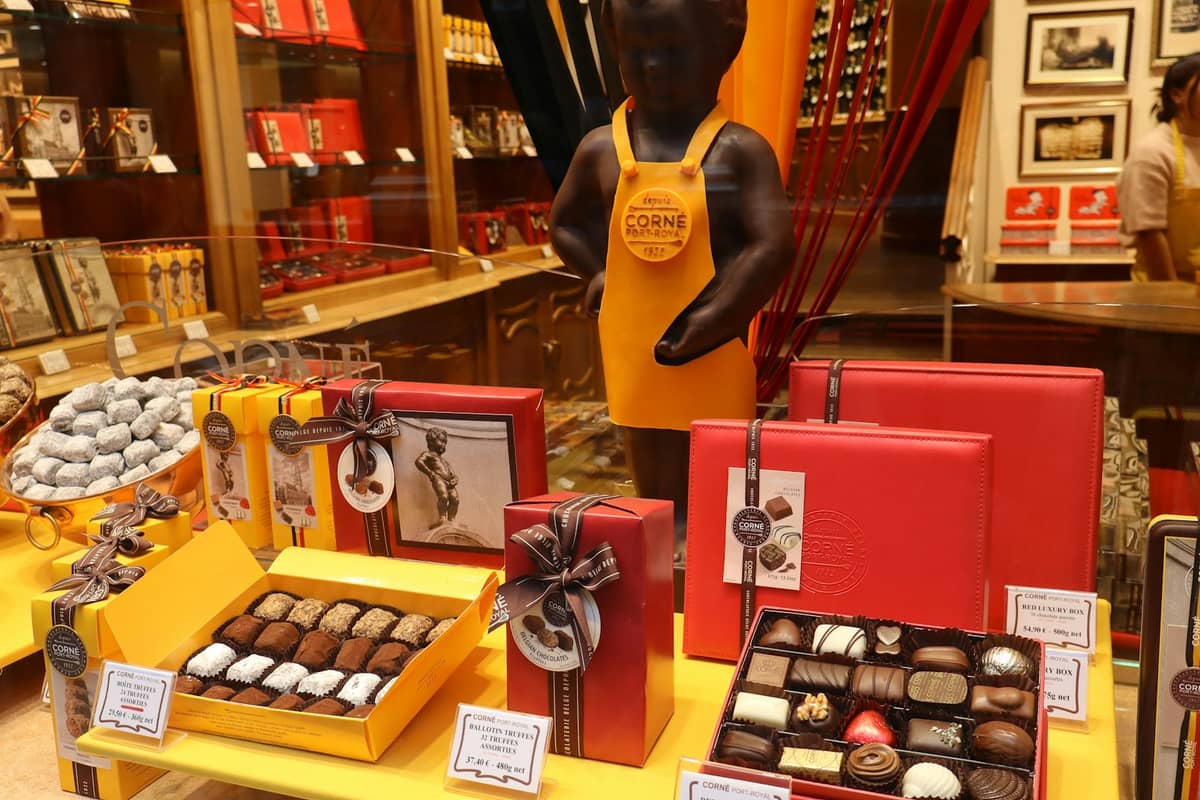
- Pierre Marcolini The most internationally recognised of the modern Belgian chocolatiers. Marcolini sources his own cocoa beans and controls the process from farm to finished praline, which is rare among Brussels houses. His boutiques at the Galeries Royales Saint-Hubert and Place du Grand Sablon have the feel of a luxury jeweller. A 16-piece signature ballotin costs around €32; single-origin tablets are approximately €9.50 for 75 g. Visually stunning for gifts, and the quality justifies the price.
- Mary A historic house on Rue Royale holding the royal warrant of the Belgian court. Mary's approach is traditional — classic pralines, ganaches, and marzipan — without the modernist riffs of Marcolini. A 250 g silk box is reported around €28, larger boxes €48–€65. The shop interior is worth seeing on its own merits.
- Wittamer Wittamer has operated on the Sablon since 1910 and is best known as a pâtisserie as much as a chocolatier. The pralines are traditional and reliably good; individual pieces run around €1.30–€2.50 each. The main reason to visit is the combination of chocolate and pastry in one stop, plus the Sablon neighbourhood itself.
- Laurent Gerbaud Gerbaud is the most distinctive of the artisan makers, known for incorporating dried fruits, spices, and Asian-influenced pairings into his chocolates. His shop near Galeries Royales is small and low-key. Bars run around €7–€11 per 100 g, pralines €1.30–€2.50 per piece. This is the shop most worth visiting if you want to eat chocolate rather than photograph it.
- Frédéric Blondeel A bean-to-bar producer in the Dansaert area with a cult following among chocolate professionals. Blondeel roasts his own beans and produces single-origin bars alongside pralines. Prices are comparable to Gerbaud. Harder to find than the Sablon shops but worth the detour if you take chocolate seriously.
The Sablon neighbourhood is the natural hub for serious chocolate shopping. The Sablon has Wittamer, Marcolini, and several other quality shops within a two-block radius, plus the antiques market on weekends and Notre-Dame du Sablon nearby. A Saturday morning visit covering the market and three or four chocolate shops is one of the best ways to spend two hours in Brussels.
Tourist Chains: What to Know Before You Buy
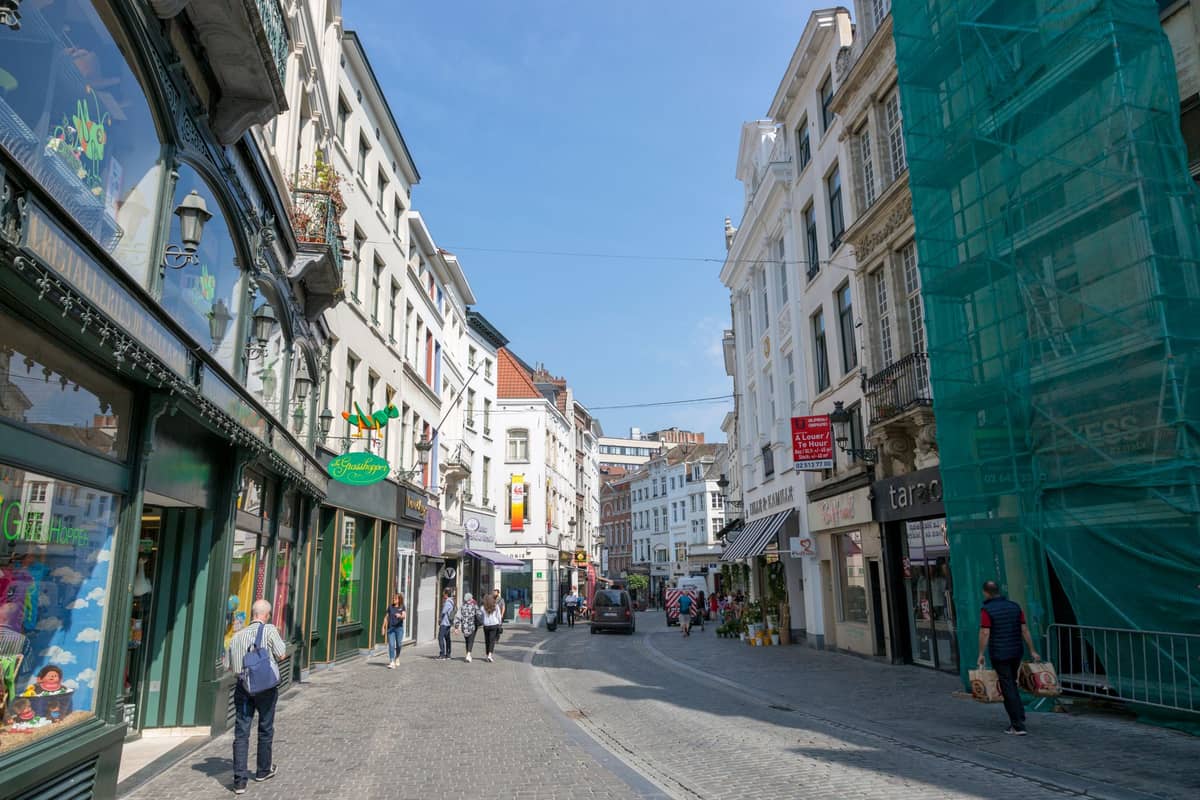
Neuhaus, Leonidas, and Godiva are everywhere in Brussels, and they are not bad chocolate. Leonidas in particular has a loyal domestic following and sells pralines at around €1.10–€1.80 per piece, which is genuinely more affordable than the artisan houses. Neuhaus is historically significant — the company invented the Belgian praline in 1912 — and the Galeries Royales Saint-Hubert location has atmosphere.
The problem is the shops directly surrounding Grand-Place. These are optimised for turnover, not quality. You will find branded tins, novelty items shaped like Manneken Pis, and chocolate sold by weight from bulk trays. The chocolate itself is often produced in large industrial facilities. None of this is dishonest, but it is a different product from what you find at Marcolini or Gerbaud. If you are buying a box to take home as a souvenir, Leonidas is a reasonable choice. If you are buying for someone who cares about chocolate, walk five minutes to the Sablon.
⚠️ What to skip
Avoid buying loose pralines displayed in open trays near high-traffic tourist areas. Turnover at these shops can be low, meaning the chocolate has sometimes been sitting out for days. Freshness matters significantly with ganache-filled pralines, which have a shelf life of two to four weeks at room temperature.
Chocolate Museums and Workshops in Brussels
For anyone who wants context alongside the tasting, Brussels has two chocolate museums worth knowing about. Choco-Story Brussels on Rue de l'Etuve (a short walk from Manneken Pis) is the more central option. It covers the full history of cocoa from Mesoamerica to Belgium, includes a live demonstration of chocolate-making, and ends with a tasting. It is open daily from 10:00 to 18:00 (last entry 17:00), closed on 25 December and 1 January, plus an annual closure in early January — check the official website before visiting. Ticket prices are listed on the museum's booking page; online purchase is recommended in peak season to avoid queues.
The Belgian Chocolate Village in Koekelberg (Rue de Neck 20) is less visited and takes a broader view of Belgium's industrial chocolate heritage. It opens Tuesday to Friday 09:00–18:00 and Saturday to Sunday 10:00–18:00, closed Monday. Getting there requires a tram or metro ride from the centre, which puts off many visitors — but crowd levels are noticeably lower than Choco-Story, and the exhibition space is larger.
Chocolate-making workshops are widely available in Brussels and range from 90-minute introductory sessions to half-day courses. Most can be booked through platforms like GetYourGuide and Viator. Choco-Story Brussels also runs its own in-house workshops, bookable directly through the museum website. If you are visiting with children, a workshop is one of the more engaging options in the city, and it produces something edible at the end.
💡 Local tip
Book chocolate workshops at least 48–72 hours in advance during peak tourist season (June–August) and around Easter. Groups of more than four or five people often need to book further ahead, as most artisan-led sessions have strict participant limits.
Prices, Packaging, and What to Actually Buy
Belgian chocolate is priced across a wide range, and the differences in cost do reflect real differences in production. At the artisan end, a single praline from Marcolini, Gerbaud, or Wittamer costs around €1.30–€2.50. An assorted box of 12 pieces starts around €18; 36 pieces will cost €50–€60 at top houses. Single-origin chocolate bars from bean-to-bar makers run approximately €7–€11 per 100 g, compared to €3–€5 for quality supermarket options.
Seasonal pricing is worth noting. Around Easter, the artisan houses produce large decorative eggs and seasonal collections, with prices for larger pieces reaching €45–€120 depending on size and edition. The Christmas period brings similar special collections, though Choco-Story Brussels is closed on 25 December and 1 January, so plan museum visits for the days around rather than on those dates.
- For eating now: Buy a small mixed selection from one artisan shop, ideally at the Sablon, and eat within a few days.
- For gifts: A branded ballotin from Marcolini or Mary travels well and looks impressive; budget €25–€45 for a presentable box.
- For chocolate enthusiasts: Seek out single-origin bars from Frédéric Blondeel or Laurent Gerbaud — these are harder to find outside Belgium.
- For value: Leonidas pralines at around €1.10–€1.80 per piece offer genuine quality at a lower price point than the prestige houses.
- Avoid: Novelty items and loose bulk pralines near Grand-Place — these prioritise appearance and convenience over taste.
It is also worth noting that supermarket brands like Côte d'Or and Callebaut — widely sold in Brussels — are real Belgian chocolate aimed at everyday consumption and baking, not at the praline tradition. Buying a Callebaut bar from a supermarket is a fine choice if you want cooking chocolate; it is not the same experience as a hand-finished ganache from a small Brussels house. For a broader picture of what to eat and drink beyond chocolate, the Brussels food guide covers the full range from waffles to moules-frites.
Practical Logistics: Getting Around and Timing Your Visit
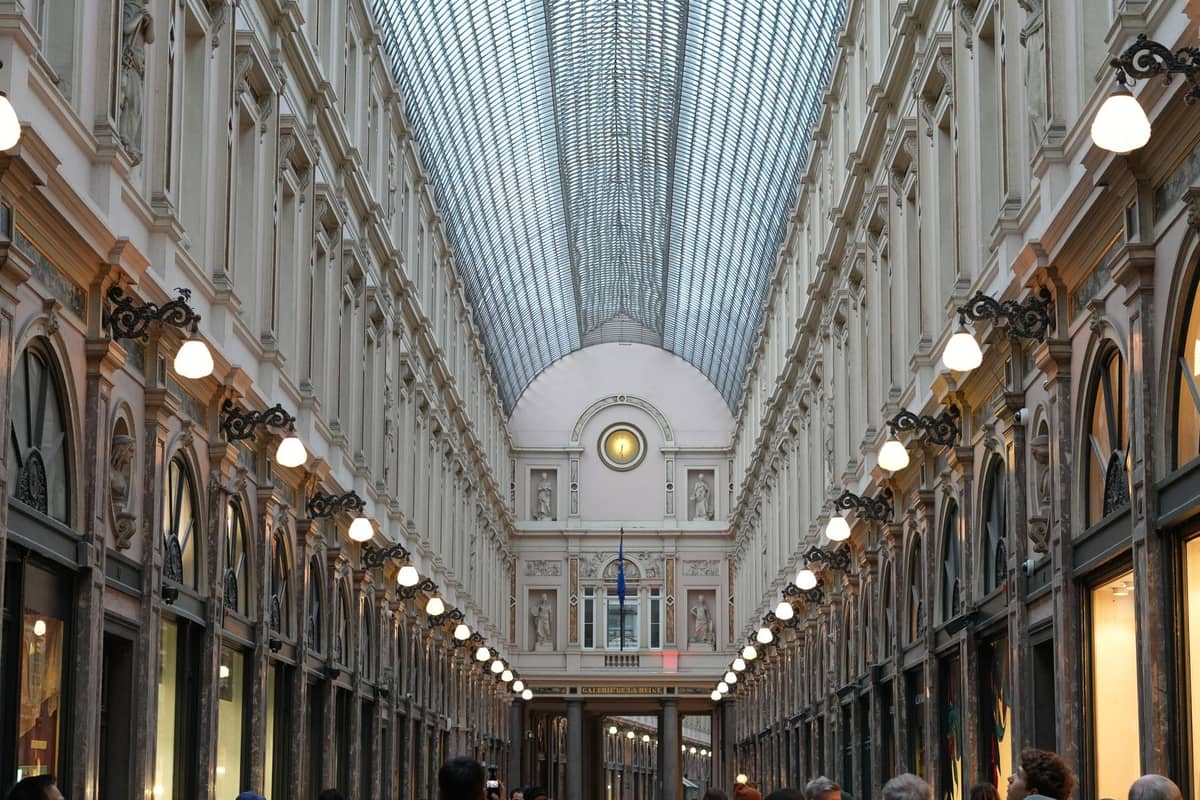
Most of the top chocolate shops sit within a compact area. The Sablon is about a 15-minute walk south of Grand-Place, or a short ride on tram 92 or 93. The Galeries Royales Saint-Hubert — where you will find Marcolini and Neuhaus flagship stores — is directly adjacent to Grand-Place. Frédéric Blondeel is further west in the Dansaert district, which adds a 20-minute walk or a metro ride from the centre but pairs well with exploring that neighbourhood's independent shops and cafes.
Most artisan chocolate shops in Brussels close on Sundays or operate reduced hours, so Saturday morning is the most reliable time to visit multiple shops in one trip. Christmas and Easter periods bring extended hours at tourist-facing shops but can mean queues at the better-known artisan houses. If you are planning a dedicated chocolate day alongside other sightseeing, the guide to two days in Brussels shows how to fit the Sablon and museum visits into a realistic itinerary.
Transport to Brussels is straightforward from most of Western Europe. Eurostar trains connect directly to Brussels-Midi station, and the city's central area is compact enough to cover on foot or by tram. For airport arrivals, the Brussels airport guide covers the train and bus options into the city centre in detail.
✨ Pro tip
If you are buying pralines to take home, keep them cool and eat within two to three weeks. Most high-quality ganache-filled pralines do not contain preservatives, so the shelf life printed on the box matters. Ask the shop staff about the production date — the good ones will always know.
FAQ
What is the best chocolate shop in Brussels?
There is no single answer, since it depends on what you want. Pierre Marcolini is the most acclaimed for gift purchases and has the most striking presentation. Laurent Gerbaud is the better choice for unusual flavours and serious tasting. Wittamer on the Sablon is ideal if you also want pastries. For value, Leonidas offers quality pralines at lower prices than the prestige houses.
How much does Belgian chocolate cost in Brussels?
Artisan pralines from top houses typically cost €1.30–€2.50 per piece. An assorted box of 12 pieces starts around €18 at quality shops; a 36-piece box runs €50–€60. Chain brands like Leonidas charge around €1.10–€1.80 per praline. Bean-to-bar chocolate bars from artisan makers are approximately €7–€11 per 100 g.
Is Godiva chocolate from Brussels worth buying?
Godiva was originally Belgian and is sold throughout Brussels, but it is now owned by an international conglomerate and produced at scale. It is not representative of what makes Belgian artisan chocolate distinctive. For visitors looking for authentic quality, the independent houses on the Sablon offer better value and more interesting chocolate at comparable or lower prices.
What is the Choco-Story Brussels chocolate museum like?
Choco-Story is a well-organised museum covering cocoa history from Central America through to Belgium's praline tradition. It includes a live chocolate-making demonstration and a tasting at the end. It is open daily 10:00–18:00 (last entry 17:00), closed 25 December and 1 January. It works well for families and takes about 90 minutes. Booking online avoids queues in peak season.
Where can I do a chocolate workshop in Brussels?
Choco-Story Brussels runs in-house workshops bookable on its official website. Many other operators offer 90-minute to half-day sessions bookable through GetYourGuide, Viator, and similar platforms. Book at least 48–72 hours ahead in summer and around Easter, when sessions fill quickly. Most workshops end with participants taking home what they made.