2 Days in Brussels: The Perfect Itinerary
Two days is enough time to cover Brussels' historic core, world-class museums, and legendary food scene — if you plan it right. This itinerary cuts through the noise to give you a practical, hour-by-hour plan that works around real opening hours, Monday closures, and the best use of the Brussels Card.
Plan and book this trip
Tools from our partner Travelpayouts help you compare flights and hotels. If you book through them, we may earn a commission at no extra cost to you.
Flights
Hotels map
TL;DR
- Two days in Brussels is a realistic minimum to cover the Grand-Place area, the Sablon, and at least two major museums without feeling rushed.
- Most Brussels museums are closed on Mondays — build your itinerary around this or you will waste half a day; check our guide to the best museums in Brussels for full opening hours.
- The Brussels Card (48h version costs around €54 with transport) pays off quickly if you visit 3+ museums — but buy the version that includes public transport.
- A standard STIB single journey is around €2.60; a 48-hour pass runs approximately €14 and covers metro, tram, and bus across the city.
- Brussels rewards slow mornings: Grand-Place is far less crowded before 9:00, and many cafés open early — see what to eat in Brussels to plan your food stops.
Before You Go: Timing, Transport, and the Brussels Card
Brussels is compact enough that two full days can cover a surprising amount of ground, but the city has a few logistical quirks that catch visitors off guard. The most important: the majority of museums are closed on Mondays. If your trip falls on a Monday, your entire museum-heavy morning plan collapses. Check the day of the week before finalizing anything.
Getting in from Brussels Airport (BRU, located in Zaventem, roughly 12 km northeast of the centre) is straightforward. The SNCB/NMBS train runs directly to Brussels-Central and Brussels-Midi in around 17-25 minutes, with fares typically in the €11-13 range including the airport supplement. Avoid the taxi line unless you are in a group — metered cabs run around €45-55 to the city centre and offer no time advantage over the train except at odd hours. If you're flying into Brussels South Charleroi Airport (CRL), factor in a significantly longer transfer; direct transfers to Brussels city centre start around €100. For full details, see the Brussels airport guide.
Once in the city, STIB/MIVB runs an efficient metro, tram, and bus network. A single journey costs around €2.80 (valid 90 minutes with transfers). For a two-day stay, a 48-hour pass at approximately €14 is better value if you plan to use transit more than twice a day. Alternatively, the Brussels Card with transport bundled in runs around €54 for 48 hours and includes free entry to 40+ museums. Do not buy the version without transport by mistake — it is a separate product and a common error at the ticket counter.
⚠️ What to skip
The Brussels Card with transport and the Brussels Card without transport are sold separately. When buying online or at a sales point (including the Town Hall on Grand-Place), specifically request the version with public transport included. The version without it saves only a few euros and is rarely worth it for a short stay.
Day One: The Historic Core
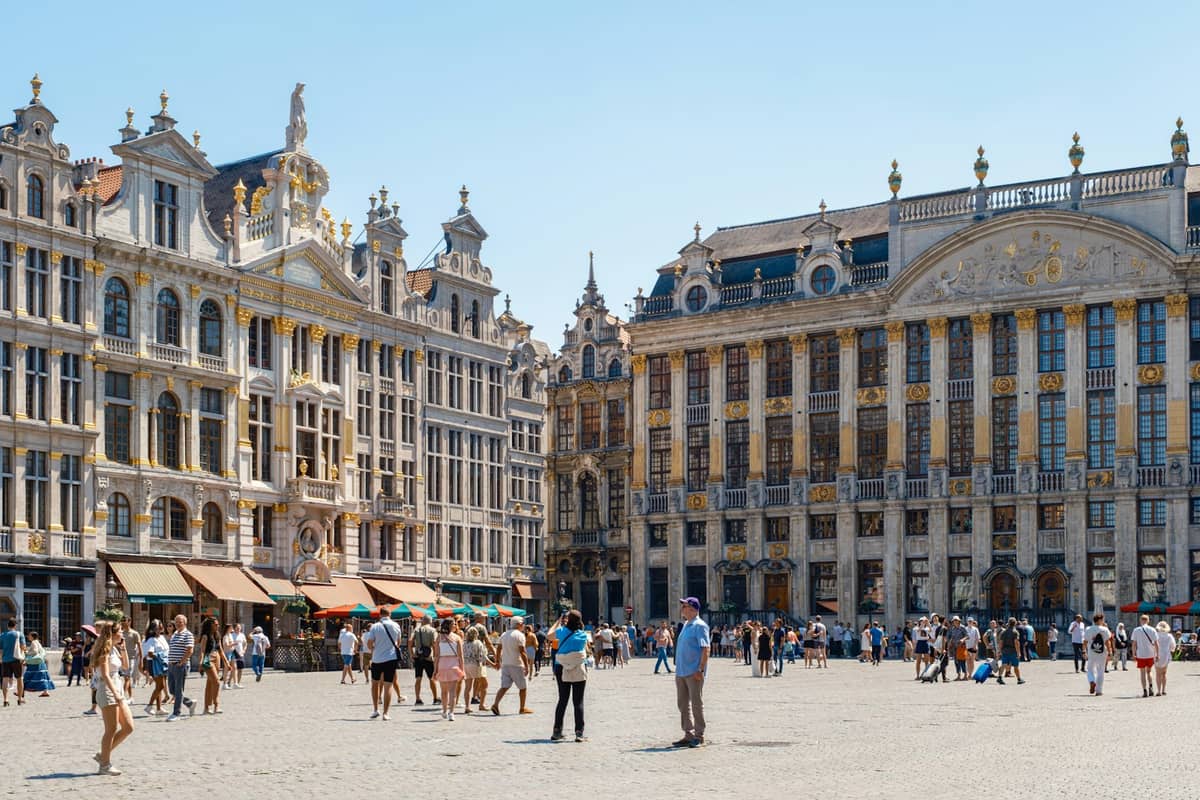
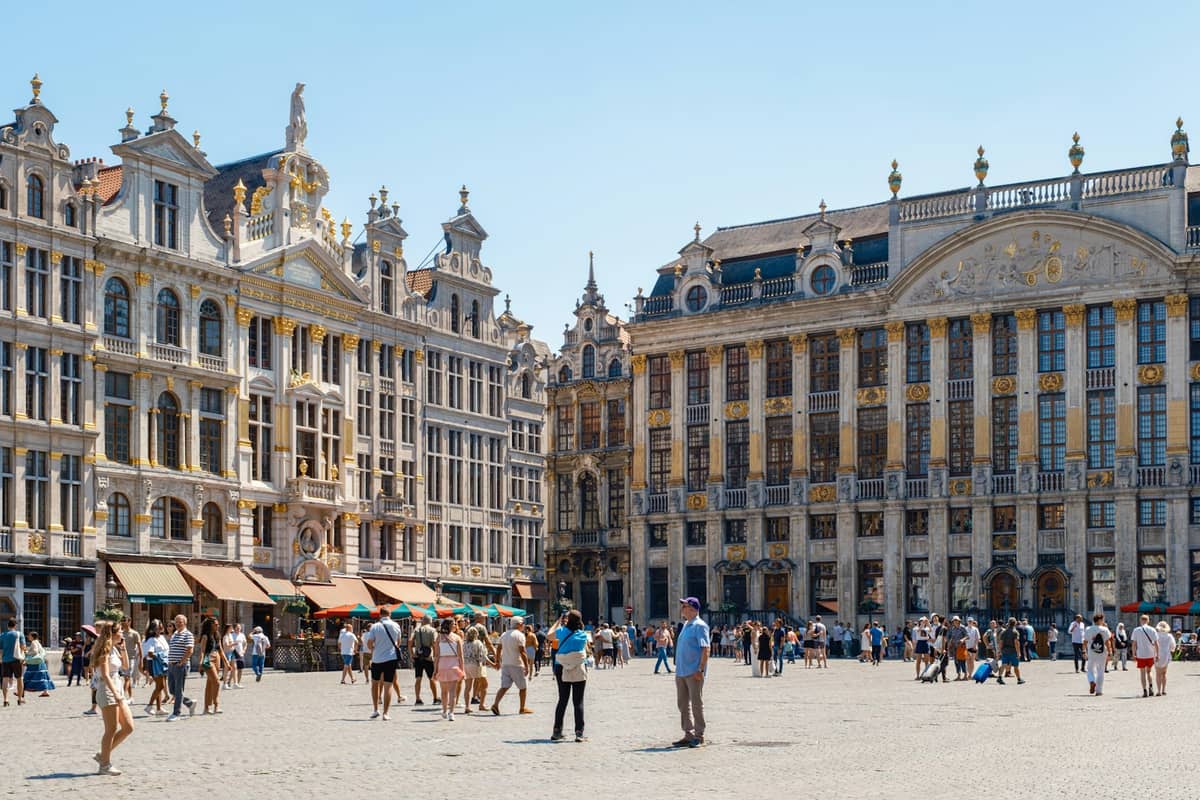
Start at Grand-Place before 9:00 if you can. The square is genuinely impressive at any hour, but the early morning light on the gilded guild houses is something else entirely, and tour groups don't arrive in force until closer to 10:00. The Town Hall is open from 09:00 and serves as a Brussels Card sales point if you haven't bought one already. Take 20-30 minutes here, then walk the surrounding streets of the Îlot Sacré before they fill up.
From Grand-Place, it's a short walk to the Galeries Royales Saint-Hubert, one of Europe's oldest covered shopping arcades (1847). This is not a tourist trap — the architecture alone justifies five minutes, and several of the chocolatiers inside are the real thing. Pick up a small box from Neuhaus or Pierre Marcolini if the budget allows; both have counters here. For a deeper dive into Belgian chocolate, the Choco-Story Brussels museum nearby takes around 45-60 minutes and is included with the Brussels Card.
By mid-morning, head toward the Mont des Arts area. The cluster of institutions here — the Royal Museums of Fine Arts, the Magritte Museum, and the Musical Instruments Museum — represents the densest concentration of world-class collections in the city. Realistically, you can only do one or two properly in half a day. The Magritte Museum is the more manageable choice: three floors, clearly organized, and deeply rewarding even if you're not a surrealism enthusiast. It opens Tuesday–Friday at 10:00; entry is via the Magritte-dedicated entrance if you have an online ticket.
After lunch (the Sablon neighborhood, a 10-minute walk south, has better café options than the tourist-heavy streets immediately around Grand-Place), spend the afternoon in the Sablon quarter. The Place du Grand Sablon hosts an antiques market on weekends, and the surrounding streets have some of Brussels' best chocolate shops and independent galleries. The Notre-Dame du Sablon church on the square is worth a look inside — the stained glass is exceptional and underrated.
End Day One with beer. Brussels has a strong argument for being the world's best city for it. The Cantillon Brewery, a working lambic brewery open Monday to Saturday, offers a self-guided tour for a few euros and samples included. It's genuinely one of the most atmospheric spots in the city, not a polished visitor experience. If Cantillon is closed, the Belgian Beer World at the Brussels Stock Exchange building is the more accessible alternative, with longer opening hours and a broader tasting selection.
💡 Local tip
Cantillon Brewery is closed on Sundays and during brewery holidays in winter and summer. Check their website before making it a firm plan. It's located in the Anderlecht area, about a 20-minute walk or a short metro ride from Grand-Place.
Day Two: Atomium, Art Nouveau, and the European Quarter
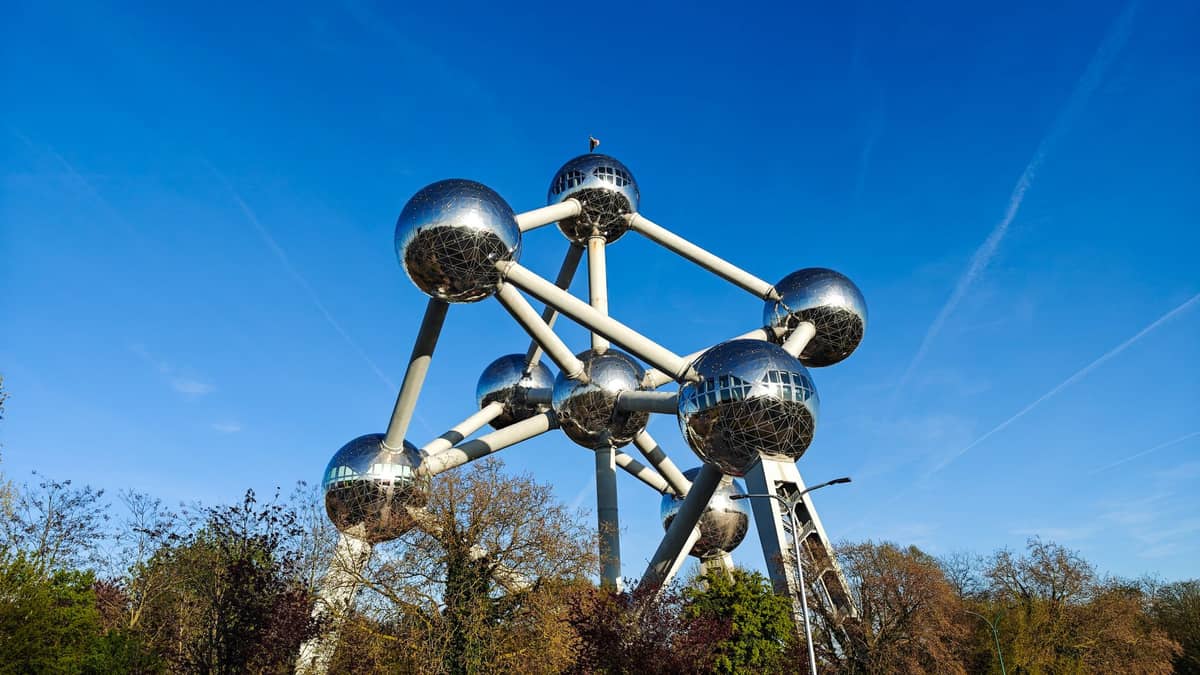
Day Two pushes into Brussels' outer neighborhoods, which require more transit but reward the effort. Start with the Atomium — it opens at 10:00 daily (last entry 17:30), which means you can be there at opening before the queues form. The Atomium is not overrated: the interior panoramic views and the escalators through the spheres are genuinely unusual. Budget around 90 minutes. It sits in the Laeken area alongside Mini-Europe, which is best skipped unless you're traveling with children.
From Laeken, route back through the city toward Saint-Gilles for an Art Nouveau afternoon. Brussels has more Art Nouveau architecture per square kilometer than any city in the world, and most visitors barely scratch the surface. The Horta Museum — the former home and studio of architect Victor Horta — is the essential stop. It's open Tuesday to Sunday (closed Mondays), and entry runs around €10-15 depending on the ticket type. The experience is intimate and detailed in a way that larger museums are not. Pair this with a walk along the Art Nouveau facades in Saint-Gilles for a broader sense of the movement's scale in the city.
In the late afternoon, head to the European Quarter around Schuman and Luxembourg. This is where the EU institutions cluster, and for many visitors it adds a layer of context to what Brussels actually is as a city. The House of European History is free to enter and covers 20th-century European history with serious depth — plan 90 minutes minimum. The Parlamentarium next door is also free and takes a more institutional approach to explaining the EU, useful if that angle interests you.
End the second evening around Place Flagey or in Ixelles, where the bar and restaurant scene is more local than the Grand-Place surroundings. The area around the Étangs d'Ixelles has a concentration of good restaurants across multiple price points — Belgian, North African, and Southeast Asian options all within a few blocks. This part of the city is where Brussels residents actually eat out, and it shows in the quality-to-price ratio.
✨ Pro tip
If your second day is a Friday or Saturday evening in spring or autumn, check whether Brussels Museums Nocturnes is scheduled. Around 70 museums open from 18:00 to 22:00 on selected dates, which can extend your Day Two significantly and at reduced or combined entry costs.
What to Skip (and Why)
Two days is not enough time to see everything, and trying to cram in every landmark leads to a forgettable blur. Some popular stops are better skipped on a short visit.
- Manneken Pis The famous tiny bronze statue is genuinely tiny. Most visitors are surprised by how small it is and how crowded the surrounding street gets by mid-morning. Worth a 2-minute detour if you're already passing — not worth a dedicated trip.
- The Atomium gift shop The shop inside is overpriced and carries nothing you can't find cheaper elsewhere in the city. Buy your Belgian souvenirs in the Sablon or at the Galeries Saint-Hubert instead.
- Lunch on Grand-Place itself The restaurants immediately facing the square charge a premium for the view and deliver mediocre food by Brussels standards. Walk one or two streets back and the quality improves significantly.
- Day trips on Day 1 or 2 Bruges, Ghent, and Waterloo are all under 90 minutes by train, but attempting a day trip while also covering Brussels' core on a two-day visit leaves you with a shallow experience of both destinations. Save the day trips for a longer stay.
Practical Details for a 2-Day Stay
- Currency: Euro (EUR). Cards are widely accepted, but some smaller cafés and markets (including the Jeu de Balle flea market) are cash-only.
- Language: French is dominant in daily life; Dutch is also official. English is widely spoken in tourist areas, EU districts, and most hotels.
- Tap water is potable and regulated under EU standards — no need to buy bottled water.
- Electricity: Type C and E plugs, 230V/50Hz. UK and US visitors need adapters.
- Tipping: Service is usually included in restaurant bills. Rounding up is common but not obligatory.
- Emergency number: 112 (EU standard, covers police, ambulance, and fire).
- Visa: Belgium is in the Schengen Area. Many nationalities can enter visa-free for up to 90 days; check official Belgian government or EU consular sources for your specific passport.
Weather is worth planning around. Brussels has a temperate maritime climate with no true dry season — rain is possible year-round. May through September offers the most reliable conditions, with July and August highs around 23°C. Winters are grey and damp (January highs around 5°C) but not extreme, and the city's covered arcades, cafés, and museums make it a workable destination in any month. For a detailed seasonal breakdown, see the guide on the best time to visit Brussels.
If you're deciding where to stay, the areas around Grand-Place and the Sablon put you within walking distance of most Day One sights. Saint-Gilles offers better value and a more residential feel, convenient for the Horta Museum. For accommodation options across budget levels, see where to stay in Brussels.
Is Two Days in Brussels Enough?
Two days lets you cover the essential Brussels — Grand-Place, one or two major museums, the Sablon, the Atomium, and a proper introduction to the beer and chocolate scene. It does not leave room for the African Museum in Tervuren, a full exploration of Art Nouveau architecture, or any meaningful time in neighborhoods like Molenbeek or Ixelles beyond a dinner stop. If those things matter to you, three or four days is the more honest answer. For a broader sense of the possibilities, the guide to things to do in Brussels covers the full range of options.
Brussels also works well as a base for day trips — Bruges is about 55 minutes by direct train, Ghent about 30–40 minutes, and Waterloo under an hour. If you're considering extending into a longer Belgium itinerary, see day trips from Brussels for logistics and recommendations. And if budget is a constraint, Brussels is more affordable than its reputation suggests — free entry to the House of European History, the Comic Strip Route, and several parks means a lean itinerary is entirely viable. The guide to free things to do in Brussels covers this in detail.
FAQ
Is 2 days enough to see Brussels?
Two days is enough to cover the highlights: Grand-Place, the Sablon, one or two major museums, the Atomium, and a taste of the Belgian beer and chocolate scene. You won't see everything, but you won't feel shortchanged either — Brussels is compact and very walkable in the centre.
What is the best way to get around Brussels in 2 days?
A combination of walking (for the historic centre) and the STIB/MIVB metro and tram network (for longer distances to Laeken and Saint-Gilles) is the most efficient approach. A 48-hour pass costs around €14 and covers unlimited trips on metro, tram, and bus. The Brussels Card with transport (around €54 for 48h) is worth it if you plan to visit multiple museums.
Which museums should I prioritize for a 2-day Brussels itinerary?
The Magritte Museum is the single strongest choice for a short visit: manageable size, world-class content, and centrally located. The Horta Museum (Art Nouveau architecture) and the House of European History (free entry) are strong second choices. Avoid overloading Day One with museums — the street-level experience in Brussels is genuinely part of the appeal.
Are Brussels museums open on Mondays?
Most major Brussels museums are closed on Mondays, including the Royal Museums of Fine Arts and the Horta Museum. If your visit includes a Monday, plan that day around outdoor sights (Grand-Place, the Sablon, Art Nouveau facades, the Atomium) and save the museum-heavy day for Tuesday onwards.
Is the Brussels Card worth buying for a 2-day trip?
The 48-hour Brussels Card with transport costs around €54 and includes free entry to 40+ museums plus unlimited public transport. If you visit three or more museums over two days, it typically pays for itself. Make sure to buy the version that includes transport — there is also a version without it, which is easy to confuse at the point of purchase.