Brussels Airport Guide: Arrivals, Departures, and Getting to the City
Brussels Airport (BRU) in Zaventem is 12 km from the city centre, with a direct train station beneath the terminal. This guide covers every transport option, realistic fares, terminal layout basics, and the common mistakes that cost travellers time and money.
Plan and book this trip
Tools from our partner Travelpayouts help you compare flights and hotels. If you book through them, we may earn a commission at no extra cost to you.
Flights
Hotels map
TL;DR
- Brussels Airport (IATA: BRU) is located in Zaventem, roughly 12 km northeast of central Brussels, with a train station on level -1 directly beneath the terminal.
- The train (SNCB/NMBS) is the fastest and most reliable way into the city: around 18 minutes to Brussels-Central, with fares typically in the €9–13 range including the airport supplement.
- STIB bus lines 12 and 21 (the Airport Line) go to the European Quarter, not Grand Place. A metro transfer is needed to reach the historic centre.
- Taxis from BRU to central Brussels run roughly €40–55 on the meter; pre-booked private transfers cost more.
- Do not confuse BRU with Brussels South Charleroi Airport (CRL), which is ~60 km away and a completely different journey. See our getting around Brussels guide for city transport once you arrive.
Brussels Airport at a Glance
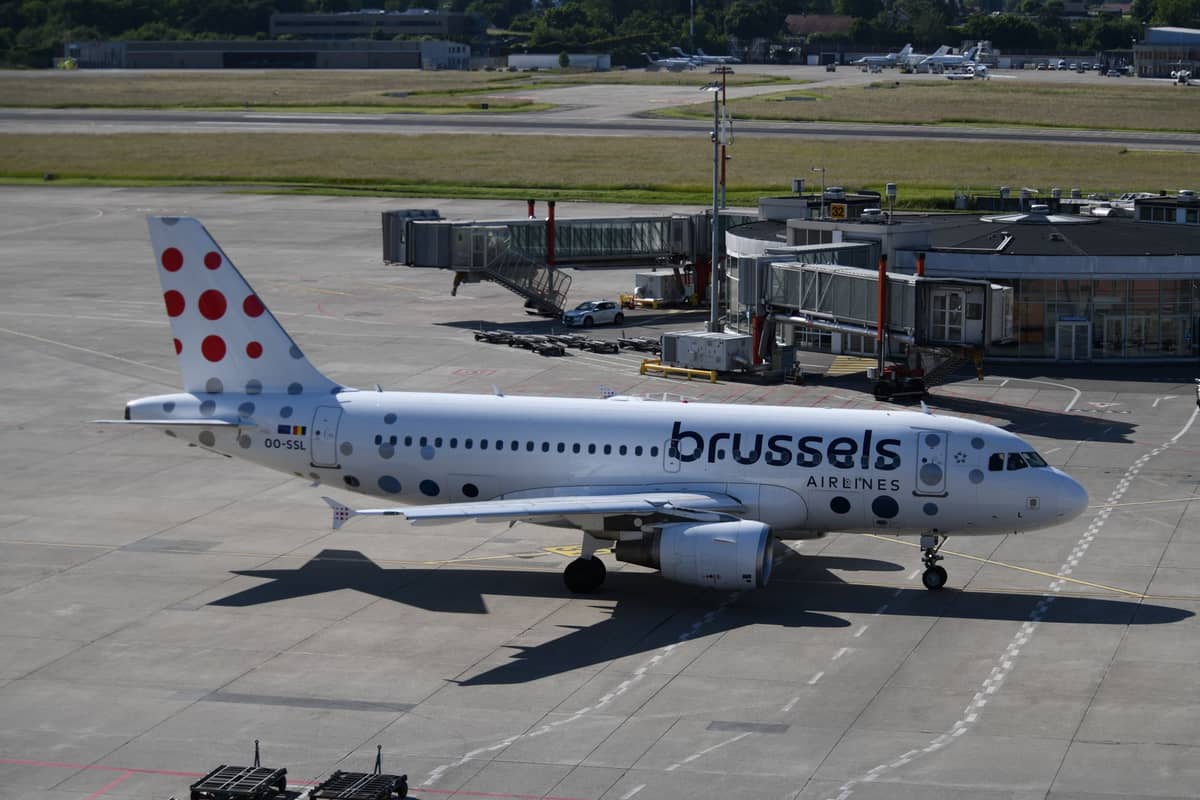
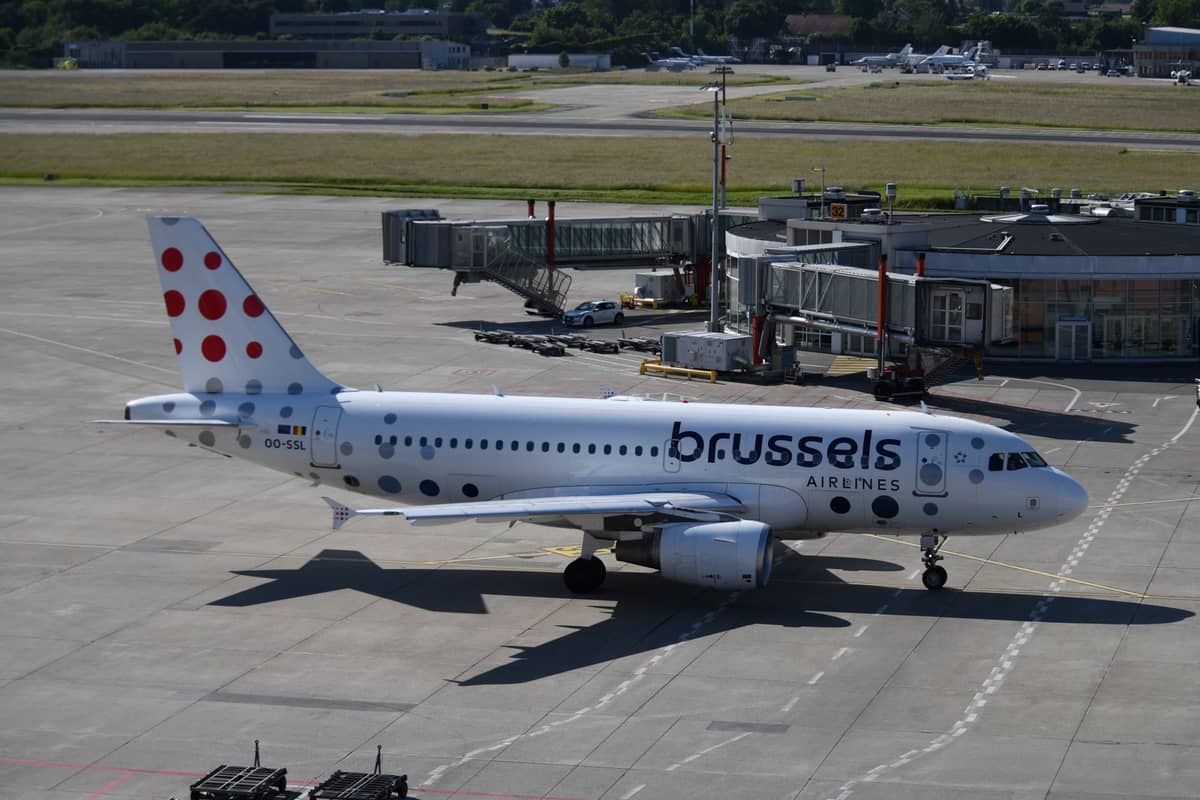
Brussels Airport, officially known as Brussels Airport (BRU), sits in the municipality of Zaventem in Flemish Brabant, northeast of the Brussels-Capital Region. It handles the vast majority of international flights serving the Belgian capital and is one of the busiest airports in the Benelux. Despite its proximity to one of Europe's most important political centres, the airport is compact by major-hub standards, which makes it easier to navigate than Frankfurt or Amsterdam Schiphol.
The terminal is split into two main pier areas: Pier A handles Schengen flights, while Pier B serves non-Schengen and intercontinental routes. Both connect to the central terminal building where check-in, arrivals, and transport links are located. The train station is on level -1, accessible by escalator or lift from arrivals. This integrated setup means you can be on a direct train to the city centre within minutes of clearing customs.
ℹ️ Good to know
Brussels Airport uses the IATA code BRU and is sometimes called 'Brussels-National' or 'Zaventem Airport' in older references. All three names refer to the same airport. The Brussels Airport website (brusselsairport.be) is the most reliable source for real-time terminal maps, flight information, and transport schedules.
Getting from Brussels Airport to the City Centre
There are four practical ways to get from BRU to central Brussels: the SNCB train, the STIB Airport Line bus, a metered taxi, or a pre-booked private transfer. The right choice depends on your destination within Brussels, your luggage, the time of day, and your budget. Here is a clear breakdown of each.
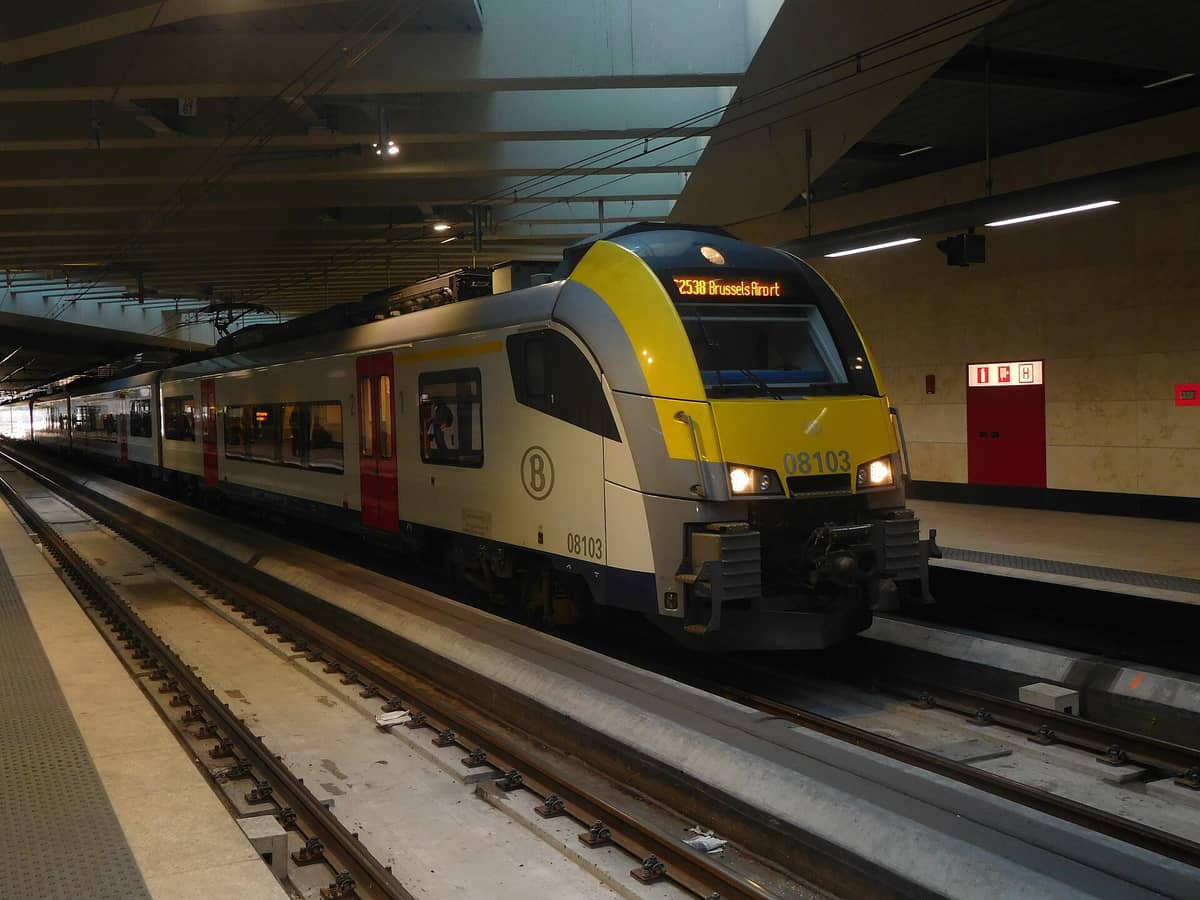
- Train (SNCB/NMBS) — Best Overall Option Direct trains run from the underground station (level -1) to Brussels-North, Brussels-Central, and Brussels-Midi (South) approximately every 15 minutes during the day. Journey time to Brussels-Central is around 18 minutes. One-way fares including the mandatory airport supplement are typically €9–13; check the SNCB website for current pricing before travel. Trains run from early morning until past midnight, with reduced frequency late at night.
- Airport Line Bus (STIB Lines 12 and 21) — Best for the European Quarter STIB bus line 12 operates on weekdays, while line 21 covers evenings, nights, and weekends. Both run between Brussels Airport and the European Quarter, stopping at Schuman, Maelbeek, and Luxembourg. Journey time is around 35–50 minutes depending on traffic. Tickets are sold as 'Airport Line' or 'Go2City' products at STIB vending machines in the terminal; fares vary by ticket type, roughly €4–8. This bus does not go to Grand Place.
- Metered Taxi — Best for Groups or Heavy Luggage Official taxis queue at the designated rank outside the arrivals hall. Fares to central Brussels are metered and typically run €40–55 under normal traffic conditions; expect higher costs during evening rush hours or late at night. Always use the official rank rather than accepting offers from unlicensed drivers inside the terminal.
- Private Transfer or Rideshare — Most Comfortable, Least Predictable Cost Pre-booked private transfers (chauffeur services) cost significantly more than metered taxis, often €70–100 or higher. Rideshare apps including Uber operate in Brussels, but availability and pricing fluctuate. Confirm current app availability before relying on this option, as ride-hailing regulation in Brussels has changed in recent years.
⚠️ What to skip
STIB Airport Line buses serve the European Quarter, not the Grand Place or the historic centre. If your hotel is in the city centre or near the Sablon, you will need to transfer to the metro at Schuman or Maelbeek after taking the bus. For most tourists heading to central Brussels, the train is considerably faster and more direct.
Brussels Airport vs. Brussels South Charleroi Airport
This is the single most important distinction for anyone flying into the Brussels area. Brussels Airport (BRU, Zaventem) and Brussels South Charleroi Airport (CRL) are entirely separate airports, operated by different companies, serving different airlines, and located very different distances from the city.
Charleroi Airport is approximately 55–60 km south of Brussels, in the Walloon city of Charleroi. It is primarily used by low-cost carriers including Ryanair. Getting from CRL to Brussels city centre costs around €100 by taxi or pre-booked transfer; budget shuttle buses exist but take well over an hour. If you book a cheap flight and find the destination listed as 'Brussels' but the airport code is CRL, budget significantly more time and money for the transfer. BRU, by contrast, is 12 km from the centre with an 18-minute train. The cost difference in transport alone can offset any savings on the flight. For guidance on where to stay once you arrive, check our Brussels accommodation guide.
⚠️ What to skip
Always confirm the airport code when booking flights to Brussels. BRU = Brussels Airport (Zaventem, 12 km from centre). CRL = Brussels South Charleroi Airport (Charleroi, ~60 km from centre). They are not interchangeable.
Navigating the Terminal: Arrivals and Departures
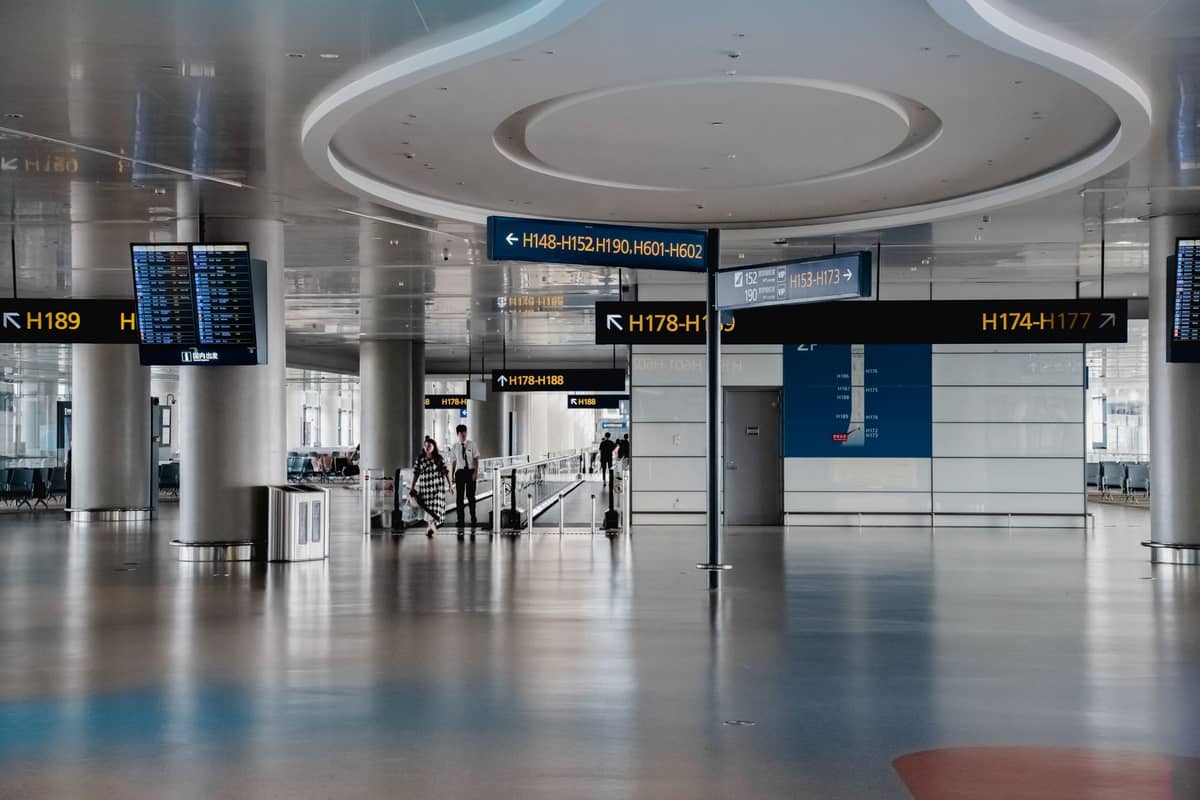
Brussels Airport's terminal layout is straightforward compared to many European hubs. Arrivals from both Schengen and non-Schengen flights funnel into the central arrivals hall on level 0, where you will find ground transport options, car rental desks, currency exchange, and the entrance to the train station. Departures check-in is on level 1, with security leading to Pier A (Schengen) or Pier B (non-Schengen).
The airport has a dedicated airport map available on its website and on signage throughout the building. Key facilities include ATMs on multiple levels, a pharmacy, left-luggage storage, and hotel shuttle pick-up zones clearly marked outside arrivals. Wi-Fi is available throughout the terminal and is free of charge. If you are connecting between flights, Brussels Airport is generally efficient for connections of 60 minutes or more on Schengen routes and 90 minutes or more for non-Schengen.
- Train station: Level -1, follow signs from arrivals hall. Ticket machines accept cards and cash.
- Bus stops: Outside the terminal on level 0, clearly signposted for STIB Airport Line (12/21) and De Lijn regional buses.
- Taxi rank: Directly outside arrivals on level 0. Do not accept rides from unlicensed drivers inside the terminal.
- Car rental: Desks are located in the arrivals hall; the car parks are a short walk or shuttle ride from the terminal.
- Left luggage: Available in luggage lockers just outside the terminal on level 0 for day storage if you want to explore the city before hotel check-in.
- Currency exchange: Available in arrivals, but rates are typically less competitive than ATM withdrawals or bank transfers.
✨ Pro tip
Buy your SNCB train ticket before boarding at the machines on level -1, not on the train itself. Purchasing a ticket on board incurs a surcharge. The machines accept major credit and debit cards and offer instructions in English, French, Dutch, and German.
Practical Considerations: Timing, Costs, and Common Mistakes
Brussels Airport is busiest during summer school holidays (late June through August), the Christmas and New Year period, and during major EU summits or events in the capital. During these peak windows, the airport recommends arriving at least 2.5 to 3 hours before long-haul departures and 2 hours for European flights. Security queues at Pier B can back up significantly during morning peaks. If you are travelling with kids or have accessibility requirements, the airport provides dedicated lanes and assistance services. For more on timing your trip to Brussels, see our best time to visit Brussels guide.
One underappreciated issue is the gap between cheap flight fares and actual transport costs. Travellers who book via Charleroi to save €20 on airfare often spend €30–50 more on the transfer into Brussels, and add 90 minutes to their journey. If speed and convenience matter, BRU is worth paying slightly more to fly into. Conversely, if you are travelling with very little luggage and staying near Brussels-Midi or the European Quarter, the Airport Line bus is a perfectly reasonable choice that costs a fraction of the train fare.
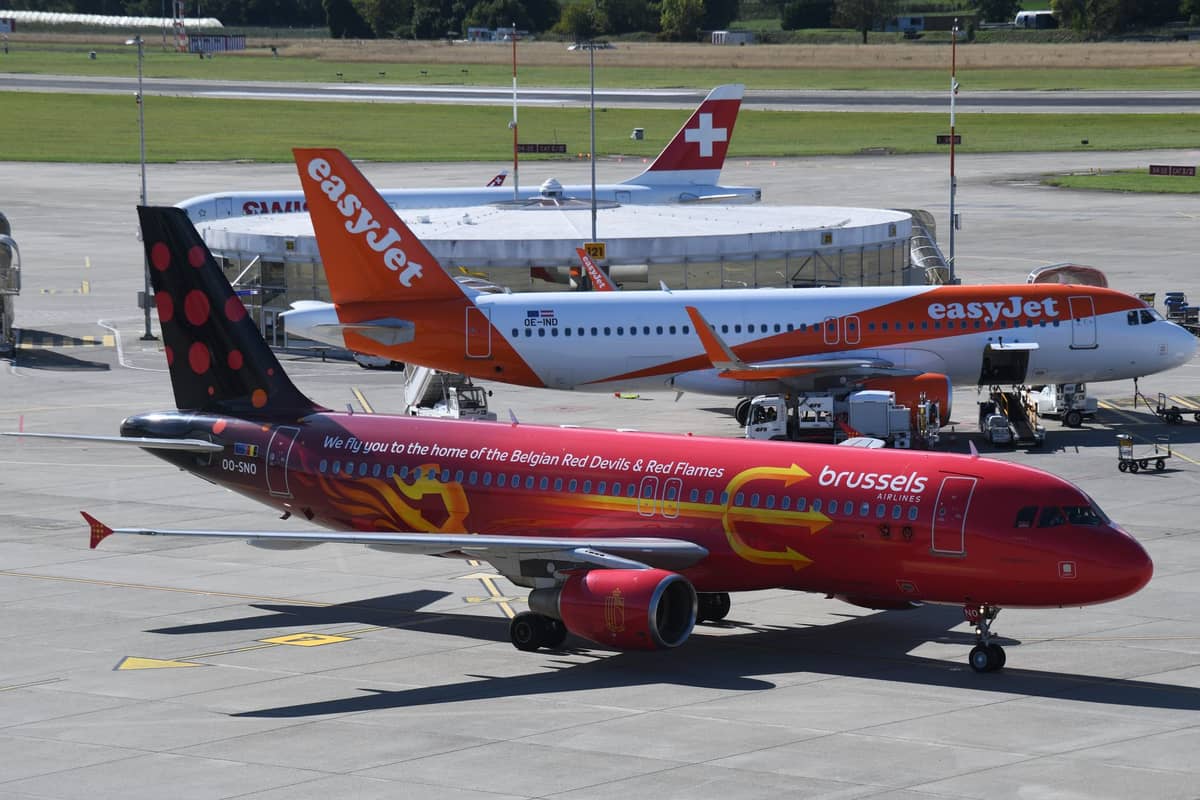
Brussels Airport connects Belgium with hundreds of destinations via airlines including Brussels Airlines (the national carrier), Lufthansa, British Airways, Air France, Turkish Airlines, Emirates and many others. It also serves as a key entry point for visitors to Grand Place, the Atomium, and the wider city. For first-time visitors, the train is the least stressful option: buy your ticket, follow the signs to level -1, and you are at Brussels-Central in under 20 minutes.
Key Facts for Your Brussels Trip
Once you arrive, it helps to know a few Brussels basics. The city operates on Central European Time (UTC+1 in winter, UTC+2 in summer). The currency is the Euro (EUR). Brussels is officially bilingual in French and Dutch, but English is widely spoken in the airport, hotels, and most tourist-facing businesses. Tap water is safe to drink under EU standards. The emergency number is 112. Belgium uses type C and E plugs at 230V (50 Hz), so travellers from North America or the UK will need adapters. For a broader orientation to the city, our things to do in Brussels guide is a good starting point.
Belgium is part of the Schengen Area. Citizens of EU and EEA countries, as well as nationals of many other countries including the US, Canada, Australia, and Japan, can enter the Schengen Area without a visa for short stays of up to 90 days in any 180-day period. Other nationalities require a Schengen visa. Always verify entry requirements through official Belgian government or EU consular sources before travel, as rules change. If you plan to continue beyond Brussels, trains to Amsterdam and Paris depart from Brussels-Midi, and day trips to Bruges are straightforward. See our Brussels to Bruges guide and day trips from Brussels for details.
FAQ
How long does it take to get from Brussels Airport to the city centre?
By train (SNCB/NMBS), the journey from Brussels Airport to Brussels-Central takes approximately 18 minutes. Trains depart from level -1 directly beneath the terminal roughly every 15 minutes during the day. By bus (Airport Line 12 or 21), expect 35–50 minutes to the European Quarter depending on traffic. By taxi, the journey to central Brussels typically takes 25–40 minutes but can be longer during peak hours.
How much does a taxi from Brussels Airport cost?
Metered taxis from the official rank at Brussels Airport to central Brussels typically cost €40–55 under normal traffic conditions. Fares can be higher during evening rush hours, late at night, or on public holidays. Pre-booked private or chauffeur transfers cost more, often €70–100 or above. Always use the official taxi rank outside arrivals rather than accepting offers from unlicensed drivers inside the terminal.
What is the difference between Brussels Airport (BRU) and Charleroi Airport (CRL)?
They are completely different airports. Brussels Airport (BRU) is 12 km northeast of central Brussels in Zaventem, with a direct train connection to the city centre. Brussels South Charleroi Airport (CRL) is approximately 60 km south of Brussels in Charleroi, served mainly by low-cost carriers. Getting from CRL to Brussels city centre takes over an hour and costs significantly more than from BRU. Always check your flight's airport code before booking.
Is there a direct bus from Brussels Airport to Grand Place?
No. The STIB Airport Line (buses 12 and 21) runs between Brussels Airport and the European Quarter, stopping at Schuman, Maelbeek, and Luxembourg. It does not go directly to Grand Place or the historic city centre. From the European Quarter, you can connect to the metro to reach the centre. If you are heading to the historic core, the SNCB train to Brussels-Central station is a more direct option, as the station is within easy walking distance of Grand Place.
What are the opening hours of the Brussels Airport train station?
Trains run between Brussels Airport and the city centre from early morning (around 4:45–5:30) until just before midnight, with frequency dropping to approximately every 30 minutes late at night. The ticket machines on level -1 are available whenever the station is open. For exact current timetables, check the SNCB/NMBS website or the Brussels Airport transport information page, as schedules vary by day of week and public holidays.