Where to Stay in Brussels: The Complete Neighborhood Guide
Brussels offers far more than one good neighborhood for visitors. This guide breaks down the best areas to stay by location, budget, and travel style, with a clear read on each district, current price benchmarks, and practical advice on taxes, timing, and transport.
Plan and book this trip
Tools from our partner Travelpayouts help you compare flights and hotels. If you book through them, we may earn a commission at no extra cost to you.
Flights
Hotels map
TL;DR
- Brussels hotels range from around €36/night (budget) to €170+/night (luxury), with January and February offering the lowest rates of the year.
- The best areas to stay are Grand-Place/City Centre, Saint-Géry/Dansaert, the European Quarter, and Ixelles, each suiting different travel styles.
- From 1 January 2026, Brussels applies a city tax of €5 per room per night for hotels, added on top of your room rate.
- Brussels Airport (BRU) is 12 km from the centre; a train takes 17-25 minutes and costs around €9-13 one-way.
- May and September offer the best balance of good weather, thinner crowds, and lower prices. See the best time to visit Brussels for a full seasonal breakdown.
How to Choose Where to Stay in Brussels
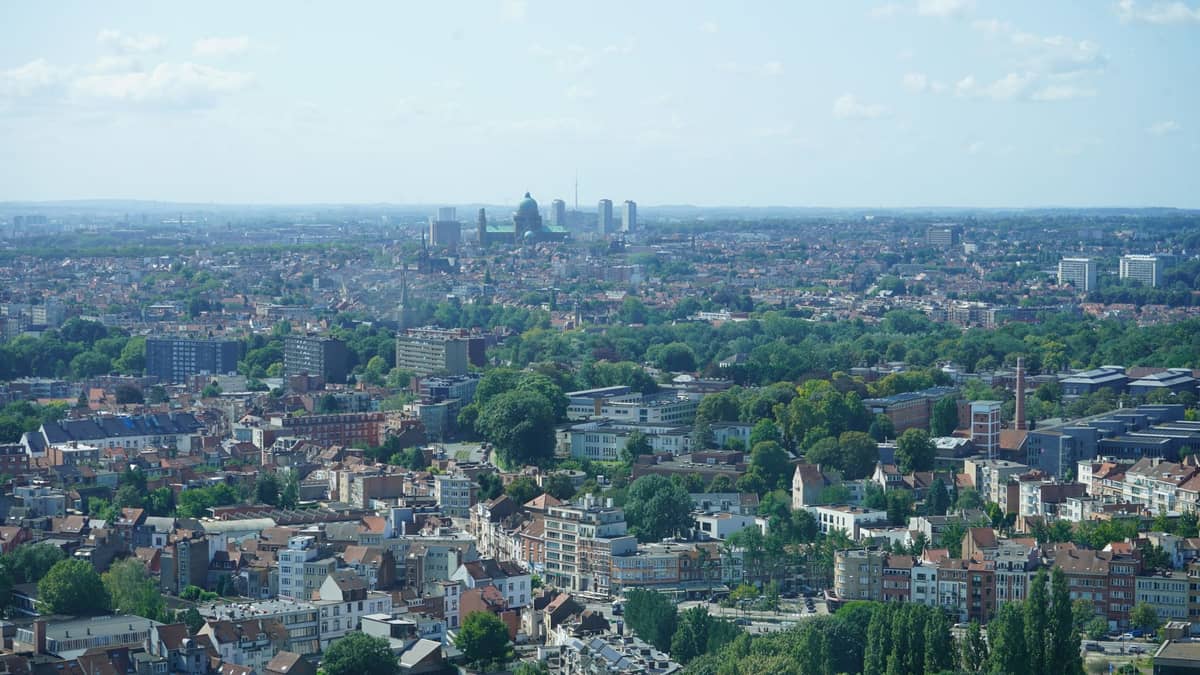
Brussels is a compact but surprisingly layered city. The Brussels-Capital Region covers 19 municipalities, but for most visitors the meaningful choice comes down to four or five central neighborhoods, all within a short metro or tram ride of each other. What separates them is atmosphere and convenience, not distance.
The city centre, anchored by the Grand-Place, is the obvious base for first-time visitors who want to walk to the main sights. The European Quarter suits business travellers and those visiting EU institutions. Ixelles and Saint-Gilles attract visitors who want a more local, residential feel. And Saint-Géry/Dansaert is the best option if nightlife, independent design, and food are your priorities.
ℹ️ Good to know
Brussels is officially bilingual (French and Dutch), but English is widely spoken in hotels, restaurants, and transport. You will rarely encounter a language barrier in tourist-facing services. Street names appear in both French and Dutch on signs, so expect to see both Bruxelles and Brussel used interchangeably.
The Best Neighborhoods to Stay In
- Grand-Place & City Centre (Îlot Sacré) The most central option. You are within walking distance of Manneken Pis, the Galeries Royales Saint-Hubert, and dozens of restaurants. Hotels here skew mid-range to luxury, with rates reflecting the premium location. Expect street noise in summer and very high prices in December during the Christmas market.
- Saint-Géry / Dansaert Brussels's most characterful neighbourhood for independent travellers. Bordered by the Halles Saint-Géry market hall and the Dansaert fashion strip, this area has strong café culture and good transport links. A solid mid-range choice, slightly quieter than the Grand-Place but still central.
- European Quarter (Schuman / Léopold) Functional rather than atmospheric, but excellent value at weekends when business hotels drop their rates sharply. Well-served by metro and the STIB airport bus. Best for those visiting EU institutions or travelling on business who want a quiet, orderly base.
- Ixelles / Elsene South of the centre, Ixelles mixes diplomatic residences, student life around Université Libre de Bruxelles, and some of the best restaurants in the city. Place Flagey and the Ixelles ponds give it a neighbourhood feel that the tourist core lacks. Good tram connections to the centre. Art Nouveau fans should note that Saint-Gilles, bordering Ixelles to the west, contains the densest concentration of Art Nouveau facades in Brussels.
- Sablon Upscale, quiet, and full of antique dealers, chocolate shops, and fine dining. The Sablon is a good pick for couples or travellers on a higher budget who want a calmer environment than the Grand-Place area. Less nightlife, but excellent food and weekend antique markets.
For a deeper look at what each district offers beyond accommodation, the Dansaert-Saint-Géry neighbourhood guide and the Ixelles guide cover food, bars, and sights in detail.
Brussels Hotel Prices: What to Budget
Brussels has a reputation for being expensive, and for certain weeks that is accurate. But the city also has genuine bargain windows that most visitors overlook. Understanding when and where to book makes a significant difference.
Current benchmarks for hotel rates in Brussels (per room per night, excluding city tax): budget properties start from around €36, mid-range hotels average roughly €83-120, and full-service luxury hotels run €170 and above. Those figures are for the room rate only. From 1 January 2026, a mandatory city tax of €5 per room per night applies to hotels, and €4 per night for apartment-style tourist accommodation. It appears as a separate line on your bill and cannot be waived.
⚠️ What to skip
Some booking platforms display room rates without the Brussels city tax pre-loaded. Always check the total price at checkout rather than the headline nightly rate. The tax adds €35 to a week-long hotel stay, which is worth factoring into budget comparisons between Brussels and other European cities.
The European Quarter deserves special mention for budget-conscious travellers. Business hotels in that area often halve their rates on Friday and Saturday nights, since the EU institutions close for the weekend and demand collapses. A hotel charging €180 on a Tuesday can drop to €80-90 on a Saturday. If your trip spans a weekend, consider positioning yourself there for those nights.
- Budget (hostel dorm or basic hotel): from €36/night
- Mid-range (3-star hotel, central location): €80-130/night
- Upper mid-range (4-star, includes breakfast): €130-170/night
- Luxury (5-star or design hotel): €170-300+/night
- City tax (hotels, from Jan 2026): €5 per room per night
- City tax (apartments/Airbnb-style): €4 per night
When to Book: Seasonal Price Patterns
Brussels follows a dual-season pattern that differs from most European capitals. Tourist demand peaks in summer (June-August) and again sharply in December for the Christmas market. But the city also has a heavy business-travel calendar tied to EU summits, NATO meetings, and trade fairs, which can push mid-week prices up year-round regardless of tourist season.
January and February are the cheapest months by a clear margin. Visitor numbers drop, business travel slows, and hotels discount aggressively. The tradeoff is cold, grey weather with daytime highs of around 5-6°C. May and September offer the most practical balance: temperatures reach 18-19°C, crowds are manageable, and rates sit below peak summer levels. For full seasonal context, the best time to visit Brussels guide covers weather, events, and crowd patterns month by month.
December deserves a specific mention. The Brussels Christmas market around Grand-Place is one of the largest in Europe, and hotel prices in the city centre spike accordingly in the two weeks before Christmas. If you plan to visit for the market, book two to three months in advance or expect to pay 30-50% more than standard December rates.
✨ Pro tip
Check whether major EU summits or large conventions coincide with your dates. Brussels hosts European Council meetings several times a year, and these fill central hotels fast. The official European Council website publishes summit dates in advance. Shifting your stay by a day or two around these events can save a significant amount.
Getting to Your Hotel: Airport Connections
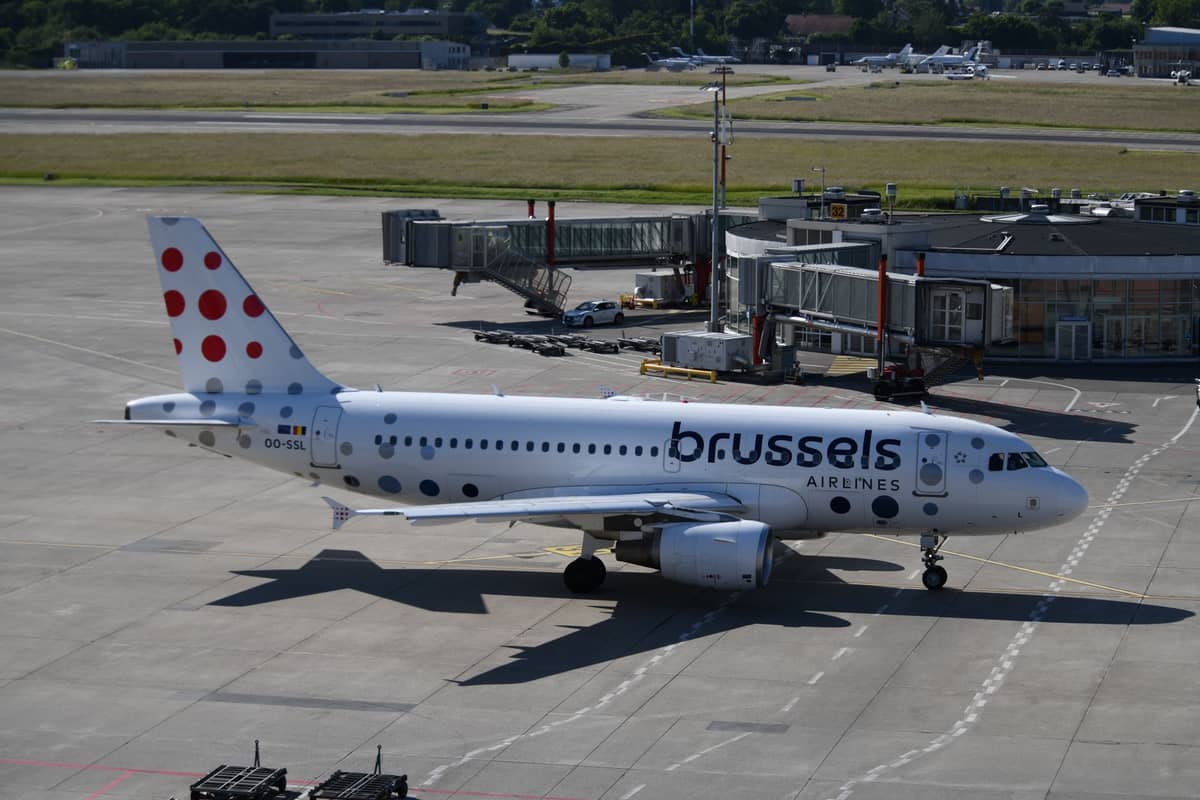
Brussels has two airports, and confusing them is one of the most common and costly mistakes visitors make. Brussels Airport (IATA: BRU), located in Zaventem about 12 km northeast of the city centre, is the main international hub. Brussels South Charleroi Airport (CRL) is roughly 60 km south of Brussels and primarily used by low-cost carriers including Ryanair. If you book a 'Brussels' flight and see CRL as the code, you are flying into Charleroi, not Brussels.
From Brussels Airport (BRU), the fastest option is the SNCB/NMBS direct train to Brussels-Central or Brussels-Midi, taking 17-25 minutes. Fares including the airport supplement are currently around €9-13 one-way; verify current pricing with SNCB before travelling. STIB's airport bus (line 12 on weekdays, line 21 at nights and weekends) runs to the European Quarter at Schuman in around 35-45 minutes. Taxis from BRU to the centre cost approximately €40-55 on the meter. For a complete breakdown of all options, see the Brussels Airport transport guide.
From Charleroi (CRL), a transfer to Brussels city centre by shuttle or taxi runs around €100 or more. Budget that cost into any apparent savings on the flight fare. The journey takes at least 60-90 minutes depending on traffic.
Practical Details Before You Book
A few logistics that affect your hotel choice and overall stay. Brussels uses the Euro (EUR). Tap water is potable under EU standards. The city operates on Central European Time (UTC+1 in winter, UTC+2 in summer). Belgium uses type E plugs at 230V/50Hz, so travellers from the US, UK, or countries with different standards need an adapter.
Getting around the city is straightforward once you are checked in. The STIB/MIVB network covers the whole Brussels-Capital Region with metro, tram, and bus lines. The metro is the fastest way between central neighborhoods and the European Quarter. For a full overview of routes and ticketing, the getting around Brussels guide covers everything from single tickets to multi-day passes.
Service charges are typically included in restaurant bills in Belgium. Tipping is not obligatory and is genuinely optional rather than socially expected, unlike in the US or UK. Rounding up or leaving a few euros is appreciated at sit-down restaurants, but you will not cause offence by not doing so.
💡 Local tip
Brussels is part of the Schengen Area. Citizens of many countries including the US, Canada, Japan, and all EU/EEA states can enter Belgium visa-free for stays up to 90 days in any 180-day period. For other nationalities, a Schengen visa is required. Always check the current requirements with the official Belgian or EU consular website before travelling, as rules can change.
If you are planning your itinerary alongside accommodation research, the things to do in Brussels guide and the 2-day Brussels itinerary are the most useful places to start. Both are structured around the same central neighborhoods covered in this guide, so you can cross-reference location and sights efficiently.
FAQ
What is the best area to stay in Brussels for first-time visitors?
The Grand-Place and City Centre area gives first-timers the most convenient base, with the main sights, restaurants, and metro connections all within walking distance. The tradeoff is higher prices and more tourist foot traffic. If budget matters more than being steps from the Grand-Place, the Saint-Géry/Dansaert neighbourhood is 10-15 minutes on foot from the centre and offers better value with more local atmosphere.
How much does a hotel in Brussels cost per night?
Budget hotels in Brussels start from around €36 per night. Mid-range hotels average €80-130 per night for a central location. Luxury and upper-end hotels run €170-300 and above. From January 2026, a mandatory city tax of €5 per room per night for hotels is added on top of all quoted rates. Prices drop significantly in January and February, and at weekends in the European Quarter.
Is it cheaper to stay in Brussels during specific months?
January and February are the cheapest months by a clear margin, with the lowest tourist numbers and discounted hotel rates. May and September offer a better balance: rates are below peak summer levels and the weather is more pleasant. Avoid mid-December near Grand-Place if budget is a concern, as the Christmas market period pushes prices up sharply.
Which Brussels airport is closer to the city centre?
Brussels Airport (BRU) in Zaventem is the closer airport, roughly 12 km from the city centre. A direct train takes 17-25 minutes. Brussels South Charleroi Airport (CRL) is about 60 km from Brussels and used mainly by low-cost airlines. A transfer from Charleroi to the city centre costs around €100 and takes 60-90 minutes. Always check which airport your flight uses before booking accommodation.
Is Brussels a safe city for tourists?
Brussels is generally safe for tourists in the main visitor areas. Standard urban precautions apply: be aware of your surroundings on crowded metro lines and around major tourist attractions where pickpocketing can occur. For up-to-date safety information, consult official government travel advisories from your home country rather than relying on anecdotal reports.