Best Time to Visit Brussels: A Month-by-Month Guide
Brussels rewards visitors in every season, but the timing of your trip shapes everything from hotel rates to crowd levels to which festivals you can catch. This guide breaks down exactly what to expect each month, with the real trade-offs for every type of traveller.
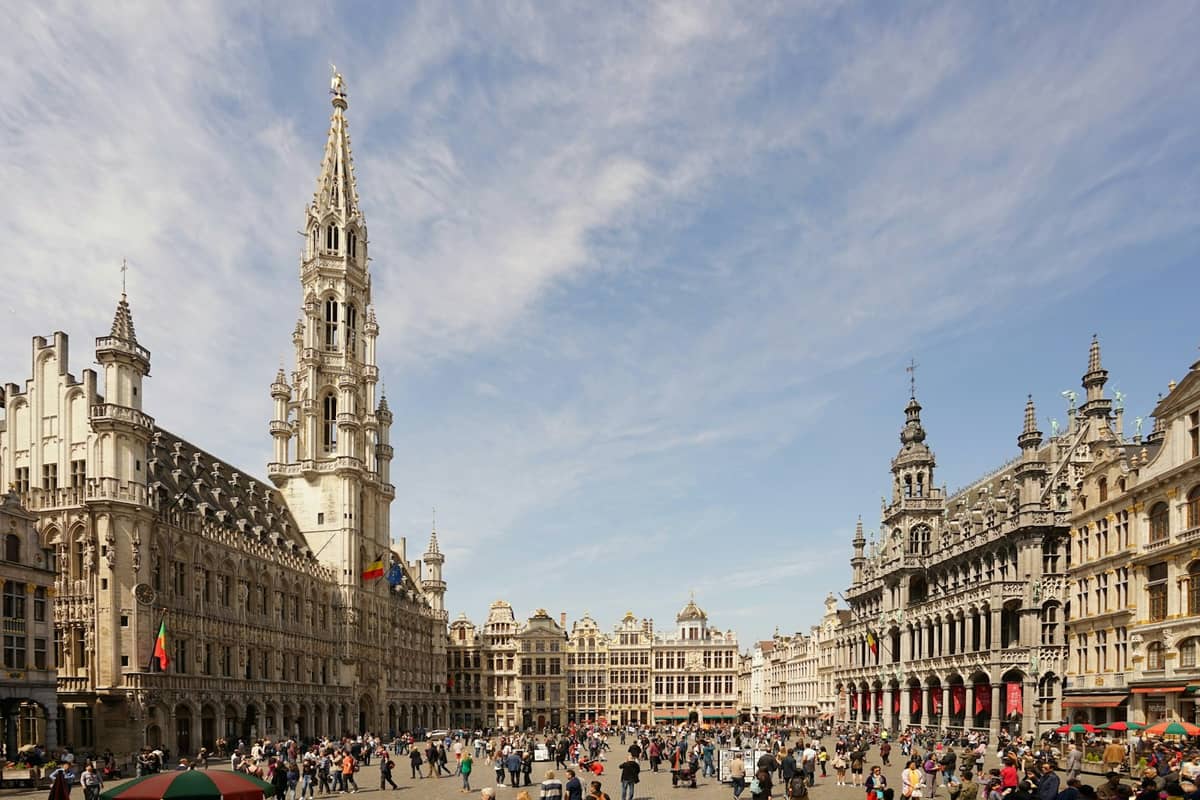
Plan and book this trip
Tools from our partner Travelpayouts help you compare flights and hotels. If you book through them, we may earn a commission at no extra cost to you.
Flights
Hotels map
TL;DR
- The best time to visit Brussels for most travellers is May to June or September, when temperatures are mild (highs of 18-20°C), crowds are manageable, and prices are lower than peak summer.
- July and August are warmest but bring the most tourists and highest accommodation prices, especially around major events like the biennial Flower Carpet.
- December is surprisingly worthwhile if you time it for the Christmas market, though hotel rates spike and Grand-Place gets extremely crowded on weekends.
- January and February are the cheapest months and ideal for museum-focused trips, with almost no queues at major attractions.
- Brussels has a temperate oceanic climate with rain spread across all 12 months, so pack a compact umbrella regardless of when you travel. See our rainy day activities guide for backup plans.
Brussels Climate: What You're Actually Dealing With
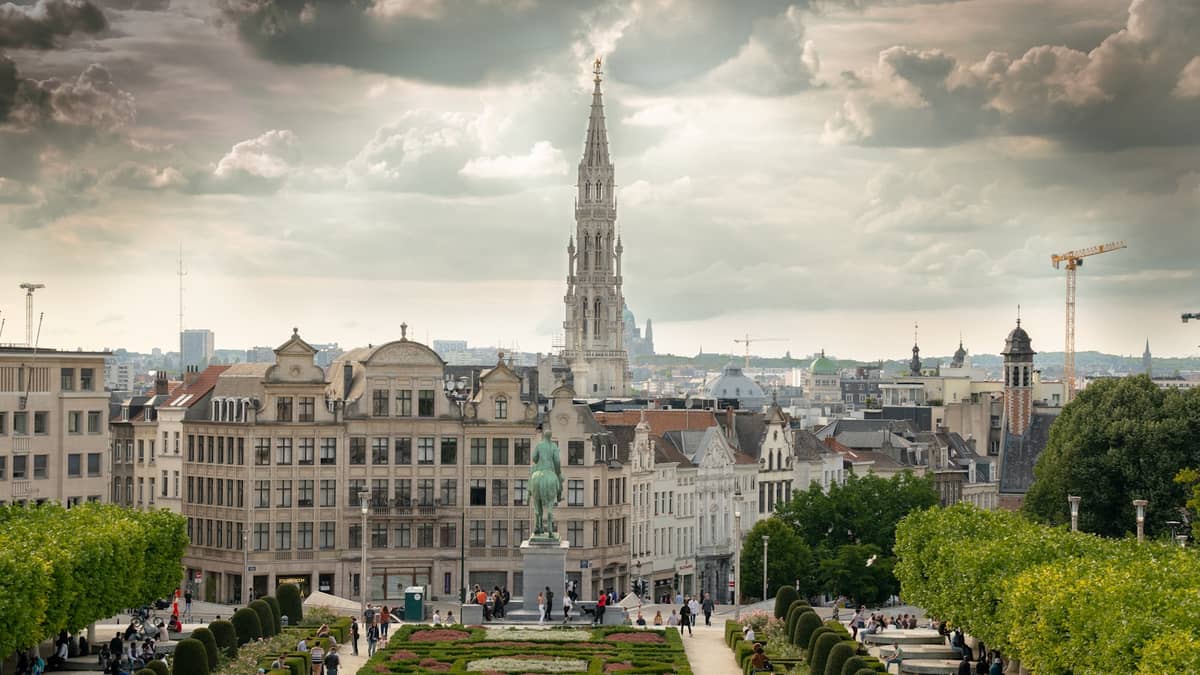
Brussels sits at roughly 50.85°N latitude in the Brussels-Capital Region, Belgium's federal region separate from the country's provinces. Its temperate oceanic climate means four genuine seasons, with no extreme heat and no harsh winters. The catch is rainfall: around 800mm per year, distributed fairly evenly across every month. There is no dry season in the traditional sense, only spring months (particularly April) that trend slightly drier than the rest.
Summer highs sit around 22-23°C in July and August, which is pleasant for outdoor sightseeing but occasionally disrupted by short heatwaves in recent years. Winters are grey and damp rather than brutal: January averages a high of just 5°C, but snow is infrequent and rarely sticks for long. The bigger challenge in winter is the limited daylight, with the sun setting before 5pm from November through January.
- Spring (March-May) March highs around 10°C rising to 18°C by May. The least rainy stretch of the year. Tulip season in parks. Increasingly busy by mid-May.
- Summer (June-August) Highs of 20-23°C. Long days, outdoor terraces packed, major events. Peak prices from late June onwards.
- Autumn (September-October) September stays warm at around 19°C high. October drops to 14°C. Golden light, fewer tourists, reasonable rates.
- Winter (November-February) Highs of 5-9°C. Dark and damp, but Christmas market (late November to January) transforms December entirely. January-February are bare-bones quiet.
💡 Local tip
Brussels weather is genuinely unpredictable in spring and autumn. A week of 22°C sunshine in April is perfectly possible, as is three days of cold rain in August. Layers and a waterproof layer serve you better than committing to one weight of clothing.
Month-by-Month Breakdown: Crowds, Prices, and What's On
January and February are Brussels at its quietest. Hotels drop to their lowest rates, the main museums have essentially no queues, and the city feels genuinely local. The Royal Museums of Fine Arts, the Magritte Museum, and the Musical Instruments Museum are all comfortably explorable without booking weeks ahead. The trade-off is obvious: cold, dark, and few outdoor draws. That said, for a trip focused on indoor culture and Belgian cuisine, this period is underrated.
March marks the turn. Temperatures start climbing toward 10°C by month's end, and the first weekend markets begin reappearing. By April, the Grand-Place area starts to fill again, and the Easter long weekend brings a noticeable spike in visitors and prices. April can offer excellent value on weekdays but should be treated as shoulder season rather than quiet season.
May is consistently the month most experienced Brussels visitors recommend. Average highs reach 18°C, daylight stretches past 9pm by month's end, and the city's parks and outdoor cafes come into their own. Accommodation prices are still below summer peaks, and the main attractions are busy but not oppressive. It is also when Brussels's Art Nouveau architecture is best appreciated on foot, before the heat of full summer.
June and July are peak season in every sense. The Ommegang historical pageant, a spectacular theatrical procession across Grand-Place, typically takes place in late June or early July and draws significant crowds. Check the official Visit Brussels calendar for exact dates each year. The Grand-Place itself becomes extremely busy on summer evenings, which is part of the appeal, but budget for higher hotel rates across the board.
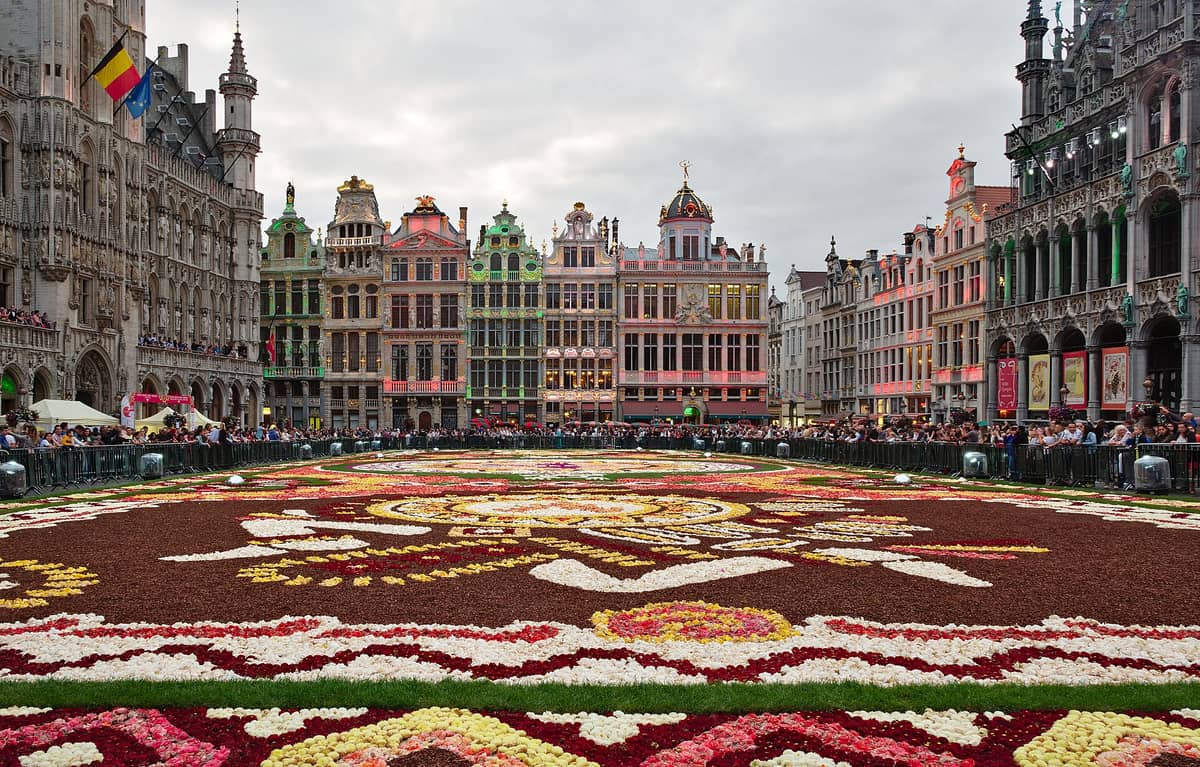
August brings the year's hottest temperatures (highs of 23°C on average) and, in even-numbered years, the Flower Carpet: a massive floral mosaic covering Grand-Place for four days in mid-August. This biennial event is genuinely spectacular but adds a significant crowd surge. If the Flower Carpet aligns with your trip, book accommodation three to four months in advance. In odd-numbered years, August is simply busy summer without that extra draw.
September is arguably the smartest month to visit Brussels. Highs hold at around 19°C, the summer crowds have thinned, and hotels return to more reasonable rates. It is also Brussels's contemporary art season opener and a strong month for brewery visits and outdoor dining before the weather turns. October is pleasant for the first half but increasingly rainy and cool as the month progresses.
November is a transition month: grey, often wet, and without the December payoff of the Christmas market. It is one of the weaker months unless you specifically want very low prices and do not mind limited daylight. December is an entirely different story. The Brussels Christmas Market (Winter Wonders) runs from late November into early January and transforms the city centre into one of Europe's most atmospheric festive settings. Grand-Place in early December, lit up and filled with mulled wine stalls, is objectively impressive. The downside: weekend crowds are intense, prices spike, and the experience can feel more theme park than city by mid-December peak.
⚠️ What to skip
Brussels hosts several major EU summits and international conferences throughout the year, particularly in the European Quarter. These events can cause sharp short-term spikes in accommodation prices that have nothing to do with tourism season. If you see hotel rates suddenly doubling for a specific week, check whether a summit is scheduled. Mid-week rates can be higher than weekends during these periods.
Best Time to Visit Brussels for Specific Interests
- Art and museums January-February or October-November. No queues, full opening hours, and the city's world-class indoor culture is unaffected by season.
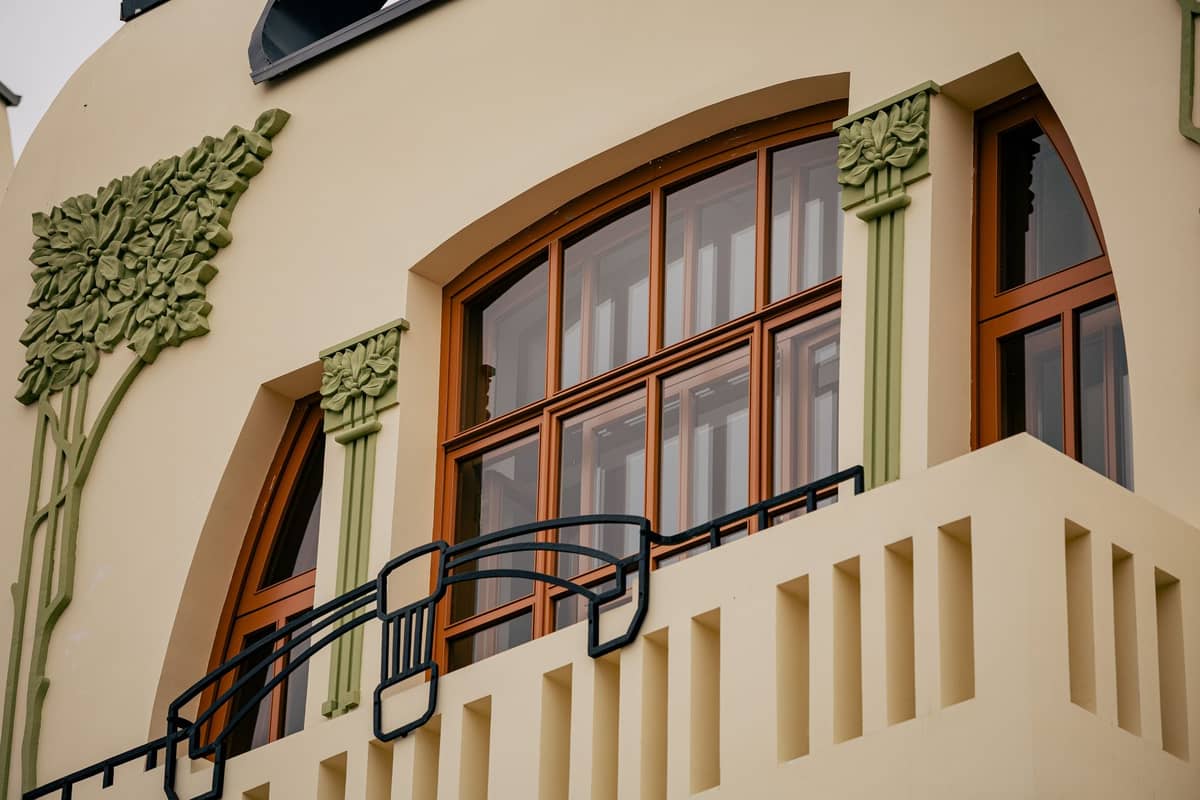
- Architecture and walking May or September. Comfortable temperatures for extended walks through the Art Nouveau streets of Ixelles and Saint-Gilles without summer heat or winter dark.
- Beer and food culture Year-round, but September and October are ideal: harvest season beers appear in bars, terrace dining is still possible, and crowds are lighter.
- Families with children Late June to early August for the full range of outdoor activities, the Atomium, and Mini-Europe at their most accessible.
- Budget travel January, February, or early March. Lowest hotel rates, no competition for tables, and full access to free or low-cost attractions.
- Romantic trips May or early December (before mid-month crowds peak). Both offer atmosphere without the chaos of high summer or peak Christmas.
For travellers interested specifically in Brussels's Art Nouveau architecture, the shoulder seasons are ideal. The Horta Museum and the key facades in Saint-Gilles and Ixelles are best appreciated at a leisurely pace, which is harder to manage when tour groups are at peak density in July.
Key Annual Events That Should Influence Your Trip
Brussels has a strong events calendar, and a few of these genuinely warrant planning your trip around them rather than just accepting them as a bonus.
- Ommegang (late June/early July) A theatrical historical pageant on Grand-Place re-enacting a 16th-century procession. Tickets sell out well in advance. Worth timing your trip around if pageantry and medieval history interest you.
- Flower Carpet (mid-August, even years only) Roughly 600,000 begonias arranged into an enormous mosaic on Grand-Place. Free to view from the square; ticketed viewing from the Town Hall balcony. Biennial: check the year before booking.
- Winter Wonders Christmas Market (late November to early January) One of the most atmospheric in Europe when caught on a weekday evening. Avoid Saturday afternoons in December when the crowds make it genuinely unpleasant to move through the centre.
- Belgian National Day (July 21) Military parade and celebrations in the Royal Quarter. The city centre is festive and busy. Not a major draw for international visitors on its own but adds colour if you are already there in late July.
- Brussels Flower Carpet (biennial) See above. The off-years mean August is significantly quieter.
✨ Pro tip
If you want to see the Flower Carpet without the crowds, position yourself at Grand-Place early on the Thursday evening when the carpet is first completed. By Saturday, the queues for the Town Hall balcony viewing platform can stretch for over an hour.
Practical Planning: Getting There and Getting Around
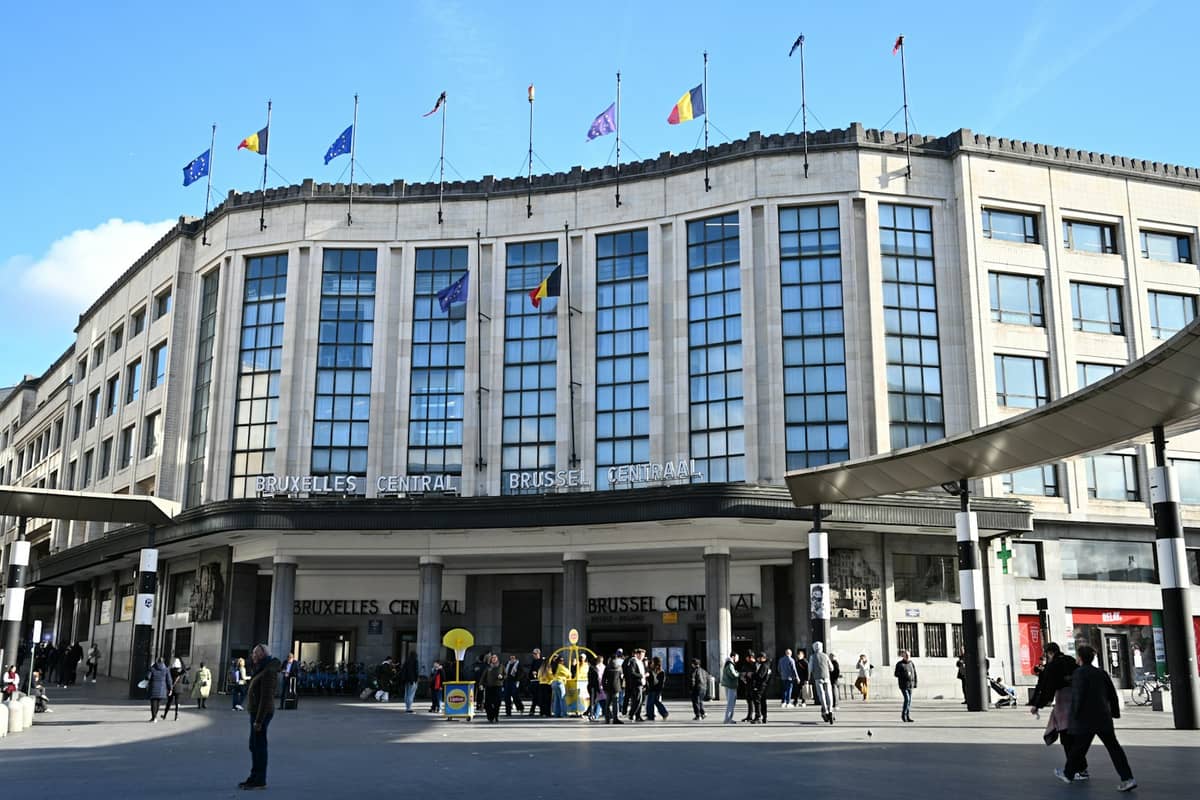
Brussels is served by two airports. Brussels Airport (IATA: BRU) in Zaventem is around 12km northeast of the city centre and connects to central Brussels by SNCB/NMBS train in roughly 17-25 minutes. Current one-way fares including the airport supplement run approximately €9-13; confirm current pricing with SNCB before travel. Taxis from BRU to the centre typically cost €40-55 for a standard metered vehicle. For full transfer options, see our Brussels Airport guide.
Brussels South Charleroi Airport (CRL), used by low-cost carriers including Ryanair, is significantly farther from the city. Transfer services to central Brussels run approximately €100 for a direct private transfer. Budget for the extra travel time (around 60-90 minutes) and cost when comparing apparent fare savings.
Within the city, the STIB/MIVB network covers metro, tram, and bus routes across the Brussels-Capital Region. For seasonal visitors, a day pass or multi-trip card is usually the most practical option. For a full breakdown of how to move between the city's main districts, see the getting around Brussels guide. Brussels is also compact enough that many of the main attractions in the city centre, Sablon, and the European Quarter are walkable from each other.
Is Brussels Worth Visiting Off-Season?
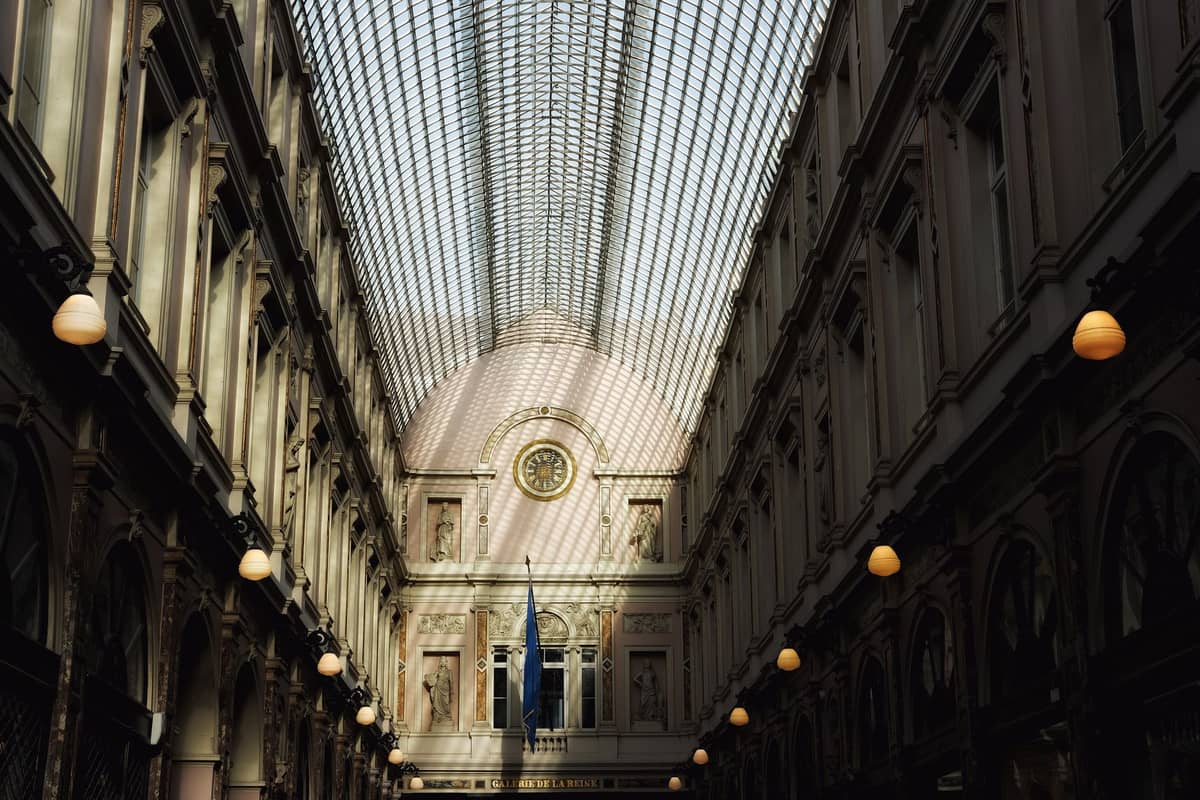
The honest answer is yes, with adjustments. Brussels is primarily a cultural and culinary destination, and neither its world-class museums nor its chocolate shops nor its beer cafes are dependent on weather. The city's EU institutions and international character mean there is consistent visitor infrastructure year-round, unlike more seasonal beach or mountain destinations.
The case against visiting in November specifically is that it offers neither the value of January-February nor the festivity of December. If your dates fall in November, focus the trip on indoor experiences: the Bozar cultural centre, the Comic Strip Center, the Musical Instruments Museum, and the Sablon antique market on weekends. These work regardless of the weather outside.
For budget-conscious travellers, January and February represent genuinely good value in a city that is not cheap by default. Hotel rates drop significantly, and many free attractions in Brussels remain fully accessible. The first Sunday of the month is particularly useful: several major Brussels museums offer free admission on that day.
FAQ
What is the best month to visit Brussels?
May and September are the most consistently recommended months. May offers mild temperatures (highs around 18°C), the lowest rainfall of the year, and prices below summer peaks. September retains summer warmth while crowds and hotel rates drop noticeably after the August peak.
Is Brussels cold in winter?
Brussels winters are grey and damp rather than severe. January averages a high of around 5°C and snow is infrequent. It is cold enough to require a proper coat and layers, but not cold enough to limit what you can do. The bigger issue is limited daylight: the sun sets around 4:30-5pm from November to January.
When is Brussels most crowded with tourists?
July and August are peak tourist months, with Grand-Place and the main city centre attractions at their most congested. The biennial Flower Carpet in mid-August adds a further surge in even-numbered years. The Brussels Christmas Market also brings intense weekend crowds from late November through late December.
How far in advance should I book accommodation for Brussels?
For visits during May, July-August, or December, booking two to three months ahead is advisable for reasonable rates. For the Flower Carpet (even years, mid-August) or the Ommegang pageant, book three to four months ahead. January and February require no advance planning from a availability perspective.
Does Brussels have a rainy season?
Not in the tropical sense. Rainfall is distributed fairly evenly year-round at around 800mm annually. Summer and autumn tend to see the most rainy days statistically, while April and September are relatively drier. A compact umbrella or waterproof jacket is worth carrying in any month.