Belgian Beer in Brussels: A Complete Guide to Breweries, Museums & Tastings
Brussels sits at the heart of one of the world's great beer cultures. This guide covers every major brewery, museum, and tasting experience in the city, with clear pricing, practical logistics, and the context to understand what makes Belgian beer genuinely different.
Plan and book this trip
Tools from our partner Travelpayouts help you compare flights and hotels. If you book through them, we may earn a commission at no extra cost to you.
Flights
Hotels map
TL;DR
- Brussels has three headline beer attractions for most visitors: Cantillon Brewery, Belgian Beer World at the Bourse, and the Belgian Brewers Museum on Grand-Place.
- A self-guided visit to Cantillon Brewery costs €9 per person and is the closest you can get to traditional lambic production in the city.
- Guided beer tasting tours typically run €38–€90 per person for 2.5–4 hours, depending on inclusions.
- Not all Belgian beer is high-alcohol: lambic, gueuze, and table beers are part of the same tradition and worth seeking out.
- Check brewery websites before you visit — Cantillon closes on Wednesdays, Sundays, and multiple public holidays throughout the year. See the best time to visit Brussels for broader seasonal planning.
Why Brussels Is the Right Base for Belgian Beer
Belgium produces over 1,500 distinct beers across dozens of recognised styles, and while cities like Ghent and Bruges have strong beer cultures, Brussels functions as the country's brewing capital in terms of institutions, infrastructure, and access. It's home to the only working lambic brewery open to visitors in the city proper, the national brewing museum, and the newest large-scale beer experience in Europe. It's also where the industry's regulatory and trade bodies are based.
Beyond the attractions themselves, Brussels has a concentration of specialist beer bars that would be difficult to match elsewhere in the country. The area around Grand-Place and the Îlot Sacré has several good options, though some trade heavily on tourist footfall rather than genuine curation. The Dansaert and Saint-Géry neighbourhood tends to have more serious beer bars alongside its craft beer scene.
ℹ️ Good to know
Belgian beer culture was inscribed on UNESCO's Intangible Cultural Heritage list in 2016. This recognition covers not just production methods but the social rituals around drinking — the specific glassware for each style, the serving temperatures, and the role of café culture in Belgian life.
The Three Core Beer Attractions
If you do nothing else on the Belgian beer trail in Brussels, these three stops cover the full spectrum: historical context, living production, and contemporary education.
- Cantillon Brewery (Brasserie Cantillon / Brussels Museum of the Gueuze) Located at Rue Gheude 56 in Anderlecht, about 1.5 km southwest of Grand-Place. This is a working lambic brewery that has been producing spontaneously fermented beer since 1900. Self-guided visits cost €9 per person (children under 14 free); guided tours run around €13. Open Mon, Tue, Thu, Fri, and Sat from 10:00–16:00 (shop until 17:00). Closed Wednesdays, Sundays, and all public holidays — check the official website for the annual closure schedule before planning your trip.
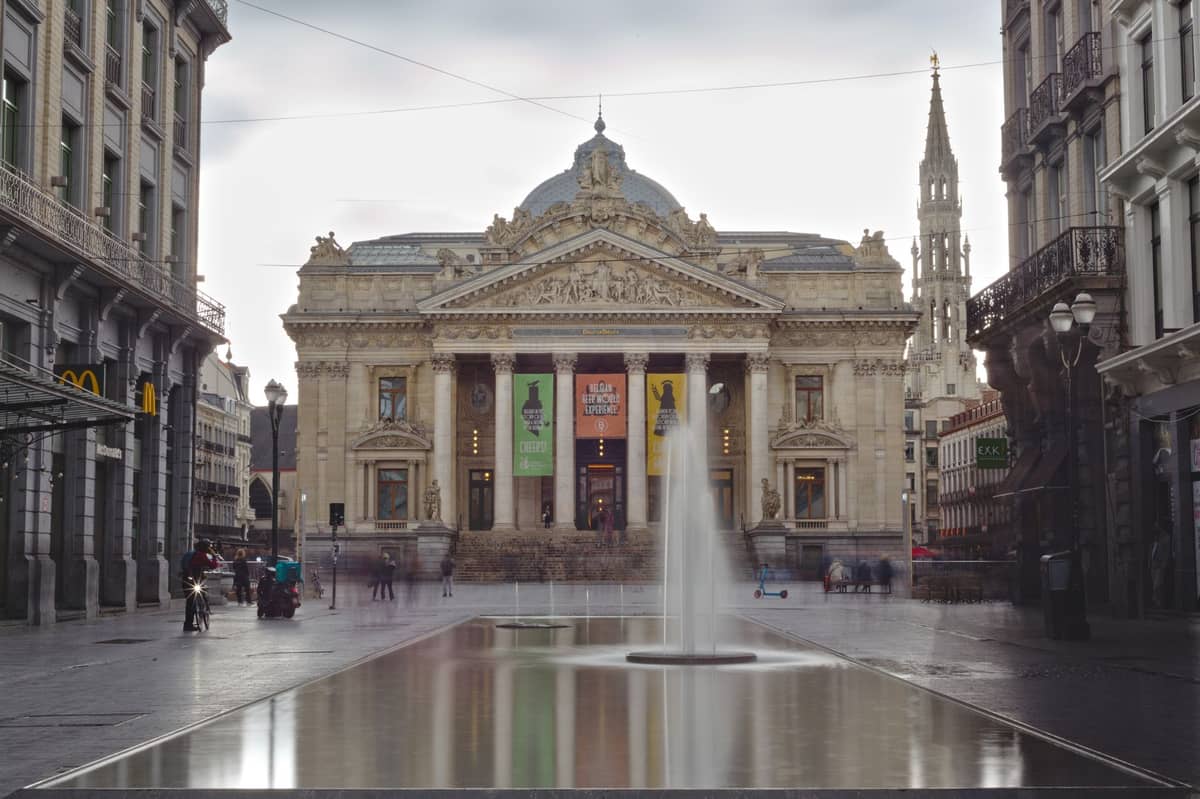
- Belgian Beer World (inside the Bourse) Opened in 2021 inside the renovated Brussels Stock Exchange on Boulevard Anspach 80, this is the largest and most modern Belgian beer experience in the country. Open seven days a week: Mon–Thu and Sun from 10:30–19:30, Fri–Sat from 10:30–20:30. Interactive exhibits cover all major Belgian styles, brewing history, and the country's beer regions. Tickets should be checked on the official site as prices and inclusions have evolved since opening.
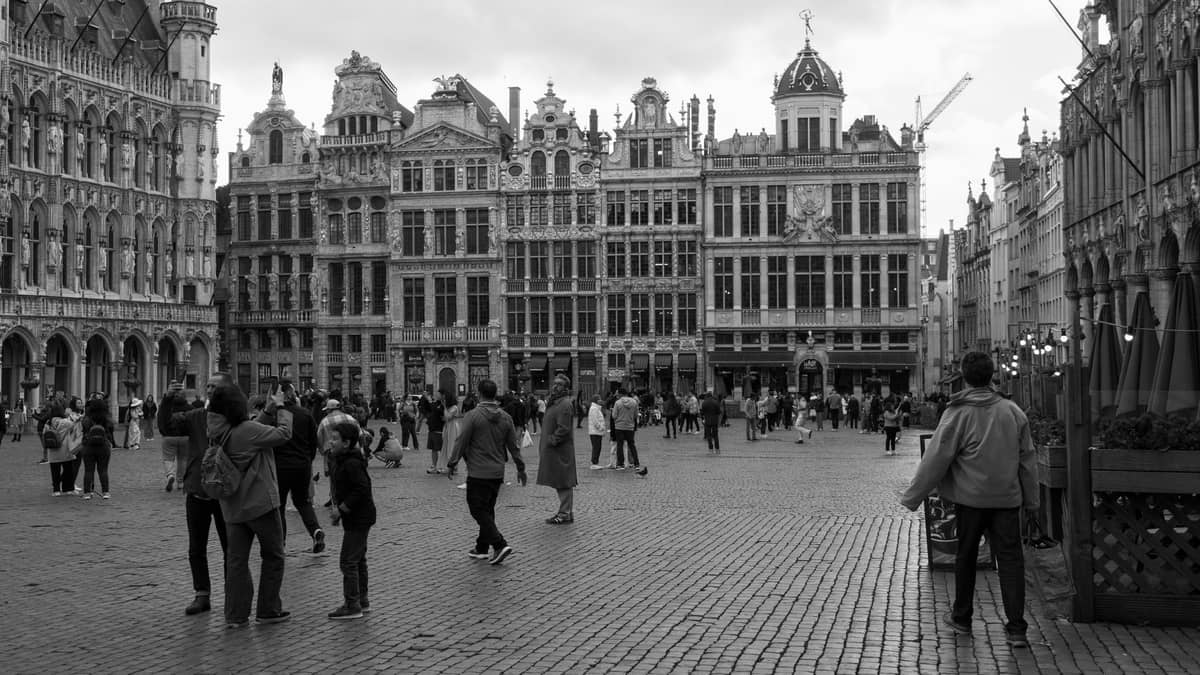
- Belgian Brewers Museum (House of Belgian Brewers) Situated directly on Grand-Place at number 10, inside the historic House of the Brewers' Guild. Open daily 10:00–17:00. Individual tickets are €5 and include a beer at the bar; group rates (10+ people) are €4 per person. The museum focuses on traditional brewing equipment and the history of Belgian brewing guilds. It's compact and suits visitors who want historical context without a full half-day commitment.
Of the three, Cantillon is the most intellectually rewarding for serious beer enthusiasts but requires the most planning due to its limited opening hours. Belgian Beer World is the best choice for first-time visitors or those travelling with people who are not beer specialists, since its scope is broader and access is easier. The Belgian Brewers Museum is a logical add-on if you're already spending time around Grand-Place.
⚠️ What to skip
Cantillon closes for an extended period in late July each year and observes a long list of Belgian public holiday closures. Dates change annually — the brewery lists them on its 'Visites' page. Do not assume it will be open on a weekday without checking first. Dogs are not permitted inside for hygiene reasons.
Understanding Lambic: Brussels' Native Beer Style
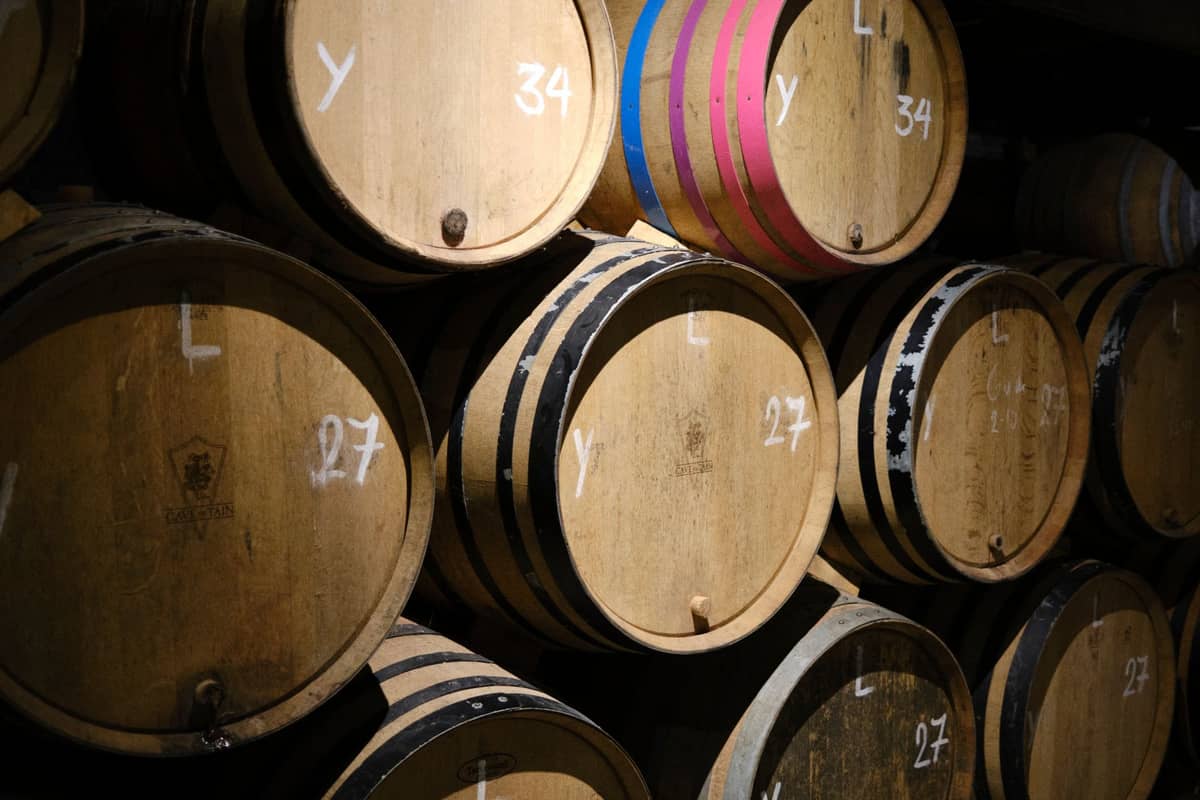
Lambic is the beer style that is uniquely tied to the Brussels region and the Senne valley. Unlike virtually every other commercially produced beer in the world, lambic is fermented using wild airborne yeasts and bacteria rather than cultivated yeast strains. The fermentation process is entirely spontaneous, meaning the brewer adds no yeast at all. Wort is left overnight in wide, shallow copper vessels called coolships, exposed to the night air, and then transferred to oak barrels where fermentation occurs over months or years.
The result is a beer that is tart, funky, and complex in ways that bear little resemblance to what most people picture when they think of beer. Young lambic is flat, sour, and almost cidery. Gueuze is a blend of young and old lambic that undergoes secondary fermentation in the bottle, producing natural carbonation and greater complexity. Kriek and framboise are lambics refermented with sour cherries or raspberries. These are not sweet fruit beers in the commercial sense — traditional versions are bone dry and intensely tart.
Authentic spontaneously fermented lambic and traditional gueuze are produced by only a small number of breweries, most of them in Brussels and the surrounding Pajottenland region southwest of the city. Cantillon is the primary producer with open visitor access in Brussels itself. Bars that stock a serious range of lambic producers — Cantillon, Boon, Lindemans (traditional expressions), Girardin, Tilquin — are worth identifying in advance, as the style is not universally available.
✨ Pro tip
If you want to explore authentic gueuze beyond Cantillon, ask specifically for 'traditional' or 'unfiltered' gueuze at specialist beer bars. Many bars stock sweetened commercial versions labelled 'gueuze' that bear little relation to the traditional style. The difference in taste is significant.
Beer Tours and Tasting Experiences: What to Expect and What to Pay
Guided beer tours in Brussels range considerably in price, format, and quality. The most common format is a walking tour that visits three to five bars or pubs across the city centre, with a guide explaining Belgian beer styles along the way. These typically last 2.5–4 hours and include a set number of tastings. Expect to pay roughly €38–€90 per person for a well-structured group tour.
- A 2.5-hour Belgian beer tasting experience with a local guide typically starts from around €38–€41 per person.
- A 4-hour tour with seven beers and snacks included runs from approximately €79 per person.
- Specialist operators like Beer Secret list Brussels brewery tours from around €68.50 for 2.5–3 hours, with premium lambic-focused private tours from approximately €185.
- Craft brewery-focused guided tours, bookable via platforms like Viator, are priced from around €80–€90 per person.
- Budget-end tastings on booking platforms start from around €23–€36 per person for shorter or self-guided formats.
Quality varies significantly at the lower price points. A tour that visits three central bars for €25 is unlikely to involve any real depth of knowledge or access to interesting producers. For context on Belgian beer styles beyond the mainstream, prioritise tours led by operators who specifically focus on lambic, saison, or Trappist brewing rather than generalist pub crawls. Reading recent reviews on booking platforms will give you a clearer picture of guide quality than price alone.
If you prefer to explore independently, Brussels has enough specialist beer bars to fill a full day without a guide. Pairing a self-guided visit to Cantillon with an evening in the bars around the Sablon or Saint-Géry gives you a solid range of styles and settings. For a broader framework of things to do while you're in the city, the things to do in Brussels guide covers the wider picture.
Belgian Beer Styles Worth Knowing Before You Visit
One of the most common misconceptions about Belgian beer is that it is uniformly strong. The country does produce some extremely high-alcohol beers — Trappist tripels and strong golden ales regularly exceed 8–9% ABV — but the tradition also includes genuinely sessionable styles. Understanding the range will make your time at bars and breweries considerably more productive.
- Lambic and Gueuze Spontaneously fermented, tart, and complex. Typically 5–6% ABV. Produced only in the Brussels-Senne valley area. Traditional versions are dry and funky; avoid sweetened commercial variants if you want the real thing.
- Saison Originally a farmhouse ale from Wallonia, dry and lightly spiced, typically 5–8% ABV. More widely produced now but historically associated with seasonal agricultural work.
- Belgian Blonde and Golden Ale Deceptively drinkable. Duvel is the archetype at 8.5% ABV. The light colour misleads many visitors into drinking more than intended.
- Trappist and Abbey Ales Belgium has six active Trappist breweries, none in Brussels, but their beers are widely available across the city. Dubbel (6–8%), Tripel (8–10%), and Quadrupel (10%+) are the main categories.
- Witbier (White Beer) Wheat-based, hazy, brewed with coriander and orange peel. Light and refreshing, typically 4.5–5.5% ABV. Hoegaarden is the most exported example.
- Table Beer (Tafelbier) Historically served to Belgian schoolchildren at lunch, typically under 1.5% ABV. Rarely exported, worth trying if you encounter it.
Practical Tips for Drinking Beer Well in Brussels
Service is typically included in restaurant and bar bills in Belgium, so tipping is not obligatory. Small rounding-up is common and appreciated but not expected. Most specialist beer bars will serve each beer in its dedicated glass — this is not affectation, different glass shapes genuinely affect carbonation, aroma, and flavour in styles like gueuze or tripel. If a bar serves a Trappist beer in the wrong glass, that's a signal about their priorities.
Brussels bars vary enormously in atmosphere and price. Bars immediately adjacent to Grand-Place charge a premium for their location. A beer that costs €3.50 in a neighbourhood bar in Ixelles or Saint-Gilles might run €6–€7 at a terrace bar fifty metres from the Manneken Pis. The beer in the glass is often identical. Venturing even ten minutes from the main tourist circuit saves money and produces a more authentic experience.
Beer tourism in Brussels fits naturally alongside food — Belgian fries, mussels, carbonnade flamande (beef cooked in beer), and waterzooi all pair well with specific styles. The what to eat in Brussels guide covers the food side in detail. For those planning a full itinerary around Belgian specialities including chocolate and waffles, the 2 days in Brussels guide offers a workable structure.
FAQ
What is the best brewery to visit in Brussels?
Cantillon Brewery is the most serious option for anyone genuinely interested in Belgian brewing tradition. It's a working lambic brewery that has operated continuously since 1900, and a self-guided visit costs €9 including two tastings. The limitation is its restricted hours: open Monday, Tuesday, Thursday, Friday, and Saturday from 10:00–16:00, closed Wednesdays, Sundays, and public holidays. For something more accessible with broader scope, Belgian Beer World inside the Bourse on Boulevard Anspach 80 is open seven days a week.
How much does a beer tour in Brussels cost?
Group beer tasting tours in Brussels typically cost roughly €38–€90 per person for 2.5–4 hours, depending on the number of tastings included and whether food is part of the package. Budget-end options on booking platforms start around €23–€36. Specialist private tours focused on lambic breweries can reach €185 or more per person. Check current prices on Viator, GetYourGuide, or directly with operators like Beer Secret before booking.
What is lambic beer and where can I try it in Brussels?
Lambic is a style of beer unique to the Brussels region and the Senne valley, produced by spontaneous fermentation using wild airborne yeasts rather than cultivated yeast strains. It is tart, complex, and very different from most commercial beer. Cantillon Brewery in Anderlecht is the best place to try it in Brussels — they produce lambic, gueuze, kriek, and framboise on site. Some specialist beer bars also stock bottles from other traditional producers like Boon, Girardin, and Tilquin.
Is Belgian beer only strong? Can I find lower-alcohol options?
Belgian beer covers a wide ABV range. While the country is famous for high-alcohol styles like Trappist tripels (8–10%) and strong golden ales, it also produces lambic and gueuze (typically around 5–6%), witbier (4.5–5.5%), saison (5–7%), and historically even table beer under 1.5% ABV. Belgian Beer World and the Belgian Brewers Museum both cover the full range of styles in their educational content.
How do I get to Cantillon Brewery from Brussels city centre?
Cantillon is located at Rue Gheude 56, 1070 Brussels (Anderlecht), roughly 1.5 km southwest of Grand-Place. The easiest public transport option is the metro to Clémenceau station (Line 2/6) or the tram, from which the brewery is a short walk. It's also walkable from Brussels-Midi station in about 10 minutes. The STIB/MIVB network (Brussels' urban transport operator) covers the area well.