Brussels to Bruges: The Complete Day Trip Guide
Bruges is Belgium's most visited city for good reason, and from Brussels it takes under 70 minutes by direct train. This guide covers every transport option, what to expect on arrival, the best way to structure your day, and the honest truth about crowds, costs, and whether one day is actually enough.
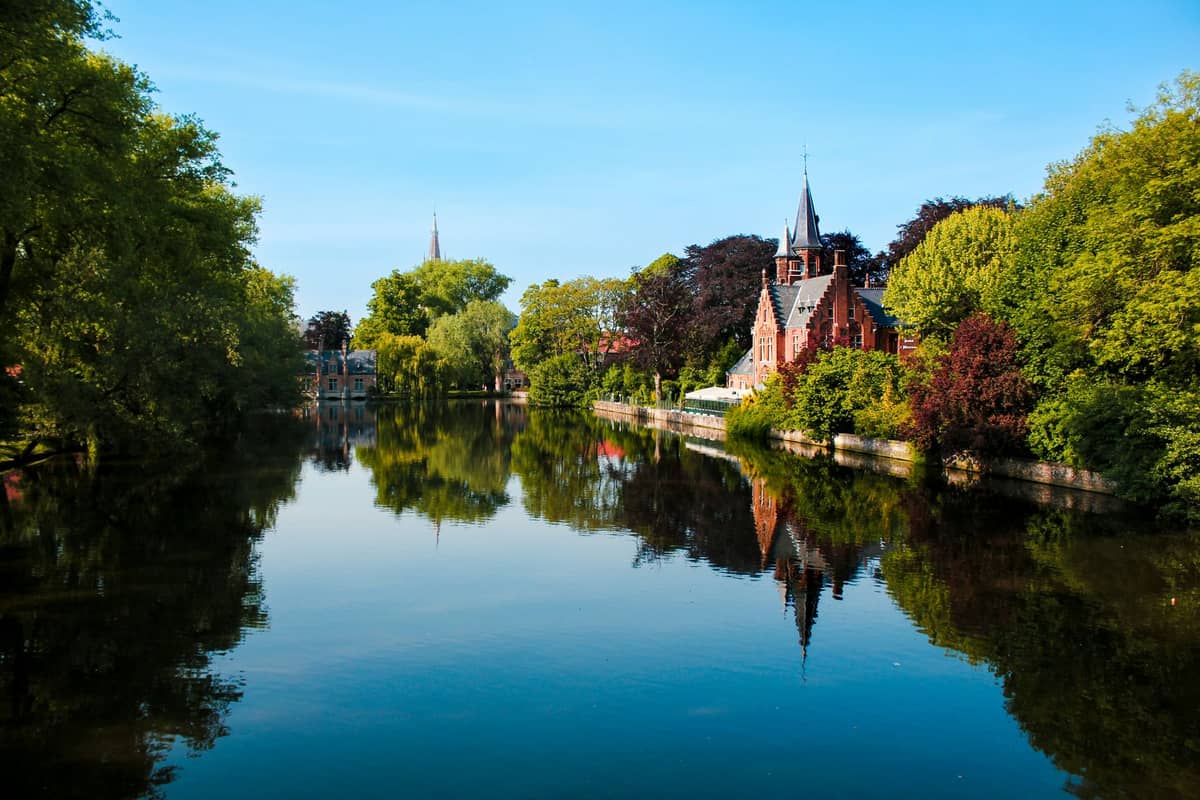
Plan and book this trip
Tools from our partner Travelpayouts help you compare flights and hotels. If you book through them, we may earn a commission at no extra cost to you.
Flights
Hotels map
TL;DR
- The Brussels to Bruges train takes around 55-65 minutes on a direct IC service from Brussels-Midi, Brussels-Central, or Brussels-Nord, with departures roughly every 30 minutes.
- Standard second-class fares are approximately €17 each way. Unlike many European routes, buying in advance does not reduce the price on domestic Belgian trains.
- Bruges is extremely popular in summer and at Christmas. Arriving before 10:00 makes a significant difference to your experience.
- One full day is sufficient to cover the historic centre on foot. If you also want canal boat trips, museum visits, and slower meals, a second day adds real value.
- For context on what to do once back, see the things to do in Brussels guide or plan your broader Belgium itinerary with the 2 days in Brussels guide.
Getting from Brussels to Bruges by Train
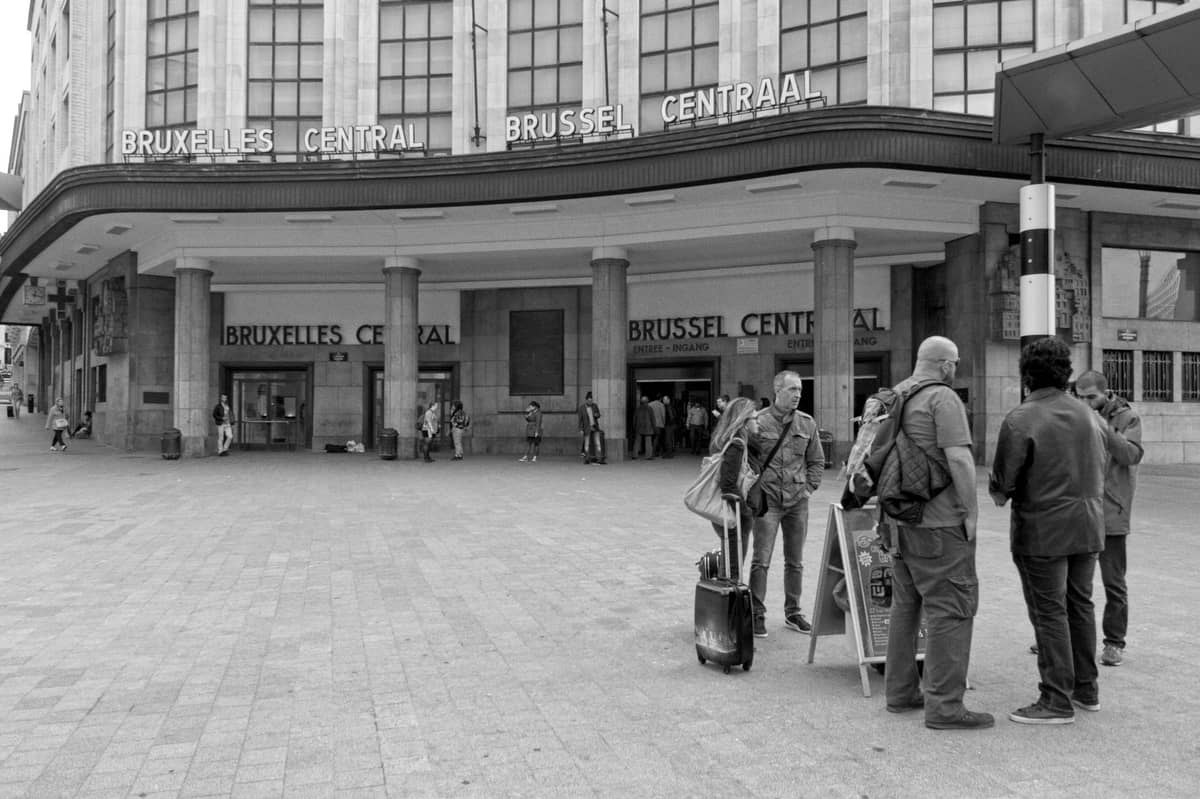
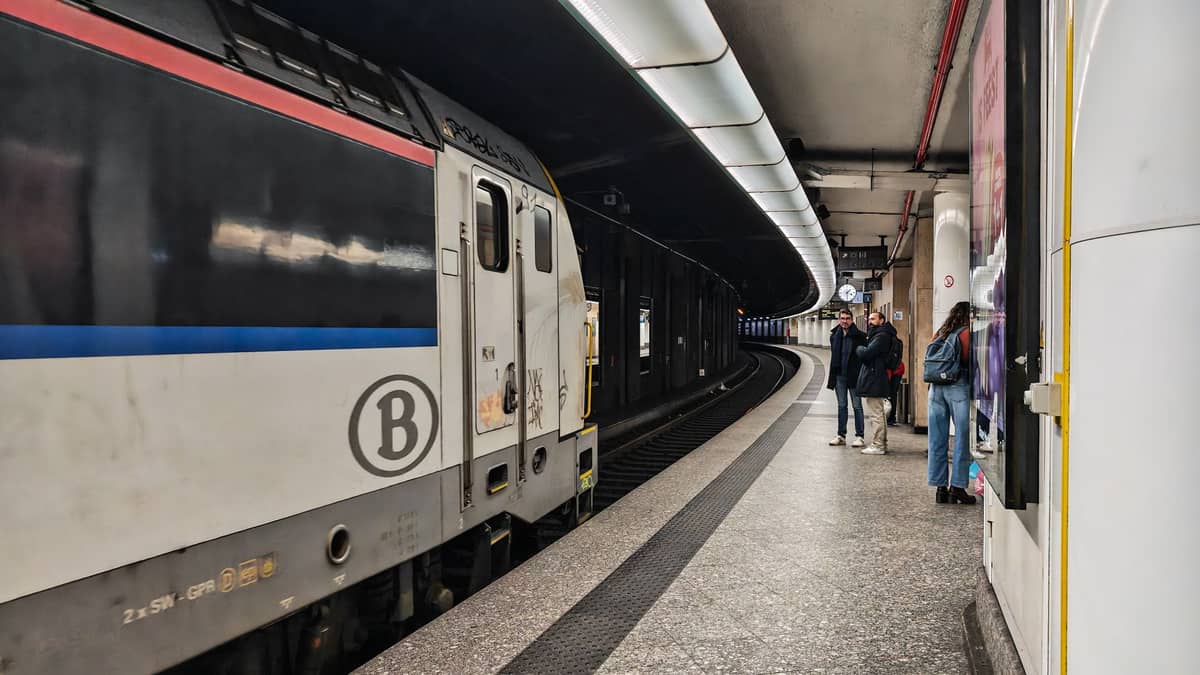
The train is the default choice for this route, and for good reason. SNCB (Belgian National Railways, also known as NMBS in Dutch) operates direct IC intercity trains from Brussels-Central, Brussels-Midi, and Brussels-Nord to Bruges (Brugge) with an average journey time of about 1 hour and 4 minutes. Services run throughout the day, and in practical terms you can leave Brussels after a leisurely breakfast and be walking the canals before 10:00.
Brussels-Midi (also called Brussel-Zuid) has the most frequent departures, often every 15-20 minutes at peak times. Brussels-Central and Brussels-Nord also have direct services, typically every 30 minutes. If you are arriving from Paris or London on Eurostar, Brussels-Midi is your natural boarding point. If you are staying near the Grand-Place or the European Quarter, Brussels-Central is more convenient. The departure board will show Bruges under its Dutch name, Brugge.
ℹ️ Good to know
Domestic Belgian trains do not operate advance-purchase pricing. A standard second-class single ticket costs around €17 whether you book three months ahead or on the day. Weekend return tickets offer approximately 50% off the return leg, so if you are travelling both ways on a Saturday or Sunday, check for the Weekend Ticket option on the SNCB website or app. Youth and senior reduced fares also exist.
- Brussels-Midi / Brussel-Zuid Most frequent departures, best for travellers arriving via Eurostar or Thalys. Direct IC to Bruges, around 60 minutes.
- Brussels-Central / Brussel-Centraal Most convenient for the historic city centre and Grand-Place area. Direct IC, around 63 minutes.
- Brussels-Nord / Brussel-Noord Useful if staying in the north of the city or near Tour and Taxis. Direct IC, around 65 minutes.
Bus and Other Options
FlixBus runs a coach service from Brussels to Bruges, with journey times of approximately 1h20 to 1h45 depending on stops and traffic. Advance prices start from around €11-€12, making it cheaper than the train at the lowest fares. However, the time saving on the train is real, and bus departure points may not be as central as Brussels' main rail stations. Aggregator platforms like Omio and Rome2rio list the current schedules and cheapest fares.
Travelling from Brussels Airport (BRU) directly to Bruges is also possible by bus, with FlixBus and similar operators offering services in approximately 1 hour 55 minutes at similar price points of around €12-€16. This can be useful if you are arriving into Belgium and want to visit Bruges before even reaching the capital, though you should check baggage policies and luggage storage options in Bruges if planning to do this with heavy bags.
⚠️ What to skip
Driving between Brussels and Bruges takes roughly 1 hour under ideal conditions, but Belgian motorways into Bruges can back up badly on summer weekends and public holidays. Parking in central Bruges is also restricted and expensive. Unless you need a car for flexibility elsewhere, the train is almost always the better option for this specific day trip.
What to Expect When You Arrive in Bruges
Bruges railway station sits about 1.5 kilometres south of the Markt, the central square. The walk takes around 20 minutes through a pleasant park, or you can take one of the local buses from the station forecourt. Most visitors walk. The historic centre is compact and almost entirely flat, making it easy to cover on foot. A walking approach is also the best way to appreciate the medieval streetscape without missing the details that make Bruges genuinely impressive.
The core sights cluster within a compact area around the Markt and the Burg square. The Belfry, the Church of Our Lady, the Groeningemuseum (housing Flemish Primitive masterworks), the Memling Museum in Sint-Janshospitaal, and the canal network are all within comfortable walking distance of each other. Canal boat tours operate from several points along the ring canals and take around 30 minutes.
Be specific about where you want to eat before you go. The streets immediately around the Markt are largely tourist-facing, with menus and prices reflecting that. Move one or two streets away and the quality typically improves while the prices drop. The same applies to waffle stands and chocolate shops. Bruges has a genuine chocolate tradition, but not every storefront deserves equal attention.
Timing Your Visit: Crowds, Seasons, and the Rainy Day Problem
Bruges is one of the most visited cities in Europe relative to its size, and this is not an idle observation. The city's population is around 120,000, but it receives millions of visitors per year. In peak summer (July and August) and during the Christmas market period (late November through December), the narrow streets around the main sights can feel overwhelmed by midday. Weekend crowds are consistently heavier than weekday crowds throughout the year.
The practical implication is that if you are visiting in high season, take an early train. Leaving Brussels before 08:30 puts you in Bruges before the coach tours arrive. By 11:00 on a sunny Saturday in August, the queues for canal boats and the density around the Markt make a meaningful difference to how enjoyable the visit feels. Arriving early also means you can secure a table at a quieter breakfast spot and have the smaller streets largely to yourself for the first hour.
If you hit a rainy day, Bruges is actually one of the better day-trip destinations in Belgium to cope with poor weather. The indoor museum programme is strong, the covered shopping galleries offer shelter, and the canal views can look genuinely atmospheric under grey skies. Brussels itself has strong options for poor weather too, covered in the Brussels rainy day activities guide, so the decision of whether to go is less fraught than it might seem.
- Spring (April-May): Best balance of mild weather, manageable crowds, and good light. April is among the drier months in Belgium.
- Summer (June-August): Long days and warm temperatures, but peak crowds. Arrive before 09:30 or accept a busier experience.
- Autumn (September-October): Crowds thin from mid-September. Cooler but genuinely pleasant, with good colour in the parks and along the canals.
- Winter (November-March): The Christmas market in Bruges runs from 20 November 2026 to 14 February 2027 and is genuinely popular. Outside that window, weekday visits in January and February are as uncrowded as Bruges gets.
- Weekday vs weekend: Consistently less crowded on Tuesdays, Wednesdays, and Thursdays throughout the year.
✨ Pro tip
The Groeningemuseum is a key art museum in Bruges, housing works by Jan van Eyck, Hans Memling, and Gerard David. If you visit only one indoor attraction in Bruges, this is the one to prioritise. Allow at least 90 minutes. Check opening hours on the Visit Bruges website before building your day around it.
How to Structure a Day Trip from Brussels
A practical day in Bruges from Brussels looks roughly like this: depart Brussels-Midi around 08:15, arrive in Bruges around 09:20, walk into the centre by 09:45. Spend the morning exploring the Burg, the Markt, and the Belfry before crowds peak. Lunch somewhere off the tourist trail, then an afternoon canal boat trip followed by one or two museum visits. Return to Brussels on a late afternoon or early evening train, allowing you to be back in the capital for dinner.
If you are combining this with broader Belgium sightseeing, Bruges fits naturally at either end of a longer trip rather than in the middle, since it is a terminus city on the rail network and does not connect onward easily without backtracking through Ghent or Brussels. For a fuller picture of regional day trips, the day trips from Brussels guide covers Ghent, Antwerp, Namur, and other options with similar transport breakdowns.
Practical Details and Common Misconceptions
Several myths circulate about this route. First, you do not need to book Belgian domestic trains weeks in advance. Because SNCB's domestic pricing is flat rather than dynamic, there is no revenue-management discount for booking early on this route. The ticket price is the same on the day. Second, trains are not infrequent. With departures roughly every 30 minutes from multiple Brussels stations, you can turn up at the station and get on the next service without any planning stress. Third, buses are not always cheaper in practice. While FlixBus headline fares start around €11-€12, that is the cheapest advance booking. Once you factor in time, convenience, and journey reliability, the approximately €17 train fare is competitive.
One thing worth noting for visitors travelling from further afield: Belgium is part of the Schengen Area, so entry follows Schengen visa rules. If you are doing a Paris to Brussels train journey as part of a longer European trip, the Brussels to Bruges day trip sits naturally within that itinerary without any additional visa complexity.
For travellers budgeting carefully, it is possible to keep this day trip relatively affordable. The train is a fixed cost, but entrance fees, canal boats, and food can vary widely depending on your choices. The Brussels on a budget guide covers cost-saving strategies for the capital that apply equally to planning overall trip spend.
💡 Local tip
Bruges station has luggage lockers, which is useful if you are arriving in Belgium and want to visit Bruges before checking into a Brussels hotel. Confirm availability on the SNCB website or at the station, as locker capacity can be limited during high season.
FAQ
How long does the Brussels to Bruges train take?
Direct IC trains run in approximately 55-65 minutes depending on the departure station. SNCB quotes an average of about 1 hour 4 minutes. Brussels-Midi has the fastest and most frequent services.
How much does a Brussels to Bruges train ticket cost?
A standard second-class single ticket costs around €17 each way. Unlike high-speed European routes, Belgian domestic fares are fixed, so advance booking does not reduce the price. Weekend return tickets offer roughly 50% off the return leg when both journeys are on a Saturday or Sunday. Youth and senior discounts are available on SNCB's website.
Is one day enough for Bruges?
For most visitors, one full day covers the main sights: the Markt, the Belfry, the canal boat tour, and one or two museums. If you want a slower pace, time in smaller neighbourhoods, or multiple museum visits, a second day (or an overnight stay) adds real value. It depends on how you travel.
When is Bruges least crowded?
Weekdays in late autumn and winter, especially January and February outside the Christmas market period, see the lowest visitor numbers. If you are visiting in summer, arriving before 09:30 makes a significant practical difference, as the main sights become very busy by midday on weekends.
Can I visit Bruges from Brussels in a day trip if the weather is bad?
Yes, and it works reasonably well. The Groeningemuseum, the Memling Museum, and Sint-Janshospitaal are all strong indoor options. The canal atmosphere can also look dramatic under overcast skies. If you prefer to stay in Brussels on a rainy day, the city has excellent indoor alternatives including world-class museums and covered galleries.