Best Walking Tours & Self-Guided Walks in Brussels
Brussels rewards walkers more than almost any other European capital. This guide covers the best walking tours and self-guided routes in the city — from the medieval Grand-Place loop to Art Nouveau trails in Saint-Gilles — with honest breakdowns of costs, crowd patterns, and what to skip.
Plan and book this trip
Tools from our partner Travelpayouts help you compare flights and hotels. If you book through them, we may earn a commission at no extra cost to you.
Flights
Hotels map
TL;DR
- Free tip-based walking tours depart from Grand-Place daily; budget €10–20 as a fair tip.
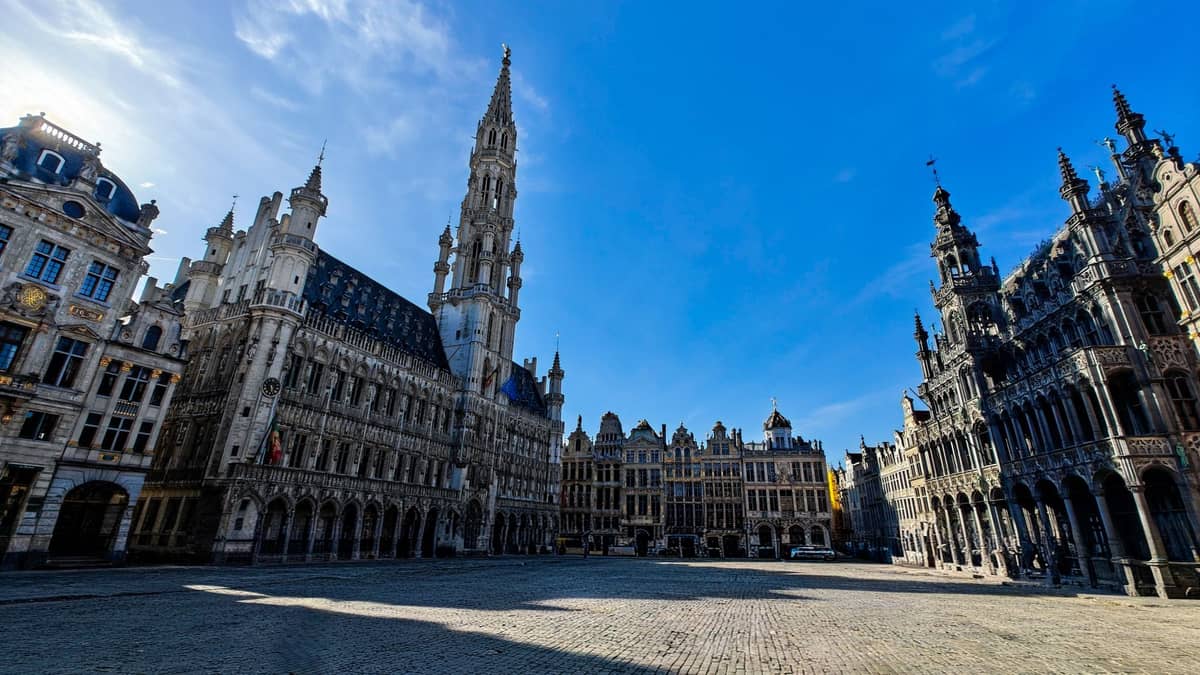
- The classic self-guided loop (Grand-Place to Sablon and back) covers about 5–6 km and takes 3–4 hours at a relaxed pace — see the Grand-Place for orientation.
- Paid small-group historical tours cost around €15–25 per person; private tours run €150–250 for 2–4 hours.
- The Comic Strip Trail (60+ murals across the city centre) is free to walk and fully self-guided — grab the dedicated map from the tourist office or check the Comic Strip Route before you go.
- Wear waterproof layers and comfortable shoes regardless of season — Brussels weather shifts fast and cobblestones punish flat-soled footwear.
Why Brussels Is Worth Exploring on Foot
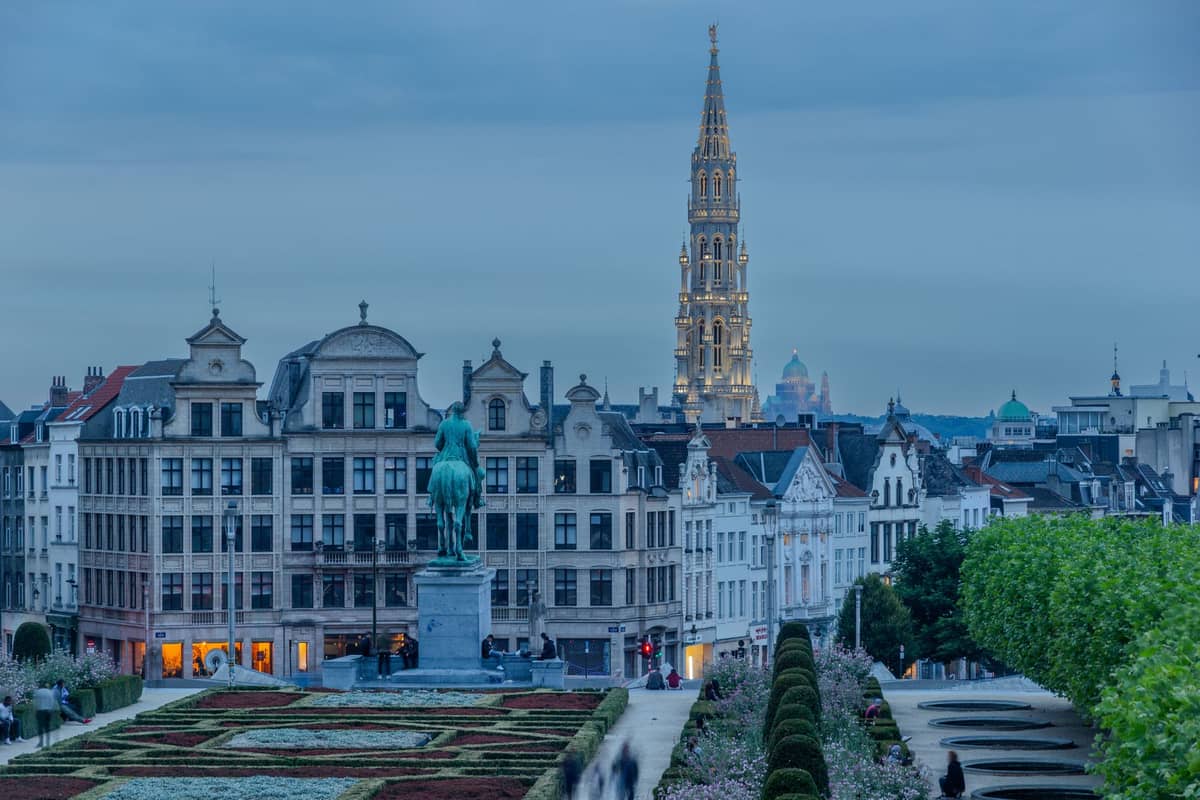
Brussels is a city that consistently surprises walkers. The historic Pentagon — the inner ring of medieval streets — packs an extraordinary density of architecture, from Gothic civic grandeur at the Brussels Town Hall to Baroque guild houses and Art Nouveau shopfronts, all within roughly 2 km of each other. Most of the major landmarks are free to view from the outside, which means a well-planned walking tour costs almost nothing beyond coffee and curiosity.
The terrain is manageable for most walkers, though not entirely flat. The city sits on gently rolling hills between roughly 50 and 100 metres above sea level, and the uphill climb from the lower town (around Grand-Place) to the upper town (Mont des Arts, the Royal Quarter) is noticeable. Allow extra time if you're walking with young children, elderly companions, or anyone who finds inclines uncomfortable.
💡 Local tip
The best light for photography at Grand-Place falls in the early morning (before 09:00) and late afternoon (after 17:00). Tour groups thin out significantly outside midday hours, making those windows far more pleasant for self-guided walkers.
Free Walking Tours: What You Actually Get
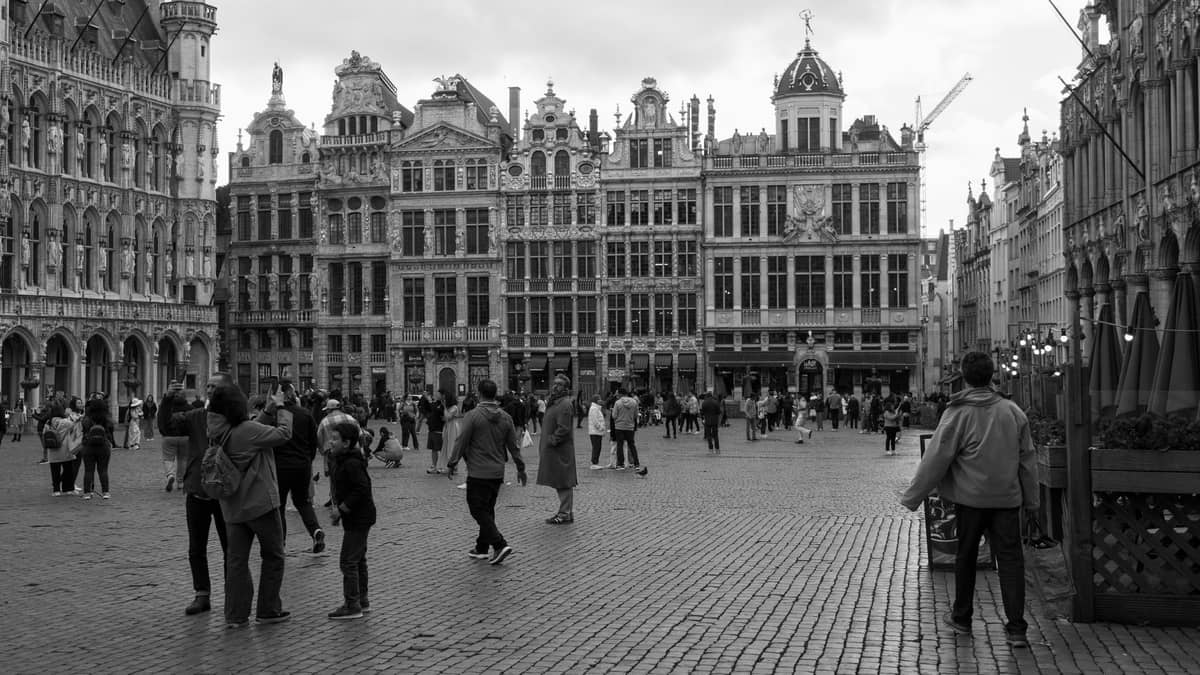
Several operators run free tip-based walking tours departing from or near Grand-Place regularly, including on many public holidays. Common start times are around 10:30 and 14:00, with tours lasting approximately 2 to 2.5 hours. Booking in advance is strongly recommended — these tours fill up, especially in summer and during the Christmas market season.
The 'free' label needs clarification. These tours operate on a voluntary contribution model: guides are not paid a salary and rely entirely on tips at the end. A reasonable tip is €10–20 per person for a good tour; paying less than €10 for a 2-hour guided experience is genuinely unfair to the guide. If you cannot or will not tip, a self-guided walk using a downloaded map is the more honest choice.
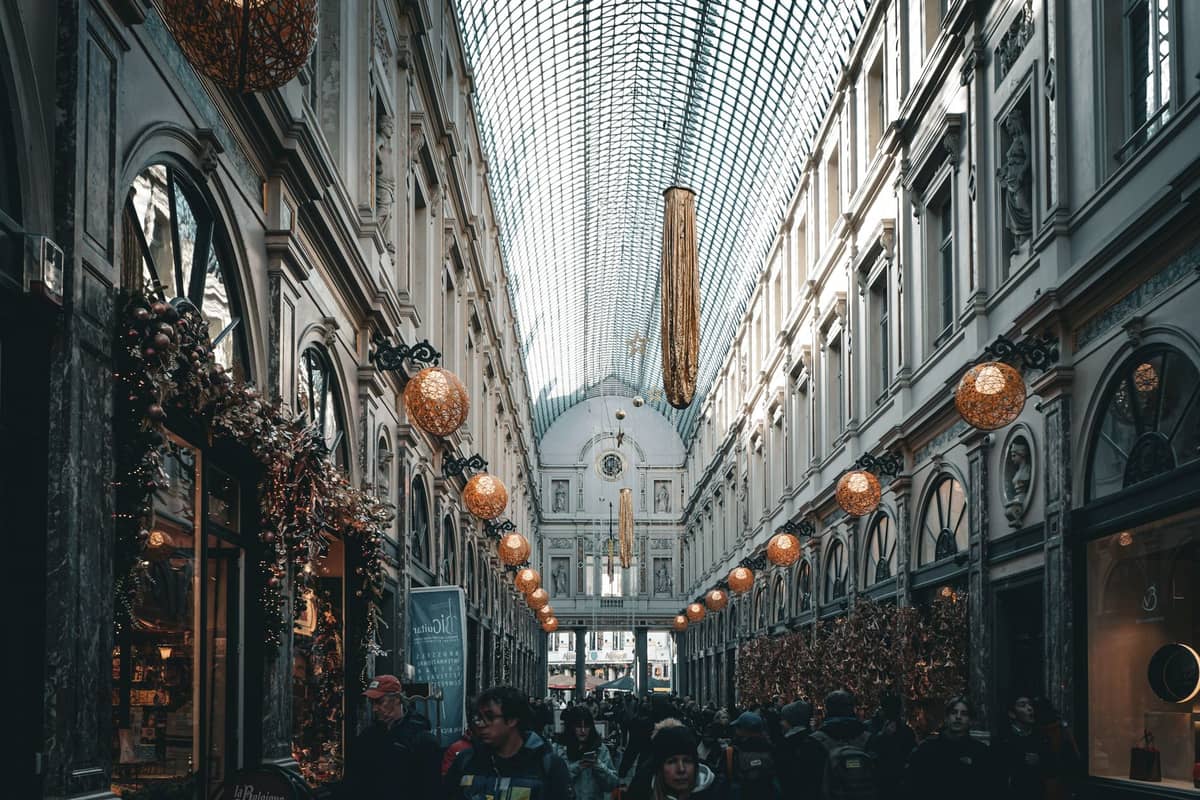
Quality varies between operators and even between individual guides on the same platform. The best free tours cover Grand-Place, Manneken Pis, the Galeries Royales Saint-Hubert, key street murals, and some EU Quarter context. The weakest ones rush between selfie stops without historical depth. Reading recent reviews on booking platforms before committing is worth the five minutes.
⚠️ What to skip
Avoid any 'free tour' operator that asks for a credit card deposit or charges a booking fee upfront — that is not the standard model and suggests a less reputable operator. Legitimate tip-based tours do not pre-charge.
Paid Small-Group & Private Walking Tours
If you want genuine depth — architectural context, historical nuance, access to interior spaces — a paid guided tour is worth the cost. Small-group heritage walks often run around €15–25 per person for 90-minute sessions, with prices rising for longer or more specialist formats. Private customised tours, where a guide dedicates 2–4 hours exclusively to your group, generally cost €150–250 depending on duration and group size.
Several operators offer thematic walks specifically built around Art Nouveau architecture, the EU institutions, chocolate and food culture, or the city's colonial history. These niche tours tend to attract smaller groups and more engaged participants, which generally means a better experience than generic city-highlight tours.
- Historical Heritage Walk Covers Grand-Place, the medieval street grid, and major civic buildings. Typically 90 minutes, €15–20 per person. Best for first-time visitors wanting historical context fast.
- Art Nouveau & Architecture Tour Focused on Saint-Gilles and Ixelles, visiting Horta-era facades and interiors. Usually 2–3 hours, €20–30. Worthwhile even if you have visited the Horta Museum independently.
- Comic Strip & Street Art Tour Guides the Brussels Comic Strip murals with cultural commentary. Around 90 minutes to 2 hours. Often available in small-group format for €15–20.
- Private Custom Tour Tailored to your interests and pace. Typical cost €150–250 for 2–4 hours for up to 4 people. Best for travellers with specific interests or limited mobility who need flexible pacing.
- City Hall Guided Interior Visit The Brussels Town Hall offers guided interior tours separately from street-level walking tours. Adult tickets around €15, with a panoramic guided option at approximately €25. Book via the City of Brussels official website.
Self-Guided Walking Routes: The Essential Loops
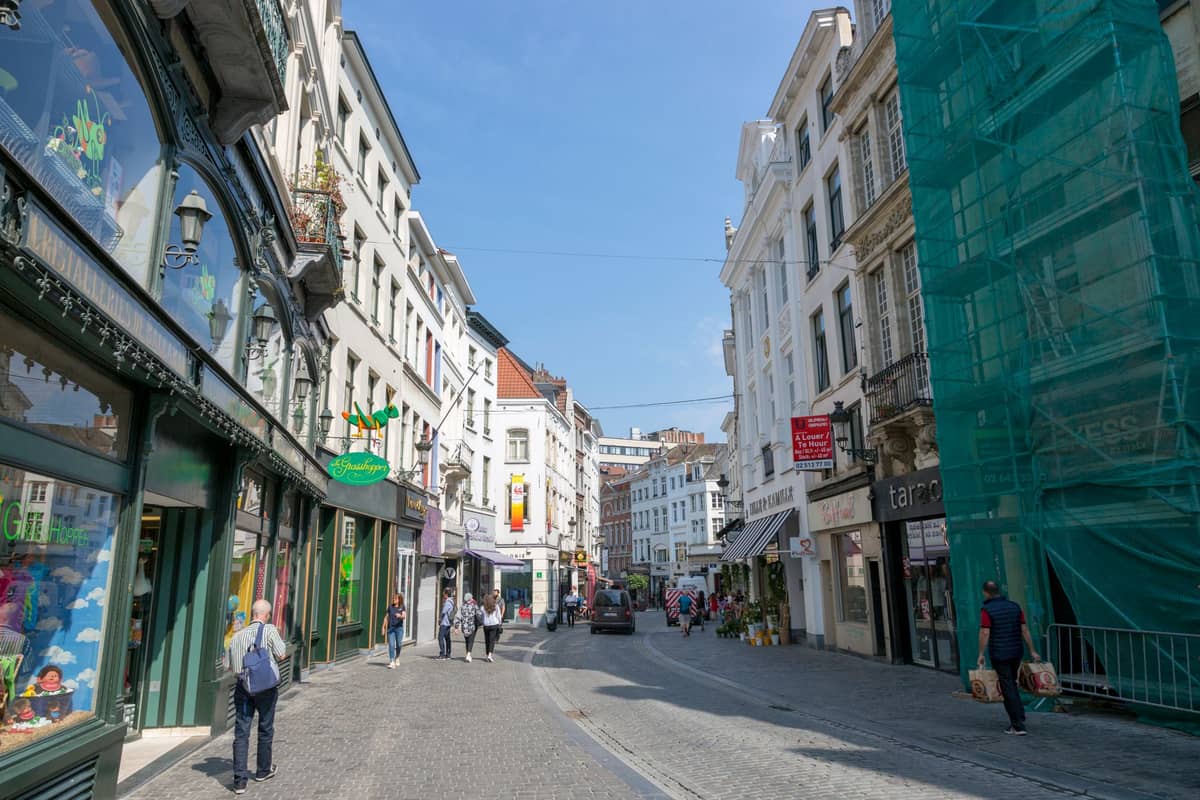
The most practical self-guided route in Brussels is the central loop: start at the Grand-Place, walk south to Manneken Pis, double back north through the Galeries Royales Saint-Hubert, continue to the Cathedral of St. Michael and St. Gudula, climb up to the Mont des Arts viewpoint, pass the Royal Palace, dip into the Sablon antiques district, and return via the Place du Grand Sablon. Total distance: roughly 5–6 km. At a sightseeing pace with stops, allow 3–4 hours.
For a half-day extension, add the European Quarter from the cathedral end of the loop. The Parc du Cinquantenaire and its triumphal arch are about 1.5 km east of the cathedral and offer a logical extension for anyone interested in the EU institutions or the Autoworld and Royal Museum of Armed Forces inside the park.
The Art Nouveau walking route through Saint-Gilles is a separate half-day walk that does not overlap significantly with the central loop. It's best approached by metro or tram from the centre, then walked south through rue Defacqz and the surrounding streets to spot Horta-era facades. The Horta Museum on rue Américaine is the anchor point; check opening hours before planning your route around it.
✨ Pro tip
Download the official visit.brussels app before your walk — it includes GPS-enabled walking routes and works offline. Alternatively, pick up printed thematic walking brochures from the tourist office near Grand-Place. The comic strip mural map is genuinely useful given how spread out the murals are.
The Comic Strip Trail: A Self-Guided Walk Worth Planning
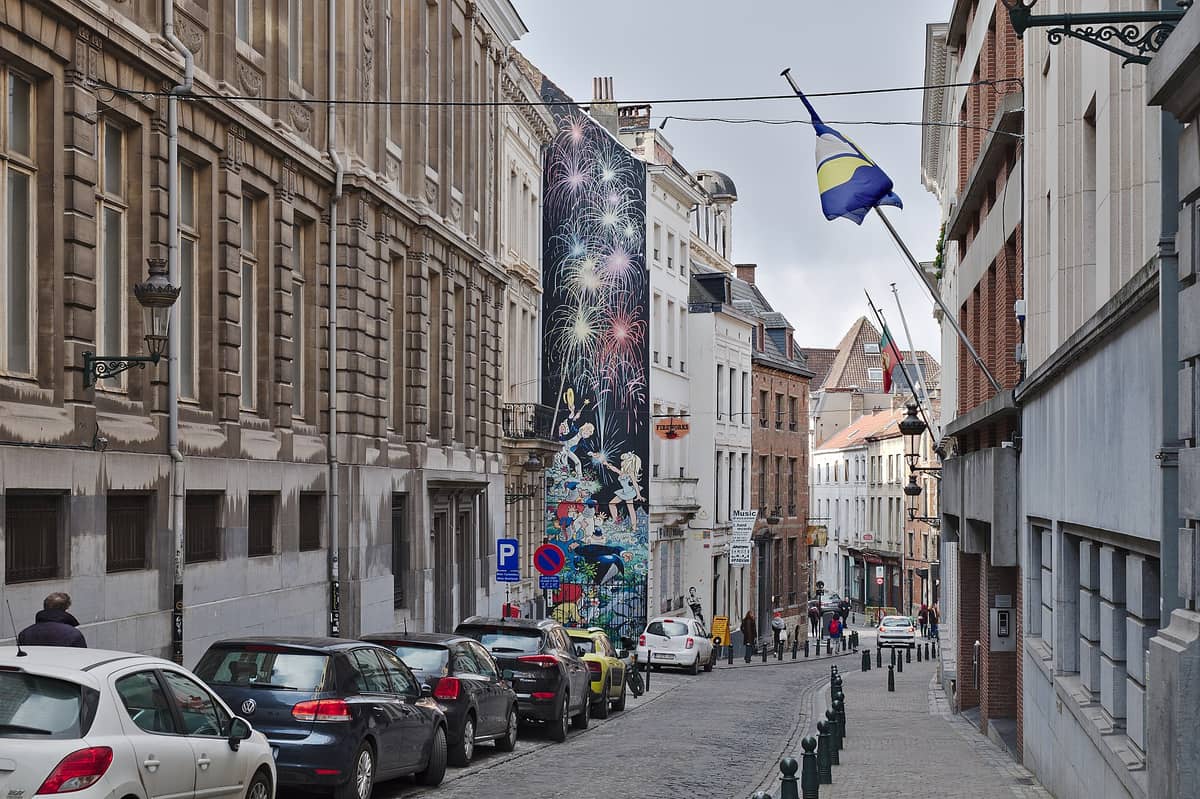
Brussels has over 60 large-scale comic strip murals painted across the walls of the city centre, collectively known as the Comic Strip Route. This is one of the most distinctive self-guided walks in any European capital, and it is entirely free. The murals span characters from Tintin and Lucky Luke to lesser-known Belgian comics, many of which have significant cultural histories.
The dedicated mural map, available from the tourist office for about €1, plots all murals within the Pentagon. Doing the full trail in one go takes around 2–3 hours at a brisk pace; most visitors pick a cluster of 10–15 murals near their other stops rather than attempting all 60+. For deeper context, the Belgian Comic Strip Center on rue des Sables is worth pairing with the walk — admission around €12–15 for adults and it sits directly on one of the key mural clusters.
Practical Planning: Seasons, Crowds, and Logistics
Walking tours run year-round in Brussels. The most comfortable months for long walks are May through September, when temperatures are generally mild and daylight extends into the evening. Spring tends to be less rainy than winter, which matters on a 5 km walk. Summer weekends bring noticeable tourist density around Grand-Place and Manneken Pis, but the side streets of the Marolles or Ixelles remain uncrowded at almost any time.
Winter walking is entirely feasible and has genuine advantages: fewer crowds at major sites and, in late November and December, the Brussels Christmas Market transforms the city centre into a genuinely atmospheric walking circuit. Temperatures in December and January average 1–5°C, so layering and waterproofing matters more than any other preparation.
- Wear shoes with grip and ankle support — cobblestones are uneven and slippery when wet
- Carry a packable waterproof jacket regardless of the forecast; Brussels weather changes quickly
- Start self-guided walks before 10:00 or after 17:00 to avoid the worst tour group congestion near Grand-Place
- The walk from lower town (Grand-Place) to upper town (Mont des Arts) involves a meaningful uphill stretch — factor this in if you have mobility considerations
- Most outdoor attractions (facades, murals, parks, church exteriors) are free; budget separately for any museum entries (typically €8–15) or the City Hall interior tour (around €15–25)
If a day trip is your only option, Brussels is very walkable from its central train stations. Both Brussels-Central and Brussels-Midi place you within 10–15 minutes' walk of Grand-Place, making it a realistic day trip from Paris or a quick stop on a longer two-day Brussels itinerary.
ℹ️ Good to know
Brussels is officially bilingual (French and Dutch), but English is widely spoken in tourist areas, EU institutions, and most hospitality venues. Walking tour guides routinely conduct tours in English, French, Spanish, and other languages — confirm language availability when booking.
FAQ
How long does a self-guided walking tour of Brussels take?
The standard central loop (Grand-Place, Manneken Pis, Galeries Royales, Cathedral, Mont des Arts, Sablon) covers roughly 5–6 km and takes 3–4 hours at a sightseeing pace with stops. Adding the Comic Strip Trail or the European Quarter extends the walk to a full day. If you are on a day trip, the core loop is comfortably manageable in a single morning or afternoon.
Are the free walking tours in Brussels actually free?
No — not in practice. Free walking tours in Brussels operate on a tip-based model where guides are paid entirely through voluntary contributions at the end of the tour. A fair tip is €10–20 per person for a standard 2-hour tour. The tours do not charge upfront, but expecting to pay nothing is unreasonable.
What is the best area for a walking tour in Brussels?
The historic Pentagon (city centre) is the most rewarding area for a first walk, combining Grand-Place, medieval streets, Art Nouveau shopfronts, and major attractions within a compact radius. For a second walk, Saint-Gilles offers the densest concentration of Art Nouveau architecture. The Sablon neighbourhood works well for a shorter, more relaxed afternoon stroll with antique shops and the Notre-Dame du Sablon church.
Do I need to book a walking tour in Brussels in advance?
For free tip-based tours, advance booking is recommended in summer (June–August) and during the Christmas market season (late November to early January) when groups fill quickly. For paid small-group tours, booking ahead is advisable. Private tours should be booked several days to a week in advance, especially if you want a specific date or theme.
Is Brussels walkable as a day trip destination?
Yes, particularly from cities well connected by high-speed rail. From Paris (Thalys/Eurostar, around 1h20), Amsterdam (Thalys, around 1h50), or London (Eurostar, around 2h), Brussels makes a logical day trip. Both Brussels-Central and Brussels-Midi stations are within comfortable walking distance of the main attractions, so you do not need to use public transport at all once you arrive in the centre.