Paris to Brussels by Train: The Complete Guide
The Paris to Brussels train is one of Europe's most efficient city-to-city rail connections: under 1h30, departures nearly every hour, and advance fares starting around €29. This guide covers everything from booking strategy and station logistics to what awaits you in Brussels.
Plan and book this trip
Tools from our partner Travelpayouts help you compare flights and hotels. If you book through them, we may earn a commission at no extra cost to you.
Flights
Hotels map
TL;DR
- The Paris to Brussels train takes 1h22–1h35 on the high-speed Eurostar service (formerly Thalys), departing Paris Gare du Nord and arriving at Bruxelles-Midi.
- Advance fares start around €29 one way in Standard class; last-minute tickets frequently cost €80–100+.
- Around 16–23 trains run daily with departures roughly every 30–60 minutes throughout the day.
- Book directly via Eurostar or SNCF Connect for the best fares; once in Brussels, the city is easy to navigate by metro and tram — see our guide to getting around Brussels for full details.
- Thalys no longer exists as a separate brand: those red high-speed trains are now fully operated under the Eurostar name.
The Route: What You Need to Know Before You Book
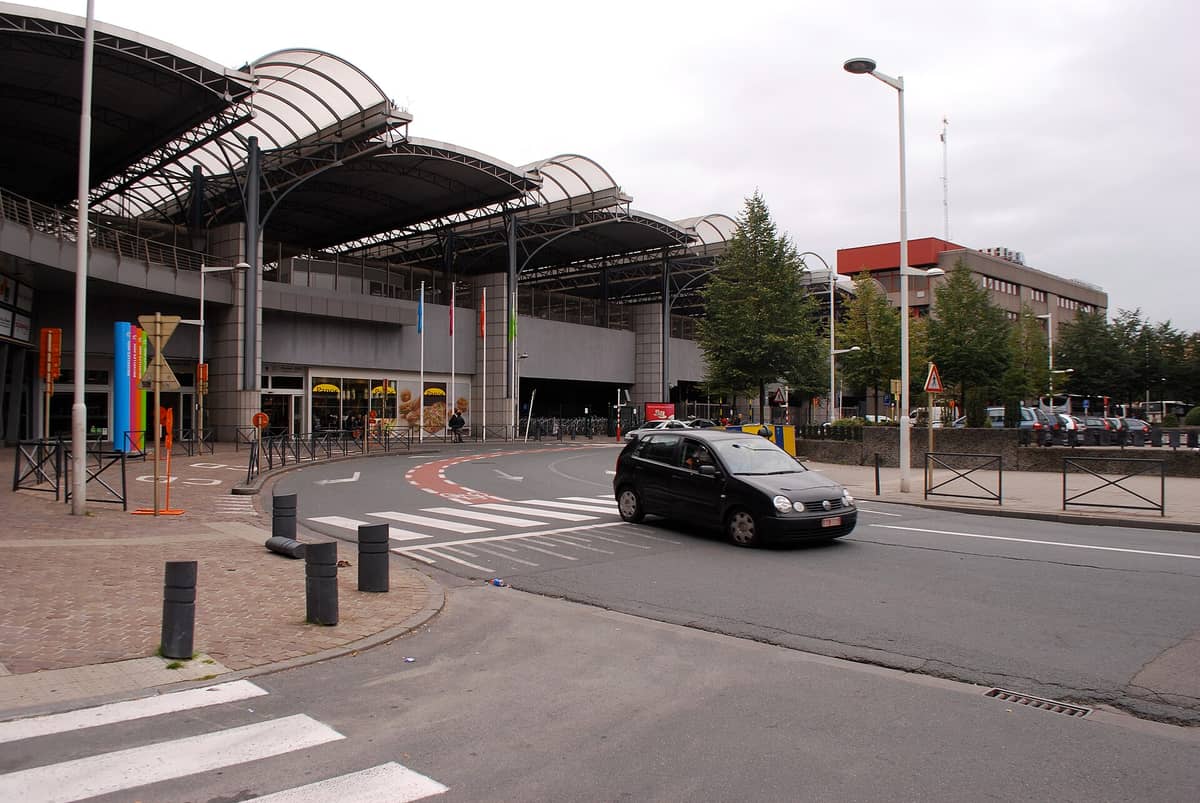
The Paris to Brussels train covers roughly 310–312 km of track, almost all of it at high speed. The service runs between Paris Gare du Nord and Bruxelles-Midi (also signed as Bruxelles-Zuid in Dutch), which is Brussels's main international rail hub. Journey times vary slightly by service: the fastest trains complete the run in around 1h22, while many scheduled departures take 1h25–1h35 and some slower services up to about 1h40. Most direct Paris–Brussels Eurostar services run non-stop between Paris Gare du Nord and Bruxelles-Midi, but a few trains route via Brussels Airport or make limited intermediate stops, so check the timetable when you book.
One point that trips up first-time passengers: Thalys is now Eurostar. The distinctive red high-speed trains that operated Paris–Brussels for decades were rebranded under the Eurostar umbrella in 2023. If you search for 'Thalys tickets' you will be redirected to Eurostar. The trains, routes, and onboard experience are largely unchanged, but the ticketing, loyalty program, and booking platform are now unified under one brand.
ℹ️ Good to know
Bruxelles-Midi station is located in the Saint-Gilles municipality, a short metro or tram ride from the Grand-Place city centre. Do not confuse it with Brussels-Central (Bruxelles-Central), which is closer to the historic core but does not serve international high-speed trains from Paris.
Frequency and Timetable
On a typical weekday, you can choose from around 16 to 20 departures between Paris Gare du Nord and Brussels. First trains leave Paris around 07:20–07:50 depending on the day; the last departures are around 20:55. In practice, services run roughly every 30 to 60 minutes throughout the morning and afternoon, thinning out slightly in the evening. Weekend timetables are broadly similar, though specific departure times shift.
The frequency makes this route unusually flexible. You can realistically leave Paris after a morning coffee and be sitting in a Brussels café by lunchtime. Equally, a day trip from Paris to Brussels is straightforward: take a mid-morning train, spend the afternoon exploring, and return on an evening service. That said, day trips sell out faster than you might expect on Fridays and Sundays, when both leisure travelers and EU-quarter commuters are on the move.
Ticket Prices and Booking Strategy
Pricing on the Paris to Brussels route follows a dynamic yield model, meaning the earlier you book, the lower the fare. Eurostar advertises Standard class fares from around €29 one way. Realistically, if you book two to four weeks in advance, you can usually find tickets in the €35–60 range. Buy the week before departure and €80–90 is common. Same-day or next-day tickets regularly exceed €100 each way.
- Book 3–6 weeks ahead The best window for sub-€50 Standard fares. Eurostar releases inventory in batches, so checking repeatedly over a few days can surface better prices.
- Avoid peak travel days Friday afternoons, Sunday evenings, and the first/last days of French school holidays see the highest demand and fastest price escalation.
- Consider Standard Premier Eurostar's Standard Premier class includes a meal and more legroom. On a sub-2-hour journey it is rarely worth the premium, but on promotional pricing the gap sometimes narrows to €20–30 over Standard.
- Check SNCF Connect too The French national rail booking platform (sncf-connect.com) sells the same Eurostar trains and occasionally shows slightly different fares or availability windows compared to the Eurostar site itself.
- Third-party platforms Rail Europe, Trainline, and Klook all sell Paris–Brussels tickets. Prices are generally comparable to booking direct, but watch for booking fees that are sometimes buried in the checkout.
⚠️ What to skip
Eurostar tickets are not automatically flexible. Standard fares are often non-refundable or come with exchange fees. If your travel plans might change, pay attention to the fare conditions at checkout and consider the Flexi fare tier, which allows free exchanges.
Arriving at Bruxelles-Midi: What Happens Next
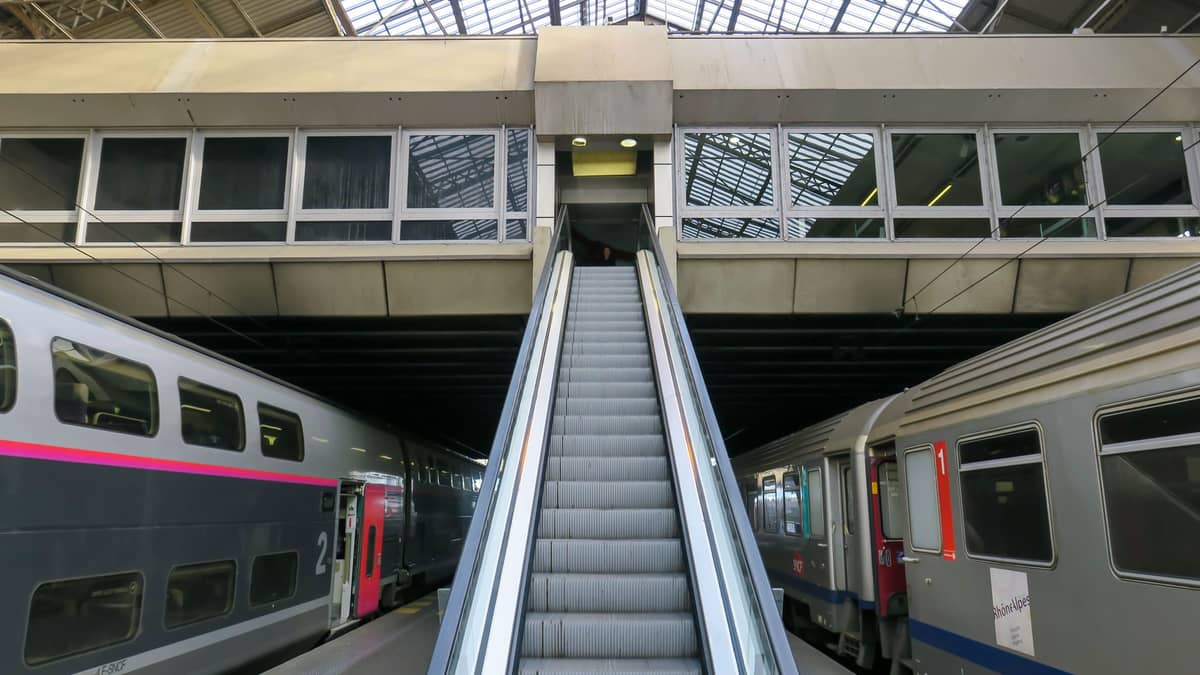
Bruxelles-Midi is the largest and busiest station in Belgium. International trains from Paris, London, and Amsterdam all terminate here. The station itself is functional rather than beautiful: it is large, can feel confusing on first arrival, and the immediately surrounding area is not the most welcoming part of Brussels. Do not linger outside the main exits longer than necessary, and be aware of your bags in the station concourse during peak hours.
From Bruxelles-Midi, the city opens up quickly. The metro (lines 2 and 6) connects the station directly to the city centre in around 5 minutes. Trams and buses also run from outside the station. For the Grand-Place and the historic centre, the SNCB train one stop to Bruxelles-Central (Brussels-Central) is the fastest option. Taxis queue outside the main exit; metered fares to the centre are typically €10–15. The STIB/MIVB urban transit network operates metro, tram, and bus across the city, and a single ticket currently covers 60 minutes of travel across all modes (with the exact fare depending on how and where you buy it).
💡 Local tip
If you are continuing onward to Bruges or Ghent by train, you can transfer at Bruxelles-Midi without leaving the station. SNCB domestic services to both cities depart from the same building. The Brussels to Bruges train takes around 55–65 minutes and runs frequently throughout the day.
Seasonal Considerations and Crowd Patterns
The Paris to Brussels route runs year-round with broadly consistent service levels. Winter rarely disrupts high-speed services — the infrastructure is built for it — though isolated delays from extreme cold or weather events happen occasionally. Summer (July–August) is peak season for both pricing and passenger volume. Trains fill up faster, advance booking is more important, and the cheapest fares disappear weeks earlier than in spring or autumn.
For the best combination of reasonable fares, manageable crowds, and pleasant weather in Brussels itself, late April through June and September through mid-October are the strongest periods. Brussels in May is particularly good: outdoor terraces open, temperatures are mild (highs around 18°C), and the city has not yet hit the summer tourist peak. The best time to visit Brussels guide breaks down seasonal conditions in more detail if you are planning around specific events or weather preferences.
Christmas and New Year is a particularly high-demand window. Brussels runs one of the most atmospheric winter markets in Europe, centred on the Grand-Place and surrounding streets. Trains between Paris and Brussels sell out well in advance during the December market period, and fares spike significantly. If you are planning a Christmas market visit, book your train at least six to eight weeks ahead.
What to Do in Brussels: Making the Most of the Journey
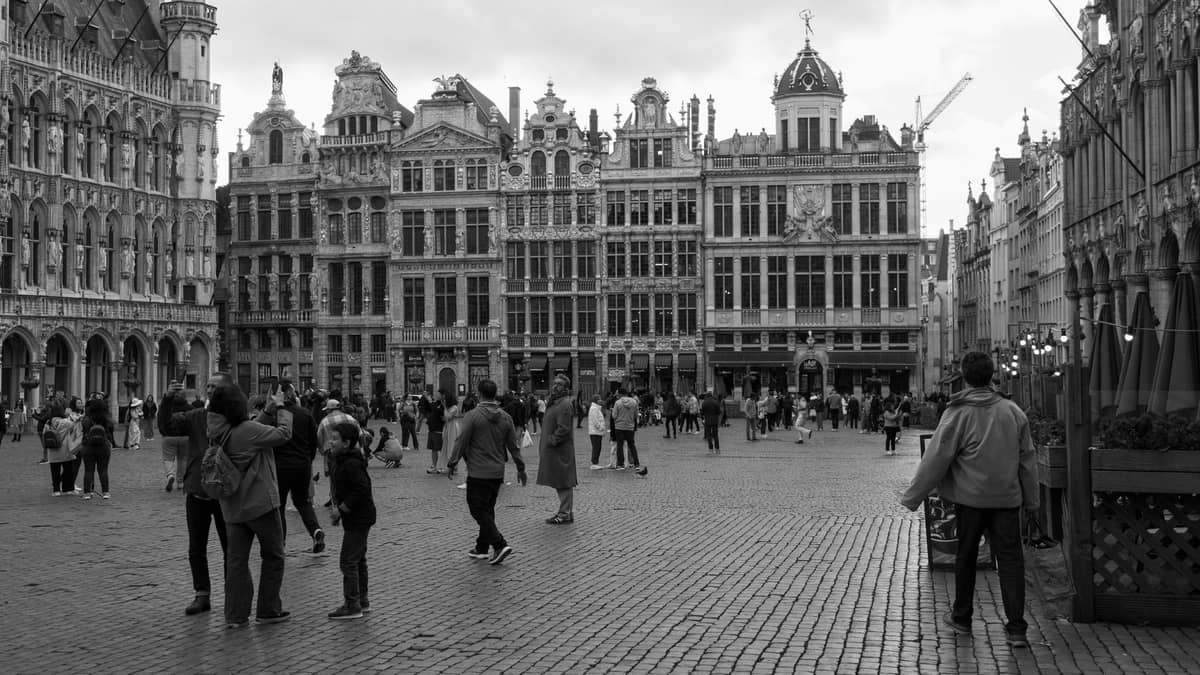
Brussels rewards travelers who go beyond the obvious. Yes, the Grand-Place is genuinely one of the finest medieval squares in Europe and worth your time. But the city has far more depth than the tourist circuit around Manneken Pis and chocolate shops suggests. The full things to do in Brussels guide covers the city comprehensively, but a few highlights are worth flagging here for first-time visitors arriving from Paris.
- Art Nouveau architecture Brussels has a higher concentration of Art Nouveau buildings than almost any city in the world. The Horta Museum in Saint-Gilles and the facades of the Ixelles communes are the places to start.
- Belgian beer The Cantillon brewery in Anderlecht produces lambic beers using spontaneous fermentation and offers tours. It is genuinely unlike anything produced in France and makes for a logical afternoon visit.
- The Magritte Museum The world's largest collection of René Magritte's work, housed near the Place Royale. Compact enough to do in two hours, substantial enough to remember.
- The Sablon district Antique dealers, chocolatiers, and wine bars cluster around the Place du Grand Sablon. More local in feel than the Grand-Place area, and better for an afternoon coffee or dinner.
- Day trips onward Brussels sits centrally enough to use as a base for Bruges, Ghent, or even a run to Amsterdam. The Brussels to Amsterdam train takes around 1h50 via Thalys/Eurostar high-speed service.
If this is a short visit or a first trip, the two days in Brussels itinerary gives a structured plan for making the most of 48 hours without backtracking across the city. For travelers coming specifically for food and drink, the what to eat in Brussels guide is the most practical starting point.
✨ Pro tip
Brussels is officially bilingual (French and Dutch), but French dominates day-to-day life and is the language you will encounter in most restaurants, shops, and transport contexts. English is widely understood, particularly in the centre and European Quarter. Basic French courtesies (bonjour, merci, s'il vous plaît) are genuinely appreciated and go a long way.
Extending the Trip: Other Train Routes from Brussels
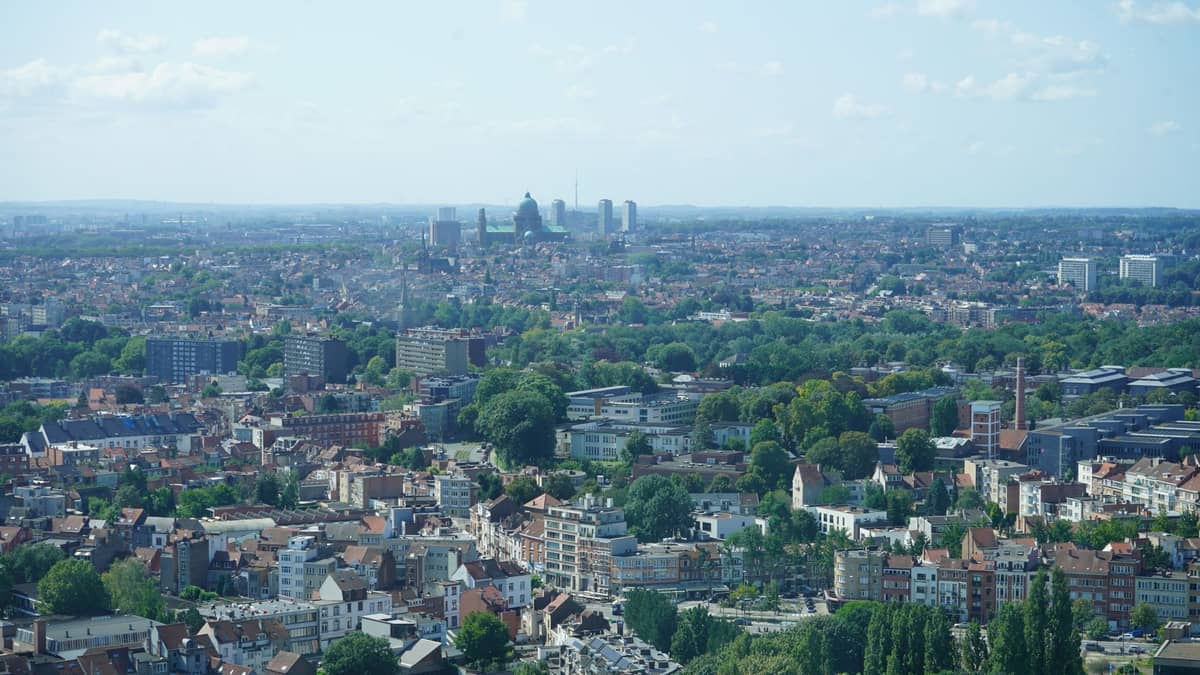
One of Brussels's best practical assets is its position at the centre of the European high-speed rail network. If you are already making the Paris to Brussels train journey, extending to other destinations requires minimal extra planning. The Brussels to Bruges train is the most popular short hop: around 60 minutes on an SNCB intercity service, running multiple times per hour. Bruges is compact, walkable, and genuinely striking in a way that photos do not overstate.
The Brussels to Amsterdam train runs via high-speed Eurostar service in approximately 1h50, with multiple daily departures. The Brussels to London Eurostar takes around 2h with a direct service from Bruxelles-Midi through the Channel Tunnel, though you will clear UK border control at Brussels before boarding. The Brussels to Luxembourg train is an international SNCB/CFL journey of around 3 hours. For anyone building a multi-city European rail trip, day trips from Brussels outlines the realistic options by journey time and travel style.
FAQ
How long does the Paris to Brussels train take?
The fastest Eurostar services complete the journey in approximately 1h22, with most scheduled departures taking between 1h25 and 1h35 and some slower services up to about 1h40. Most direct Paris Gare du Nord to Bruxelles-Midi services run non-stop, but a few trains route via Brussels Airport or make limited intermediate stops, so check the timetable when you book.
How much does a Paris to Brussels train ticket cost?
Advance Standard class fares start around €29 one way when booked several weeks ahead. Typical prices for bookings made 1–2 weeks out are around €50–80. Last-minute and same-day tickets regularly cost €80–100 or more. Promotional fares occasionally go as low as €9–10 but disappear quickly.
Do I need to book in advance or can I buy a ticket on the day?
You can buy on the day, but you will almost always pay significantly more. On busy travel days (Fridays, Sundays, school holidays), trains can sell out entirely. Booking at least two to three weeks ahead gives you access to the best fares and ensures availability.
Which station in Paris do trains to Brussels depart from?
All direct high-speed trains to Brussels depart from Paris Gare du Nord. This is not the same as Gare de Lyon or Gare de l'Est, so confirm your terminal before travelling. Gare du Nord is served by metro lines 4 and 5, RER B and D, and multiple bus lines.
Is Thalys still operating the Paris to Brussels route?
Thalys no longer exists as a separate brand. The Paris–Brussels high-speed service is now operated entirely under the Eurostar name following a 2023 rebrand. The trains themselves — the distinctive red high-speed sets — continue to operate the same routes, but all booking, ticketing, and customer service is handled through Eurostar.