Brussels on a Budget: How to Explore Belgium's Capital Without Overspending
Brussels has a reputation as an expensive EU capital, but the reality is more nuanced. Between free museum Sundays, affordable public transport, and some of the best street food in Europe, a trip to Brussels can cost surprisingly little. This guide breaks down exactly where your money goes and where you can save it.
Plan and book this trip
Tools from our partner Travelpayouts help you compare flights and hotels. If you book through them, we may earn a commission at no extra cost to you.
Flights
Hotels map
TL;DR
- Many major Brussels museums offer free entry on the first Sunday of each month — no booking required for most.
- A STIB/MIVB single metro or bus ticket costs €2.10 at machines; a 24-hour pass is €7.50. See getting around Brussels for the full transport breakdown.
- The Brussels Card (from €39) pays off if you plan 4+ museum visits in 24-48 hours — run the numbers before buying.
- Avoid Brussels South Charleroi Airport (CRL) if you're watching costs — transfers to central Brussels can run €100+, compared to €9-13 by train from Brussels Airport (BRU).
- Spring (May-June) offers the best balance of mild weather, lower crowds, and full museum schedules for budget travelers.
Getting to Brussels Without Spending a Fortune
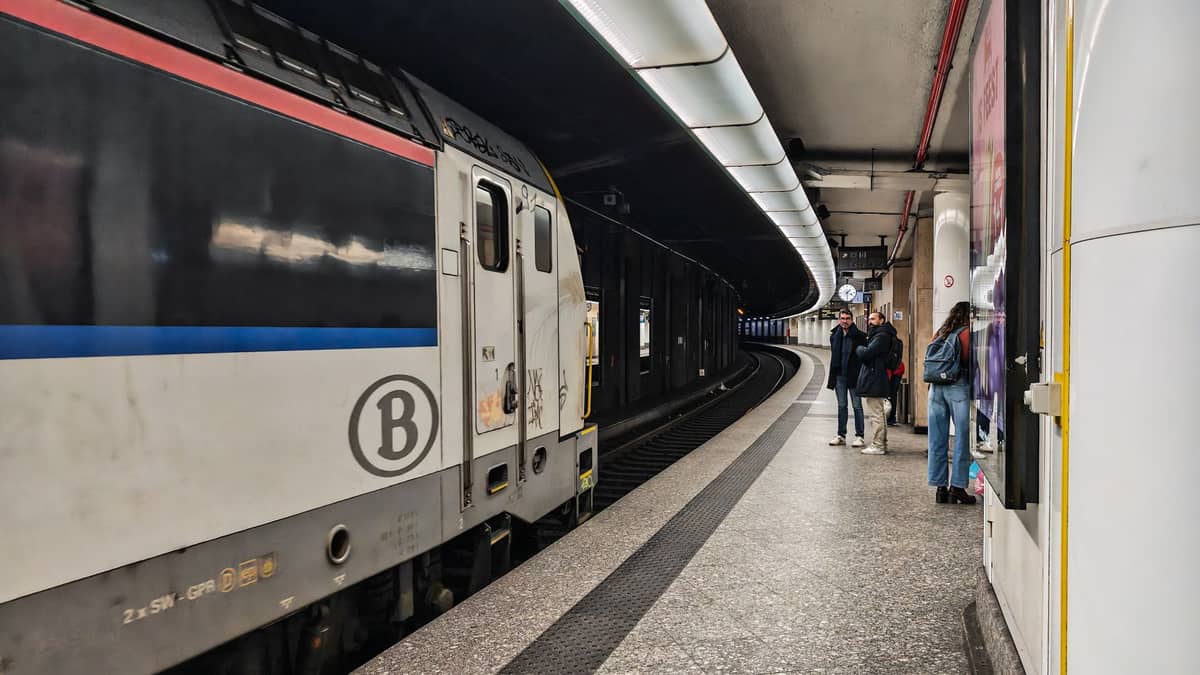
The airport you fly into makes a significant difference to your total trip cost. Brussels Airport (BRU) Brussels Airport in Zaventem sits about 15 km northeast of the city centre, and the SNCB/NMBS train gets you to Brussels-Central or Brussels-Midi in 17-25 minutes for around €9-13 (including the mandatory airport supplement). That's the most cost-efficient option by a wide margin.
⚠️ What to skip
Brussels South Charleroi Airport (CRL) is marketed by budget airlines as a Brussels gateway, but it's roughly 60 km from the city centre. Transfers to Brussels cost around €100 by private transfer or shuttle. Budget airlines' low fares can evaporate entirely once you factor in that transfer cost. Always check the full journey price before booking.
From BRU, the STIB/MIVB Airport Line (bus 12 on weekdays, bus 21 on evenings and weekends) connects the airport to the European Quarter and central areas in about 35-45 minutes. The GO2CITY ticket for this journey costs €7.00 paid contactless or €7.50 on paper — slightly cheaper than the train but slower. Budget travelers arriving late at night will find that STIB’s Noctis night buses run at standard daytime fares, which is a genuine advantage. If you're coming from Paris or Amsterdam, the Eurostar train deposits you directly at Brussels-Midi, with no transfer cost at all.
Public Transport: What Things Actually Cost
Brussels's urban transport is run by STIB/MIVB, covering metro, tram, and bus lines across the Brussels-Capital Region. The pricing structure is straightforward once you understand a few distinctions.
- Single ticket (machine) €2.10 per journey, valid 60 minutes with transfers between metro, tram, and bus.
- Single ticket (sales point) €2.60 — a meaningless upgrade if you're near a machine or tap to pay.
- 24-hour pass €7.50, covering unlimited STIB/MIVB travel excluding airport services. Best value for a full sightseeing day.
- GO2CITY airport ticket €7.00 contactless / €7.50 paper, for one journey from Brussels Airport into the city. This is separate from the standard day pass.
- Noctis night buses Same fare structure as daytime services — no surcharge for late-night travel.
💡 Local tip
The 24-hour pass at around €8 pays for itself after about four single journeys in a day. If you're visiting multiple neighborhoods or museums spread across the city, always buy the day pass at the first metro station you enter. Contactless bank card payment on STIB/MIVB machines is widely accepted and saves time queuing.
One common mistake: visitors assume the airport bus is included in a standard STIB day pass. It is not. The GO2CITY ticket is a separate, higher-priced product. For everything within the city, though, the metro and tram network is efficient and covers all major attractions, from the Grand-Place area to the European Quarter and beyond. Taxis from BRU to the centre run approximately €40-55 on the meter; there's rarely a budget justification for one unless you're traveling in a group of four with heavy luggage.
Free Museums and First-Sunday Access
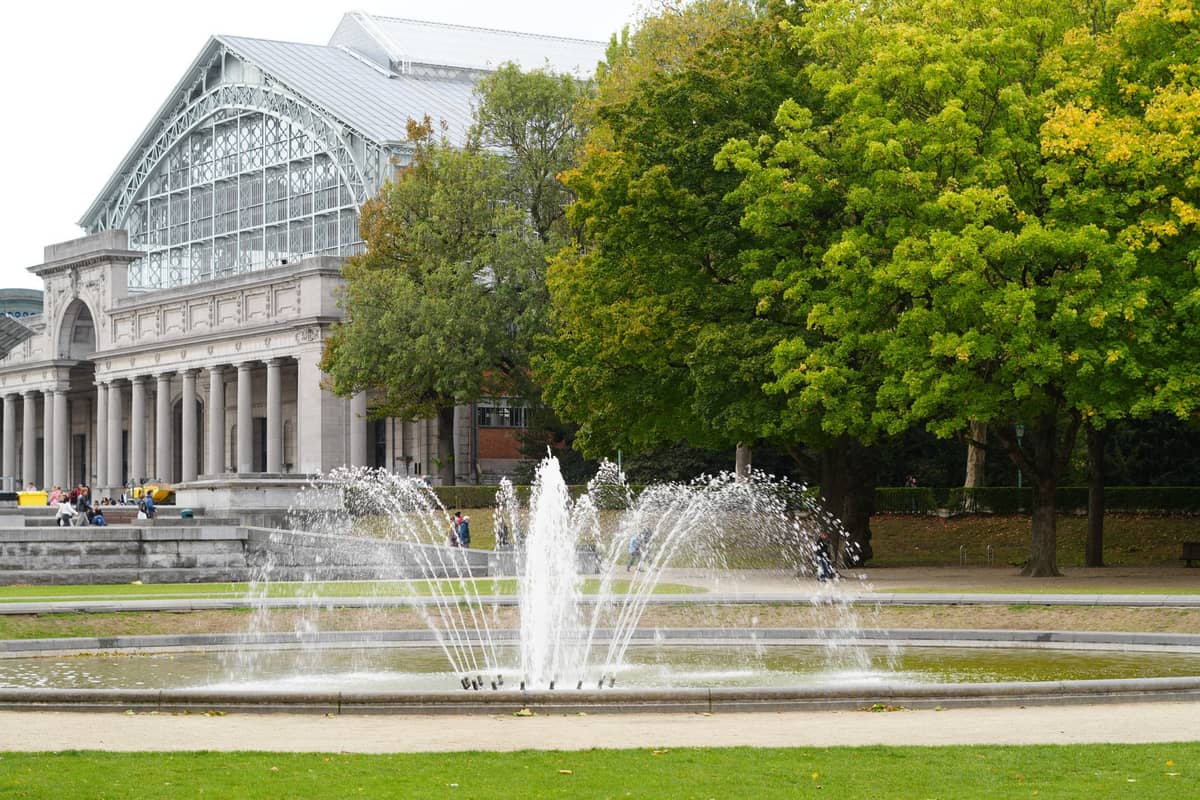
This is the single most valuable budget tool in Brussels, and it's underused by visitors who don't know about it. On the first Sunday of every month, a substantial number of Brussels museums open their permanent collections at no charge. No booking required at most venues. Across the Fédération Wallonie-Bruxelles (Brussels, Wallonia, and the Lille–Kortrijk–Tournai Eurometropole), more than 160 institutions participate in this program.
- BELvue Museum (Belgian history, beside the Royal Palace)
- Design Museum Brussels (ADAM)
- GardeRobe MannekenPis (the wardrobe of Brussels's most famous statue)
- Fashion & Lace Museum
- The King's House / Brussels City Museum on Grand-Place
- Jewish Museum of Belgium
- Art et Marges Museum
- Sewer Museum (genuinely interesting, not just a novelty)
A few caveats worth stating clearly: not every museum in Brussels is free on this day, only specific participating institutions. Temporary exhibitions usually remain ticketed even when the permanent collection is free. Some venues also offer free guided tours on first Sundays, which is worth checking on individual museum websites before you go. The best museums in Brussels guide lists admission prices and opening hours for the top institutions so you can plan around which ones to hit for free.
✨ Pro tip
Plan your Brussels trip around a first Sunday if your schedule allows. Pair free museum access with a walk through Saint-Gilles or Ixelles in the afternoon — neighborhoods where Art Nouveau architecture lines the streets at zero cost — and you have a full day of culture for little more than your lunch budget.
Is the Brussels Card Worth the Money?
The Brussels Card starts at around €32–39 for the shortest validity option and includes free entry to a wide list of museums and attractions, with higher combined prices when you add unlimited STIB/MIVB public transport for longer validity cards. There are no child pricing tiers for the card itself.
The honest answer on value: it depends entirely on your itinerary. If you plan to visit four or more paid attractions within 24-48 hours, the math usually works in your favor. If you're mixing paid museums with free first-Sunday visits, walking tours, and outdoor sights, you may overpay. Before purchasing, list out the attractions you actually intend to visit, look up individual admission prices, and compare that total to the card price. The card is genuinely useful for a packed museum-heavy itinerary; it's poor value for a relaxed trip centered on food markets, architecture walks, and free sights.
ℹ️ Good to know
The Brussels Card has no special child fare, which makes it less compelling for families. Children under 12 typically enter most Brussels museums free regardless, and many museums have reduced rates for under-18s. Families should calculate costs per adult and check child admission policies individually rather than assuming the card covers everyone cheaply.
Free Sights, Cheap Eats, and Where to Spend Wisely
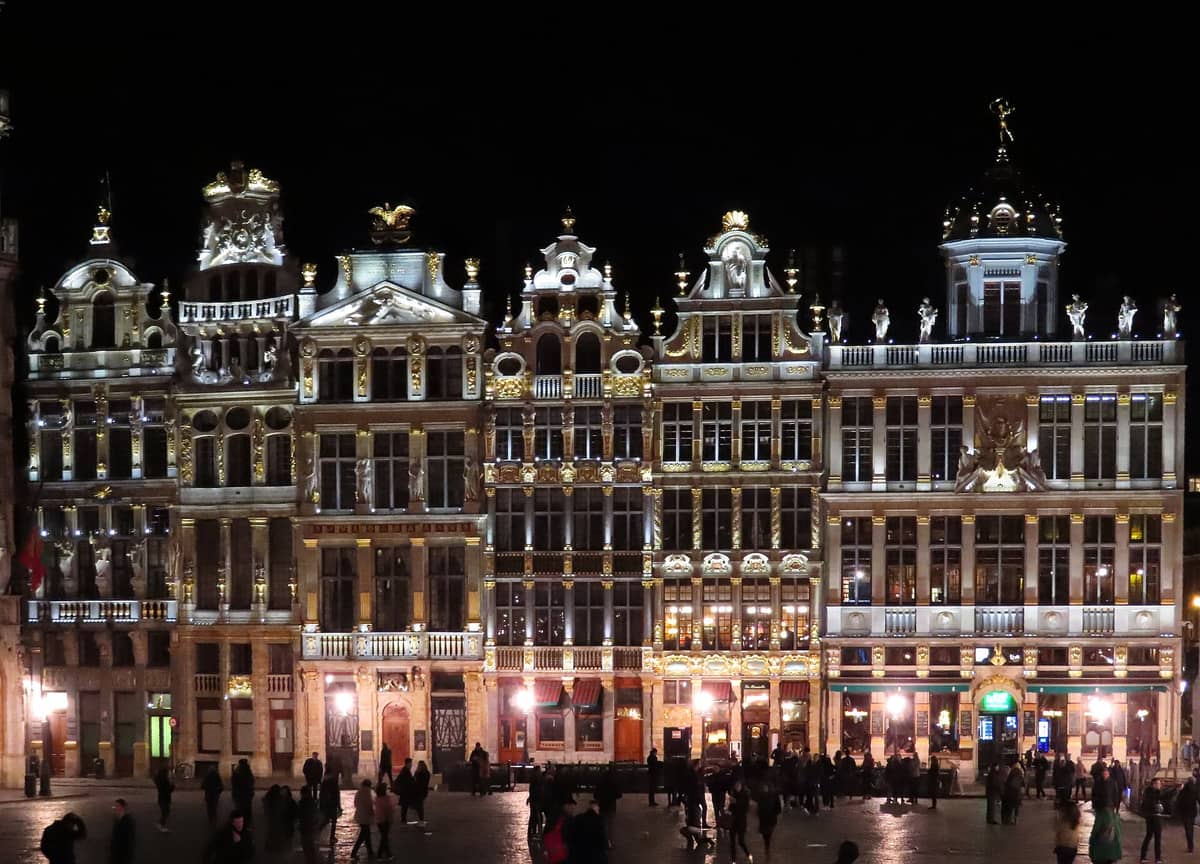
Brussels has a substantial amount of genuinely worthwhile free content. The Grand-Place is free to walk through at any hour, and at night it's illuminated in a way that makes it one of the most striking squares in Europe at no charge. The Comic Strip Route threads through the city centre as a series of large-scale murals on building facades — essentially an outdoor gallery covering Brussels's famous contribution to sequential art, all free.
For food, Brussels rewards people who eat where locals eat. A cone of proper Belgian frites from a friterie costs €2-4 and is often better than anything you'd pay €15 for in a sit-down restaurant near the Grand-Place. The Brussels food guide covers where to find authentic waffles, frites, and Belgian classics without the tourist markup. The Marolles neighborhood, centered on Place du Jeu de Balle, has the city's best flea market on weekend mornings — good for browsing and cheap street food even if you don't buy anything.
Belgian beer is one area where spending a little more is genuinely worthwhile. A draft beer in a local café in Ixelles or Saint-Gilles runs €2.50-4.00, roughly half what you'd pay in tourist-facing bars around Grand-Place. The Belgian beer guide identifies the best breweries and cafés where the price-to-quality ratio is highest. The Cantillon Brewery charges a modest entry fee (around €7-9) that includes tastings of lambic and gueuze — one of the more honest value propositions in the city.
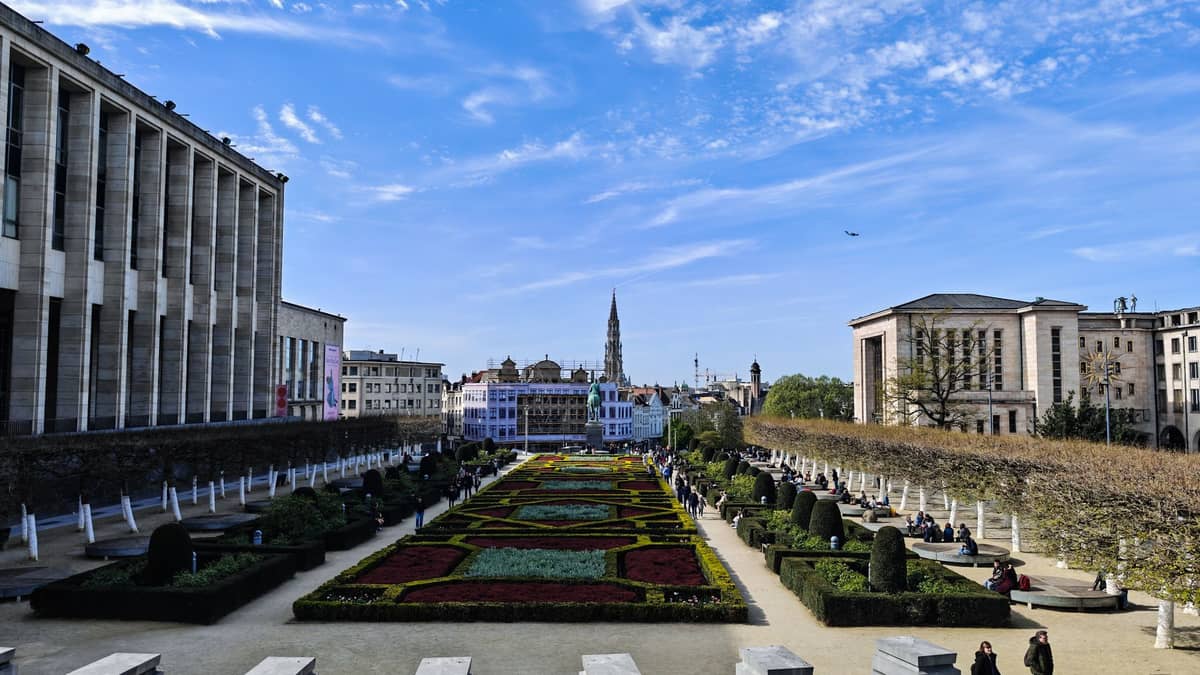
For outdoor free time, the Bois de la Cambre is a large public park at the southern edge of Ixelles, free to enter and popular with locals for running, picnicking, and escaping the city. The Parc du Cinquantenaire combines green space with impressive triumphal arch architecture — worth an hour or two at no cost. The Mont des Arts terraced gardens sit between the upper and lower town and offer one of the better elevated views of the city skyline without any entrance fee.
Practical Money Tips and What to Watch Out For
Brussels uses the Euro (EUR). ATMs are widely available throughout the city centre, and card payments are accepted almost universally — contactless is standard in shops, cafés, and on public transport. Tipping is not obligatory; service is typically included in restaurant bills. Rounding up or leaving a small tip for good service is common but not expected.
- Avoid restaurants directly on Grand-Place Prices here are 30-50% higher than two streets away for comparable food. Move one block in any direction.
- Buy supermarket lunch Delhaize and Carrefour branches in the city centre sell fresh sandwiches, prepared salads, and drinks for €3-6 — vastly cheaper than any café near tourist sights.
- Walk between neighborhoods The city centre is compact. Grand-Place to the Sablon is about 15 minutes on foot; Grand-Place to the European Quarter is 25-30 minutes. Save the metro for longer cross-city journeys.
- Visit in spring for better prices May and June see moderate tourist volumes, lower accommodation prices than July-August, and pleasant temperatures (highs around 18-20°C) for walking the city.
- Check the Brussels Museums website before arriving The full list of first-Sunday free museums is updated there, along with any special free-entry events during your travel dates.
Accommodation is where Brussels budgets can blow out most easily. The city has a range of hostels concentrated around the city centre and Midi station area, typically pricing dorm beds at €20-35 per night. Mid-range hotels near the Grand-Place charge a significant premium for the location. Staying in Ixelles or Saint-Gilles typically yields better rates with easy metro or tram access to the centre — a practical trade-off for budget travelers. Check the Brussels accommodation guide for neighborhood-by-neighborhood price comparisons.
A useful planning frame: free things to do in Brussels covers the full list of no-cost attractions in more detail, while the two-day Brussels itinerary shows how to structure a short trip to minimize costs without missing the city's best experiences.
FAQ
How much money do you need per day in Brussels?
A genuinely tight budget — hostel dorm, self-catered lunch, frites for dinner, free sights only — can work for around €50-60 per day. A more comfortable independent traveler budget using cheap restaurants, public transport, and a mix of paid and free museums typically runs €80-120 per day excluding accommodation. Accommodation adds roughly €25-40 for a hostel dorm or €80-150 for a budget double room in a decent location.
Which Brussels museums are free?
Many Brussels museums offer free permanent-collection entry on the first Sunday of each month. These include the BELvue Museum, Design Museum Brussels (ADAM), the King's House / Brussels City Museum, Fashion & Lace Museum, GardeRobe MannekenPis, and the Sewer Museum, among others. Over 160 institutions across the Fédération Wallonie-Bruxelles participate in this program. Note that temporary exhibitions usually remain ticketed, and some museums require no booking while others may have limited capacity — check individual venues before visiting.
Is the Brussels Card worth buying?
It depends on your itinerary. The card starts at €39 and covers entry to a wide list of museums and attractions. If you plan to visit four or more paid attractions within 24-48 hours, the value is usually there. If your schedule includes many free first-Sunday museum visits, outdoor sights, and food markets, the math often doesn't work out. Calculate your specific itinerary against individual admission prices before purchasing.
What is the cheapest way to get from Brussels Airport to the city centre?
The SNCB/NMBS train from Brussels Airport (BRU) to Brussels-Central costs around €9-12 including the airport supplement and takes 17-25 minutes — the best combination of speed and cost. The STIB/MIVB airport bus (line 12 or 21) is slightly cheaper (GO2CITY ticket: €7.00 contactless) but takes 35-45 minutes. Taxis cost approximately €45-55 and are rarely worth it unless traveling in a group. Avoid flying into Brussels South Charleroi Airport (CRL) if cost is a factor — transfers from there to central Brussels start around €90-100.
Is Brussels expensive compared to other European capitals?
Brussels sits in the middle tier of European capital costs — more expensive than Lisbon or Warsaw, cheaper than London, Zurich, or Copenhagen, and roughly comparable to Amsterdam or Vienna. Eating and drinking near tourist landmarks is genuinely expensive, but moving one or two streets away cuts costs significantly. Public transport is reasonably priced, and the city's free museum program is one of the most generous in Western Europe, making it possible to have a culturally rich trip on a modest daily budget.