Brussels to Amsterdam: The Complete Train, Bus, and Travel Guide
The Brussels to Amsterdam corridor is one of Europe's most well-connected intercity routes, with high-speed trains completing the journey in under two hours and budget buses offering a cheaper alternative. This guide breaks down every option, what it actually costs, and how to book smart.
Plan and book this trip
Tools from our partner Travelpayouts help you compare flights and hotels. If you book through them, we may earn a commission at no extra cost to you.
Flights
Hotels map
TL;DR
- The fastest option is the Eurostar high-speed train: Brussels-Midi to Amsterdam Centraal in around 1h40–2h00, with advance fares from around €29.
- The Eurocity Direct (via Belgian Rail / b-europe) is a slightly slower but often cheaper direct alternative, with journey times around 1h59 and advance fares from around €25.
- FlixBus and BlaBlaCar Bus cover the same route in 3–4.5 hours from as little as €14–€22 — worthwhile if you book early and aren't in a rush.
- Book trains at least 2–3 weeks ahead for the best fares; last-minute high-speed rail tickets can cost three to four times more than advance prices.
- All trains depart from Brussels-Midi (Gare du Midi / Brussel-Zuid). If you're staying near the centre, check our guide on getting around Brussels to plan your onward connections.
Route Overview: Brussels to Amsterdam at a Glance
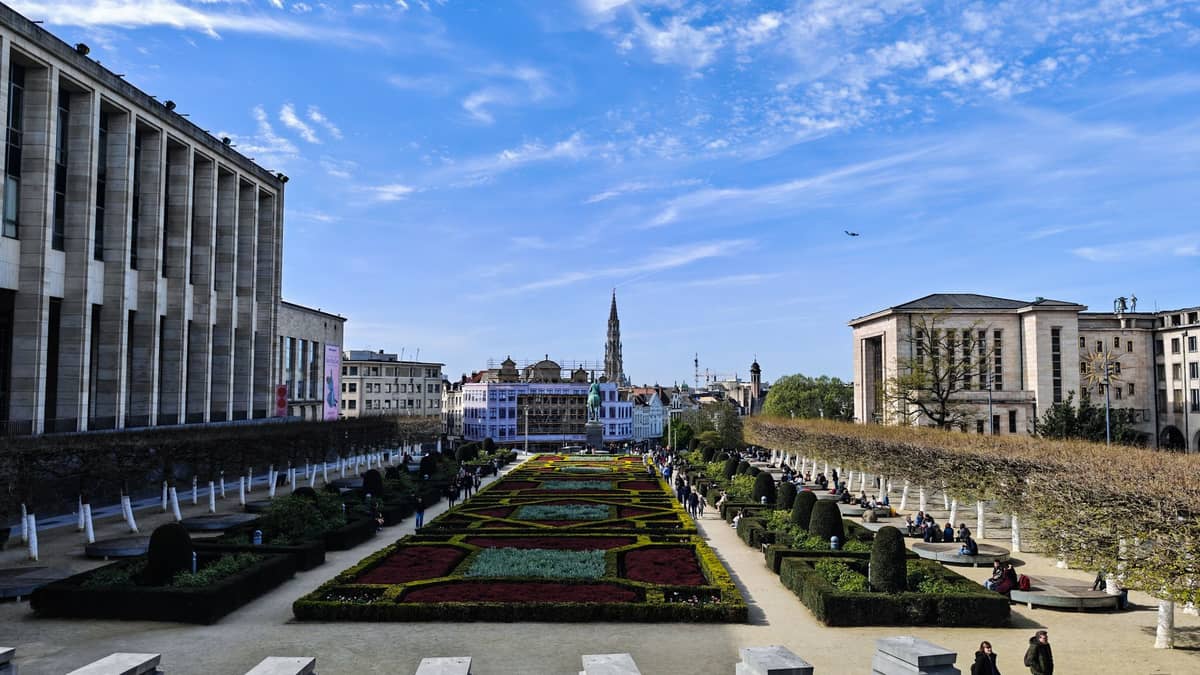
The distance between Brussels and Amsterdam is roughly 210 kilometres by rail, making it one of the shorter international city-pair journeys in Western Europe. Both cities sit within the same continental time zone (CET/CEST), so there's no clock-change to worry about. Brussels is Belgium's bilingual capital and the de facto seat of the European Union; Amsterdam is the Dutch capital and one of the continent's busiest tourism hubs. The corridor between them is correspondingly well-served, with frequent departures, competitive pricing, and a genuine choice between speed and budget.
All international trains depart from central Brussels at Brussels-Midi station (also called Gare du Midi or Brussel-Zuid). This is Belgium's busiest rail hub and has direct metro and tram connections to the city centre. Arriving passengers in Amsterdam pull into Amsterdam Centraal, the main rail terminus a short walk from the city's historic core.
ℹ️ Good to know
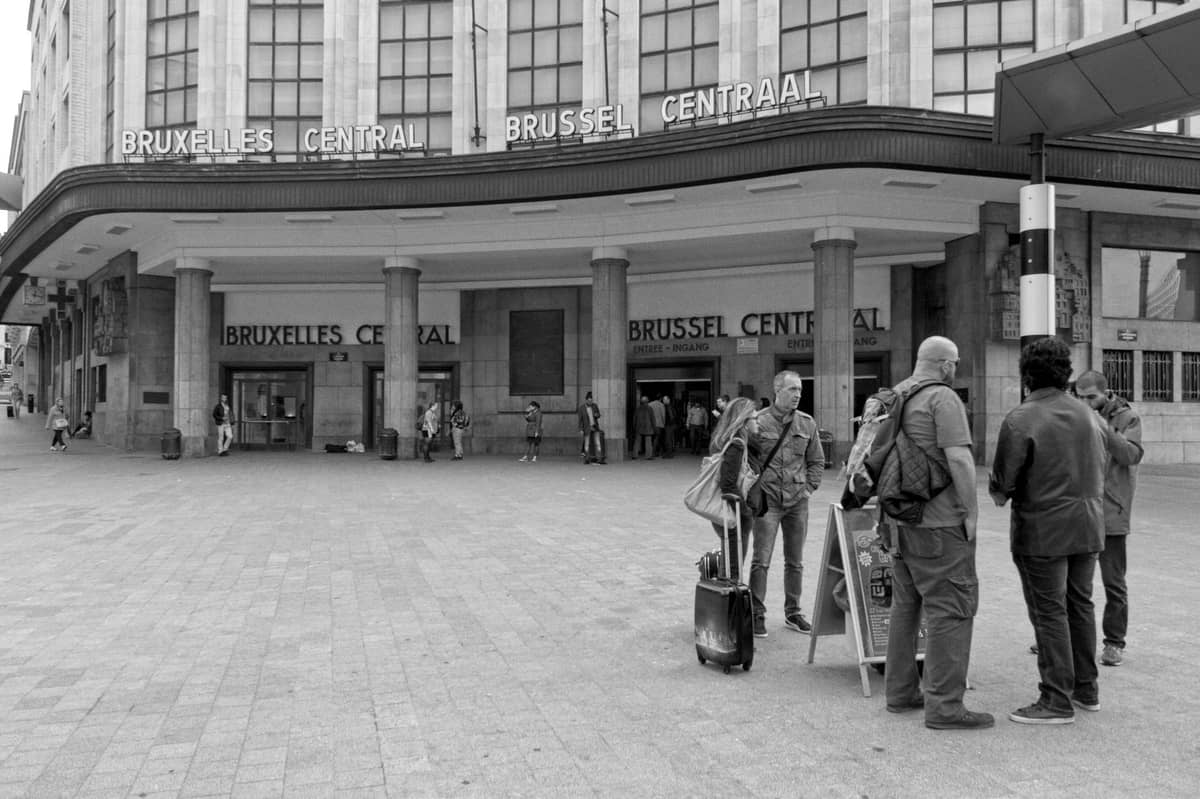
Brussels-Midi is the correct departure point for all international trains to Amsterdam, not Brussels-Central or Brussels-North. Double-check your ticket carefully. The three stations are spread across the city and are not interchangeable for these services.
High-Speed Train: The Eurostar Option
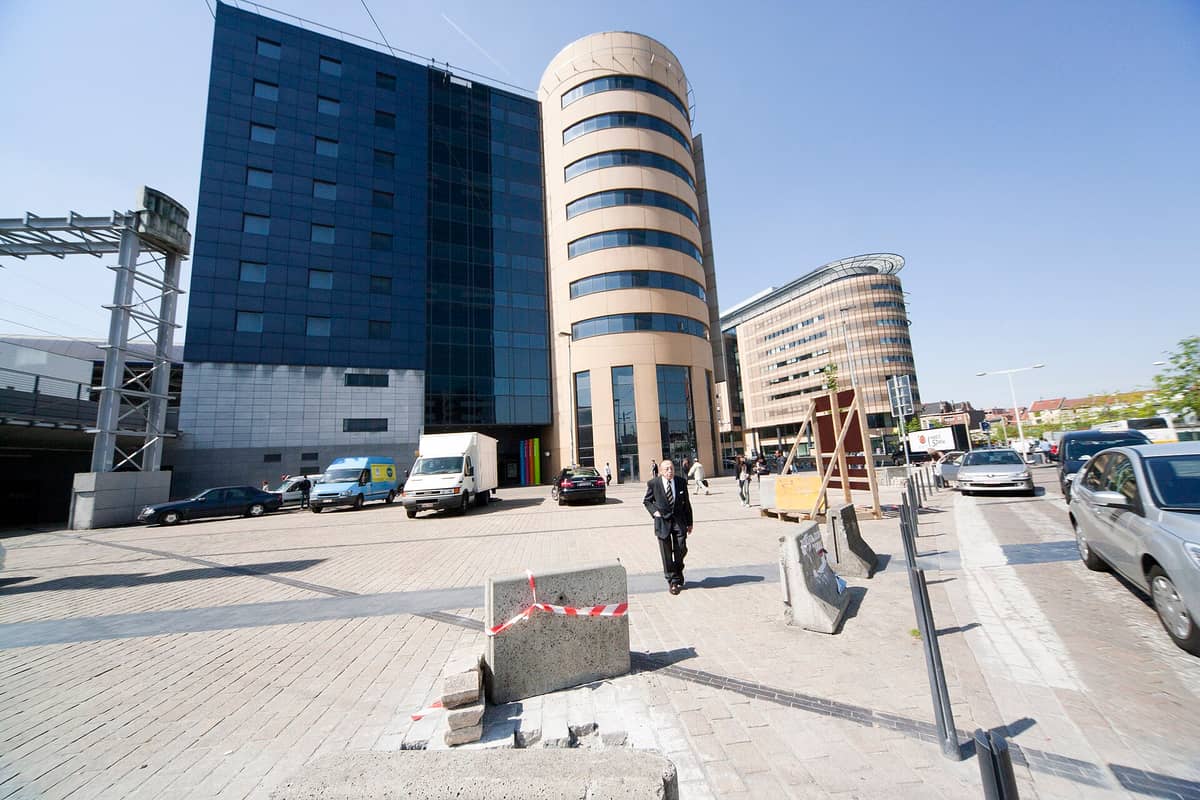
Eurostar operates direct high-speed services between Brussels-Midi and Amsterdam Centraal, with journey times ranging from approximately 1 hour 50 minutes to just under 2 hours depending on the specific service. Trains travel via Rotterdam Centraal and Schiphol Airport, both useful stops if your itinerary extends beyond Amsterdam itself. Advance one-way fares are advertised from around €29, but realistic prices for popular departure times hover closer to €45–€70 when booked a week out. Last-minute bookings can push well above €100 each way.
The on-board experience is comfortable: standard class seats are spacious by European rail standards, there's a café car, and the ride is smooth. No passport control applies for Belgian and Dutch citizens, but travellers on non-EU passports should be aware that the Netherlands conducts entry checks at the border. In practice this rarely adds significant time, but it's worth knowing.
✨ Pro tip
Eurostar fares use a dynamic pricing model identical to airline tickets. Booking 3–6 weeks ahead, particularly for Tuesday to Thursday departures, consistently yields the lowest prices. Midday departures tend to be cheaper than morning and evening commuter-friendly slots.
Eurocity Direct: The Underrated Alternative
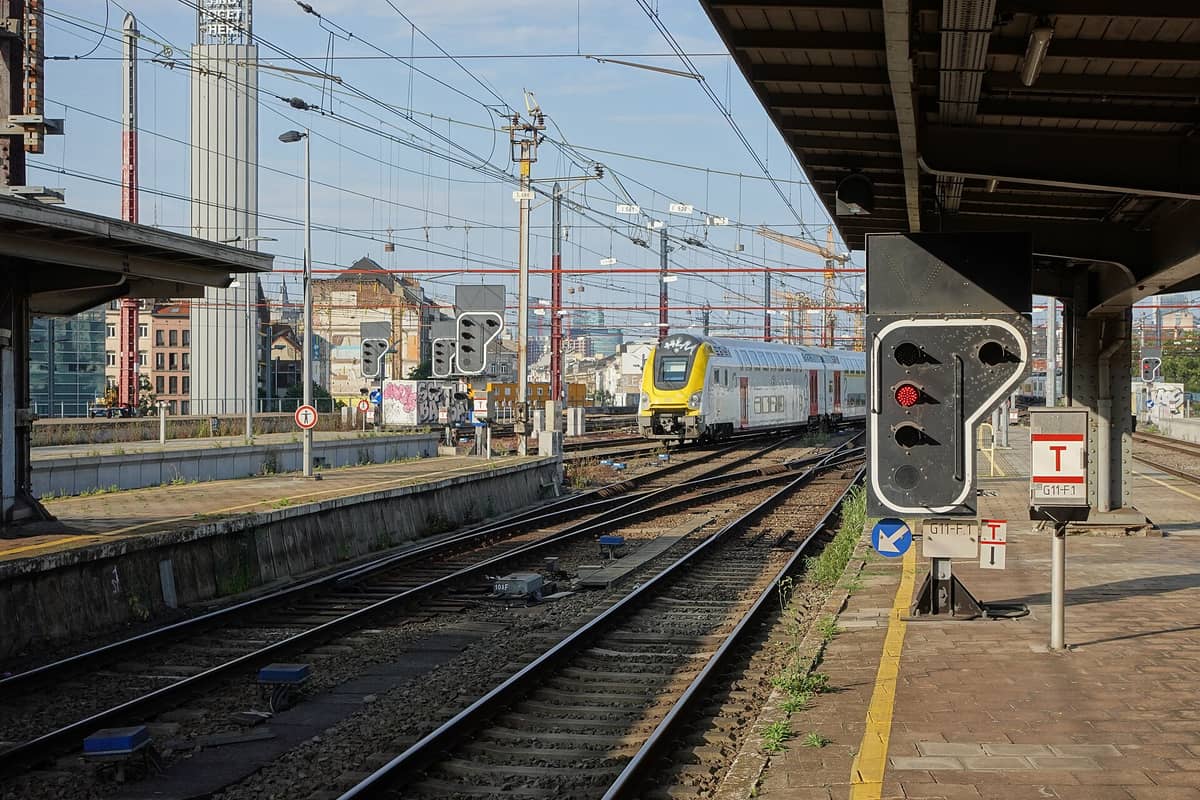
The Eurocity Direct service, operated under the Belgian Rail / b-europe platform, runs a direct Brussels–Schiphol–Amsterdam connection with a scheduled journey time of around 1 hour 59 minutes. It is marginally slower than the fastest Eurostar services but is often cheaper, particularly outside peak travel periods. Advance fares start from around €25 one way. The service stops at Amsterdam Schiphol Airport before terminating at Amsterdam Centraal, which makes it genuinely convenient if you're continuing onwards by air.
For practical purposes, the difference between Eurostar and Eurocity Direct often comes down to pricing on the day you're searching rather than meaningful differences in comfort or reliability. Running both operators through a search before booking takes about two minutes and can save you €20 or more. The Belgian Rail website (b-europe.com) and third-party aggregators like Rail Europe both display schedules and comparative pricing.
- Eurostar Journey time: ~1h40–2h00. Advance fares from ~€29. Fastest option on the route. Book via eurostar.com.
- Eurocity Direct (Belgian Rail / b-europe) Journey time: ~1h59. Advance fares from ~€25. Stops at Schiphol Airport. Book via b-europe.com or national rail operators.
- Standard Intercity connections Some slower Intercity services with one or more changes are available and can be even cheaper, but journey times extend to 2h30 or more. Suited to flexible travellers on a tight budget.
Budget Bus: FlixBus and BlaBlaCar Bus
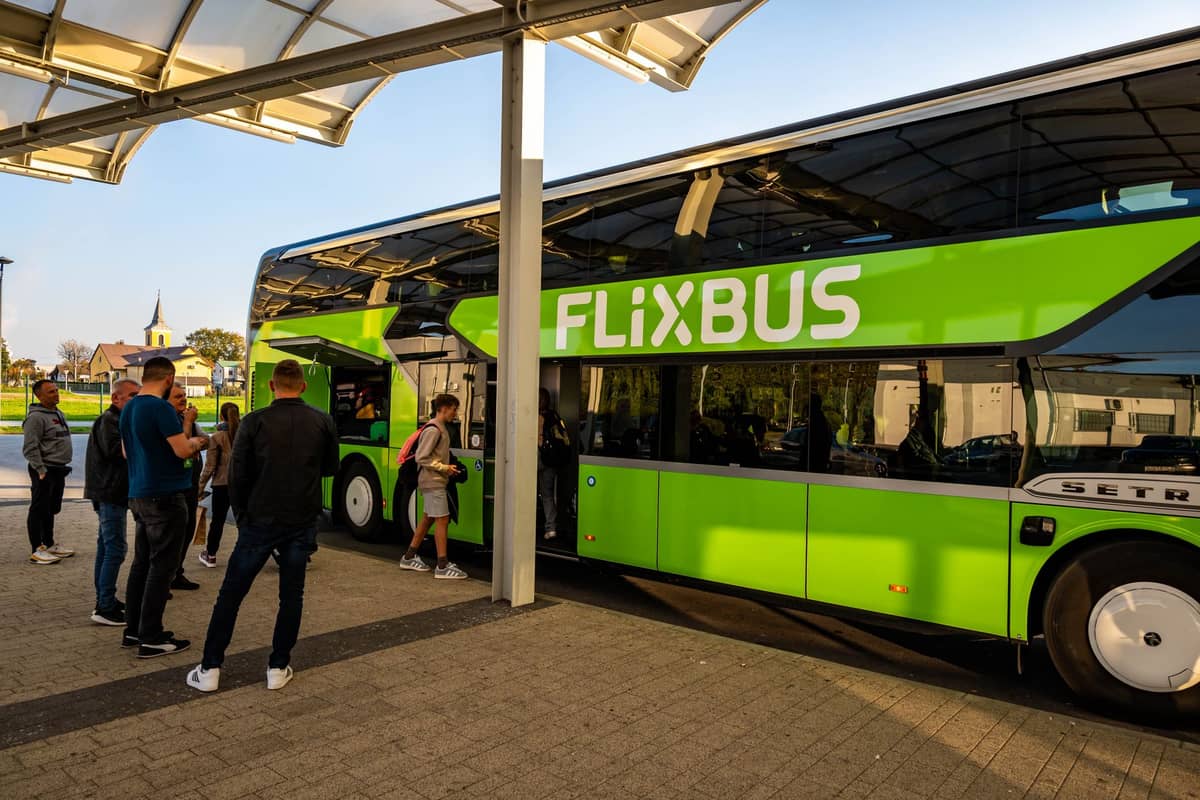
If you're travelling light and have flexibility on timing, coach services offer genuine savings. FlixBus runs Brussels to Amsterdam with typical journey times between 3 and 4 hours, with promotional one-way fares from around €14–€16 for early bookings. BlaBlaCar Bus covers the same route in approximately 3h45–4h30, with similar pricing. Both operators depart from Brussels's main bus terminal and make intermediate stops, so confirm your boarding point when booking.
The gap between bus and train is smaller than it might look on paper. The fastest advertised bus services run around 3h15–3h20, which is roughly 80–90 minutes slower than a high-speed train. For many travellers doing a two-city trip over several days, that extra time is an acceptable trade-off against saving €30–€50 per person each way. The bus is not a great choice for same-day returns or tight connection schedules.
⚠️ What to skip
Bus journey times on this route are affected by traffic, particularly around the Rotterdam and Amsterdam ring roads. A 3h15 timetabled journey can become 4h30 on a Friday afternoon or during holiday weekends. Factor in buffer time if you have onward commitments in Amsterdam.
- FlixBus: advance fares from ~€14–€16, journey time 2h40–4h, multiple daily departures including late-night options.
- BlaBlaCar Bus: advance fares typically from ~€15–€20, journey time ~3h30–4h30.
- Promotional fares on both operators are most common for Tuesday-Thursday midday departures booked 2+ weeks ahead.
- Check-in at the Brussels bus terminal (typically at or near Brussels-Midi or Brussels-North — confirm the specific departure point for your booking).
- Neither operator guarantees specific seat assignments on cheaper tickets; arrive 15–20 minutes early.
Booking Smart: Timing, Pricing, and Practical Tips
The single biggest variable on this route is when you book, not which service you take. Eurostar operates a yield management system similar to budget airlines: seats on popular morning and evening departures on Fridays and Sundays can sell out weeks in advance, and the remaining tickets are priced accordingly. If you know your travel dates, booking 4–6 weeks out is almost always worth it. Conversely, if you're flexible on timing and can travel midweek, you'll often find decent prices even 7–10 days ahead.
Third-party aggregators like Rail Europe and Virail display multiple operator schedules side by side and can surface price differences quickly, though booking directly with the operator often avoids service fees. For context on how Brussels fits into a wider European rail trip, the Paris to Brussels train guide covers the southern leg of the same high-speed corridor, and Brussels to Bruges is another well-served day-trip route worth pairing with an Amsterdam visit.
One detail that catches travellers off guard: rail prices on this route are quoted in multiple currencies depending on the booking platform. Always confirm the currency before paying, and check whether the fare includes seat reservation (it should for Eurostar and Eurocity Direct, but not always for Intercity services booked through aggregators).
- Book Eurostar and Eurocity Direct at least 3–4 weeks ahead for best fares.
- For buses, promotional fares drop as low as €14 but disappear quickly for peak departures.
- Tuesday, Wednesday, and Thursday midday departures consistently offer lower pricing across all operators.
- Travelling during Dutch or Belgian school holidays (particularly late July to mid-August and Christmas week) sees fares spike across all modes.
- Seat reservations are included in Eurostar tickets; for other services, confirm when booking.
What to Do Before You Leave Brussels
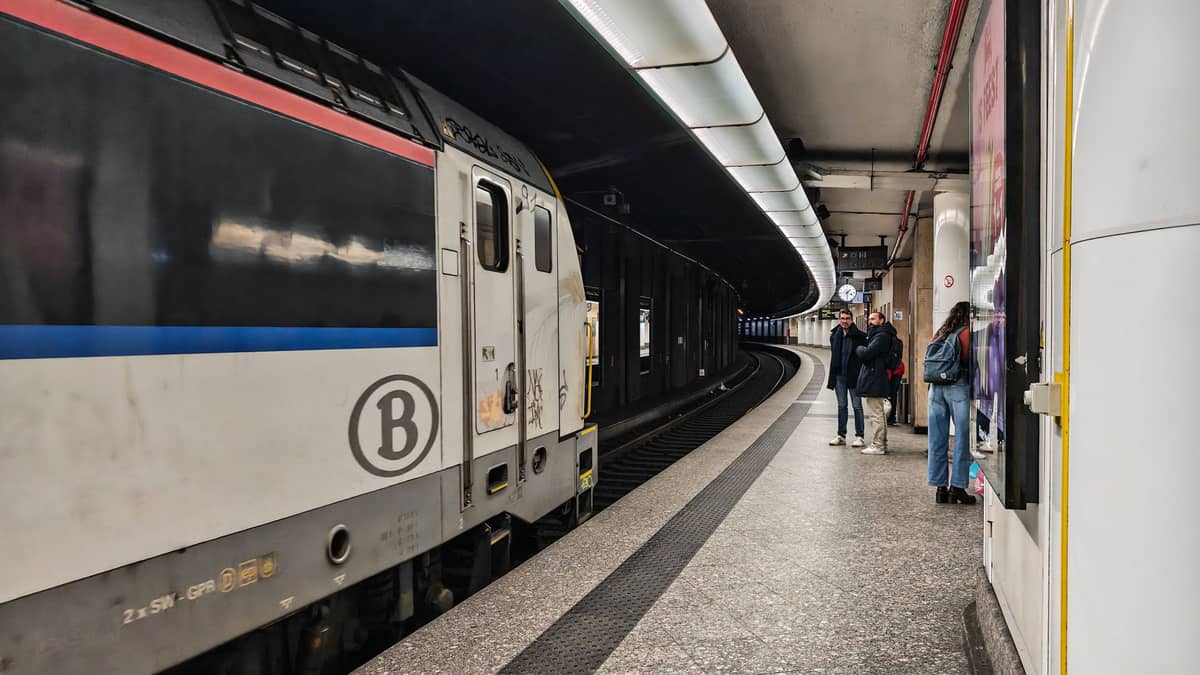
Brussels-Midi is a large, functional station but not particularly scenic. Allow yourself 20–30 minutes before departure to navigate platforms, particularly on your first visit. The station has luggage storage, cafes, and a small shopping area. If you're spending a day in Brussels before heading north, the Grand-Place is about 15 minutes from Midi by metro or tram, and the Sablon neighbourhood with its chocolate shops and antique dealers is a short walk from the city centre stations.
If you're combining Brussels with day trips before heading to Amsterdam, the city has strong rail links in every direction. The day trips from Brussels guide covers Ghent, Bruges, and other nearby destinations that can be done before an evening departure to Amsterdam. For those spending more than a day or two, the 2 days in Brussels itinerary gives a practical framework for the main highlights.
💡 Local tip
Brussels has two airports: Brussels Airport (BRU, near Zaventem, ~12 km from centre) and Brussels South Charleroi Airport (CRL, ~50–60 km south). If you're flying into CRL and heading to Amsterdam by train, you'll need to travel to Brussels-Midi first, adding significant time and cost. Factor this into your overall journey planning.
FAQ
How long does the Brussels to Amsterdam train take?
The fastest direct high-speed services (Eurostar) take approximately 1 hour 50 minutes to just under 2 hours. The Eurocity Direct service is scheduled at around 1 hour 59 minutes. Standard Intercity trains with connections can take 2.5 hours or more.
How much does the Brussels to Amsterdam train cost?
Advance one-way fares start from around €25–€29 on Eurostar and Eurocity Direct. Booking 3–6 weeks ahead is strongly recommended. Last-minute fares on the same services regularly exceed €100 one way. Prices vary significantly by operator, class, and date.
Is the bus from Brussels to Amsterdam worth it?
If you book early and aren't time-sensitive, yes. FlixBus and BlaBlaCar Bus offer advance fares from around €14–€22, with journey times of 3–4.5 hours. The trade-off is travel time and vulnerability to traffic delays. It's a reasonable choice for budget-conscious travellers, less so for day trips or tight schedules.
Do I need a passport to travel from Brussels to Amsterdam by train?
Both Belgium and the Netherlands are in the Schengen Area, so EU/EEA citizens do not need a passport specifically for routine travel on this route (a national ID card suffices), and there are no fixed border checks. However, non-EU passport holders may encounter identity or entry checks, and all travellers should carry valid documentation regardless of nationality.
Which station in Brussels do trains to Amsterdam depart from?
All international trains to Amsterdam depart from Brussels-Midi (Gare du Midi / Brussel-Zuid). This is not the same as Brussels-Central or Brussels-North. Midi is served by metro, tram, and local rail, and is located in the south of the Brussels-Capital Region.