Brussels Flower Carpet: Everything You Need to Know
The Brussels Flower Carpet is one of Europe's most spectacular temporary installations, covering the Grand-Place in nearly one million flowers for just four days every two years. This guide covers dates, viewing options, crowd strategy, and practical tips to help you plan a visit worth the trip.
Plan and book this trip
Tools from our partner Travelpayouts help you compare flights and hotels. If you book through them, we may earn a commission at no extra cost to you.
Flights
Hotels map
TL;DR
- The Brussels Flower Carpet is a biennial event, held every two years in mid-August on the Grand-Place for approximately four days only.
- General viewing from the square is free; paid tickets are needed for elevated viewpoints like the Town Hall balcony or the View Tower Experience.
- The 2026 edition ran 13–16 August and featured nearly one million dahlias across a 70 m x 24 m installation on the Grand-Place.
- A free sound and light show runs each evening from around 9:45 pm to 11 pm during the event.
- This is not a year-round attraction. If you miss the four-day window, you wait two years.
What Is the Brussels Flower Carpet?
The Brussels Flower Carpet is a large-scale floral installation laid directly on the cobblestones of the Grand-Place, Brussels's medieval market square. It is not a carpet in the textile sense, and it is not a garden display. Volunteers arrange cut flowers, mostly begonias and dahlias grown in Belgium, into geometric and thematic patterns that reference the year's chosen motif. The result typically covers roughly 1,680 square metres — approximately 70 metres long and 24 metres wide — across one of the most photogenic squares in Europe.
The event has been staged since 1971 and generally runs as a biennial: it appears once every two years, usually in mid-August, timed around the Assumption Day period. That four-day window is all you get. The Brussels Town Hall and the ornate guild houses that frame the Grand-Place provide an extraordinary backdrop, making the carpet dramatically different from any floral display you might see in a park or greenhouse setting.
ℹ️ Good to know
The Flower Carpet is not annual. It runs for roughly four days every two years. The 2026 edition took place 13–16 August 2026. The next edition is expected around August 2028. Always confirm dates on the official event site at flowercarpet.brussels before making travel plans.
Dates, Hours, and the Evening Light Show
The 2026 edition ran from Thursday 13 August to Sunday 16 August. The carpet itself is visible throughout the day from the Grand-Place, which is a public square with no entry fee.
Each evening during the event, a free sound and light show is projected onto the surrounding guild houses and the Town Hall facade. For 2026, this ran from approximately 9:45 pm to 11 pm, with repeated performances during that window. The light show dramatically changes how the carpet reads visually, and most photographers who visit during the day return for it. Arriving at the square around 9:15 pm gives you time to find a decent vantage point before the show begins, though the square fills up quickly on Friday and Saturday evenings.
- Opening day (Thursday) The carpet is freshly laid and the flowers are at their most vivid. Crowds are large but manageable compared to the weekend. Ideal for photography.
- Friday evening The light show draws a significant crowd. Arrive early to secure a position at the edge of the square with a clear view.
- Saturday Peak visitor day. The Grand-Place can feel genuinely packed by mid-afternoon. Worth visiting early morning (before 9 am) for a quieter experience.
- Sunday (closing day) Crowds thin toward the end of the day as the event wraps up. The flowers will have been in place for four days and may show some wear in direct sunlight.
Free Viewing vs. Paid Viewpoints
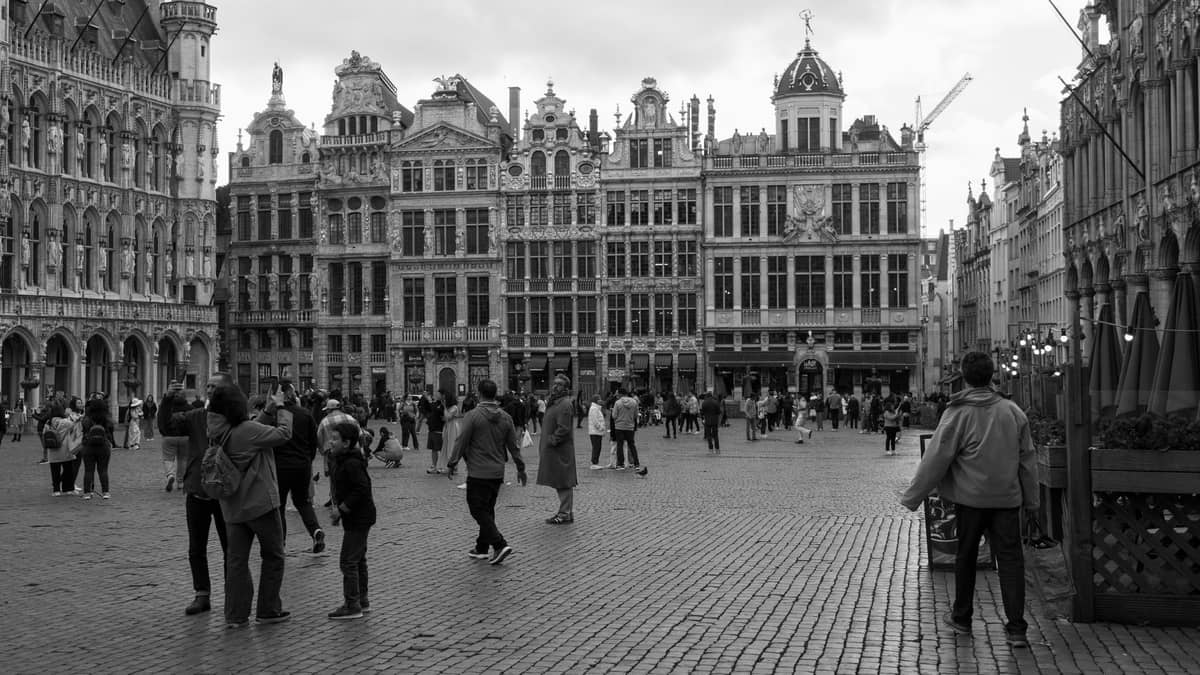
Standing on the Grand-Place and looking at the carpet from ground level is free and requires no booking. This is how most visitors experience it, and for many people it is entirely sufficient. The square is large enough that you can move around the perimeter to get different angles, including views that incorporate the Town Hall tower or the King's House (Maison du Roi) in the background.
The paid option is the View Tower Experience, operated by the City of Brussels, which provides access to an elevated viewpoint in the Town Hall area. From above, the full geometric design of the carpet becomes clear in a way that is impossible from street level. Tickets for this were sold on-site during the 2026 event. The City of Brussels also offered Town Hall balcony access during past editions. Exact pricing for the tower experience was not published in advance for 2026 — tickets were available at the venue during the event days.
✨ Pro tip
For the best aerial view without paying for the tower, the upper floors of the Maison du Roi (Museum of the City of Brussels) overlook the Grand-Place and offer a partial elevated perspective. Check opening hours in advance, as the museum's schedule during the Flower Carpet weekend can change.
The Flowers: What Goes Into the Carpet
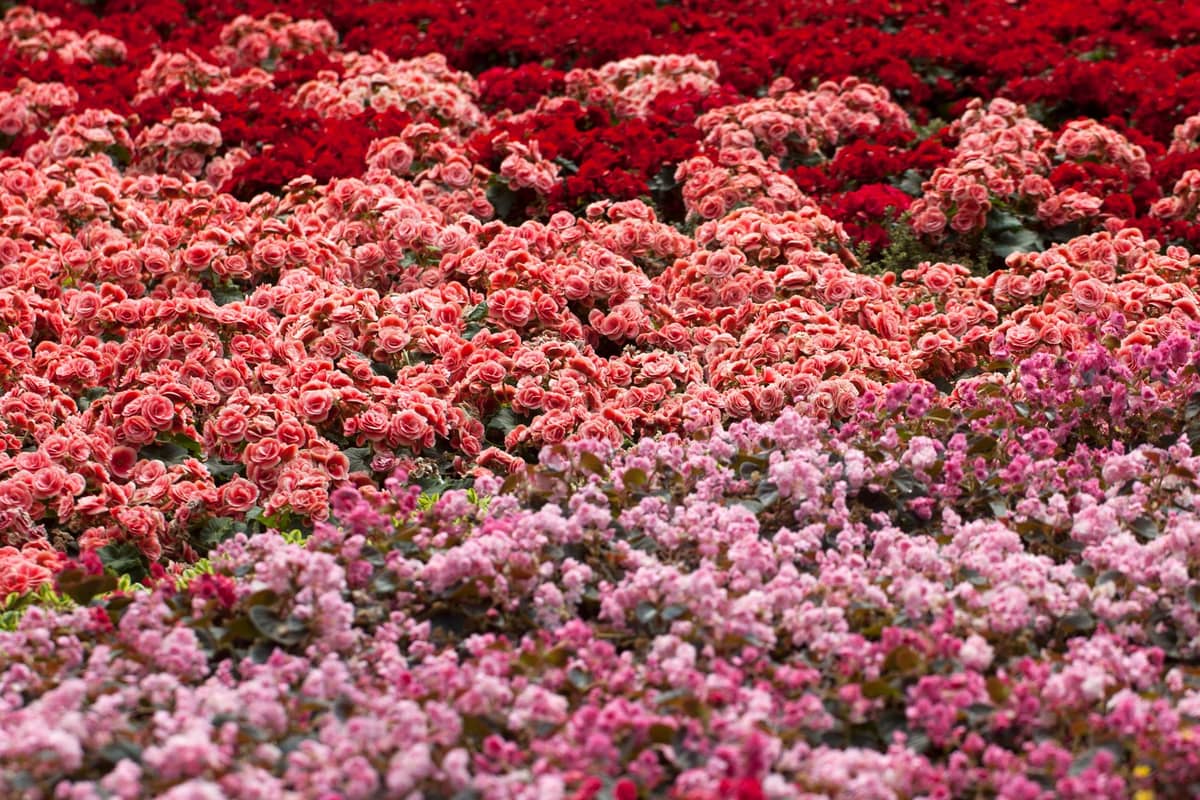
For the 2026 edition, the carpet featured dahlias as the primary flower, with the installation using close to one million flowers in total. In most editions, begonias from the Ghent region have been the dominant bloom, as Belgian begonia growers produce a significant share of the world's supply. Dahlias signal a deliberate design choice, since their larger blooms and broader colour range allow for different textural and graphic effects than the dense, compact begonia.
The flowers are grown in Belgium and cut specifically for the event. Because they are not rooted, the carpet has a limited lifespan, which is part of why the event runs only four days. In warm August weather, cut flowers at ground level on a sun-exposed stone square can deteriorate noticeably by day three or four. If you are visiting primarily for photography, aim for the first two days.
- Hundreds of thousands of flowers used in the 2026 edition
- Primary bloom for 2026: dahlias (previous editions have featured begonias)
- All flowers are grown in Belgium
- Traditional installation covers approximately 1,680 m² (70 m x 24 m), though the exact surface area can vary by edition
- Assembled by volunteers in the days before the official opening
- The carpet is laid on the cobblestones, not a permanent fixture
Planning Your Visit: Practical Logistics
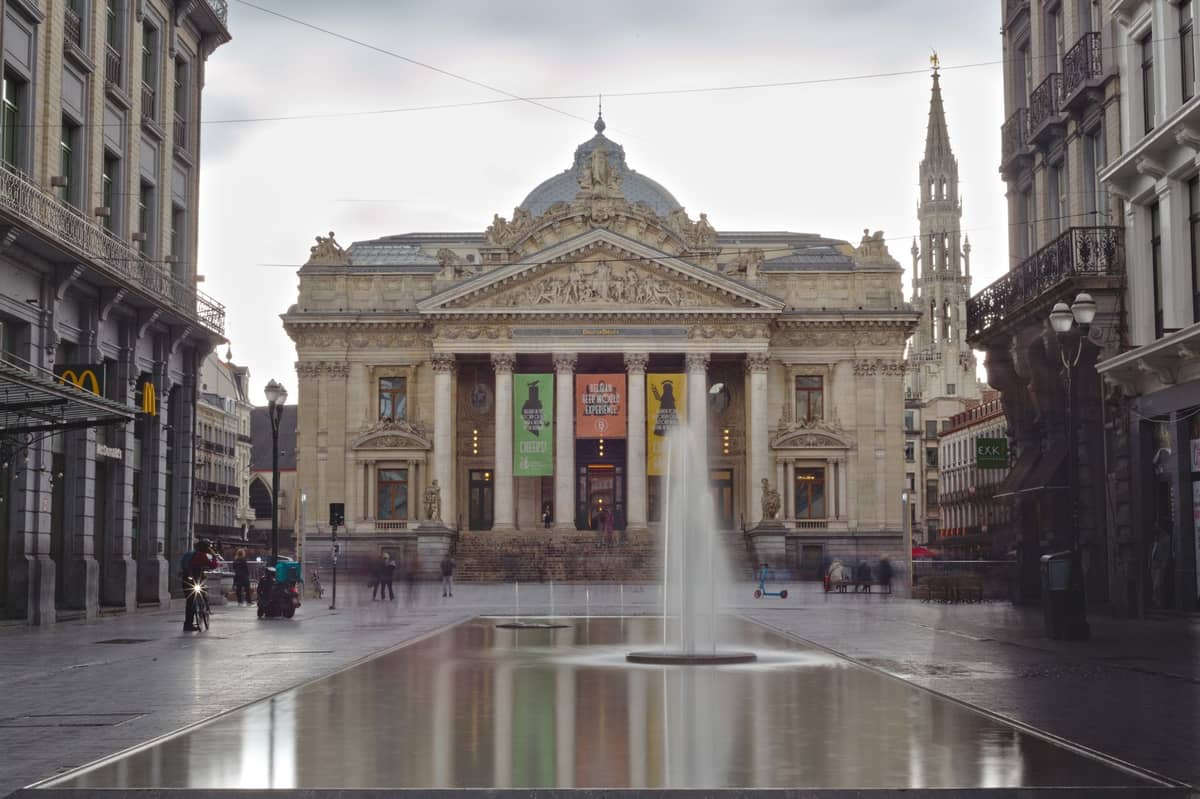
The Grand-Place sits at the heart of Brussels's city centre, the historic area sometimes called the Pentagon. It is easily reached from most parts of the city. The nearest metro station is Bourse/Beurs (line 1/5), a short walk away. The area around the Grand-Place is pedestrianised, so arriving by tram or metro is more practical than driving. For a broader look at getting around the city, the getting around Brussels guide covers STIB/MIVB options in detail.
Brussels in mid-August sits at the tail end of peak summer season. Temperatures typically range from around 14°C at night to 23°C during the day, though August can occasionally bring heatwaves that push this higher. The event is entirely outdoors. If you are travelling specifically for the Flower Carpet, it is worth reading the best time to visit Brussels overview, which covers August crowds and weather patterns in more detail.
Accommodation in central Brussels during the Flower Carpet weekend books up earlier than usual. The Grand-Place area, Sablon, and the broader city centre are the most convenient bases. The where to stay in Brussels guide includes options across different price points. Budget visitors should note that staying slightly outside the immediate centre, in neighbourhoods like Ixelles or Saint-Gilles, is often significantly cheaper while keeping a short commute to the Grand-Place.
⚠️ What to skip
The Grand-Place during the Flower Carpet weekend is one of the most crowded spots in Brussels all year. Pickpocketing risk is higher in dense tourist crowds anywhere in Europe, and this event is no exception. Keep bags closed and in front of you, especially during the evening light show when the square fills to capacity.
Beyond the Carpet: What Else to Do During Your Visit
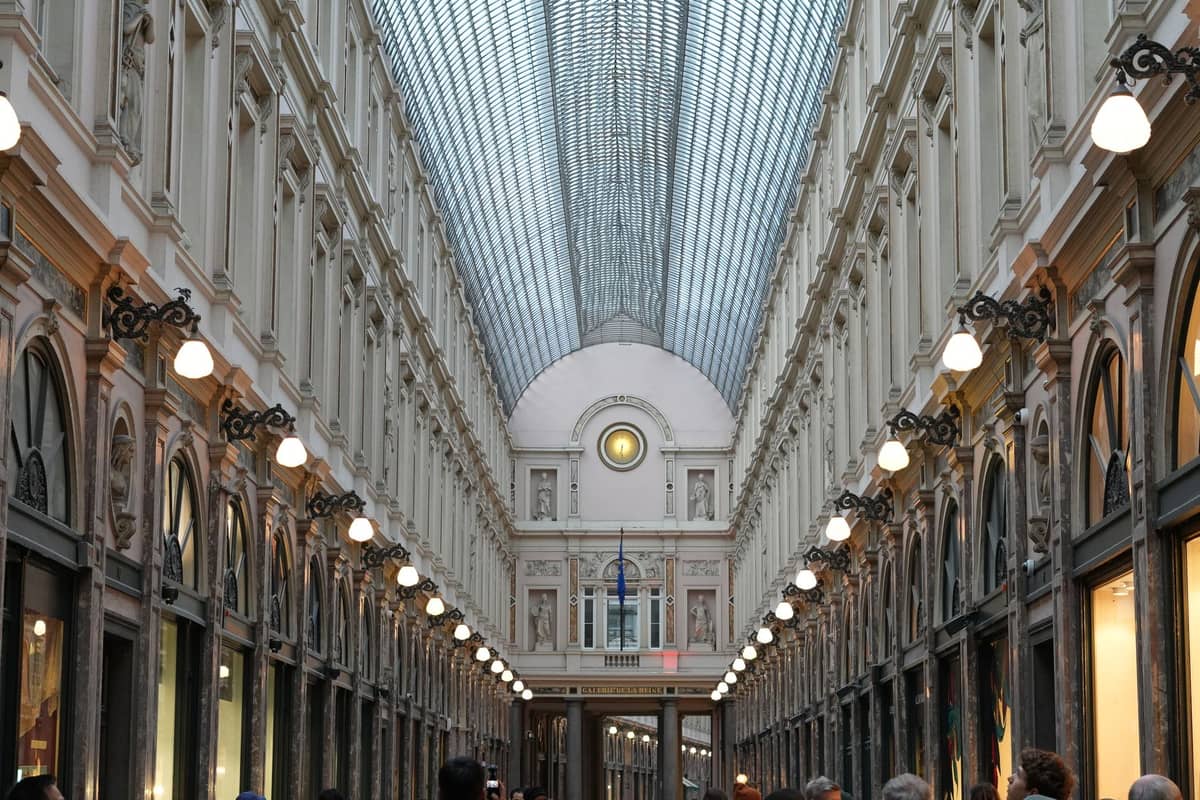
Four days is a short event, but Brussels rewards time spent exploring beyond the Grand-Place. The Îlot Sacré neighbourhood immediately surrounding the square has the Galeries Royales Saint-Hubert, a 19th-century glass-roofed shopping arcade worth walking through. The Galeries Royales Saint-Hubert are particularly atmospheric in the evening.
If you are travelling with family, a visit to the Manneken Pis is nearby and free, though the statue itself is smaller than most first-time visitors expect. For a more substantial cultural stop, the Magritte Museum is a short walk from the Grand-Place and one of Brussels's stronger permanent collections. The best museums in Brussels guide can help you decide what fits your schedule and interests.
Mid-August is also a good time to explore the city's food scene. Belgian waffles, frites, and chocolate are all available within a few minutes' walk of the Grand-Place, though the immediate tourist zone around the square tends to charge a premium. For a more honest look at what and where to eat, the what to eat in Brussels guide covers local options without steering you into tourist traps.
FAQ
How often does the Brussels Flower Carpet happen?
The Brussels Flower Carpet is a biennial event, meaning it takes place once every two years. It is usually held in mid-August for approximately four days. The 2026 edition ran 13–16 August. The next edition is expected around August 2028, though exact dates are announced by the City of Brussels closer to the event.
Is the Brussels Flower Carpet free to visit?
Viewing the carpet from the Grand-Place is completely free. The square is a public space with no entry fee. Paid tickets are only required for elevated viewpoints such as access to the Town Hall balcony or other City of Brussels–operated viewpoints, which provide an aerial perspective of the full design. Tickets for these premium views are sold on-site and, in some editions, online during the event.
What is the best time of day to see the Brussels Flower Carpet?
Early morning on the first two days offers the best combination of fresh flowers and smaller crowds. The Grand-Place before 9 am on a Thursday or Friday during the event is noticeably quieter than Saturday afternoon. The evening light show, running approximately 9:45 pm to 11 pm each night, is worth attending separately, but arrive by 9:15 pm to secure a good position.
How many flowers are used in the Brussels Flower Carpet?
The 2026 edition used close to one million flowers, primarily dahlias, across a surface area of approximately 1,680 square metres (70 metres long by 24 metres wide). In previous editions, Belgian-grown begonias have been the dominant flower. All flowers are cut and grown in Belgium, which is one of the world's leading begonia producers.
Do I need to book in advance to see the Brussels Flower Carpet?
No advance booking is required to view the carpet from the Grand-Place, since access to the square is free and open. For the paid View Tower Experience, tickets have historically been available on-site during the event rather than through pre-booking, but this can change. Check the official City of Brussels website (brussels.be) and the official event site (flowercarpet.brussels) for the latest ticketing information before your visit.