Is Brussels Worth Visiting? A Clear-Eyed Assessment
Brussels divides opinion like few European capitals. This guide gives you a clear-eyed look at what the city genuinely offers, what it gets wrong, and exactly who will love it, so you can decide before you book.
Plan and book this trip
Tools from our partner Travelpayouts help you compare flights and hotels. If you book through them, we may earn a commission at no extra cost to you.
Flights
Hotels map
TL;DR
- Brussels is the capital of Belgium and the de facto capital of the EU, with around 1.23 million residents in the Brussels-Capital Region and approximately 9.8–9.85 million overnight tourist stays recorded in 2024.
- The city rewards visitors with world-class museums, remarkable Art Nouveau architecture, and genuinely great food — see our overview of things to do in Brussels for a full breakdown.
- Two full days is enough to cover the main highlights; three days lets you go deeper into neighborhoods and day trips.
- Costs are mid-range for Western Europe: budget travelers can get by on €60-80 per day, while comfortable mid-range touring runs €120-180.
- The honest answer to whether timing your visit right matters: yes, significantly. May to September offers the most reliable weather, but summer crowds around Grand-Place are real.
What Brussels Actually Offers (Beyond the Clichés)
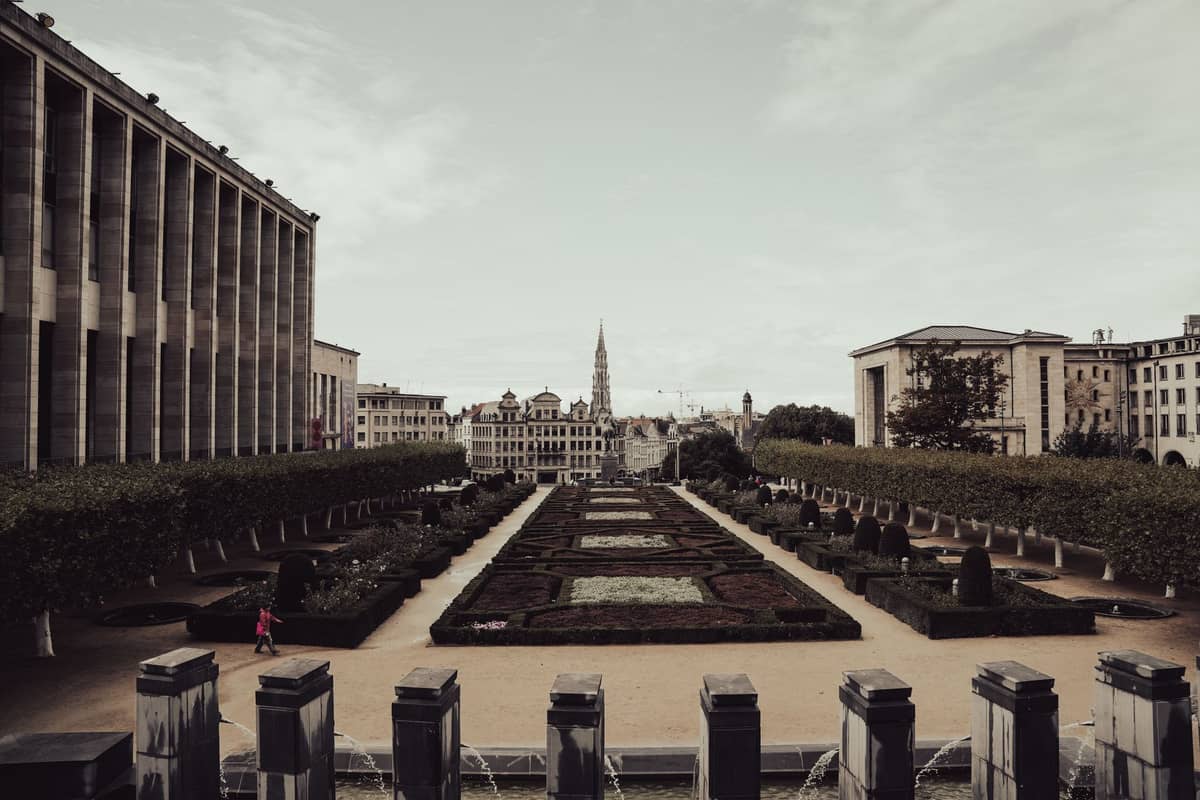
People ask whether Brussels is worth visiting partly because the city has an image problem. It gets written off as a grey EU bureaucrat town, overshadowed by Bruges and Ghent in the tourist imagination. That reputation is outdated. Brussels recorded approximately 9.8–9.85 million overnight stays in 2024, surpassing both 2023 figures and the previous record set in 2019. Tourists are voting with their feet, and increasingly getting it right. The Grand-Place alone is one of the most architecturally extraordinary central squares in Europe, a UNESCO World Heritage Site that genuinely earns that designation.
What Brussels does exceptionally well is depth. This is a city where you can spend a morning at a Flemish Old Masters collection and an afternoon at Europe's finest Art Nouveau interior, then eat some of the continent's best mussels for dinner without spending a fortune. The density of quality cultural institutions per square kilometer rivals cities twice its size. The Royal Museums of Fine Arts, the Magritte Museum, the Musical Instruments Museum, the Horta Museum: each would be a major attraction in any other city. In Brussels, they compete for your attention.
The food culture is legitimately world-class, not just the chocolate and waffles, though both are excellent if you go to the right places. Brussels has more Michelin-starred restaurants per capita than Paris, and the everyday restaurant scene, particularly around the Sablon and Ixelles, is strong. If you care about eating well, this is a serious city.
The Honest Drawbacks: What Brussels Gets Wrong
Brussels is not a flawless city break. The urban fabric is inconsistent. Post-war demolition and aggressive development left gaps in what should be a coherent historic center, and some of the central shopping streets are thoroughly unremarkable. The area immediately around the Midi/Zuid station, where Eurostar trains arrive, can feel grim on first impression. If that is your entry point, take five minutes to walk elsewhere before judging the city.
The city's bilingual French-Dutch character, combined with a large English-speaking expat and EU population, means signage and service can be inconsistent. Most tourist-facing staff speak English well. In some neighborhoods, French is preferred; in others, Dutch. This rarely creates practical problems, but it adds a slight friction that more linguistically homogeneous cities lack.
⚠️ What to skip
If you book flights into Brussels South Charleroi Airport (CRL) rather than Brussels Airport (BRU, near Zaventem), budget significantly more time and money to reach the city center. Transfers from Charleroi to central Brussels cost on the order of €90–120 by taxi and take 50-75 minutes. BRU is roughly 12–15 km from the center, reachable by train in about 17-25 minutes for roughly €9-13.
The weather is the other honest caveat. Brussels has a temperate maritime climate with around 800–830mm of annual rainfall spread across the year. There is no true dry season, only relatively drier months in spring. July and August bring the best temperatures (highs around 23°C) but rainfall remains moderate and spread across the month rather than concentrated in a dry period. Expect overcast skies and occasional showers in any season. Pack a compact waterproof regardless of when you visit.
The Case for Brussels: Culture, Architecture, and Food
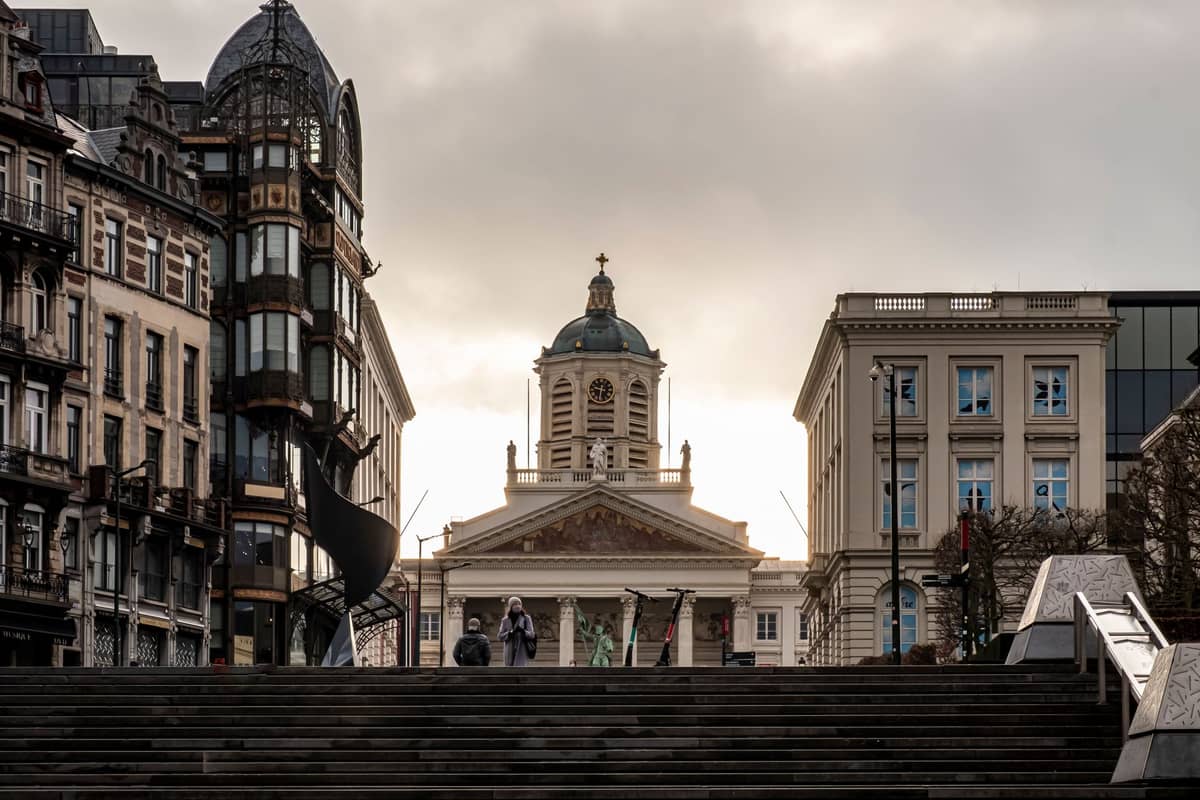
The Art Nouveau concentration in Brussels is arguably the finest in the world. Victor Horta built four major houses here between 1893 and 1901; the Horta Museum in Saint-Gilles is the most accessible to visitors, but the neighbourhood's facades more broadly are worth an afternoon of slow walking. The city's relationship with Art Nouveau is not just heritage tourism: it shaped how Brussels thinks about architecture and design, and that sensibility persists in everything from shopfronts to restaurant interiors.
For museum-goers, Brussels has an unusually dense museum scene for a city of its size. The Magritte Museum holds the world's largest collection of René Magritte's work. The Museum of Musical Instruments is housed in a magnificent Art Nouveau building and uses audio technology so you can actually hear the instruments as you walk past them. The Cantillon Brewery is a working lambic brewery in Anderlecht that functions simultaneously as a museum and production facility — one of the most authentic food-culture experiences available in any European capital.
- Grand-Place and surroundings The medieval square, the Galeries Royales Saint-Hubert arcade, and the Maison du Roi (Brussels City Museum, adults €10) form a compact historic core you can cover in a half-day.
- Art Nouveau circuit Saint-Gilles and Ixelles hold the highest concentration of Art Nouveau facades. The Horta Museum requires booking in advance; allow 90 minutes inside.
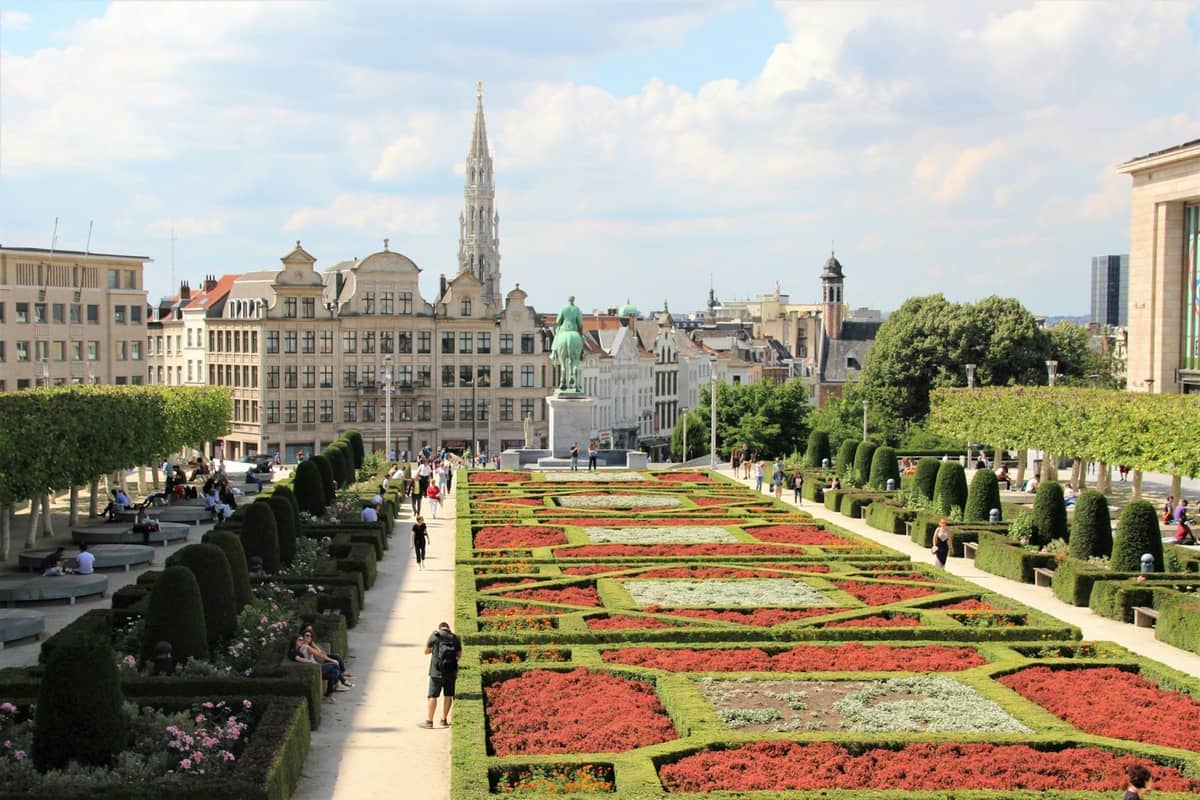
- Museum Row at Mont des Arts The Magritte Museum, Musical Instruments Museum, and BELvue Museum cluster around Mont des Arts. A Brussels Museum Pass from €27 covers multiple institutions.
- The Sablon Upper and lower Sablon squares host antiques dealers, chocolate shops, and quality restaurants. Saturday and Sunday morning antiques market is worth catching early.
- Atomium and Mini-Europe The Atomium is genuinely distinctive architecture from the 1958 World's Fair. Not for everyone, but it photographs well and the interior has improved significantly.
Practical Logistics: Getting Here, Getting Around, Costs
Brussels Airport (BRU, IATA code) sits in Zaventem, roughly 12–15 km northeast of the city center. The SNCB/NMBS train from the airport to Brussels-Central takes about 17-20 minutes and costs approximately €9-11 one way including the airport supplement (verify current fares with SNCB before travel, as prices adjust periodically). This is by far the best option for most travelers: frequent departures, reliable timing, and easy connections to metro and tram from Brussels-Central.
Within the city, the STIB/MIVB network (metro, tram, bus) covers all the main tourist areas efficiently. Trams are particularly useful for reaching neighborhoods like Ixelles and Saint-Gilles. Single tickets, day passes, and multi-day passes are available; tap-to-pay contactless is accepted on most vehicles. Metered taxis from the airport to the city center run approximately €40-55 under normal conditions.
💡 Local tip
The Brussels Card (from around €39-41 for 24 hours for the basic museum version) covers free entry to around 45–49 museums including the Magritte Museum and Musical Instruments Museum, with an optional add-on for unlimited public transport. If you plan to visit two or more major museums in a day, the math usually works in your favor. Buy online before you arrive to skip queues.
On daily costs: Brussels is not cheap, but it is not Paris or Amsterdam either. A hostel dorm runs €25-45 per night; a decent mid-range hotel starts around €100-140. Lunch at a proper brasserie costs €15-25 per person including a drink. Museum admissions typically range €8-15. Budget travelers who self-cater breakfast and eat lunch as their main meal can realistically manage on €65-80 per day. A comfortable mid-range day with restaurant dinners, museum entries, and a few drinks runs €130-180.
✨ Pro tip
Waffles sold from tourist kiosks near Grand-Place are typically liège-style (dense, sweet, eaten plain) rather than Brussels-style (lighter, rectangular, eaten with toppings). The tourist versions are often mediocre and overpriced. Walk two blocks from the square and prices drop by 30-40%. For the real thing, look for a boulangerie serving them fresh rather than a dedicated waffle stand on the main tourist drag.
Who Brussels Is Right For (And Who It Isn't)
Brussels rewards curiosity. If you want a single iconic monument and a beach, look elsewhere. If you want to explore Art Nouveau architecture, drink some of Europe's most complex beer at a place like Cantillon Brewery, eat well across a range of price points, and visit museums that would be headline attractions in other cities, Brussels delivers consistently. It also works extremely well as a base: Bruges is 55 minutes by train, Ghent is 30 minutes, and Amsterdam is under two hours on high-speed rail.
Families find Brussels genuinely welcoming. The Atomium, Mini-Europe, the Natural Sciences Museum with its dinosaur gallery, and the city's park spaces all hold up for children. The Brussels with kids itinerary covers the logistics in more detail.
Couples on a city break tend to do well here too: the combination of quality restaurants, walkable neighborhoods, and cultural density is a strong match for that format. Solo travelers benefit from the city's good public transport and genuinely international character, which makes it easy to navigate and socially accessible. The one group that sometimes feels underwhelmed: visitors expecting a quaint medieval city in the Bruges mold. Brussels is a working capital, complicated and occasionally messy. That is part of what makes it interesting.
- Best for: food and beer culture enthusiasts, architecture lovers (especially Art Nouveau), museum-focused travelers, EU politics observers, city-break pairs
- Works well as: a European rail hub with Bruges, Ghent, Amsterdam, Paris, and London all within 2 hours
- Worth knowing: May-September gives the best weather; the Christmas market (late November to January) is excellent but crowded
- Not ideal for: travelers wanting a purely picturesque medieval atmosphere, beach-seekers, those who find urban complexity stressful
When to Go: Seasonal Breakdown
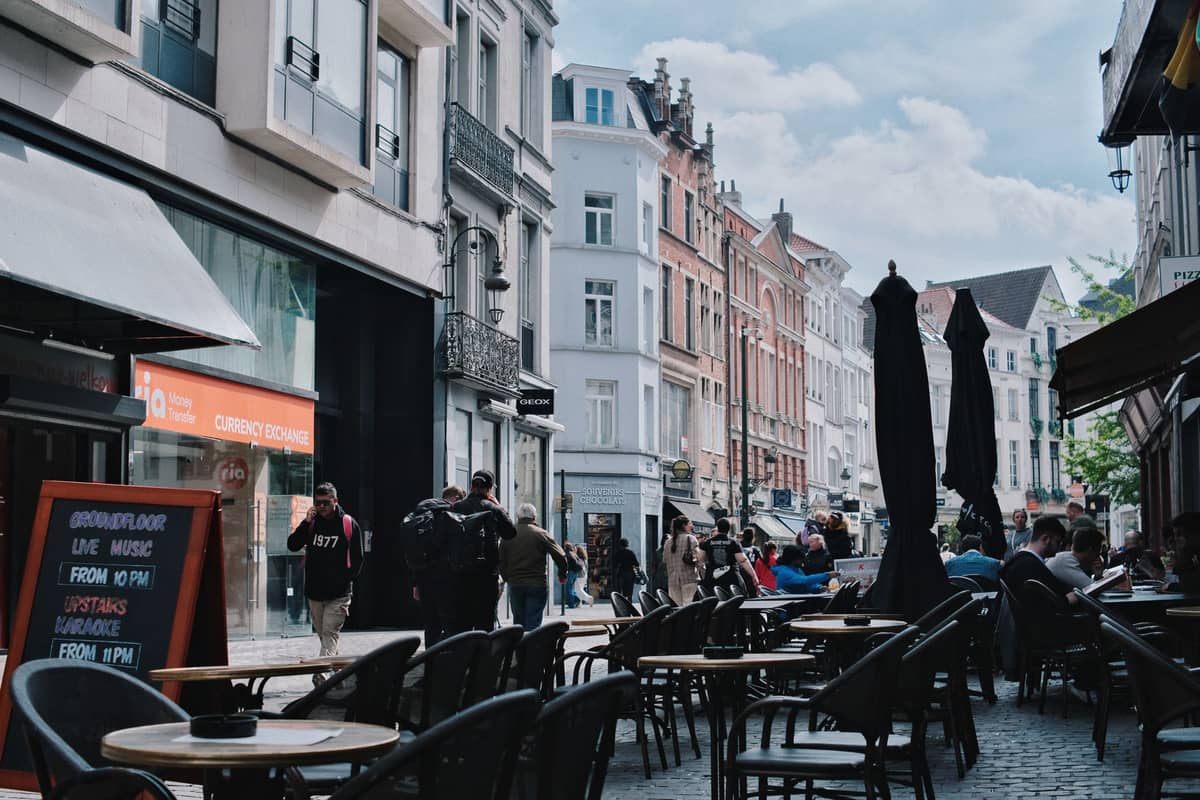
May and June are the most reliably pleasant months: temperatures reach 18-20°C, rainfall is at its seasonal low, and crowds are manageable before the summer peak. This is when the city feels most livable. July and August bring the warmest weather (up to 23°C) but also heavier crowds around Grand-Place and higher hotel prices. The best time to visit Brussels guide goes into monthly detail, including event calendars.
September is underrated: summer crowds thin out, temperatures stay comfortable at around 19°C, and the city's cultural calendar picks back up after summer. October turns grey and cool but the museums are quieter and prices drop. Winter is cold (January highs around 5°C) but the Brussels Christmas market across the city center from late November through January is a genuinely good reason to visit in the low season. The Grand-Place under Christmas lights is one of the better winter urban scenes in Europe.
FAQ
Is Brussels worth visiting for just one day?
One day is enough to get a strong first impression. Prioritize Grand-Place and its immediate surroundings in the morning (allow 1.5-2 hours including the Brussels City Museum if it interests you), then either the Magritte Museum or the Musical Instruments Museum in the afternoon, and finish with dinner in the Sablon or near the Galeries Royales Saint-Hubert. You will not exhaust the city, but you will understand why it deserves more time.
Is Belgium worth visiting beyond Brussels?
Absolutely, and Brussels makes an ideal base. Bruges is 55 minutes by direct train and offers the medieval canal city atmosphere that Brussels lacks. Ghent (30 minutes) combines medieval architecture with a younger, less touristy energy. Both are easily done as day trips. The Belgian coast at De Panne or Knokke is around 1.5 hours. If you have 5-7 days in Belgium, split your time between Brussels and at least one of these.
How safe is Brussels for tourists?
Brussels is broadly safe for tourists by Western European standards. Like any large capital, petty theft (pickpocketing on crowded trams or around Grand-Place) is the primary risk. The area around Midi/Zuid station warrants normal urban awareness, particularly at night. The emergency number is 112. For more detail on specific neighborhoods and practical safety advice, consult our Brussels safety tips guide.
What language do people speak in Brussels?
The Brussels-Capital Region is officially bilingual in French and Dutch, with French being the more widely used language in daily life. English is broadly spoken in tourist areas, hotels, restaurants, and EU-related sectors. Attempting a few words of French (bonjour, merci, s'il vous plaît) is appreciated, but you will rarely encounter a serious communication barrier in the tourist zones.
How many days do you need in Brussels?
Two full days covers the main highlights: Grand-Place and central area, one or two major museums, a neighborhood walk through Saint-Gilles or Sablon, and a proper sit-down dinner. Three days lets you add the Atomium, a brewing experience like Cantillon, deeper exploration of Ixelles, or a half-day trip to the Forêt de Soignes. Four days or more makes sense if you are combining Brussels with day trips to Bruges or Ghent.