Is Brussels Safe? A Practical Safety Guide for Visitors
Brussels is the capital of Belgium and the de facto capital of the European Union, drawing millions of visitors each year. Most trips are trouble-free, but understanding where the real risks lie, and which fears are overblown, makes a significant difference. This guide covers crime patterns, safe neighborhoods, transport safety, emergency contacts, and practical tips for navigating the city with confidence.
Plan and book this trip
Tools from our partner Travelpayouts help you compare flights and hotels. If you book through them, we may earn a commission at no extra cost to you.
Flights
Hotels map
TL;DR
- Brussels is generally safe for tourists and is rated moderate risk by international travel advisories, not high danger.
- Petty crime, particularly pickpocketing at Brussels-Midi, Brussels-Central, and around Grand-Place, is the most common issue visitors face.
- Belgium's national terrorism threat level sits at 3 out of 4 ("serious"), meaning armed police are visible at transport hubs and EU buildings, but the city functions normally.
- Neighborhoods like Ixelles, Sablon, and the European Quarter are very safe; peripheral districts away from tourist areas carry higher risk but are rarely visited by tourists. See our guide to where to stay in Brussels for neighborhood-by-neighborhood breakdowns.
- Download the official 112 BE app before arrival and keep Belgium's emergency numbers saved: 112 (all emergencies), 101 (police).
The Honest Answer: How Safe Is Brussels?
Brussels is safe for the overwhelming majority of visitors. International risk indices consistently rate it as medium or moderate risk, placing it in the same broad category as Paris, London, or Rome rather than cities with serious violent crime problems. The U.S. State Department advises "exercise increased caution" for Belgium, a designation driven primarily by terrorism concerns rather than street crime against tourists. Canada and the UK issue similar guidance. None of these advisories suggest avoiding the city.
What does exist is a genuine petty crime problem concentrated in specific, predictable locations. Pickpockets are active around major transport hubs and at peak tourist times. Understanding this pattern, rather than treating the entire city as dangerous or perfectly safe, is what actually protects you.
ℹ️ Good to know
Belgium's national terrorism threat level is currently set at 3 out of 4 ("grave"/"serious"). This means you may see armed soldiers and police at major transport hubs such as Brussels-Midi, Brussels-Central, Brussels Airport, and near EU and NATO buildings. This is a standing security posture, not a response to an imminent specific threat. The city operates normally.
Where Petty Crime Actually Happens
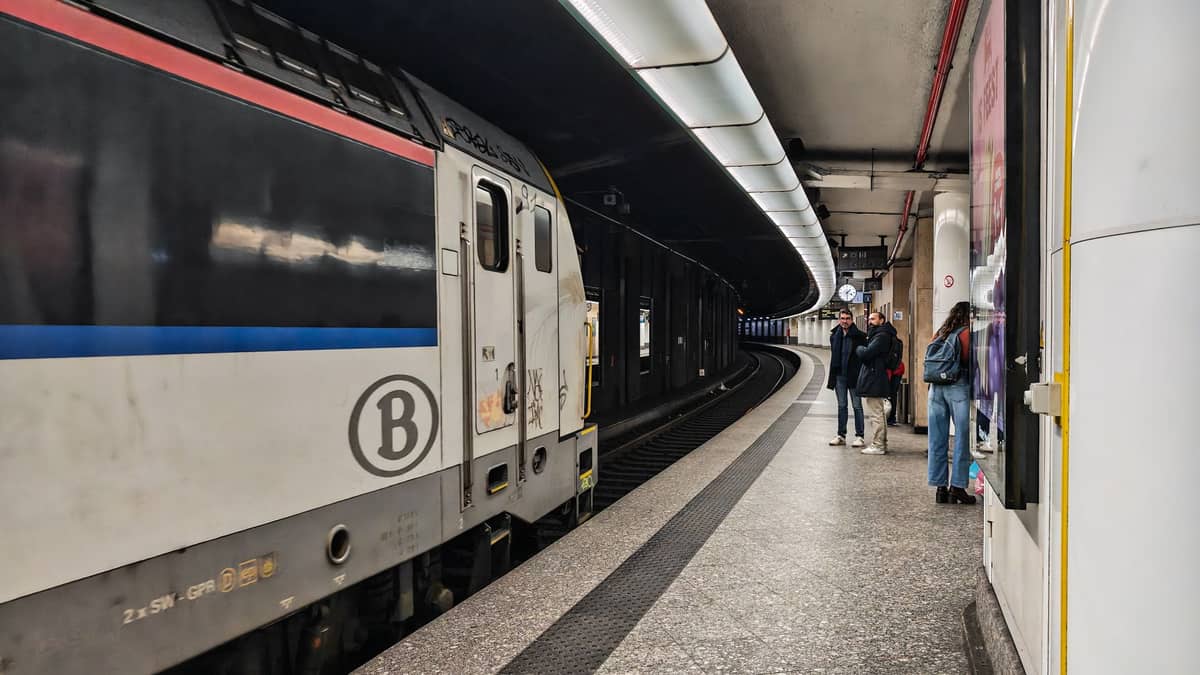
Pickpocketing and bag theft are concentrated in a handful of locations that happen to overlap almost perfectly with the tourist trail. Brussels-Midi (Gare du Midi) is consistently flagged as the highest-risk station in the city. It handles Eurostar and TGV arrivals, which means crowds of passengers with luggage and their attention on logistics rather than their surroundings. Keep bags closed and in front of you the moment you step off the train.
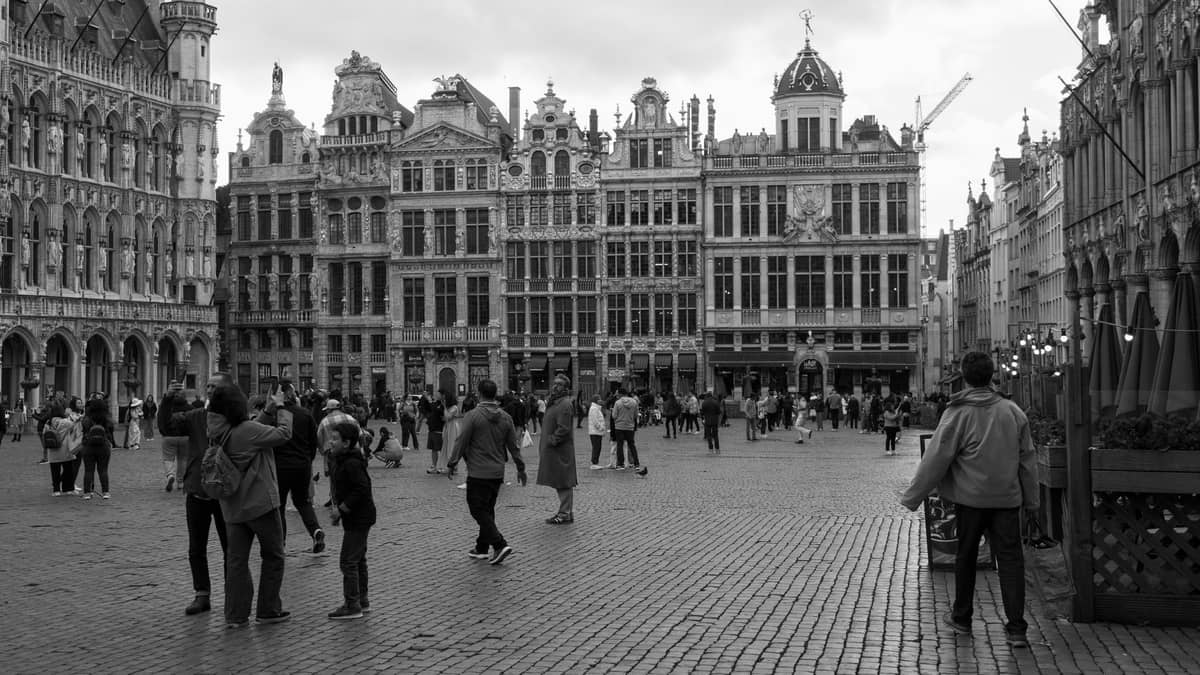
The area around Grand-Place and the pedestrian streets leading to it see a high volume of opportunistic theft, particularly during summer and around major events. The same applies to Brussels-Central station and metro lines connecting major attractions. On crowded trams and metro carriages, keep phones and wallets in zipped pockets or an inside jacket pocket.
- Brussels-Midi (Gare du Midi) Highest-risk station for theft, especially around international train arrivals. Stay alert with luggage and avoid displaying expensive items at street level outside the station at night.
- Grand-Place and surrounds Peak pickpocket activity in summer and during the Christmas market. Crowded narrow streets in the Îlot Sacré are prime working conditions for bag thieves.
- Metro lines to Atomium and Laeken Longer metro rides with tourist passengers carrying cameras attract opportunistic theft. Keep bags on your lap rather than overhead.
- Outer peripheral districts Areas like Peterbos and parts of Anderlecht have recorded drug-related incidents, but these are not tourist areas and most visitors will never have reason to visit them.
⚠️ What to skip
Brussels-Midi has a noticeably rough atmosphere directly outside the station, particularly at night. Unlicensed taxi drivers sometimes approach arriving passengers. Use only official taxis with meters, or book a transfer in advance. If in doubt, take the metro from the station rather than a street cab.
Neighborhoods: Which Areas Are Safe for Tourists?
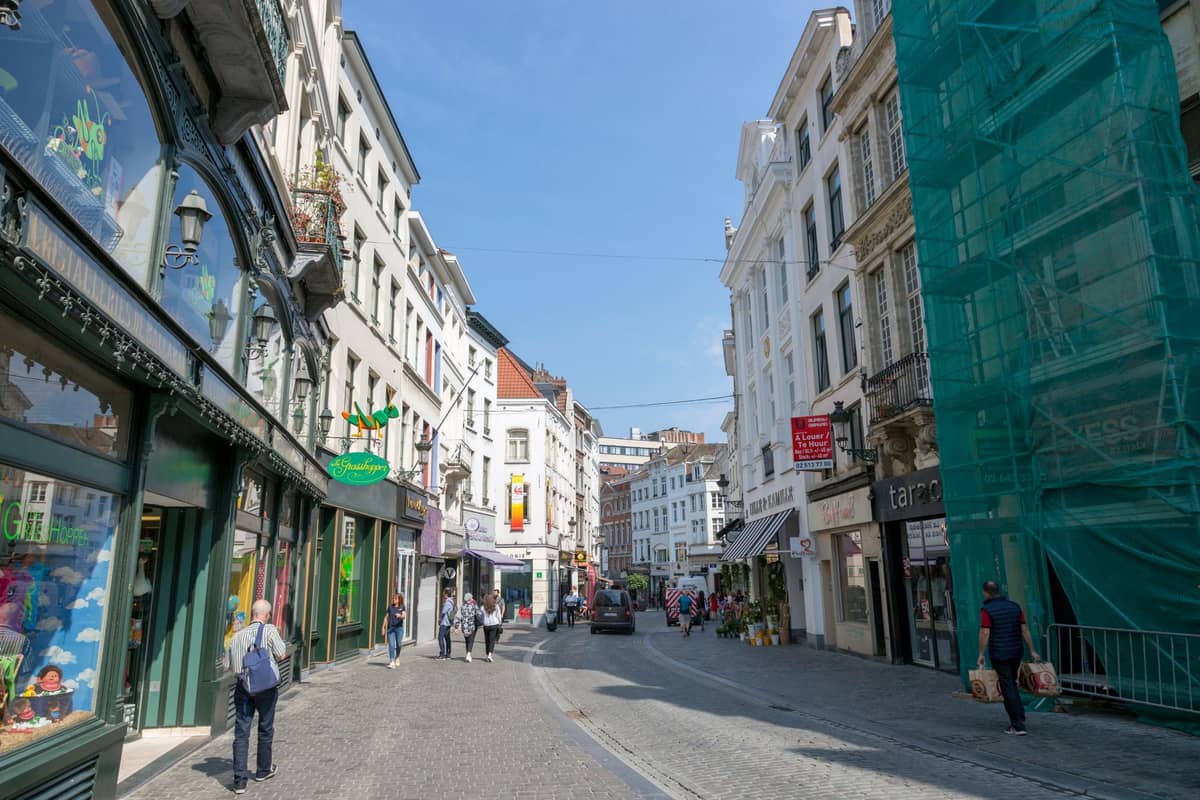
The neighborhoods most visitors spend time in are genuinely safe. The historic city centre (the Pentagon area, within the inner ring road), the Sablon, Ixelles, and the European Quarter all have a visible security presence and low rates of serious crime. The Sablon and Ixelles are among the more prosperous parts of the city, with diplomatic residences and a strong restaurant and gallery scene.
Saint-Gilles, which borders Brussels-Midi station, has a mixed reputation. The streets immediately around the station can feel edgy at night, but just a few blocks south towards the heart of Saint-Gilles the character changes significantly: Art Nouveau facades, independent cafes, and a largely residential feel. Most visitors staying in this area report no problems. Molenbeek, which received intense international media coverage after the 2015-2016 terrorist attacks, has undergone significant urban renewal investment and should not be avoided outright, though it is not a primary tourist destination.
✨ Pro tip
If you are arriving late at Brussels-Midi and heading to a central hotel, the pre-metro and metro lines inside the station are safe and efficient. The walk from the station to nearby hotels on side streets is generally fine, but avoid lingering on the immediate station forecourt late at night where unlicensed vendors and drivers congregate.
Transport Safety and Getting Around
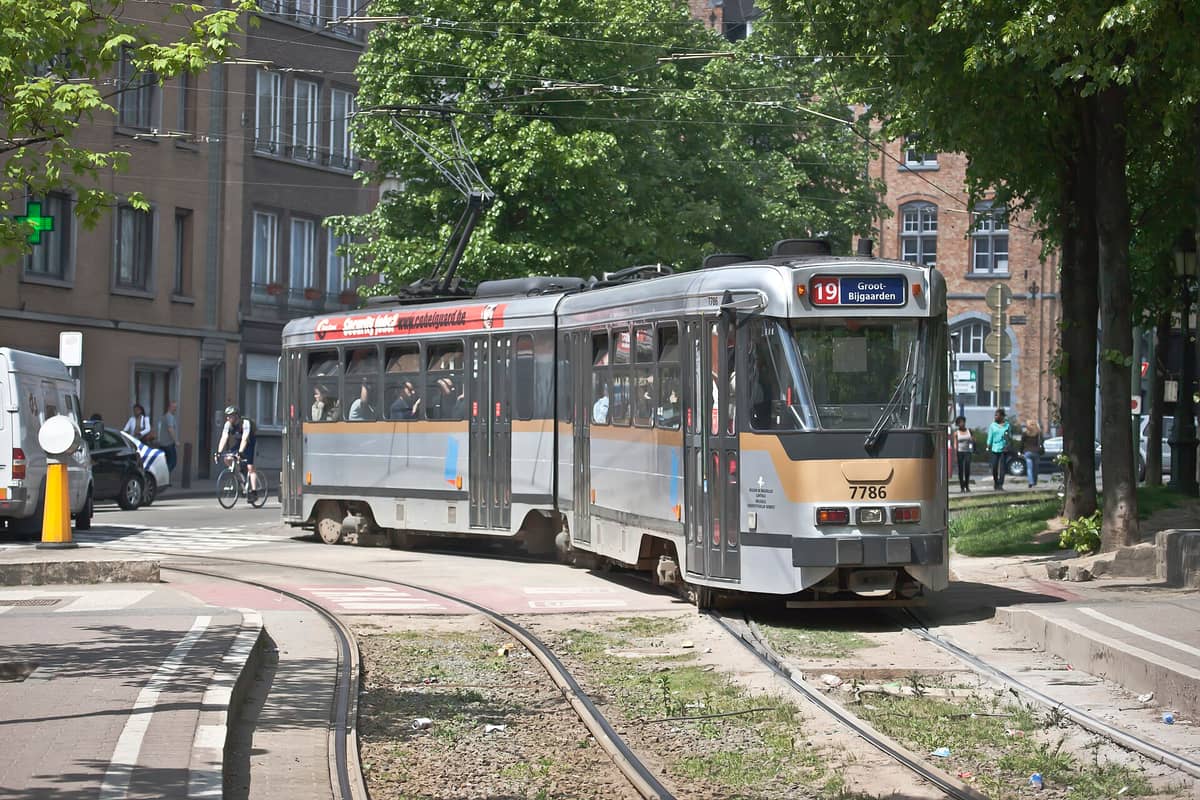
Brussels's public transport network, operated by STIB/MIVB, is generally safe and efficient. Metro, tram, and bus lines cover the city well and are the recommended way to get around. The main risk is opportunistic theft on crowded carriages, particularly on routes serving major tourist attractions. This is not unique to Brussels and applies to any major European metro system.
Taxis from licensed operators are safe. Meters are mandatory, and standard metered or flat-rate fares from Brussels Airport (BRU, located in Zaventem, about 11–15 km from the centre) to the city centre run approximately €40–45. For the airport train, SNCB/NMBS runs direct services to Brussels-Central and Brussels-Midi in around 17–24 minutes, with fares in the range of about €11–12 including the airport supplement. Verify current fares directly with SNCB before travel. For full details on getting from the airport, see our Brussels airport transport guide.
- Use official licensed taxis only. They have a roof sign with the Brussels taxi logo and a running meter.
- Ride-hailing apps including Uber operate in Brussels, but regulatory status can change. Verify current availability before your trip.
- At night, metro platforms are well-lit and monitored by CCTV, but late-night trams on some routes can feel isolated. Travelling with others is advisable after midnight.
- Tap water in Brussels is potable and regulated under EU drinking water standards. There is no need to buy bottled water for health reasons.
- Belgium uses 230V/50Hz with Type C and Type E plugs. Bring an adapter if your devices use a different standard.
Terrorism, Protests, and Elevated Threat Levels
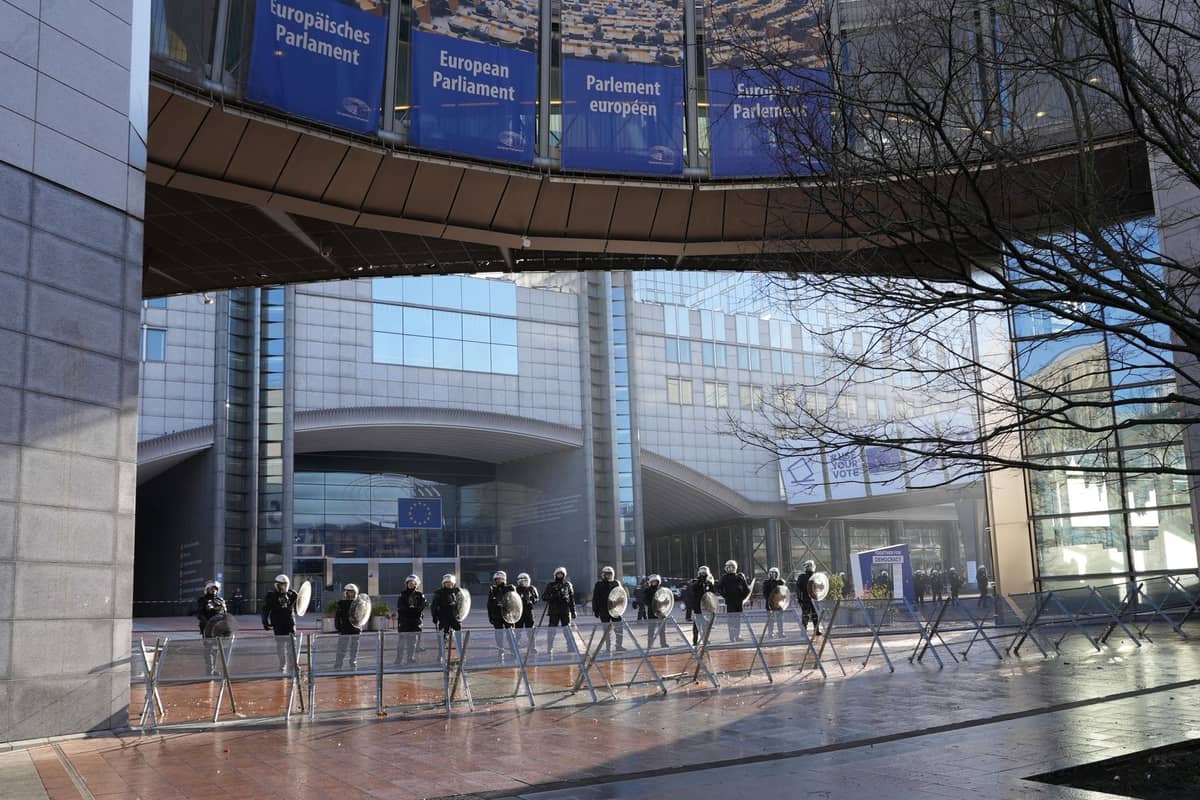
Belgium has maintained a "serious" terrorism threat level (3 out of 4 on the national scale) for several years. This is a sustained posture rather than a response to a specific current plot. The practical effect for visitors is the visible presence of armed police and military personnel at key locations: Brussels Airport, the major railway stations, EU and NATO buildings in the European Quarter, and at large public events. This security presence is worth knowing about so it does not alarm you on arrival.
Protests and strikes do occur in Brussels, partly because of its role as the de facto capital of the European Union and a natural focal point for political demonstrations. Most protests are peaceful and end without disruption to transport or tourist sites. The city has contingency procedures in place, and recent demonstrations, including farmers' protests that attracted international coverage, concluded without significant impact on visitors. Checking Belgian news or signing up for BE-Alert (the official SMS and email emergency notification service) before and during your visit is a sensible precaution.
Emergency Contacts and Practical Safety Resources
Save these before you arrive. Belgium uses the standard European emergency number 112 for all emergencies (police, ambulance, fire). For non-urgent police matters, call 101. Belgium's international dialing code is +32; Brussels landlines use area code 02.
Two official apps are worth downloading. The "112 BE" app allows you to send an SOS with geolocation and includes a silent chat function for situations where speaking is not safe. "BE-Alert" pushes free SMS and email notifications for major incidents or civil emergencies in Belgium. These are official government tools, not third-party apps. For broader planning and seasonal considerations, the best time to visit Brussels guide also covers how crowd patterns and major events affect the city throughout the year.
- 112 All emergencies: police, ambulance, fire. Works from any phone including mobiles without a SIM.
- 101 Non-urgent police matters and reporting crimes.
- 112 BE app Official Belgian emergency app with geolocation SOS and silent chat function. Available on iOS and Android.
- BE-Alert Free government service that sends SMS and email warnings for major incidents. Register before your trip at be-alert.be.
- Your country's embassy Register your trip with your home country's consular service (e.g., STEP for US citizens, Registration of Canadians Abroad) so they can contact you in an emergency.
💡 Local tip
If you have valuables stolen, you will need a police report for any insurance claim. Report theft at the nearest police station (commissariat de police) or online via the Belgian Federal Police website. Keep a digital copy of your passport and travel documents stored separately from the originals.
Practical Safety Habits That Make a Real Difference
The visitors who have problems in Brussels are almost always victims of opportunistic rather than targeted crime. That means standard awareness goes a long way. Avoid carrying your passport unless you specifically need it; a photo on your phone is sufficient for most purposes. Use a money belt or hidden wallet for cards and cash when visiting crowded sites like Grand-Place or the Galeries Royales Saint-Hubert during peak season. Be especially alert on the metro when someone creates a distraction: a common technique involves one person engaging your attention while another takes your belongings.
Winter visits, from November through February, bring short days and wet conditions. By late afternoon it is dark, and some quieter streets near the city centre can feel isolated after shops close. This is not a safety crisis, but it changes how you navigate. Sticking to well-lit main streets and using public transport rather than walking unfamiliar back streets at night is sensible. If you are visiting during the Brussels Christmas market, the Grand-Place area will be crowded and well-lit but also prime pickpocket territory. Keep bags fastened and in front of you.
FAQ
Is Brussels safe at night?
Most central areas are safe at night, including the Grand-Place area, Sablon, Ixelles, and the main boulevards. The immediate surroundings of Brussels-Midi station are the main exception: the forecourt has a rough character late at night and it is best to move through quickly rather than linger. The metro runs until around midnight on weekdays and later on weekends, and night buses cover the gap. Walking alone through unfamiliar peripheral neighborhoods late at night is not advisable, as in any major city.
Is Brussels safe for solo female travelers?
Yes, with the same caveats that apply to solo travel in any large European city. Harassment can occur, particularly around certain late-night venues and transport hubs. The central tourist districts are generally fine. Trusting your instincts, using rideshares or licensed taxis rather than walking alone at night in less familiar areas, and keeping your phone charged covers most situations. Brussels has a large expat and international community and a well-developed tourist infrastructure.
Which areas of Brussels should I avoid as a tourist?
Very few areas need to be avoided entirely. The forecourt of Brussels-Midi at night warrants caution, and some peripheral districts (parts of Anderlecht, Peterbos) have higher rates of drug-related crime, but you are unlikely to visit these as a tourist. Molenbeek is often cited in news coverage, but it is a large, diverse municipality and the vast majority of it is unremarkable urban Brussels. Sensible precautions at the major stations and tourist hotspots will account for the vast majority of actual risk.
How serious is the terrorism threat in Brussels?
Belgium maintains a threat level of 3 out of 4 ("serious"), which has been the standing level since the October 2023 attack in Brussels. There is currently no indication of a specific ongoing threat to tourists. The practical result is armed police and military at transport hubs, EU/NATO buildings, and major events. International advisories from the US, UK, and Canada recommend increased caution rather than avoiding Belgium. The city functions normally and millions of visitors travel there without incident each year.
What should I do if I am a victim of crime in Brussels?
For emergencies, call 112. For non-urgent police matters or to report theft, call 101 or go to the nearest police station (commissariat de police) to file a report. A police report is required for travel insurance claims. You can also report online via the Belgian Federal Police website for certain types of theft. Contact your country's embassy or consulate if your passport is stolen; most have emergency duty lines available 24 hours.