Visiting the EU Institutions in Brussels: The Complete Guide
Brussels is the de facto capital of the European Union, and its EU quarter is one of the few places on earth where you can step inside a functioning democratic institution for free. This guide covers every visitor attraction in the European Quarter, with opening hours, booking tips, and a frank take on what's worth your time.
Plan and book this trip
Tools from our partner Travelpayouts help you compare flights and hotels. If you book through them, we may earn a commission at no extra cost to you.
Flights
Hotels map
TL;DR
- All major European Parliament visitor sites — the Hemicycle, Parlamentarium, and House of European History — are free to enter.
- The Hemicycle (parliament chamber) is only open Monday to Friday; weekend visitors should head to the Parlamentarium or House of European History instead.
- Everything is clustered in the European Quarter around Schuman and Luxembourg metro stations — walkable in under 10 minutes.
- Security screening is mandatory at all EU buildings; arrive with photo ID and allow extra time.
- The European Commission (Berlaymont) has very limited public access — visits require advance reservation and are mainly organised for groups.
Why the EU Quarter Is Worth Half a Day
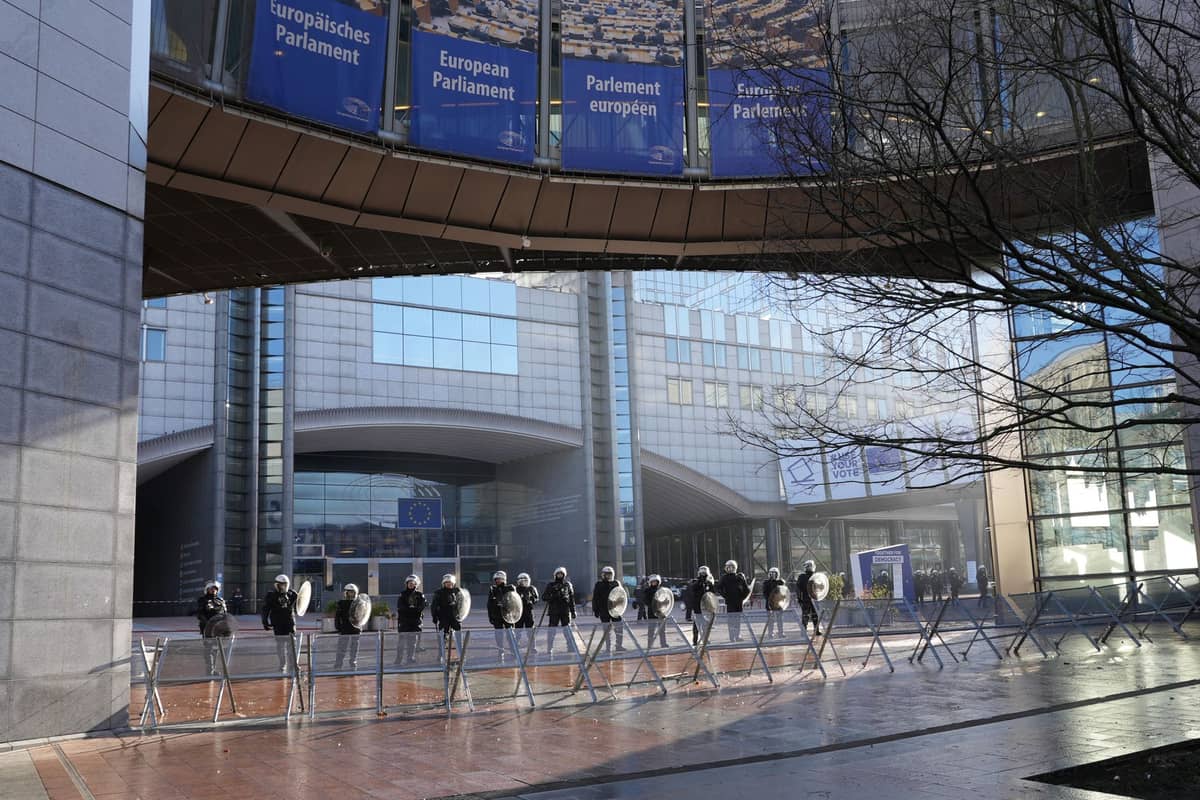
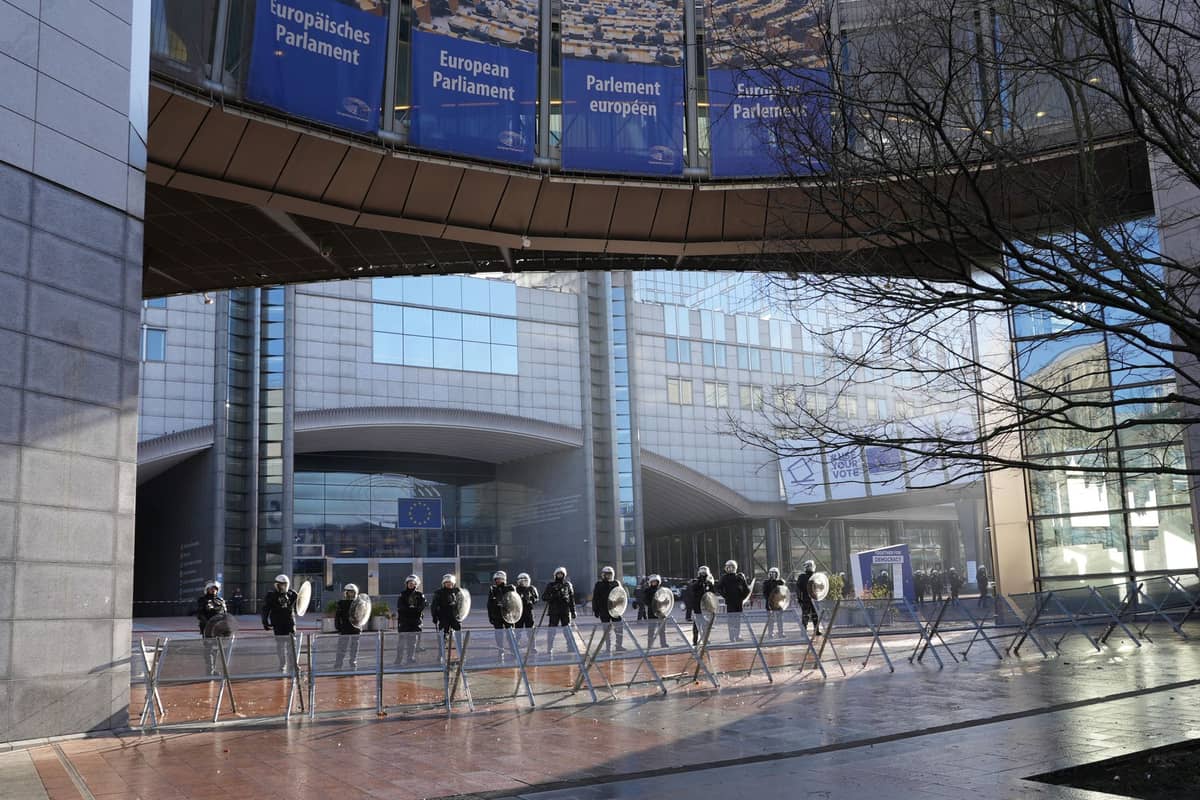
Visiting the EU institutions in Brussels is one of the most genuinely unusual things you can do in any European capital. Where else can you sit in the actual chamber of a 720-member legislature, explore a museum tracing 150 years of European political history, and do all of it without spending a cent? The European Quarter is not a theme park recreation — these are working buildings, and you visit them on real terms.
That said, it's worth calibrating expectations. The neighbourhood around Schuman is functional rather than scenic. The streets are wide, the architecture is mostly brutalist office block, and on weekdays the area fills with lobbyists and civil servants rather than tourists. If you're hoping for a leisurely stroll with café stops, this is not Bruges. But if you care even slightly about how the EU actually works, or you want to understand Europe's modern political project in a serious museum setting, the EU quarter delivers in a way that few city attractions can match.
ℹ️ Good to know
Brussels is the de facto capital of the European Union, but it holds this status informally — there is no single EU treaty that designates it as such. The city hosts the European Commission, the Council of the EU, and the main working seat of the European Parliament, alongside around 40,000 EU officials and lobbyists who live and work here permanently.
The European Parliament Hemicycle: Inside the Chamber
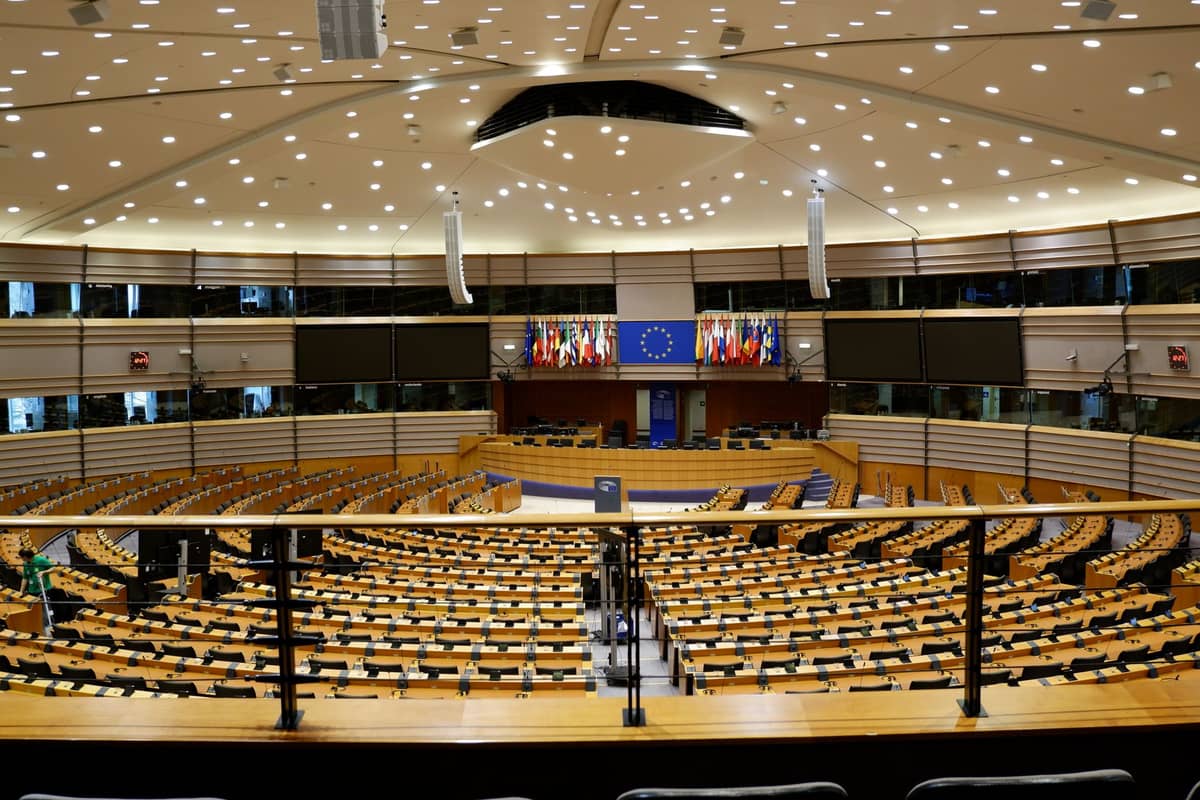
The Hemicycle — the curved debating chamber of the European Parliament — is the centrepiece of any EU institutions visit. The Paul-Henri Spaak Building at Rue Wiertz 60 opens to individual visitors with multimedia guides Monday to Thursday between 09:00 and 16:30, and Friday from 09:00 to 12:30, with last entry 30 minutes before closing. Guided group visits run at set times Monday to Thursday between 11:00 and 15:00.
The visit takes you into the actual chamber where MEPs debate and vote on EU legislation. The multimedia guide explains the layout, the voting system, and the role of Parliament in EU governance — it's legitimately informative rather than a dry institutional walkthrough. The chamber itself is striking in scale, and standing in the public gallery when it's empty gives you a real sense of the institution.
- Location Paul-Henri Spaak Building, Rue Wiertz 60, B-1047 Brussels
- Individual visits (multimedia guide) Monday–Thursday 09:00–16:30, Friday 09:00–12:30; last entry 30 minutes before closing
- Guided visits Monday–Thursday 11:00–15:00 (set departure times)
- Admission Free
- Closed Weekends, public holidays, and EU office closing days (including Christmas–New Year period)
- ID required Yes — bring a valid passport or national identity card
⚠️ What to skip
The Hemicycle is closed on weekends, EU public holidays, and designated office closing days. In 2026 these closures include 1–2 January, the Easter period (2–6 April), 1 May, Ascension (14–15 May), 25 May, Belgian National Day (21 July), and the full Christmas–New Year shutdown (24 December 2026 to 1 January 2027). Always check the official EP visiting calendar before you go, especially around school holidays when ad-hoc closures can apply.
Parlamentarium: The Best EU Visitor Experience for Most Travellers
For most visitors, the Parlamentarium is the more rewarding experience than the Hemicycle itself. It's the European Parliament's official visitor centre, and it does an excellent job of explaining how the institution works, who MEPs are, and how EU law actually gets made — without feeling like a propaganda exercise.
The permanent exhibition uses an interactive multimedia format across multiple languages, and the visitor flow is well-designed enough that you can spend 90 minutes to 2 hours here without it feeling padded. It's also open on weekends, which makes it the logical choice if you're visiting Brussels on a Saturday or Sunday and want to tick off the EU quarter.
- Location Esplanade Solidarność 1980, Rue Wiertz 60, B-1047 Brussels
- Opening hours Monday 13:00–18:00; Tuesday–Friday 09:00–18:00; Saturday–Sunday 10:00–18:00; last entry 30 minutes before closing
- Admission Free; group bookings recommended via the EP visiting portal
- Closed 1 January, 1 May, 1 November, 24–25 and 31 December
- Recommended duration 90 minutes to 2 hours
House of European History: The Most Underrated Museum in Brussels
The House of European History at Rue Belliard 135 is quietly one of the best museums in the city, and it's free. The permanent collection covers European history from the late 19th century to the present, with genuine curatorial ambition — it doesn't shy away from the continent's darkest chapters, including fascism, Stalinism, and colonial history.
The building itself, a renovated Art Deco former dental clinic, is worth seeing. The exhibition design is modern and thoughtful, using objects, testimonies, and documentary film rather than endless text panels. Allow at least 90 minutes; two hours is more realistic if you engage with the content properly. Unlike the Parlamentarium, this isn't focused exclusively on EU institutions — it's a serious European historical museum that happens to be funded by the Parliament.
Opening hours follow a single pattern year-round: Monday 13:00–18:00, Tuesday to Friday 09:00–18:00, Saturday and Sunday 10:00–18:00, with last entry at 17:30; in July and August the daily opening time is 10:00 instead of 09:00 on weekdays. It's closed on 1 January, 1 May, 1 November, and 24–25 and 31 December.
✨ Pro tip
If you only have time for one EU institution visit on a weekend, choose the House of European History over the Parlamentarium. The historical scope is broader, the exhibitions are more layered, and the building is genuinely beautiful. The Parlamentarium is better if you're specifically interested in how Parliament functions as an institution.
The European Commission and Other Institutions: What Public Access Actually Looks Like
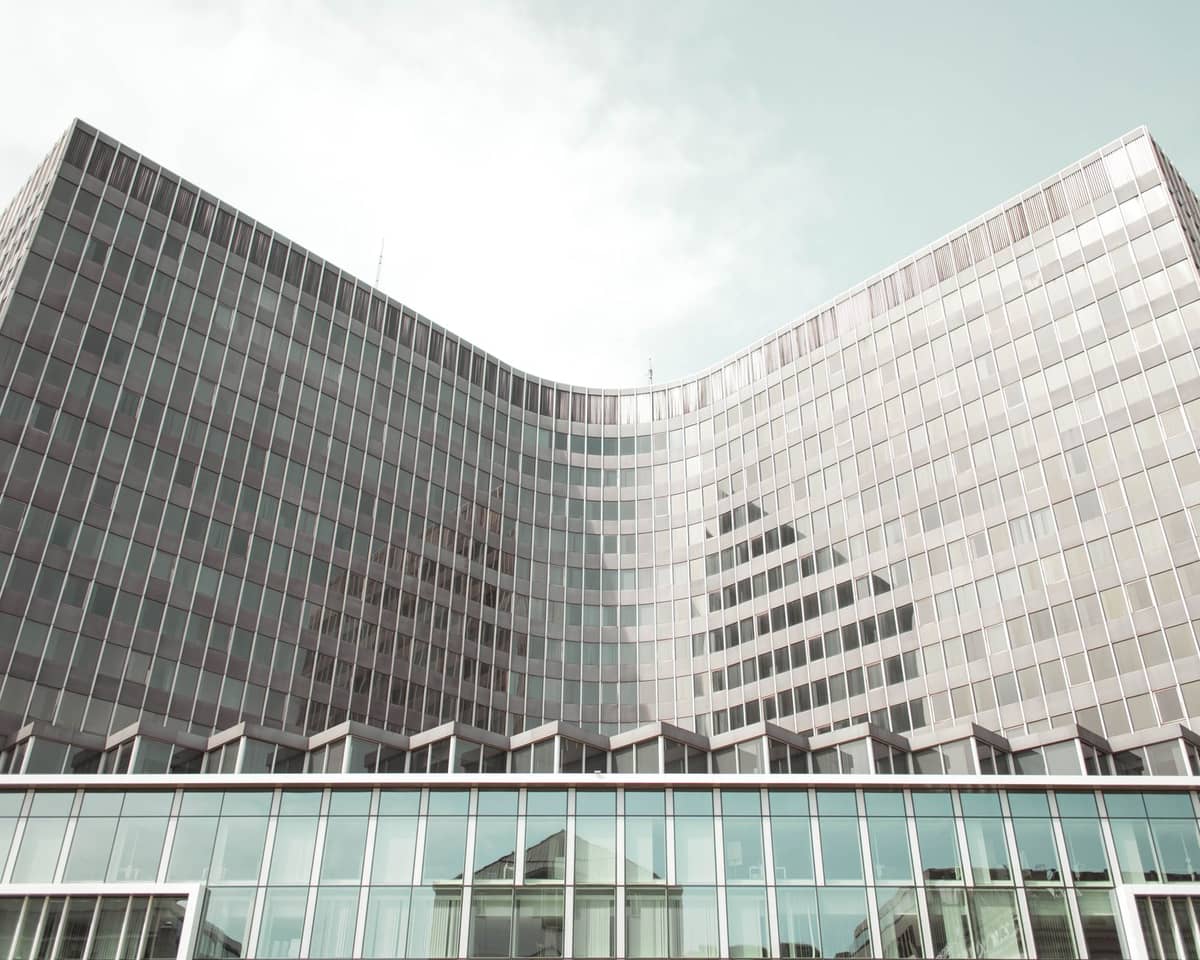
The Berlaymont building — the star-shaped headquarters of the European Commission — is immediately recognisable from the outside and sits at the heart of the Schuman roundabout. Public access is now channelled through the Commission’s visitor venues such as the Experience Europe exhibition and the Visitors’ Centre, which offer free entry for individual visitors, while organised briefings and presentations still require advance reservation and are primarily designed for groups, students, and professional delegations rather than individual tourists.
The Council of the EU and the European Council both operate from the Justus Lipsius and Europa buildings nearby, but neither offers a comparable public visitor programme to the Parliament. The EP Info Hub at Esplanade Solidarność 1980 is a practical first stop — it's open Monday to Friday 09:00 to 18:00 and provides information on all visitor programmes, with staff who can advise on booking and current availability. It's closed on the same public holidays as the Parlamentarium.
- European Commission (Berlaymont): walk-in access for individuals and small groups to the Experience Europe exhibition; group/organised briefings via advance reservation at commission.europa.eu
- Council of the EU / European Council: structured free visitor programme for pre-booked groups; check consilium.europa.eu for current options
- EP Info Hub: open Monday–Friday 09:00–18:00; useful for information and booking assistance
- Parlamentarium and House of European History: open to individual visitors with no advance booking required (groups should reserve)
Practical Planning: Getting There, Security, and Timing
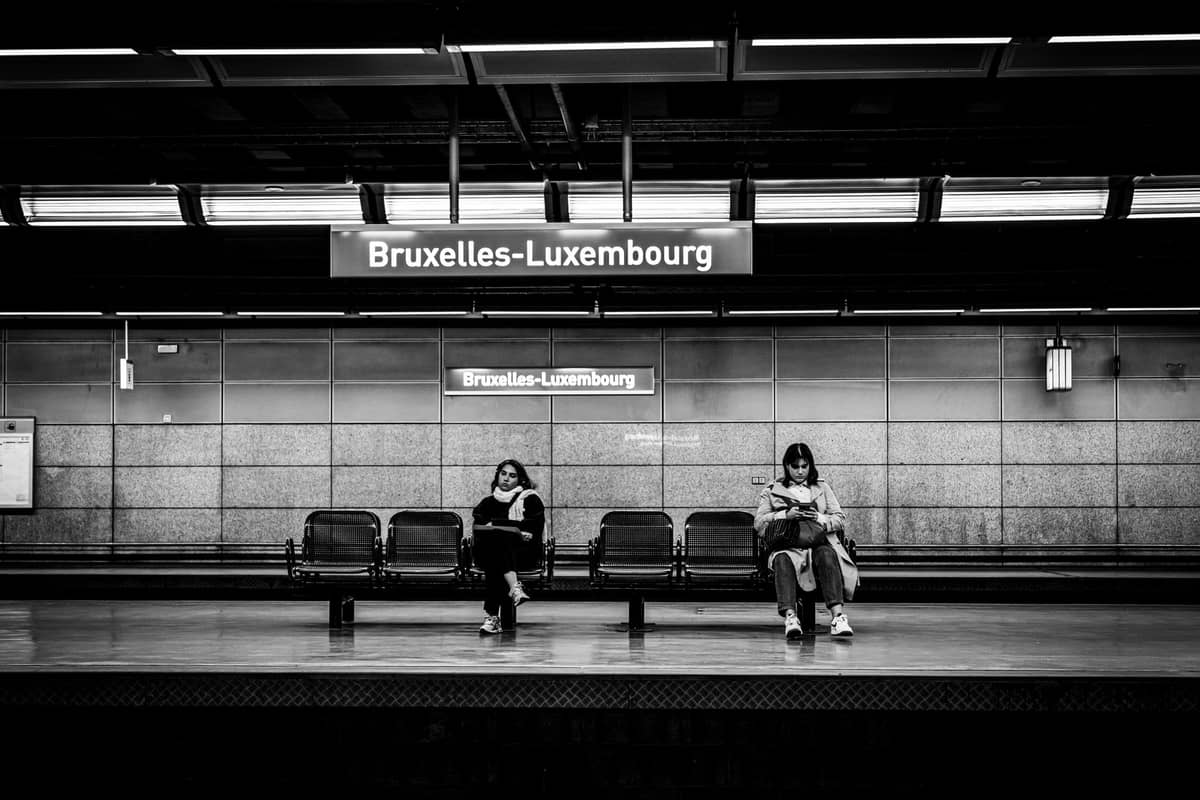
The entire EU visitor cluster is concentrated in a compact area easily reached by metro. Metro line 1 and line 5 both serve Schuman station, which puts you directly at the European Commission and within a 5-minute walk of the Parliament buildings. Tram 81 and several bus lines also serve the area. From Brussels-Central station, the walk takes around 20 minutes through the upper city.
If you're arriving from Brussels Airport (BRU), STIB bus line 12 on weekdays (line 21 evenings and weekends) runs directly to the Schuman stop, making the EU quarter one of the most airport-accessible neighbourhoods in the city. The journey takes around 35–45 minutes. See the Brussels Airport transport guide for full fare and timing details.
Security screening applies at all EU buildings without exception. You'll pass through airport-style scanners and need to show valid photo ID — a passport or national identity card. EU citizens can use their national ID card; non-EU visitors should carry their passport. Bags are X-rayed, and large luggage or backpacks may cause delays. Arrive 15 minutes earlier than you would for a standard museum.
💡 Local tip
Weekday mornings between 10:00 and 12:00 are the best time to visit the EU institutions. The Hemicycle is quieter, security lines move faster, and the Parlamentarium is less crowded with school groups. Avoid visiting during European Parliament plenary sessions in Brussels (roughly once a month) when the whole quarter is busier and some visitor access may be restricted. Check the EP session calendar at europarl.europa.eu before booking.
For a complete day in the EU quarter, combine your institution visits with a walk through the broader neighbourhood. The Parc du Cinquantenaire is a 10-minute walk east of Schuman and houses the Art and History Museum as well as Autoworld — a full day in this part of Brussels is very achievable without doubling back to the city centre. If you're planning a wider Brussels itinerary, the 2-day Brussels itinerary maps out how to combine the EU quarter with other major sights.
FAQ
Do I need to book in advance to visit the European Parliament in Brussels?
Individual visitors to the Hemicycle and Parlamentarium do not need to book in advance — you can show up during opening hours. However, groups should reserve ahead through the EP visiting portal. For the European Commission, advance reservation is mandatory for group information sessions, while the Experience Europe exhibition offers walk-in access for individuals and small groups.
Is the European Parliament visit really free?
Yes. The Hemicycle visit with multimedia guide, the Parlamentarium, and the House of European History are all free of charge. There is no admission fee for any of these visitor attractions.
Can I visit the EU institutions on a weekend?
Partly. The Hemicycle is closed on weekends. The Parlamentarium and House of European History are both open on Saturdays and Sundays (Parlamentarium from 10:00–18:00; House of European History from 10:00–18:00 in the Sept–June season and daily in July–August).
What ID do I need to enter EU buildings in Brussels?
You need valid government-issued photo ID: a national identity card (for EU citizens) or a passport (for non-EU visitors). No entry is permitted without ID. Driving licences are generally not accepted as sole identification.
Is Brussels worth visiting just for the EU institutions?
The EU institutions alone probably aren't enough to justify a dedicated trip, but they make an excellent half-day addition to a broader Brussels visit. The House of European History in particular stands as one of the best free museums in Northern Europe and is worth prioritising regardless of your interest in EU politics. Combined with the Parc du Cinquantenaire and the Parlamentarium, the European Quarter easily fills a full day.