Romantic Brussels: A Complete Couples Guide
Brussels rewards couples who look beyond the obvious. This guide covers the city's most romantic squares, gardens, museums, and neighborhoods, with practical details on timing, cost, and what to skip, so you can plan a genuinely memorable trip together.
Plan and book this trip
Tools from our partner Travelpayouts help you compare flights and hotels. If you book through them, we may earn a commission at no extra cost to you.
Flights
Hotels map
TL;DR
- Grand-Place is most atmospheric in the evening when the floodlit facades light up; visit after 21:00 in summer to beat tour groups.
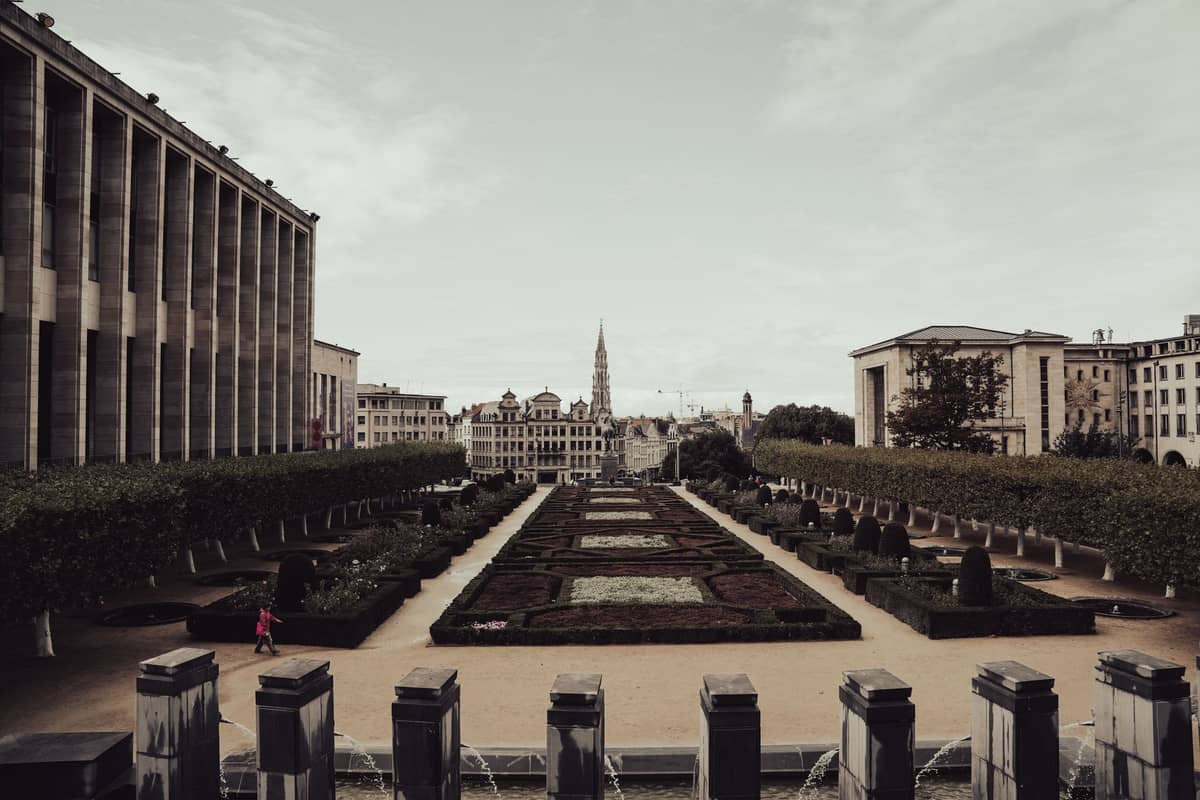
- The Mont des Arts viewpoint is free and one of the best sunset spots in the city; the formal gardens close between 19:00 and 22:00 depending on the season.
- Romantic Brussels extends well beyond the centre: the Sablon quarter, Forêt de Soignes, and Art Nouveau streets in Saint-Gilles are all seriously underused by couples.
- Late spring (May to June) offers mild temperatures around 18 to 20°C and long daylight hours, making it the most practical season for a romantic city break.
- For deeper context on how to structure your time, see the 2 days in Brussels itinerary and adapt it for two.
Why Brussels Works So Well for Couples
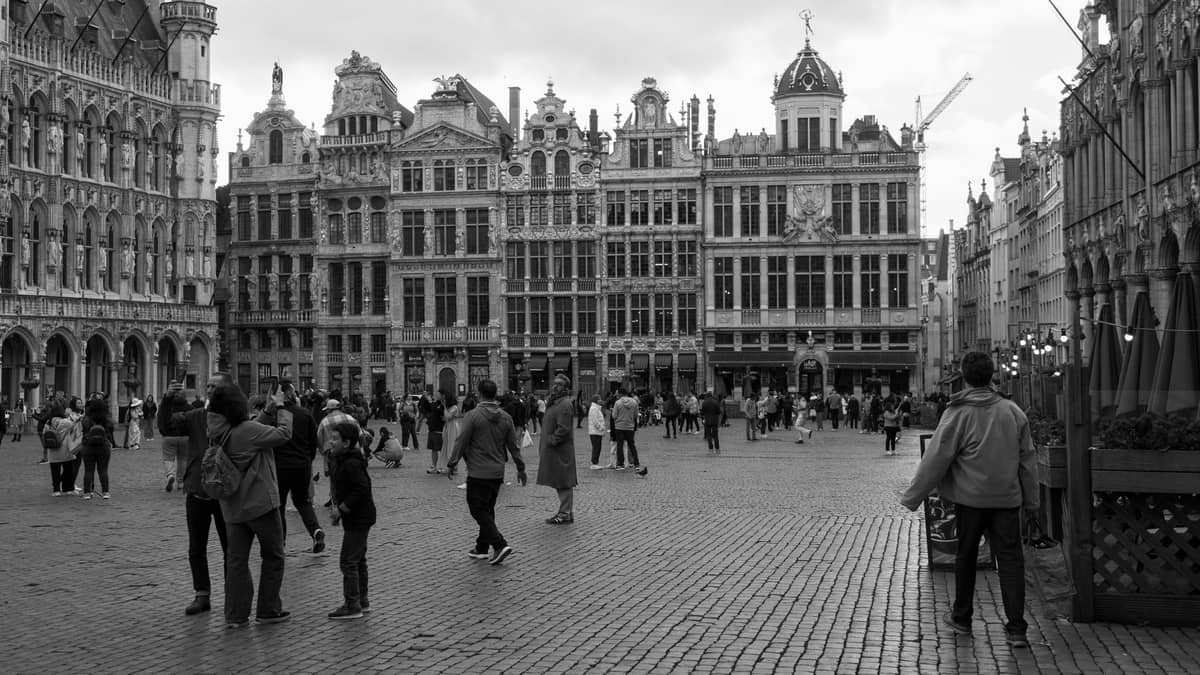
Brussels does not market itself as aggressively as Paris or Prague, which is precisely what makes it good for couples. The crowds are thinner, the architecture is extraordinary, the food and drink culture rewards slowing down, and many of the best experiences cost nothing at all. The Brussels-Capital Region is a genuinely compact city of a little over 1.2 million people in a manageable area, so you can walk between romantic highlights without spending hours in transit.
The city is officially bilingual in French and Dutch, and English is widely spoken across hotels, restaurants, and shops. That practical ease matters when you want a trip focused on each other rather than logistics. Brussels also sits at the centre of a web of day-trip options: Bruges is under an hour by train, and Amsterdam is reachable in under two hours. A long weekend here can easily combine the city itself with one or two escapes, without any of the stress of a bigger European capital.
💡 Local tip
If you are deciding when to go, late May and early June hit the sweet spot: daytime highs around 18 to 20°C, very long evenings, and far fewer crowds than July or August. The city's outdoor terraces are full, the parks are in bloom, and hotel rates are lower than peak summer. Check the full seasonal breakdown in the best time to visit Brussels guide before booking.
The Iconic Spots: What Actually Delivers for Couples
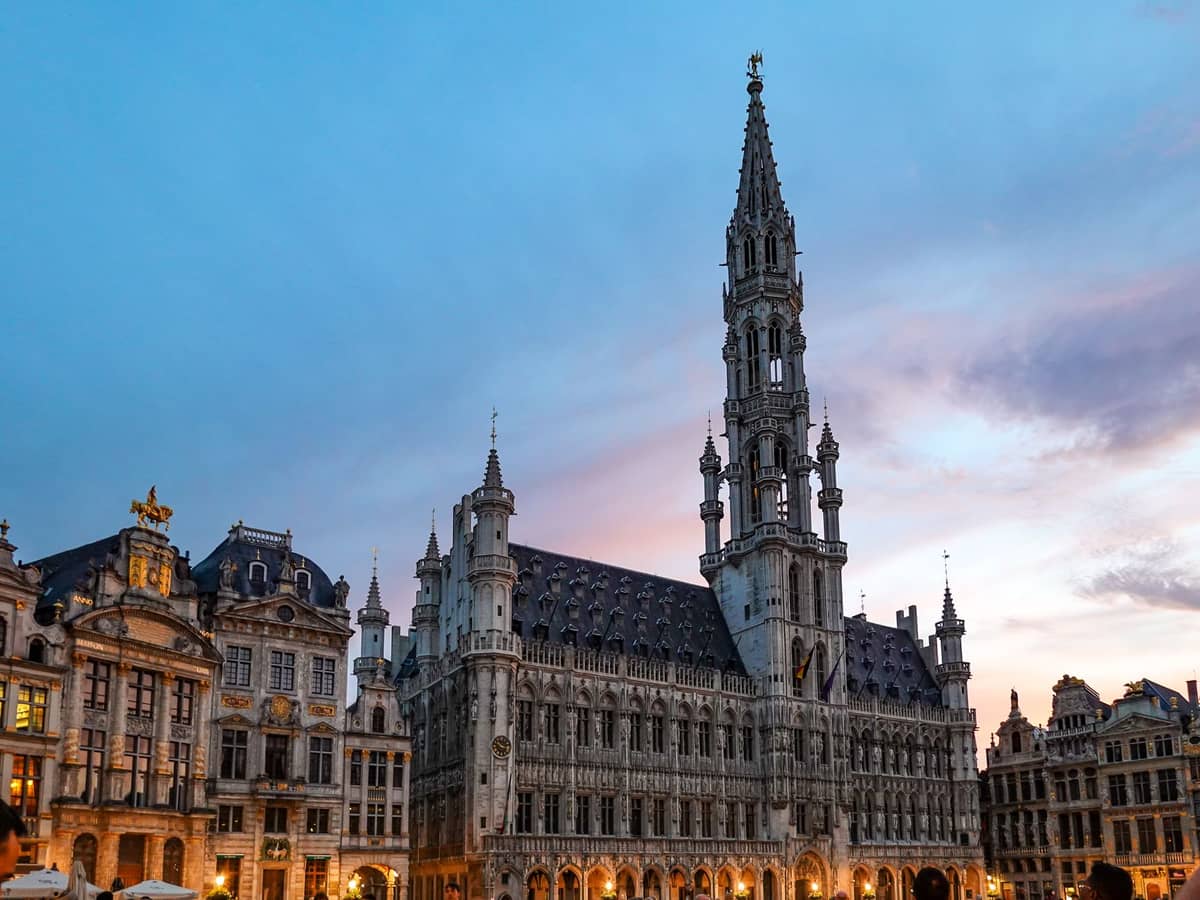
The Grand-Place is genuinely one of Europe's great squares. Victor Hugo called it the most beautiful in the world, and while that is subjective, the Gothic and Baroque architecture illuminated at night is difficult to argue with. For couples, the key is timing: visit after 21:00 in summer when tour groups have moved on and the floodlighting transforms the facades. In December, the Christmas market and light projections make it festive and atmospheric, though significantly more crowded. Grand-Place itself costs nothing to stand in; what you pay for is the coffee or beer at the surrounding cafés, which charge accordingly for location.
The Mont des Arts viewpoint, a short walk uphill from Grand-Place, offers one of the best panoramic views in central Brussels. It is free, and the perspective across the city rooftops toward the Atomium on a clear evening is genuinely worth the five-minute walk. Note that the formal terraced gardens have seasonal hours: they close at 19:00 in winter and 22:00 in summer (these hours apply to the gardens themselves; the open viewing area above remains accessible at most times), so the viewing area itself is accessible continuously, but the garden paths are not always open after dark.
- Grand-Place at night Free to visit; best after 21:00 in summer. Surrounding cafés and brasseries charge premium prices for the view, so sit down only if the setting justifies the bill.
- Mont des Arts viewpoint Free and continuously accessible as a viewpoint. Formal gardens close seasonally (19:00 in winter, 22:00 in summer). Best at golden hour or just after sunset.
- Galeries Royales Saint-Hubert Europe's oldest covered shopping gallery, built in 1847. The architecture alone is worth walking through. Lined with chocolatiers, jewellers, and cafés. Free to walk through; open daily.
- Place du Grand Sablon Antique dealers, premium chocolate shops, and a weekend market. The Notre-Dame du Sablon church next door has beautiful stained glass. Quieter and more intimate than Grand-Place.
- Royal Greenhouses of Laeken Open only three weeks per year in spring (usually late April to early May). The Art Nouveau iron-and-glass greenhouses are extraordinary. Book ahead as timed entry slots sell out fast.
Beyond the Centre: Neighborhoods Worth Exploring Together
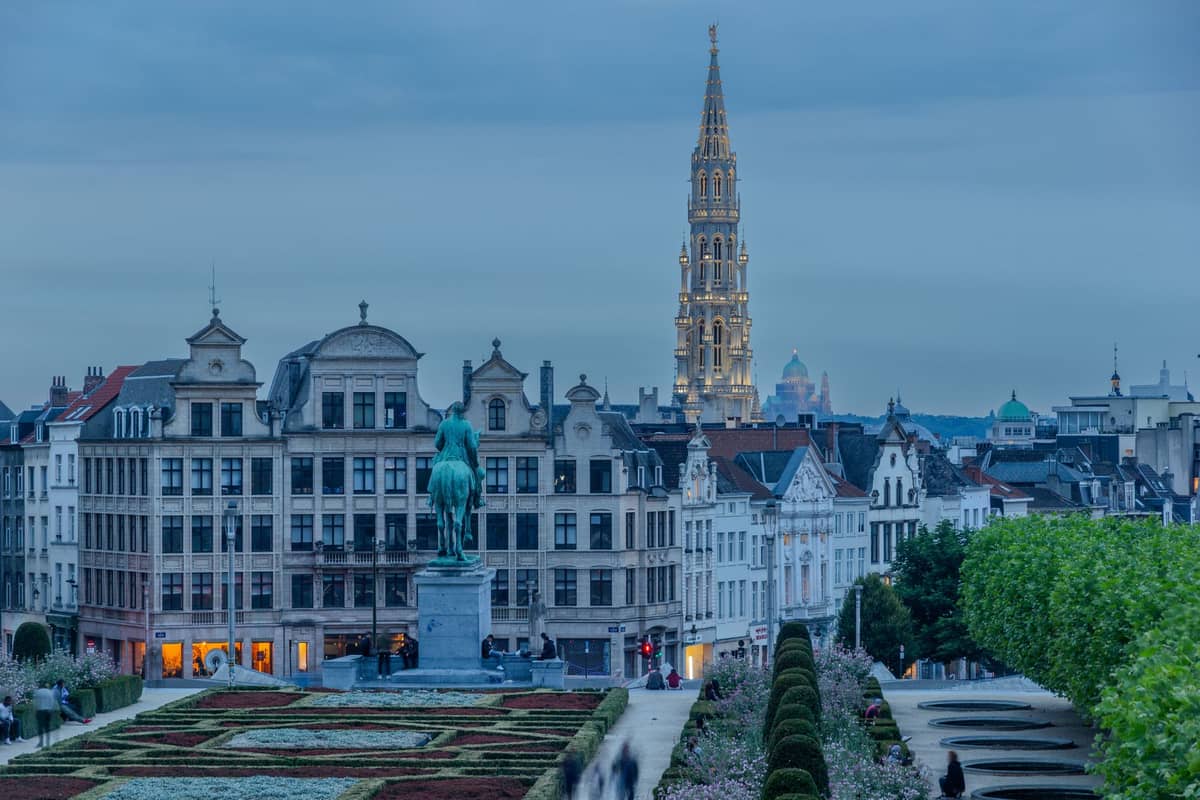
The Sablon quarter is the most consistently romantic neighborhood in Brussels for an afternoon or evening. The upper and lower squares are lined with chocolate boutiques (Wittamer, Pierre Marcolini), antique galleries, and wine bars. On weekend mornings, there is an antiques market in Place du Grand Sablon. This is a place to wander without a schedule.
Saint-Gilles is where Brussels's Art Nouveau architecture is most concentrated. The streets around the Horta Museum are lined with extraordinary early 20th-century facades, and the neighborhood has a relaxed, residential feel that is very different from the tourist centre. The Horta Museum itself, Victor Horta's former home and studio, is one of the finest Art Nouveau interiors in the world. It is not large, so allow around 90 minutes. Combine it with the Art Nouveau facades of Saint-Gilles for a full half-day.
For couples who want to escape the city altogether without leaving Brussels, the Forêt de Soignes is a 4,400-hectare beech forest on the southeastern edge of the city. In autumn, the canopy turns gold and the forest is extraordinary. In spring, the floor is carpeted with bluebells. Trails are well-maintained and the forest borders the Bois de la Cambre park, which has a small lake and rowing boats available for hire in warmer months.
✨ Pro tip
The Van Buuren Museum in Uccle (an upmarket suburb of Brussels, accessible by tram) is an Art Deco house with a remarkable 'heart garden' designed for romantic walks. It is open Wednesday to Monday, roughly 14:00 to 17:30. Most visitors to Brussels never hear of it, which is exactly the point. Combine it with lunch in the Ixelles area for a full afternoon off the tourist trail.
Romantic Experiences Worth Booking in Advance
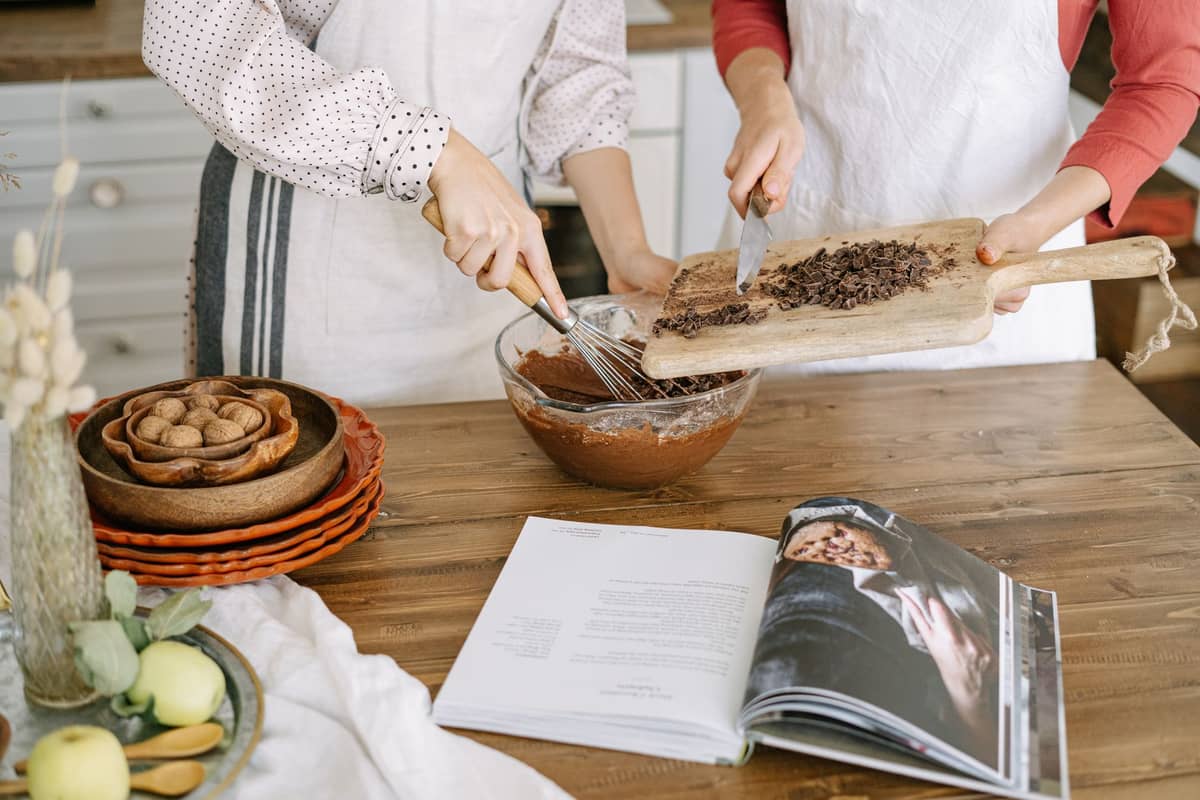
A chocolate-making workshop is one of the most practical romantic activities in Brussels, and the city has real depth here beyond just buying boxes. Several chocolatiers run hands-on sessions where you make your own truffles or bonbons. Sessions typically last 1.5 to 2 hours and cost around €40 to €70 per person. The Belgian chocolate guide for Brussels covers the best makers and what distinguishes genuine artisan chocolate from the mass-produced variety sold in tourist shops near Grand-Place.
Opera at La Monnaie is another option that delivers for couples who enjoy classical performance. The opera house is genuinely beautiful, its programming is serious (not tourist-oriented), and ticket prices are considerably more accessible than comparable houses in London or Vienna. The season runs September to June; check the schedule and book well in advance for popular productions.
Beer tasting in Brussels has become more structured and enjoyable in recent years. The Cantillon Brewery in Anderlecht is a working lambic brewery that dates to 1900 and offers self-guided tours. It is not a glossy experience, but the authenticity is exactly what makes it worthwhile. For a broader introduction to Belgian beer culture, the Belgian beer guide explains styles, key venues, and what to order.
- Chocolate workshop (various makers) Around €40 to €70 per person for a 90 to 120-minute session. Book via the chocolatier directly or through experience platforms for confirmed 2025/2026 pricing.
- La Monnaie opera or concert Season runs September to June. Ticket prices vary widely by production and seating. Dress code is smart casual to formal; check the opera's own website for the current season.
- Cantillon Brewery tour Self-guided tour of a working 19th-century lambic brewery. Entry is modest (around €9 to €12 per person at last check; verify current pricing). Closed Sundays and certain public holidays.
- Rowing on the Bois de la Cambre lake Seasonal (spring and summer). Inexpensive and genuinely enjoyable. The park is easily reached from Ixelles by foot or tram.
- Sunset apéro at Place Flagey Not a 'tour' but a ritual: find a terrace around Place Flagey in Ixelles on a warm evening. This is where locals actually spend their evenings, and the atmosphere is easy and unselfconscious.
Where to Stay for a Romantic Trip
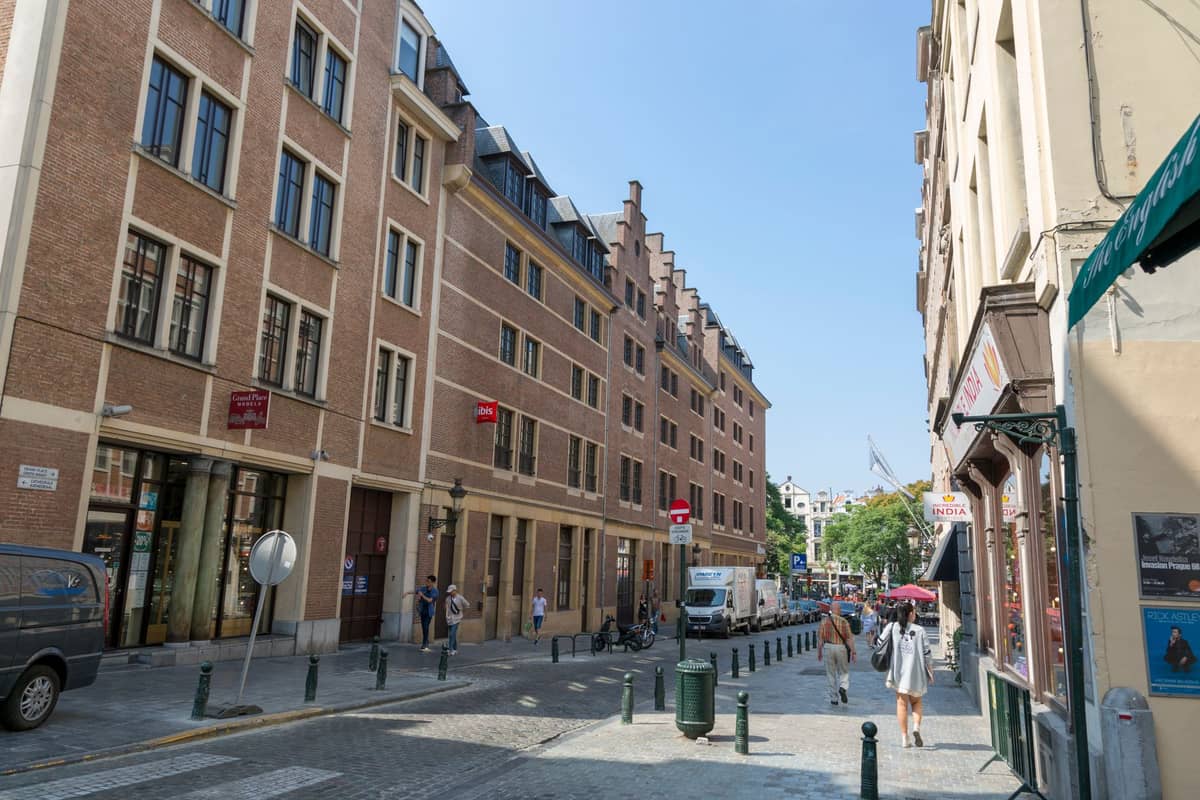
Accommodation choice matters more than most romantic travel guides acknowledge. For Brussels specifically, the Sablon area and the streets between it and Grand-Place offer the best combination of walkability, quiet evenings (relative to the very centre), and proximity to romantic dining. The Brussels accommodation guide covers neighborhoods in detail, but the general principle is this: staying within or just south of the inner ring road means you can walk almost everywhere in this guide without relying on public transport.
Boutique hotels in the Sablon and Saint-Gilles areas tend to offer more character than the large chains near the Midi station or the business hotels in the European Quarter. For a genuinely romantic atmosphere, look for properties in converted townhouses or Art Nouveau buildings rather than modern tower hotels. Rates vary considerably by season: expect to pay more in June and December than in January or November.
⚠️ What to skip
Avoid booking the cheapest hotels near Brussels-Midi station if atmosphere matters to you. The area around the station is functional but not pleasant for evening walks, and many budget properties there cater primarily to transit passengers. The station itself is Brussels's main international rail hub, which is useful for arrival, but you do not need to stay next to it.
Practical Details: Getting Around and Timing Your Visit
Brussels is a walkable city for couples who do not mind hills. The terrain between the lower town (Grand-Place, Sablon) and the upper town (Royal Quarter, Mont des Arts) involves a genuine climb, but it is short. For longer distances, the STIB/MIVB metro, tram, and bus network covers the city well. A single ticket covers 60 minutes of travel across modes. If you are arriving by air, Brussels Airport (BRU) near Zaventem is around 12 km from the city centre, with direct SNCB trains to Brussels-Central taking about 17 to 20 minutes at roughly €9 to €12 per person one-way.
For couples flying budget airlines into Brussels South Charleroi Airport (CRL), be aware that this airport is significantly farther from the city, and transfers to central Brussels can cost around €100 by private transfer. Budget accordingly or factor in the extra journey time when planning your first and last day. Full transport options are covered in the getting around Brussels guide.
On language: the Brussels-Capital Region is officially bilingual in French and Dutch, with French dominant in daily use. English is genuinely widespread, especially in the hospitality sector, so communication is rarely a barrier. Tipping is not obligatory since service is typically included in restaurant bills, but rounding up or leaving small change is common and appreciated.
FAQ
What is the most romantic area to stay in Brussels?
The Sablon quarter and the streets immediately around it offer the best combination of atmosphere, walkability, and quality dining for couples. It is quieter than the immediate Grand-Place area in the evenings, has excellent chocolate shops and wine bars, and is within easy walking distance of most romantic highlights in the lower and upper city.
Is Brussels worth visiting for a romantic weekend?
Yes, more than most people expect. The city has world-class Art Nouveau architecture, serious food and drink culture, beautiful parks and gardens, free viewpoints, and far smaller crowds than comparable European capitals. The low tourist density is arguably its greatest advantage for couples who want space and atmosphere rather than a checklist.
What time of year is best for a romantic trip to Brussels?
Late May to early June is the most practical choice: temperatures around 18 to 20°C, very long evenings, parks and terraces in use, and hotel rates below peak summer. December is popular for the Christmas market atmosphere around Grand-Place and the light shows, but crowds and prices are high. January and February are quiet and affordable but cold and grey.
Are there free romantic things to do in Brussels?
Several. The Grand-Place is free to visit at any hour. The Mont des Arts viewpoint costs nothing. The Galeries Royales Saint-Hubert is free to walk through. The Forêt de Soignes has free entry to all trails. The Sablon area is free to wander. The comic strip murals scattered across the city make for a free walking route. Brussels is genuinely accessible on a modest budget.
Do I need to book romantic activities in Brussels in advance?
For specific ticketed experiences, yes. La Monnaie opera productions, the Royal Greenhouses of Laeken (open only a few weeks per year), and popular chocolate workshops can sell out, especially on weekends and in peak season. For general sightseeing, Grand-Place and most free public spaces need no booking. Museum entry is usually available on the day, though pre-booking is advisable in summer.