Brussels Comic Strip Guide: Murals, Museums & the Official Route Explained
Brussels takes comic art more seriously than almost any city on earth. This guide covers the official mural route with 60+ painted walls, the Belgian Comic Strip Center housed in a Victor Horta building, and everything you need to navigate the city's Franco-Belgian comic heritage without wasting a step.
Plan and book this trip
Tools from our partner Travelpayouts help you compare flights and hotels. If you book through them, we may earn a commission at no extra cost to you.
Flights
Hotels map
TL;DR
- Brussels has more than sixty official comic strip murals scattered across the city centre, Laeken, and Haren, all free to visit year-round.
- The Belgian Comic Strip Center is the city's flagship comic art museum, housed in a Victor Horta Art Nouveau building at Rue des Sables 20, open Tuesday to Sunday with adult tickets around €13-14.
- The mural route is self-guided and free; you do not need a tour or a ticket to explore it.
- Franco-Belgian comics go far beyond Tintin and the Smurfs: the route covers dozens of series most international visitors won't recognise.
- For the full picture on planning your trip, pair this guide with the things to do in Brussels overview.
Why Brussels Became the World Capital of Comic Art
Belgium's relationship with comic strips, known locally as bande dessinée (BD) or stripverhaal in Dutch, is not a marketing invention. The country produced Hergé (creator of Tintin) in 1929, Peyo (creator of the Smurfs) in the 1950s, and Morris (Lucky Luke) in the same era. These were not fringe artists; their work sold in tens of millions of copies across Europe and beyond. Brussels was the publishing and creative hub for what became known as the Franco-Belgian comic tradition, a school of clear-line illustration and adventure storytelling that influenced generations of graphic novelists worldwide.
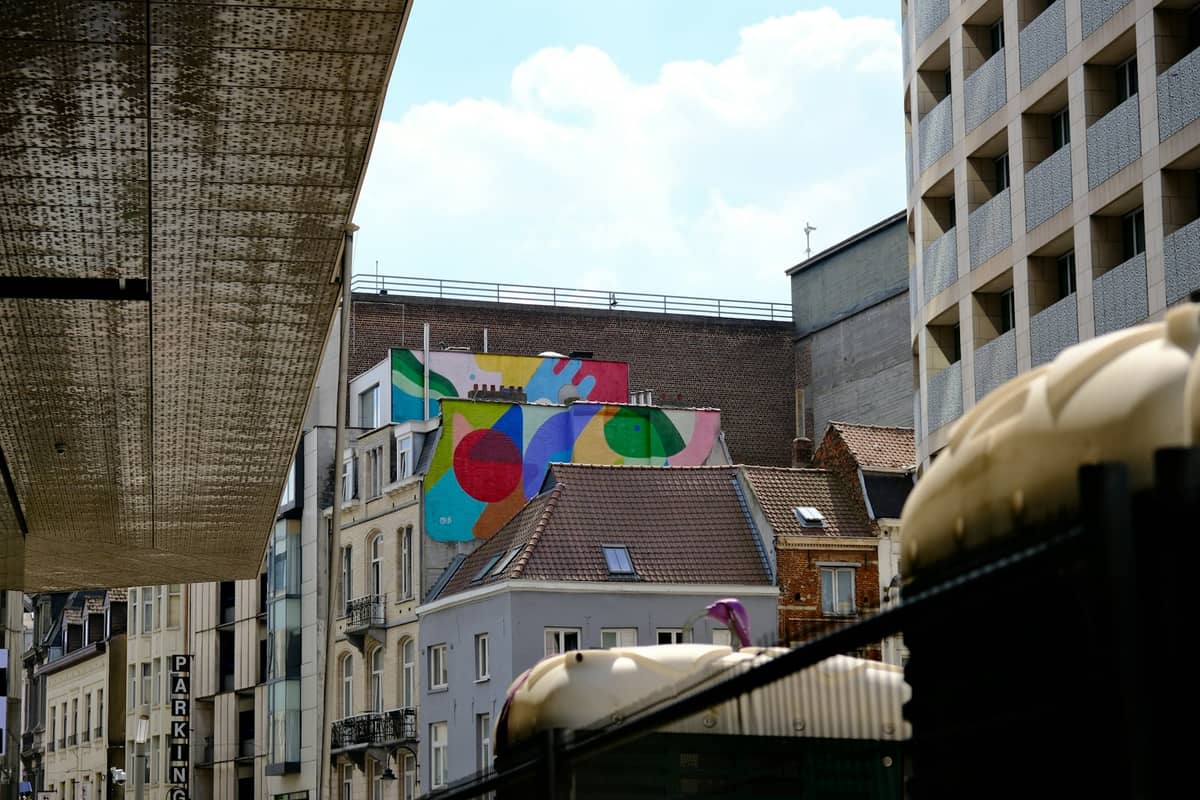
The city formalised this identity in the early 1990s when the first murals went up on central Brussels walls. The initiative was partly cultural and partly practical: large painted gable ends were a way to brighten up urban renewal areas while celebrating a genuine local art form. Today the official Brussels Comic Book Route lists more than sixty murals across the Brussels-Capital Region, making it one of the largest open-air comic art installations in the world. The route is maintained by the City of Brussels and updated as new murals are commissioned, so the number continues to grow.
The Official Comic Book Route: What It Is and How to Use It
The Brussels Comic Book Route is a self-guided network of murals, not a fixed loop tour with a guide and start time. The city publishes addresses for every mural on its official comic book route page, and the Brussels walking tour circuit around the historical centre is the most practical approach for first-time visitors, covering the highest concentration of walls in the smallest geographic area.
Most of the central murals cluster in the streets between the Grand-Place, the Bourse, and the Dansaert neighbourhood, roughly a 20-minute walk end to end. Several of the most famous ones, including the Tintin and Captain Haddock mural on Rue de l'Etuve and the Quick and Flupke mural in the Marolles district, are within a few hundred metres of major landmarks. Laeken and Haren, the northern districts, have additional murals but require a metro or tram ride and are better suited to a second visit.
💡 Local tip
Download the Parcours BD app or print the city's official PDF map before you go. Mobile data can be patchy in narrow inner-city streets, and some murals are tucked down alleys where GPS signal drops. The map lists addresses, not just neighbourhood names, which makes a real difference.
A common mistake is assuming the route only celebrates Tintin and the Smurfs. In practice, the murals cover a wide range of Franco-Belgian series, many of them unknown outside Belgium and France. Characters from Gaston Lagaffe, Lucky Luke, Blake and Mortimer, Spirou, Boule et Bill, and dozens of lesser-known series appear across the city. If you approach the route as a scavenger hunt for familiar faces, you will miss the richness of what Belgian comic art actually produced. The official comicstrip.be website provides background on each character, which adds context that makes the walk more rewarding.
- Tintin and Haddock (Rue de l'Etuve) One of the most visited murals, close to the Manneken Pis. Large scale and well preserved.
- Quick and Flupke (Rue Haute, Marolles) Hergé's less famous street-kid characters in a neighbourhood that suits their scruffy charm.
- Gaston Lagaffe (Rue de l'Ecuyer) André Franquin's loveable office disaster, painted near the city centre on a busy pedestrian route.
- Lucky Luke (Boulevard du Midi) Morris's lone cowboy on a wall near the Midi station area, one of the larger murals on the route.
- Spirou and Fantasio (Rue du Marché au Charbon) A classic Franquin-era image in the Saint-Géry area, close to popular cafés and bars.
The Belgian Comic Strip Center: What to Expect Inside
The Belgian Comic Strip Center (Centre Belge de la Bande Dessinée) at Rue des Sables 20 is the most substantive indoor destination for comic art in Brussels. The building alone justifies the visit: it is a Victor Horta-designed department store from 1906, repurposed as a museum in 1989. The iron structure, curved glass roof, and organic ironwork in the entrance hall are textbook Art Nouveau Brussels and among Horta's more accessible surviving works.
The museum covers the history of Belgian comic art from the 19th century to contemporary graphic novels. Permanent galleries focus on the Franco-Belgian tradition, with original artwork, printing plates, and the narrative context that explains why Belgium produced so many internationally significant series. Temporary exhibitions rotate roughly every three to four months and typically focus on a single artist or theme. There is also a well-stocked specialist bookshop and a brasserie open Tuesday to Sunday.
- Opening hours: Tuesday to Sunday, 10:00 to 18:00, closed Mondays except certain school holidays. Last entry is at 17:00.
- Adult admission: approximately €14. Seniors and visitors aged 12-25: approximately €11. Children aged 6-11: approximately €6. Under 6: free. Family pack: approximately €36.
- The museum is reachable by metro lines 1 or 5 (De Brouckère or Gare Centrale stops) or metro lines 2 or 6 (Botanique or Rogier stops), each a short walk from the entrance.
- Allow at least 90 minutes for a thorough visit; two hours if you intend to read the exhibit texts rather than skim them.
- Verify current prices and hours on the official museum website before visiting, as they are updated periodically.
⚠️ What to skip
The Belgian Comic Strip Center is often confused with other smaller or temporary comic exhibitions that have existed in Brussels. It is a standalone institution with its own ticketing. Do not assume a Brussels city pass or other museum pass covers entry without checking current terms. The museum is closed on Mondays, which catches out a surprising number of visitors.
Comic Strip Brussels Beyond the Route: Other Venues and Landmarks
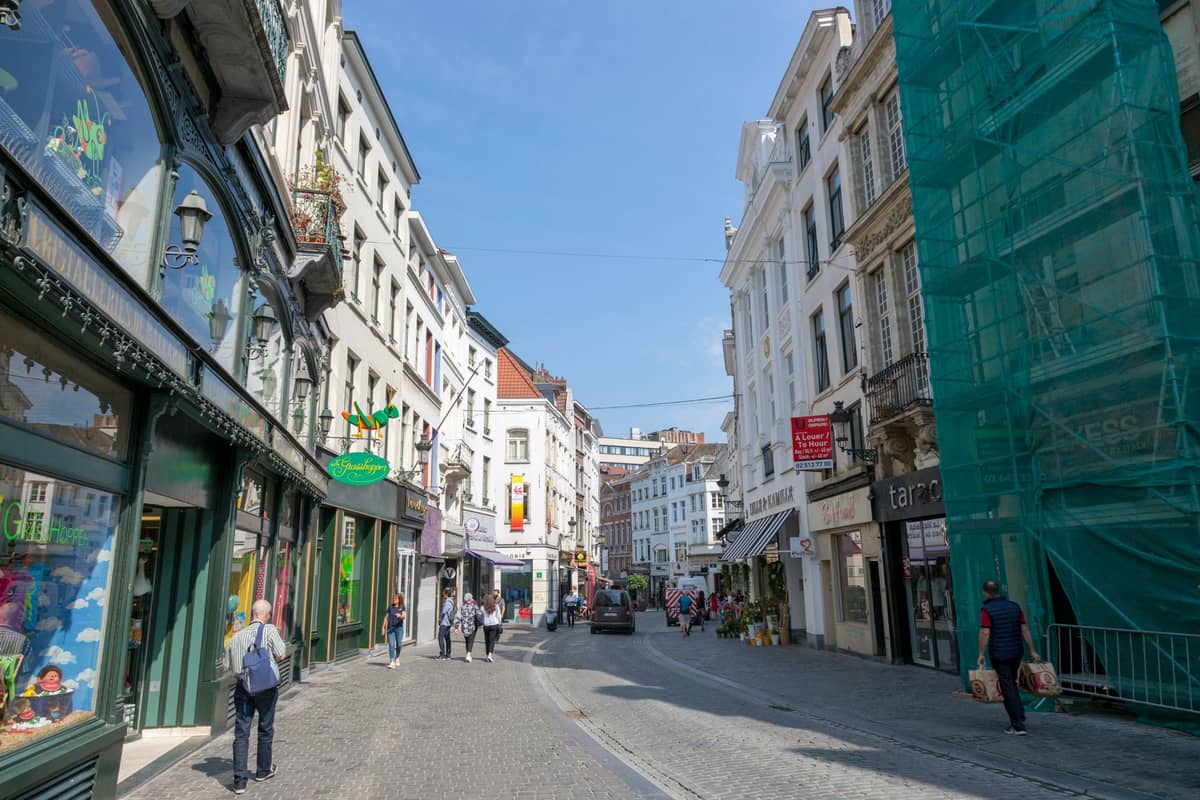
The mural route and the Comic Strip Center are the two anchors, but several other locations add depth. The comic strip route itself connects naturally to a wider walk through central Brussels, passing landmarks like the Galeries Royales Saint-Hubert and the Grand-Place, which makes it easy to combine with a broader city walk.
Specialist comic book shops in Brussels are worth seeking out for anyone interested in acquiring original Franco-Belgian albums. The area around the city centre and Ixelles has several shops carrying both new releases and second-hand albums in French and Dutch. Belgian comic albums are typically published in hardcover A4 format with 48-62 pages, a format quite different from the American pamphlet comic, and prices for classic Tintin or Spirou albums in French can be reasonable compared to what collectors pay abroad.
The annual Brussels Comic Strip Festival (Festival de la Bande Dessinée de Bruxelles) typically takes place in early to mid-September and transforms the city centre into an open-air event with stalls, signings, and character appearances. Check current programming closer to the date. If you are travelling specifically for comic art events, pair your research with the best time to visit Brussels guide, which covers major annual events.
✨ Pro tip
The Marolles flea market at Place du Jeu de Balle occasionally has old Belgian comic albums at low prices, particularly on Sunday mornings when dealers bring estate sale stock. Condition varies widely but dedicated collectors have found genuinely rare editions. Go early, before 09:00, for the best selection.
Planning Your Comic Strip Walk: Practical Logistics
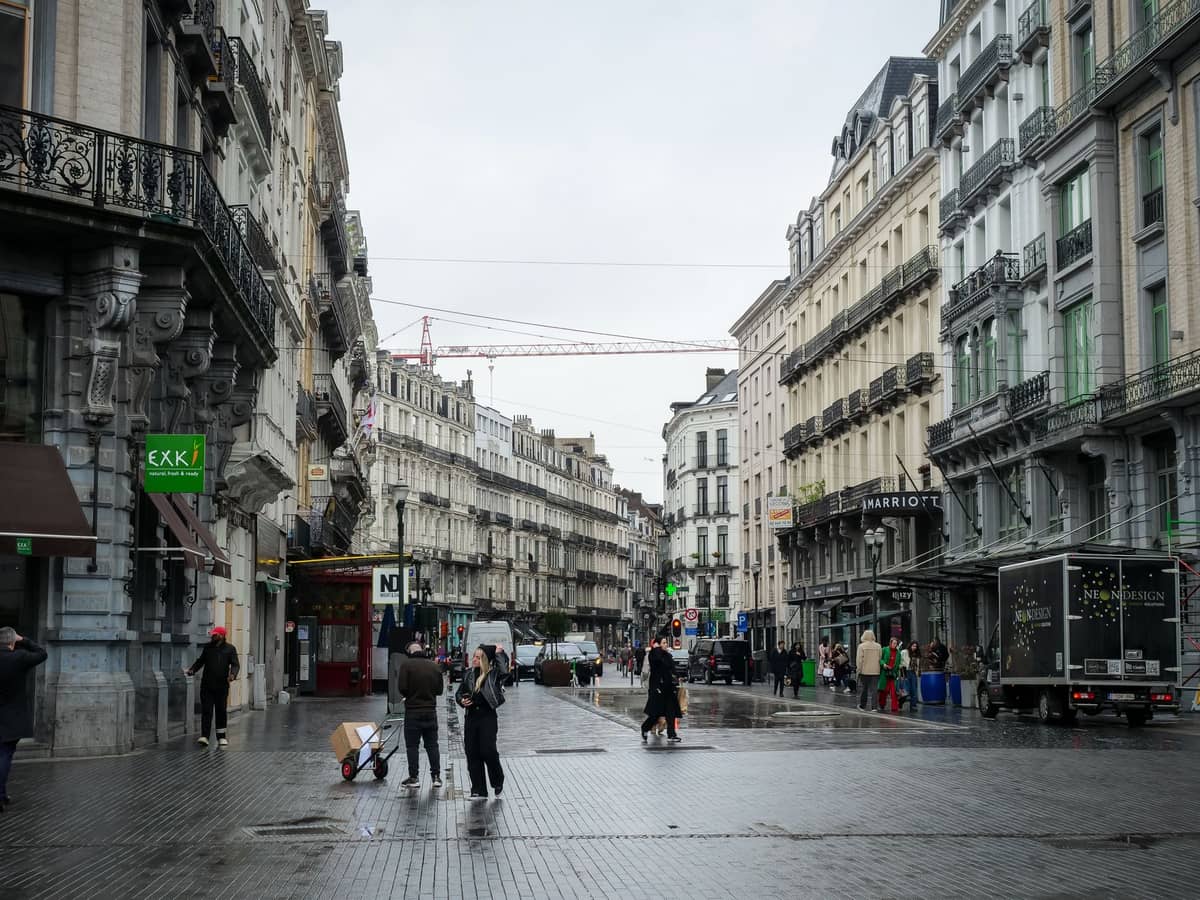
The central concentration of murals is best covered on foot. The streets around the historical centre are compact, and most of the key walls are within a 30 to 40 minute walk of each other. Wear comfortable shoes: Brussels' inner city is largely flat but some streets near the Marolles slope noticeably. The murals themselves are painted on building facades, most of them three to five storeys high, so they are visible from the pavement without any special access.
Brussels has an oceanic climate with rainfall distributed throughout the year. The murals are outdoor and entirely unaffected by weather, but a rainy day is harder on the walker. If you are visiting in autumn or winter, it is sensible to combine the outdoor mural hunt with an indoor stop at the Belgian Comic Strip Center or one of the city's other museums. The Brussels rainy day activities guide has more options for days when the weather turns.
Getting around the broader mural network in Laeken requires the metro or tram. Metro line 6 connects the city centre to Laeken in under 15 minutes. STIB/MIVB, the Brussels urban transport operator, runs the metro, tram, and bus network; single tickets are available on board or from machines, and contactless payment is accepted on all vehicles. If you are spending a full day on the mural route including the northern districts, a day pass or using the contactless daily cap can make more financial sense than individual tickets.
- Best starting point for central murals Rue du Marché au Charbon or Place Fontainas, both near the Bourse and within 5 minutes of multiple murals.
- Time needed for the central route Two to three hours at a relaxed pace to cover the main central murals and take photos.
- Time needed for the full route A full day if you intend to reach Laeken and Haren as well as the centre.
- Best season for photos Spring and summer offer better light and longer days, but the murals photograph well year-round.
- Accessibility Most central murals are on flat streets accessible to wheelchair users; the Marolles area has some slopes.
Common Misconceptions and What to Skip
Several things trip up visitors approaching Brussels as a comic strip destination. First, the Comic Book Route is not a guided tour you book and join at a set time. It is a network of public murals on public streets. You navigate it yourself using the city's map, the Parcours BD website, or any of several walking route suggestions published by Visit Brussels. Nobody stamps your card or ushers you from wall to wall. This is a good thing: you can cover as much or as little as you want, at any hour, at no cost.
Second, if your main interest is Tintin specifically rather than Belgian comic art broadly, the Belgian Comic Strip Center is a good start but not the whole story. The Hergé Museum, dedicated entirely to Tintin's creator, is located in Louvain-la-Neuve, about 30 kilometres southeast of Brussels, and is considered the definitive Tintin destination. It is a reasonable day trip from Brussels for dedicated fans.
Third, do not pay for unofficial 'mural tour' apps or pamphlets sold near tourist areas. The city's own free resources, available at visit.brussels or the comicstrip.be website, are comprehensive and regularly updated. The official route map lists addresses for every mural, which is all you need.
FAQ
Is the Brussels Comic Book Route free?
Yes, entirely. The murals are painted on public buildings and streets and can be visited at any hour without any ticket or reservation. The Belgian Comic Strip Center museum charges admission separately.
How many comic strip murals are there in Brussels?
The official route lists more than sixty murals across the Brussels-Capital Region, including the city centre, Laeken, and Haren. The number increases as new murals are commissioned. The city's official website and the Parcours BD portal maintain the current list with addresses.
How long does it take to walk the comic strip route?
The central concentration of murals can be covered in two to three hours on foot. The full route including Laeken and Haren requires a full day and some use of public transport. Most visitors focus on the central route on their first visit.
Is the Belgian Comic Strip Center worth visiting?
For anyone with a genuine interest in comic art history or the Franco-Belgian tradition, yes. The building is a Victor Horta Art Nouveau masterpiece and worth seeing on its own merits. Visitors looking only for Tintin merchandise or a quick selfie will find the museum more substantive than they expected and may feel it requires more time than they planned for.
Where is the Hergé Museum and is it in Brussels?
The Hergé Museum is not in Brussels. It is in Louvain-la-Neuve, approximately 30 kilometres southeast of the city, and is dedicated entirely to Tintin's creator Georges Remi (Hergé). It is reachable by train from Brussels and makes a practical day trip for Tintin fans who want a more focused experience than the Belgian Comic Strip Center provides.