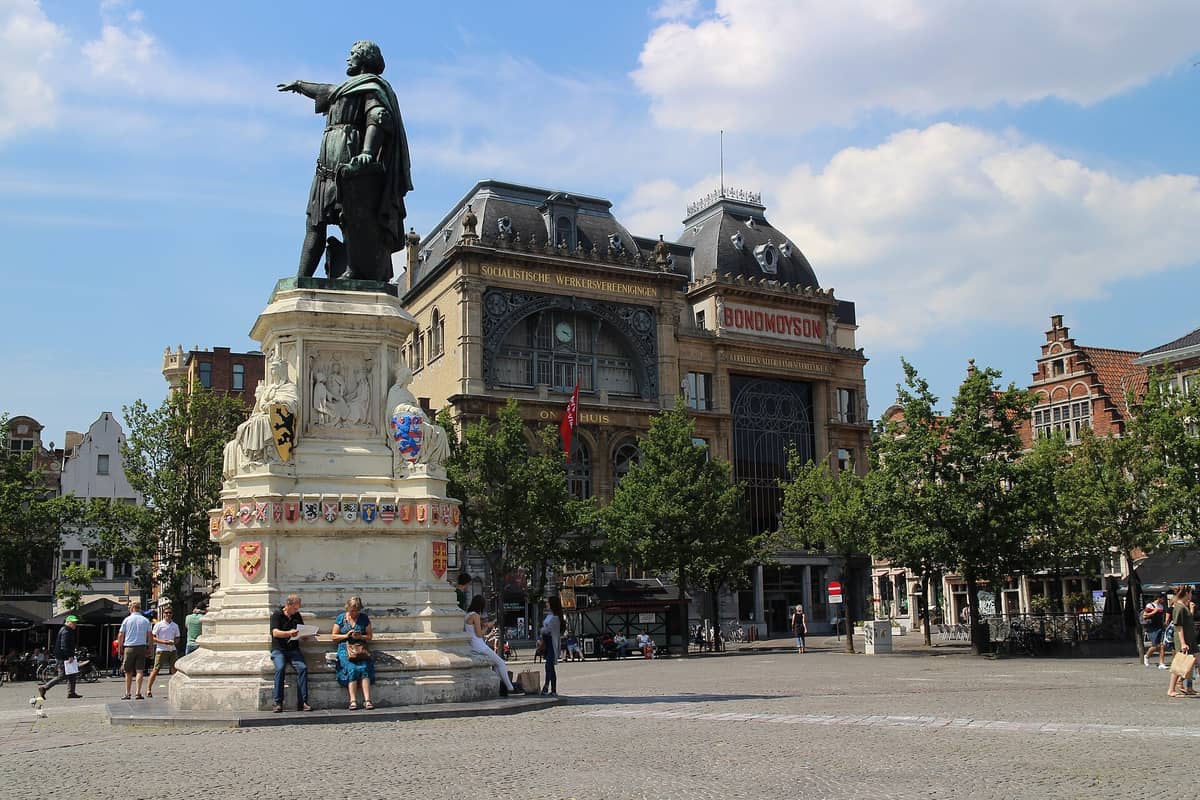
Ghent's Historic Centre is the medieval heart of one of Belgium's greatest cities, where three Gothic towers anchor a skyline that has barely changed in six centuries. From the guild-house quays of Graslei and Korenlei to the fortress walls of Gravensteen, this compact core packs more architectural drama per square kilometre than almost anywhere in northern Europe. It rewards slow walking, early mornings, and a willingness to look up.
Ghent's Historic Centre is where the city's entire medieval story unfolds within walking distance: three Gothic towers, a fortress that predates most European nations, guild-house quays reflected in the Leie, and a cathedral sheltering what many consider the greatest painting of the 15th century. It is a neighbourhood that functions simultaneously as a living city and an open-air museum, without feeling like either.
Orientation
Ghent's Historic Centre sits at the geographic and symbolic core of the city, spreading out from the confluence of the Scheldt and Leie rivers in the Flemish Region of Belgium. It is not a formally delineated administrative zone but rather the medieval nucleus that most visitors mean when they say they are going 'into Ghent': the area bounded loosely by the Leie to the west and south, Sint-Baafsplein to the east, and the Gravensteen fortress to the north.
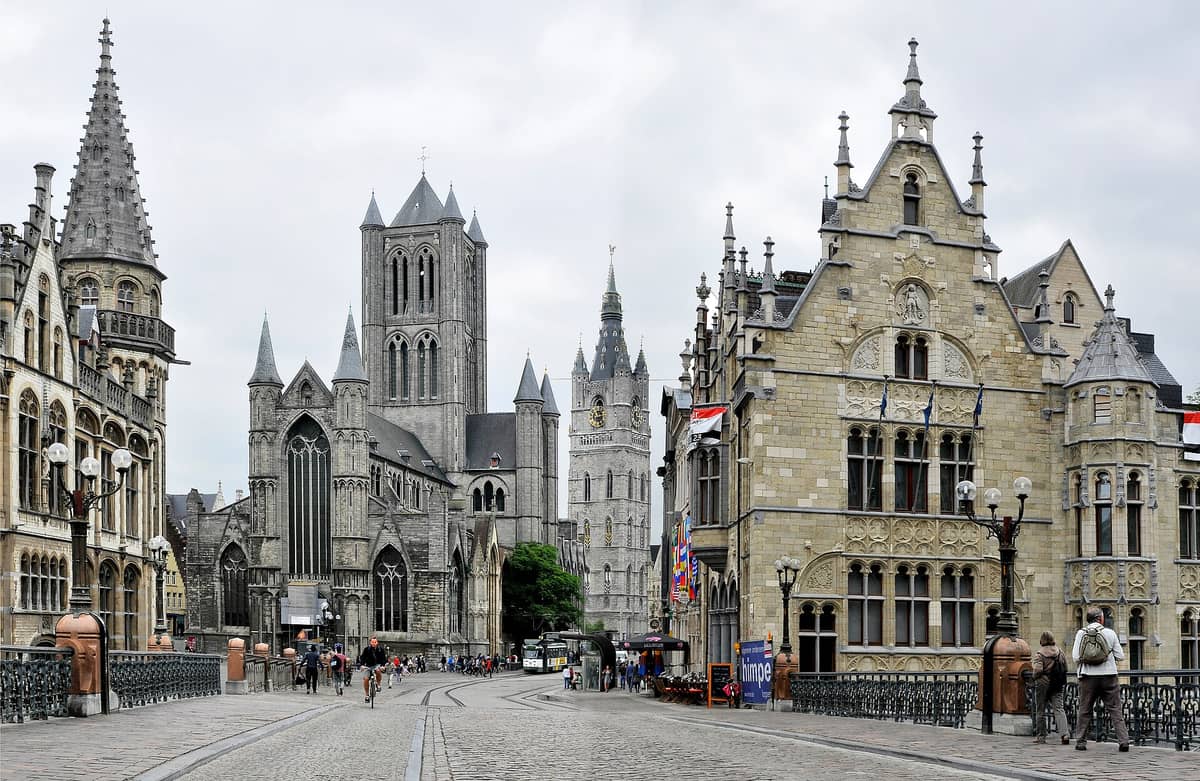
The key anchors are easy to memorise. Sint-Baafsplein is the eastern gateway, dominated by the cathedral and the Belfry. Walking west along Cataloniëstraat or the tram corridor brings you to Korenmarkt, the main tram hub and commercial square. From Korenmarkt, the ground slopes very gently down to Sint-Michielsbrug (St Michael's Bridge), the single most photographed viewpoint in the city, looking north over the Graslei and Korenlei quays. Continuing north from the bridge, the streets tighten and rise slightly toward Gravensteen, the castle that marks the northern edge of the historic core.
The historic centre connects directly to the neighbourhoods around it. To the south, it flows into the Citadelpark and museum quarter via the long axis of Veldstraat and Woodrow Wilsonplein. To the north, beyond Gravensteen, lie the intimate medieval lanes of Patershol, Ghent's oldest surviving residential quarter. To the south, the student axis of Overpoortstraat begins beyond Sint-Baafsplein. The entire historic core is walkable in under 20 minutes end to end, though you will want considerably more time than that.
Character and Atmosphere
Arrive early on a weekday morning and the Historic Centre belongs almost entirely to locals. By seven, delivery trucks are threading the narrow lanes around the Vrijdagmarkt, café owners are stacking chairs outside on Korenmarkt, and the first commuter trams are clattering along the tracks toward Sint-Pieters station. The light in late spring and summer falls at a low, golden angle across the guild-house facades on Graslei, turning the Tournai limestone of Sint-Niklaaskerk into something close to amber. The air near the water carries a mild mineral coolness even when the rest of the city is warm.
By midmorning, the character shifts noticeably. Tour groups gather outside Sint-Baafskathedraal, the queue for the Ghent Altarpiece begins forming, and Korenmarkt fills with people navigating tram stops and café terraces simultaneously. The squares around the Belfry get loud: this is central Ghent at its most tourist-saturated, and there is no pretending otherwise. The streets immediately behind the main monuments, however, drain the crowds quickly. Duck one block off Sint-Baafsplein toward the older parts of the centre and you will find yourself almost alone on streets that have looked roughly the same for four hundred years.
Late afternoon brings a different energy. Students start filling the terraces near Vrijdagmarkt, locals pick up groceries in the side streets off Korenmarkt, and the light on the Leie shifts from white to a deep copper. Sint-Michielsbrug at this hour, with all three towers catching the slanting sun while boats drift below, is genuinely exceptional. After dark, the historic centre is well-lit and well-populated until around midnight on weekends, with the canal-side bars and brasseries on and near Graslei staying busy. The side streets quiet down faster, but the area is generally considered safe, with the standard urban caveat that Korenmarkt and the main squares attract pickpockets in high season.
⚠️ What to skip
Pickpocketing and tourist-targeted petty theft are the most realistic risks in the Historic Centre, concentrated around Korenmarkt, Sint-Baafsplein, and the Graslei/Korenlei quays. Keep bags zipped and phones pocketed in crowds. Ghent is broadly safe by European standards, but the main squares get busy enough to reward basic precautions.
What to See and Do
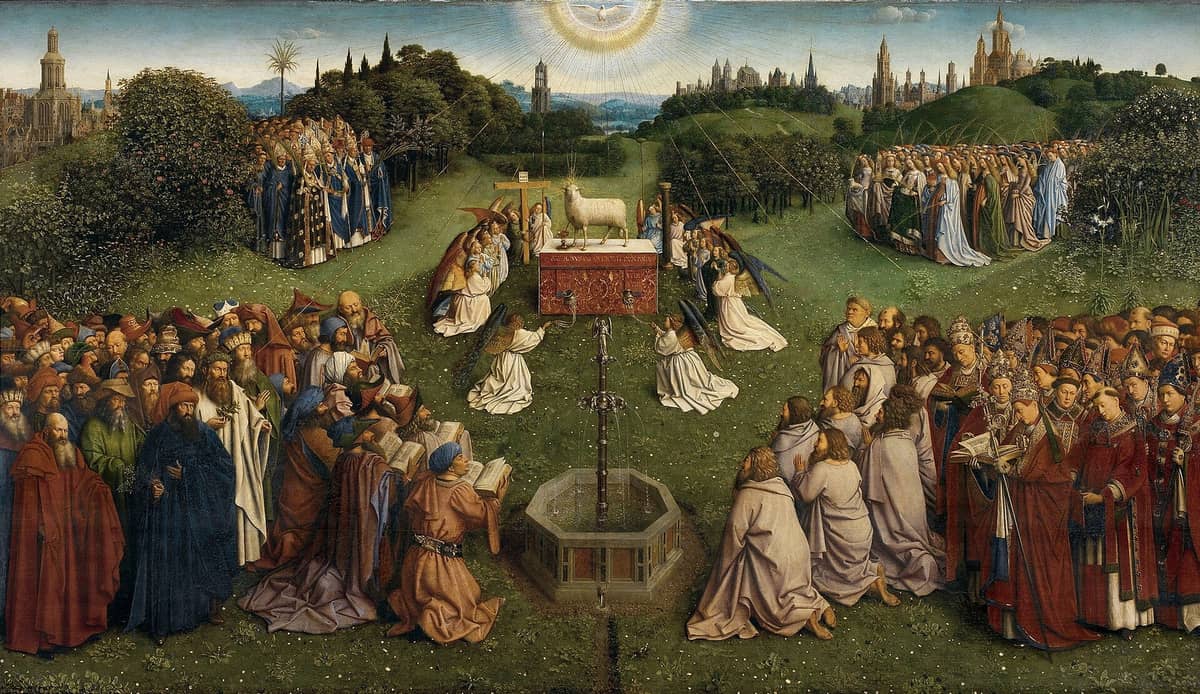
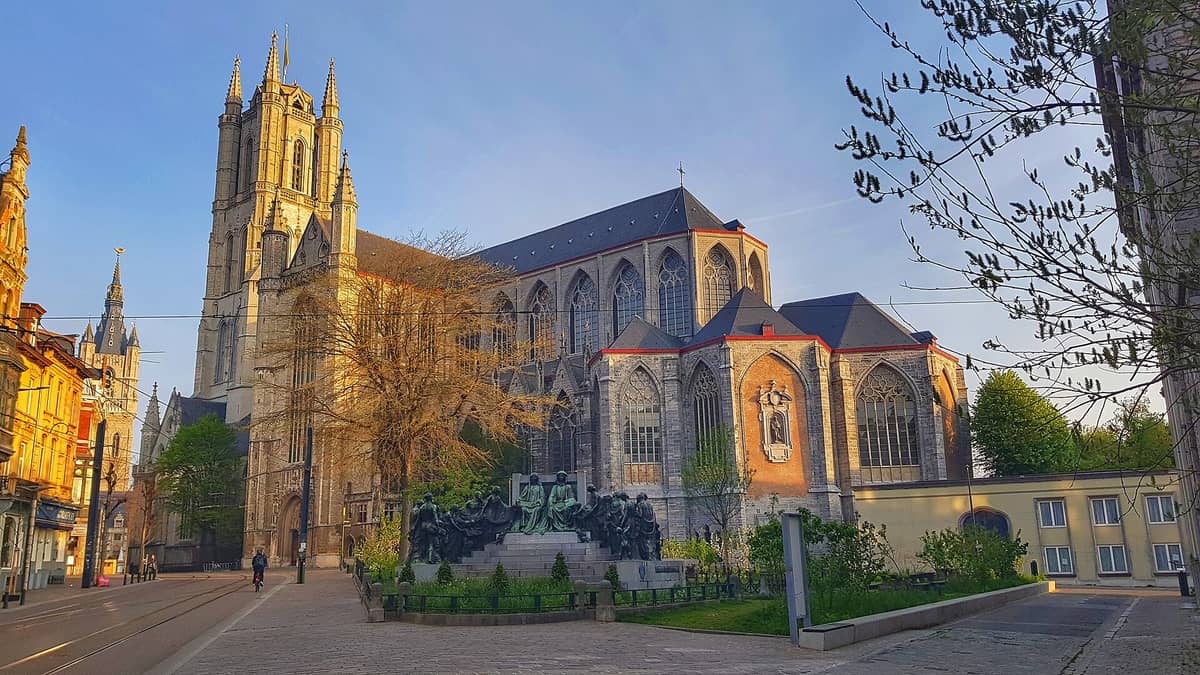
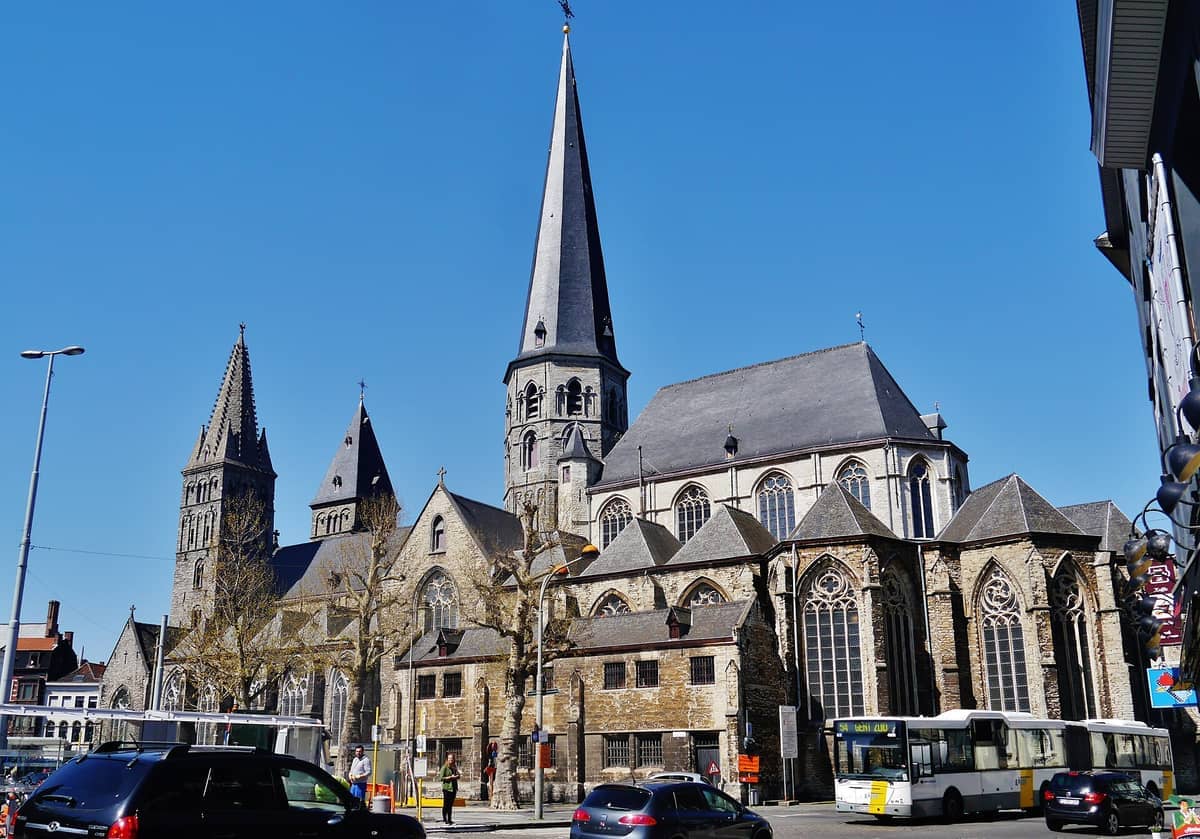
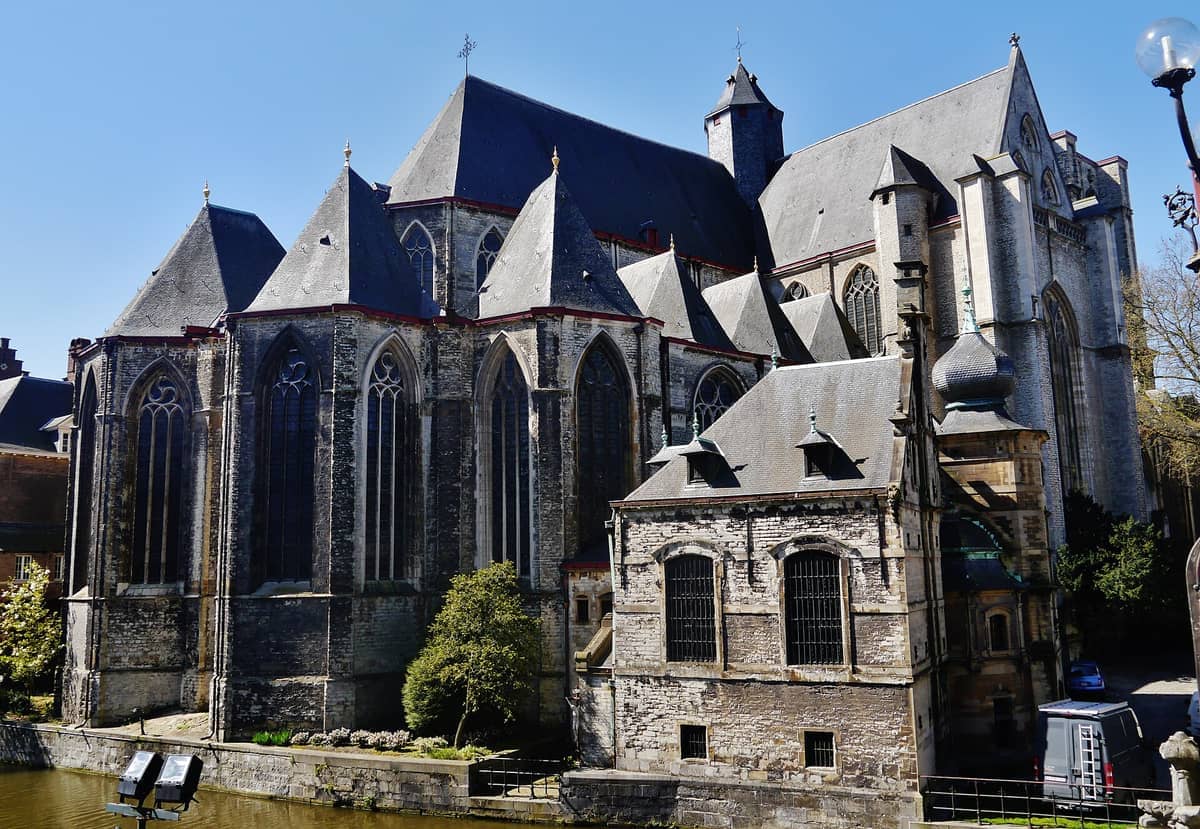
The non-negotiable starting point is Sint-Baafskathedraal, the Gothic cathedral on Sint-Baafsplein that was begun in the 13th century and accumulated chapels, altars, and treasuries over the following three hundred years. Its interior is darker and more complex than most Belgian Gothic churches, layered with Baroque additions over a structural core that remains firmly medieval. The famous Van Eyck polyptych, the Ghent Altarpiece (completed 1432), is displayed in a purpose-built room in the baptistery. This work draws specialist art historians and casual visitors in equal numbers, and rightly so: it is one of the pivotal objects in the history of Western painting. Book tickets in advance in peak season.
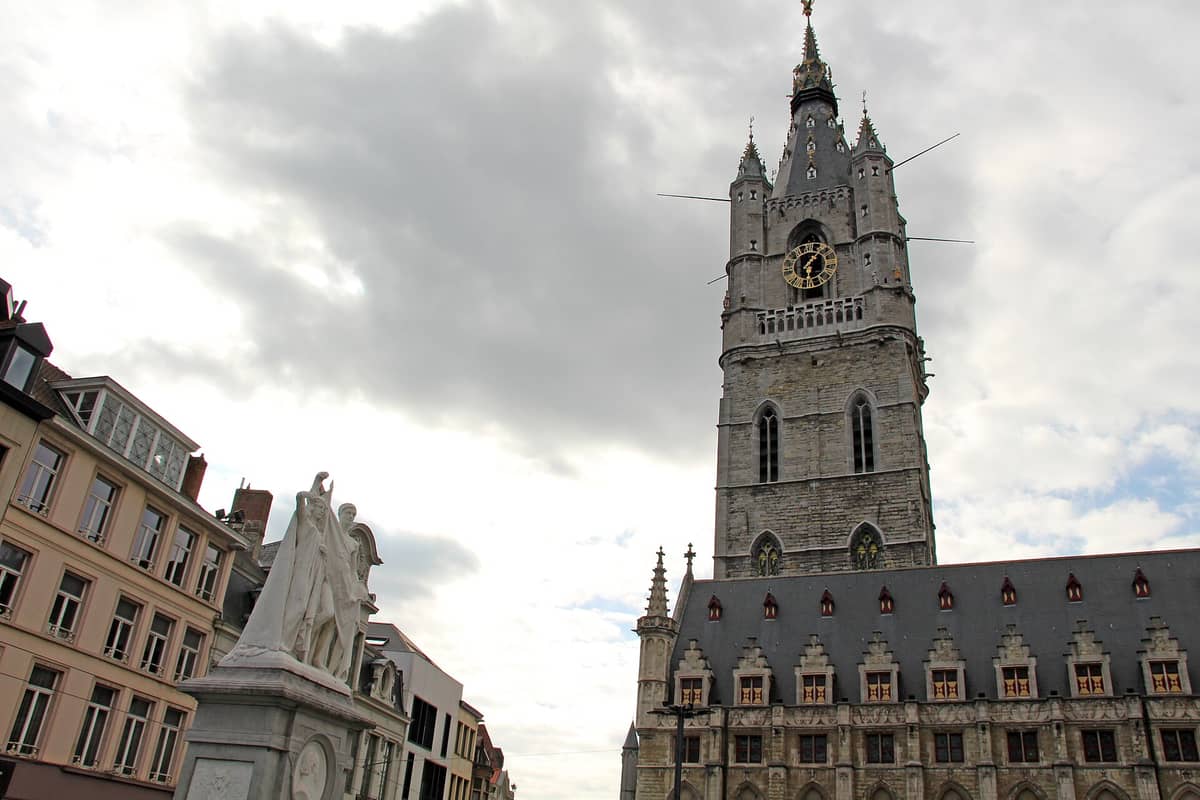
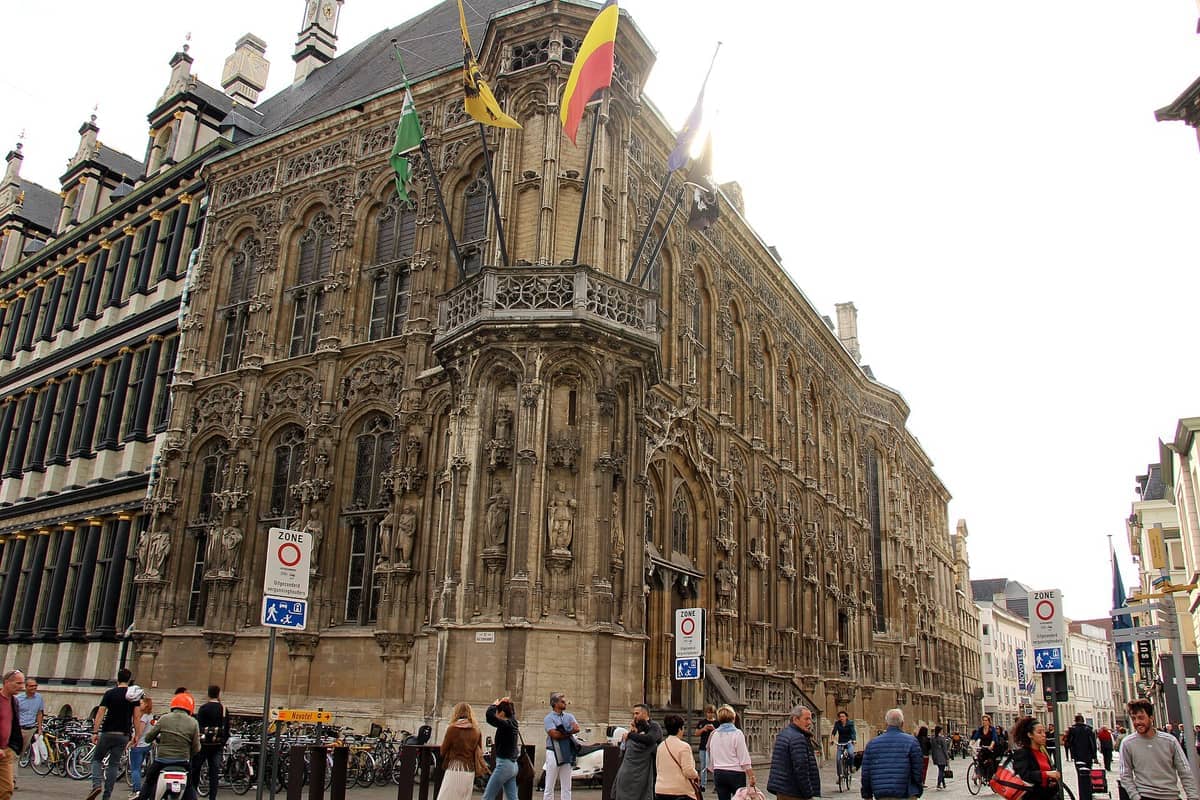
Directly adjacent to the cathedral stands the Belfry of Ghent, a 91-metre tower that has dominated this skyline since the 14th century and is now part of a UNESCO World Heritage listing that covers belfries across Belgium and France. The tower is climbable and worth the effort: the view from the top places all three towers in spatial relationship and gives you the best sense of how compact the historic core actually is. Below the belfry, the Ghent Town Hall occupies the corner of Botermarkt and Hoogpoort, a building whose facade reads like an architectural timeline: the Flamboyant Gothic northern section was begun around 1518, while the southern wing reflects a cooler Renaissance sensibility that arrived as fashion changed mid-construction.
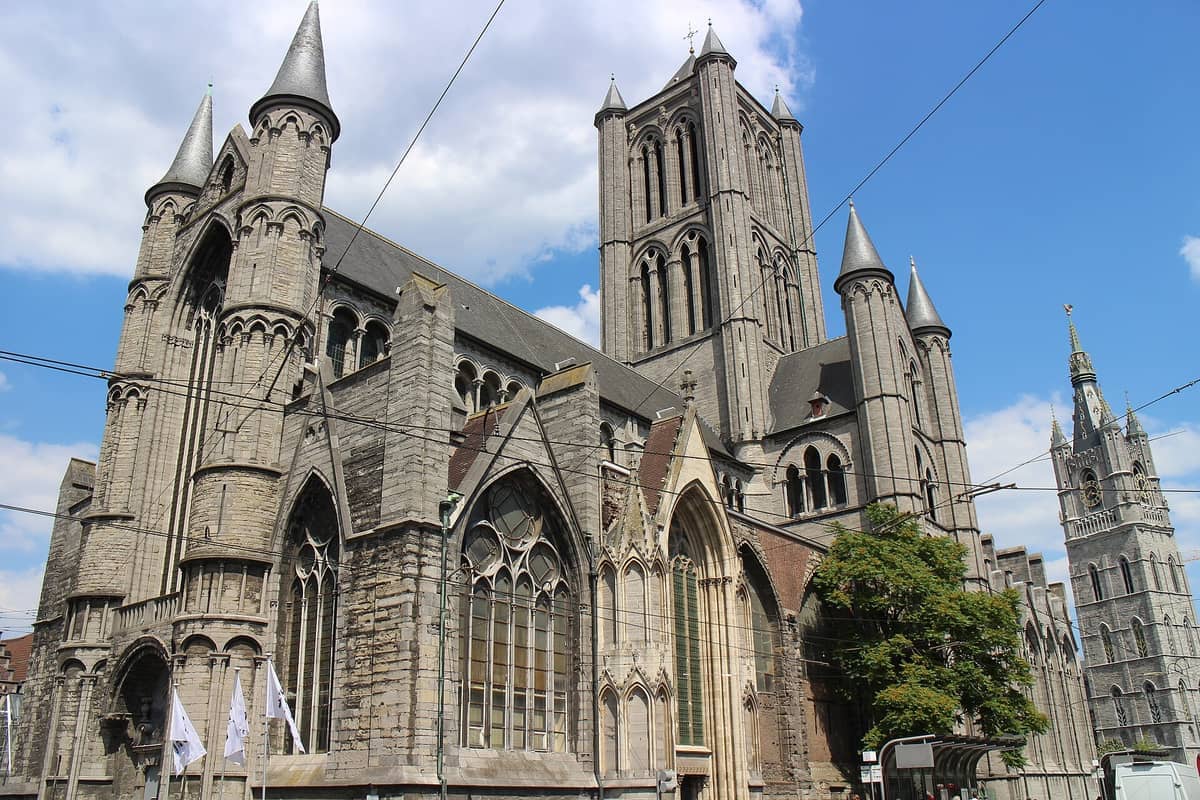
Walking northwest from Korenmarkt, Sint-Niklaaskerk stands at the junction where several medieval trading routes converged. It is one of the earliest examples of Scheldt Gothic architecture in Belgium, built in a distinctive blue-grey stone from Tournai, and its interior has been progressively restored after decades of use as a military depot, grain store, and museum warehouse following the French Revolutionary suppressions. From the Sint-Michielsbrug just south of the church, the three-tower view lines up: Sint-Niklaaskerk in the foreground, the Belfry mid-distance, Sint-Baafskathedraal behind. This is the shot most people want, and the bridge is positioned almost perfectly for it.
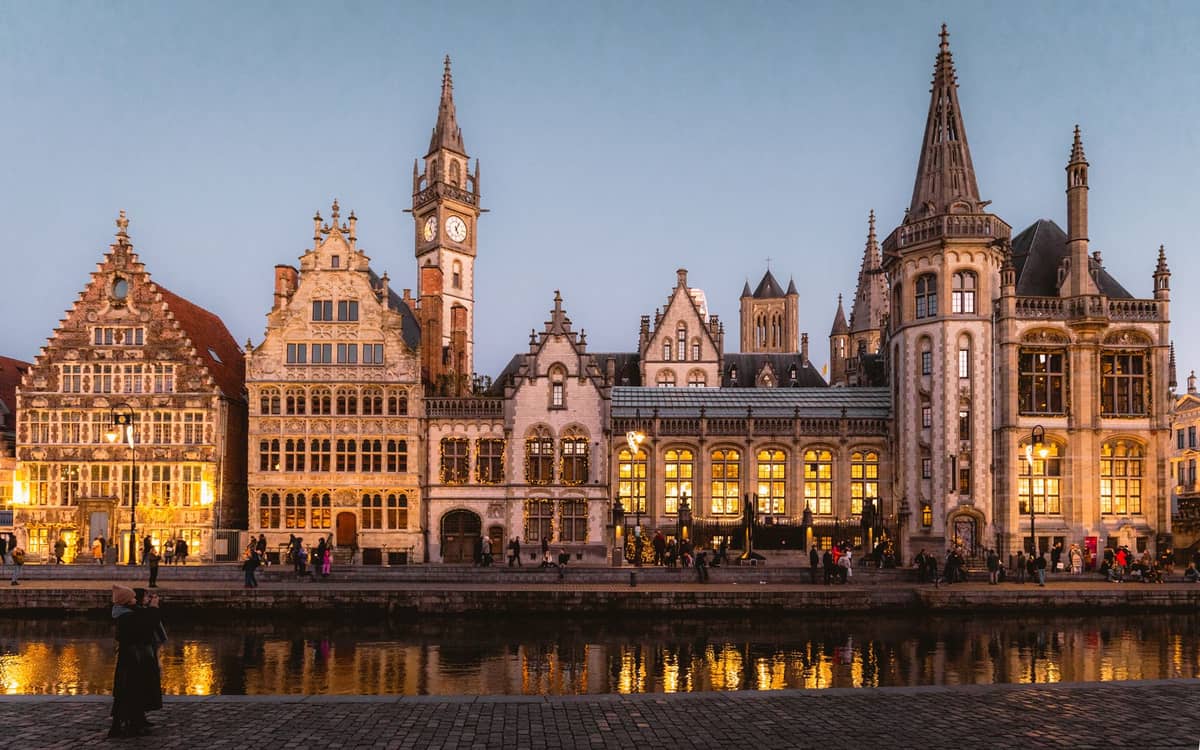
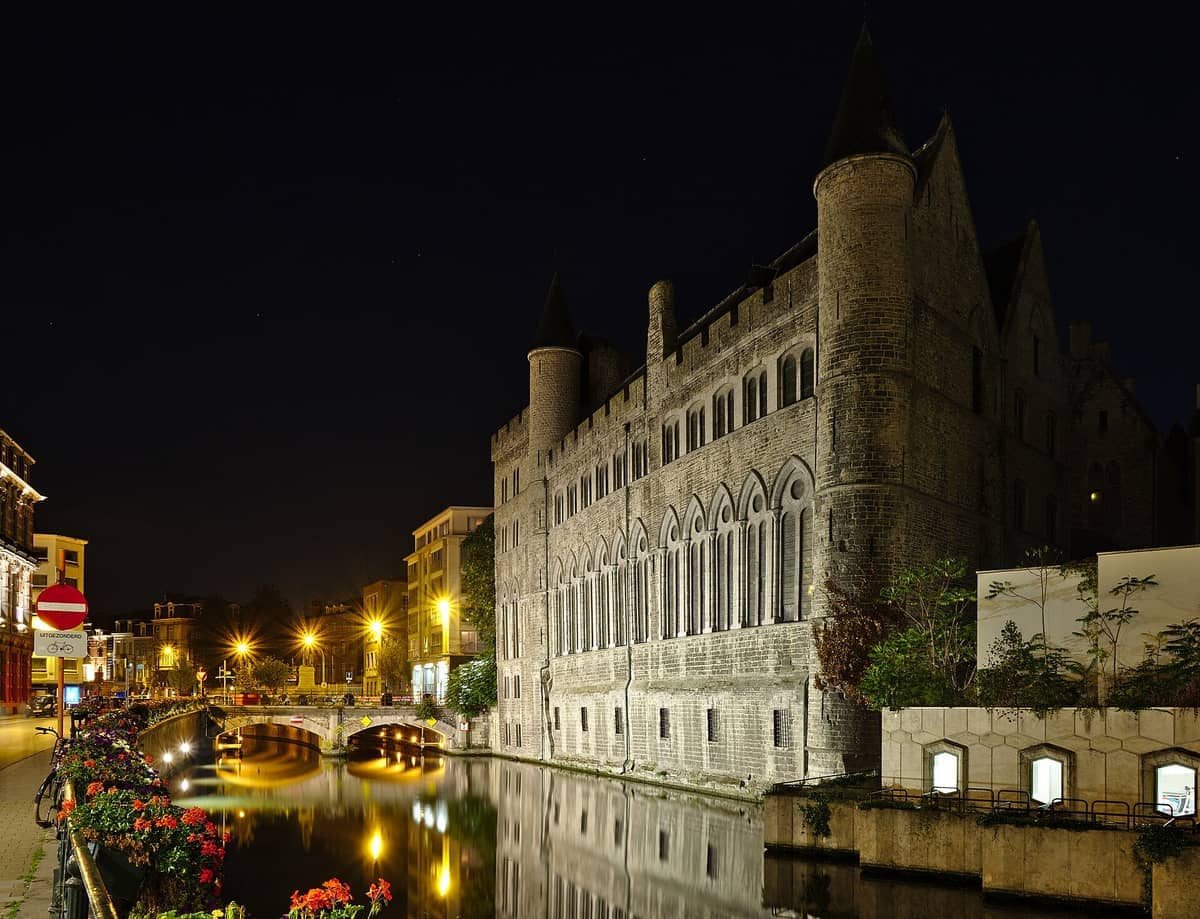
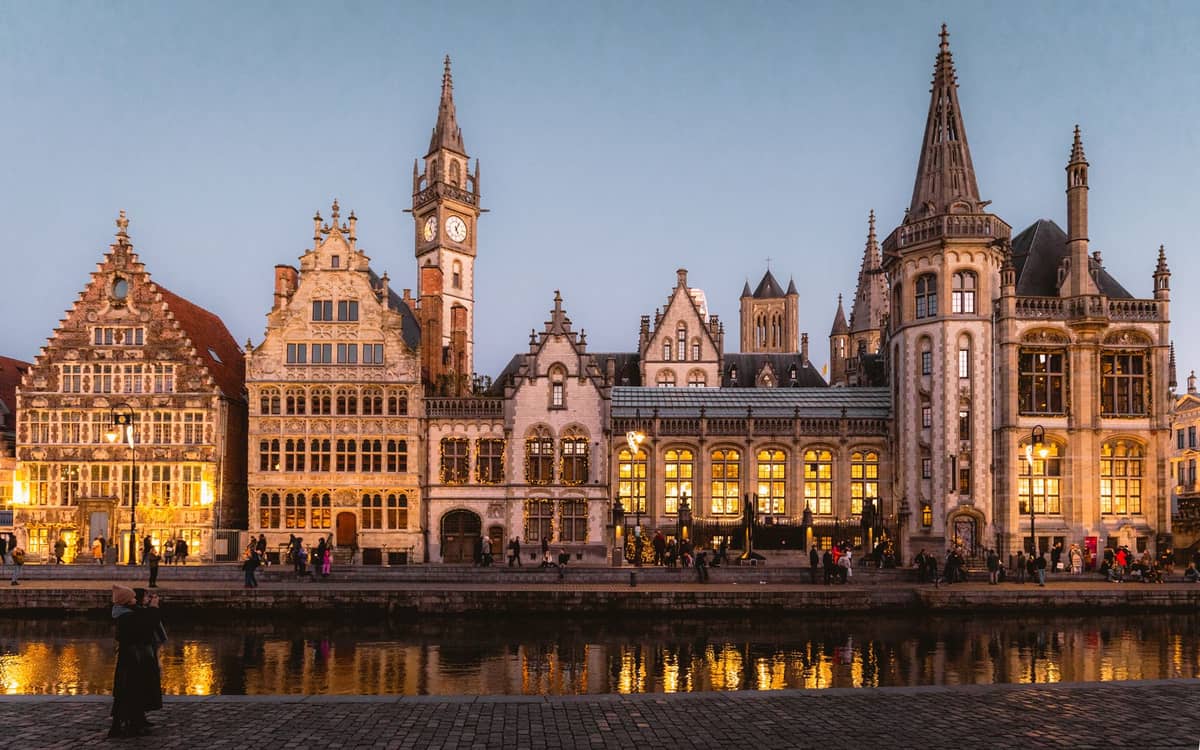
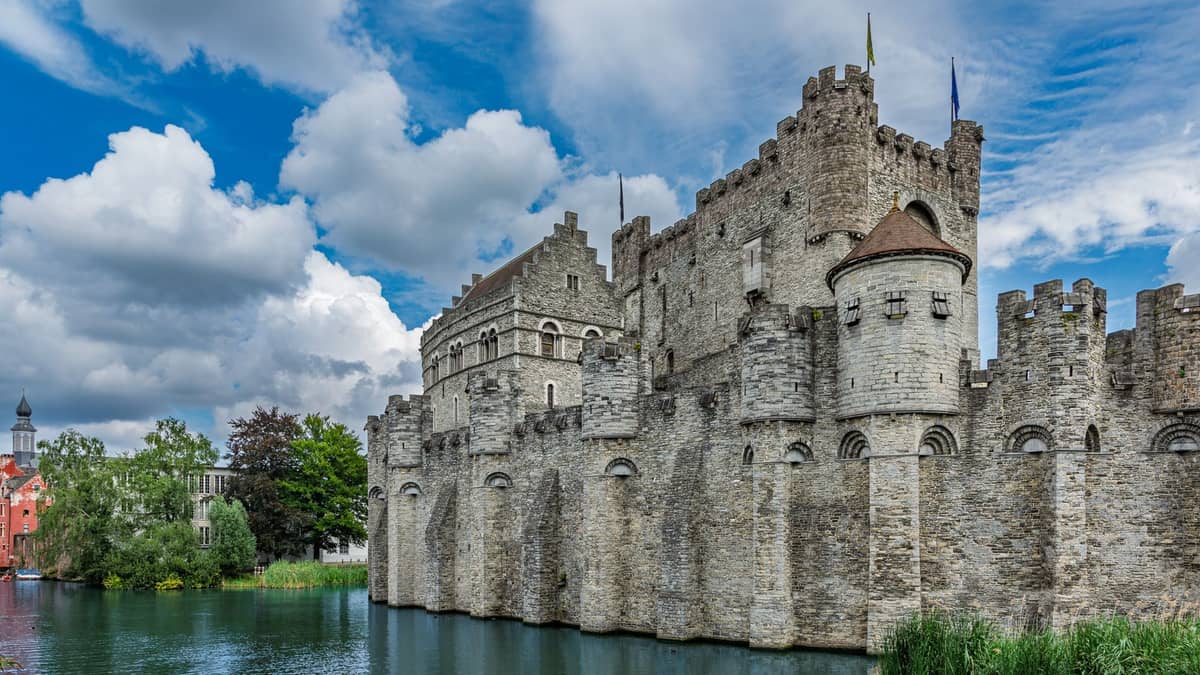
North of Korenmarkt, the streets narrow through the old merchant quarter toward Gravensteen, the Castle of the Counts. Built in stone by Philip of Alsace in 1180 on the model of the Crusader castles he had encountered in Syria, it is one of the most complete medieval fortresses in the Low Countries. The self-guided tour covers the great hall, dungeon, and ramparts, with a collection of instruments of torture that is presented with dry Flemish humour. The rooftop walkway offers a different angle on the city entirely. Nearby, the Graslei and Korenlei quays stretch south along the Leie, lined with guild houses from the 12th to 17th centuries. The Graslei (east bank) preserves the more complete row: the Spijker (grain storehouse), the House of the Free Boatmen, and the Customs House together form one of the most cohesive medieval streetscapes in northern Europe.
Sint-Baafskathedraal and the Ghent Altarpiece: book timed entry well in advance during summer
Belfry of Ghent: climb for the best overview of the historic core
Gravensteen: allow 90 minutes minimum; rooftop views are exceptional
Sint-Michielsbrug: best light for the three-tower view is late afternoon, facing east
Graslei and Korenlei: walk both banks for the full guild-house sequence
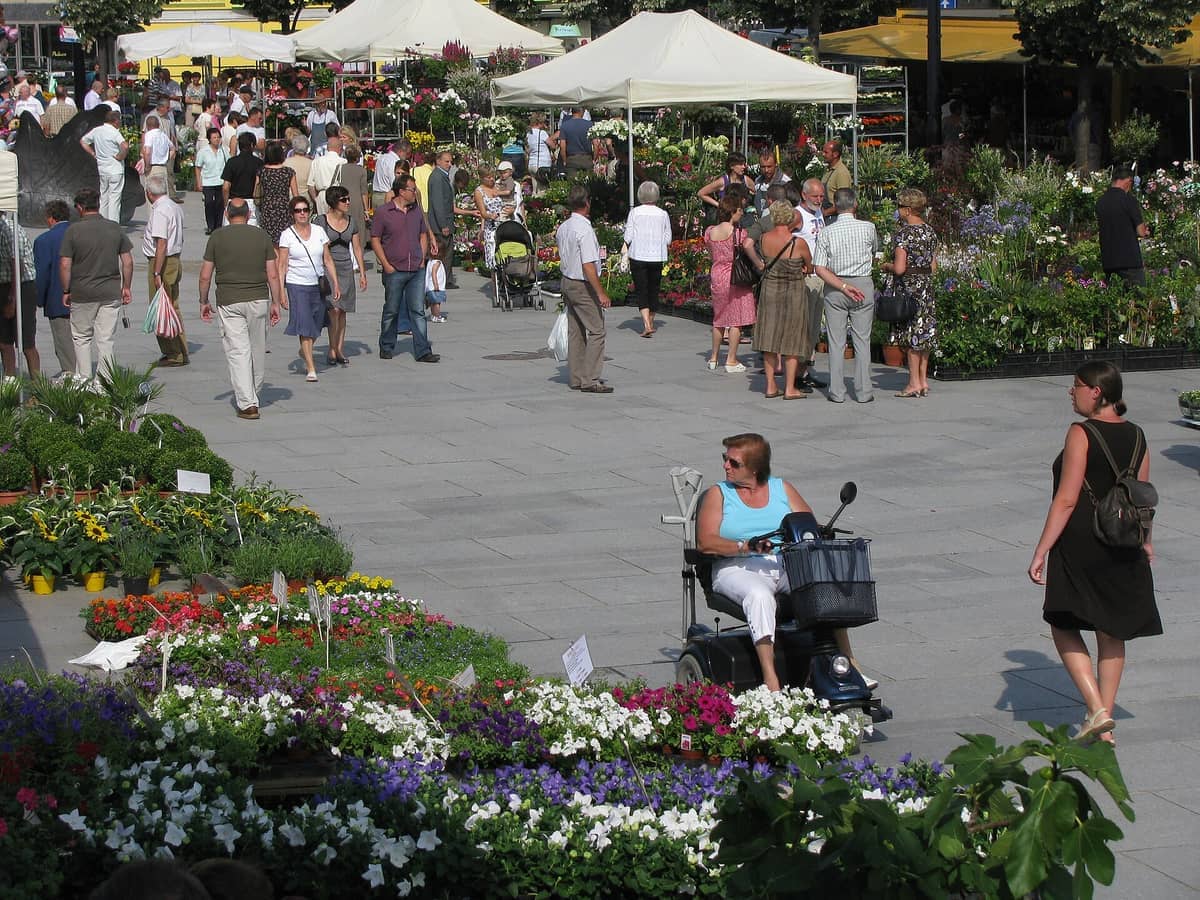
Vrijdagmarkt: the historic market square north of Sint-Baafsplein, ringed with guild houses and the statue of Jacob van Artevelde
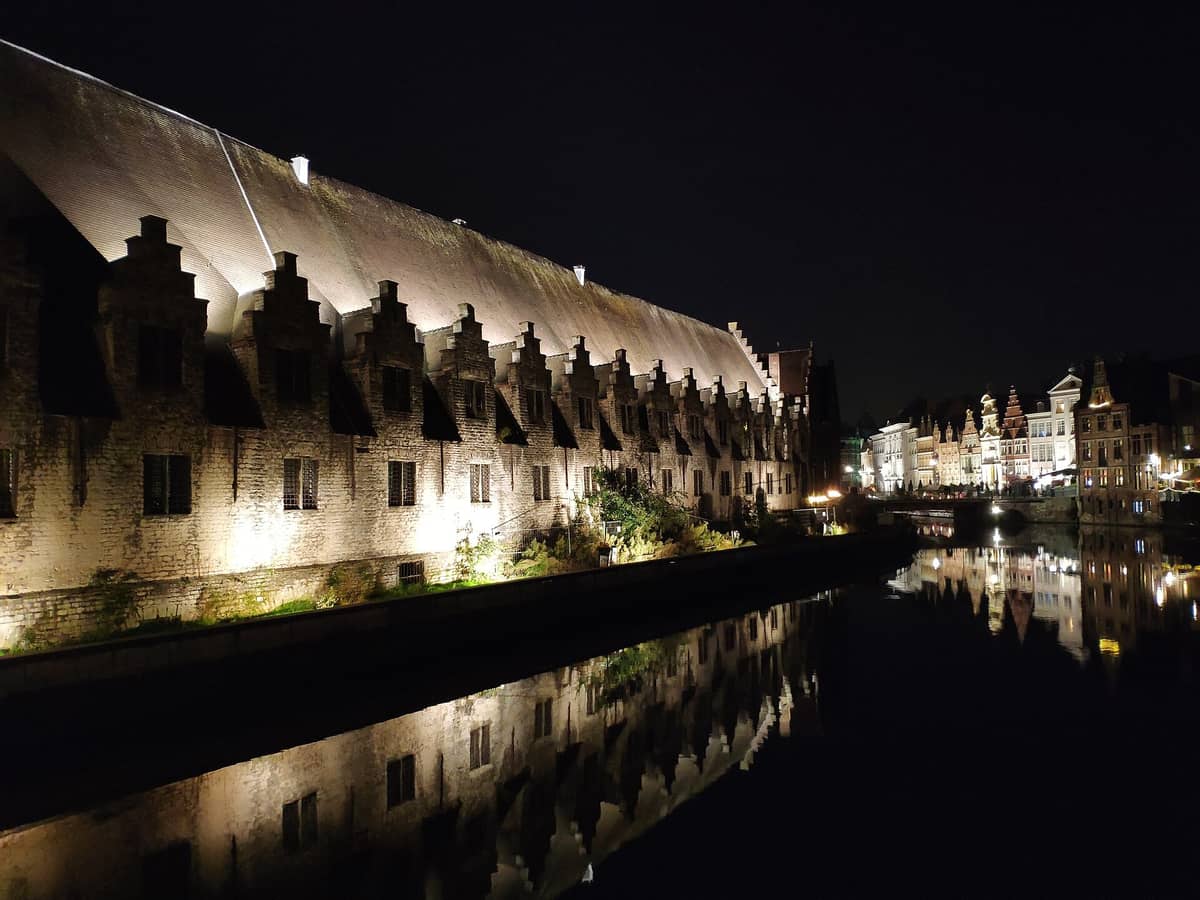
Groot Vleeshuis: the 15th-century covered meat market on Groentenmarkt, now an East Flemish food hall
For those interested in Ghent's civic history, the STAM city museum sits just beyond the eastern edge of the historic core in the old Bijloke abbey complex. It is one of the better urban history museums in Belgium, using the city's own layout as a narrative device. The Vrijdagmarkt is worth a detour even outside market days: the square was the traditional site of guild gatherings and popular uprisings, and the buildings around its edges still carry traces of that civic weight.
💡 Local tip
The Ghent City Card covers entry to the main museums and monuments, plus unlimited use of De Lijn trams and buses within Ghent. If you plan to visit the Altarpiece, Belfry, Gravensteen, and STAM in a two-day window, it will almost certainly save you money. Available from the tourism office on Sint-Veerleplein and online.
Eating and Drinking
The historic centre has Ghent's densest concentration of restaurants and cafés, which means it also has its highest density of tourist-facing mediocrity. The streets immediately around Graslei and the approach to Sint-Michielsbrug are lined with terraced brasseries that trade on location more than kitchen quality. They are not bad places for a beer with a view, but for a serious meal you need to navigate one or two blocks away from the waterfront.
Ghent has a genuine and well-documented food culture. The city is famous for waterzooi, a creamy stew made either with chicken or fish, originally a Ghent working-class dish that has been elevated into something closer to a regional emblem. You will also encounter gentse neuzen (a soft candy with a pastel sugar shell) in every food shop and stoemp, the mashed potato and vegetable dish that appears as a side across the city's brasseries. The Groot Vleeshuis on Groentenmarkt, the old covered meat hall, now operates as a pavilion for East Flemish artisan food producers and is worth a visit for local charcuterie, cheese, and regional beer.
Ghent is also notably vegetarian-friendly for a Flemish city. The city has had an official weekly vegetarian day since 2009, and a cluster of vegetarian and vegan restaurants has grown up accordingly. For the wider food scene across the city, the Ghent food guide covers neighbourhoods and price ranges in detail. The bar culture in the historic centre is strong, particularly around the Vrijdagmarkt and the lanes connecting it to Korenmarkt. Belgian beer is the default, and the range on offer even in an average café is formidable: Trappist ales, session lambics, and local Ghent breweries all represented alongside the national standards.
For coffee and daytime stops, the side streets off Korenmarkt and around Sint-Baafsplein have independent cafés that draw a local clientele alongside tourists. Price levels in the historic centre are generally higher than the rest of the city: expect to pay a premium for the address. A main course in a mid-range restaurant runs roughly 18-28 euros; a Belgian beer on a Graslei terrace will cost more than the same beer two streets back.
Getting There and Around
Ghent has no airport of its own. The main international gateway is Brussels Airport (BRU), from which trains run to Gent-Sint-Pieters station, either directly (roughly once per hour) or via Brussels-Noord, where connections to Ghent run approximately three times per hour. From Brussels Midi, the direct train to Gent-Sint-Pieters takes around 30 minutes. Check current NMBS/SNCB timetables before travel, as frequencies change seasonally.
From Gent-Sint-Pieters station, the historic centre is straightforward to reach. Tram line 1 connects the station to Korenmarkt in roughly 5-10 minutes, dropping you at the western edge of the historic core. De Lijn operates the city's tram and bus network; a single ride costs approximately €3 and includes free transfers within one hour. Contactless payment by bank card, smartphone, or smartwatch is accepted on board. Tickets are also available via the De Lijn app, at machines at stops, and at the Lijnwinkel at Gent-Sint-Pieters and Korenmarkt. Always verify current fares before travel as prices are subject to change.
Within the historic centre itself, walking is the only realistic way to move. Most of the core is car-free or car-restricted, and the distances between landmarks are short enough that a tram rarely makes sense once you have arrived. The full walk from Sint-Baafsplein to Gravensteen takes under 15 minutes at a relaxed pace. For orientation, the free walking itinerary in the Ghent walking tour guide covers the main sights in a logical sequence that avoids doubling back. For cycling, Ghent has a well-developed network of bike lanes that connect the historic centre to outer neighbourhoods, and there are rental points near the main station and at several points in the centre. The full transit picture is covered in the getting around Ghent guide.
ℹ️ Good to know
The historic centre operates a Low Emission Zone (LEZ) covering most of the inner city. If you are arriving by private car, check the current zone boundaries and your vehicle's compliance on the official Stad Gent website before driving into the centre. Parking is easier and cheaper at the park-and-ride facilities near Gent-Sint-Pieters station, from where trams connect to Korenmarkt in minutes.
Where to Stay
Staying inside the historic centre puts you within walking distance of every major sight, and for a first visit to Ghent, this convenience is hard to beat. The trade-off is price: hotels within the medieval core command a premium for the address, and some of the smaller canal-side properties are genuinely expensive. For a full comparison of accommodation zones across the city, the where to stay in Ghent guide breaks down the options by neighbourhood, budget, and travel style.
The historic centre suits first-time visitors, couples, and anyone whose priority is immediate access to Ghent's architectural core. It also suits people who want to explore the waterways and canals on foot at different hours: the quays change character significantly between early morning and midnight, and staying nearby makes it easy to see both. Business travellers and visitors on longer stays often prefer properties closer to Gent-Sint-Pieters, where tram connections are faster and prices generally lower.
The area immediately around Korenmarkt and Graslei has the highest concentration of boutique hotels and design-forward smaller properties. Streets running north from Korenmarkt toward Gravensteen, including sections around Patershol, offer a quieter alternative: still within the historic footprint, but away from the busiest squares. The area around Sint-Baafsplein is lively until late on weekends, which suits some travellers and disturbs others.
Practical Notes
Ghent's historic centre is at its most rewarding in the months between late April and early October, when longer daylight hours and milder temperatures make extended walking comfortable. The city's oceanic climate means rain is possible in any month, and a compact umbrella is worth packing year-round. The best time to visit Ghent guide covers seasonal considerations in more detail, including the Gentse Feesten, the city's ten-day summer festival that transforms the historic centre every July. During the Feesten, the central squares and canal-side areas host street performances and outdoor concerts from morning until very late at night: it is an exceptional time to be in the city if you want to see Ghent at its most alive, and a difficult time if you value quiet.
The currency is the Euro, and card payments are widely accepted across the historic centre. Emergency services across Belgium use the EU number 112. English is widely spoken in hotels, restaurants, and tourist-facing businesses throughout the area. The official language is Dutch, and locals appreciate even a basic attempt: 'dank u wel' (thank you) goes a long way. Photography is one of the great pleasures of the historic centre: for guidance on the best viewpoints and times of day, the Ghent photography guide covers the specific locations and light conditions in detail.
TL;DR
Best for: first-time visitors to Ghent, architecture and art enthusiasts, anyone wanting the Van Eyck altarpiece, Gravensteen, and the three-tower view within easy walking distance.
The three-tower view from Sint-Michielsbrug, the Ghent Altarpiece in Sint-Baafskathedraal, and the guild-house quays of Graslei are the non-negotiable anchors of any visit.
The historic centre is walkable and largely car-free: bus and diverted tram services from Gent-Sint-Pieters reach the inner city in about 10–15 minutes, and everything else is on foot.
Expect tourist-level pricing on the waterfront; one or two blocks back, the neighbourhood becomes noticeably more local and better value.
Not ideal for travellers seeking a quiet, residential experience: the main squares are busy with tour groups mid-morning to late afternoon, and weekend nights around Vrijdagmarkt can be loud until past midnight.
Ghent rewards visitors who stay longer than a day trip. This two-day itinerary covers the medieval core, the best museums, canal-side eating, and the practical logistics to make every hour count — with clear notes on what's worth your time and what isn't.
Ghent's medieval skyline is defined by its three great towers, two of which belong to churches that rank among the finest in Northern Europe. This guide covers every major church and religious building worth seeking out, from the cathedral housing Jan van Eyck's masterpiece to a quiet beguinage that has barely changed in centuries.
Ghent stands out for museum-going. This guide covers the city's finest collections, from medieval altarpieces and Flemish old masters to contemporary art and decorative design, with practical advice on what to prioritise and when to visit.
Ghent rewards visitors in every season, but the best time to visit Ghent depends on your priorities. This guide breaks down weather patterns, major events, crowd peaks, and price fluctuations so you can choose the right window for your trip.
Ghent is one of Belgium's most rewarding cities and sits just 35 minutes from Brussels by train. This guide covers every transport option, the smartest itinerary for a single day, what to skip, and what not to miss — including the city's medieval waterfront, world-famous altarpiece, and canal boat tours.
Ghent sits at the centre of one of Europe's most connected rail networks, putting Bruges, Brussels, Antwerp, and the WWI battlefields of Flanders Fields within easy reach. This guide covers journey times, fares, what to do once you arrive, and how to avoid the most common planning mistakes.
Ghent holds one of Europe's greatest concentrations of Flemish master art, anchored by Jan van Eyck's Ghent Altarpiece and a self-guided cycle route connecting cathedral treasures, medieval streetscapes, and riverside nature reserves. This guide covers every key stop, practical logistics, and what to skip.
Ghent stands out for free attractions. From sweeping canal views and medieval architecture to botanical gardens and contemporary street art, this guide covers the best no-cost experiences the city has to offer.
The Gentse Feesten is one of Europe's largest free city festivals, transforming Ghent's medieval centre into 10 days of concerts, street theatre, and late-night revelry every July. This guide covers everything from how to navigate the festival's spread-out layout to booking accommodation before it sells out.
Ghent is one of Belgium's most walkable historic cities, but knowing how its tram network, train connections, and visitor passes work saves real time and money. This guide covers every transport option in detail, from Brussels Airport transfers to De Lijn ticketing, cycling routes, and the CityCard Gent.
The Ghent Christmas Market, officially known as Gentse Winterfeesten, transforms the city's medieval squares into one of Belgium's most atmospheric winter events each December. This guide covers exact dates, opening hours, what to expect at each location, practical transport tips, and practical advice on making the most of your visit.
Ghent takes its food seriously. This guide covers every dish worth ordering in the city, from the iconic creamy waterzooi stew to cone-shaped cuberdon candies, with clear context on prices, seasonality, and where locals actually eat.
Ghent stands out after dark. With a student population of tens of thousands, a dense historic centre, and multiple distinct nightlife zones, the city offers everything from cheap weeknight pints on Overpoortstraat to late-night jazz and craft beer in medieval surroundings. This guide covers every major area, what to expect on different nights of the week, and how to avoid the rookie mistakes.
Ghent is one of Belgium's most impressive medieval cities, and it doesn't have to be expensive. From free canal walks and no-cost museum entry for under-18s to the CityCard Gent pass and multi-trip tram tickets, this guide covers every angle of visiting Ghent without breaking the bank.
Ghent is one of Belgium's most photogenic cities, with medieval towers, guild-lined canals, and hidden courtyards at every turn. This guide covers the 20 best photo spots in Ghent, from classic panoramas to atmospheric backstreets, with practical advice on when to go and what to expect.
Ghent has one of Belgium's most seriously developed street art scenes, backed by city policy, a free downloadable map, and over 330 catalogued works. This guide covers every self-guided route, the best guided tours, the legendary Werregarenstraatje, and how to explore beyond the tourist center.
Both cities are medieval, canal-laced, and packed with Flemish history — but they feel completely different on the ground. This guide breaks down the real differences between Ghent and Bruges so you can choose wisely, or plan both.
Ghent rewards walkers more than almost any city in Belgium. This guide covers the best self-guided walking routes through the historic centre, practical logistics, CityCard value, seasonal tips, and the landmarks you genuinely should not skip.
Ghent's medieval canals are among the most atmospheric in Belgium, threading past Gothic towers, guild houses, and centuries-old quaysides. This guide covers every boat trip option, the best spots to explore on foot, what things cost, and the practical details that make the difference between a great experience and a wasted afternoon.
Ghent stands out as a family destination. This guide covers the best activities for kids in Ghent, from castle adventures and canal tours to parks, pools, and seasonal events, with practical advice on what to skip and how to save money with the CityCard.
Ghent packs medieval architecture, world-class art, and one of Belgium's best food scenes into a compact, walkable historic centre. This 24-hour itinerary tells you exactly where to go, what to skip, and how to move between it all without wasting a minute.
Ghent stands out as a romantic destination. This guide covers the best experiences for couples, from evening walks along illuminated waterways to medieval castles, Flemish food, and the quieter corners that most visitors miss. Practical and seasonal.
Ghent is Belgium's most underestimated city. With a medieval core, world-class museums, a thriving food scene, and fewer tourist crowds than Bruges, it rewards visitors who take their time. This guide covers the best things to do in Ghent — from the unmissable to the genuinely off the beaten track — with real prices, practical logistics, and practical advice.
Choosing where to stay in Ghent shapes your entire trip. This guide breaks down every key neighbourhood by atmosphere, price, and convenience, then matches each to the right type of traveller, from first-timers to budget backpackers to couples after a romantic canal-view room.