Getting Around Ghent: The Complete Transport Guide
Ghent is one of Belgium's most walkable historic cities, but knowing how its tram network, train connections, and visitor passes work saves real time and money. This guide covers every transport option in detail, from Brussels Airport transfers to De Lijn ticketing, cycling routes, and the CityCard Gent.
Plan and book this trip
Tools from our partner Travelpayouts help you compare flights and hotels. If you book through them, we may earn a commission at no extra cost to you.
Flights
Hotels map
TL;DR
- Ghent has no airport: the main gateway is Brussels Airport (BRU), with direct trains to Gent-Sint-Pieters taking around 50-60 minutes depending on route.
- De Lijn operates the tram and bus network; a single ticket costs €3 and covers 60 minutes of unlimited transfers.
- The CityCard Gent (from €49 for 48h) bundles unlimited De Lijn travel within Ghent, a rental bike, and hop-on hop-off water tram access. See our Ghent on a budget guide for how to get the most value.
- The historic centre is compact and best explored on foot or by bike. Trams are most useful for the Gent-Sint-Pieters station corridor.
- Contactless payment works on all De Lijn vehicles, but only covers one person per tap.
Arriving in Ghent: Getting Here from Brussels Airport
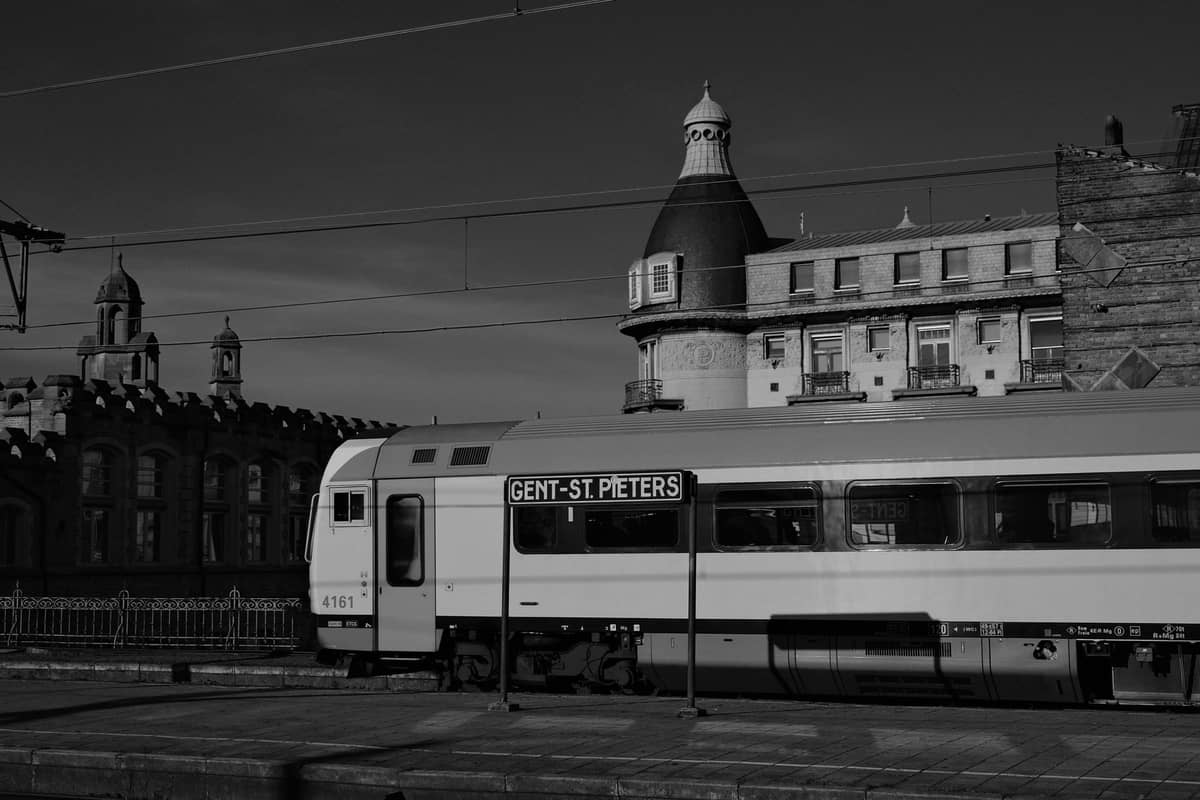
Ghent has no airport of its own. The city of 270,000 is served primarily by Brussels Airport (IATA: BRU), located about 55 km to the east. Getting from the airport to Ghent is straightforward by train, and the rail connection is one of the better airport-to-city links in Belgium.
From Brussels Airport, head to the station on level -1 of the terminal building. You have two practical options. The first is a direct train to Gent-Sint-Pieters, which runs approximately once per hour. The second is to take any frequent train toward Brussels (up to 4 per hour) and connect at either Brussel-Noord or Brussels-Midi, where around three trains per hour continue to Ghent. Journey time from Brussels-Midi to Gent-Sint-Pieters is roughly 30 minutes. Allow 50-70 minutes total from the airport terminal to Gent-Sint-Pieters, depending on which route and connection you take.
💡 Local tip
Check the Belgian rail operator NMBS/SNCB (belgiantrain.be) for current timetables and fares before you travel. NMBS, together with De Lijn, offers a City Pass for Ghent that combines unlimited train travel on selected routes to and from Ghent with De Lijn tram and bus use within the city, which can be good value for short trips involving multiple train journeys.
Brussels South Charleroi Airport (CRL) is used by some low-cost carriers and sits around 80 km from Ghent. The connection is less direct and typically involves a bus shuttle to Brussels-Midi then a train onward. It is worth factoring in the extra transit time if booking flights there.
Gent-Sint-Pieters: The Main Station and Getting into the Centre
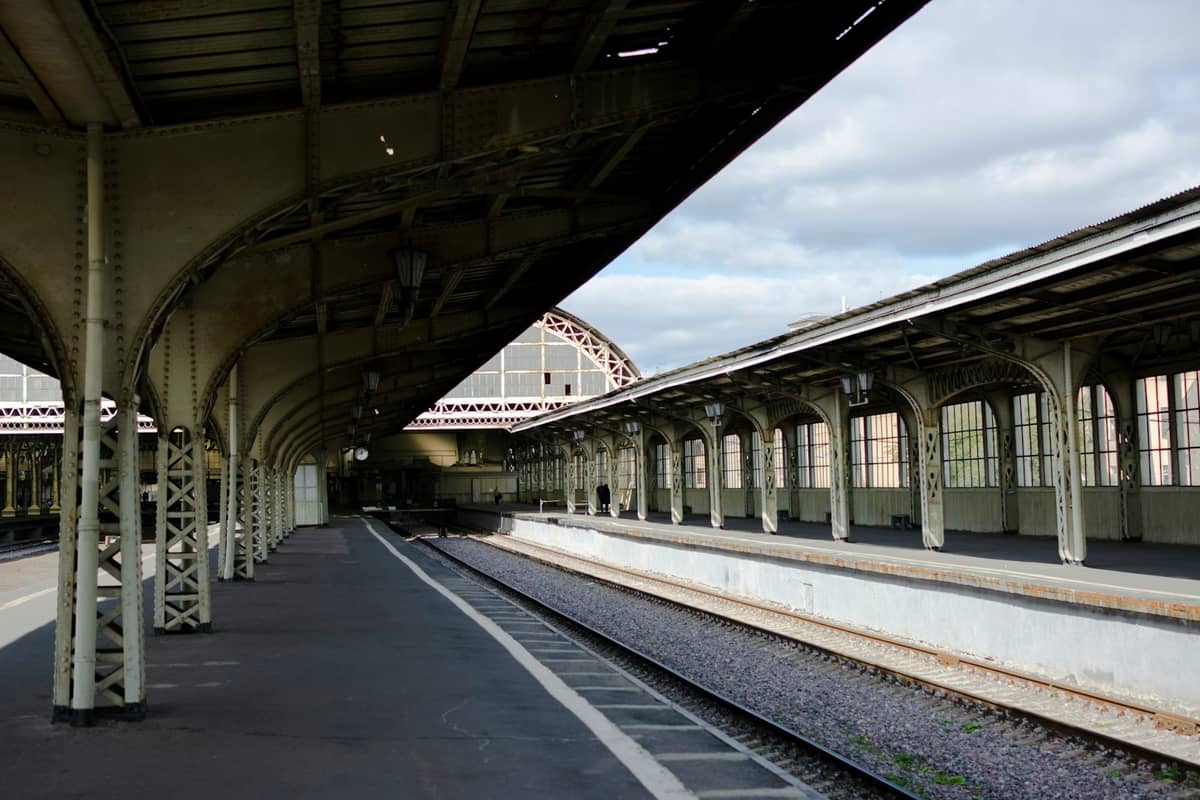
Gent-Sint-Pieters is Ghent's principal railway station and the hub for onward connections within the city. It sits about 2 km south of the historic core around Graslei and Korenlei. On foot the walk takes around 25-30 minutes along a straightforward route, which is a genuine option if you're travelling light and want to orientate yourself immediately.
The faster option is tram line 1, which connects Gent-Sint-Pieters directly to Korenmarkt in the heart of the medieval city in approximately 5-10 minutes. Trams depart frequently from the stops directly outside the station's main exit. This tram corridor is one of the busiest in the network and runs from early morning until late at night.
⚠️ What to skip
Ghent also has a secondary station, Gent-Dampoort, on the northeast side of the city. Some regional and intercity trains stop here rather than Sint-Pieters. It is closer to the Patershol district and the Vrijdagmarkt, but has fewer tram connections. Check which station your train serves before assuming you'll arrive at Sint-Pieters.
De Lijn: Trams, Buses, and How the Network Works
De Lijn is the Flemish public transport authority and operates all trams and buses in Ghent. The network is well-suited to both daily commuters and visitors. Four tram lines cross the city, running through the centre and connecting the main residential and student districts to the historic core. Buses complement the trams on routes that the tram network does not cover.
For most visitors, the tram is the only public transport you will regularly need. The key lines run through the centre, passing stops near the Ghent Belfry, Sint-Pieters station, and the university quarter. The De Lijn route planner at delijn.be is reliable for trip planning, and the De Lijn app provides real-time departures.
- Single ticket (€3) Valid for 60 minutes from first validation, covering unlimited tram and bus transfers within that window. Purchased via the De Lijn app, ticket machines at stops, Lijnwinkel shops at Gent-Sint-Pieters and Korenmarkt, or contactlessly on board.
- Day ticket (€9 for ages 12+, €4.50 for ages 6-11) Valid for 24 hours from first use. Useful if you plan more than three individual trips in a day, which is common when combining museums and neighborhoods.
- Children under 6 Travel free on all De Lijn services when accompanied by a paying passenger aged 12 or over.
- Contactless payment on board Pay by tapping a debit card, smartphone, or smartwatch. Each tap covers one person only: you cannot tap once for two people. The fare is €3 per person and includes 60 minutes of free transfers.
- SMS ticket Text 'DL' to 4884 for a mobile ticket. Lower per-unit cost than single on-board purchases, though the app is more convenient for most travellers.
✨ Pro tip
If you plan to use trams more than twice a day, buy a day ticket rather than single tickets. At €9, it pays for itself after three rides and removes the need to think about payment at every stop. Download the De Lijn app before you arrive: it lets you buy tickets in advance and shows real-time vehicle locations.
CityCard Gent: Is the Visitor Pass Worth It?
The CityCard Gent is the main tourist pass and bundles transport with museum access. The 48-hour version costs €49 and the 72-hour version costs €55. Both include unlimited De Lijn tram and bus travel within the city boundaries, one day of rental bike use, one day on the hop-on hop-off water tram, and free or discounted entry to a range of museums and attractions including the Gravensteen castle, the MSK Ghent fine art museum, and the STAM city museum.
Whether it is worth the price depends heavily on your itinerary. If you plan to visit three or more paid attractions and use public transport daily, the card typically pays for itself. If you are mainly walking the historic centre and only visiting one or two museums, the entry cost may exceed what you would spend individually. The transport component alone does not justify the price unless you are staying further from the centre.
One important limitation: the CityCard covers De Lijn travel within Ghent only. It cannot be used on De Lijn services to neighbouring towns or on NMBS trains. If you plan day trips by public transport, you will need separate tickets for those journeys.
- CityCard 48h: €49 per adult
- CityCard 72h: €55 per adult
- Includes unlimited De Lijn trams and buses within Ghent (not NMBS trains)
- Includes one day of rental bike use (subject to availability at the rental point)
- Includes one day on the hop-on hop-off water tram (seasonal: check current timetable at visit.gent.be)
- Museum entry discounts and free admissions vary: check the full current list on the official Visit Gent website before purchasing
Walking and Cycling: The Honest Assessment
Ghent's historic centre is genuinely compact. The main cluster of medieval sights, from the St Bavo's Cathedral and the Belfry to Graslei and Korenlei and the Gravensteen, fits within an area you can cross in 15 minutes on foot. For anyone staying centrally, the tram is often unnecessary for sightseeing. Walking is the best way to explore the medieval lanes, canal-side quays, and the Patershol neighbourhood.
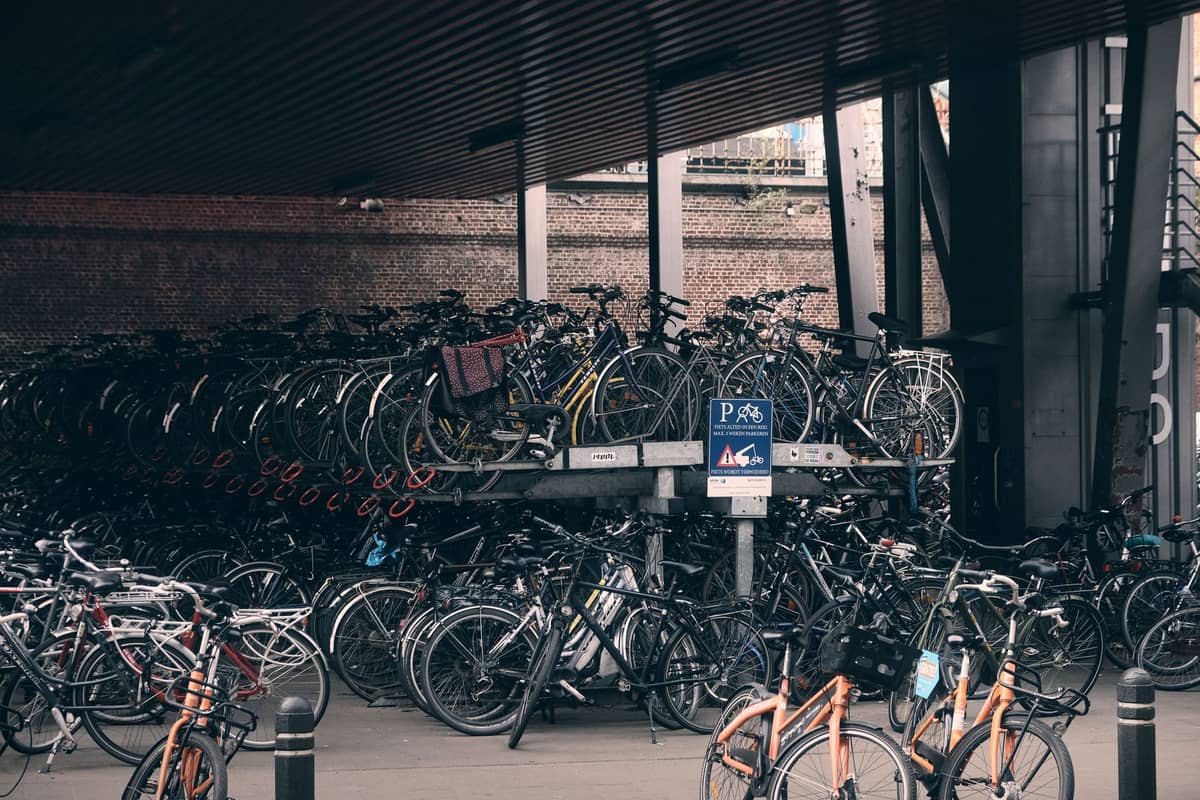
Cycling is extremely practical in Ghent, which has extensive dedicated bike infrastructure. The city is flat, making it accessible for most fitness levels. You can rent bikes through the CityCard scheme, from Blue-bike rental points at stations, and from various private hire companies. Ghent has a large car-free zone in the historic centre, which makes cycling through that area straightforward and pleasant. Note that the inner car-free zone does have some time restrictions and access rules that change periodically, so check current regulations if you plan to enter by vehicle.
For a structured route covering the main sights on foot, the Ghent walking tour guide lays out a practical itinerary. If you are short on time, the one day in Ghent guide covers the most efficient combination of walking and tram use.
Practical Tips and Common Mistakes
A few recurring misunderstandings trip up first-time visitors. The most common is around contactless payment: tapping your card on board covers a single passenger only. If you are travelling with a partner or family, each person needs to tap individually with their own payment method, or you need separate pre-purchased tickets. There is no way to pay for two people with one tap.
The 60-minute validity of a single ticket is a genuine advantage that many visitors underuse. If you board a tram, ride to one stop, then later board a different tram or bus within the same 60-minute window, the second journey is free. The clock starts at first validation, not at purchase. This makes single tickets more flexible than they initially appear.
During major events such as the Gentse Feesten festival in July, De Lijn operates modified routes and some tram stops in the historic centre are temporarily relocated. The De Lijn app will show real-time diversions, but it is worth checking in advance if your visit coincides with a large event. The best time to visit Ghent guide covers seasonal crowd and transport patterns in more detail.
ℹ️ Good to know
Ticket prices, tram line numbers, and pass inclusions change periodically. The figures in this guide reflect verified information from De Lijn and Visit Gent official sources, but confirm current pricing at delijn.be and visit.gent.be before your trip. Line numbering in particular has changed before and may change again.
FAQ
How do I get from Brussels Airport to Ghent city centre?
Take a train from level -1 of the airport terminal. You can take a direct train to Gent-Sint-Pieters (roughly once per hour) or take a more frequent train to Brussels-Midi or Brussel-Noord and connect there. Total journey time is around 50-70 minutes. From Gent-Sint-Pieters, tram line 1 reaches the historic centre (Korenmarkt) in 5-10 minutes.
Is a single De Lijn ticket valid for just one vehicle or can I transfer?
A single ticket (€3) is valid for 60 minutes from first validation and allows unlimited transfers between De Lijn trams and buses within that window. It is not limited to one vehicle. The clock starts when you first tap or validate, not when you purchase.
Can I pay for two people with one contactless tap on De Lijn?
No. Contactless payment (debit card, phone, smartwatch) covers exactly one person per tap. Each passenger must use a separate payment method, or you can buy multiple pre-loaded tickets on the De Lijn app to share.
Does the CityCard Gent cover De Lijn buses to other cities like Bruges or Brussels?
No. The CityCard only covers De Lijn trams and buses operating within the city of Ghent. Regional De Lijn routes to neighbouring towns and NMBS trains require separate tickets.
Do I need public transport to see Ghent's main sights, or can I walk everywhere?
For the historic core, walking is genuinely sufficient. The main medieval attractions sit within a compact area you can cross in 15 minutes on foot. Public transport becomes more useful if you are staying near Gent-Sint-Pieters station, visiting the Citadelpark museum quarter, or heading to outer districts. Cycling is an excellent alternative to both.