Patershol
Patershol is a compact medieval quarter in central Ghent, tucked between the Lieve and Leie waterways just north of the Gravensteen castle. Its narrow, cobbled streets hold some of the city's finest restaurants alongside heritage museums and quietly residential courtyards. It rewards slow exploration and rewards those who arrive hungry.
Located in Ghent
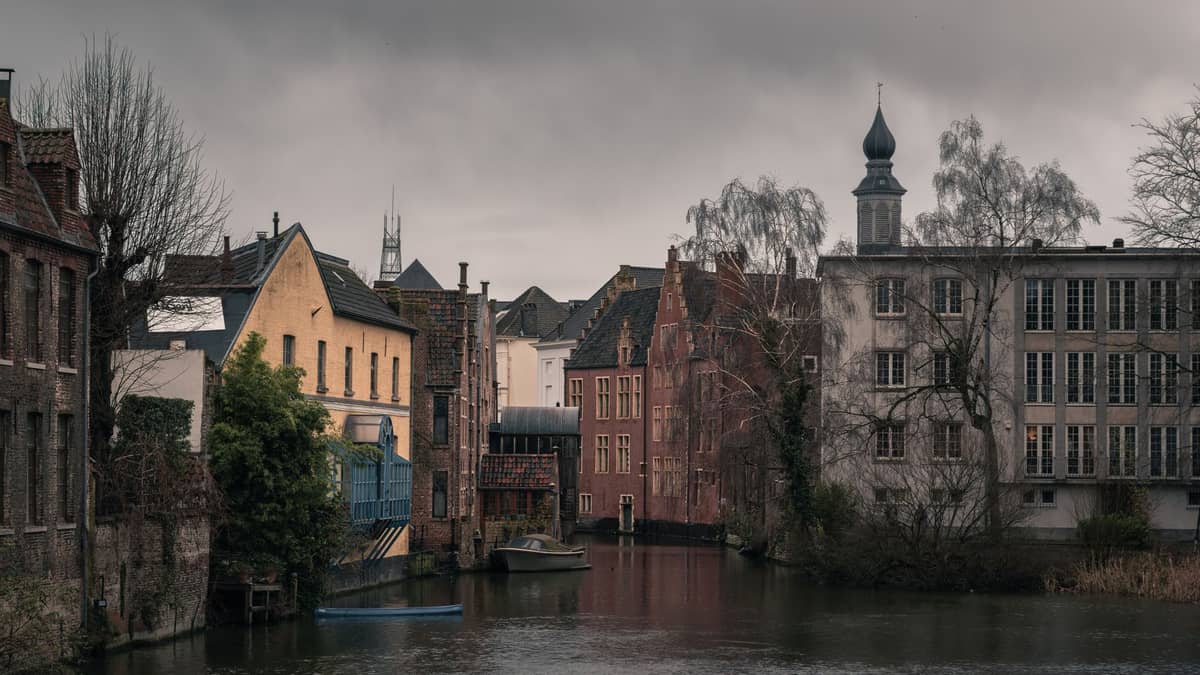
Overview
Patershol is where medieval Ghent feels most intact: a knot of narrow lanes and low-rise brick houses squeezed between two waterways, just a short walk from the Gravensteen. The neighborhood has evolved over centuries from a working-class tannery district into Ghent's most celebrated dining destination, yet it has somehow managed to stay genuinely local in feel rather than tipping into full tourist territory.
Orientation: Finding Your Way Around Patershol
Patershol occupies a compact wedge of land in central Ghent, defined on its southern and western edge by the Lieve canal and on its eastern side by the Leie river. Its northern boundary blurs into the quieter residential streets that extend toward the Rabot area. The neighborhood sits in the shadow of the Gravensteen, Ghent's famous medieval castle, which marks the clearest entry point from the south. If you are coming from the historic city centre, crossing the bridge over the Lieve near the castle will put you directly at the edge of Patershol.
The streets that give Patershol its character include Plotersgracht, Kraanlei, and the open space of Kaatsspelplein, a small square that functions as the neighborhood's informal gathering point. The whole quarter is genuinely small: you can walk from one edge to the other in under ten minutes, which means it sits within easy reach of most major attractions in Ghent's medieval core. The Gravensteen castle is effectively on the doorstep, and the Graslei and Korenlei waterfront is a five-minute walk south through the city centre.
Patershol lies within Ghent's low-emission zone, which means only vehicles that meet the LEZ admission conditions or have been registered or granted a paid exemption may enter. In practice, this has been a benefit for the neighborhood's atmosphere: the lanes are too narrow for through-traffic anyway, and the absence of cars gives the streets a quieter, more pedestrian feel than you find in many comparable European old quarters. Locals and visitors move on foot or by bicycle, and the rhythm of the place reflects that.
ℹ️ Good to know
Patershol sits within Ghent's low-emission zone (LEZ). If you are arriving by car, check whether your vehicle is allowed to enter freely or whether you must register it or purchase a permit or day pass before driving into the area. Most visitors access the neighborhood on foot from the city centre or by public transport.
Character and Atmosphere: What It Actually Feels Like
The physical fabric of Patershol is older than almost anything else in Ghent that is still inhabited. The street plan dates back to the medieval period, and many of the narrow brick house fronts reflect Flemish vernacular architecture from the 16th and 17th centuries, though most have been carefully restored or rebuilt over the years. The lanes are uneven underfoot, tight enough that you can touch both sides with outstretched arms in places, and the buildings lean together slightly overhead. On a grey Flemish morning, with rain on the cobblestones, the neighborhood has a genuinely atmospheric quality that photographs well but feels even better in person.
By day, Patershol is calm. The restaurants do not generally open for lunch service until noon or later, and before that the streets belong to locals: people cycling through with shopping, a few dog walkers cutting across Kaatsspelplein, the occasional delivery to one of the cafés. The light in the morning comes in low and lateral, catching the brick surfaces and the reflections on the Lieve canal. It is one of the quietest spots within ten minutes of the city centre, which is part of why it is popular with photographers.
The neighborhood transforms significantly in the evening. From around 6pm, Patershol becomes the destination for dinner in Ghent. The restaurants fill up, soft light spills from windows onto the cobbles, and the narrow lanes take on a different quality: animated without being noisy, the kind of atmosphere where conversation carries but does not overwhelm. Tables spill outside in warmer months. The density of good restaurants here is unusual for such a small area, which means that even on busy evenings you rarely feel that you are competing with tour groups for a table. Reservations on weekends are advisable.
After 10pm on weekdays the neighborhood quiets down considerably. It is not a bar district: the focus is firmly on food rather than late-night drinking. This makes it genuinely pleasant to stay in if you value quiet nights, but if you are looking for Ghent's nightlife, you will need to head elsewhere. The student scene is concentrated further south, around Overpoortstraat.
What to See and Do in Patershol
The most significant cultural institution within or directly on the southern edge of Patershol is the Gravensteen, the 12th-century castle of the Counts of Flanders that anchors the southern edge of the neighborhood. Its presence defines the area's historic identity. The castle is open to visitors daily and provides a useful high point from which to orient yourself before exploring the surrounding lanes.
Inside the neighborhood, the Huis van Alijn is one of Ghent's most distinctive museums: a folklore museum set inside a medieval almshouse on Kraanlei, dedicated to everyday Flemish life from the 19th and 20th centuries. It is genuinely engaging even for visitors who do not typically seek out folk museums, and its courtyard is one of the nicest outdoor spaces in this part of the city. Nearby, Kunsthal Gent operates as a contemporary arts center in a former monastery building, offering rotating exhibitions of Belgian and international art. The combination of medieval infrastructure repurposed for contemporary use is characteristic of Patershol as a whole. The neighborhood also sits close to the Vrijdagmarkt, Ghent's large historic market square, which is a short walk east.
- Gravensteen: medieval castle directly on the southern edge of Patershol, with rooftop views over the quarter
- Huis van Alijn: folklore museum in a Gothic almshouse on Kraanlei, worth at least an hour
- Kunsthal Gent: contemporary art exhibitions in a former monastery, free or low-cost entry depending on the show
- Kaatsspelplein: the neighborhood's central square, good for a pause between restaurant visits
- Plotersgracht and Kraanlei: the main lanes for street-level architecture and canal views
If you are building a broader itinerary around Patershol, the Ghent walking tour routes typically pass through the neighborhood as part of a loop from Gravensteen to the waterfront. The canal-facing streets along Kraanlei are among the most photographed in the city, particularly in the late afternoon when the light comes from the west.
💡 Local tip
Visit the Huis van Alijn on a weekday morning to avoid weekend crowds. The courtyard café is a good spot for a coffee before the restaurant district fully wakes up, and the museum itself rarely feels overcrowded.
Eating and Drinking in Patershol
Patershol is widely described as the culinary heart of Ghent, and that reputation is earned. The neighborhood holds a remarkable concentration of restaurants for its physical size, ranging from classic Belgian brasseries to more contemporary Flemish cooking. The emphasis throughout is on quality produce and traditional technique: you will find rabbit in kriek beer, waterzooi (Ghent's signature chicken or fish stew), stoemp, and seasonal game prepared with care. For a deeper look at what Ghent's food scene offers across the whole city, the Ghent food guide covers the full picture.
Price points in Patershol skew toward the mid-to-upper range. This is not the area for budget meals: a dinner for two at one of the neighborhood's better-known addresses will typically run to 60-100 EUR with wine, sometimes more. Lunch options in and around the quarter are more affordable and slightly more casual in style. There are a handful of smaller cafés and sandwich spots near Kaatsspelplein that serve as daytime pit stops, but Patershol really comes alive as a dinner destination rather than an all-day food district.
The restaurants here book up quickly on Friday and Saturday evenings, particularly during the warmer months when outdoor seating is available. Walking in without a reservation on a weekend night is possible but not reliable, especially at the more established addresses on Kraanlei and Plotersgracht. During the week, the neighborhood is noticeably quieter and walk-ins are generally easier. The atmosphere on a Tuesday or Wednesday evening, with the lanes mostly empty except for diners moving between restaurants, is arguably more pleasant than the peak weekend rush.
For drinks, Patershol has several brown cafés and beer bars in the vicinity, though the bar culture here is more low-key than in the student districts to the south. Belgian beer selection at most establishments is solid: expect a decent range of Trappist ales, Belgian saisons, and local Ghent brews. If you are specifically interested in exploring Belgian beer culture, the wider city centre around Sint-Jacobs and the Vrijdagmarkt has more options.
⚠️ What to skip
Many Patershol restaurants are closed for lunch on weekdays and some close on Mondays or Tuesdays. Always check opening hours before visiting, particularly if you are planning a lunch or early-week dinner. The neighborhood can feel surprisingly quiet on a Monday afternoon.
Getting There and Getting Around
Patershol is most easily reached on foot from the historic city centre, which is its most natural approach. From Korenmarkt, Ghent's central tram hub, the walk to the southern edge of Patershol takes roughly eight to ten minutes, passing through the lanes near the Gravensteen. From Gent-Sint-Pieters station, the main rail terminus, the walk takes around 25 minutes through the centre, or you can take a tram toward Korenmarkt and walk the remaining distance.
For public transport access, the closest stop to Patershol is Gent Lange Steenstraat, served by De Lijn tram line T4 and associated bus services. Bus stops at Gent Sint-Jacobs and Gent Korenmarkt are also within walking distance. Several tram and bus lines serve these stops, though service patterns and line numbers are subject to change and should always be verified against the current De Lijn network map before your visit.
Within Patershol itself, movement is primarily on foot: the lanes are narrow and traffic-calmed, and cars cannot enter without complying with LEZ rules. The whole navigable area of the quarter is small enough that you cannot really get lost. For practical guidance on moving around the wider city, the getting around Ghent guide covers tram routes, ticketing, and cycling options in detail.
Where to Stay in Patershol
Patershol has a small number of boutique hotels and B&Bs within or immediately adjacent to its lanes, and it is one of the more appealing places to base yourself in Ghent if you want to be genuinely close to the medieval city without staying on a main tourist street. Accommodation here tends to be characterized by historic buildings, individually designed rooms, and the quiet that the low-traffic streets provide. For a broader view of where to stay across the city, the where to stay in Ghent guide covers all neighborhoods and price ranges.
The main trade-off for staying in Patershol is that it is a very quiet residential and dining neighborhood. There are no large hotels here and options are limited in number. If you want a wide range of accommodation choices or easy access to Ghent's nightlife, you would be better served by the area around the historic centre or closer to Gent-Sint-Pieters station. But for travelers who prioritize walking distance to the best restaurants and the ability to step out of their front door onto a medieval cobbled lane, Patershol is genuinely difficult to beat.
Patershol is well suited to couples, food-focused travelers, and anyone spending at least two nights in Ghent who wants to use the neighborhood as a calm base while exploring the wider city by tram or on foot. It is less ideal for families with young children who need space and practicality, or for budget travelers, since both accommodation and dining here sit toward the higher end of Ghent's price spectrum.
History: How Patershol Became What It Is
The name Patershol is generally traced to the old expression ‘hol van de paters’ (the friars’ hole), referring to a low, dark passage associated with a Carmelite monastery in the area. The neighborhood developed in the shadow of the Gravensteen during the high medieval period, when Ghent was one of the largest and wealthiest cities in northern Europe. The tight street grid and the scale of the buildings reflect the urban conditions of that era: small plots, shared walls, minimal space between lanes.
By the 19th and early 20th centuries, Patershol had declined into one of Ghent's poorer working-class quarters, associated with tanneries and small crafts industries that used the canal water. The neighborhood had a rough reputation and fell into significant physical disrepair. It was only from the 1980s onward that a sustained restoration effort, combined with the gradual arrival of restaurants seeking affordable historic premises, began to transform the area into what it is today. The transition from degraded inner-city quarter to curated restaurant destination happened over roughly three decades.
Understanding this history makes Patershol more interesting to walk through. The buildings that now house expensive restaurants were, within living memory, uninhabitable. The almshouse that now contains the Huis van Alijn museum has been on this site for centuries, passing through periods of use and neglect before its current restoration. Patershol is a neighborhood that earns its atmosphere rather than performing it, which is what separates it from similarly picturesque quarters in other Flemish cities. For context on Ghent's broader heritage, the Ghent historic centre page covers the wider medieval city.
TL;DR
- Patershol is Ghent's best address for dinner: a compact medieval quarter between the Lieve and Leie canals with an exceptional density of restaurants in a genuinely historic setting.
- The neighborhood is calm by day and animated by evening, making it a good base for travelers who prioritize food, atmosphere, and walkability over nightlife or budget options.
- Key sights within or immediately adjacent include the Gravensteen castle, the Huis van Alijn folklore museum, and Kunsthal Gent, all within a few minutes on foot.
- Accommodation options are limited and tend toward boutique and mid-to-high price range; the area suits couples and food-focused travelers more than families or budget visitors.
- Best approached on foot from Korenmarkt (8-10 minutes) or by De Lijn tram to Gent Lange Steenstraat; cars require a permit to enter the low-emission zone.
Related Travel Guides
- 2 Days in Ghent: The Perfect Weekend Itinerary
Ghent rewards visitors who stay longer than a day trip. This two-day itinerary covers the medieval core, the best museums, canal-side eating, and the practical logistics to make every hour count — with clear notes on what's worth your time and what isn't.
- Ghent's Best Churches & Religious Architecture: A Complete Guide
Ghent's medieval skyline is defined by its three great towers, two of which belong to churches that rank among the finest in Northern Europe. This guide covers every major church and religious building worth seeking out, from the cathedral housing Jan van Eyck's masterpiece to a quiet beguinage that has barely changed in centuries.
- Best Museums in Ghent: Art, History & Design Worth Seeing
Ghent stands out for museum-going. This guide covers the city's finest collections, from medieval altarpieces and Flemish old masters to contemporary art and decorative design, with practical advice on what to prioritise and when to visit.
- Best Time to Visit Ghent: A Month-by-Month Guide
Ghent rewards visitors in every season, but the best time to visit Ghent depends on your priorities. This guide breaks down weather patterns, major events, crowd peaks, and price fluctuations so you can choose the right window for your trip.
- Brussels to Ghent: The Definitive Day Trip Guide
Ghent is one of Belgium's most rewarding cities and sits just 35 minutes from Brussels by train. This guide covers every transport option, the smartest itinerary for a single day, what to skip, and what not to miss — including the city's medieval waterfront, world-famous altarpiece, and canal boat tours.
- Best Day Trips from Ghent: Bruges, Brussels, Antwerp & Beyond
Ghent sits at the centre of one of Europe's most connected rail networks, putting Bruges, Brussels, Antwerp, and the WWI battlefields of Flanders Fields within easy reach. This guide covers journey times, fares, what to do once you arrive, and how to avoid the most common planning mistakes.
- Following the Flemish Masters in Ghent: The Complete Route Guide
Ghent holds one of Europe's greatest concentrations of Flemish master art, anchored by Jan van Eyck's Ghent Altarpiece and a self-guided cycle route connecting cathedral treasures, medieval streetscapes, and riverside nature reserves. This guide covers every key stop, practical logistics, and what to skip.
- Free Things to Do in Ghent: 20 Attractions That Won't Cost You a Thing
Ghent stands out for free attractions. From sweeping canal views and medieval architecture to botanical gardens and contemporary street art, this guide covers the best no-cost experiences the city has to offer.
- Gentse Feesten: The Complete Guide to Ghent's July Festival
The Gentse Feesten is one of Europe's largest free city festivals, transforming Ghent's medieval centre into 10 days of concerts, street theatre, and late-night revelry every July. This guide covers everything from how to navigate the festival's spread-out layout to booking accommodation before it sells out.
- Getting Around Ghent: The Complete Transport Guide
Ghent is one of Belgium's most walkable historic cities, but knowing how its tram network, train connections, and visitor passes work saves real time and money. This guide covers every transport option in detail, from Brussels Airport transfers to De Lijn ticketing, cycling routes, and the CityCard Gent.
- Ghent Christmas Market: The Complete Guide to Gentse Winterfeesten
The Ghent Christmas Market, officially known as Gentse Winterfeesten, transforms the city's medieval squares into one of Belgium's most atmospheric winter events each December. This guide covers exact dates, opening hours, what to expect at each location, practical transport tips, and practical advice on making the most of your visit.
- What to Eat in Ghent: Flemish Food & Local Specialties
Ghent takes its food seriously. This guide covers every dish worth ordering in the city, from the iconic creamy waterzooi stew to cone-shaped cuberdon candies, with clear context on prices, seasonality, and where locals actually eat.
- Ghent Nightlife: Best Bars, Clubs & After-Dark Experiences
Ghent stands out after dark. With a student population of tens of thousands, a dense historic centre, and multiple distinct nightlife zones, the city offers everything from cheap weeknight pints on Overpoortstraat to late-night jazz and craft beer in medieval surroundings. This guide covers every major area, what to expect on different nights of the week, and how to avoid the rookie mistakes.
- Ghent on a Budget: How to Visit for Less
Ghent is one of Belgium's most impressive medieval cities, and it doesn't have to be expensive. From free canal walks and no-cost museum entry for under-18s to the CityCard Gent pass and multi-trip tram tickets, this guide covers every angle of visiting Ghent without breaking the bank.
- Best Photo Spots in Ghent: 20 Locations Every Photographer Should Know
Ghent is one of Belgium's most photogenic cities, with medieval towers, guild-lined canals, and hidden courtyards at every turn. This guide covers the 20 best photo spots in Ghent, from classic panoramas to atmospheric backstreets, with practical advice on when to go and what to expect.
- Ghent Street Art: The Complete Guide to the City's Urban Art Scene
Ghent has one of Belgium's most seriously developed street art scenes, backed by city policy, a free downloadable map, and over 330 catalogued works. This guide covers every self-guided route, the best guided tours, the legendary Werregarenstraatje, and how to explore beyond the tourist center.
- Ghent vs Bruges: Which Belgian City Should You Visit?
Both cities are medieval, canal-laced, and packed with Flemish history — but they feel completely different on the ground. This guide breaks down the real differences between Ghent and Bruges so you can choose wisely, or plan both.
- Self-Guided Walking Tour of Ghent: The Complete Expert Guide
Ghent rewards walkers more than almost any city in Belgium. This guide covers the best self-guided walking routes through the historic centre, practical logistics, CityCard value, seasonal tips, and the landmarks you genuinely should not skip.
- Ghent's Waterways: The Complete Guide to Canal Boat Trips and the City's Canals
Ghent's medieval canals are among the most atmospheric in Belgium, threading past Gothic towers, guild houses, and centuries-old quaysides. This guide covers every boat trip option, the best spots to explore on foot, what things cost, and the practical details that make the difference between a great experience and a wasted afternoon.
- Ghent with Kids: The Best Family Activities in Ghent
Ghent stands out as a family destination. This guide covers the best activities for kids in Ghent, from castle adventures and canal tours to parks, pools, and seasonal events, with practical advice on what to skip and how to save money with the CityCard.
- One Day in Ghent: The Perfect 24-Hour Itinerary
Ghent packs medieval architecture, world-class art, and one of Belgium's best food scenes into a compact, walkable historic centre. This 24-hour itinerary tells you exactly where to go, what to skip, and how to move between it all without wasting a minute.
- Romantic Ghent: The Complete Couples' City Break Guide
Ghent stands out as a romantic destination. This guide covers the best experiences for couples, from evening walks along illuminated waterways to medieval castles, Flemish food, and the quieter corners that most visitors miss. Practical and seasonal.
- Best Things to Do in Ghent: The Definitive Guide
Ghent is Belgium's most underestimated city. With a medieval core, world-class museums, a thriving food scene, and fewer tourist crowds than Bruges, it rewards visitors who take their time. This guide covers the best things to do in Ghent — from the unmissable to the genuinely off the beaten track — with real prices, practical logistics, and practical advice.
- Where to Stay in Ghent: Best Areas & Hotels (2026 Guide)
Choosing where to stay in Ghent shapes your entire trip. This guide breaks down every key neighbourhood by atmosphere, price, and convenience, then matches each to the right type of traveller, from first-timers to budget backpackers to couples after a romantic canal-view room.