What to Eat in Ghent: Flemish Food & Local Specialties
Ghent takes its food seriously. This guide covers every dish worth ordering in the city, from the iconic creamy waterzooi stew to cone-shaped cuberdon candies, with clear context on prices, seasonality, and where locals actually eat.
Plan and book this trip
Tools from our partner Travelpayouts help you compare flights and hotels. If you book through them, we may earn a commission at no extra cost to you.
Flights
Hotels map
TL;DR
- Ghent's signature dish is waterzooi, a creamy stew available with chicken or fish, typically priced at €16–22 in mid-range restaurants.
- Gentse stoverij (beef stew with local beer) is the Ghent-specific version of Flemish carbonnade, distinguished by Tierenteyn mustard and sometimes offal.
- Cuberdons (locally called neuzekes) are purple, cone-shaped candies with a raspberry centre — they are a Ghent regional product, not a generic Belgian sweet.
- For budget eating options beyond restaurants, see the Ghent on a budget guide which covers street food, markets, and affordable local spots.
- Most traditional dishes are heartiest in autumn and winter, but Ghent's food scene operates year-round with markets, student-friendly cafes, and fine dining.
Ghent's Food Identity: Why This City Eats Differently
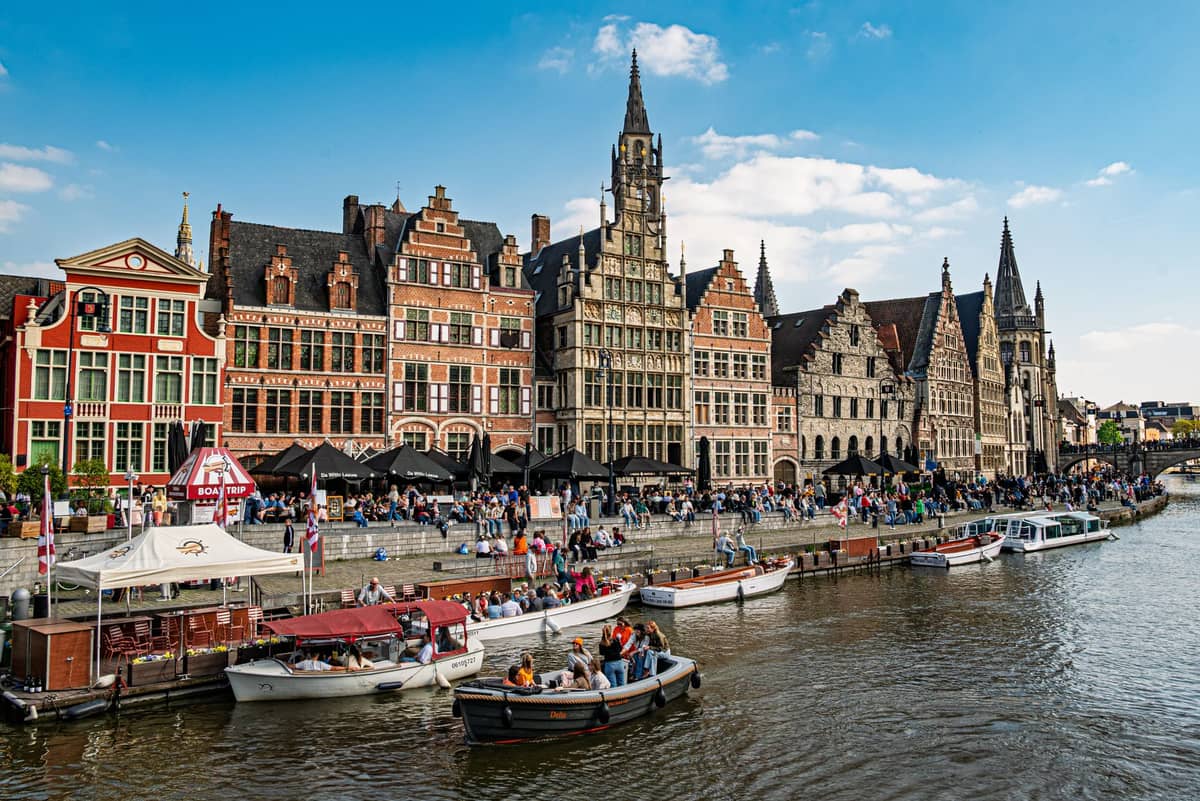
Ghent is not just another Belgian city serving frites and waffles. As Belgium's second-largest municipality and the capital of East Flanders, it has a distinct culinary identity rooted in medieval guild culture, river trade, and a university population of tens of thousands that keeps the food scene sharp and competitive. The city's position at the confluence of the Scheldt and Lys rivers historically shaped its diet, with freshwater fish stews predating the modern chicken versions that now dominate menus.
Flemish cuisine in general tends toward richness: long-braised meats, beer-based sauces, cream, and bread. Ghent's version adds a few local idiosyncrasies, particularly the use of Tierenteyn mustard (a Ghent institution with roots in the late 18th and early 19th century) and the preservation of offal in its stew traditions. The city also has a notably strong vegetarian culture by Belgian standards, partly driven by its large student population and the annual Ghent Food Festival. Vegan and plant-based menus appear regularly alongside traditional Flemish kitchens, which is unusual in this part of Europe.
ℹ️ Good to know
Ghent declared itself a weekly 'Veggie Thursday' city in 2009, encouraging plant-based eating every Thursday. You'll find this reflected in many local restaurants, which offer more vegetarian options than you might expect from a Flemish city.
The Four Dishes You Need to Know
These are not suggestions — they are the core of Ghent's culinary identity. Any food-focused visit to the city should include at least two of them. Each has a specific local character that separates it from superficially similar dishes found elsewhere in Belgium.
- Gentse Waterzooi A creamy, broth-based stew with vegetables, potatoes, cream, and egg yolk. Served with chicken (kippenwaterzooi) or fish. The fish version is the historical original; chicken became dominant in the 20th century when fish stocks in the Lys declined. Both are excellent. Price: €16–22 in most mid-range restaurants.
- Gentse Stoverij Beef stew braised in local Belgian beer with onions, thyme, and bay leaf. The Ghent variant uses a slice of bread spread with Tierenteyn mustard to thicken the sauce, and traditionally includes kidneys and liver for depth. Served with frites. Richer and more complex than the generic Flemish stoverij found elsewhere.
- Cuberdons (Neuzekes) Cone-shaped purple sweets with a hard gum arabic shell and a liquid raspberry-syrup centre. Officially recognised as a Ghent regional product. Sold at central market stalls by weight or in small paper cones for a few euros. Other fruit flavours now exist, but raspberry remains the standard.
- Mastel and Ironed Mastel (Geraarde Mastellen) A lightly sweet, doughnut-shaped roll flavoured with cinnamon. The 'ironed' version (geraarde mastel) is pressed and caramelised, giving it a crisp, slightly sticky exterior. More of a local bakery tradition than a restaurant dish — look for it in traditional Ghent bakeries.
One correction worth making upfront: waterzooi is widely described online as a fish dish, full stop. That is inaccurate for modern Ghent. Contemporary menus almost universally offer both versions, and kippenwaterzooi (chicken) is arguably more common today. If you specifically want the traditional fish preparation, ask the kitchen explicitly or look for restaurants that source from the North Sea coast.
⚠️ What to skip
Tierenteyn mustard is a genuine Ghent institution — the shop on Groentenmarkt has been operating since 1790. If a restaurant claims to make authentic Gentse stoverij but uses generic Dijon mustard, the dish will be noticeably different. It's worth asking which mustard is used if you care about the authentic preparation.
Markets, Street Food, and Where Locals Actually Eat
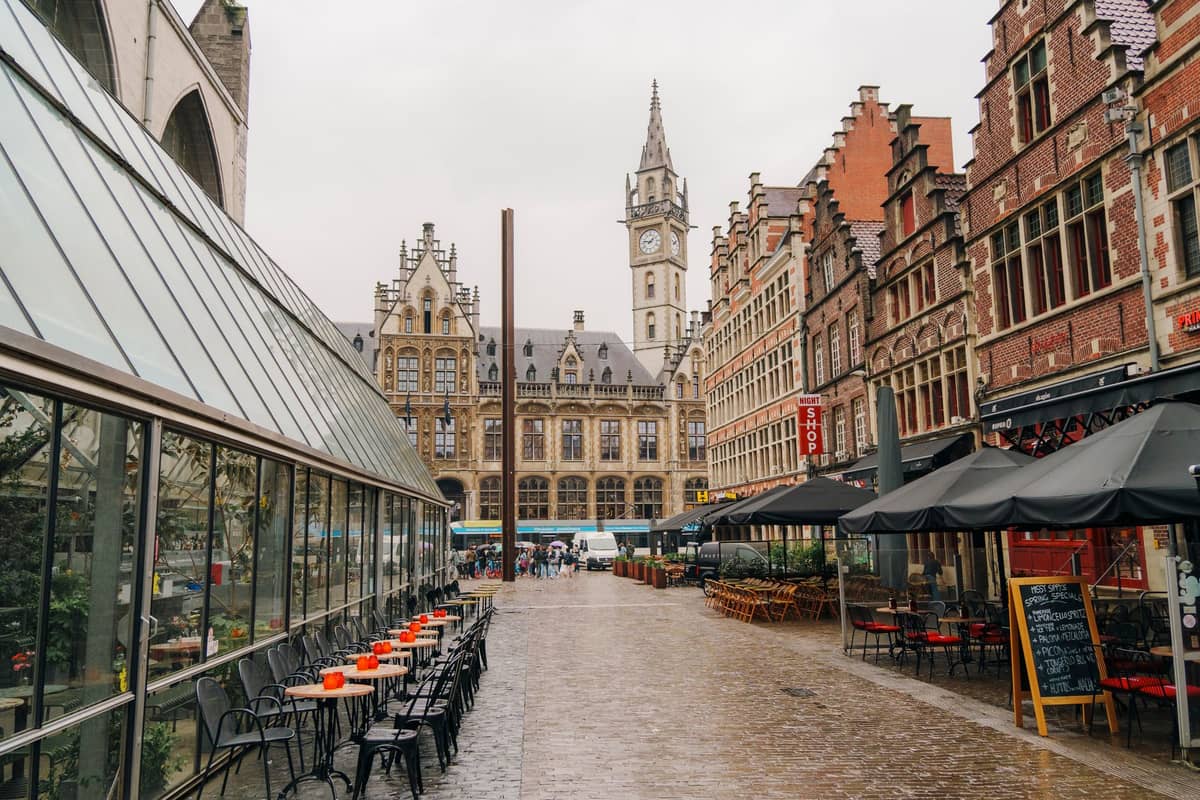
The food market experience in Ghent is centred on a few reliable locations. Kouter Square Kouter hosts a Sunday flower market year-round, with flowers, some food stalls, and locals gathering for oysters, champagne, and coffee. The Groentenmarkt (Vegetable Market) near the historic centre operates on weekday mornings and is where you'll find cuberdon stalls competing for attention — the rivalry between vendors here is real and occasionally theatrical.
For a more complete picture of the food market scene across different days and seasons, the Ghent things to do guide covers market schedules alongside other practical activities. The Vrijdagmarkt (Friday Market) is primarily a general market with some food vendors, set in one of the city's most historically significant squares.
For street food beyond sweets, Belgian frites (fries) deserve specific mention. These are not the fast-food product that the name might suggest. The best frietkoten (fry shops) in Ghent use double-fried methods, specific potato varieties, and house-made sauces. The historic centre has several reliable options, though quality varies enormously. A serving of frites with andalouse or samurai sauce costs around €3–5.
Restaurants by Budget and Style
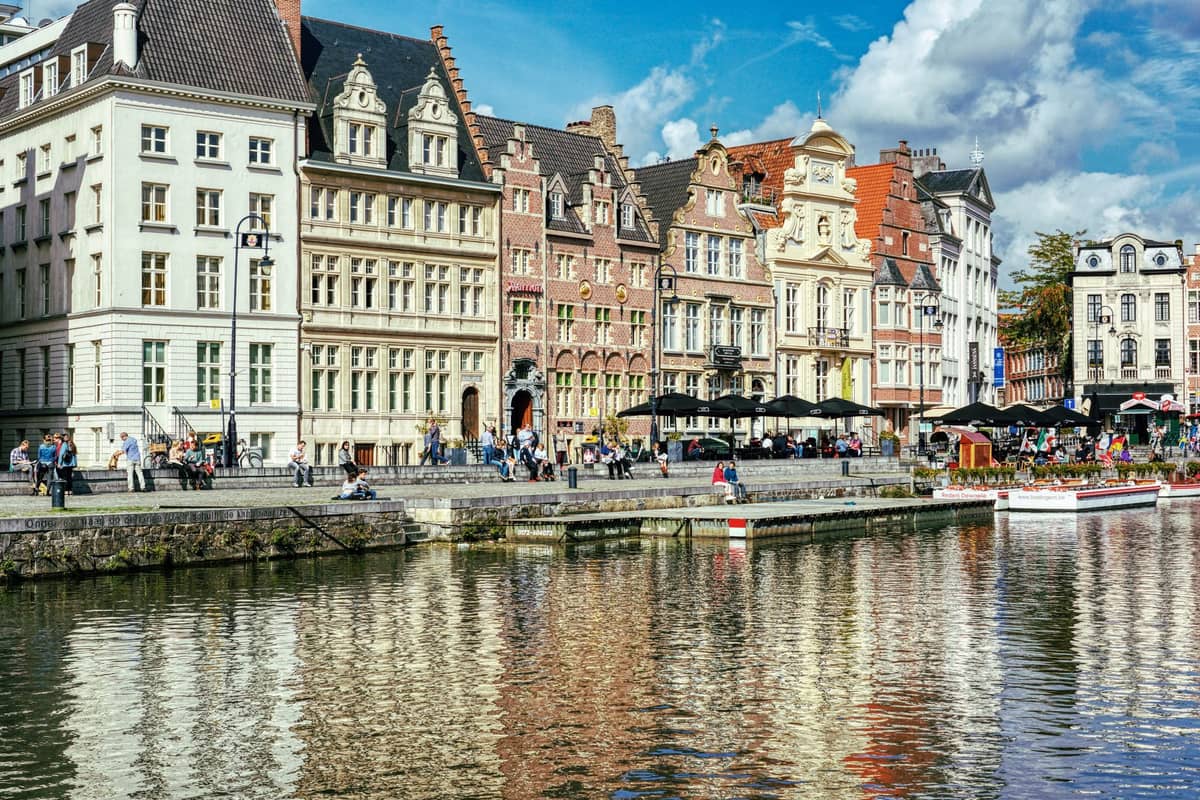
Ghent's restaurant density is highest in the historic centre, particularly around Patershol, which is the city's traditional restaurant quarter. This neighbourhood, a maze of narrow medieval streets northwest of Gravensteen castle, concentrates traditional Flemish kitchens, Belgian brasseries, and a handful of international options within a few hundred metres. It is the obvious first choice for a traditional Ghent meal, though prices here trend slightly higher than elsewhere in the city.
The Patershol neighbourhood is worth knowing about before you arrive. Restaurants here fill up quickly on weekend evenings, particularly from Thursday through Saturday. Booking ahead for dinner in Patershol is advisable in summer and during the Gentse Feesten (Ghent Festivities) in mid-July, when the city's population effectively doubles.
For cheaper eating, the student quarter around Overpoortstraat offers a completely different experience: lower prices, later hours, and a more casual atmosphere. The Overpoortstraat student quarter is not primarily known for traditional Flemish cuisine — you'll find more international options, kebab shops, and student-oriented brasseries — but it's useful for budget evenings and understanding the other side of Ghent's food culture.
- Budget (under €15 per person) Frietkoten, cuberdon stalls, student brasseries in Overpoortstraat, and the covered Groot Vleeshuis (Great Butchers' Hall) which sells local charcuterie and East Flemish products.
- Mid-range (€15–35 per person) Most traditional Flemish restaurants in Patershol and the historic centre fall here. Expect waterzooi, stoverij, moules-frites, and Belgian beers. This bracket represents the best value for authentic local food.
- Higher-end (€35+ per person) Ghent has a small but serious fine dining scene, including restaurants with Michelin recognition. These tend to reinterpret Flemish traditions rather than serve them straight — expect modern technique applied to regional ingredients.
✨ Pro tip
The Groot Vleeshuis (Great Butchers' Hall) on Groentenmarkt is worth a visit even if you're not buying. This 15th-century covered hall now functions mainly as a showcase and promotion centre for East Flemish regional products: cured meats, cheeses, and local specialties. It's free to enter, and the building itself is architecturally remarkable.
Belgian Beer and Food Pairing in Ghent
Beer is not a drink that arrives alongside Ghent food — in many cases, it is an ingredient. Gentse stoverij is braised in local beer, and many sauces and braises in Flemish kitchens derive their flavour from specific ales. Understanding a few beer styles helps when ordering food pairings. Dubbel and tripel styles (abbey ales) work well with the richer meat dishes. A tart Flemish red or oud bruin (brown ale) complements waterzooi's creaminess by cutting through it.
Ghent's café culture is inseparable from its food scene. Many of the best places to eat are also places to drink, and the Belgian tradition of spending several hours at a table is taken seriously here. If you want to understand the city's social rhythms, Ghent's nightlife guide covers the bar and café landscape in more detail, including which areas stay active late and which wind down early.
Seasonal Eating and When to Visit for Food
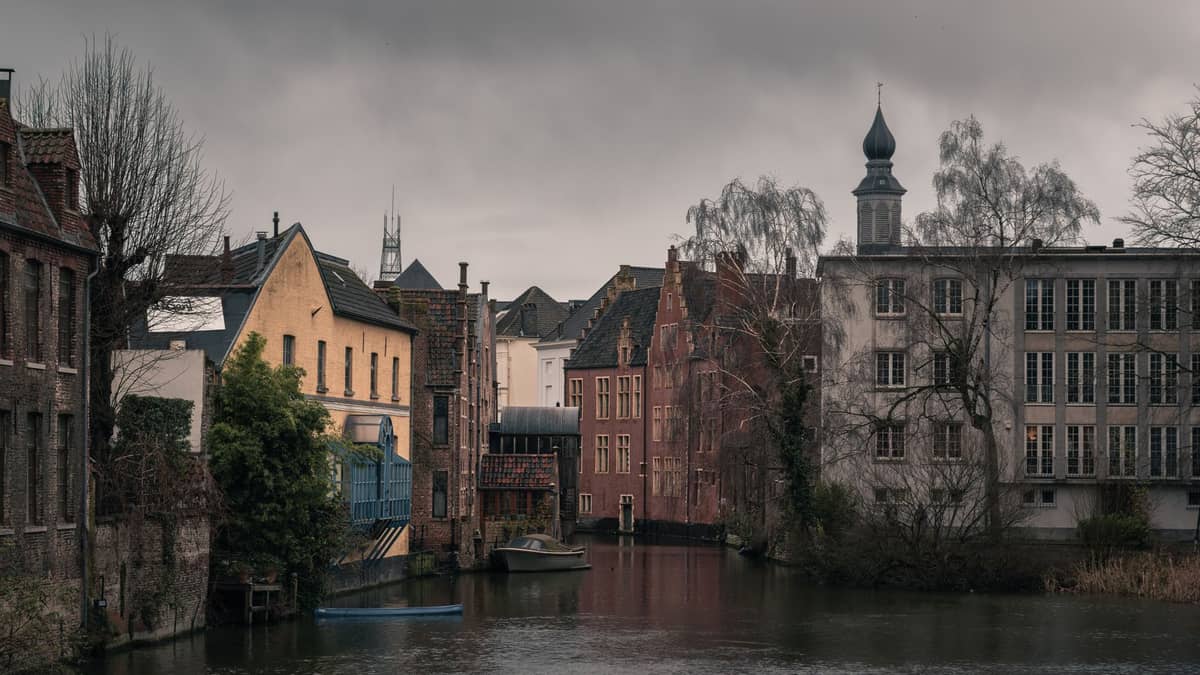
Waterzooi and stoverij are at their most appealing in cool weather. Both are hearty, warming dishes that feel right in autumn and winter. Ordering a steaming bowl of waterzooi on a grey October afternoon in a Patershol restaurant is one of those experiences that justifies the specific trip. That said, neither dish disappears from menus in summer — Ghent restaurants serve them year-round.
Summer brings different food energy to the city. The Gentse Feesten in mid-July transform the historic centre into an extended street party, with temporary food stalls, pop-up kitchens, and outdoor eating across multiple squares. The Gentse Feesten guide covers this festival in detail, but from a food perspective: expect long queues, festive pricing, and a lot of frites. It is not the time for quiet restaurant dinners in the centre.
The Ghent Christmas market in December adds another food dimension: warm glühwein (mulled wine), oliebollen (fried dough balls), and stalls selling local winter specialties around the Kouter and Sint-Baafsplein squares. This is one of the better times to try mastel and other traditional Ghent pastries in a festive setting.
💡 Local tip
If you're visiting specifically for the food, late September to early November is arguably the best window: the summer crowds have thinned, the weather is cool enough to justify the heavier Flemish stews, and restaurant tables are easier to secure without advance booking.
FAQ
What is the most famous food in Ghent?
Gentse waterzooi is Ghent's most internationally recognised dish — a creamy vegetable and potato stew served with either chicken or fish. Cuberdons (cone-shaped raspberry candies) are the city's most iconic sweet. Both are considered protected regional products closely associated with Ghent's culinary identity.
Where can I buy cuberdons in Ghent?
The most visible cuberdon stalls are at Groentenmarkt (Vegetable Market) near the historic centre, where rival vendors have sold them for generations. They're sold by weight or in small paper cones for a few euros. You'll also find them in local sweet shops and some souvenir stores throughout the city centre.
Is waterzooi always made with fish?
No. Waterzooi was originally a fish stew, but chicken (kippenwaterzooi) is now the more common version on Ghent menus. Both are authentic. If you want the traditional fish preparation, confirm with the restaurant before ordering, as many default to the chicken version.
What is a typical budget for eating in Ghent?
For a full day of eating: budget around €5–8 for a street food lunch (frites, cuberdon snack), and €18–28 for a sit-down dinner with a main course and a Belgian beer at a mid-range restaurant in the historic centre. Fine dining adds considerably more. The student quarter offers cheaper evening options if you're watching costs.
Are there good vegetarian food options in Ghent?
Yes, more than you'd expect. Ghent pioneered a 'Veggie Thursday' initiative in 2009 and has maintained a stronger vegetarian restaurant culture than most Flemish cities. Many restaurants offer dedicated vegetarian mains alongside traditional Flemish dishes. The city's large student population and university culture have driven consistent demand for plant-based options.