Ghent on a Budget: How to Visit for Less
Ghent is one of Belgium's most impressive medieval cities, and it doesn't have to be expensive. From free canal walks and no-cost museum entry for under-18s to the CityCard Gent pass and multi-trip tram tickets, this guide covers every angle of visiting Ghent without breaking the bank.
Plan and book this trip
Tools from our partner Travelpayouts help you compare flights and hotels. If you book through them, we may earn a commission at no extra cost to you.
Flights
Hotels map
TL;DR
- The CityCard Gent (€49 for 48h, €55 for 72h, prices subject to change) bundles museum entry and public transport, but it only pays off if you plan to visit multiple paid attractions.
- Under-18s get free entry to most Ghent museums, so families rarely need a CityCard for the kids.
- Most of Ghent's best sightseeing is free: the Graslei and Korenlei waterfront, Vrijdagmarkt, and the medieval streetscape cost nothing to explore.
- De Lijn single tram and bus tickets cost €3 (as of 2025); a 10-trip card at €22 is the best value for multi-day visitors.
- Check the full guide to free things in Ghent for a longer list of no-cost experiences.
Is Ghent Actually Affordable? Setting Expectations
Ghent sits in a sweet spot among Belgian cities. It is cheaper than Brussels for accommodation and food, slightly more affordable than Bruges, and far less crowded than either during peak summer months. As Belgium's second-largest municipality by population, with just over 270,000 residents and a major university driving student-friendly pricing across cafes and bars, it rewards visitors who know where to look.
The city's medieval core, the historic centre, is almost entirely walkable. You can spend a full day moving between the Belfry, St Bavo's Cathedral, Gravensteen, and the waterfront without paying for a single tram ride. Budget pressure comes mainly from attraction entry fees and accommodation, both of which have manageable workarounds.
ℹ️ Good to know
Currency: Belgium uses the Euro (EUR). Contactless card payments are widely accepted in Ghent, including on De Lijn trams and buses. Always carry a card rather than relying on cash.
The CityCard Gent: When It's Worth It and When It's Not
The CityCard Gent is the city's official tourist pass, available in two durations: 48 hours for €49 and 72 hours for €55 (prices subject to change). Both versions include entry to virtually all major paid attractions, plus unlimited travel on De Lijn buses and trams during the validity period. The card activates from first use, not from purchase, so you can buy it in advance without losing time.
To break even on the 48-hour card, you need to spend roughly €49 in admission fees and transport. That is achievable if you combine the Ghent Belfry (€13 standard adult), St Bavo's Cathedral crypt, Gravensteen, STAM, the Design Museum, and a few tram rides. If you are ticking off four or more paid sites in two days, the card pays for itself. If you are only planning one or two museum visits, buying individual tickets will cost less.
- CityCard is good value if… You plan 4+ paid attractions in 48-72 hours and will use public transport daily. The math works clearly in your favour.
- Skip the CityCard if… You're travelling with children under 18 (they get free museum entry already), staying only one day, or focusing primarily on free sights and food.
- Buy direct from the official source Buy it at the Visit Gent tourist office, participating museums, many hotels, or De Lijn sales points. Visit Gent does not sell the card online.
⚠️ What to skip
Families take note: children and teenagers up to 18 years old already receive free or heavily discounted entry to most Ghent museums. A CityCard for your kids is almost never worth the cost. Check individual attraction policies and current terms before buying passes for under-18s.
Getting Around Ghent Without Overspending
De Lijn operates all buses and trams in Ghent. The network is well-designed: tram lines 1, 2, 3, and 4 cross the city end to end and pass through the centre, so you rarely need more than one ride to get anywhere meaningful. From Gent-Sint-Pieters train station, tram line 1 reaches Korenmarkt in the heart of the old town in around 5–10 minutes under normal conditions.
After the April 2025 fare adjustment (an average increase of around 20%), De Lijn pricing looks like this: a single ride costs €3 and is valid for one hour, allowing free transfers within that window. A return is €6. If you're staying two or more days, the 10-trip card at €22 works out to €2.20 per journey, which is a meaningful saving.
- Single ticket: €3 (valid 1 hour, includes transfers)
- Return ticket: €6
- 10-trip card: €22 (best value for multi-day visitors)
- 50-trip card: €95
- Day ticket: check current adult and child prices on the De Lijn website (amounts have changed since earlier €9/€4.50 figures)
- 3-day ticket: available on De Lijn, but check the website for up-to-date adult and child pricing before you travel
Pay by contactless bank card, smartphone, or smartwatch directly on trams and buses. You can also buy tickets at Lijnwinkel shops at Gent-Sint-Pieters station and Korenmarkt, at stop machines, or via the De Lijn app. Note that many published guides still show the old €3 single-ticket price. That figure is out of date. For the most current fares, always check the De Lijn website before you travel. More detail on getting around the city is covered in the full getting around Ghent guide.
💡 Local tip
Ghent's historic centre is compact enough that you can cover most key sights on foot. If your hotel is within the old city, you may find you only need tram rides to and from Gent-Sint-Pieters station, not daily. Factor that into whether a day ticket or 10-trip card makes more sense for your trip.
Free and Low-Cost Attractions Worth Your Time
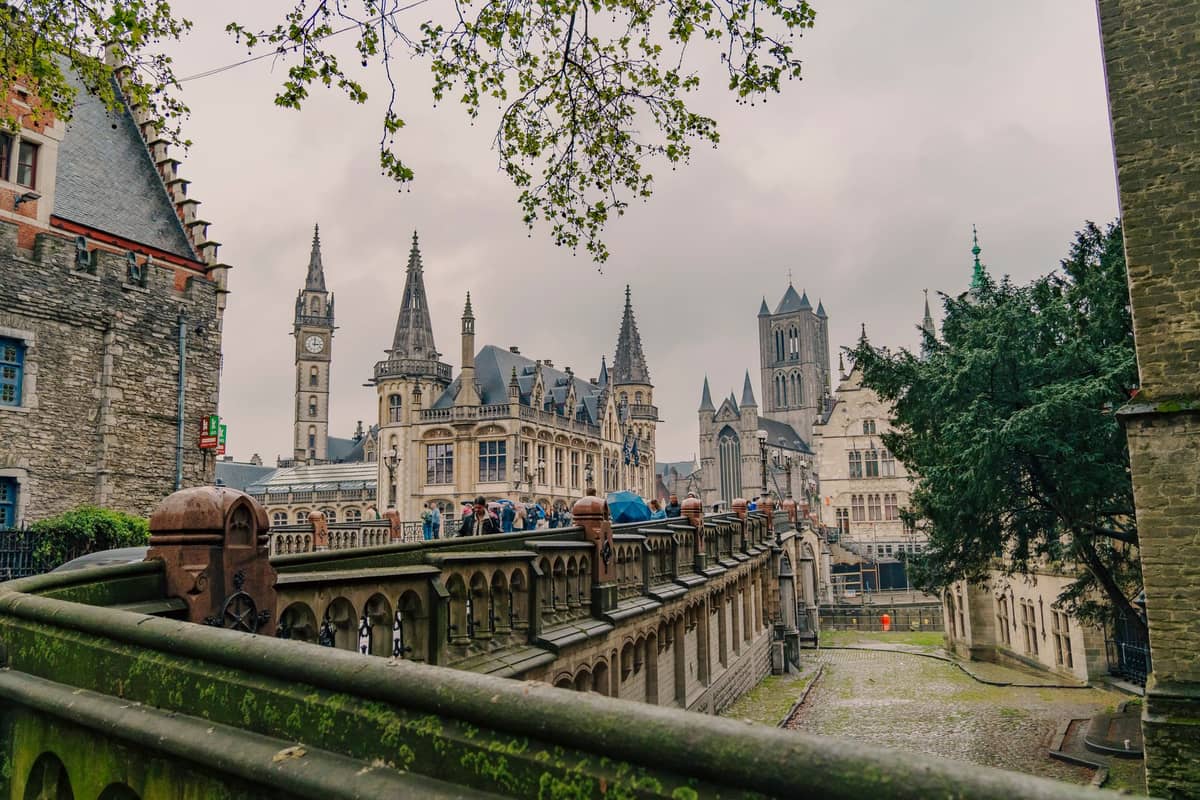
Ghent's most iconic view costs absolutely nothing. Standing on St Michael's Bridge and looking north toward the three medieval towers of St Nicholas Church, the Ghent Belfry, and St Bavo's Cathedral is genuinely one of the best urban panoramas in northern Europe. No ticket required.
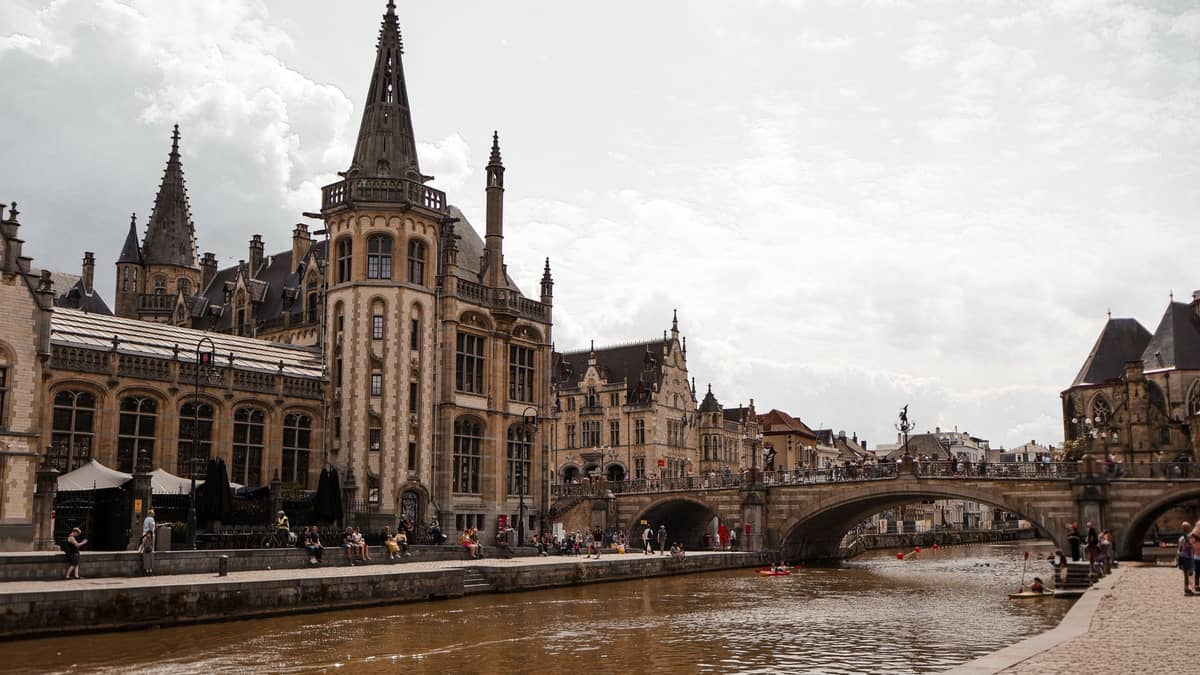
Walking the Graslei and Korenlei quaysides is free. The guild houses lining these waterfront streets date from the 12th to 17th centuries and represent some of the best-preserved medieval commercial architecture in Europe. You can read about the city's trading history just by walking the length of both banks.
St Bavo's Cathedral itself is free to enter. You only pay if you want to see the Ghent Altarpiece, Jan van Eyck's masterpiece. That ticket is separate and costs around €12 for adults, but if you're interested in Flemish art history, it's worth every cent. The Ghent Altarpiece is the most studied painting in the world and has recently been fully restored. Visit the cathedral nave and choir for free; pay for the altarpiece only if it interests you specifically.
For green space without any cost, Citadelpark is Ghent's largest public park and sits adjacent to several museums. The Ghent University Botanic Garden is also worth a visit and has modest or free entry depending on the season. Both make for a natural mid-day break from paid sightseeing.
Eating and Drinking Without Overspending
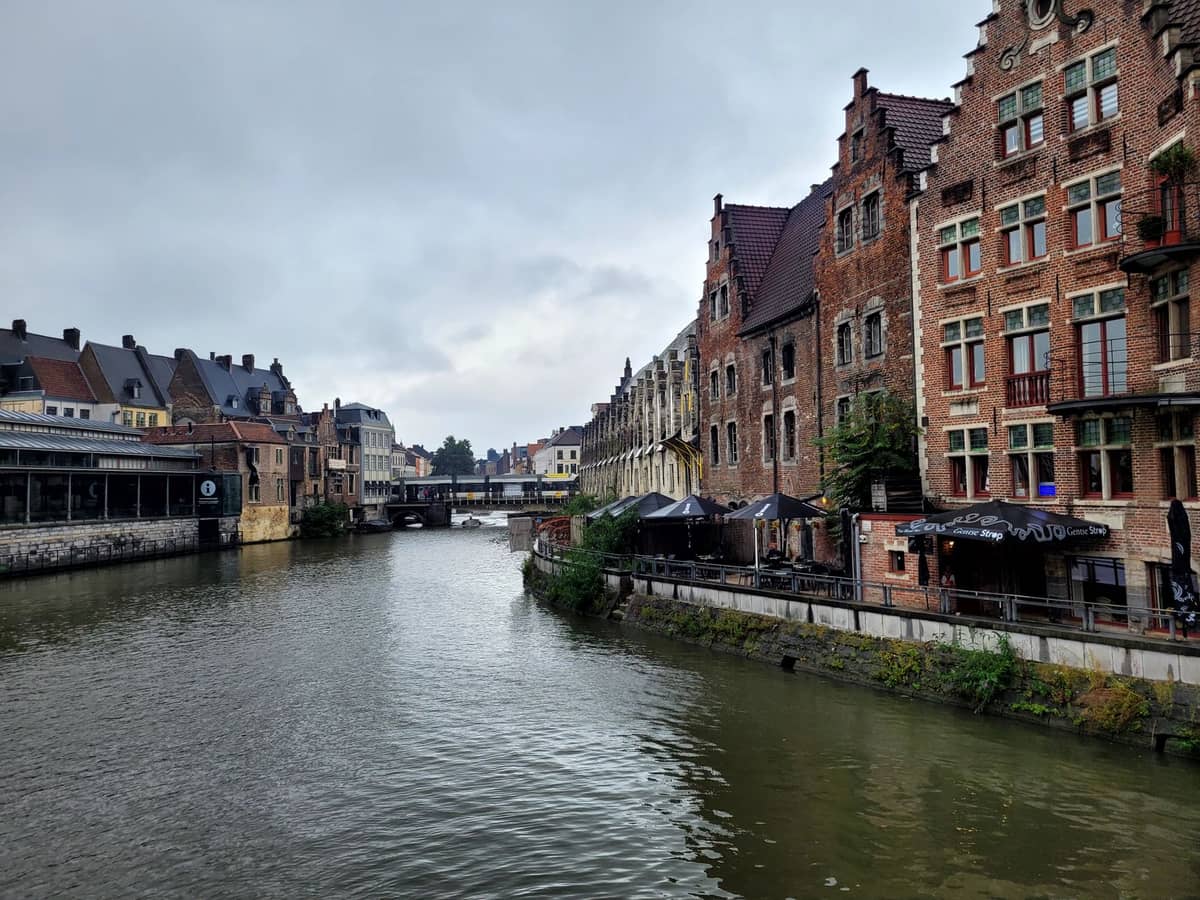
Ghent's large student population keeps prices honest in most neighbourhoods away from the tourist waterfront. The area around Overpoortstraat in the south has bars and takeaways priced for students, not tourists. A standard beer in a student bar costs around €3-3.50. The same drink on a terrace at Graslei can be double that.
Ghent has a well-established reputation as one of Europe's most vegetarian-friendly cities. Plant-based options are genuinely widespread at all price points, from cheap lunchtime stoofvlees alternatives to dedicated vegetarian restaurants that undercut meat-focused competitors. Thursday is 'Veggie Thursday' (Donderdag Veggiedag), a local initiative that started here, and many cafes offer vegetarian specials on that day.
For a full breakdown of where to eat well without overspending, the Ghent food guide covers specific restaurants across all budgets. The key principle: eat lunch rather than dinner at sit-down restaurants. Lunch formulas (usually two courses plus a drink) at mid-range restaurants are typically €14-18 compared to €25-35 for the same quality at dinner.
Budget Accommodation and Timing Your Visit
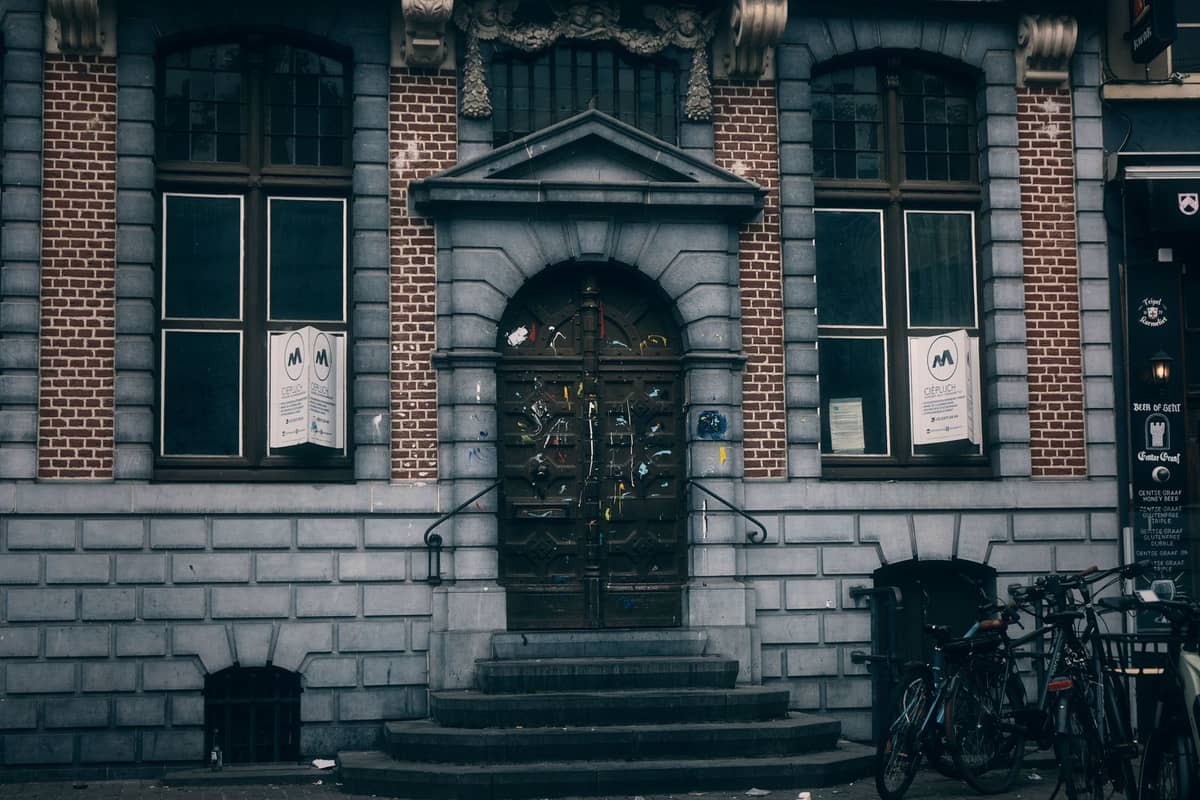
Ghent has hostels concentrated near Gent-Sint-Pieters station and in the Patershol neighbourhood, with dorm beds generally ranging from about €25–40 per night. Budget hotels start around €70–90 per night for a double. Prices spike significantly during the Gentse Feesten festival in July (ten days of free outdoor music and street performance across the entire city centre) and during summer weekends generally.
If your goal is to minimise costs, avoid Gentse Feesten week unless you specifically want the festival experience. Late September through November and January through March offer the lowest accommodation rates and shorter queues at major attractions. The trade-off is shorter daylight hours and higher likelihood of rain, but Ghent's museums and the indoor Ghent Altarpiece venue make wet days productive. See the best time to visit Ghent for a season-by-season breakdown.
✨ Pro tip
Ghent is an excellent base for day trips without extra accommodation costs. Bruges is around 25–30 minutes by train, Brussels roughly 25–30 minutes from Gent-Sint-Pieters. Staying in Ghent and day-tripping can be cheaper than staying in both cities separately, especially if you book a longer stay for a better nightly rate.
Getting to Ghent Affordably
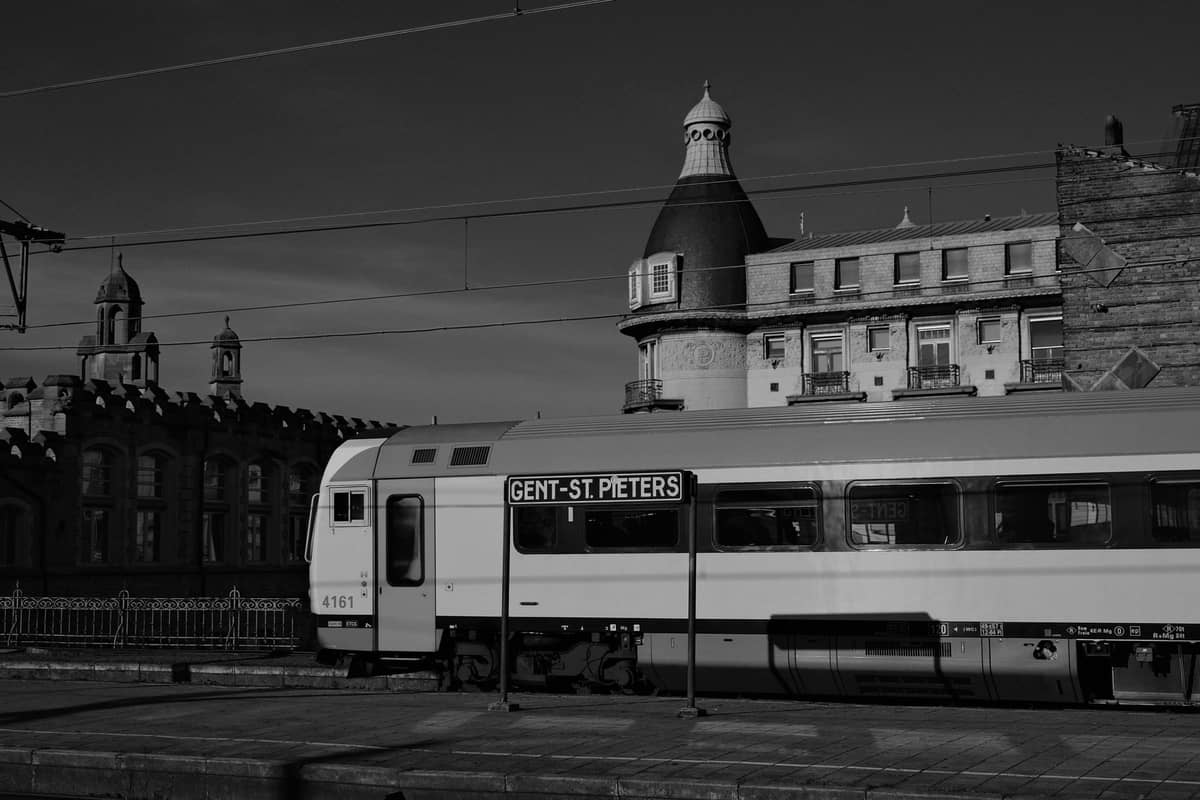
Ghent has no airport of its own. The main gateway is Brussels Airport (BRU), from which trains run to Gent-Sint-Pieters in roughly 50–70 minutes depending on your route. The direct option is a train from Brussels Airport (level -1) directly to Gent-Sint-Pieters, which runs roughly once per hour. Alternatively, take any train to Brussels Noord or Brussels Midi and connect to one of the frequent Ghent-bound services. Brussels Charleroi Airport (CRL) is also used by budget airlines; factor in the Charleroi–Brussels bus transfer before assuming it saves money over BRU.
Rail is almost always the most cost-effective way to arrive. Belgian intercity train fares are reasonable, and if you're already in Belgium or travelling from Paris, Amsterdam, or London, the rail connection to Gent-Sint-Pieters is direct or involves a single change. Check SNCB (Belgian Railways) for current fares. Booking in advance rarely saves as much as it does in other countries, but off-peak fares can apply on some routes.
FAQ
Is the CityCard Gent worth buying?
It depends on your itinerary. If you plan to visit four or more paid attractions (Belfry, Gravensteen, STAM, Design Museum, etc.) within 48-72 hours and use public transport daily, the card at €49 or €55 will likely save you money. If you're only doing one or two museums or travelling with children under 18 (who already get free museum entry), individual tickets are cheaper.
How much does public transport cost in Ghent?
As of 2025, a single De Lijn ride costs €3 and is valid for one hour including transfers. A 10-trip card costs €22, bringing the per-journey price down to €2.20. Day tickets are available, but check current adult prices on the De Lijn website before travelling. Note that fares increased by around 20% in April 2025, so older published prices are out of date. Verify current fares at the De Lijn website before travelling.
What is free to do in Ghent?
Walking the Graslei and Korenlei waterfront, exploring the Vrijdagmarkt square, viewing the three towers from St Michael's Bridge, and entering St Bavo's Cathedral nave are all free. Citadelpark and the historic streetscape of Patershol cost nothing. Many museums offer free entry for Ghent residents on the first Sunday of the month. Under-18s get free or heavily reduced access to most paid museums year-round.
When is the cheapest time to visit Ghent?
Late autumn and winter (November to March, excluding Christmas market weekends) offer the lowest hotel rates and fewest crowds. Gentse Feesten in July is the most expensive period for accommodation, though the festival itself is free to attend. Spring (April-May) offers a good balance of reasonable prices and pleasant weather.
Can I visit Ghent as a day trip from Brussels to save on accommodation?
Yes. Gent-Sint-Pieters is roughly 25–30 minutes from Brussels Midi by direct train, making a day trip very practical. However, Ghent rewards a longer stay: one full day is enough for the headline sights, but two days lets you explore Patershol, the canal network, and the museum quarter at a relaxed pace. If budget is the priority, a day trip from Brussels works well.