Best Time to Visit Ghent: A Month-by-Month Guide
Ghent rewards visitors in every season, but the best time to visit Ghent depends on your priorities. This guide breaks down weather patterns, major events, crowd peaks, and price fluctuations so you can choose the right window for your trip.
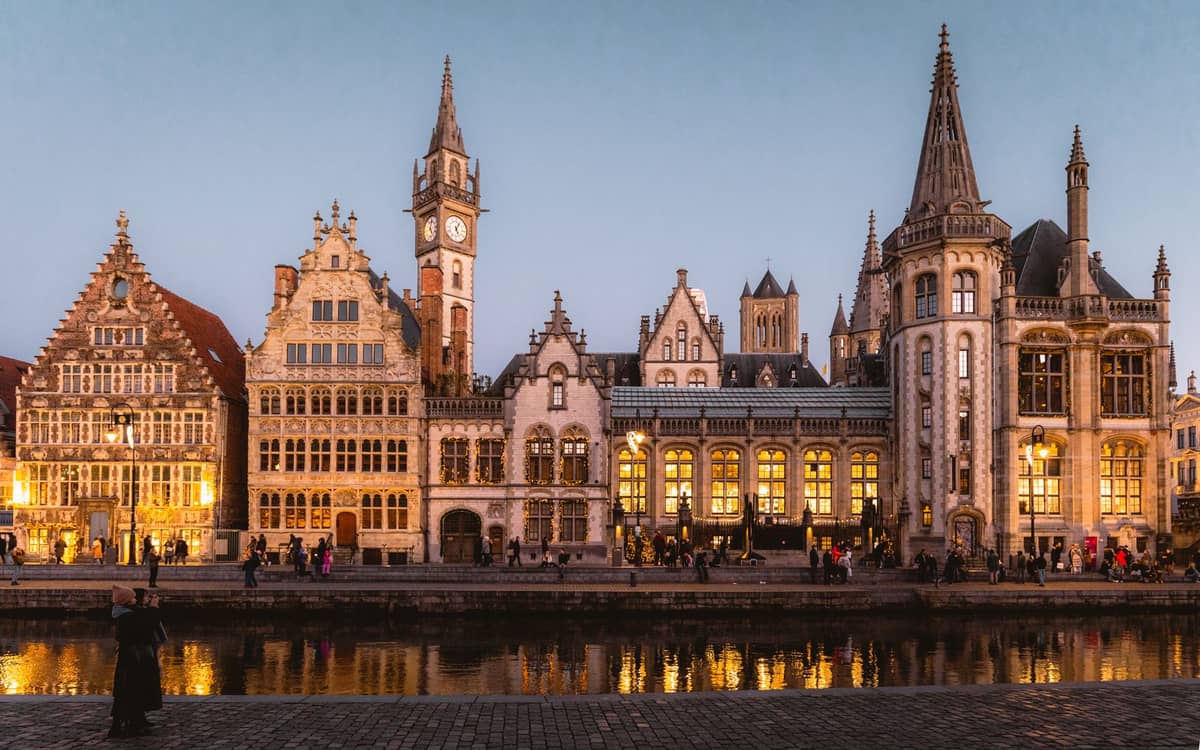
Plan and book this trip
Tools from our partner Travelpayouts help you compare flights and hotels. If you book through them, we may earn a commission at no extra cost to you.
Flights
Hotels map
TL;DR
- Late spring (May–June) offers the best overall balance of mild weather, manageable crowds, and reasonable accommodation prices.
- July is peak season: the Gentse Feesten festival (10 days in mid-to-late July) draws enormous crowds and sends hotel rates surging — book months ahead or avoid the week entirely.
- August is popular but wetter than most visitors expect; summer showers are common, with around 70 mm of rainfall on average..
- November and January–February are the cheapest months for accommodation, but December is a partial exception due to the Christmas market.
- Ghent is compact and walkable year-round; see how to get around Ghent before you plan your itinerary.
Understanding Ghent's Climate
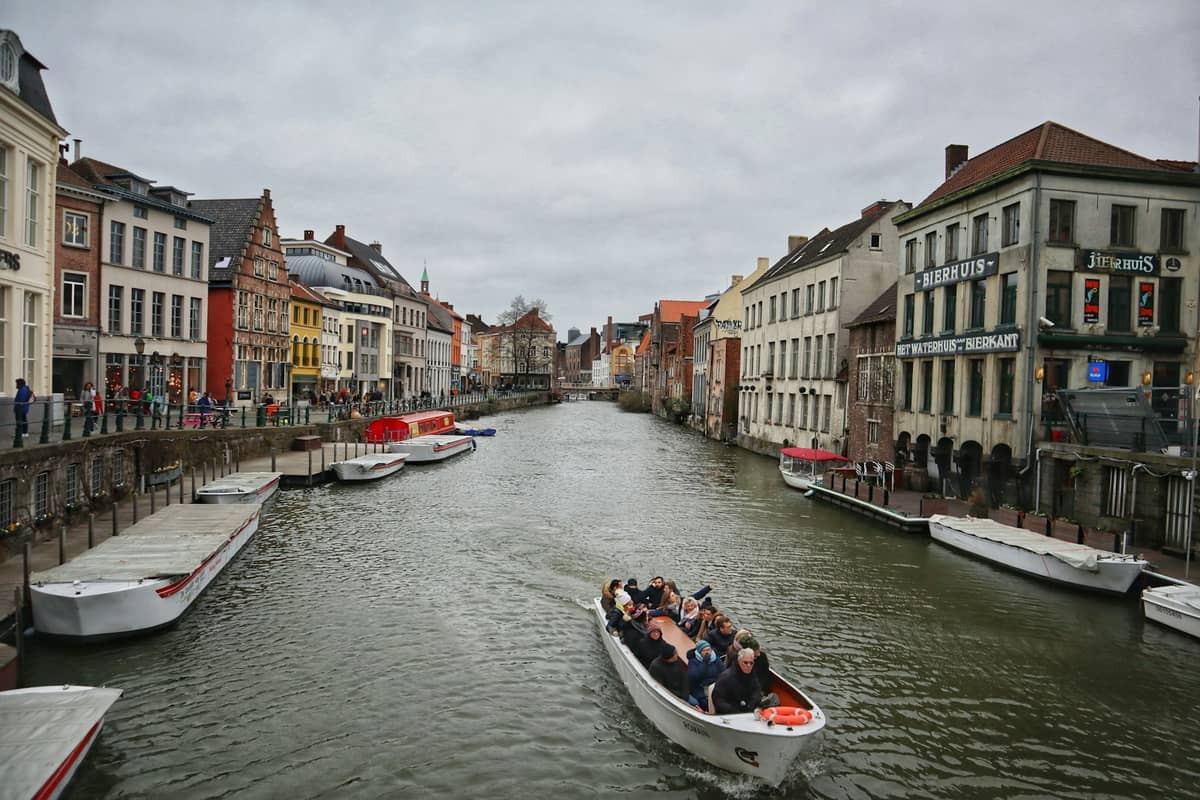
Ghent sits in the Flemish plain at the confluence of the Scheldt and Lys rivers, not far from Brussels and the North Sea coast.. That geography gives it a textbook temperate maritime climate: no extremes in either direction, mild winters, cool summers, and rain distributed fairly evenly across the year. There is no meaningful dry season. Any month can bring overcast skies and a shower, so a light waterproof layer belongs in your bag regardless of when you visit.
July is the warmest month, with average daytime highs around 23–24°C. January is the coldest, with highs hovering around 7–8°C and overnight lows that can dip toward 2°C. Snow is rare — so a genuine white winter in Ghent is more of a pleasant surprise than a reliable forecast. Annual precipitation is substantial and fairly evenly distributed, and one of the wettest months is August, which consistently surprises visitors who assumed summer would be dry.
⚠️ What to skip
Do not assume summer means dry weather in Ghent. August averages around 70 mm of rainfall — one of the higher monthly totals of the year. Pack a compact umbrella regardless of the season.
Season-by-Season Breakdown
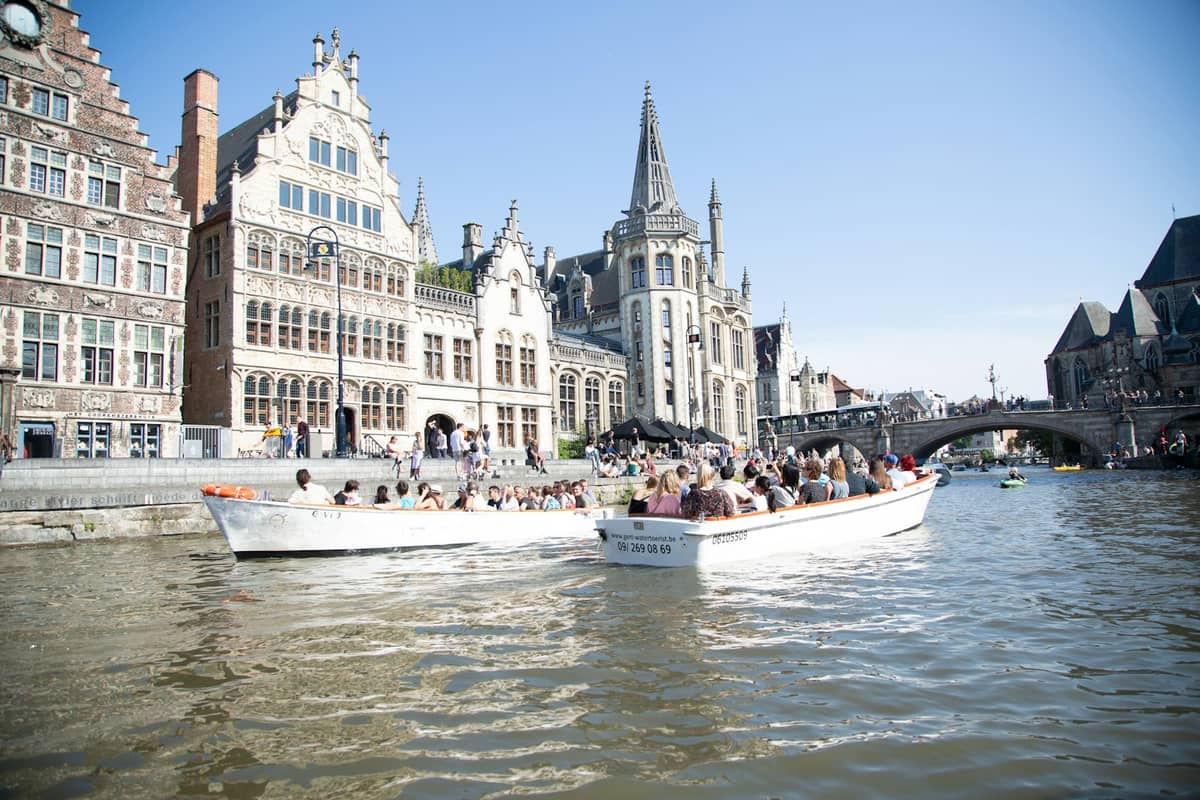
Spring (March–May) is the most underrated window for visiting Ghent. March and April remain cool and variable, but by May temperatures reach a comfortable 15–18°C during the day, crowds are manageable, and the city's medieval waterfront along Graslei and Korenlei looks its best under clear skies without the July hordes. April is actually among the driest months of the year by precipitation, which makes it a reasonable gamble for photographers.
June earns some of the highest weather scores among climate indices, with an average temperature around 17–18°C, roughly 10 rainy days in the month, and up to 11–12 hours of daylight. It is a strong choice for first-time visitors who want good light for sightseeing at the Graslei and Korenlei waterfront or exploring Gravensteen castle without battling peak-season prices.
Summer (June–August) is peak tourist season, and July in particular is split into two distinct experiences: the weeks before the Gentse Feesten, which are relatively calm, and the festival itself, which transforms the entire historic core into a free outdoor music and arts event. After the festival, the second half of July and August remain busy and warm, though accommodation prices often stay elevated even outside the festival dates. If you want warmth without the peak chaos, early June or early September offer similar temperatures with fewer visitors.
Autumn (September–November) is a slow fade in both temperature and tourist numbers. September still feels like summer — highs around 19–20°C — and the city empties out quickly after the school holidays end. October brings cooler, damper weather but also fewer queues at major sites like ... at major sites like St Bavo’s Cathedral, where the Ghent Altarpiece is displayed. November drops noticeably, with grey skies and daytime highs around 9–11°C, but accommodation prices hit some of their lowest levels of the year.
Winter (December–February) is genuinely quiet, with the partial exception of December, when the Ghent Christmas market brings short-term spikes in visitors and prices. January and February are the coldest and cheapest months, and the city takes on a different character: quiet medieval streets, no queues at the museums, and a chance to appreciate the architecture without the crowds. It is not the right choice for everyone — daylight hours are short and the weather is unambiguously grey — but budget-conscious travelers and those who prefer uncrowded attractions will find genuine value here.
The Gentse Feesten: Plan Around It or Book for It
The Gentse Feesten (Ghent Festivities) runs for 10 days, beginning on the Friday before the third Sunday of July and ending on the fourth Sunday, always encompassing Belgium's National Day on 21 July. For 2026, the official dates are 17–26 July. The festival fills the entire historic centre with hundreds of performances across dozens of outdoor stages, most of them free to attend. It runs for 10 days, beginning on the Friday before the third Sunday of July and ending on the fourth Sunday, always encompassing Belgium's National Day on 21 July. For 2026, the official dates are 17–26 July. The festival fills the entire historic centre with hundreds of performances across dozens of outdoor stages, most of them free to attend.
The atmosphere during Gentse Feesten is genuinely extraordinary, but it comes at a cost: accommodation in central Ghent sells out months in advance, prices double or more for the festival dates, and the narrow medieval streets become extremely crowded after dark. If this is your main reason to visit, read the full Gentse Feesten guide and book accommodation at least four to six months ahead. If you are planning a relaxed city break focused on museums and medieval architecture, the festival period is actively counterproductive — avoid it unless the event itself is your goal.
ℹ️ Good to know
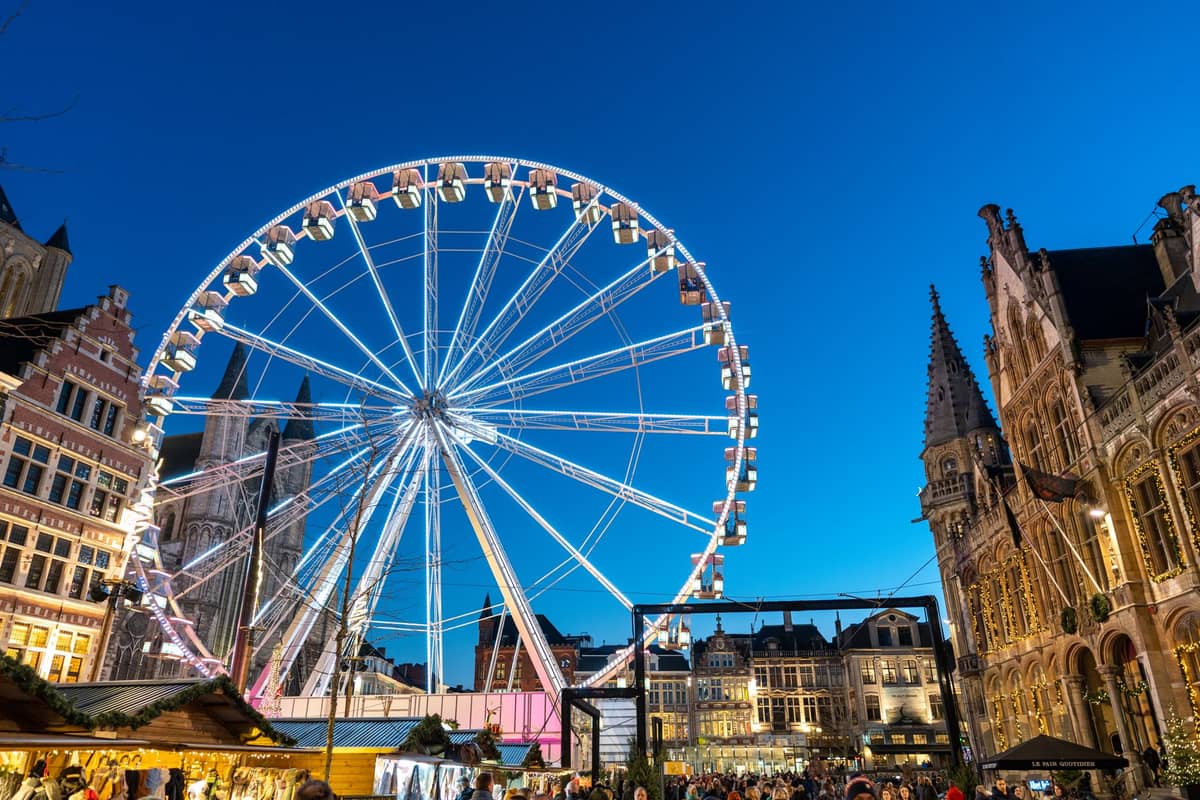
The Ghent Christmas Market in December typically runs through much of the month and includes the area around Korenmarkt and Sint-Baafsplein. It draws a significant number of day-trippers from Brussels and Bruges, which drives up hotel rates on weekends in December despite winter being the off-peak season overall.
Prices, Crowds, and Practical Timing
Ghent sits in a useful middle ground compared to Bruges: it has a large resident population of around 270,000 and a major university, which means the city's economy does not depend entirely on tourism. As a result, price swings between high and low season are real but not as extreme as in Bruges, where the entire town pivots around visitor spending. That said, the differences are still meaningful enough to factor into your planning.
- Peak season (July–August) Highest accommodation prices, longest queues at Sint-Baafskathedraal and Gravensteen, Gentse Feesten chaos in mid-to-late July. Best for warm weather and a lively atmosphere.
- Shoulder season (May–June and September) The sweet spot for most visitors. Prices are lower than peak, queues are shorter, weather is pleasant (especially June), and the city feels lived-in rather than overrun.
- Low season (October–November and January–February) Cheapest accommodation, virtually no queues, and a more authentic feel. Cold and grey, but the museums — including the MSK and SMAK — are excellent regardless of weather.
- December (partial exception) Christmas market brings visitors and higher weekend prices. Weekday stays in early December can still be affordable, but weekend rates approach shoulder-season levels.
For travelers on a tight budget, November and January–February offer the best value, particularly for accommodation. Combine low-season prices with Ghent's many free attractions and you can have a genuinely full itinerary without spending heavily. The Ghent on a budget guide covers this in detail.
✨ Pro tip
If you want summer warmth without peak-July prices, target the first two weeks of September. Temperatures still reach 18–20°C, the Gentse Feesten crowds have gone, university students have not yet returned in full force, and accommodation prices drop noticeably from August levels.
What to Prioritize in Each Season
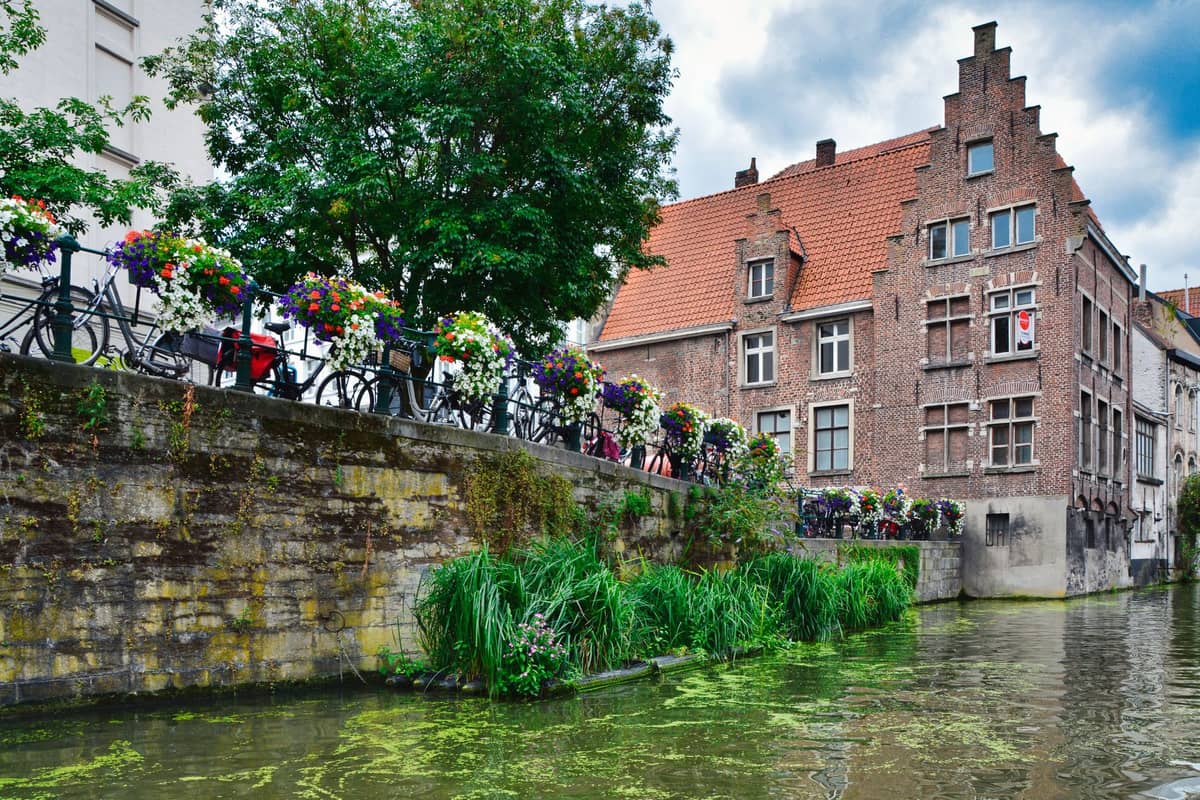
In spring and early summer, Ghent's outdoor spaces earn their reputation. The Citadelpark comes alive from April onward, the waterway walks along Graslei and Korenlei are at their most photogenic in good light, and the Ghent canal network is best explored by boat when temperatures are comfortable. The photography potential peaks in May and June, when golden-hour light hits the medieval towers from a low angle.
In autumn and winter, the focus shifts indoors. The MSK Gent (Museum of Fine Arts) and SMAK (contemporary art museum) are both worth extended visits and have no meaningful crowds outside July and August. Sint-Baafskathedraal — home to the Ghent Altarpiece — has shorter queues from October through April, making it genuinely easier to spend time with the painting rather than shuffling through a crowd.
- Spring (Apr–May): Citadelpark blooms, canal boat tours reopen, photography conditions excellent
- Early summer (Jun): Best weather scores, manageable crowds, good value accommodation
- Peak summer (Jul–Aug): Warmest weather, Gentse Feesten in July, highest prices and crowds
- Early autumn (Sep): Summer temperatures linger, crowds drop, prices fall
- Late autumn (Oct–Nov): Indoor museum season, minimal queues, lowest prices
- Winter (Dec–Feb): Christmas market in December; January–February are quiet and cheap
Getting to Ghent: A Quick Logistics Note
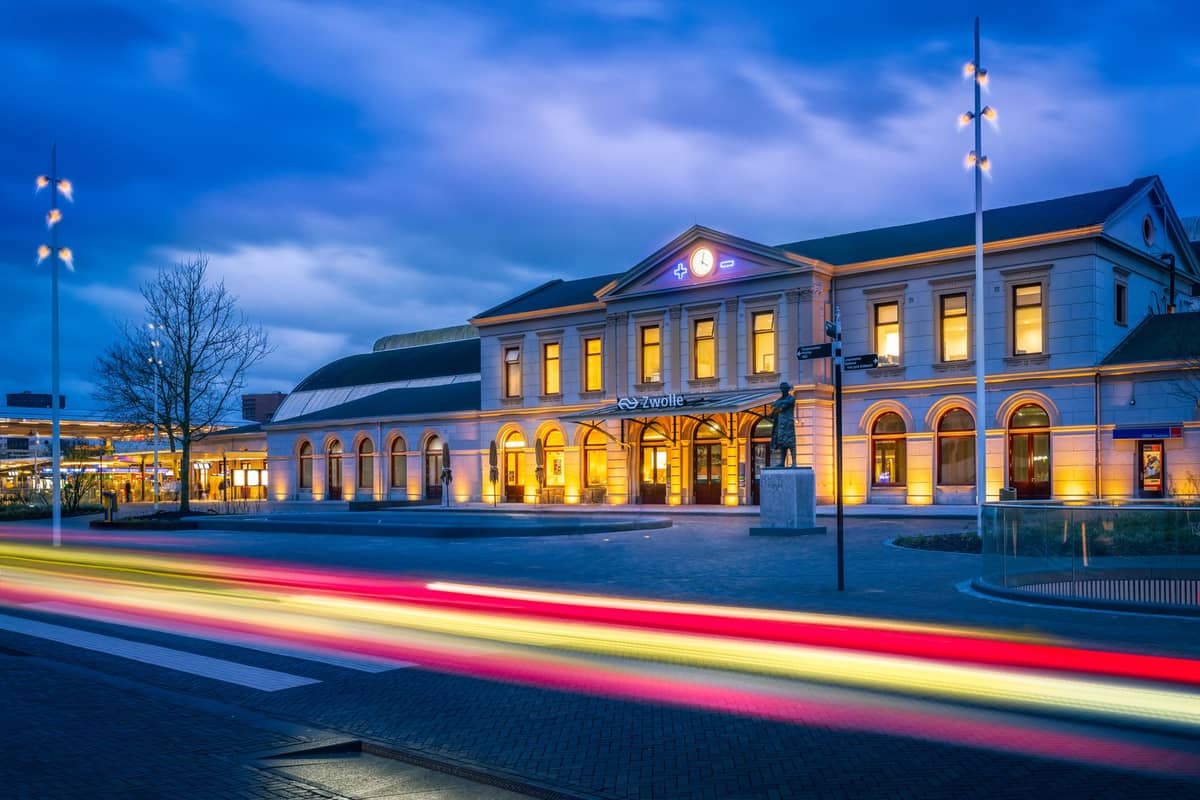
Ghent has no airport of its own. Brussels Airport (BRU) is the primary gateway, with regular train connections to Gent-Sint-Pieters station via Brussels Noord or Brussels Midi. The journey from Brussels Airport to Ghent by rail typically takes around 60–90 minutes depending on the route and connections. From Brussels Midi, the train to Ghent takes around 30–36 minutes. Train fares and schedules should be checked directly with NMBS/SNCB (the Belgian rail operator) before travel, as prices vary by time of day and booking window.
Within Ghent, the De Lijn tram and bus network is comprehensive. Tram lines run from Gent-Sint-Pieters station through the city centre, with a ride of around 10 minutes to Korenmarkt in the historic core. A single De Lijn ticket costs €3 at time of writing and is valid for one hour, allowing transfers within that window. For full logistics including walking routes and cycling options, see the getting around Ghent guide.
FAQ
What is the best month to visit Ghent?
June is the single strongest month for most visitors: average temperatures around 17–18°C, relatively low rainfall compared to other summer months, long daylight hours, and accommodation prices that have not yet reached the July peak. May is a close second, particularly for those who want even lower prices and don't mind slightly cooler days.
Is Ghent worth visiting in winter?
Yes, with realistic expectations. January and February are cold (highs around 7–8°C) and grey, but the city's medieval architecture is striking even in flat winter light, the museums are virtually empty, and accommodation is at its cheapest. December adds the Christmas market, but that also brings weekend crowds and higher prices. Winter suits travelers who prioritize museums, budget, and authenticity over outdoor sightseeing.
When is Ghent most crowded?
The Gentse Feesten in mid-to-late July is the absolute peak. The 10-day festival fills the historic centre and drives accommodation prices to their highest levels of the year. Outside the festival, July and August are the busiest general tourist months. September sees a sharp drop in visitors even as the weather remains pleasant.
Does it rain a lot in Ghent?
Rain is possible in every month. Ghent's oceanic climate means there is no true dry season — annual precipitation is fairly evenly spread through the year. Contrary to expectations, August is one of the wetter months (around 70 mm average), so summer visitors should always carry a waterproof layer. April is statistically one of the drier months.
How far in advance should I book for the Gentse Feesten?
At least four to six months in advance for accommodation in or near the historic centre. The festival draws enormous crowds to a relatively small geographic area, and central hotels sell out well before the dates are announced. If you leave booking until two or three months before the festival, you are likely to find only peripheral options at inflated prices. Consider staying in a neighbourhood slightly outside the centre and using public transport.