Gentse Feesten: The Complete Guide to Ghent's July Festival
The Gentse Feesten is one of Europe's largest free city festivals, transforming Ghent's medieval centre into 10 days of concerts, street theatre, and late-night revelry every July. This guide covers everything from how to navigate the festival's spread-out layout to booking accommodation before it sells out.
Plan and book this trip
Tools from our partner Travelpayouts help you compare flights and hotels. If you book through them, we may earn a commission at no extra cost to you.
Flights
Hotels map
TL;DR
- The Gentse Feesten runs for 10 days every July across Ghent's historic centre. In 2026 it ran from 17–26 July.
- Entry to the street festival is completely free. Only select indoor concerts and club nights require tickets.
- The festival spans multiple squares and parks, not a single fenced site. Key hubs include Sint-Baafsplein, Korenmarkt, and Graslei and Korenlei.
- Book accommodation months in advance. Hotels in the centre sell out fast and prices spike significantly.
- For full context on visiting Ghent in July, see the best time to visit Ghent guide.
What Is the Gentse Feesten?
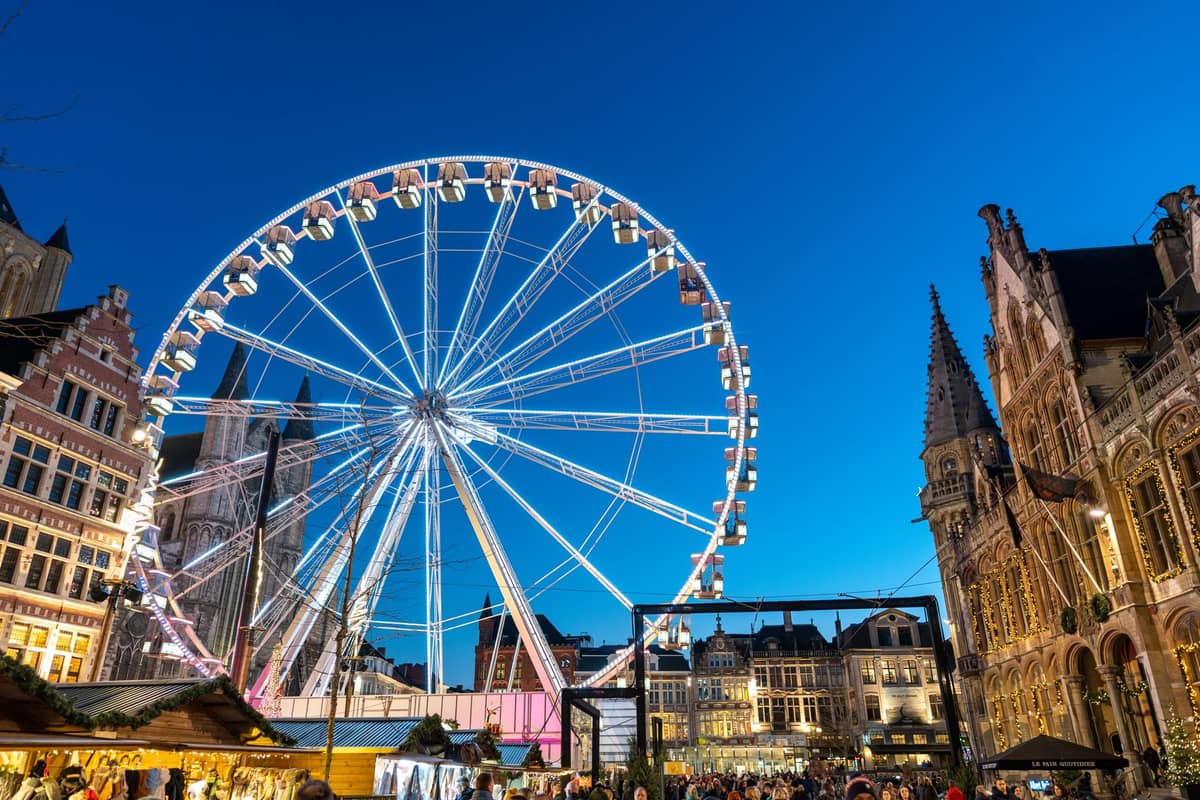
The Gentse Feesten (Dutch for 'Ghent Festivities') is a 10-day urban festival held every July in the heart of Ghent, Belgium. It is one of the largest free city festivals in Europe, drawing around one million visitors over its run. Unlike ticketed music festivals held on dedicated sites, this one takes over the entire historic city centre. Streets, squares, parks, and canal banks all become stages and gathering points simultaneously.
The festival has roots going back to 1843, evolving from local working-class festivities into a major international cultural event. Today it mixes everything from classical brass bands and world music to experimental theatre, fairground rides, and late-night electronic music. Different squares carry different atmospheres, so the experience shifts dramatically depending on where you are in the city.
ℹ️ Good to know
There is no general festival ticket, no wristband, and no entry gate. The Gentse Feesten is a city-wide public event. You simply walk in. Individual indoor shows, club nights, or special venue events may require separate tickets sold by the organiser.
Dates: Gentse Feesten 2025, 2026, and Beyond
- Gentse Feesten 2025 Friday 18 July to Sunday 27 July 2025
- Gentse Feesten 2026 Friday 17 July to Sunday 26 July 2026
- Gentse Feesten 2027 Already announced: 16–25 July 2027
If you are planning a trip specifically around the Gentse Feesten 2026, keep an eye on gentsefeesten.stad.gent, which publishes confirmed dates well ahead of the event. The city tends to announce the following year's dates before the current edition even ends.
💡 Local tip
The two weekends of the festival are the most crowded by far. If you want to experience the atmosphere without shoulder-to-shoulder crowds, arrive mid-week. Wednesday or Thursday evenings offer a noticeably calmer version of the same programme.
The Layout: Which Squares to Prioritize
The festival does not have a map you can fold up and follow from stage to stage. It sprawls across the entire Ghent historic centre, with each square and park developing its own character over the 10 days. Knowing which areas suit what you are looking for saves a lot of wandering.
- Sint-Baafsplein The city's main square, in front of St Bavo's Cathedral and the Belfry. Often hosts larger outdoor concerts and cultural programming. Central and easy to navigate from.
- Korenmarkt The commercial heart of the festival, connecting Sint-Baafsplein to the canal. Expect food stalls, beer tents, and constant foot traffic. Lively but can feel chaotic at peak times.
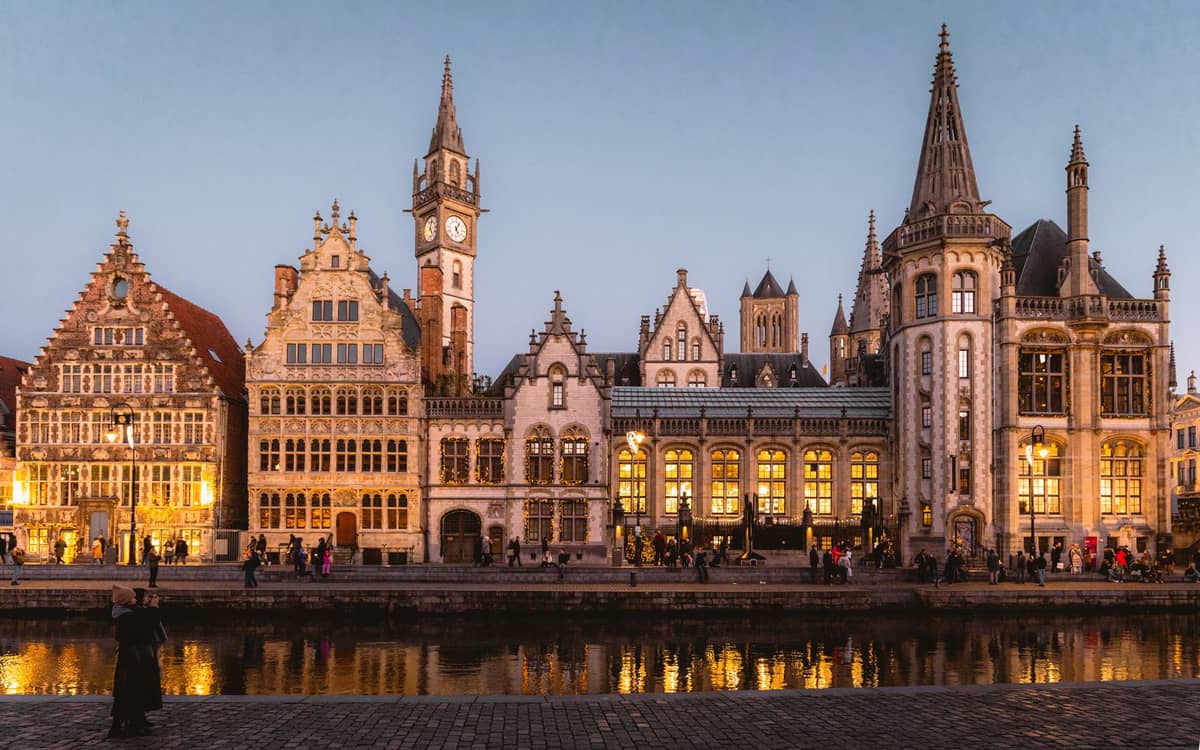
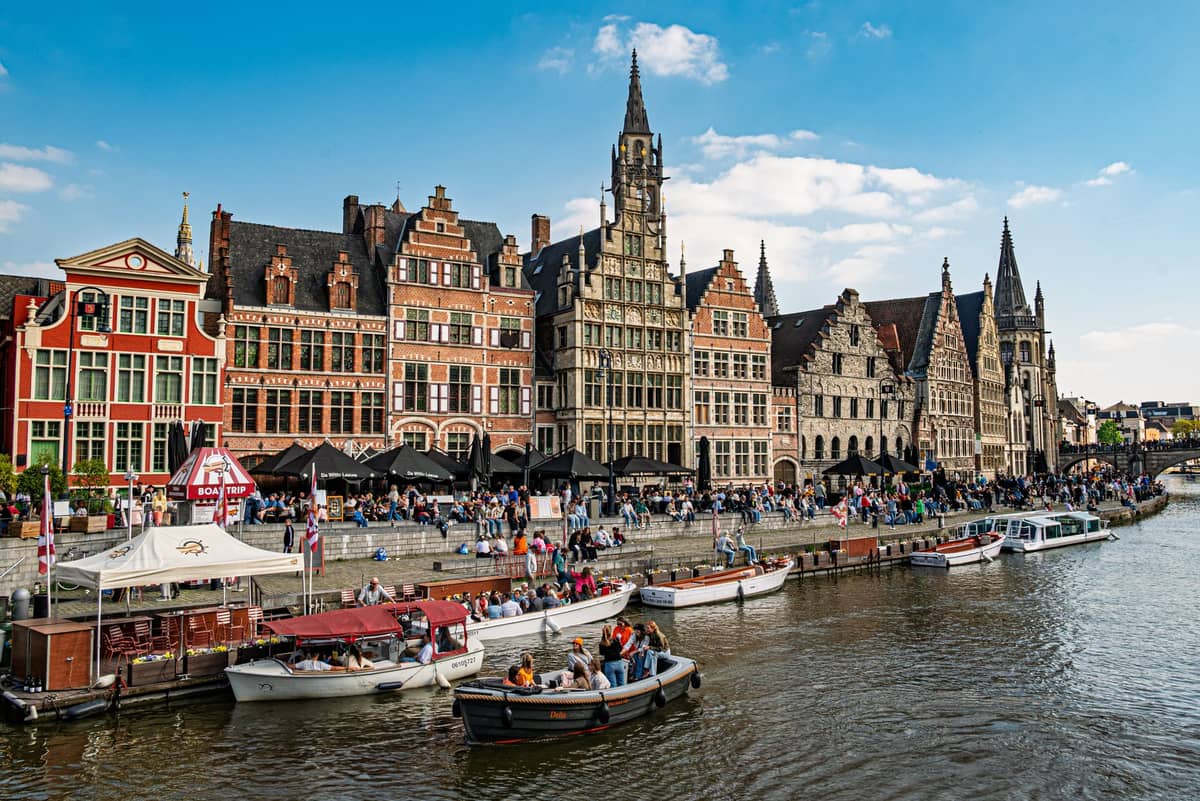
- Graslei and Korenlei The medieval guild-house waterfront. Atmospheric in the evening when lights reflect off the Leie river. Less formal programming here, more ambient crowd.
- Baudelopark A quieter green space in the Patershol neighbourhood. Tends to host more alternative or world-music programming and draws a slightly older crowd.
- François Laurentplein A smaller square with a neighbourhood feel, away from the main tourist drag. Worth visiting if you want a more local atmosphere.
The area around Gravensteen castle and the Patershol quarter also picks up significant festival energy, with street musicians and impromptu gatherings filling the narrow medieval lanes. This part of the city is worth exploring on foot after dark.
What to Expect: Music, Theatre, and More
The Gentse Feesten is not a music festival in the conventional sense. Music is the backbone, but the programme includes street theatre, brass bands parading through cobblestone lanes, circus acts, children's entertainment, comedy, and late-night club events in the city's bars and venues. The outdoor stages are free. The indoor venues charge their own prices.
Genre range is genuinely wide: you might walk from a classical fanfare on one square to a reggae band on the next and end up at a techno night in a nearby club. The programme is published on the official Stad Gent website in the weeks before the festival opens. There is no single printed schedule you can rely on in advance, so checking the digital programme before you arrive is worth doing.
✨ Pro tip
Pick two or three squares as base camps rather than trying to chase the full programme. The festival rewards spontaneous wandering more than tight scheduling. Leave gaps in your plan and follow the crowd or the sound.
The St Bavo's Cathedral and Ghent Belfry remain open during the festival and provide good elevated perspectives over the crowds on Sint-Baafsplein. Worth visiting in the morning before the festival gets into full swing.
Practical Information: Getting There, Getting Around, Accommodation
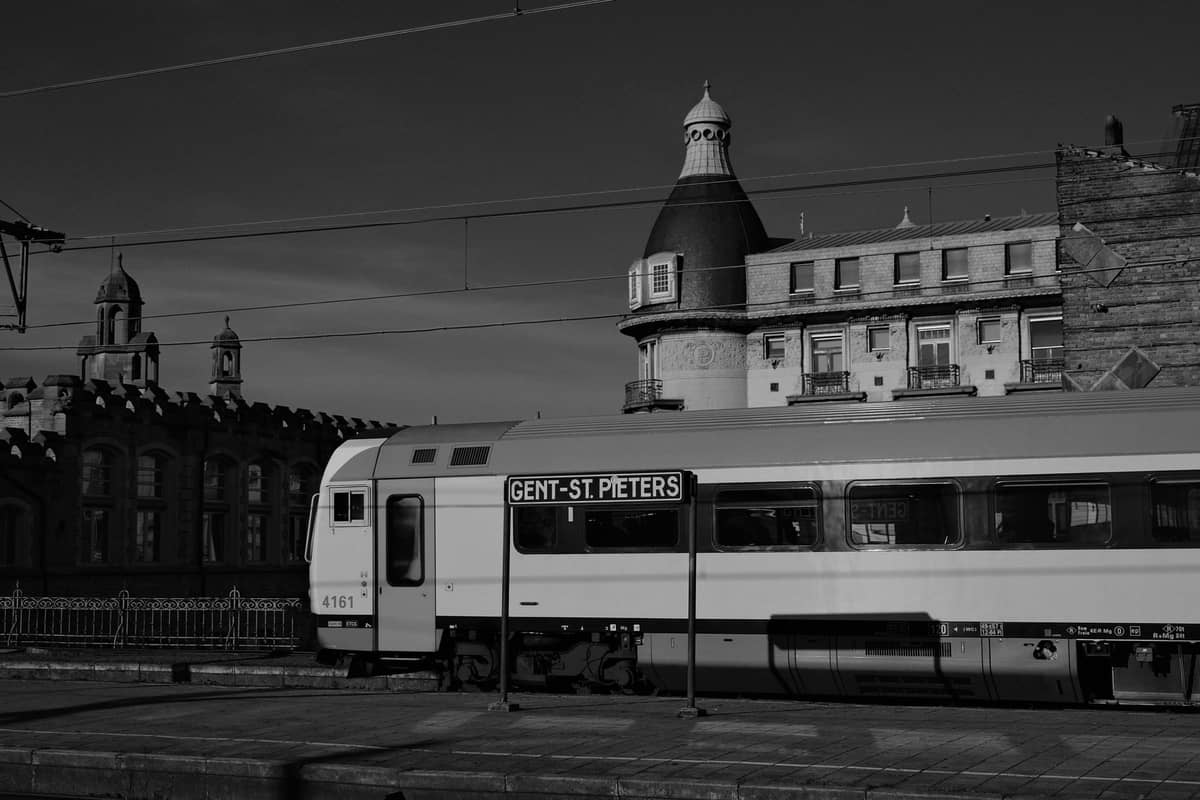
Ghent has no airport of its own. The main gateway is Brussels Airport (BRU), from which direct trains run to Ghent's main station, Gent-Sint-Pieters, roughly once per hour. Alternatively, take the train to Brussels-Noord, where about three trains per hour connect to Ghent. The journey from Brussels centre to Gent-Sint-Pieters takes approximately 30 minutes by direct train. From Gent-Sint-Pieters, tram lines run to Korenmarkt and the city centre in about 5 to 10 minutes.
During the Gentse Feesten, parts of the city centre close to regular car traffic. Public transport by De Lijn (the Flemish bus and tram operator) is the practical option for getting around. A single ride costs around €3 and is valid for one hour. Contactless payment by bank card, phone, or smartwatch is accepted on board. For full logistics, the getting around Ghent guide covers tram routes, ticketing options, and transport from the station in detail.
Accommodation is the biggest practical challenge for first-time festival visitors. Hotels in and around the historic centre sell out months in advance for the festival period, and prices during those 10 days are substantially higher than at other times of year. Booking in February or March for a July stay is not overcautious. The where to stay in Ghent guide includes advice on neighbourhoods and accommodation types for all budgets.
⚠️ What to skip
If you are staying in the city centre during the festival, expect noise until 2 or 3am, sometimes later. This is not a festival that packs up quietly at midnight. Bring earplugs or choose accommodation a short tram ride from the centre if you need to sleep before midnight.
Budget and Costs During the Festival
The core festival is free, which makes it genuinely accessible. But the city fills with visitors during those 10 days and costs in other areas rise accordingly. For broader context on managing expenses, see the Ghent on a budget guide.
- Outdoor concerts, street theatre, parades: free
- Food and drink at festival stalls: comparable to or slightly above standard Ghent prices. Beer typically €3–5 depending on brand and stall.
- Indoor concert tickets: varies by event and venue. Check individual organisers.
- Accommodation: significantly higher than off-season. Expect 30–60% premium for central hotels during the festival.
- Public transport: standard De Lijn fares apply. Around €3 per journey.
For visitors on a tight budget, the Gentse Feesten is one of the most cost-effective large festivals in Europe. You can spend an entire day and evening in the city, eat well, drink at outdoor bars, and watch live performances without buying a single ticket. Combine it with free things to do in Ghent outside festival hours and the trip becomes very affordable.
FAQ
When is the Gentse Feesten 2026?
The 2026 Gentse Feesten ran from Friday 17 July to Sunday 26 July. The 2027 edition is already listed for 16–25 July. Confirm future dates on gentsefeesten.stad.gent before you travel.
Do you need tickets for the Gentse Feesten?
No. The festival itself is free to enter. There are no gates, no wristbands, and no general admission tickets. You simply walk through the city. Some indoor concerts, club nights, or special venue events have their own ticket systems managed by the individual organiser.
How crowded does the Gentse Feesten get?
Very crowded, particularly on weekends. The festival draws around one million visitors over 10 days. The main squares like Sint-Baafsplein and Korenmarkt can feel overwhelming during peak evening hours on Friday and Saturday. Mid-week evenings are noticeably calmer while still offering the full programme.
Is the Gentse Feesten family-friendly?
Yes, during the day and early evenings. There is dedicated children's programming on several squares, and the daytime atmosphere is relaxed and accessible. Late at night the festival skews older and louder. Families with young children tend to enjoy the afternoon sessions most and head back before 10pm.
How do I get to the Gentse Feesten from Brussels?
Take a direct train from Brussels-Noord or Brussels-Midi to Gent-Sint-Pieters (approximately 30 minutes). From Gent-Sint-Pieters, tram lines reach Korenmarkt at the heart of the festival in about 5–10 minutes. Note that parts of the city centre are closed to car traffic during the festival, so public transport is strongly recommended over driving.