One Day in Ghent: The Perfect 24-Hour Itinerary
Ghent packs medieval architecture, world-class art, and one of Belgium's best food scenes into a compact, walkable historic centre. This 24-hour itinerary tells you exactly where to go, what to skip, and how to move between it all without wasting a minute.
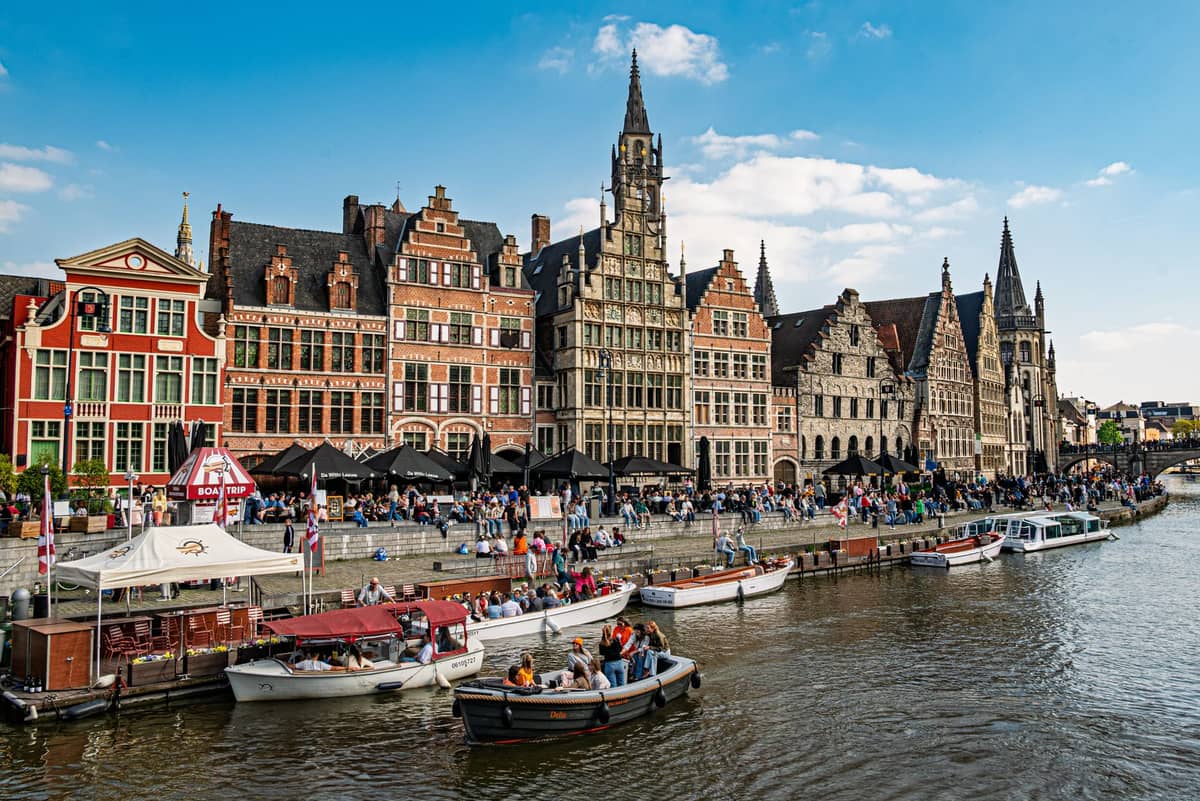
Plan and book this trip
Tools from our partner Travelpayouts help you compare flights and hotels. If you book through them, we may earn a commission at no extra cost to you.
Flights
Hotels map
TL;DR
- One day in Ghent is enough to cover the medieval core: Gravensteen, St. Bavo's Cathedral, Graslei/Korenlei, and Patershol all sit within easy walking distance of each other.
- The historic centre is largely car-free, so plan to walk or take a tram from Gent-Sint-Pieters station. Getting around Ghent is straightforward once you know the tram network.
- Gravensteen costs €15 for adults and opens daily 10:00–18:00 (last entry 16:40); check the ticket conditions before booking if your plans might change.
- A CityCard Gent (€49 for 48 hours) only pays off on multi-day stays. For a day trip, buy attractions individually. See our budget guide to Ghent for a full cost breakdown.
- Ghent is not just a quick stop: the city's own tourism board markets it as 'more than a one-night stay,' so one day means making deliberate choices about what matters most to you.
Getting to Ghent and Into the Centre
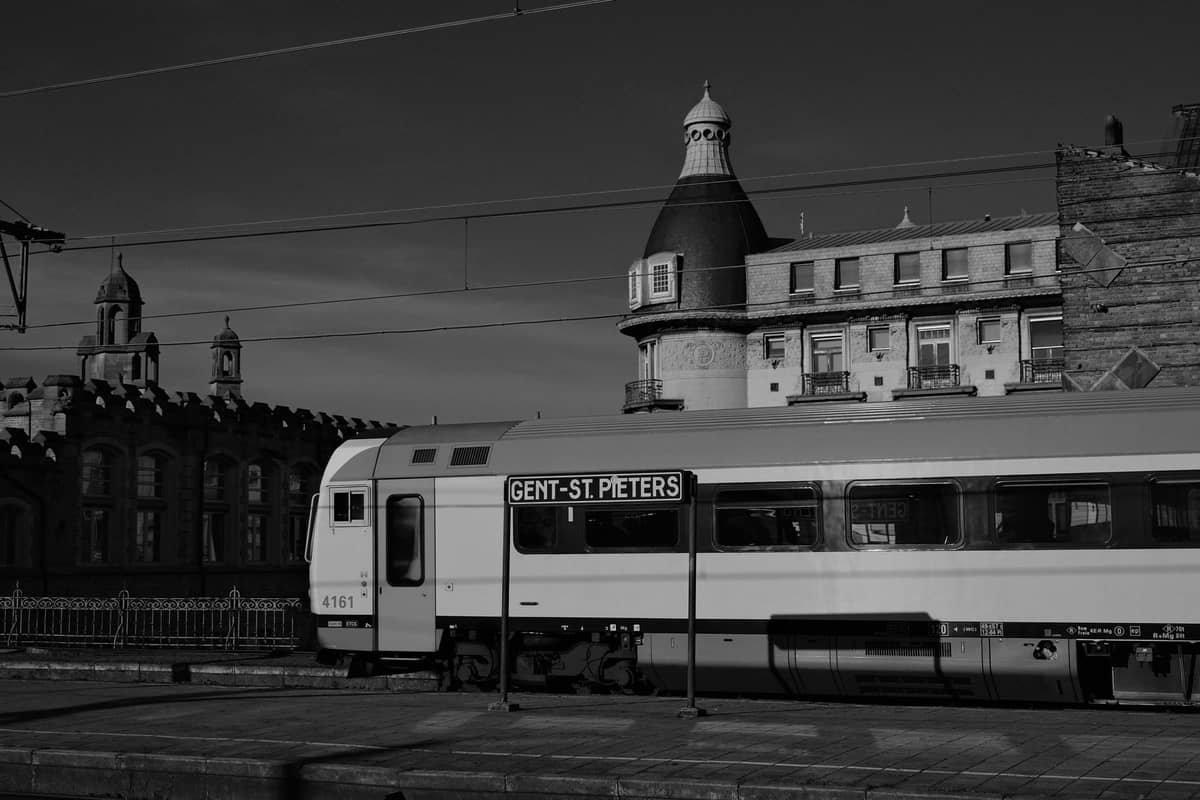
Ghent has no airport of its own. The standard route is via Brussels Airport (BRU), with direct trains running about once an hour to Gent-Sint-Pieters, Ghent's main station. Alternatively, connect through Brussels-Noord or Brussels-Midi, where trains to Ghent run several times per hour, with the Brussels-Midi to Gent-Sint-Pieters leg taking around 30 minutes. Always check current SNCB/NMBS timetables before travel as frequencies change.
From Gent-Sint-Pieters, the city centre is about 2 km away. Tram lines operated by De Lijn connect the station to Korenmarkt in roughly 5–10 minutes. A single tram ride costs around €3 and is valid for one hour, letting you transfer to other trams or buses within that window. Contactless payment with a debit card or phone works directly on board, which makes boarding straightforward for day-trippers arriving without pre-loaded travel cards.
💡 Local tip
If you're making a day trip from Brussels, the return journey takes about 30 minutes from Gent-Sint-Pieters. Last trains to Brussels run late into the evening, so there's no rush to leave at sunset. Check NMBS departure boards at the station before your final activity of the day.
Morning: The Medieval Core (9:00–13:00)
Start at St. Bavo's Cathedral as close to opening time as possible. The cathedral houses the Ghent Altarpiece, Jan van Eyck's 15th-century masterpiece and one of the most significant paintings in Western art history. Viewing it costs €12.50–€16, separate from free cathedral entry, but it is absolutely worth it. Crowds build quickly after 10:00, so arriving at 9:30 gives you the best chance of spending time in front of it without a queue. Budget 45 to 60 minutes here.
From the cathedral, walk north along Sint-Baafsplein and then up through the medieval lanes toward Gravensteen, the Castle of the Counts, at Sint-Veerleplein 11. The walk takes about 10 minutes and passes the Ghent Belfry and the Town Hall along the way. Both are worth a pause, though neither requires paid entry for an exterior look.
Gravensteen opens at 10:00 daily and closes at 18:00, with last admission at 16:40. Adult tickets cost €15 on site or online. Children under 12 enter free. The castle's rooftop walkway gives one of the best elevated views of the historic centre, so plan to spend at least an hour here. Note that Gravensteen is closed on 24, 25, and 31 December and 1 January.
⚠️ What to skip
Online tickets for Gravensteen are non-refundable. On a tight 24-hour itinerary where delays can happen, buying at the door gives you more flexibility at no extra cost.
Midday: Graslei, Korenlei, and Lunch in Patershol (13:00–15:00)
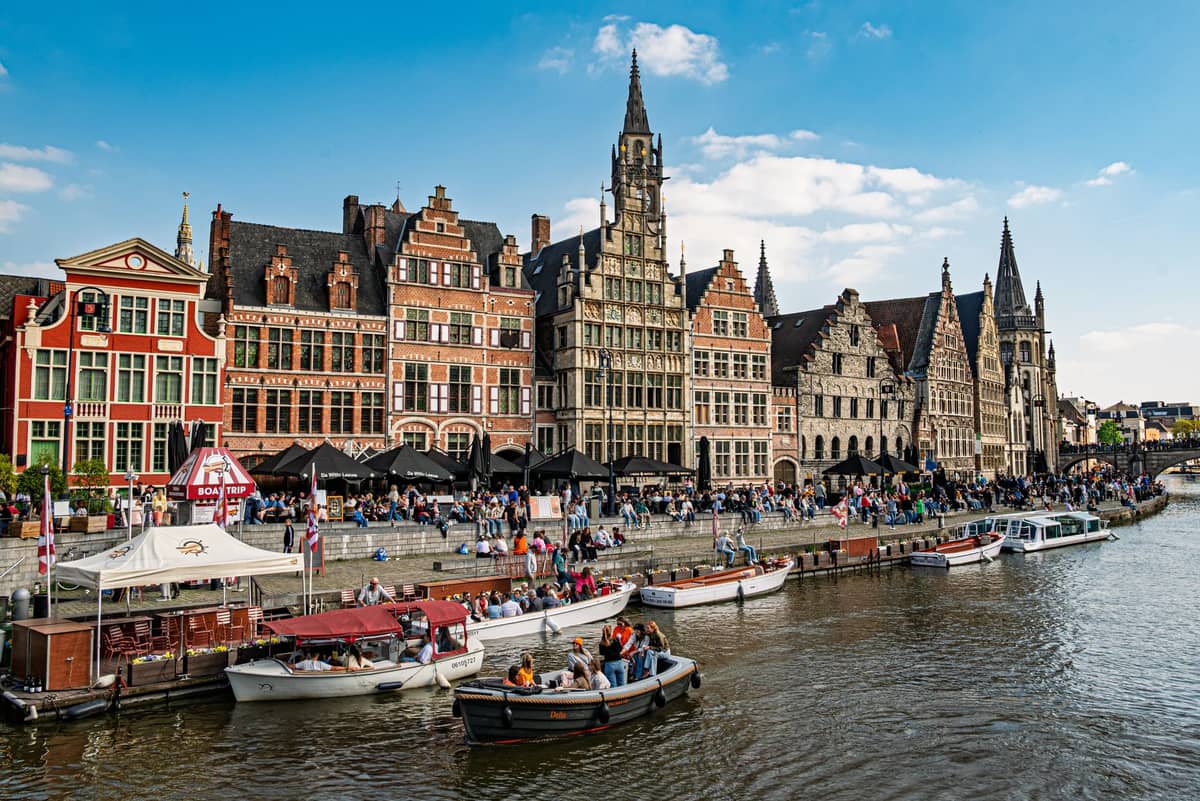
After Gravensteen, walk five minutes south to the waterfront at Graslei and Korenlei. These two medieval guild-house quays facing each other across the River Leie form the visual centrepiece of Ghent and are at their best in late morning light before the tourist crowds peak at midday. This is the most photographed view in the city, and rightly so: the rows of Romanesque and Gothic facades reflected in the water are genuinely impressive rather than overhyped.
For lunch, walk north from Graslei into Patershol, a tight grid of cobbled streets immediately north of Gravensteen. For lunch, walk north from Graslei into Patershol, a tight grid of cobbled streets immediately north of Gravensteen. This is one of Ghent's oldest residential neighbourhoods and the place locals recommend for Belgian food done properly: stoofvlees (Flemish beef stew), waterzooi (a local cream-based stew), and moules-frites. Prices are mid-range, roughly €15–25 for a main course. Avoid the restaurants directly facing the castle entrance, which trade on location rather than quality.
Afternoon: Art, Architecture, and St. Michael's Bridge (15:00–18:00)
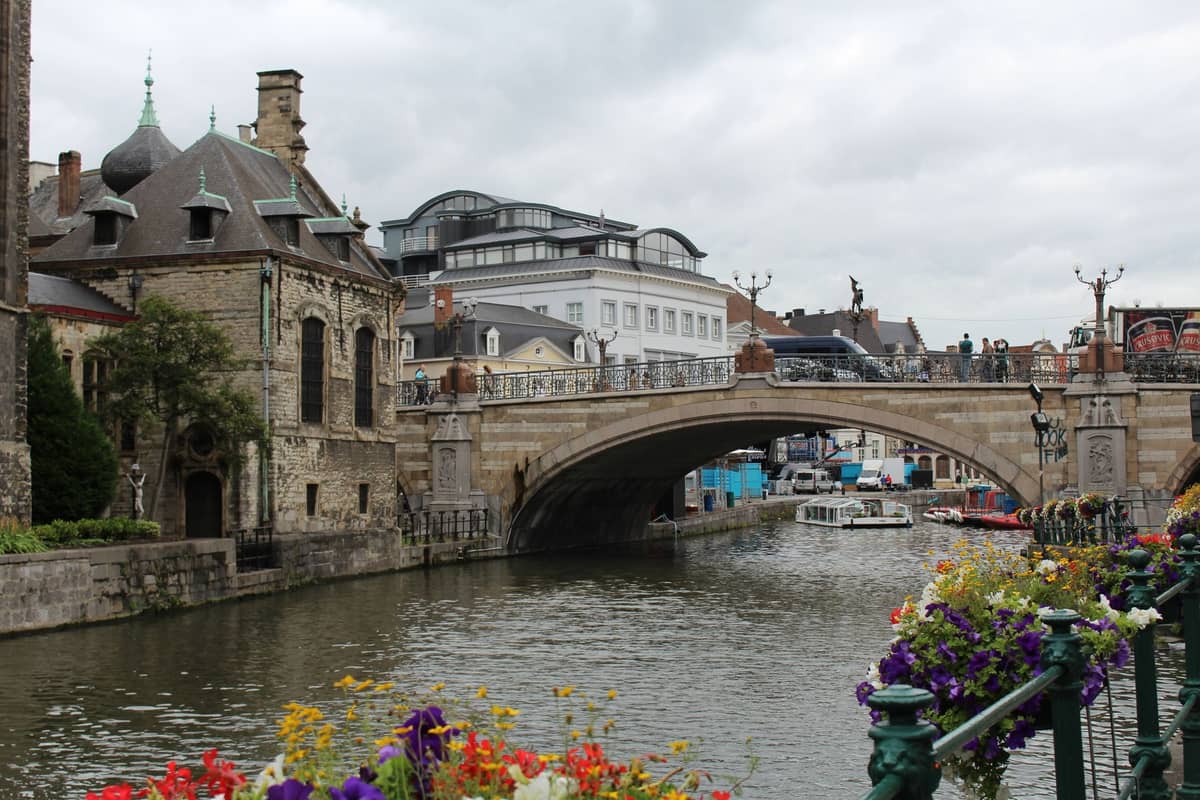
The afternoon is best spent on art or a longer canal walk, depending on your interests. The MSK Gent (Museum of Fine Arts) and the S.M.A.K. contemporary art museum both sit in the Citadelpark area about 1.5 km south of the historic centre, requiring a tram or 20-minute walk. If you'd rather stay in the centre, the Design Museum Gent is a short walk from Gravensteen and covers Flemish decorative arts from the 17th century to the present.
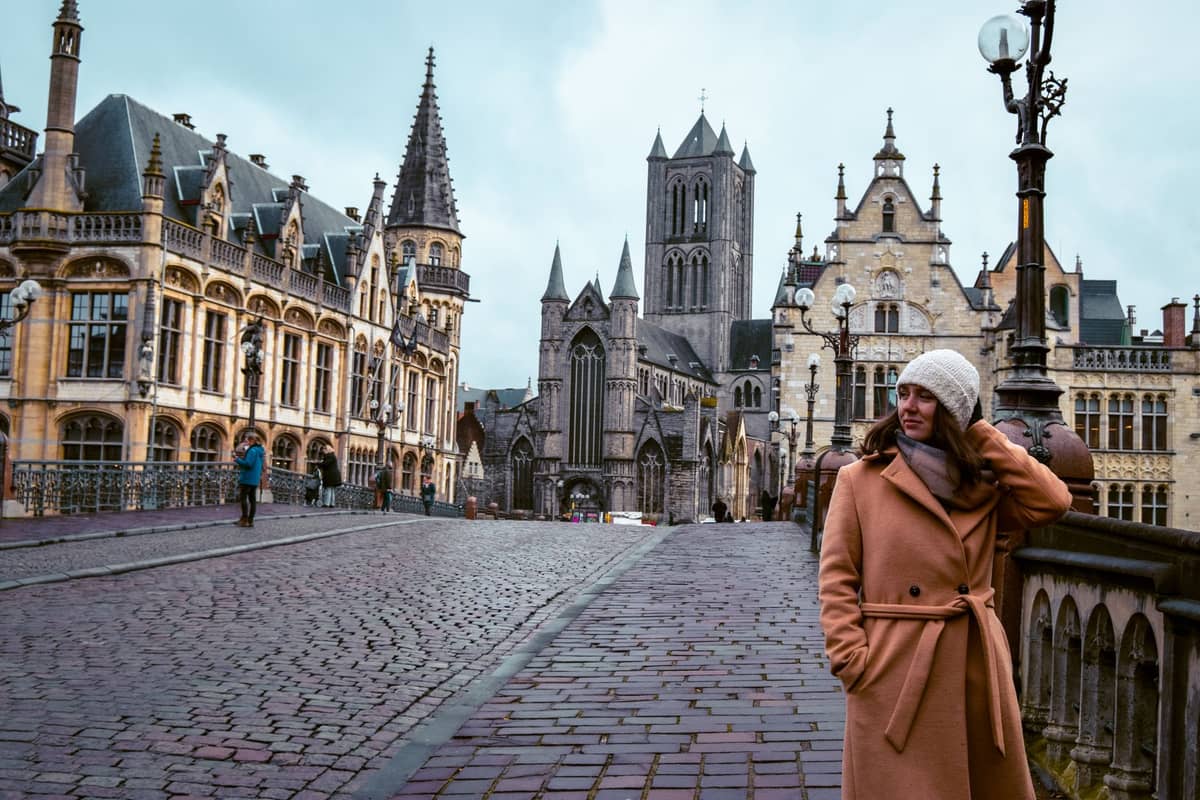
Before the museums close, circle back to St. Michael's Bridge for the classic three-towers view: St. Nicholas' Church, the Belfry, and St. Bavo's Cathedral aligned in a single sightline. Late afternoon, roughly 16:00–17:00, produces the warmest light on these facades. This is also a practical pivot point: from the bridge you can walk east into the shopping streets around Veldstraat or south toward the student quarter.
- Design Museum Gent Closest major museum to the medieval core, 5-minute walk from Gravensteen. Good for a 1-hour visit without backtracking.
- MSK Gent (Museum of Fine Arts) The stronger collection of Flemish paintings, but 1.5 km from the centre. Worth it if art is your priority; skip it if you're short on time.
- S.M.A.K. Right next to MSK in Citadelpark. Only combine with MSK if you have a genuine interest in contemporary art; doing both in one afternoon is rushed.
- STAM (Ghent City Museum) Good for historical context about the city itself, housed in a former abbey. Works well early in the day to orient yourself, but closes at 18:00.
Evening: Dinner, Drinks, and Vrijdagmarkt (18:00 onwards)
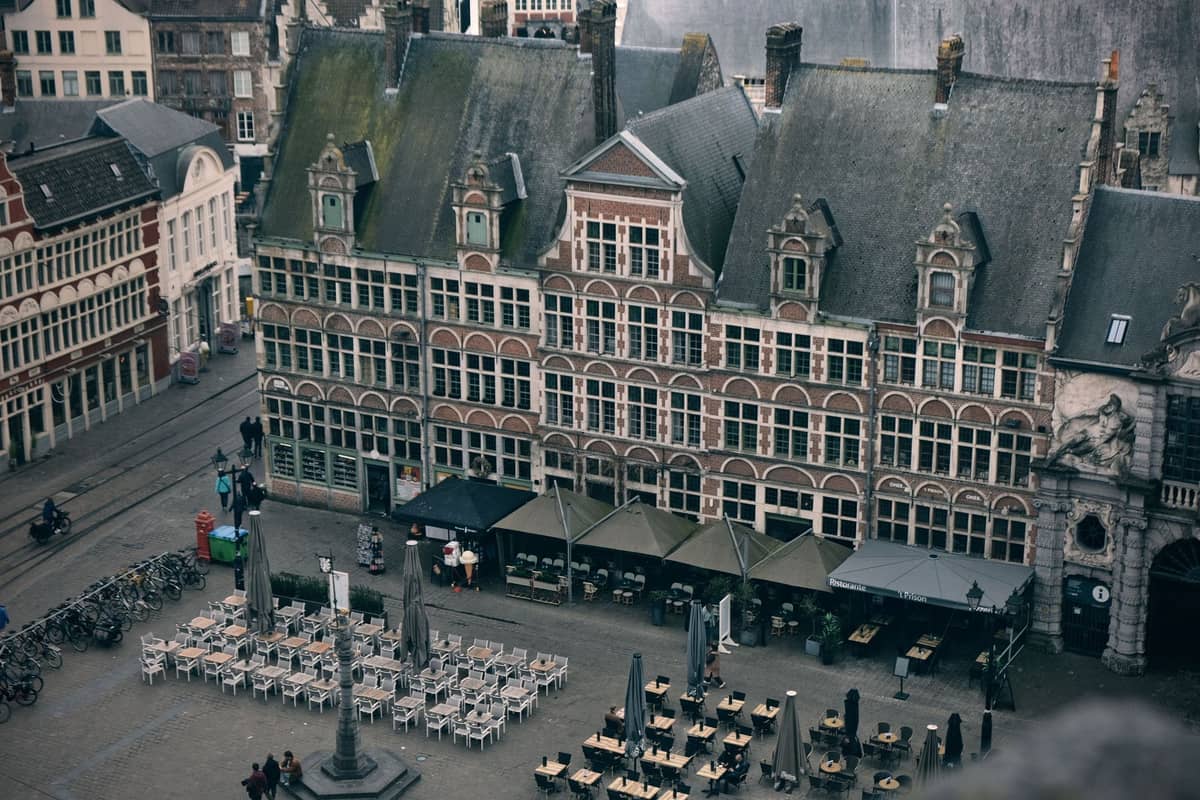
Ghent's evening scene is anchored by two very different areas. VrijdagmarktGhent's evening scene is anchored by two very different areas. Vrijdagmarkt (Friday Market square) is the historic political heart of the city, ringed by brown cafes and Flemish brasseries serving local beers. This is the more local-feeling option for dinner and a drink: less polished than the tourist-facing Graslei strip, but more rewarding. Look for places serving Gentse stoverij or a plate of local cheeses alongside a Ghent-brewed beer such as Gruut.
For a longer evening, the bars around Vrijdagmarkt stay busy well past midnight, particularly on weekends. Alternatively, the Overpoortstraat student quarter about 1 km south is cheaper and more energetic but functions on student hours: it's quiet before 22:00 and busy from midnight onward, which may or may not suit a day-tripper catching a late train. See the full Ghent nightlife guide if you plan to extend the evening.
✨ Pro tip
Ghent has a strong vegetarian food culture, partly driven by its long-running 'Veggie Thursday' (Donderdag Veggiedag) initiative. Even if you're not vegetarian, the city's plant-based restaurant options are unusually good for a Belgian city of this size. Don't overlook them when scanning menus.
Practical Logistics for a Single Day
The historic centre of Ghent is compact: Gravensteen to St. Bavo's Cathedral is about 800 metres on foot, and the full circuit from Korenmarkt down to Vrijdagmarkt and back covers under 3 km. For most visitors, walking is both faster and more enjoyable than taking trams between sights in the centre. Trams are most useful for getting from Gent-Sint-Pieters station into the centre, or for reaching the museum district in Citadelpark.
- The CityCard Gent (€49/48 hours, €55/72 hours) includes transport and museum entry but is not cost-effective for a single day unless you plan several paid museum visits.
- Ghent's centre is car-free; do not attempt to drive to sightseeing points. Park at a P+R facility on the city periphery and take a tram in.
- Most major attractions accept contactless card payments. Carrying cash in small denominations is useful for smaller cafes and market stalls.
- July brings the Gentse Feesten, a 10-day city-wide festival drawing enormous crowds. Sights remain open but streets become very congested; book accommodation far in advance if visiting then.
- Winter visitors should note Gravensteen's December-January closures and check other attraction hours, as some reduce their schedule outside peak season.
If this itinerary leaves you wanting more, Ghent genuinely rewards a second day. The two-day Ghent itinerary covers the neighbourhoods, markets, and secondary attractions that one day can't accommodate. The city's own tourism board is explicit that a single overnight barely scratches the surface.
FAQ
Is one day in Ghent enough?
One day is enough to see the main medieval sights: Gravensteen, St. Bavo's Cathedral, the Ghent Altarpiece, Graslei and Korenlei, and Patershol. You will need to skip the museum district and most neighbourhood exploration. Ghent's own tourism authority markets the city as 'more than a one-night stay', and they're not wrong, but a well-planned 24 hours covers the essential highlights comfortably.
How do I get from Brussels to Ghent for a day trip?
Direct trains from Brussels-Midi to Gent-Sint-Pieters take around 30 minutes and run frequently throughout the day. From Brussels Airport, take a direct train to Gent-Sint-Pieters (roughly hourly) or connect via Brussels-Noord, where trains to Ghent run several times an hour. Check current NMBS/SNCB timetables for exact fares and schedules.
What is the best area to base yourself for one day in Ghent?
Everything worth seeing in a day is within the historic centre, loosely bounded by Korenmarkt, Vrijdagmarkt, Sint-Baafsplein, and Patershol. You do not need to stray far from this area. If you're staying overnight, accommodation in or immediately around the historic centre means no time wasted on transport.
How much does a day in Ghent cost?
A realistic budget for one day: Gravensteen €15, Ghent Altarpiece viewing fee (€12.50 altarpiece-only or €16 with the AR tour; the nave is free), one museum entry €8–15, lunch €15–25, dinner €20–35, trams €3–6. Total comes to roughly €60–100 per person depending on your choices, excluding accommodation and transport to the city.
When is the worst time to visit Ghent for a day trip?
The Gentse Feesten festival in July draws huge crowds over ten days and makes the city centre extremely crowded. Christmas market season (late November to early January) is also busy and involves some attraction closures, including Gravensteen on 24–25 and 31 December and 1 January. Weekday visits outside school holidays and major events are consistently less crowded than weekends.