2 Days in Ghent: The Perfect Weekend Itinerary
Ghent rewards visitors who stay longer than a day trip. This two-day itinerary covers the medieval core, the best museums, canal-side eating, and the practical logistics to make every hour count — with clear notes on what's worth your time and what isn't.
Plan and book this trip
Tools from our partner Travelpayouts help you compare flights and hotels. If you book through them, we may earn a commission at no extra cost to you.
Flights
Hotels map
TL;DR
- Ghent's historic core is compact enough to cover on foot in two days — tram lines (operated by De Lijn) handle longer stretches from Gent-Sint-Pieters station to the centre.
- Book Gravensteen tickets online in advance (€15 adult); last entry is 16:40, not 17:00 as many third-party sites claim.
- Day 1 focuses on the medieval core: the Altarpiece, St Bavo's Cathedral, the Belfry, Graslei and Korenlei, and Gravensteen. Day 2 opens up the Patershol neighbourhood, the museum quarter, and the waterways.
- Ghent has no airport — fly into Brussels Airport (BRU) and take the train to Gent-Sint-Pieters, roughly 50-70 minutes depending on the route.
- Check the best time to visit Ghent before booking: July's Gentse Feesten transforms the city but also fills every hotel.
Getting to Ghent and Finding Your Feet
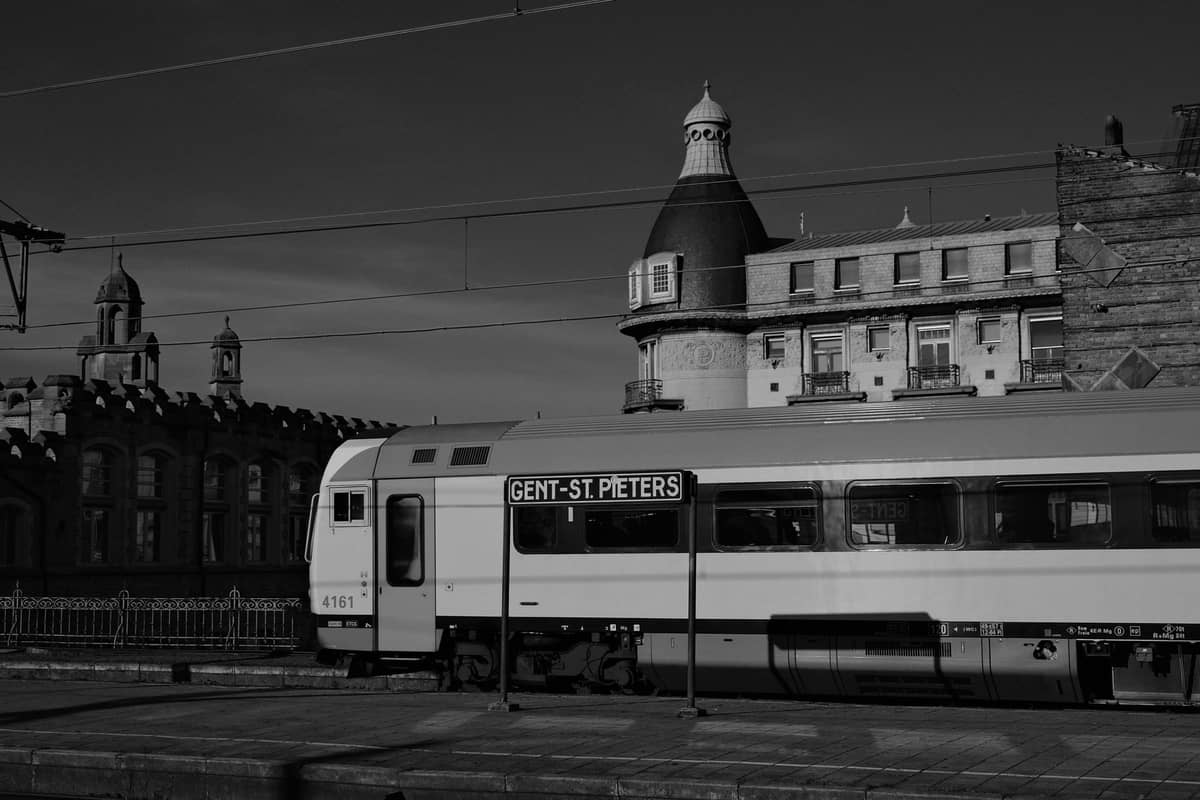
Ghent is Belgium's second-largest municipality, with around 270,000 residents,[25] and it sits at the confluence of the Scheldt and Leie rivers in East Flanders. The city has no airport. Most visitors arrive via Brussels Airport (BRU), from which there are direct trains to Gent-Sint-Pieters roughly once per hour, or you can connect through Brussels-Noord where trains to Ghent run about three times per hour. The full journey from the airport to Gent-Sint-Pieters typically takes between 50 and 70 minutes depending on the route. Verify current fares and timetables with NMBS/SNCB (the Belgian national rail operator) before travelling, as schedules change seasonally.
From Gent-Sint-Pieters station, tram lines operated by De Lijn public transport connect to Korenmarkt in the historic centre in around 5-10 minutes. A single De Lijn ride costs approximately €3 and is valid for one hour, during which you can transfer freely between trams and buses. Contactless payment by card, phone, or smartwatch is accepted on board, or buy tickets via the De Lijn app, ticket machines at stops, or Lijnwinkel shops at Gent-Sint-Pieters and Korenmarkt. Prices and product types change, so check the De Lijn website for current fares before your trip.
💡 Local tip
If you plan to use public transport repeatedly over the weekend, look into De Lijn day or multi-day passes. For two days focused on the historic centre, you may find the tram is only needed for the station-to-centre run and one or two longer stretches — the city core itself is very walkable.
Day 1 Morning: The Medieval Core
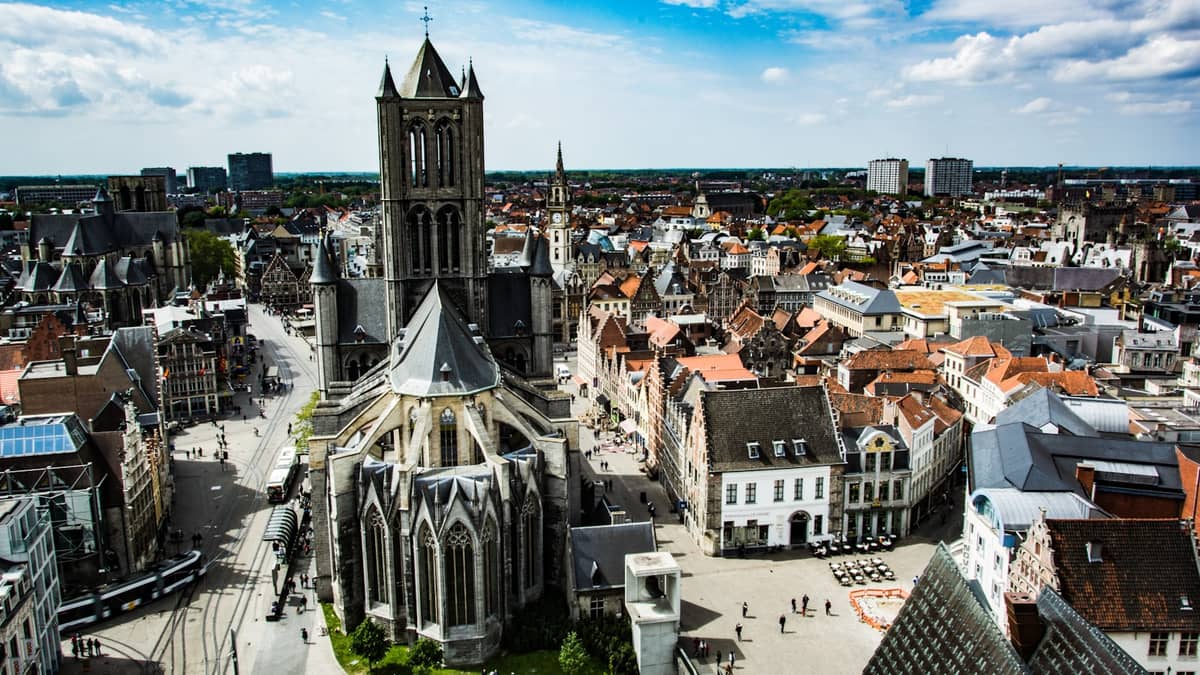
Start at St Bavo's Cathedral when it opens. The Ghent Altarpiece — Jan van Eyck's 'Adoration of the Mystic Lamb', completed in 1432 — is displayed here in a purpose-built viewing room, and it is the single most important artwork in the city. Admission to the cathedral is free; viewing the Altarpiece in the Vijdt Chapel requires a separate ticket (€12.50–€16 — verify current pricing at the door or online). Go early: tour groups begin arriving by mid-morning and the viewing room becomes crowded. Give yourself at least 45 minutes here.
From St Bavo's, walk five minutes west to the Ghent Belfry, a UNESCO World Heritage site and the tallest of the three medieval towers that define the city's skyline. The climb takes you past the great bell and offers the best panoramic view of the historic centre — worth the effort. Directly opposite sits Ghent Town Hall, a building that spans Gothic and Renaissance architecture across its different wings, reflecting construction that stretched over more than a century. You can admire the facade for free; guided interior tours run at specific times.
⚠️ What to skip
The three towers — St Bavo's, the Belfry, and St Nicholas's Church — are most impressive seen together from St Michael's Bridge. Don't rush past this vantage point. It's the defining photograph of Ghent and the perspective is genuinely dramatic in morning light.
Day 1 Afternoon: Graslei, Gravensteen, and Patershol
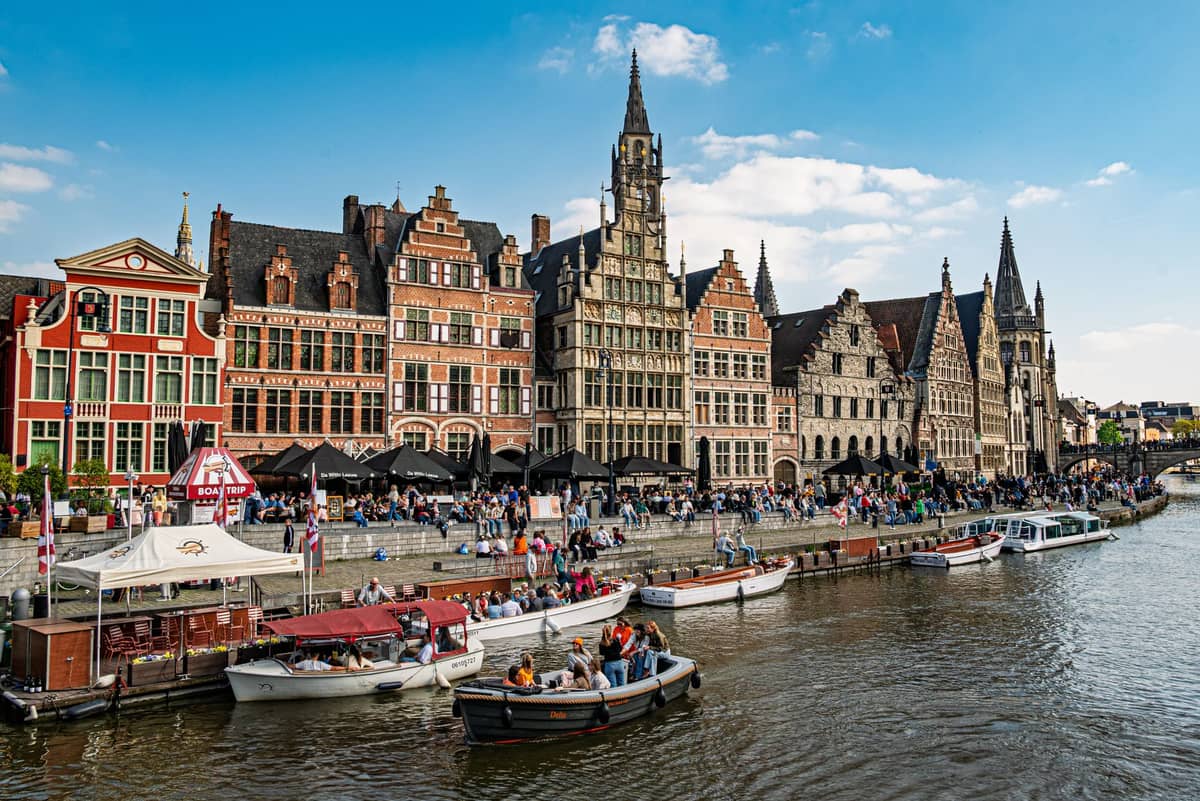
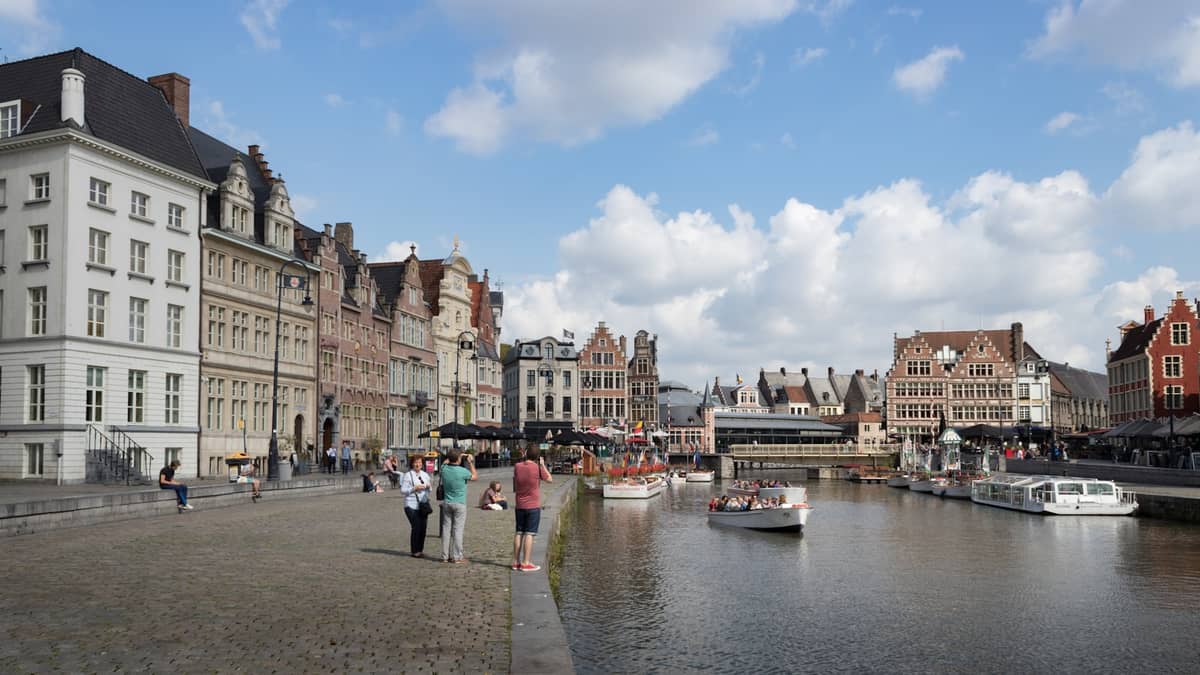
After lunch, walk north along the canal to Graslei and Korenlei — the two quays that face each other across the Leie river, lined with guild houses dating from the 12th to 17th centuries. This is Ghent's most photographed waterfront and it earns the attention. The area is busiest between noon and 3pm; if you want quieter photos, come back in the early evening when tour groups have gone.
From Graslei, it's a ten-minute walk to Gravensteen (Castle of the Counts) at Sint-Veerleplein 11. This 12th-century moated castle is the most complete medieval fortress in the Low Countries and well worth the entrance fee (€15 adult, €7.50 for under-26 with student card, free for under-12). The audioguide is included in the ticket price. Opening hours are daily 10:00-18:00 with last entry at 16:40 — note that several third-party sites incorrectly list the closing time as 17:00. The castle is closed 24-25 December and 31 December-1 January. Book tickets online in advance, particularly on summer weekends, to guarantee your slot.
After Gravensteen, spend an hour in the Patershol neighbourhood immediately to the east of the castle. This is Ghent's oldest surviving residential district, a tangle of cobbled lanes with some of the city's best restaurants. Patershol is the place to eat on your first evening: the concentration of good Flemish and international restaurants in a small area makes it easy to walk and choose based on what looks right. Waterzooi (a Ghent-origin stew made with chicken or fish) appears on most menus here and is worth ordering at least once.
- Gravensteen logistics Open daily 10:00-18:00, last entry 16:40. Closed 24-25 Dec and 31 Dec-1 Jan. Audioguide included. Book online to skip queues.
- CityCard Gent This pass covers entry to multiple attractions including Gravensteen. No time-slot booking required with the CityCard — show it at the desk. Worth calculating against your planned itinerary before buying.
- Ghent resident discount Locals pay a reduced rate (around €10.50) and get free entry to Gravensteen on Sunday mornings until 13:00 — relevant if you're visiting with Ghent-based friends.
Day 2 Morning: Museums and the University Quarter
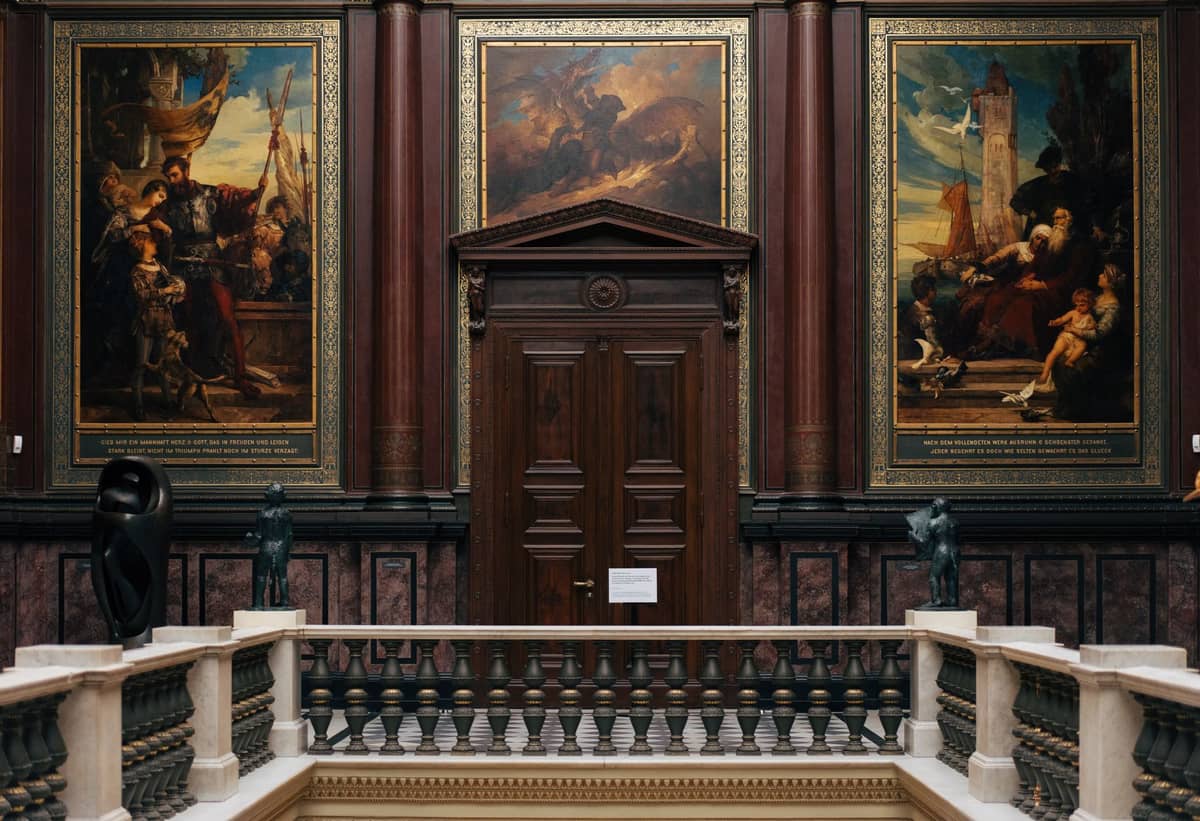
Ghent has a serious museum offer that most weekend visitors underestimate. The Museum of Fine Arts (MSK Gent) and S.M.A.K. (Stedelijk Museum voor Actuele Kunst) sit opposite each other in Citadelpark, a 20-minute walk or short tram ride from the historic centre. MSK houses Flemish masters and European paintings from the Middle Ages to the early 20th century; S.M.A.K. is one of Belgium's leading contemporary art museums. If you only have two hours, pick one — trying to do both in a morning leads to superficial visits. MSK is the stronger choice for those interested in the broader Flemish art tradition covered in more depth in our guide to the Flemish masters in Ghent.
The Design Museum Gent in the historic centre is another strong option for Day 2 morning, particularly for those with an interest in decorative arts and applied design. The collection spans from the 17th century to the present and the building itself (a patrician mansion attached to a contemporary wing) is worth seeing. Check opening days and hours before visiting, as some smaller museums in Ghent are closed on Mondays.
✨ Pro tip
The STAM city museum gives you the clearest overview of Ghent's history and urban development in about 90 minutes. It's a good choice if you want context for everything else you're seeing, and it's located in a beautifully converted 14th-century abbey. Combine it with a walk through Bijlokesite on your way back to the centre.
Day 2 Afternoon: Waterways, Markets, and St Nicholas
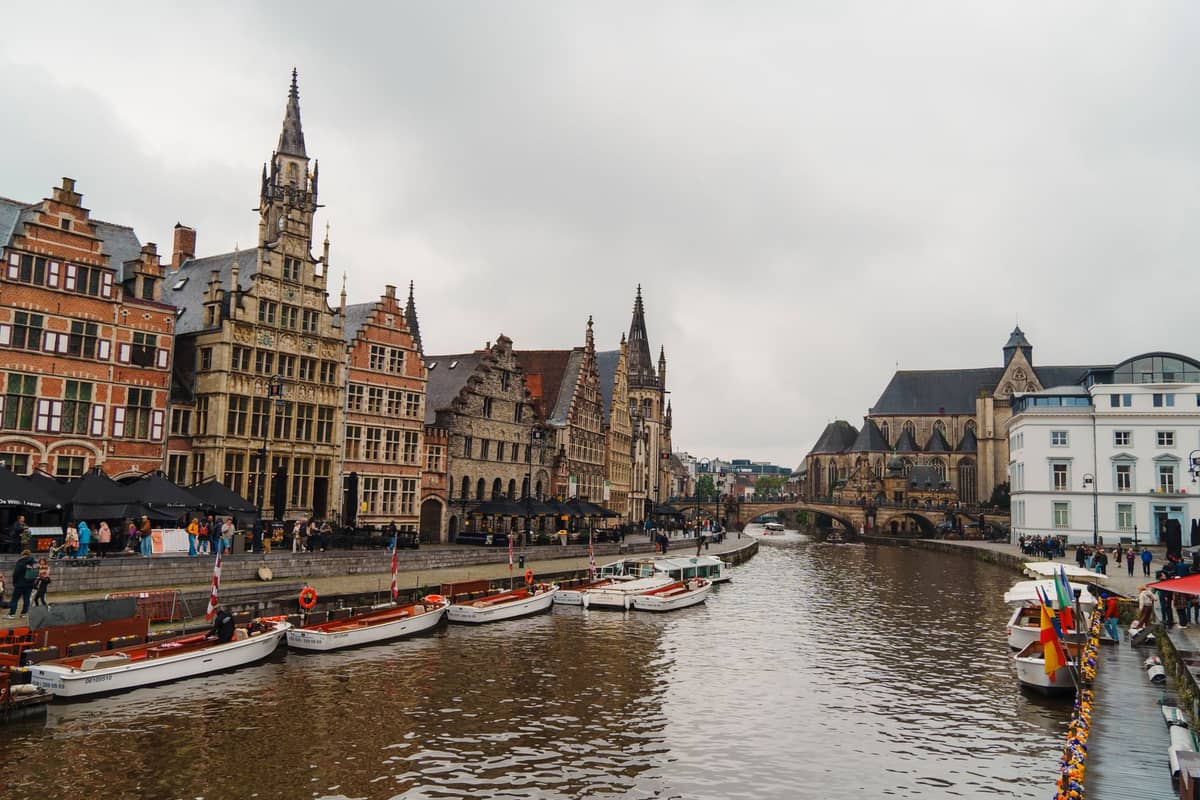
Ghent's canal network is one of its defining features and the best way to understand it is from the water. Boat tours depart from Graslei and Korenlei and typically cover the main waterways in around 40 minutes. This is not a tourist trap — the perspective from a low boat looking up at the guild-house facades and bridge arches is genuinely different from the quayside view. Tours run frequently in summer and less often in winter; check current departure times at the quay. For a fuller picture of the canals, our Ghent waterways and canal guide covers all the main routes and viewpoints.
Spend the mid-afternoon exploring on foot. Vrijdagmarkt (Friday Market square) is Ghent's largest historic square and has served as the city's public forum since the Middle Ages. The square hosts a market on Fridays and Sundays. From here, walk south toward St Nicholas's Church, the oldest of the three towers in the skyline and a fine example of Scheldt Gothic architecture. Entry is free and the interior has been steadily restored over recent decades.
End the afternoon at St Michael's Bridge for the classic three-towers view. This is where the Belfry, St Bavo's tower, and St Nicholas's Church align in a single sightline — the image that appears on virtually every Ghent postcard. Late afternoon light from the west makes this the best photography window of the day. For a more detailed route connecting these spots, the Ghent walking tour guide provides a fully sequenced itinerary with timing.
- Boat tours from Graslei/Korenlei: approximately 40 minutes, multiple operators, check current pricing at the quay (typically around €10-11 adult).
- Vrijdagmarkt market days: Friday and Sunday mornings — time your visit if you want the full market atmosphere.
- St Michael's Bridge: best light for the three-towers photo is late afternoon facing east, or early morning when the waterfront is quiet.
- Sunday morning note: some smaller churches and museums have restricted hours on Sunday mornings — check before planning tight connections.
- Evening dining: Patershol (Day 1) and the area around Korenmarkt (Day 2) both have strong restaurant concentrations. The Ghent food scene leans toward Flemish cuisine with strong vegetarian options — Ghent has promoted itself as a 'Veggie Thursday' city since 2009.
Practical Logistics for a Ghent Weekend
Where you stay shapes the itinerary. Hotels and apartments in or immediately adjacent to the historic centre put you within walking distance of everything on both days and eliminate most tram trips. The tradeoff is higher prices, particularly during peak weekends. Our guide to where to stay in Ghent breaks down the best neighbourhoods by budget and travel style.
Ghent has a temperate maritime climate: mild winters, cool summers, and rain distributed across the year without a defined dry season. Pack a compact waterproof layer regardless of when you visit. Summer weekends (June-August) bring the best weather and longest daylight, but also the highest visitor numbers. Gentse Feesten festival in July is Ghent's largest annual event, running for ten days and drawing enormous crowds to the historic centre. The city transforms during this period — streets close, stages appear, and every bar and restaurant overflows. It's a genuinely remarkable experience, but accommodation books out months in advance and the city is not at its easiest to navigate. Outside festival periods, May, June, and September offer the best balance of weather, manageable crowds, and full access to attractions.
ℹ️ Good to know
Belgium's emergency number is 112 (police, fire, ambulance). Belgium uses Type C and E plugs at 230V/50Hz. The currency is the Euro. Ghent's official language is Dutch; English is widely spoken in tourist and university contexts. The country dialling code is +32.
If two days feel like too little — and for many visitors they will — Ghent makes a strong base for day trips. Bruges is 25 minutes by direct train; Brussels is 30 minutes. Our guide to day trips from Ghent covers the best options with transport logistics for each. Conversely, if you're arriving from Brussels for the weekend, the Brussels to Ghent day trip guide has the rail details and a condensed itinerary for a single-day visit.
FAQ
Is 2 days enough for Ghent?
Two days is enough to cover the main historic sights comfortably without rushing — the medieval core, the major churches, Gravensteen, the canal waterfront, and at least one museum. What two days won't give you is depth: the university botanic garden, the street art scene in the Dampoortwijk area, and the full museum quarter all reward more time. Ghent's tourism authority explicitly promotes it as more than a one-night destination, and that's accurate.
How do I get from Brussels Airport to Ghent?
Take the train from Brussels Airport (level -1) toward Gent-Sint-Pieters. There is typically a direct service once per hour; alternatively connect through Brussels-Noord where trains to Ghent run approximately three times per hour. The journey takes 50-70 minutes depending on the route. Verify current timetables and fares with NMBS/SNCB before travelling.
Should I buy the CityCard Gent?
The CityCard Gent covers entry to most major museums and attractions including Gravensteen, and includes unlimited use of De Lijn trams and buses within Ghent. Whether it saves money depends on how many paid attractions you plan to visit. For a two-day itinerary with Gravensteen (€15), MSK or S.M.A.K., the Design Museum, and tram use, it typically pays for itself. An added benefit: CityCard holders don't need to pre-book a time slot at Gravensteen.
When should I avoid visiting Ghent?
Avoid Ghent during the Gentse Feesten (ten days in mid-July) if you want easy access to sights and affordable accommodation — unless the festival itself is your reason for coming, in which case it's excellent. The week between Christmas and New Year also requires planning: Gravensteen and some attractions close on 24-25 December and 31 December-1 January, and many restaurants take a winter break.
Is Ghent worth visiting over Bruges?
They serve different purposes. Bruges is smaller, more immediately picturesque, and more heavily touristed. Ghent is a functioning university city of 270,000 people with a richer contemporary culture, a better food and nightlife scene, and more museum depth. For a weekend focused on medieval architecture alone, both compete equally. For a fuller experience of Belgian urban life and culture, Ghent has the edge. Our detailed comparison in the Ghent vs Bruges guide covers this in full.