Following the Flemish Masters in Ghent: The Complete Route Guide
Ghent holds one of Europe's greatest concentrations of Flemish master art, anchored by Jan van Eyck's Ghent Altarpiece and a self-guided cycle route connecting cathedral treasures, medieval streetscapes, and riverside nature reserves. This guide covers every key stop, practical logistics, and what to skip.
Plan and book this trip
Tools from our partner Travelpayouts help you compare flights and hotels. If you book through them, we may earn a commission at no extra cost to you.
Flights
Hotels map
TL;DR
- The centrepiece of any Flemish Masters trail in Ghent is the Ghent Altarpiece by Jan van Eyck, displayed in St Bavo's Cathedral after a major restoration.
- The official Master Tour Ghent is a self-guided cycle route, not a single museum or ticketed tour. Printed maps are free at the Tourism Info Office.
- The route extends beyond the city centre into nature reserves (Bourgoyen-Ossemeersen and Gentbrugse Meersen), so plan for at least half a day on a bike.
- Combine the route with Ghent's broader art offer at the Museum of Fine Arts (MSK) and the Design Museum Gent for a full day of art history.
- Most indoor sites charge their own admission; the cycle route itself is free. Verify current opening hours before you go, as these change seasonally.
Why Ghent Is the Heart of Flemish Master Art
When people talk about Jan van Eyck and the Flemish Primitives, they usually mention Bruges. But Ghent holds the single most important work in the entire canon: the Adoration of the Mystic Lamb, the polyptych altarpiece completed by Jan van Eyck in 1432. No reproduction prepares you for the physical scale and density of the original. Twelve panels, over 200 individual figures, and a luminosity that still puzzles art historians who wonder how the Van Eycks achieved it with pigment and oil.
Ghent's position as a medieval commercial capital meant patrons could afford the best artists. The city was among the wealthiest in northern Europe by the 15th century, which is why so much of this art survived here rather than being dispersed. Today that legacy is woven into the historic city centre, with key sites within walking distance of each other and a dedicated cycle route connecting the further-flung locations.
ℹ️ Good to know
The Ghent Altarpiece has been called the most stolen artwork in history, having been looted, hidden, and recovered multiple times over six centuries. Its most recent major restoration phases on the lower panels were completed around the end of 2019, revealing colours invisible under centuries of varnish. The restoration panels are displayed so visitors can see the difference directly.
The Ghent Altarpiece at St Bavo's Cathedral: What to Know Before You Go
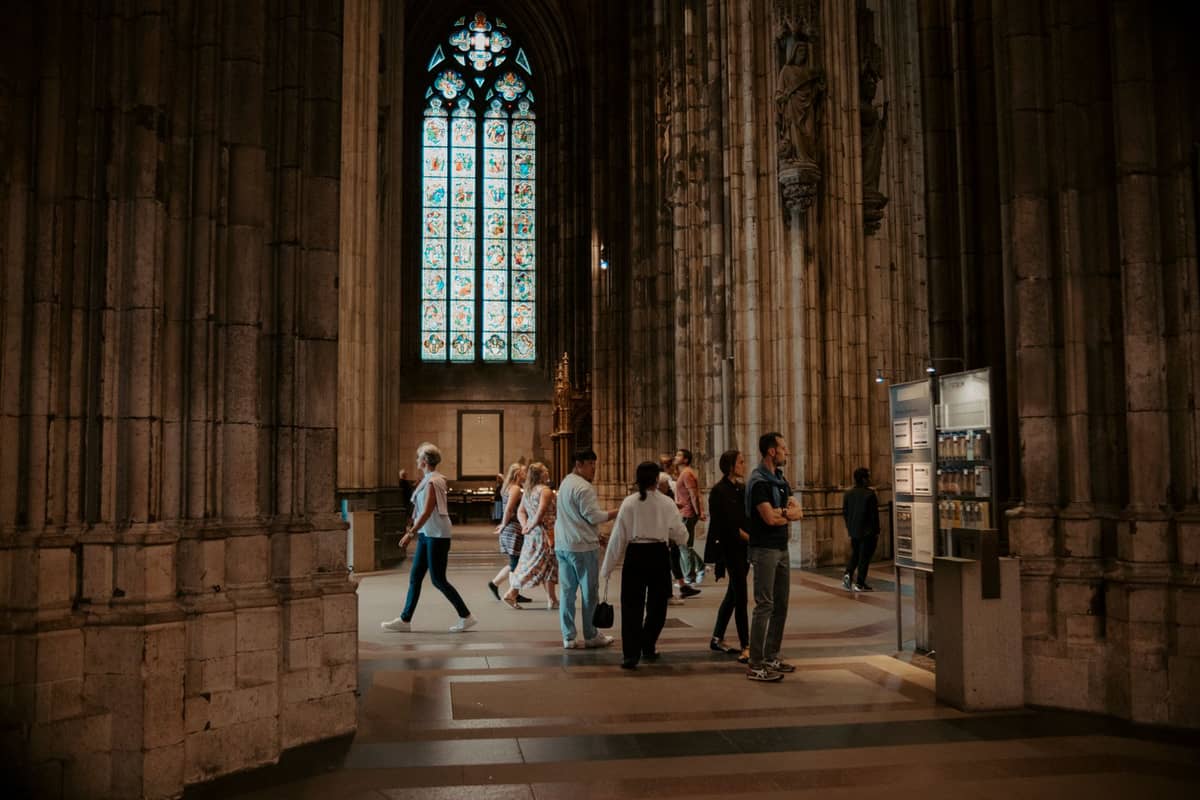
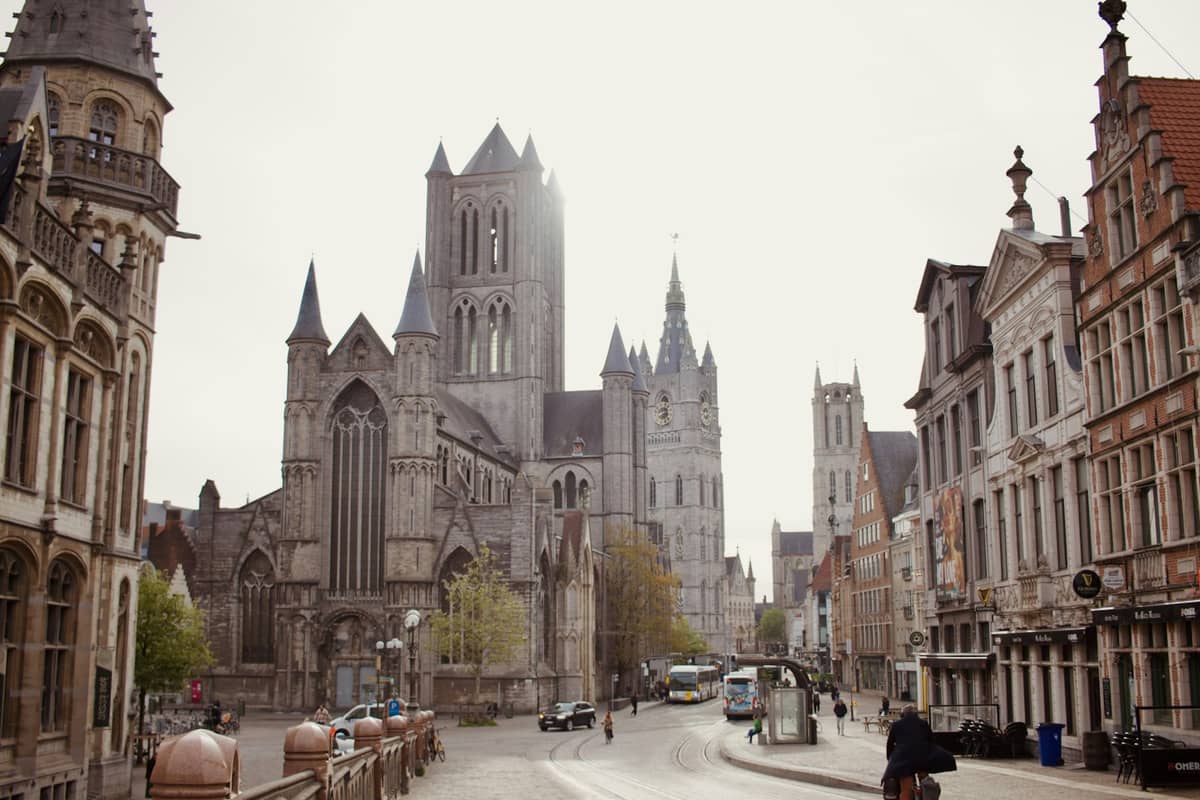
St Bavo's Cathedral on Sint-Baafsplein is the anchor of any Flemish Masters visit. The altarpiece is displayed in its own dedicated visitors’ centre and chapel within the cathedral, with an audio guide available. Admission to the altarpiece chapel carries a separate fee from general cathedral entry, so budget accordingly. Check the cathedral's current admission details before visiting, as prices are periodically revised.
Crowds at the altarpiece are heaviest between 11:00 and 14:00, particularly from April through October. Arriving shortly after opening time in the morning gives you the best chance of an unhurried viewing. Weekend mornings are busier than weekdays. In July and August, during the Gentse Feesten festival period, the city centre is packed and queue times are at their longest.
- Go early on a weekday Cathedral opening time, usually 09:30, means you can see the altarpiece before tour groups arrive from Brussels and Bruges.
- Use the audio guide The iconography of the altarpiece is dense. Without context, it is easy to miss figures like Adam and Eve in the upper panels or the complexity of the Lamb of God scene. The audio guide covers both the art history and the restoration process.
- Allow 45-75 minutes The rest of the cathedral is worth your time too. The crypt holds significant medieval artwork and the nave has notable funerary monuments.
- Photography is permitted Without flash, photography is allowed. The restoration display panels are particularly worth photographing to show the before/after contrast.
The Master Tour Ghent: How the Cycle Route Works
The Master Tour Ghent is an official self-guided route produced under the Flemish Masters in Situ initiative, a Flemish government project that places art history directly in the landscapes and buildings where the original works were created or influenced. Ghent's version follows the city's existing cycling network, linking major historic sites in the urban core before extending into the green river meadows outside the centre.
This is not a ticketed tour and there is no guide. You collect the printed map at the Tourism Info Office at Visit Gent, or download it digitally, and follow the route at your own pace. The key sites include St Bavo's Cathedral, the area around Gravensteen castle, the medieval waterfront at Graslei and Korenlei, and then the outer stretches through Bourgoyen-Ossemeersen nature reserve to the west and Gentbrugse Meersen to the southeast. The nature segments are meaningful because Flemish landscape painting drew directly on the polders and river meanders of this region.
💡 Local tip
Bike rental is widely available in Ghent, with shared Blue-bike bicycles for members near Gent-Sint-Pieters station and several private hire operators in the city centre. The full Master Tour Ghent cycle route covers significant distance once you include the nature reserve sections, so a full day is more realistic than half a day if you want to do it properly rather than cherry-picking the urban stops.
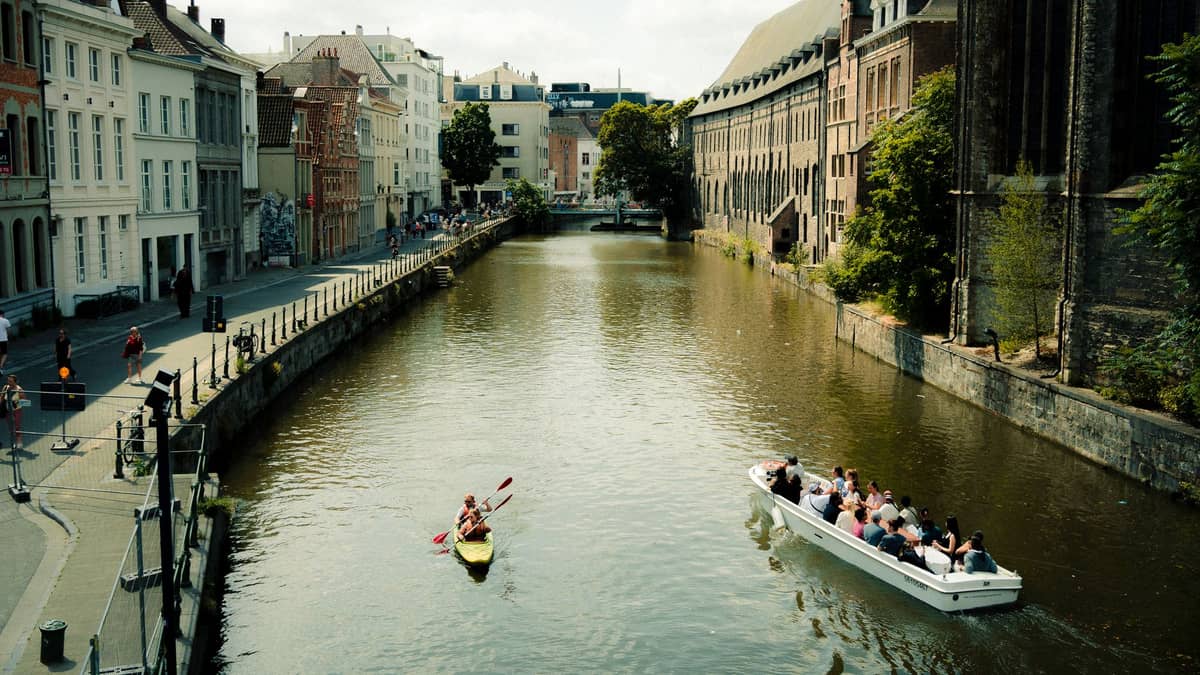
The urban section of the route pairs well with a broader walk through the Graslei and Korenlei waterfront, where the guild houses and warehouses represent the mercantile wealth that made Flemish art commissions possible. From here it is a short ride to Gravensteen castle and the medieval lanes of the Patershol quarter.
Other Flemish Masters Sites Worth Your Time in Ghent
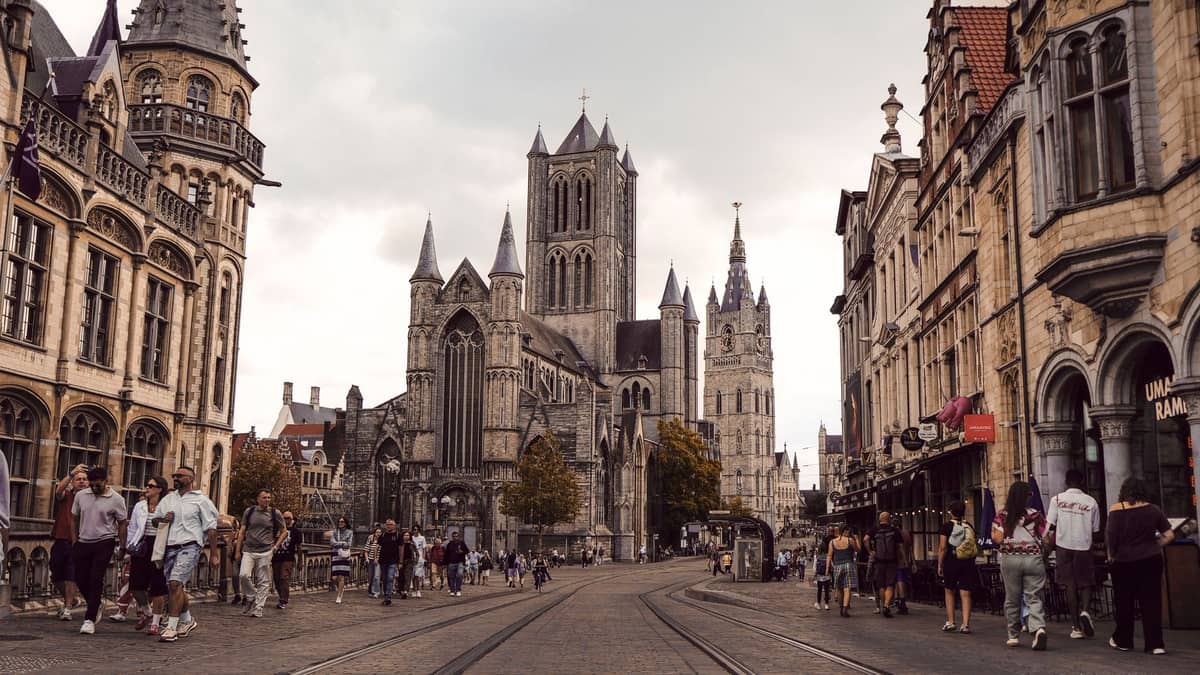
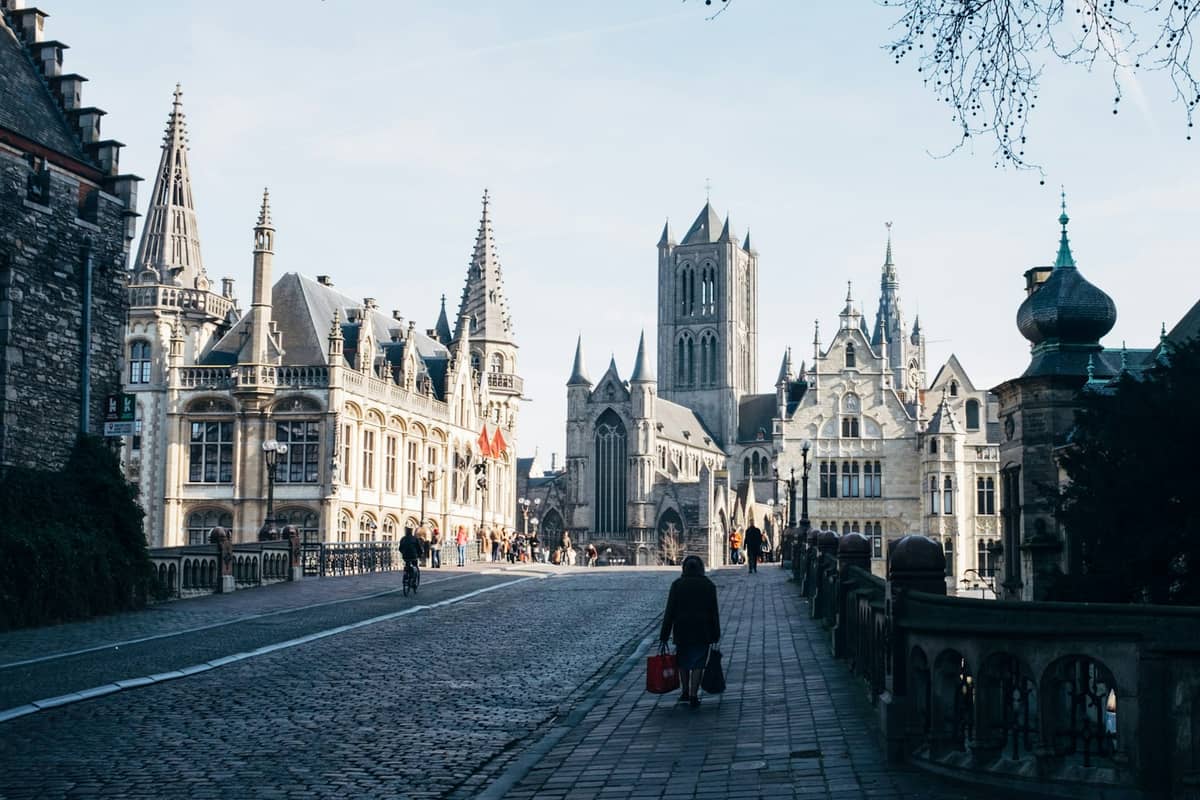
St Bavo's gets most of the attention but it is not the only church with significant art. St Nicholas' Church on Cataloniëstraat is one of the finest examples of Scheldt Gothic architecture in Belgium, and its interior retains notable medieval elements. St Michael's Church offers one of Ghent's best vantage points from St Michael's Bridge, where you can frame all three towers in a single view.
For a deeper dive into Flemish and Belgian painting across the centuries, the Museum of Fine Arts (MSK Gent) in Citadelpark holds a substantial collection ranging from medieval altarpieces to 19th-century Belgian Romanticism. It is less crowded than St Bavo's and gives important context for understanding how Flemish painting evolved after Van Eyck. Admission fees apply; check the current rate before visiting.
- MSK Gent (Museum of Fine Arts) The main fine art museum in Ghent, covering medieval to 20th-century Flemish and Belgian painting. Less visited than the altarpiece but genuinely rewarding.
- STAM Ghent City Museum Tells the story of Ghent's history including its medieval commercial peak. Useful context before exploring the Flemish Masters sites outdoors.
- Groot Vleeshuis The 15th-century Great Butchers' Hall on Groentenmarkt. No longer a butcher's hall, it is now used for local food promotion and is architecturally striking. Free to enter.
- Vrijdagmarkt The Friday Market square has been the civic and commercial heart of Ghent since the medieval period. Surrounded by guild houses and the headquarters of the weavers' guild.
⚠️ What to skip
Some visitors arrive expecting to find a substantial collection of Jan van Eyck paintings displayed across the city. In reality, the Ghent Altarpiece is the primary surviving Van Eyck work here. The 'Flemish Masters trail' in Ghent is better understood as a route through the architectural and urban environment that shaped Flemish painting, rather than a gallery circuit of canonical canvases.
Planning Your Visit: Practical Logistics
Ghent has no airport of its own. Most international visitors arrive via Brussels Airport (BRU), from where there are direct trains to Gent-Sint-Pieters station approximately once per hour, with the journey usually taking around 55–75 minutes. An alternative is to connect via Brussels Noord or Brussels Midi, from where trains to Ghent run more frequently. From Gent-Sint-Pieters, a replacement bus currently covers the route of tram line 1 to the city centre (Korenmarkt) during long-term works, with a typical journey of around 10–15 minutes.
The Flemish Masters sites cluster in the historic centre, which is compact enough to cover on foot. For the full Master Tour Ghent cycle route including the outer nature segments, you will need a bike. Ghent's public transport is operated by De Lijn, with trams and buses covering the city. A single ride costs around €3 and is valid for one hour, allowing onward transfers. Contactless payment by card or phone is accepted on board. For the art-focused itinerary, though, most of what you need is within a 20-minute walk of St Bavo's Cathedral.
For timing your trip more broadly, late spring (May to June) and early autumn (September to October) offer comfortable cycling weather and manageable crowds. July sees the Gentse Feesten festival, which fills the city centre for ten days and makes the already-busy altarpiece queue much longer. Winter visits are quieter and atmospheric but daylight is short if you want to do the outdoor cycling sections. See our full best time to visit Ghent guide for a month-by-month breakdown.
✨ Pro tip
The CityCard Gent, sold at the Tourism Info Office and online, bundles public transport with free or discounted entry to major museums including MSK and STAM. If you plan to visit more than two or three paid attractions in a single day, it typically pays for itself. Check the current price and exact inclusions directly with Visit Gent before purchasing.
Combining the Flemish Masters Route with the Rest of Ghent
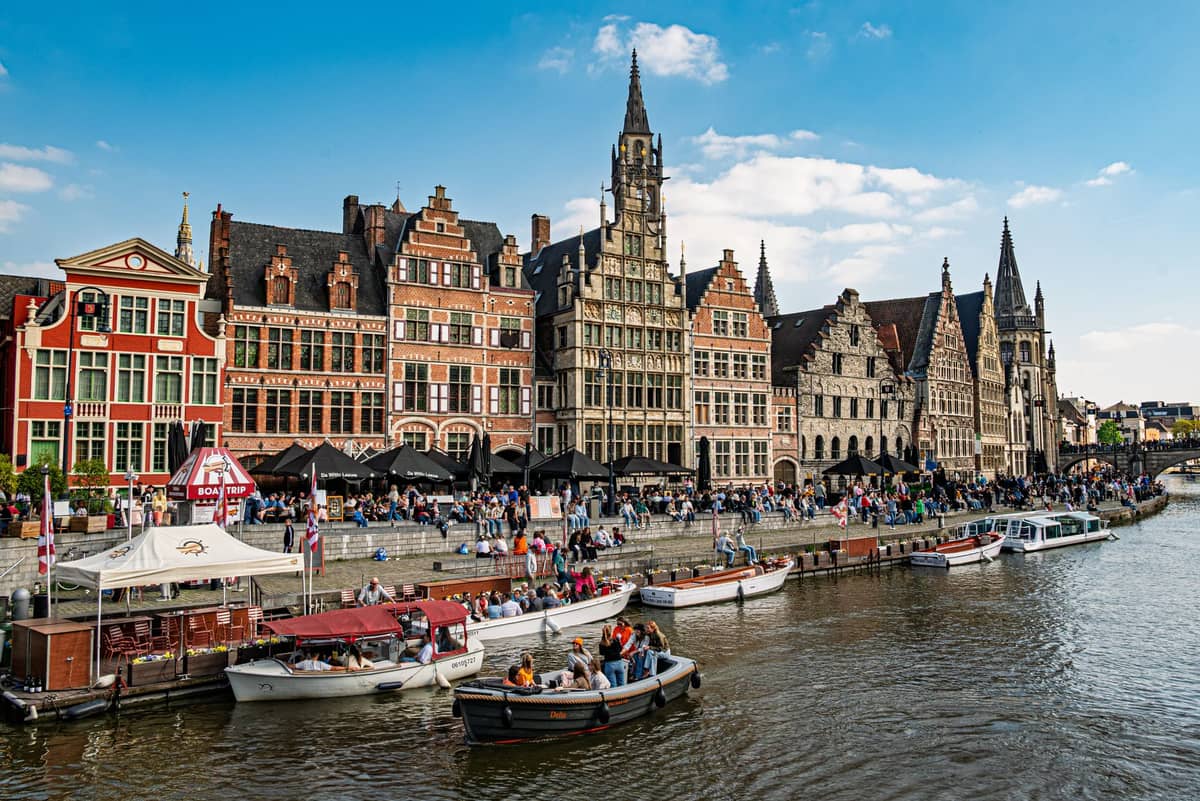
A two-day itinerary works well: use day one for the altarpiece and the urban Flemish Masters sites, then spend day two on the full cycle route including the nature reserves. If you only have one day, prioritise the altarpiece in the morning, walk the waterfront at Graslei, and spend the afternoon at MSK. Our two days in Ghent itinerary maps this out in detail.
Ghent also rewards visitors who look beyond the headline sites. The medieval street grid around the Patershol neighbourhood gives a sense of the city as it would have looked during the Flemish Golden Age. The Ghent Belfry directly adjacent to St Bavo's Cathedral was built with textile guild money and represents the civic pride that drove patronage of the arts. These connections, between wealth, civic identity, and artistic commission, are the real story behind Flemish master painting, and Ghent is one of the few cities where you can read that story directly from the built environment.
FAQ
Where is the Jan van Eyck Ghent Altarpiece displayed?
The Ghent Altarpiece (Adoration of the Mystic Lamb) by Jan van Eyck is displayed in the Villa Chapel of St Bavo's Cathedral on Sint-Baafsplein in central Ghent. Viewing the altarpiece requires a separate admission ticket from general cathedral entry. The altarpiece underwent a major restoration completed in 2020, and the restored panels are displayed alongside the originals.
Is the Flemish Masters cycle route in Ghent free?
The cycle route itself is free. The printed map can be collected at no charge from the Tourism Info Office in Ghent. However, entry to individual sites along the route, including St Bavo's Cathedral altarpiece chapel and MSK Gent, carry their own admission fees. Verify current prices before visiting as they change periodically.
How long does the Master Tour Ghent take?
The full cycle route, including the urban core and the nature reserve sections at Bourgoyen-Ossemeersen and Gentbrugse Meersen, requires at least a full day. If you focus only on the historic centre stops without the outer cycling sections, you can cover the main sites in half a day on foot. Add time for museum visits if you plan to go inside MSK or STAM.
What is the best time of year to follow the Flemish Masters trail in Ghent?
May, June, September, and October give the best combination of comfortable weather for cycling, reasonable daylight, and manageable visitor numbers. July and August are the busiest months, particularly during the Gentse Feesten festival in mid-July when the city centre is at its most crowded. Winter is quiet but short daylight limits the outdoor cycling sections.
Are there other Jan van Eyck works to see in Ghent beyond the altarpiece?
The Ghent Altarpiece is the primary Van Eyck work in the city. Ghent does not hold a substantial collection of additional Van Eyck panel paintings. The Flemish Masters trail in Ghent is structured around the urban and architectural context of 15th-century Flemish painting rather than a gallery circuit of multiple Van Eyck canvases. MSK Gent holds Flemish paintings from the broader tradition but Van Eyck's presence in Ghent is essentially defined by the altarpiece alone.