Brussels to Ghent: The Definitive Day Trip Guide
Ghent is one of Belgium's most rewarding cities and sits just 35 minutes from Brussels by train. This guide covers every transport option, the smartest itinerary for a single day, what to skip, and what not to miss — including the city's medieval waterfront, world-famous altarpiece, and canal boat tours.
Plan and book this trip
Tools from our partner Travelpayouts help you compare flights and hotels. If you book through them, we may earn a commission at no extra cost to you.
Flights
Hotels map
TL;DR
- The Brussels to Ghent train takes around 35 minutes from Brussels Midi, Central, or Nord stations; base fares start at roughly €10.20–€10.80 in 2nd class on SNCB/NMBS — no advance reservation required.
- Trains run approximately every 15–30 minutes throughout the day, making spontaneous day trips straightforward.
- All intercity trains arrive at Gent-Sint-Pieters, not the historic centre — take tram line 1 for about 5–10 minutes to reach Korenmarkt.
- A single day in Ghent is genuinely enough to cover the main highlights: the Gravensteen, the Ghent Altarpiece, and a canal boat tour of the medieval waterfront.
- Budget travelers can use FlixBus from Brussels for as little as €5.48, though the journey takes around 45–60 minutes depending on traffic.
Getting from Brussels to Ghent: Your Transport Options
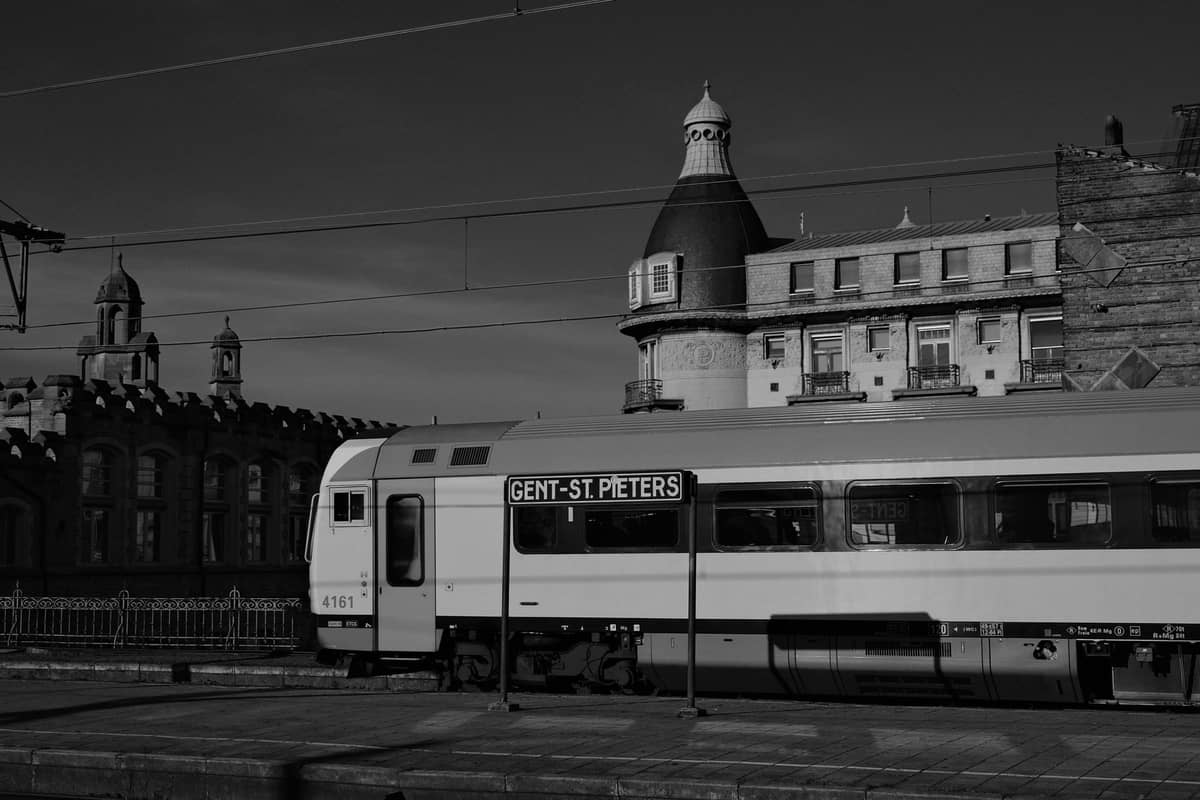
The train is by far the most practical way to travel from Brussels to Ghent. SNCB/NMBS operates direct services from all three main Brussels stations — Midi (Zuid), Central (Centraal), and Nord (Noord) — to Gent-Sint-Pieters, Ghent's main railway station. Journey times run between 27 and 36 minutes depending on the service, and trains depart roughly every 15–30 minutes throughout the day, with services continuing late into the night. In 2nd class, expect to pay around €10.20–€10.80 for a single ticket. These are standard domestic fares with no seat reservation needed, so you can simply buy a ticket at the station, on the SNCB app, or at a ticket machine and board the next train.
💡 Local tip
Buy your train ticket from the SNCB/NMBS official website or app for the most accurate fares. Third-party platforms like Trainline or Rail Europe can add booking fees on top. For a return day trip, simply buy a single each way or ask for a return fare — check SNCB's site for any available day-return pricing.
If you're arriving directly from Brussels Airport (BRU), you have two options. You can take a direct train from the airport's underground station (level -1) straight to Gent-Sint-Pieters — one direct service runs roughly every hour. Alternatively, take a train to Brussels Noord (about 3 trains per hour from the airport), then connect onward to Ghent. A third route goes via Brussels Midi with up to 4 trains per hour from the airport, then a 30-minute direct service to Ghent. The airport-to-Ghent journey typically takes 60–90 minutes in total depending on which connection you use.
- Train (Brussels city stations to Ghent) Best overall option. 27–36 minutes, €10.20–€10.80 in 2nd class, every 15–30 minutes. No reservation needed. Arrives at Gent-Sint-Pieters.
- FlixBus (Brussels to Ghent) Budget option. Around 45–60 minutes, tickets from €5.48. Roughly 3 departures daily — check schedules carefully. Slower and less flexible than the train.
- FlixBus (Brussels Airport to Ghent) Useful if flying in and heading straight to Ghent. Around 1h 40m, fares from €4.98–€6. Limited to around 3 departures per day, so timing is critical.
- Car The drive from Brussels to Ghent takes about 50–60 minutes via the E40 motorway. However, Ghent's historic centre has a large Low Emission Zone (LEZ) and very limited parking. Driving is not recommended for day trippers.
⚠️ What to skip
Ghent trains arrive at Gent-Sint-Pieters station, which is about 2 km south of the historic centre. Do not expect to step off the train and immediately see the medieval towers. From the station, take tram line 1 (direction Evergem or Wondelgem) to Korenmarkt — the journey takes roughly 5–10 minutes and costs around €3 for a single De Lijn ticket, valid for 1 hour.
Getting Around Ghent Once You Arrive
Ghent's historic centre is walkable once you're in it. The main sights — Gravensteen castle, the Graslei waterfront, St Bavo's Cathedral, and the Vrijdagmarkt square — are all within a roughly 15-minute walking radius of Korenmarkt. For getting from the station to the centre, and for reaching the Citadelpark museum quarter to the south, the tram network run by De Lijn is efficient and reliable. A single ride costs around €3, paid contactlessly by bank card, phone, or smartwatch directly on the tram — no need to find a ticket machine in advance.
Tram lines 1, 2, 3, and 4 run across the city, with Line 1 being the most useful for day trippers linking Gent-Sint-Pieters to Korenmarkt and the city centre. If you plan to visit the Citadelpark museum quarter — which houses SMAK and the MSK fine arts museum — a tram ride saves 20 minutes of walking. For everything else in the historic core, walking is both faster and more enjoyable.
What to Do in Ghent: A Day Trip Itinerary That Actually Works
A well-planned day trip from Brussels to Ghent can cover the essential highlights without feeling rushed. The key is to prioritize ruthlessly. Ghent has enough to fill three days — the Ghent Altarpiece at St Bavo's Cathedral alone deserves an hour, and the castle of Gravensteen is another 60–90 minutes well spent. Below is a logical sequence that minimizes backtracking.
- Morning: St Bavo's Cathedral and the Ghent Altarpiece Start here before crowds arrive. The Ghent Altarpiece by Jan and Hubert van Eyck is one of the most important paintings in Western art history. Viewing the altarpiece in the visitors' centre costs €12.50, or €16 with the AR tour. The cathedral itself is free. Allow 60–90 minutes.
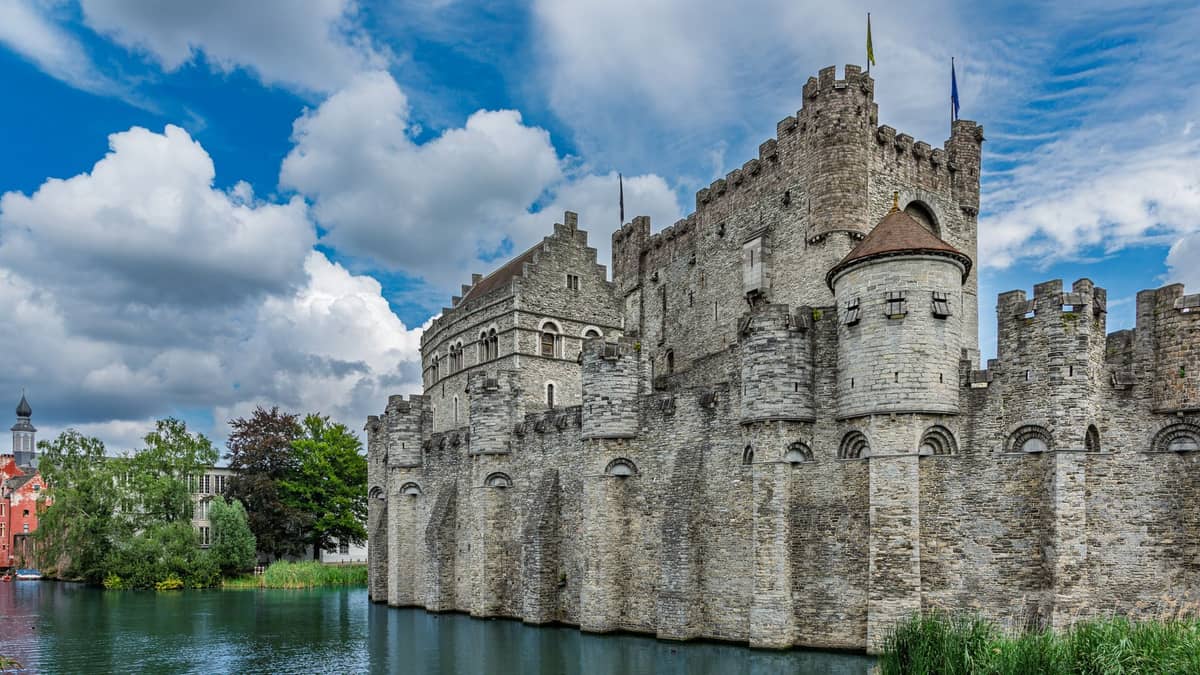
- Mid-morning: Gravensteen Castle A 10-minute walk from the cathedral. The 12th-century Castle of the Counts is one of the best-preserved medieval fortresses in Northern Europe. Entry is €15 for adults. The rooftop gives a strong aerial view of the medieval city layout.
- Lunch: Patershol neighbourhood Immediately behind Gravensteen, this is Ghent's oldest surviving residential quarter. The narrow cobblestone streets are packed with restaurants. Flemish stew (waterzooi), rabbit in kriek beer, and local stoofvlees are the things to order. Avoid the tourist-menu restaurants on the main square.
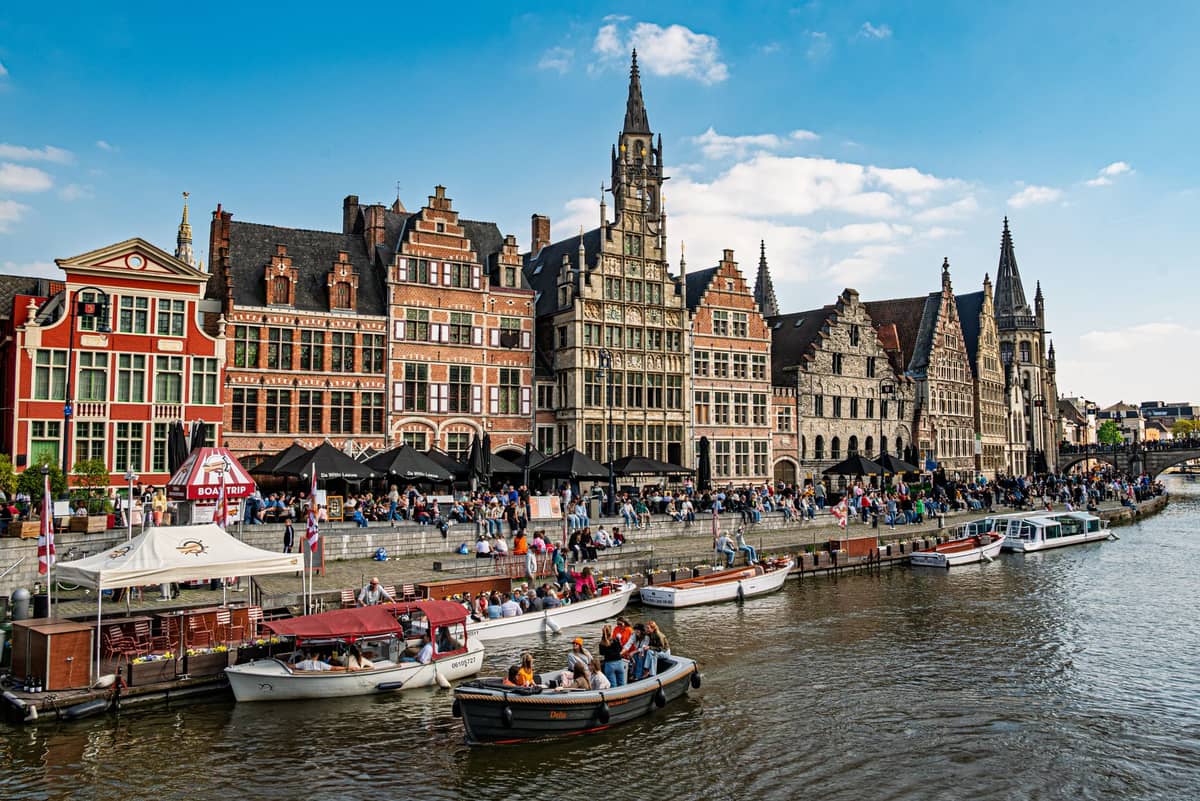
- Afternoon: Graslei, Korenlei, and a canal boat tour The twin quaysides along the Lys river are the visual heart of the city. Walk St Michaels Bridge for the classic three-towers view, then board a canal boat. Trips run roughly 40 minutes and leave from near Graslei. This is not a tourist trap — the waterway perspective of Ghent is genuinely different from the street view.
- Late afternoon: Vrijdagmarkt and St Jacobs flea market The Vrijdagmarkt square has been a site of public gatherings since the Middle Ages. On Friday mornings and Saturdays there's a large antique and flea market around St James's Church nearby. Worth a wander before heading back to the station.
If you want a structured route, the Ghent walking tour guide covers the historic centre in detail with precise directions between each landmark. For families, Ghent with kids has specific advice on which sights hold children's attention best — Gravensteen is usually a hit.
Canal Boat Tours: The Best Way to See the Medieval Waterfront
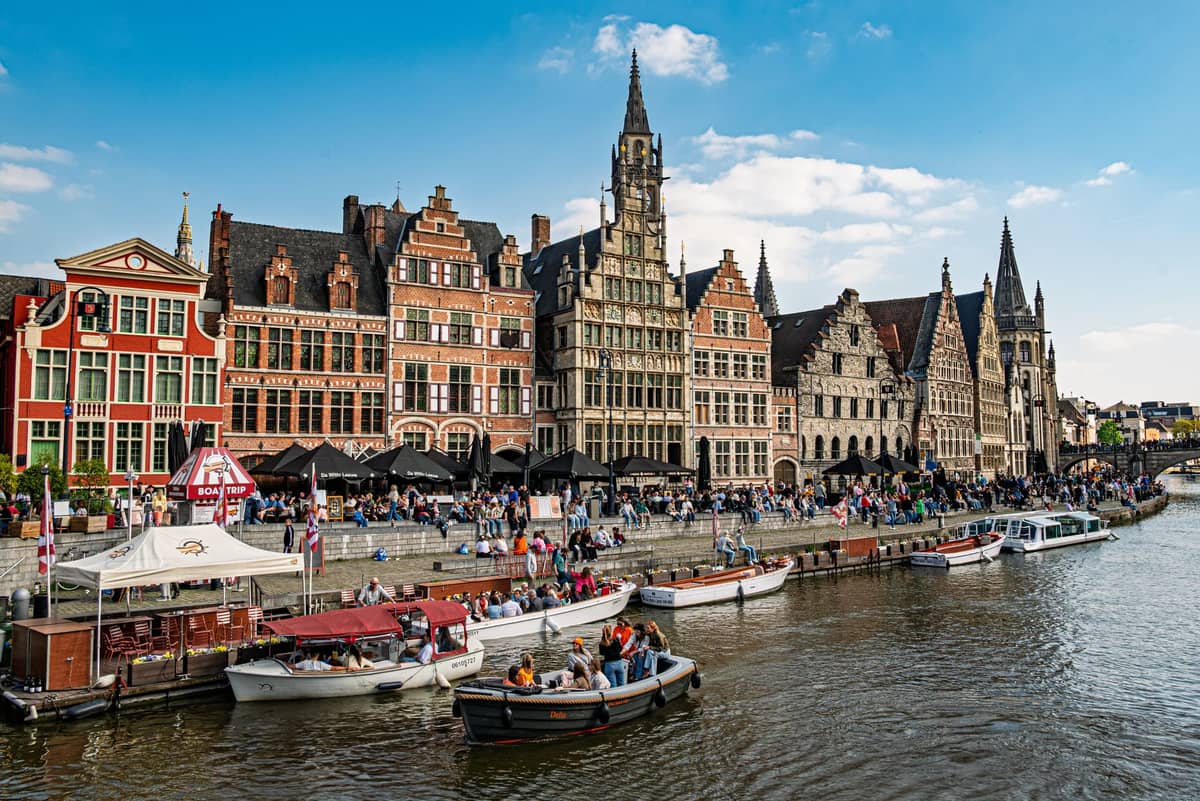
A boat trip on Ghent's canals is one of the most worthwhile things you can do on a day visit. The city developed at the confluence of the Scheldt and Lys rivers, and its medieval wealth from the cloth trade is written into the guild houses, warehouses, and bridges that line the water. From street level, these facades are impressive. From the water, they are extraordinary. The Graslei and Korenlei quaysides form the departure point for most boat tours, which run roughly every 20–30 minutes during peak season (April to October).
A standard canal boat tour takes around 40 minutes and covers the main waterways including the Leie river corridor, the medieval harbour area, and the stretch past the Gravensteen. Commentary is provided in multiple languages including English. Tickets typically cost around €9–€10 for adults. In summer, boats run from late morning through early evening. Outside peak season, frequency drops and some operators close entirely in winter — check ahead if visiting between November and March.
✨ Pro tip
For the best light on the Graslei facades, arrive by boat or on foot in the early morning (before 10am) or the golden hour before sunset. Midday crowds and flat light in summer make the standard tourist photo far less striking. If you're combining this with the Ghent Altarpiece, do the cathedral first, then the boat tour — that sequence works better logistically and keeps the afternoon free for wandering.
What to Realistically Skip on a Day Trip
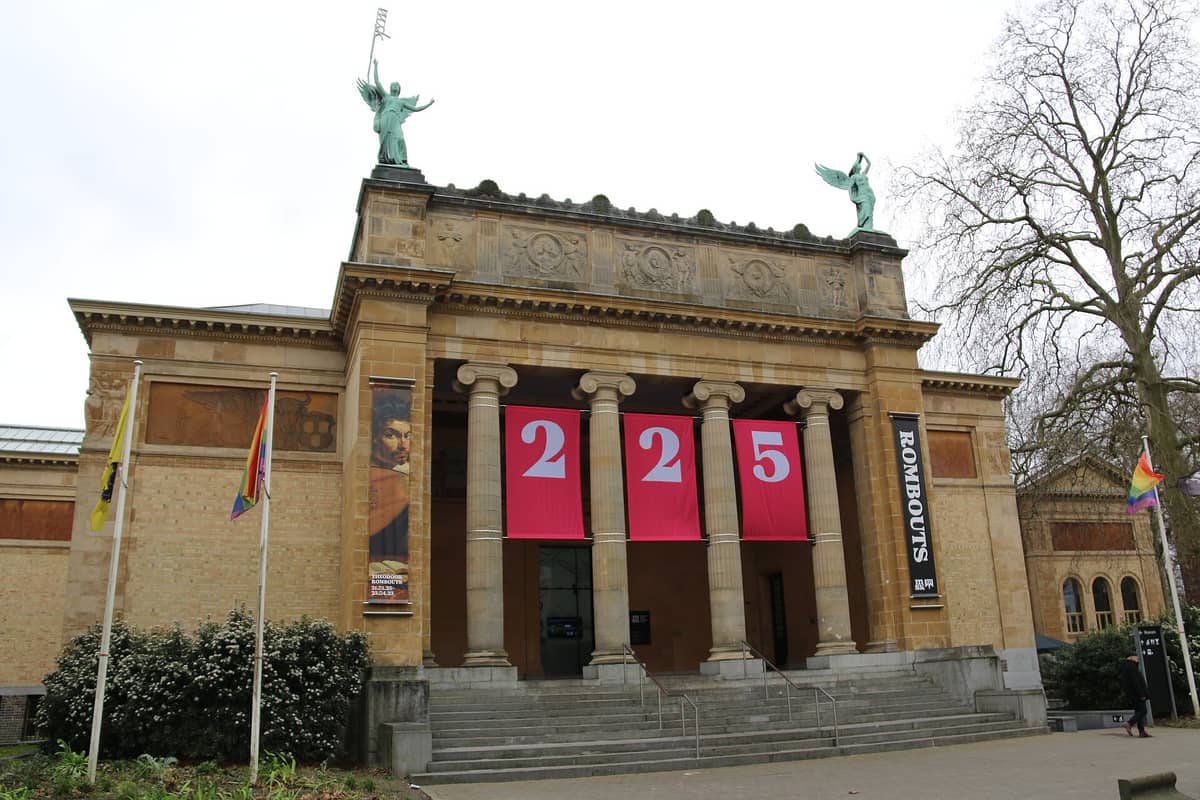
Day trippers from Brussels need to be selective. The Citadelpark museum quarter — home to SMAK (contemporary art) and the MSK (fine arts) — is excellent but difficult to squeeze into a day that also covers the historic centre. Unless one of these museums is your primary reason for visiting, save them for a longer trip. Similarly, the University Botanic Garden is pleasant but niche, and the STAM city museum requires a couple of hours to do justice.
The Belfry is often recommended in general city guides, and it's genuinely impressive from the outside. But the interior tour is time-consuming for what you get, and St Michael's Bridge already gives a better panoramic view of the three towers for free. If you have limited time, the Belfry is a pass — look at it, admire it, move on.
One more thing worth knowing: Ghent is not the same kind of day trip as Bruges. Bruges is more compact and more thoroughly 'preserved' in a way that can feel like a stage set. Ghent is a real, working city of just over 270,000 people. The Ghent vs Bruges comparison goes into this in detail, but the short version is: Ghent rewards curiosity and walking slightly off the main route. Don't just follow the tourist trail between Gravensteen and Graslei — turn into the Patershol streets, check out the Vrijdagmarkt, walk through the Patershol neighbourhood before it fills up at lunch.
Practical Information for Your Day Trip
Ghent's city centre operates a large Low Emission Zone, which means most private cars require registration to enter. This is not relevant to day trippers arriving by train, but it does mean street traffic in the historic core is low — good news for walking and cycling. The city itself is in the East Flanders province of Belgium, operating on Central European Time (UTC+1, or UTC+2 in summer). The official language is Dutch (Flemish), but English is widely spoken in tourist contexts, restaurants, and shops.
For dining, Ghent has a strong food culture — it's worth reading the Ghent food guide before you go to know what to order and where. The city is notable for having a high concentration of vegetarian and vegan restaurants relative to its size, a legacy of its 'Veggie Thursday' campaign that began over a decade ago. Budget around €15–25 per person for a sit-down lunch in the Patershol or around Vrijdagmarkt, more if you're going somewhere with a reputation.
- Currency: Euro (EUR). Card payment is widely accepted everywhere including on public transport.
- Emergency number: 112 (EU standard for police, fire, and ambulance).
- Belgium country code: +32.
- Electricity: 230V / 50Hz, Type C and Type E plugs (standard continental European).
- Tap water is safe to drink in Ghent.
- Public transport (De Lijn): single tram/bus ride around €3, contactless payment accepted on board.
- Best time to visit: May through September for milder weather and longer daylight hours. December brings a well-regarded Christmas market to the city centre.
If you're considering extending beyond a single day, the where to stay in Ghent guide breaks down the best neighbourhoods for different types of travellers. Staying overnight also opens up Ghent's evening character, which is considerably more interesting than most comparable Belgian cities — the Ghent nightlife guide covers the student district around Overpoortstraat and the more relaxed bar scene in the historic centre.
ℹ️ Good to know
Train fares and timetables on the Brussels–Ghent route are set by SNCB/NMBS and updated seasonally. Always verify current prices and schedules at belgiantrain.be before you travel — third-party booking platforms may show different prices or add service fees. For De Lijn tram and bus fares in Ghent, check visit.gent.be or the De Lijn app for current ticket prices, as these are subject to periodic changes.
FAQ
How long does the Brussels to Ghent train take?
Direct trains from Brussels Midi, Central, or Nord to Gent-Sint-Pieters take between 27 and 36 minutes depending on the service. Trains run roughly every 15–30 minutes throughout the day, operated by SNCB/NMBS. No seat reservation is required — you can buy a ticket at the station or on the app and board the next available train.
How much does the Brussels to Ghent train cost?
Standard 2nd class single fares on the SNCB/NMBS domestic service run around €10.20–€10.80 per person as of recent schedules. These are fixed domestic fares and do not change based on how far in advance you book. Check belgiantrain.be for current pricing, as fares can be updated with seasonal timetable changes.
Is one day enough for a day trip to Ghent from Brussels?
Yes, one day is enough to see the major highlights: the Ghent Altarpiece at St Bavo's Cathedral, Gravensteen castle, the Graslei and Korenlei waterfront, and a canal boat tour. You won't cover everything — Ghent's museum quarter, the STAM city museum, and deeper neighbourhood exploration need a longer visit — but a well-structured day trip is genuinely satisfying.
Where does the train from Brussels arrive in Ghent?
All intercity trains from Brussels arrive at Gent-Sint-Pieters, the main station, which is about 2 km south of the historic city centre. From there, tram line 1 connects the station to Korenmarkt in the centre in about 5–10 minutes. A single De Lijn tram ticket costs around €3, payable contactlessly on board.
Can I take a bus instead of a train from Brussels to Ghent?
Yes. FlixBus operates a Brussels–Ghent route with tickets from around €6–€8 and journey times from about 45–60 minutes, though only roughly 3 buses run daily so timing is inflexible. From Brussels Airport, FlixBus also runs direct to Ghent in about 1h 40m with tickets from about €5–€7. The bus is cheaper but significantly less convenient than the train for a day trip, where flexibility matters.