Ghent with Kids: The Best Family Activities in Ghent
Ghent stands out as a family destination. This guide covers the best activities for kids in Ghent, from castle adventures and canal tours to parks, pools, and seasonal events, with practical advice on what to skip and how to save money with the CityCard.
Plan and book this trip
Tools from our partner Travelpayouts help you compare flights and hotels. If you book through them, we may earn a commission at no extra cost to you.
Flights
Hotels map
TL;DR
- Gravensteen castle and canal boat tours are the two activities that consistently impress kids most in Ghent.
- The CityCard Gent bundles free entry to Gravensteen, STAM, Design Museum and a boat trip, making it great value for families. See budget tips for Ghent for more ways to save.
- Citadelpark and Blaarmeersen offer free outdoor space for kids who need to burn energy between sightseeing.
- Ghent has no airport of its own. Fly into Brussels Airport (BRU) and take a direct train to Gent-Sint-Pieters, roughly 50-60 minutes total.
- The historic centre is compact and walkable. For routes that work on foot with children, the Ghent walking tour guide is a useful starting point.
Why Ghent Works Well for Families
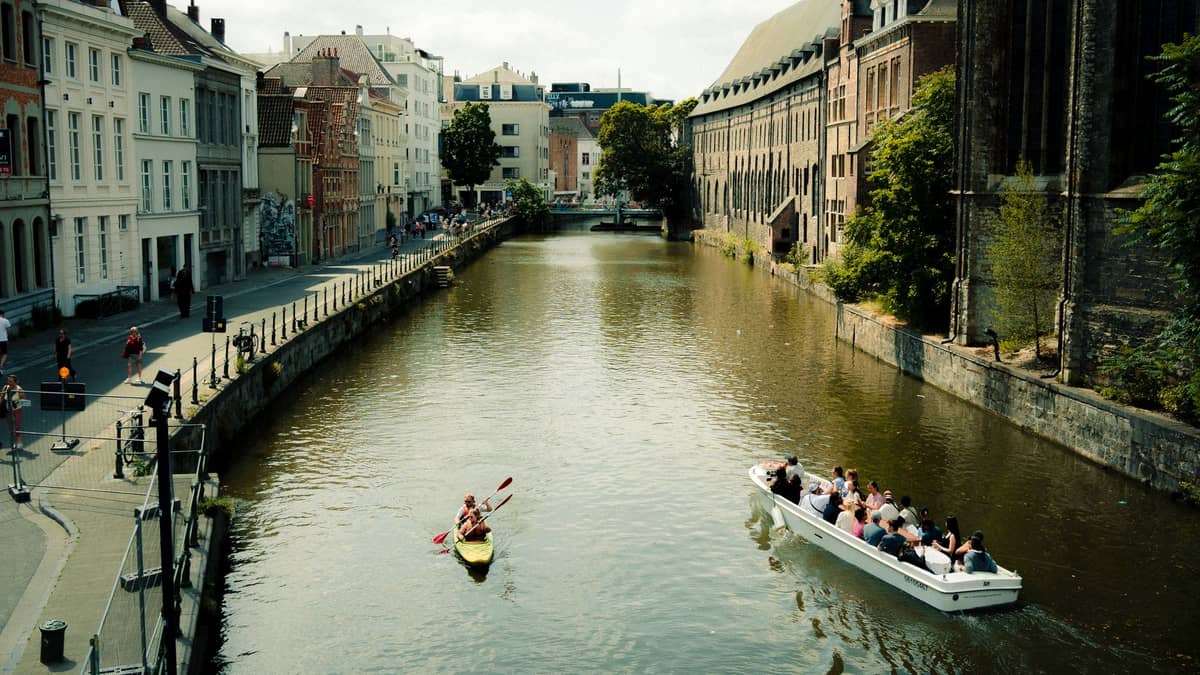
Ghent has a reputation as a serious medieval city, the kind of place adults visit for architecture and Flemish art. That reputation undersells it badly for families. The historic centre is compact enough to cover on foot, the city has invested in genuinely interactive museums, and there are outdoor spaces large enough to satisfy kids who need to run around after half an hour in a cathedral. Ghent is also noticeably less crowded than Bruges, which means shorter queues at the main attractions and a more relaxed atmosphere overall.
The city sits at the confluence of the Scheldt and Leie rivers in the Flemish Region of Belgium, with a population of just over 270,000. Its medieval core is dense with towers, canals, and cobbled squares that feel genuinely adventurous to children without being overwhelming. Getting around is straightforward: De Lijn trams and buses cover the city well, and the main family-friendly attractions are clustered tightly enough that you can walk between them. For a full overview of how the city fits together, the Ghent historic centre guide explains the layout clearly.
ℹ️ Good to know
Ghent does not have its own airport. The standard approach is to fly into Brussels Airport (BRU) and take a direct train to Gent-Sint-Pieters, the city's main station. Trains run roughly once per hour directly, or about three times per hour via Brussel Noord. From Gent-Sint-Pieters, tram line 1 reaches the city centre (Korenmarkt) in around 10-15 minutes. A single De Lijn tram or bus ride currently costs around €3 and is valid for one hour.
The Castle and the Canals: Unmissable Stops
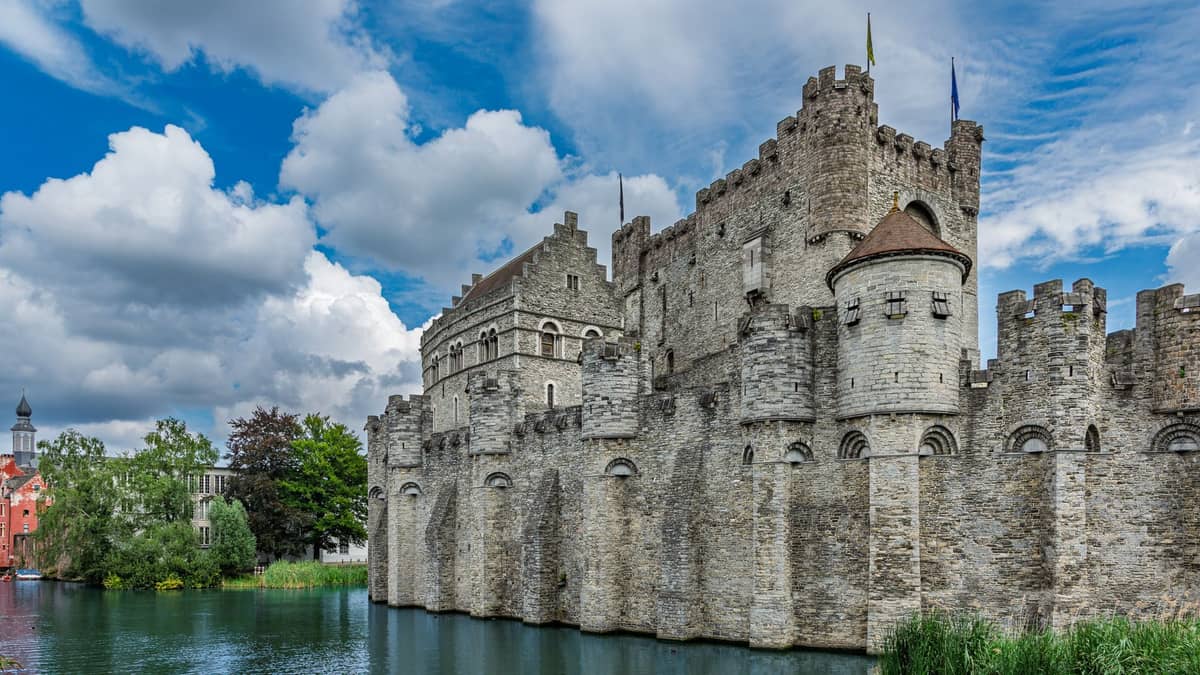
Gravensteen, the Castle of the Counts, is the obvious centrepiece of any family visit to Ghent and it earns its status. The castle dates back to 1180 and its hulking grey ramparts, spiral staircases, and displays of medieval armour and torture instruments do exactly what you want a castle to do with children: they inspire genuine awe and a lot of questions. The audio tour is well-produced and includes a version designed for kids. Admission is charged (verify current rates on the Gravensteen listing), but the CityCard Gent covers entry. Plan for at least 90 minutes. Arrive before 10:30am in summer to avoid the worst queues.
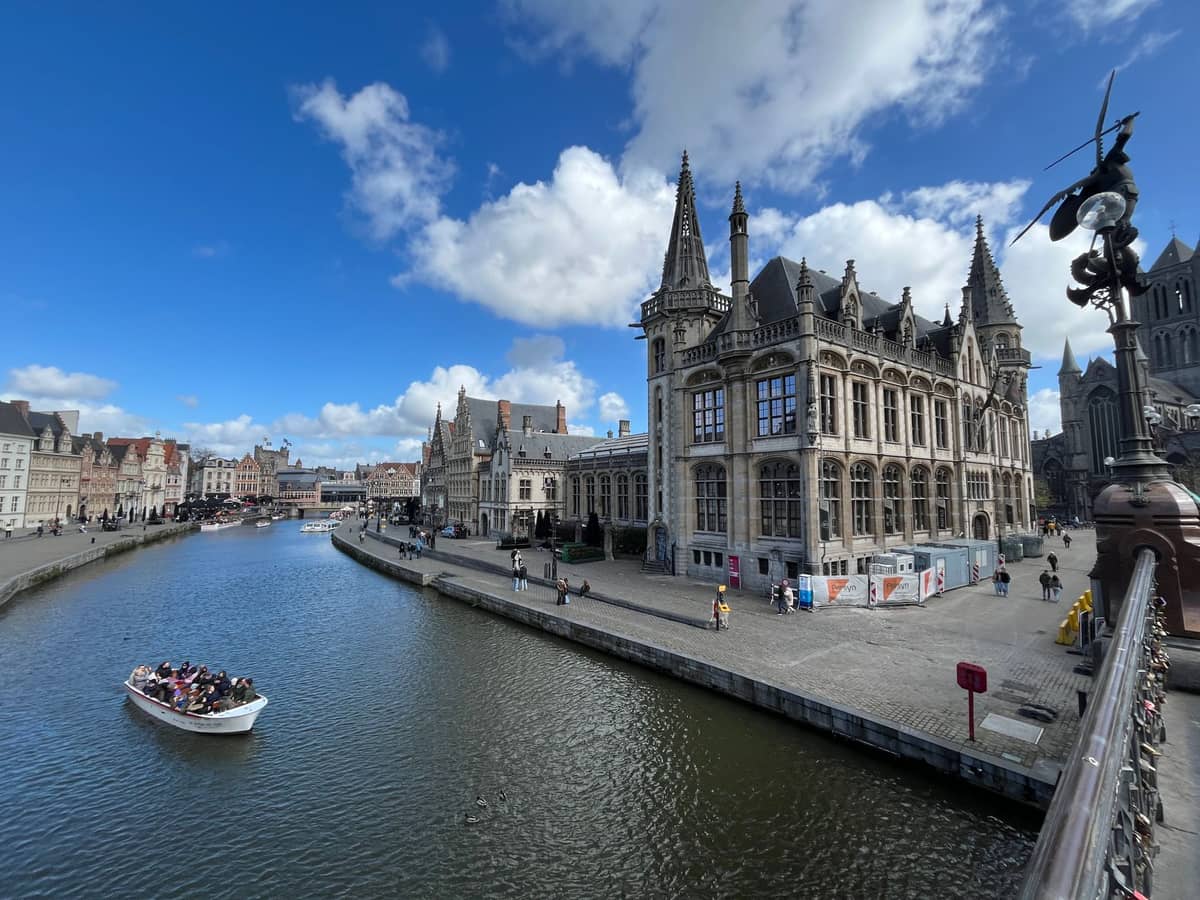
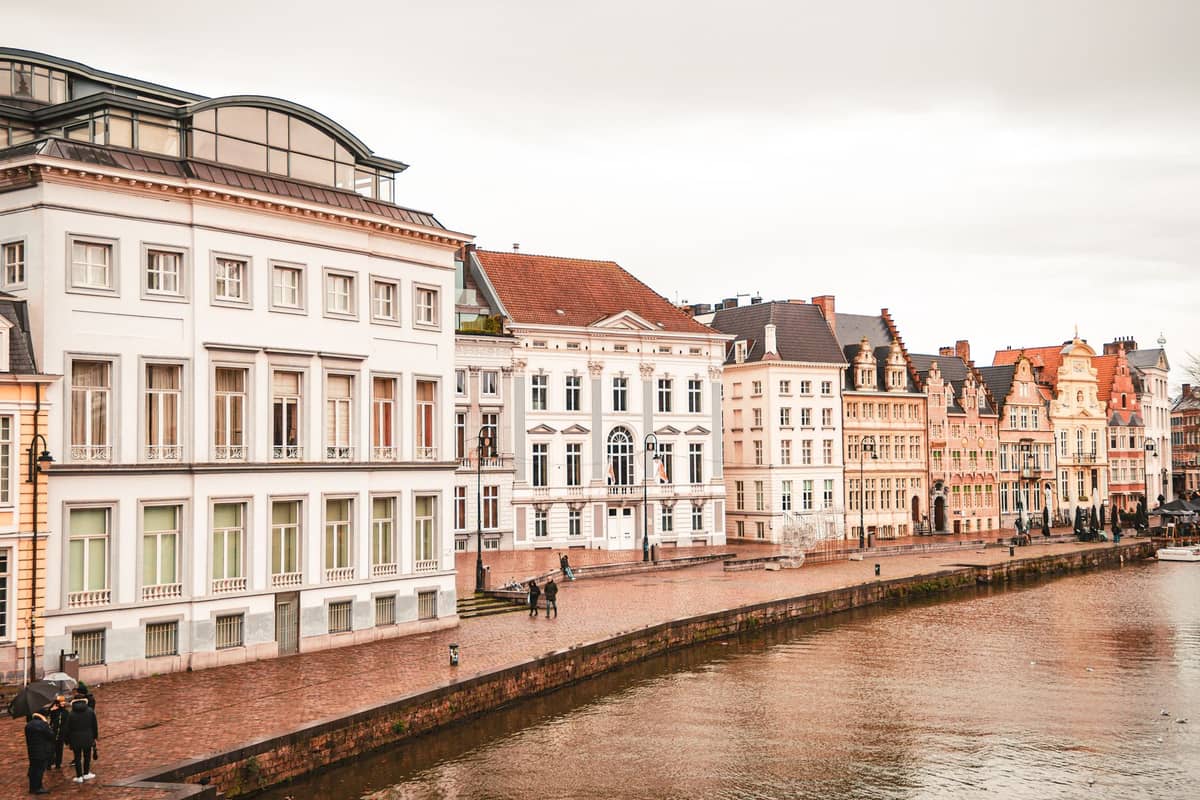
Canal boat tours are the second activity that families consistently rate highly. Departures run from Graslei, Korenlei, and Kraanlei, giving kids a 40-50 minute seat-level view of the medieval skyline that is simply not replicable on foot. The guided commentary is available in multiple languages, and most operators cater to young children. The CityCard includes a standard boat tour, which removes the usual hesitation about the cost. The Graslei and Korenlei area is also worth lingering around before or after the boat trip; the quaysides are among the most photographed spots in Belgium and children enjoy watching the boats dock.
The Belfry of Ghent is a manageable addition for families with older children. There is a lift for most of the ascent, followed by a short climb, and the view over the rooftops rewards the effort. Some family travel guides highlight a treasure-hunt style element for children, though this varies seasonally. Full details are on the Ghent Belfry attraction page.
💡 Local tip
The CityCard Gent covers entry to Gravensteen, the Belfry, STAM, Design Museum Gent, and several other sites, plus one free boat trip and unlimited use of De Lijn trams and buses during its validity period (currently available in 48h and 72h versions). For a family spending two days in Ghent and planning to visit three or more paid attractions, it usually pays for itself quickly. Verify current prices directly with Visit Gent before purchasing, as rates are updated periodically.
Family-Friendly Museums Worth the Entrance Fee
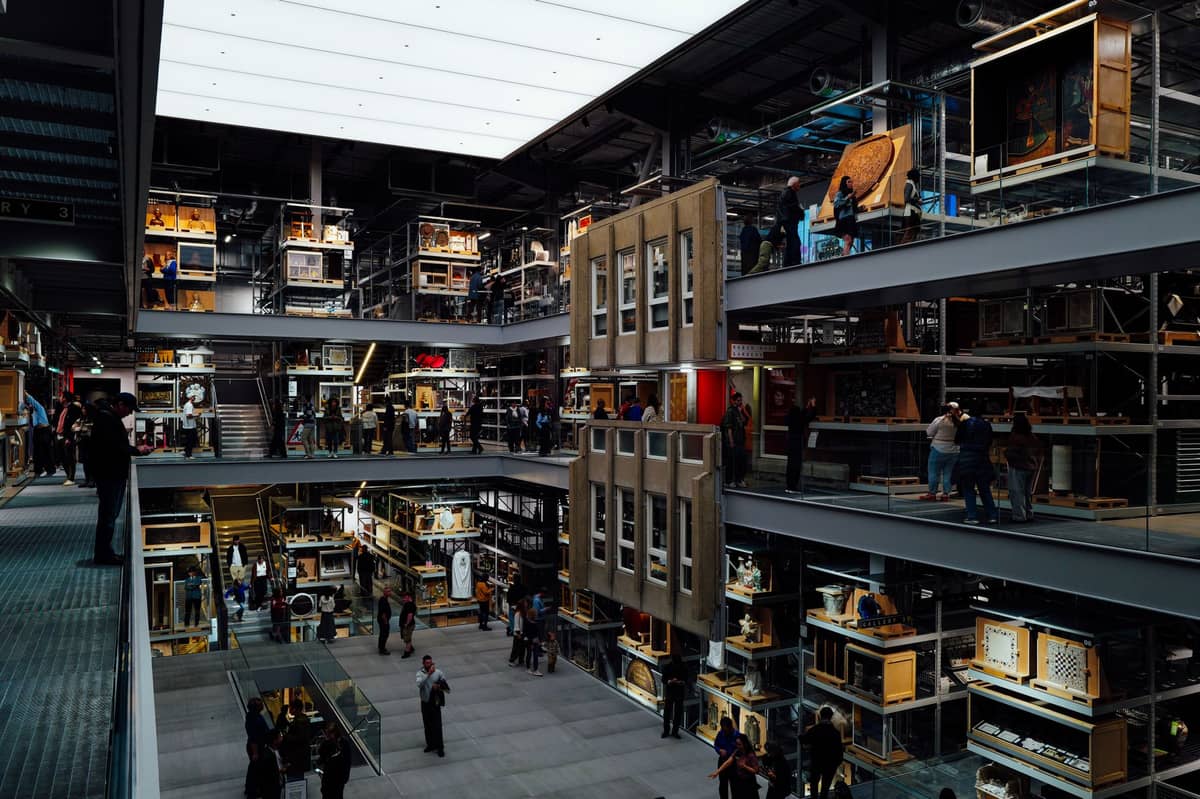
Not every Ghent museum is suitable for young children, but two stand out as genuinely engaging for families rather than merely tolerated by them.
STAM, the Ghent City Museum, is built around and through a former abbey complex, and the physical journey through its spaces is part of the experience. The exhibition tells the city's history from prehistoric settlement to the present, with enough interactive elements and large-format displays to hold children's attention across different age groups. It is also included in the CityCard. Full details are on the STAM Ghent City Museum page.
Design Museum Gent runs family-oriented activities that change regularly, including "find the Playmobil" style treasure trails and hands-on workshops. It is a more unconventional choice than the castle, but families who include it report that children respond well to its playful approach to objects and design history. Check the museum's own programme before visiting, as family workshops are often tied to specific exhibitions and require advance booking. The museum is listed on the Design Museum Gent page.
- STAM (Ghent City Museum) Interactive city history museum built through a historic abbey. Suitable from around age 6 upwards. Included in CityCard Gent.
- Design Museum Gent Runs treasure trails and family workshops tied to current exhibitions. Best for ages 5-12 with advance booking for workshops.
- GUM (Ghent University Museum) Natural history and science collections with regular family programming. Less crowded than the main tourist museums.
Parks, Outdoor Spaces, and Active Options
Citadelpark is Ghent's main urban green space, large enough for an afternoon of unstructured play, picnics, and the occasional sculpture to investigate. It also sits next to the Museum Quarter, so combining a museum visit with time in the park is a natural half-day plan. The park has playgrounds and the kind of open lawns that make it practical with younger children who need frequent breaks from structured sightseeing. More on the area at the Citadelpark and Museum Quarter guide.
Blaarmeersen is a larger recreation park on the western edge of the city, built around a lake. In warm weather it functions as Ghent's beach, with designated swimming areas, water sports, and extensive sports facilities. It is a significant detour from the historic centre (around 4-5 km), but families staying for two or more days and visiting in summer often find it worth the trip. Entry for Ghent residents is free, while non-residents pay a modest day ticket fee in the main summer season; activities and parking carry separate charges. See the Blaarmeersen attraction page for practical details.
For families who prefer indoor water activities regardless of the weather, the Lago Rozebroeken complex is the most comprehensive option in the city. It includes a 50m competition pool, a tropical lagoon with slides, and a toddler-specific water play area. This is a genuinely good wet-weather fallback. Verify opening hours and current entry prices directly with Lago, as these change seasonally.
✨ Pro tip
Ghent's official tourism site promotes a digital dragon-themed walking trail aimed at children aged 5-12, available as an app-based experience. The city also has Belgium's largest open-air skatepark at Blaarmeersen, plus kayaking on the canals for older children and teenagers. These options are worth checking directly on the Visit Gent website (visit.gent.be) before your trip, as availability and booking requirements vary by season.
Self-Guided Trails and Alternative Exploration
The Concrete Canvas street art trail is one of the better free family activities in Ghent. A map is available free from the tourist information office on Sint-Veerleplein, right next to Gravensteen, and the route takes families on foot or by bike through a series of large-scale murals scattered across the city. It works well as a way to extend the day after the castle visit without spending more money, and older children who might not engage with art in a gallery context often respond differently to work at street level.
The canal system itself is worth treating as an attraction rather than just a backdrop. The network of bridges and quaysides gives families an informal route through the city that feels like exploration rather than a guided tour. The covers the main sections and is useful for planning a walking route that follows the water. The Ghent waterways and canal guide covers the main sections and is useful for planning a walking route that follows the water.
- Pick up the free Concrete Canvas street art map at the Sint-Veerleplein tourist office, adjacent to Gravensteen.
- The dragon trail app (available via Visit Gent) turns the historic centre into an interactive game for children aged 5-12.
- Bike rental is widely available in Ghent and cycling with children along the canal towpaths is practical and largely flat.
- The Patershol neighbourhood, just north of Gravensteen, has narrow medieval lanes that children find genuinely interesting to navigate.
- Sint-Michielsbrug (St. Michael's Bridge) offers the classic three-towers view and is a useful landmark for orienting children in the city.
Seasonal Events and Practical Timing
Ghent's climate is temperate and oceanic, meaning mild winters and cool summers with rain distributed fairly evenly across the year. For family visits, late spring (May-June) and early autumn (September) offer the best combination of manageable crowds and reasonable weather. July and August are the busiest months: the school holiday crowds add to the usual summer tourism peak, queues at Gravensteen are noticeably longer, and the city's student population is away, which paradoxically makes some neighbourhoods feel quieter but the main tourist sites feel more pressured. For a fuller breakdown of timing, see the best time to visit Ghent guide.
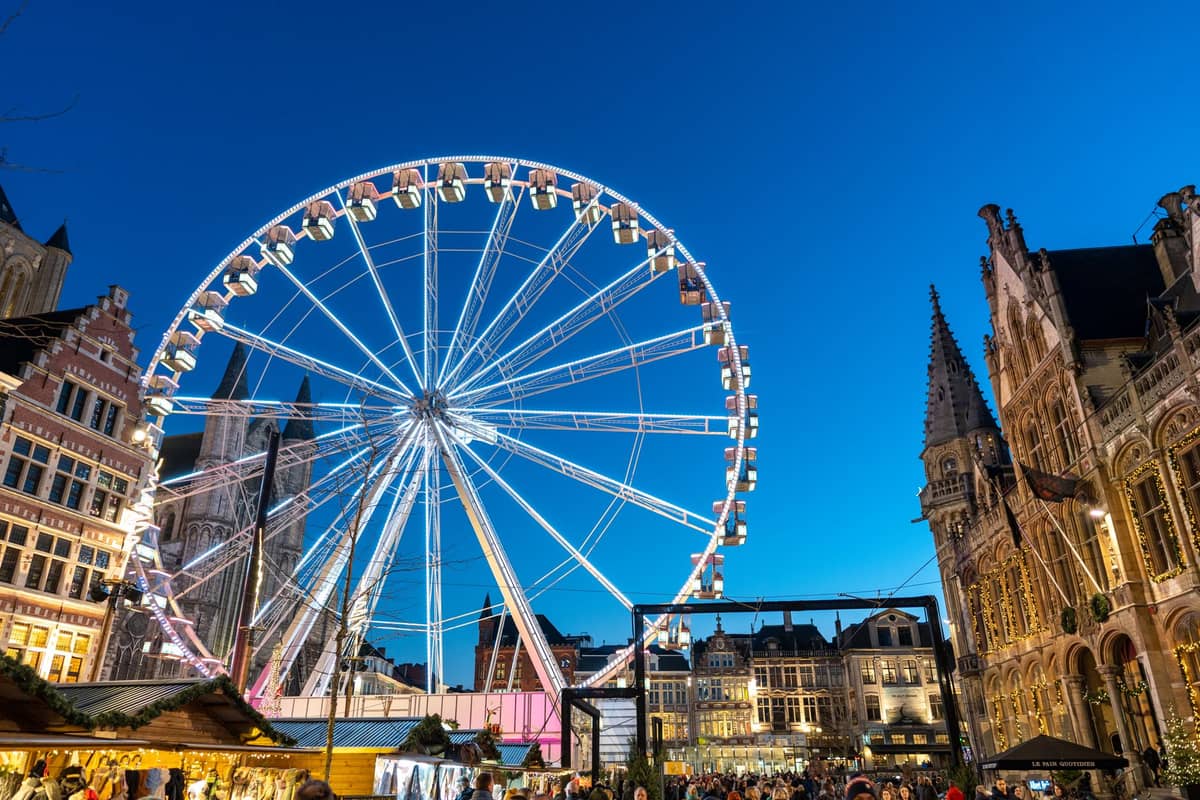
Winter is underrated for families. From early December to early January, the city runs a dedicated programme of family activities including an ice rink in the city centre and children's events tied to the Christmas market period. The Ghent Christmas market is smaller and less commercialised than Brussels or Bruges, which makes it more enjoyable with young children. Crowds are lighter than in summer and hotel rates are generally lower.
The Gentse Feesten (Ghent Festival) runs for ten days each July and fills the city with free outdoor performances, street theatre, and music. It is genuinely family-friendly during the daytime hours, with a dedicated children's programme, though the evenings are very crowded and not well-suited to young children. The Gentse Feesten guide covers the event in detail.
⚠️ What to skip
Ghent's medieval centre uses a lot of cobblestones. Pushchairs and buggies are manageable but require effort on some routes, particularly around Gravensteen and through Patershol. If your children are old enough to walk independently, leave the buggy at the hotel. If you need a pushchair, the quayside paths along Graslei and Korenlei are smoother and easier going.
FAQ
Is Ghent suitable for toddlers and very young children?
Yes, with some planning. The canal boat tours work well for all ages, Citadelpark has open space for toddlers to move freely, and Lago Rozebroeken has a dedicated toddler water play area. The main challenge is the cobblestone streets in the historic centre, which make pushchair navigation tiring. A baby carrier or back-carrier is more practical than a pram for most of the tourist sights.
What is the CityCard Gent and is it worth it for families?
The CityCard Gent provides free entry to the major paid attractions (including Gravensteen, the Belfry, STAM, Design Museum Gent, and others), one free canal boat trip, and unlimited De Lijn public transport during its validity period. It is available in 48h and 72h versions. For a family planning to visit three or more paid attractions over two days, it generally pays for itself. Verify current prices directly with Visit Gent (visit.gent.be) before purchasing.
How do families get from Brussels Airport to Ghent?
The most practical route is by train. From Brussels Airport, take the train from level -1 directly to Gent-Sint-Pieters (direct service runs roughly once per hour), or change at Brussel Noord where about three trains per hour continue to Ghent. Total journey time is typically 50-60 minutes. From Gent-Sint-Pieters, tram line 1 reaches the city centre (Korenmarkt) in around 5-10 minutes. Always verify current timetables and fares with NMBS/SNCB (Belgian rail) before travel.
What are the best free activities for kids in Ghent?
The Concrete Canvas street art trail (free map from the tourist office at Sint-Veerleplein), walking the canal quaysides at Graslei and Korenlei, exploring Citadelpark, and the dragon-themed digital trail available via the Visit Gent app are all free or very low cost. St. Bavo's Cathedral, which houses the famous Ghent Altarpiece, has free entry to the main nave (the Altarpiece itself has a separate charge).
Is Ghent better for families than Bruges?
Ghent is generally less crowded than Bruges, especially outside peak summer weeks, which makes for a more relaxed family experience. Ghent also has more large-scale outdoor spaces (Citadelpark, Blaarmeersen), a wider range of interactive museums, and better public transport coverage. Bruges has a more compact, immediately picturesque centre, but the tourist density in high season can make it stressful with children. Both cities are realistic as day trips from Brussels.