Citadelpark and the Museum Quarter form Ghent's cultural green belt south of the historic centre, where the Museum of Fine Arts and S.M.A.K. contemporary art museum face each other across a park that locals use as much as visitors do. It is quieter and more residential than the medieval core, offering a completely different rhythm to the city.
Citadelpark and the Museum Quarter sit at the southern edge of central Ghent, where two of Belgium's most important art museums share a leafy park that doubles as a daily escape for students, families, and dog walkers. The area trades medieval drama for something more measured: wide paths under mature trees, grand neoclassical architecture, and the kind of unhurried pace that makes an afternoon here feel genuinely restorative.
Orientation
Citadelpark occupies a gentle rise south of Ghent's historic core, roughly between the Scheldt and Leie rivers. It sits in the postal district 9000 Gent and is bounded broadly by the main artery leading south from the city centre toward Gent-Sint-Pieters station. The park itself is large enough to feel genuinely removed from traffic, yet compact enough that you can cross it on foot in about fifteen minutes.
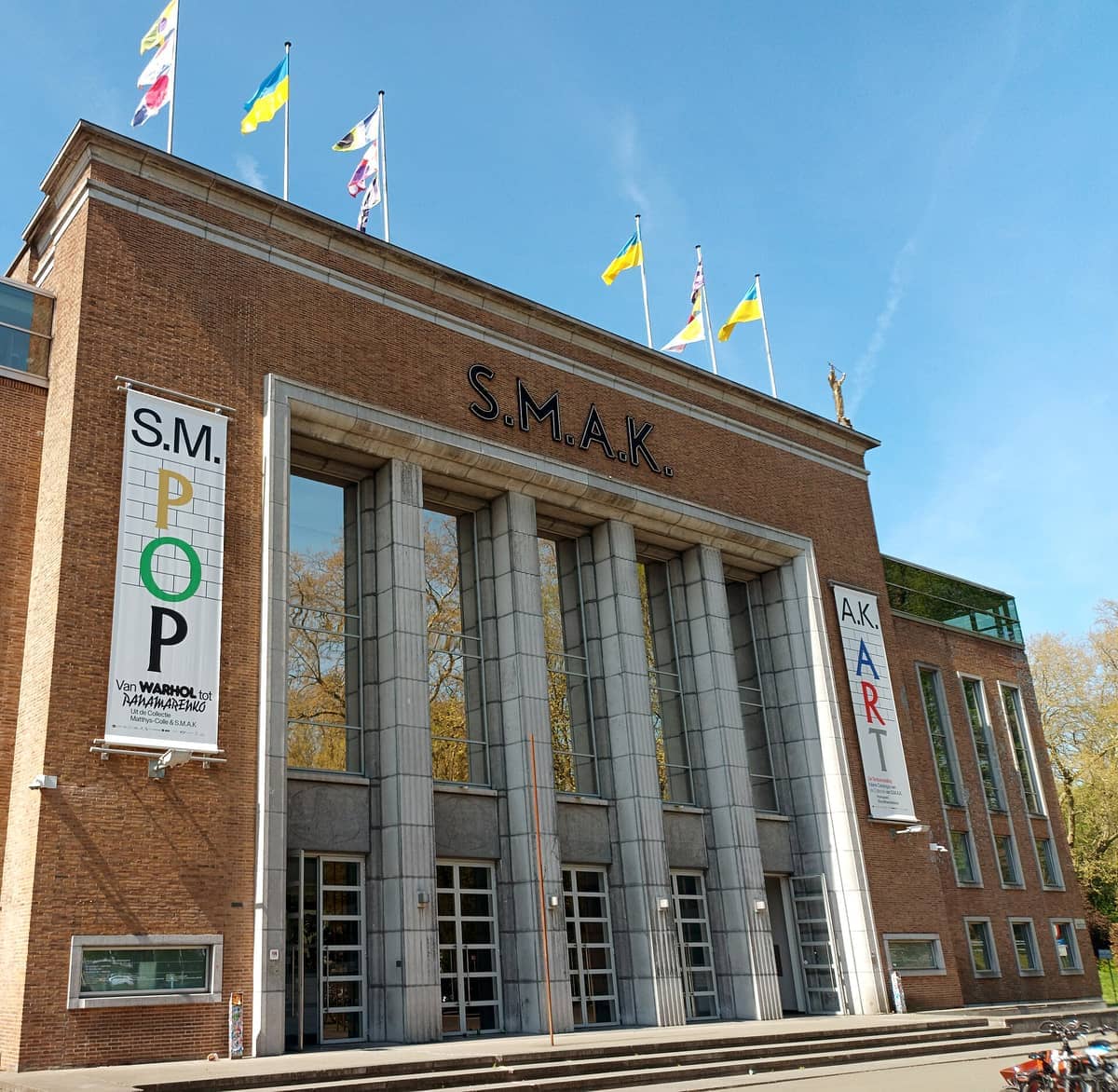
The Museum Quarter is not an administrative district with fixed borders but rather a cluster of institutions that Ghent's own museum network labels the Museumkwartier, or green museum district. The key anchors are the Museum of Fine Arts at Fernand Scribedreef 1 on the eastern side of the park, and S.M.A.K. at Jan Hoetplein 1 directly opposite. These two buildings face each other across an open square that acts as the neighbourhood's informal focal point.
To the north, the Museum Quarter blends into the streets around Sint-Pietersabdij (Saint Peter's Abbey) and eventually into the historic centre. Walking north from S.M.A.K. toward Korenmarkt takes roughly 25 to 30 minutes on foot, passing through the student-heavy streets around Overpoort. To the west, the neighbourhood transitions into the residential quarters surrounding Gent-Sint-Pieters station, Ghent's main rail hub. The station is around ten minutes on foot from the park's western edge, making this one of the most transit-accessible green spaces in the city.
ℹ️ Good to know
Citadelpark and the Museum Quarter are not on most tram routes that serve the medieval centre. The easiest approach for first-time visitors is to arrive by train at Gent-Sint-Pieters and walk east into the park, or to take a De Lijn tram toward the station and continue on foot.
Character & Atmosphere
Early on a weekday morning, Citadelpark is almost entirely a local space. Dog walkers move along the gravel paths, joggers circle the pond, and students cut through on their way to Ghent University buildings nearby. The light at this hour is soft and diffuse, filtered through large plane trees and chestnuts that line the main paths. There is very little tourist infrastructure in this part of the city: no souvenir kiosks, no horse-drawn carriages, none of the medieval-core theatre.
By mid-morning, visitors begin arriving at the museums, and the square between MSK and S.M.A.K. takes on a more animated quality. But even at its busiest, this is not a crowded neighbourhood in the way that the Graslei waterfront or Gravensteen can be on a summer weekend. The scale is different: wide open park spaces absorb people rather than funnelling them into narrow lanes.
In the afternoon, particularly in spring and early summer, the park fills with students from Ghent University, which has facilities nearby and whose population spills into the surrounding streets. The Overpoortstraat student quarter begins just a short walk to the northwest, and the two areas share a certain youthful, low-key energy. Blankets appear on the grass, takeaway coffee cups accumulate on benches, and the whole place takes on the quality of an extended common room.
After dark, the Museum Quarter is quiet rather than lively. The museums close, the park empties, and most of the foot traffic moves toward the bars on Overpoort or back into the historic centre. The streets around Citadelpark are residential and reasonably well-lit, but if you are looking for nightlife, this is not where you want to base yourself in the evenings. Normal urban awareness applies in the park itself after dark, as with any large city park.
What to See & Do
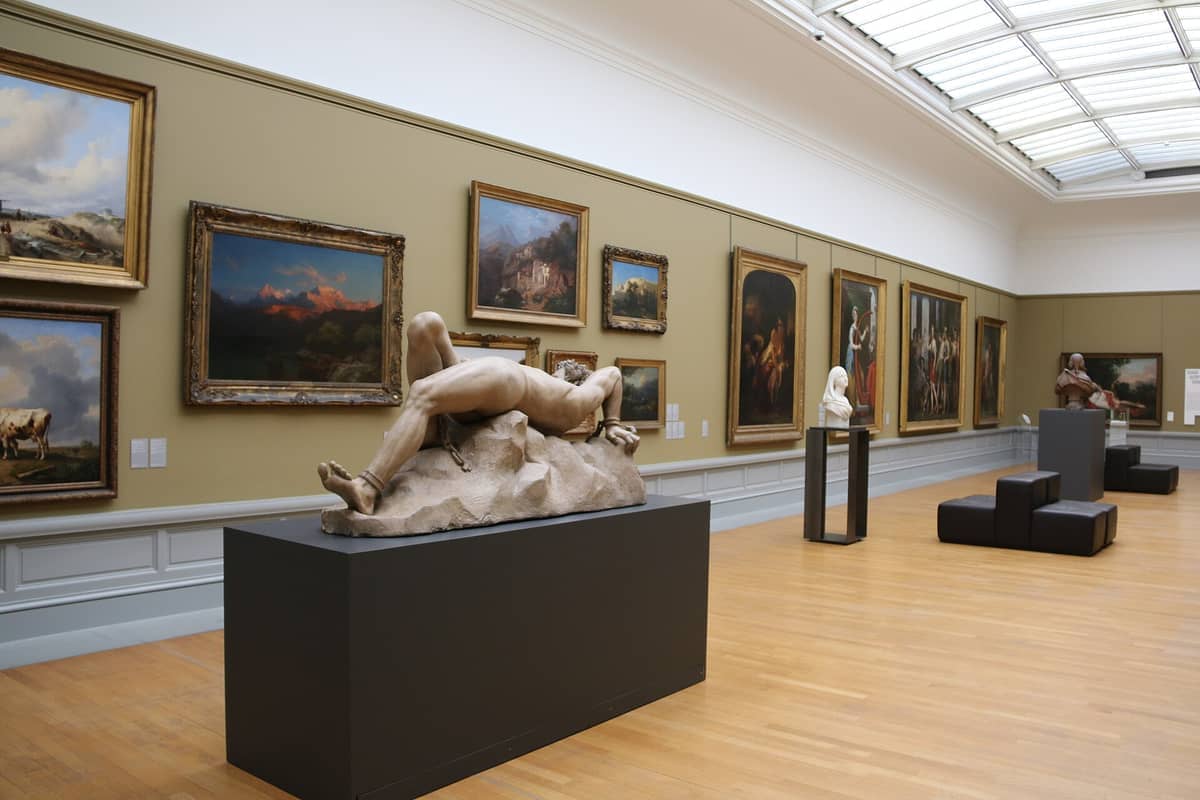
The two museums are the obvious anchors. The Museum of Fine Arts Ghent (MSK) holds one of Belgium's most significant collections of historical art, from medieval Flemish masters through to the early twentieth century. The neoclassical building itself, with its domed central hall and colonnaded facade facing the park, is worth seeing even before you walk through the door. Inside, the collection spans Hieronymus Bosch, Rogier van der Weyden, and an extensive room dedicated to James Ensor, among many others.
Directly opposite, S.M.A.K. (Stedelijk Museum voor Actuele Kunst) is Ghent's principal contemporary art institution and one of the leading contemporary museums in the Benelux. Its permanent collection is built around Belgian and international postwar art, with recurring works by Joseph Beuys, Francis Bacon, and Panamarenko, alongside a strong programme of temporary exhibitions. The building was originally a casino and its curved interior lends itself to large-scale installations. The two museums are genuinely complementary: a full day visiting both, with lunch in between, is one of the better ways to spend a rainy day in Ghent.
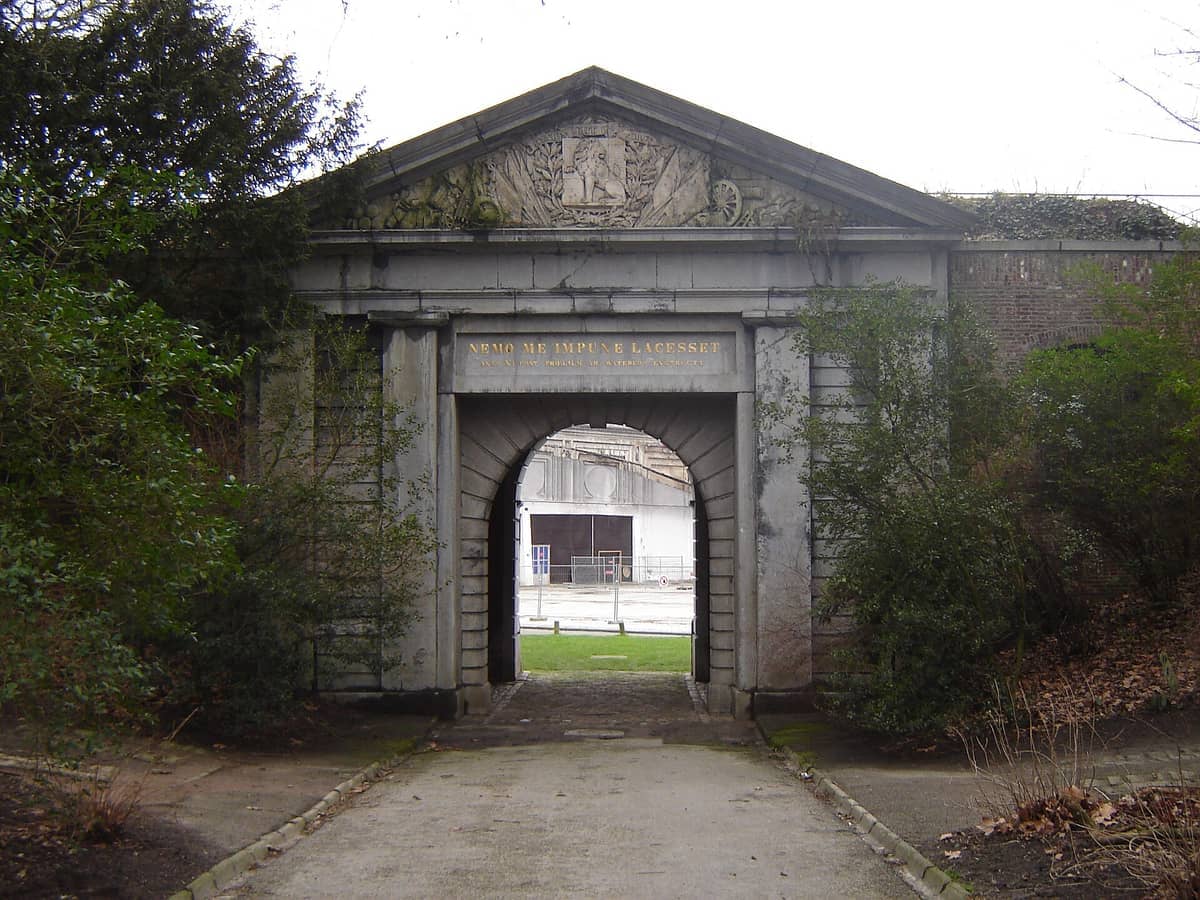
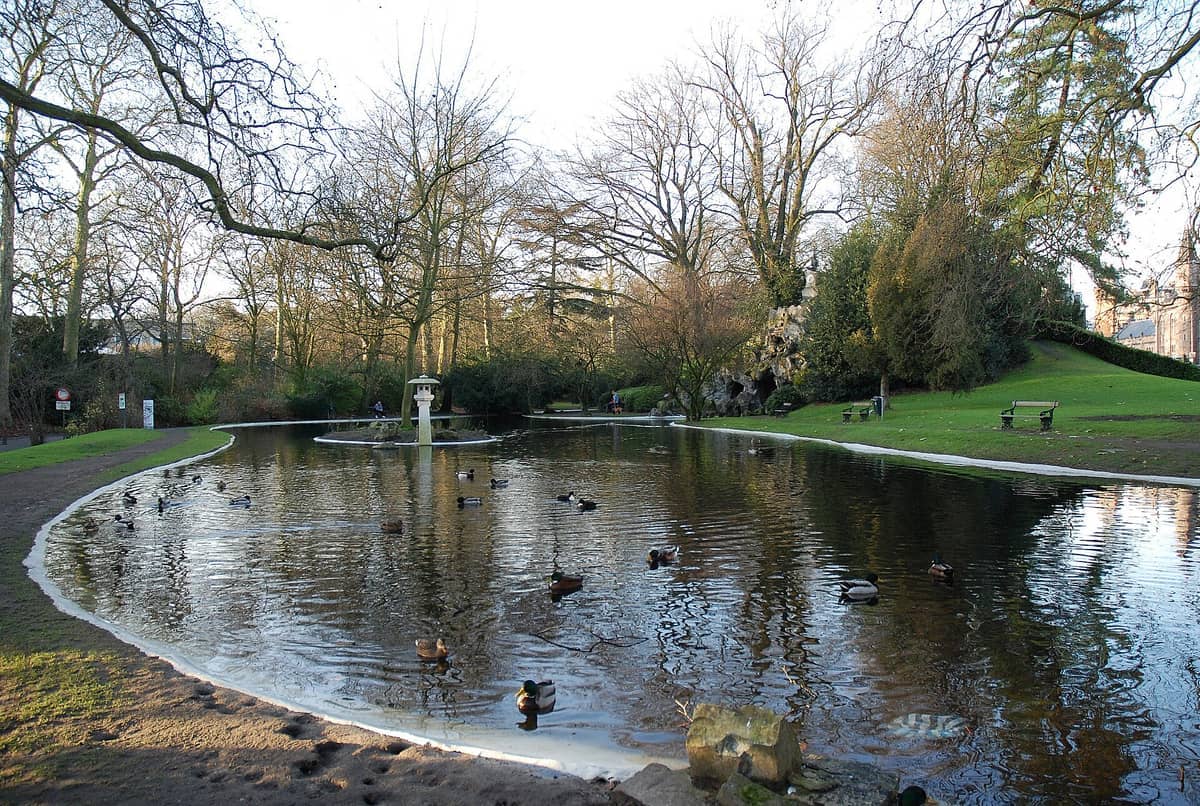
Beyond the museums, Citadelpark itself is one of Ghent's oldest public parks, laid out in the nineteenth century in the English landscape style with winding paths, a central pond, and open lawns. It has none of the formal grandeur of Brussels' Parc du Cinquantenaire, but that is part of its appeal. Bring a map of the park's sculptures and follies if you want to explore systematically, or simply wander: the paths are well-marked and the park is small enough that you will not get seriously lost.
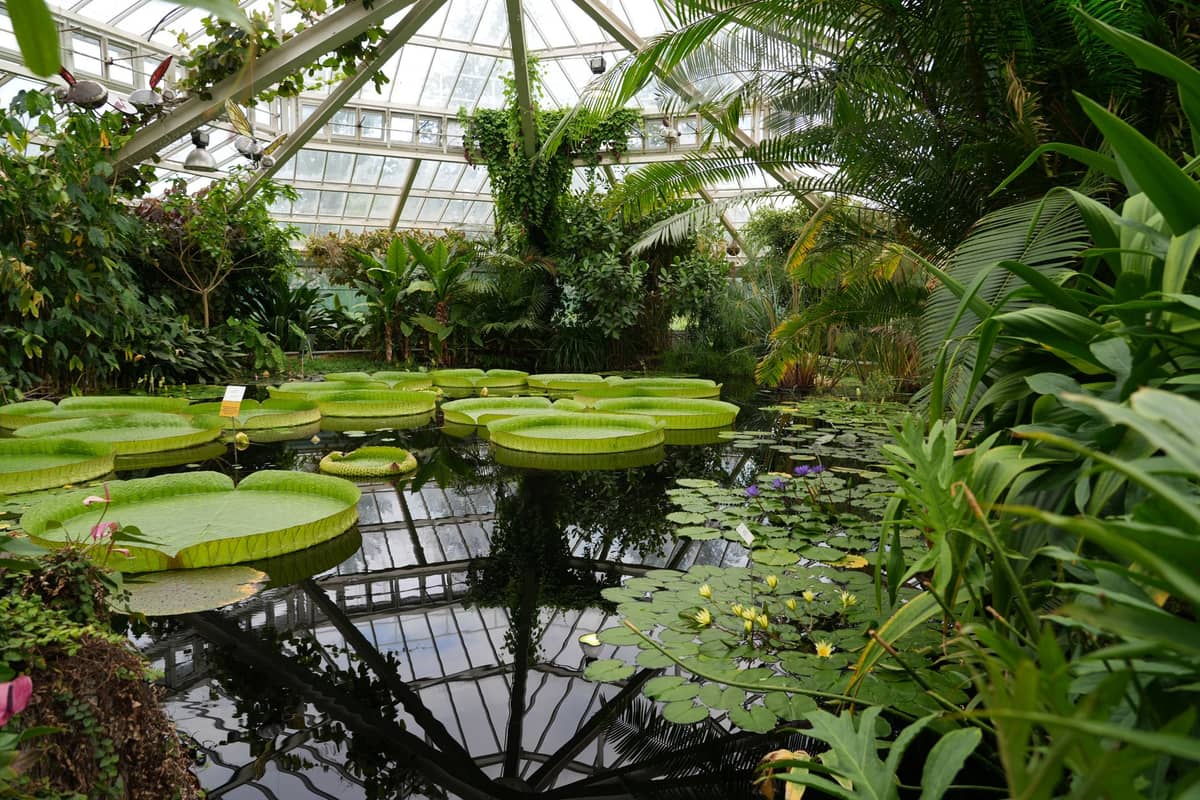
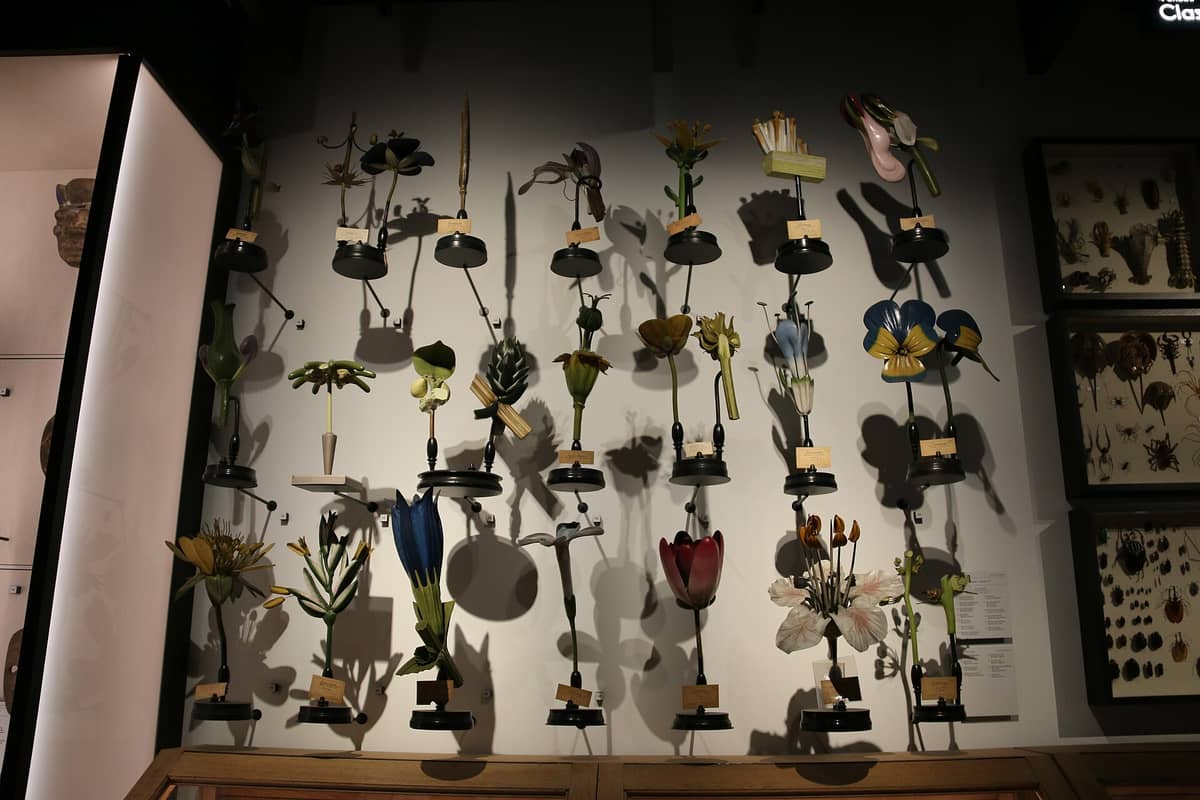
A short walk from the park's eastern edge, the Ghent University Botanic Garden is one of the oldest botanical gardens in Belgium and often overlooked by visitors focused on the main museums. Its greenhouses and systematic plant collections provide a quiet, genuinely interesting hour. It is not a large garden, but the quality of the collections and the historic glass structures make it worth the detour.
MSK Gent: Flemish masters to early 20th-century art, Fernand Scribedreef 1
S.M.A.K.: postwar and contemporary art, large-scale temporary exhibitions, Jan Hoetplein 1
Citadelpark: 19th-century English landscape park, pond, sculptures, open lawns
Ghent University Botanic Garden: historic greenhouses and plant collections, short walk east of the park
Sint-Pietersabdij: Romanesque abbey at the northern edge of the quarter, now a cultural centre with regular exhibitions
💡 Local tip
MSK and S.M.A.K. are both closed on Mondays. If you plan to visit both in one day, allow at least three to four hours. The square between the two buildings is a good lunch spot if the weather holds.
Eating & Drinking
The Museum Quarter is not a destination neighbourhood for food, but it is not a culinary desert either. Both MSK and S.M.A.K. have their own cafés, which serve decent coffee, light lunches, and a rotating selection of sandwiches and soups. These are perfectly adequate for a mid-museum break and are priced at broadly standard Belgian café rates. Neither is trying to be a restaurant, but as a practical matter they work well.
The streets immediately surrounding Citadelpark are mostly residential, with small neighbourhood cafés and bakeries serving the local population rather than tourists. This is actually an advantage: prices are lower, portions tend to be more generous, and you are unlikely to be seated next to a tour group. Look for sandwich bars and broodjeszaken near the university buildings north of the park for good-value lunches.
For a wider range of options, the Overpoortstraat area to the northwest has bars and affordable restaurants catering to the student population. The quality varies, but the atmosphere is lively and unpretentious. For something more refined, the streets of the historic centre, reachable in around 25 minutes on foot, offer a much broader range: consult the Ghent food guide for specific recommendations across different neighbourhoods and price points.
There are park benches and open lawns throughout Citadelpark, and picking up provisions from a nearby bakery or delicatessen for a picnic lunch is a genuinely pleasant option in good weather. The pond area and the central lawns are well-used by locals for exactly this purpose on weekday lunchtimes and weekend afternoons.
Getting There & Around
Gent-Sint-Pieters is the main entry point for this neighbourhood. It is Ghent's principal intercity railway station, with frequent direct connections from Brussels, Bruges, and Antwerp. From Brussels-Midi, the journey takes around 30 minutes by direct intercity train. From Brussels Airport, you can take a direct train to Gent-Sint-Pieters roughly once per hour, or connect via Brussels-Noord or Brussels-Midi for higher-frequency departures. Always verify current timetables and fares with NMBS/SNCB before travelling.
From Gent-Sint-Pieters station, the park's eastern edge is about a ten-minute walk heading west on foot. The route is straightforward and well-signposted toward the museums. From the historic centre, several De Lijn tram lines run south toward Sint-Pieters station, passing through or close to the Museum Quarter. The De Lijn network covers Ghent well; check current line numbers and stops on the De Lijn website or app before your visit, as tram numbering has changed over the years. For more on getting around the city, the getting around Ghent guide covers all transit options in detail.
Within the Museum Quarter and Citadelpark itself, walking is the only practical option and the most enjoyable one. The park paths are well-maintained and flat, with the slight hilltop position giving occasional views toward the city centre spires to the north. Cycling is possible on the streets surrounding the park; Ghent has an extensive cycling infrastructure and bike racks near both museums.
ℹ️ Good to know
A single De Lijn ride (tram or bus) costs €3 and is valid for one hour, allowing transfers within that window. Contactless payment by bank card, phone, or smartwatch is accepted on board. Verify current fares at visit.gent.be or the De Lijn website before travelling, as prices are subject to change.
Where to Stay
The Citadelpark and Museum Quarter area is not Ghent's primary hotel district, but it is a legitimate option for a specific type of traveller. Accommodation here tends toward smaller hotels, guesthouses, and apartments rather than large tourist-facing properties. If your main reason for visiting Ghent is the art museums or the university, staying in this neighbourhood puts both within walking distance. If you want to be in the middle of the medieval city with the Graslei waterfront and the Belfry on your doorstep, the historic centre or Patershol will suit you better. For a full breakdown of Ghent's accommodation options by neighbourhood, the where to stay in Ghent guide is the most useful starting point.
The main practical advantage of staying in this area is proximity to Gent-Sint-Pieters station. If you are arriving by train and leaving by train, and do not want to haul luggage across cobblestones through the medieval centre, the Museum Quarter makes logistical sense. The streets between the park and the station are quiet and residential, which means genuinely peaceful nights, but also means you will need to travel or walk to reach the livelier parts of the city in the evening.
Families with children may find this area particularly practical: the park provides an easy outdoor space, the museums (especially S.M.A.K., which runs regular family programming) offer structured activities, and the residential character means streets and pavements are less congested than in the historic core.
Is the Museum Quarter Right for You?
Citadelpark and the Museum Quarter are a specific kind of Ghent experience. They are not where you go to feel the energy of a medieval Flemish city: for that, you need the area around the Graslei and Korenlei waterfront, or the market square at Vrijdagmarkt. What Citadelpark offers instead is a different register: cultural depth, open green space, and a neighbourhood that reads as authentically Ghentian rather than built around tourism.
The combination of MSK and S.M.A.K. is genuinely exceptional. Few European cities of Ghent's size have two institutions of this calibre within two minutes' walk of each other, and even seasoned museum visitors tend to find the pairing rewarding. If you are building an itinerary around Ghent's art and culture rather than its Instagram skyline, this quarter should anchor at least one full day. Pair it with Sint-Pietersabdij and the Botanic Garden for a complete day without ever entering the medieval core. Or read the guide to the best museums in Ghent to see how the Museum Quarter fits into the city's wider cultural map.
⚠️ What to skip
The Museum Quarter is significantly quieter than the historic centre after 6pm. If you are staying here and want to experience Ghent's bar and restaurant scene, plan to travel north into the city in the evenings. The walk or tram ride is short, but the neighbourhood itself offers very limited evening options.
TL;DR
Two world-class art museums (MSK and S.M.A.K.) face each other across Citadelpark, making this Ghent's densest concentration of serious visual art.
The neighbourhood has a calm, residential character that is very different from the tourist-heavy medieval centre: good for museum-focused visitors, less suited to those wanting constant atmosphere.
Gent-Sint-Pieters station is about ten minutes on foot, making this one of the most transit-accessible neighbourhoods in the city for train travellers.
Best for: art and culture enthusiasts, families, travellers who want green space and quiet evenings, and anyone arriving by rail who prefers to avoid the medieval-core hotel prices.
Not ideal for: travellers who want to be surrounded by Ghent's medieval architecture, lively evening dining, or the concentrated café culture of Patershol or the historic centre.
Ghent rewards visitors who stay longer than a day trip. This two-day itinerary covers the medieval core, the best museums, canal-side eating, and the practical logistics to make every hour count — with clear notes on what's worth your time and what isn't.
Ghent's medieval skyline is defined by its three great towers, two of which belong to churches that rank among the finest in Northern Europe. This guide covers every major church and religious building worth seeking out, from the cathedral housing Jan van Eyck's masterpiece to a quiet beguinage that has barely changed in centuries.
Ghent stands out for museum-going. This guide covers the city's finest collections, from medieval altarpieces and Flemish old masters to contemporary art and decorative design, with practical advice on what to prioritise and when to visit.
Ghent rewards visitors in every season, but the best time to visit Ghent depends on your priorities. This guide breaks down weather patterns, major events, crowd peaks, and price fluctuations so you can choose the right window for your trip.
Ghent is one of Belgium's most rewarding cities and sits just 35 minutes from Brussels by train. This guide covers every transport option, the smartest itinerary for a single day, what to skip, and what not to miss — including the city's medieval waterfront, world-famous altarpiece, and canal boat tours.
Ghent sits at the centre of one of Europe's most connected rail networks, putting Bruges, Brussels, Antwerp, and the WWI battlefields of Flanders Fields within easy reach. This guide covers journey times, fares, what to do once you arrive, and how to avoid the most common planning mistakes.
Ghent holds one of Europe's greatest concentrations of Flemish master art, anchored by Jan van Eyck's Ghent Altarpiece and a self-guided cycle route connecting cathedral treasures, medieval streetscapes, and riverside nature reserves. This guide covers every key stop, practical logistics, and what to skip.
Ghent stands out for free attractions. From sweeping canal views and medieval architecture to botanical gardens and contemporary street art, this guide covers the best no-cost experiences the city has to offer.
The Gentse Feesten is one of Europe's largest free city festivals, transforming Ghent's medieval centre into 10 days of concerts, street theatre, and late-night revelry every July. This guide covers everything from how to navigate the festival's spread-out layout to booking accommodation before it sells out.
Ghent is one of Belgium's most walkable historic cities, but knowing how its tram network, train connections, and visitor passes work saves real time and money. This guide covers every transport option in detail, from Brussels Airport transfers to De Lijn ticketing, cycling routes, and the CityCard Gent.
The Ghent Christmas Market, officially known as Gentse Winterfeesten, transforms the city's medieval squares into one of Belgium's most atmospheric winter events each December. This guide covers exact dates, opening hours, what to expect at each location, practical transport tips, and practical advice on making the most of your visit.
Ghent takes its food seriously. This guide covers every dish worth ordering in the city, from the iconic creamy waterzooi stew to cone-shaped cuberdon candies, with clear context on prices, seasonality, and where locals actually eat.
Ghent stands out after dark. With a student population of tens of thousands, a dense historic centre, and multiple distinct nightlife zones, the city offers everything from cheap weeknight pints on Overpoortstraat to late-night jazz and craft beer in medieval surroundings. This guide covers every major area, what to expect on different nights of the week, and how to avoid the rookie mistakes.
Ghent is one of Belgium's most impressive medieval cities, and it doesn't have to be expensive. From free canal walks and no-cost museum entry for under-18s to the CityCard Gent pass and multi-trip tram tickets, this guide covers every angle of visiting Ghent without breaking the bank.
Ghent is one of Belgium's most photogenic cities, with medieval towers, guild-lined canals, and hidden courtyards at every turn. This guide covers the 20 best photo spots in Ghent, from classic panoramas to atmospheric backstreets, with practical advice on when to go and what to expect.
Ghent has one of Belgium's most seriously developed street art scenes, backed by city policy, a free downloadable map, and over 330 catalogued works. This guide covers every self-guided route, the best guided tours, the legendary Werregarenstraatje, and how to explore beyond the tourist center.
Both cities are medieval, canal-laced, and packed with Flemish history — but they feel completely different on the ground. This guide breaks down the real differences between Ghent and Bruges so you can choose wisely, or plan both.
Ghent rewards walkers more than almost any city in Belgium. This guide covers the best self-guided walking routes through the historic centre, practical logistics, CityCard value, seasonal tips, and the landmarks you genuinely should not skip.
Ghent's medieval canals are among the most atmospheric in Belgium, threading past Gothic towers, guild houses, and centuries-old quaysides. This guide covers every boat trip option, the best spots to explore on foot, what things cost, and the practical details that make the difference between a great experience and a wasted afternoon.
Ghent stands out as a family destination. This guide covers the best activities for kids in Ghent, from castle adventures and canal tours to parks, pools, and seasonal events, with practical advice on what to skip and how to save money with the CityCard.
Ghent packs medieval architecture, world-class art, and one of Belgium's best food scenes into a compact, walkable historic centre. This 24-hour itinerary tells you exactly where to go, what to skip, and how to move between it all without wasting a minute.
Ghent stands out as a romantic destination. This guide covers the best experiences for couples, from evening walks along illuminated waterways to medieval castles, Flemish food, and the quieter corners that most visitors miss. Practical and seasonal.
Ghent is Belgium's most underestimated city. With a medieval core, world-class museums, a thriving food scene, and fewer tourist crowds than Bruges, it rewards visitors who take their time. This guide covers the best things to do in Ghent — from the unmissable to the genuinely off the beaten track — with real prices, practical logistics, and practical advice.
Choosing where to stay in Ghent shapes your entire trip. This guide breaks down every key neighbourhood by atmosphere, price, and convenience, then matches each to the right type of traveller, from first-timers to budget backpackers to couples after a romantic canal-view room.