Ghent's Best Churches & Religious Architecture: A Complete Guide
Ghent's medieval skyline is defined by its three great towers, two of which belong to churches that rank among the finest in Northern Europe. This guide covers every major church and religious building worth seeking out, from the cathedral housing Jan van Eyck's masterpiece to a quiet beguinage that has barely changed in centuries.
Plan and book this trip
Tools from our partner Travelpayouts help you compare flights and hotels. If you book through them, we may earn a commission at no extra cost to you.
Flights
Hotels map
Ghent is one of Europe's best-preserved medieval cities, and nowhere is that more apparent than in its religious architecture. The city's historic centre rewards slow exploration: within a few minutes' walk you can move from a soaring Gothic cathedral to a Romanesque parish church to a walled beguinage that feels centuries removed from the modern city outside. For a practical route connecting these highlights, the Ghent walking tour guide is the ideal starting point. If you want to understand how these buildings fit into the city's broader artistic history, the Flemish Masters in Ghent guide provides essential context. Ghent is one of Europe’s best-preserved medieval cities, and nowhere is that more apparent than in its religious architecture. The city’s historic centre rewards slow exploration: within a few minutes’ walk you can move from a soaring Gothic cathedral to a Romanesque parish church to a walled beguinage that feels centuries removed from the modern city outside. For a practical route connecting these highlights, the is the ideal starting point. If you want to understand how these buildings fit into the city’s broader artistic history, the provides essential context. Most churches in Ghent are free to enter; the main exception is the ticketed visitor experience for the Ghent Altarpiece inside St Bavo’s Cathedral, which costs €12.50. Plan to spend at least a half-day if you want to visit the major churches properly.
💡 Local tip
Most Ghent churches are free to enter. St Bavo’s Cathedral is free; only the Ghent Altarpiece visitor experience is ticketed (€12.50). Sunday visits require adjusted timing as services affect access. Check each church’s opening hours before visiting, as some have limited weekday access. Check each church's opening hours before visiting, as some have limited weekday access.
The Cathedral & Its Masterpiece
1. Start at the Heart: St Bavo's Cathedral
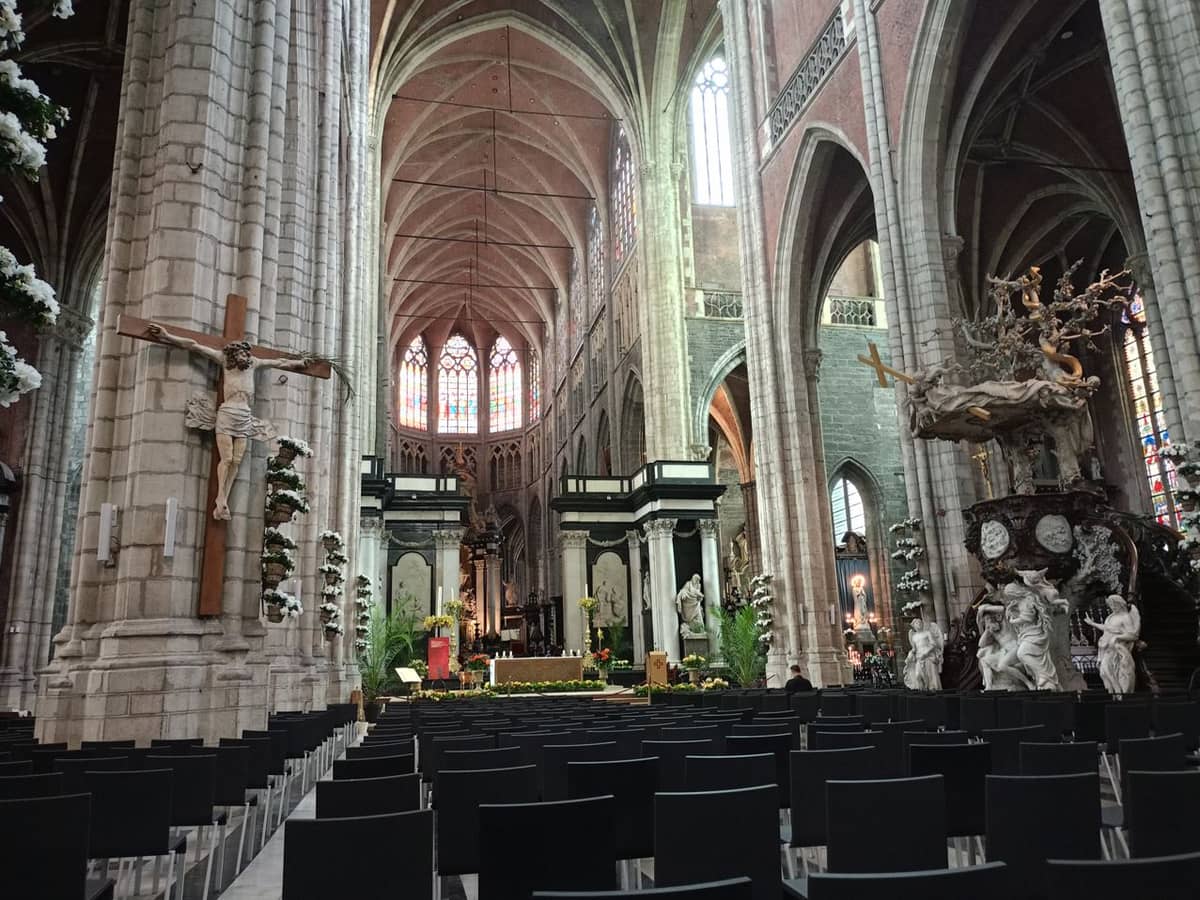
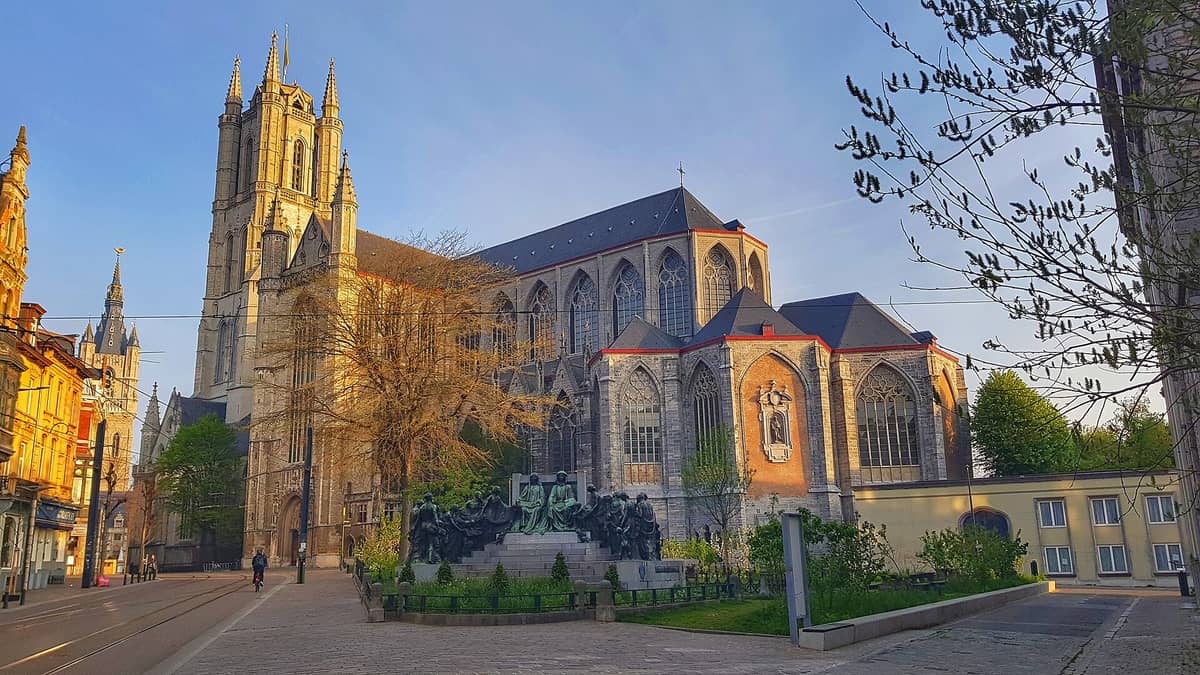
Ghent's Gothic cathedral took over two centuries to complete and it shows, in the best way. The soaring interior contains a Rubens altarpiece, a carved pulpit, and the entrance to the Altarpiece visitor centre. Free entry; open Mon–Sat 8:30–17:30, Sun 13:00–17:30.
Explore1. Start at the Heart: St Bavo's Cathedral
Ghent's Gothic cathedral took over two centuries to complete and it shows, in the best way. The soaring interior contains a Rubens altarpiece, a carved pulpit, and the entrance to the Altarpiece visitor centre. Free entry; open Mon–Sat 8:30–17:30, Sun 13:00–17:30.
Explore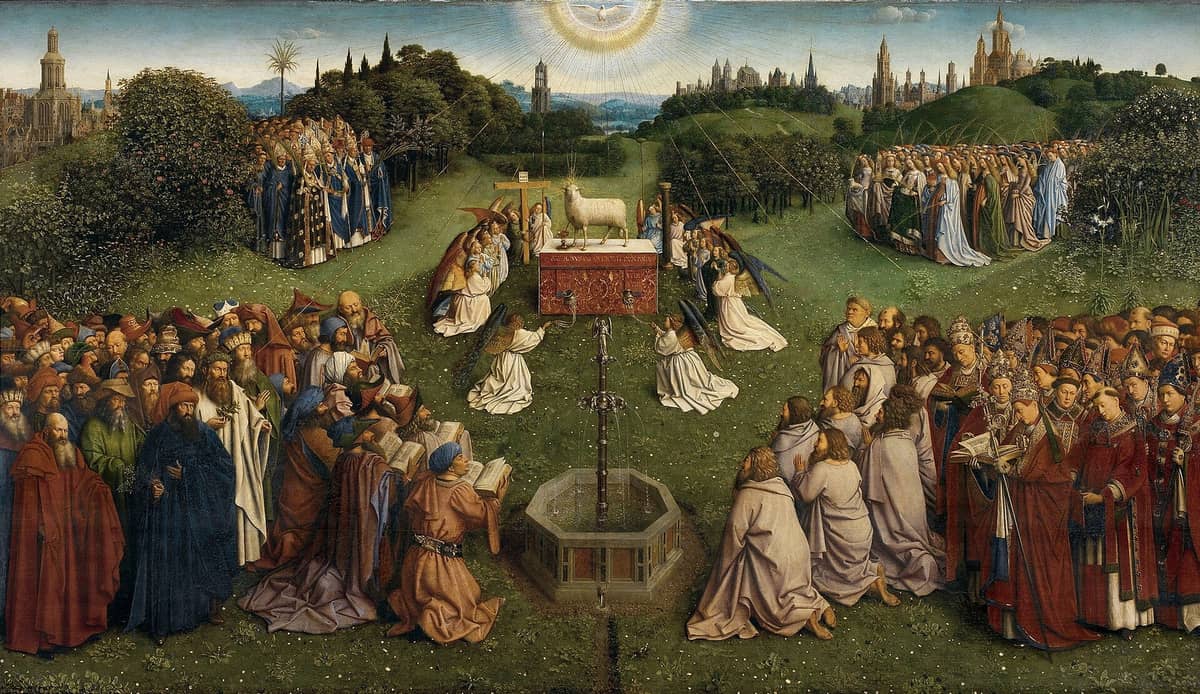
2. See the Ghent Altarpiece Up Close at St Bavo's
Jan van Eyck's 1432 polyptych is one of the most studied paintings in Western art history. Restored panels are displayed in a climate-controlled chapel with close-up viewing. Tickets are €12.50 (€16 with AR tour, €8 for under-12s). Book ahead in peak season.
Explore2. See the Ghent Altarpiece Up Close at St Bavo's
Jan van Eyck's 1432 polyptych is one of the most studied paintings in Western art history. Restored panels are displayed in a climate-controlled chapel with close-up viewing. Tickets are €12.50 (€16 with AR tour, €8 for under-12s). Book ahead in peak season.
ExploreThe Three Towers: Ghent's Defining Skyline
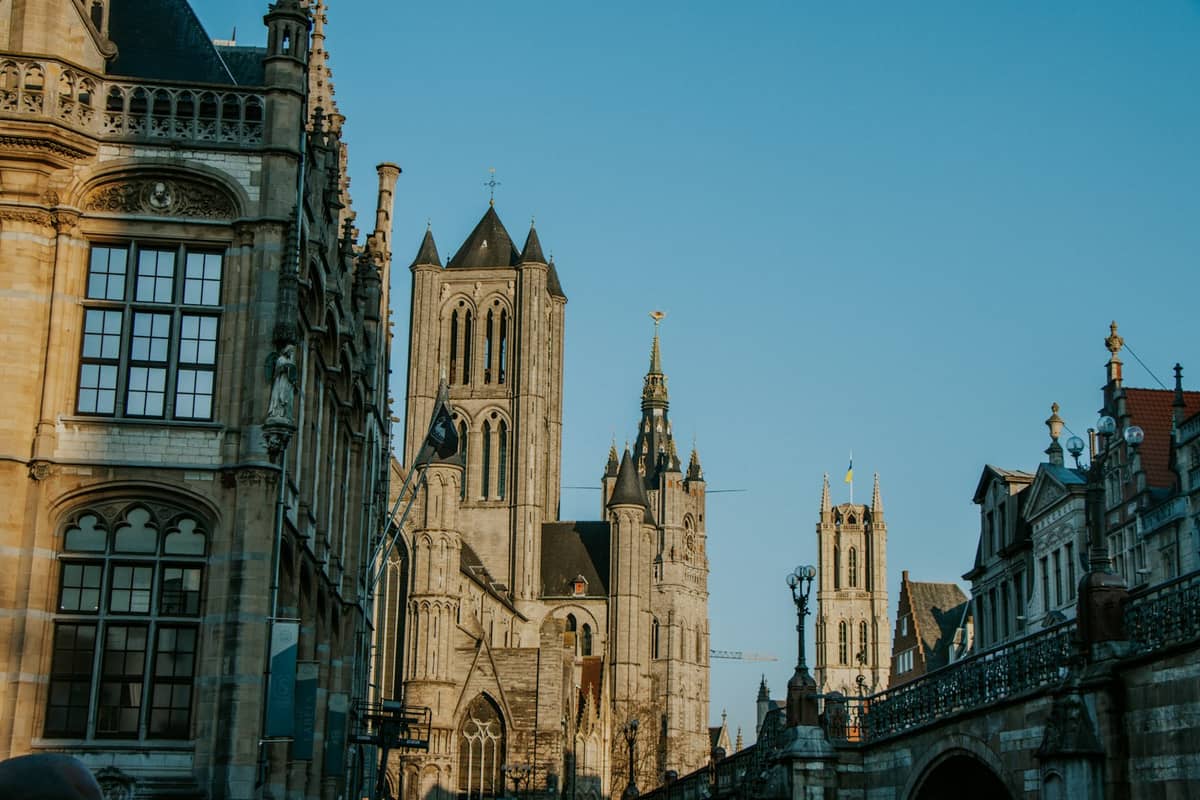
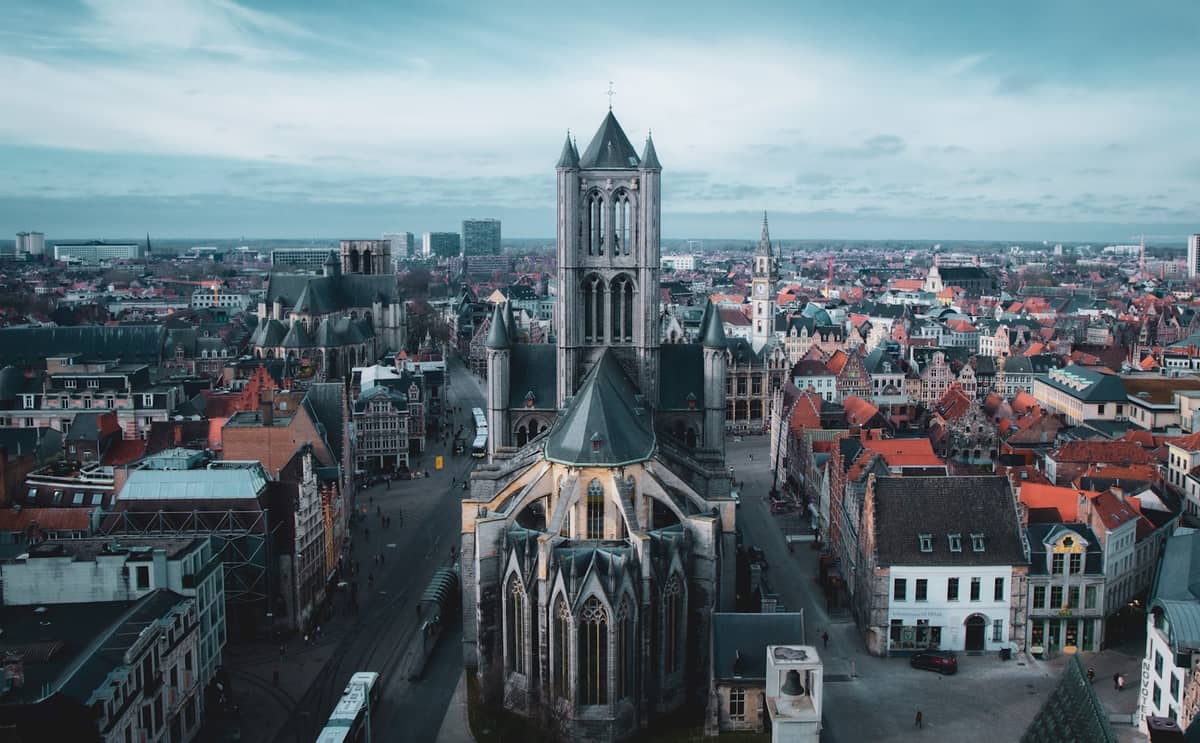
Ghent's medieval skyline is defined by three towers visible from across the city: the Belfry, St Bavo's, and St Nicholas' Church. The best place to see all three framed together is from the historic centre, specifically from St Michael's Bridge. The towers represent different architectural eras and functions, and seeing them together tells you everything about Ghent's medieval ambitions.
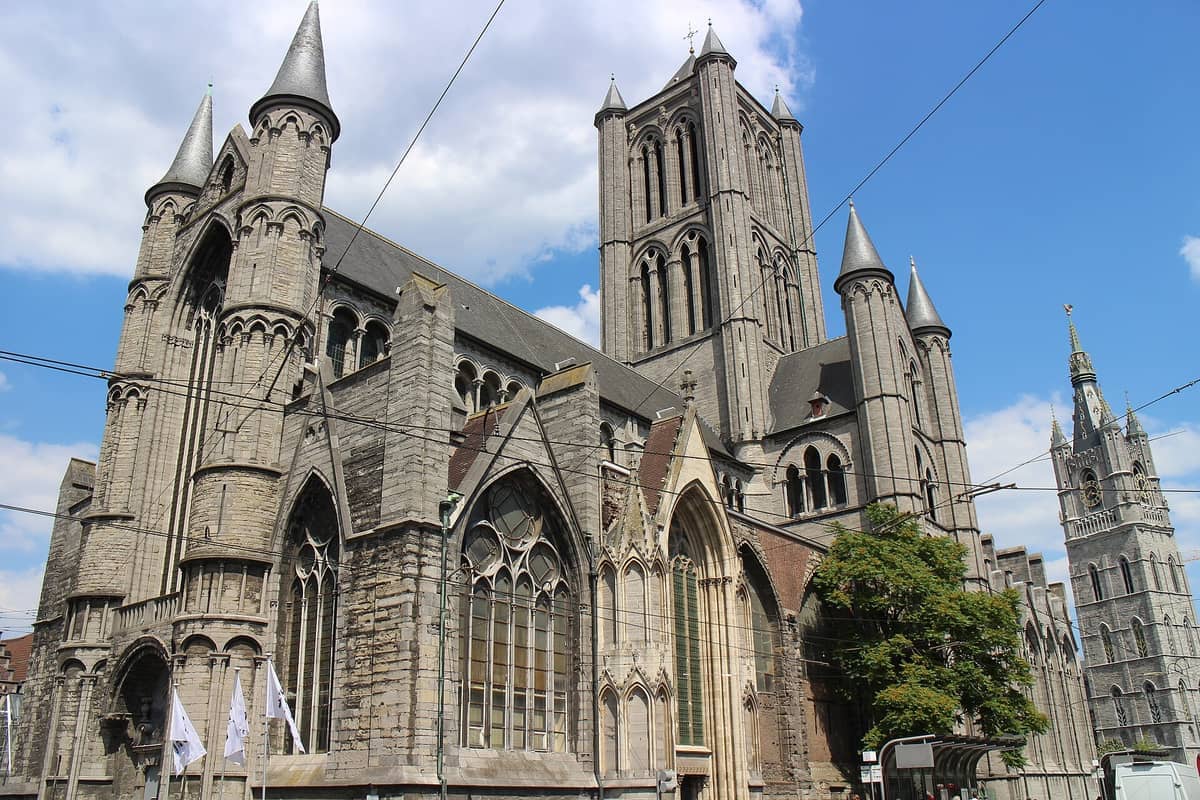
3. Admire Scheldt Gothic at Its Finest: St Nicholas' Church
The oldest of Ghent's three towers and one of Belgium's finest examples of Scheldt Gothic. The distinctive clustered turrets and recently restored interior make this a standout, yet it attracts far fewer visitors than St Bavo's. A calm, rewarding stop right on Korenmarkt.
Explore3. Admire Scheldt Gothic at Its Finest: St Nicholas' Church
The oldest of Ghent's three towers and one of Belgium's finest examples of Scheldt Gothic. The distinctive clustered turrets and recently restored interior make this a standout, yet it attracts far fewer visitors than St Bavo's. A calm, rewarding stop right on Korenmarkt.
Explore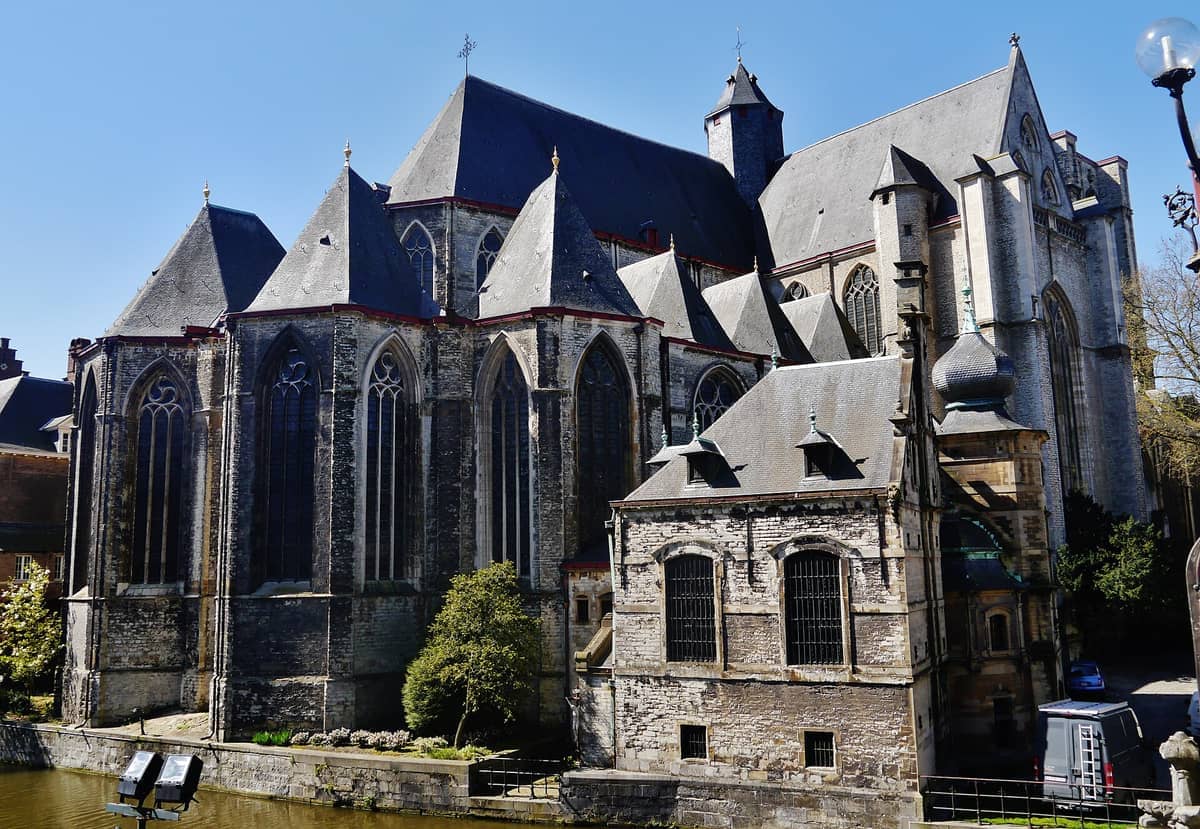
4. Explore an Unfinished Gothic Ambition: St Michael's Church
Planned to be the tallest church in the Low Countries, St Michael's was never completed, leaving its tower truncated and distinctive. Inside, major Flemish Baroque paintings reward those who venture beyond the famous bridge view outside. Entry is free.
Explore4. Explore an Unfinished Gothic Ambition: St Michael's Church
Planned to be the tallest church in the Low Countries, St Michael's was never completed, leaving its tower truncated and distinctive. Inside, major Flemish Baroque paintings reward those who venture beyond the famous bridge view outside. Entry is free.
Explore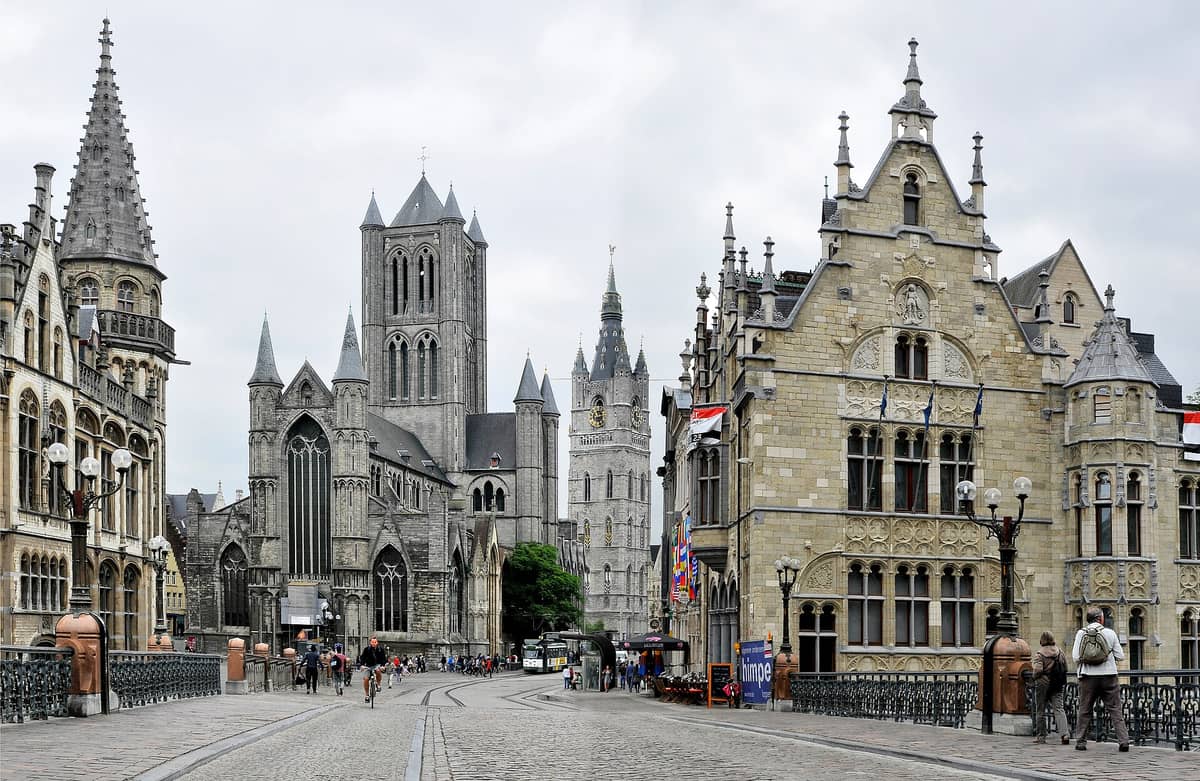
5. Photograph All Three Towers from St Michael's Bridge
Not a church itself, but the essential viewpoint for understanding Ghent's religious skyline. From the bridge you see St Bavo's, the Belfry, and St Nicholas' aligned in one frame, with the Graslei guild houses below. Best light is in the late afternoon.
Explore5. Photograph All Three Towers from St Michael's Bridge
Not a church itself, but the essential viewpoint for understanding Ghent's religious skyline. From the bridge you see St Bavo's, the Belfry, and St Nicholas' aligned in one frame, with the Graslei guild houses below. Best light is in the late afternoon.
ExploreParish Churches & Neighbourhood Landmarks
Beyond the famous trio of towers, Ghent's parish churches are often overlooked but architecturally fascinating. St James' Church in particular sits in a neighbourhood context worth exploring further in the Patershol quarter, one of Ghent's oldest and most characterful areas.
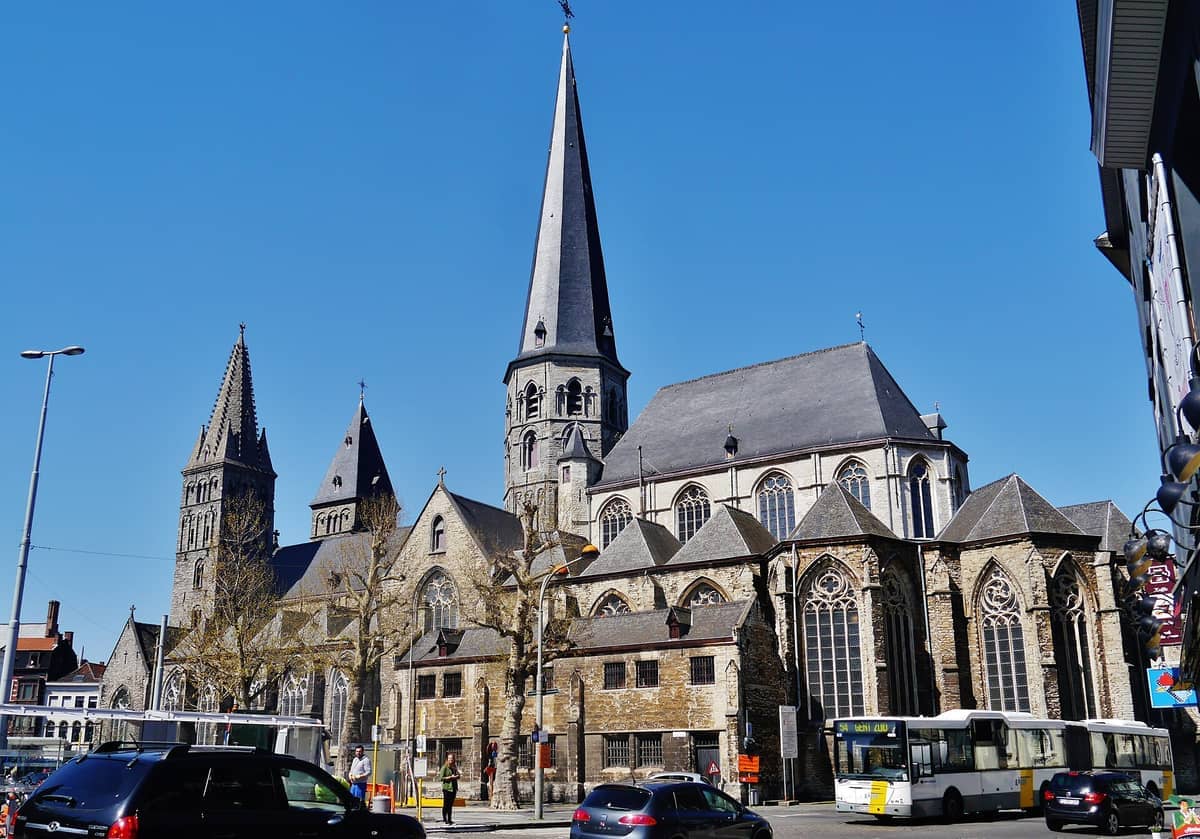
6. Discover the Merchant City's Church: St James' (Sint-Jacobskerk)
This Romanesque-Gothic church served Ghent's merchant quarter for centuries and its exterior blends two architectural eras in a way that feels entirely natural. The square it fronts hosts a popular weekend flea market, making it practical to combine both in one visit.
Explore6. Discover the Merchant City's Church: St James' (Sint-Jacobskerk)
This Romanesque-Gothic church served Ghent's merchant quarter for centuries and its exterior blends two architectural eras in a way that feels entirely natural. The square it fronts hosts a popular weekend flea market, making it practical to combine both in one visit.
ExploreBeguinages, Abbeys & Religious Communities
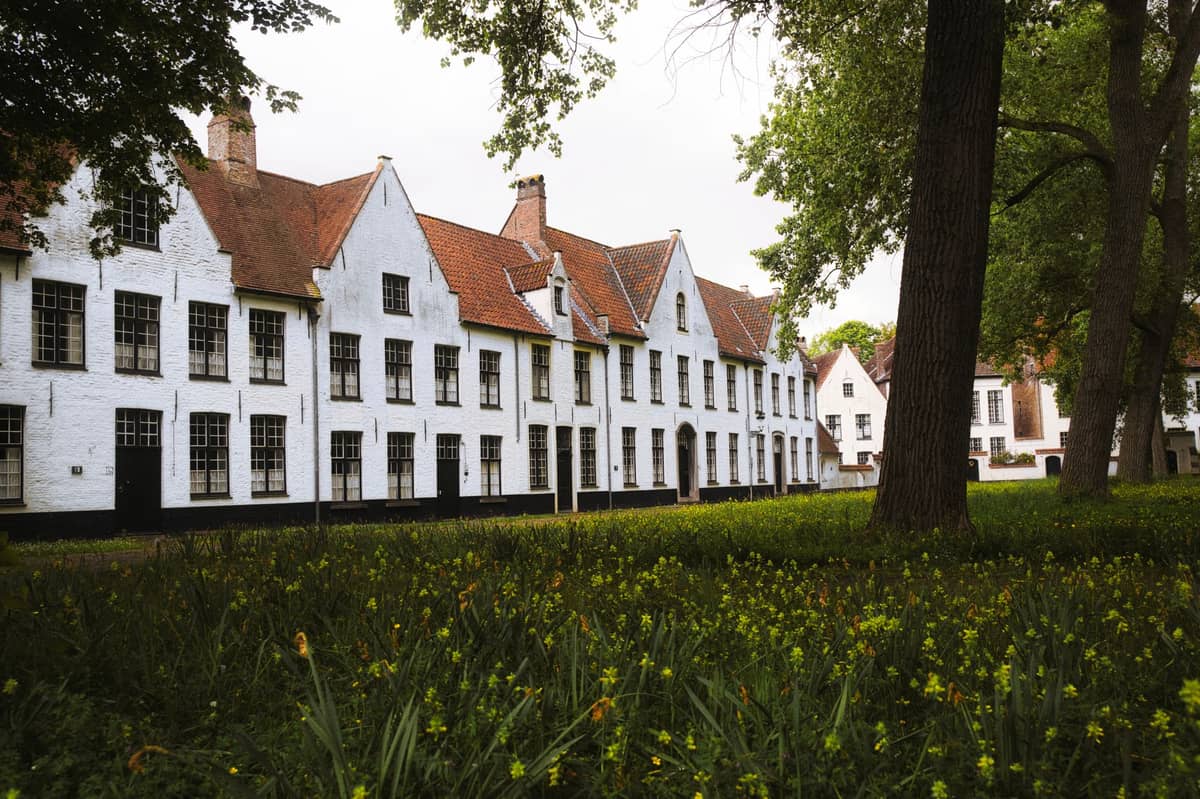
Ghent's religious heritage extends beyond its parish churches into beguinages and monastic complexes that survived the Reformation and subsequent centuries of change. The Old St Elizabeth Beguinage sits near the Prinsenhof quarter, an area that also contains the Rabot city gate and some of Ghent's quietest streets. For those interested in how medieval religious life shaped the city's layout, these sites are as informative as any cathedral.
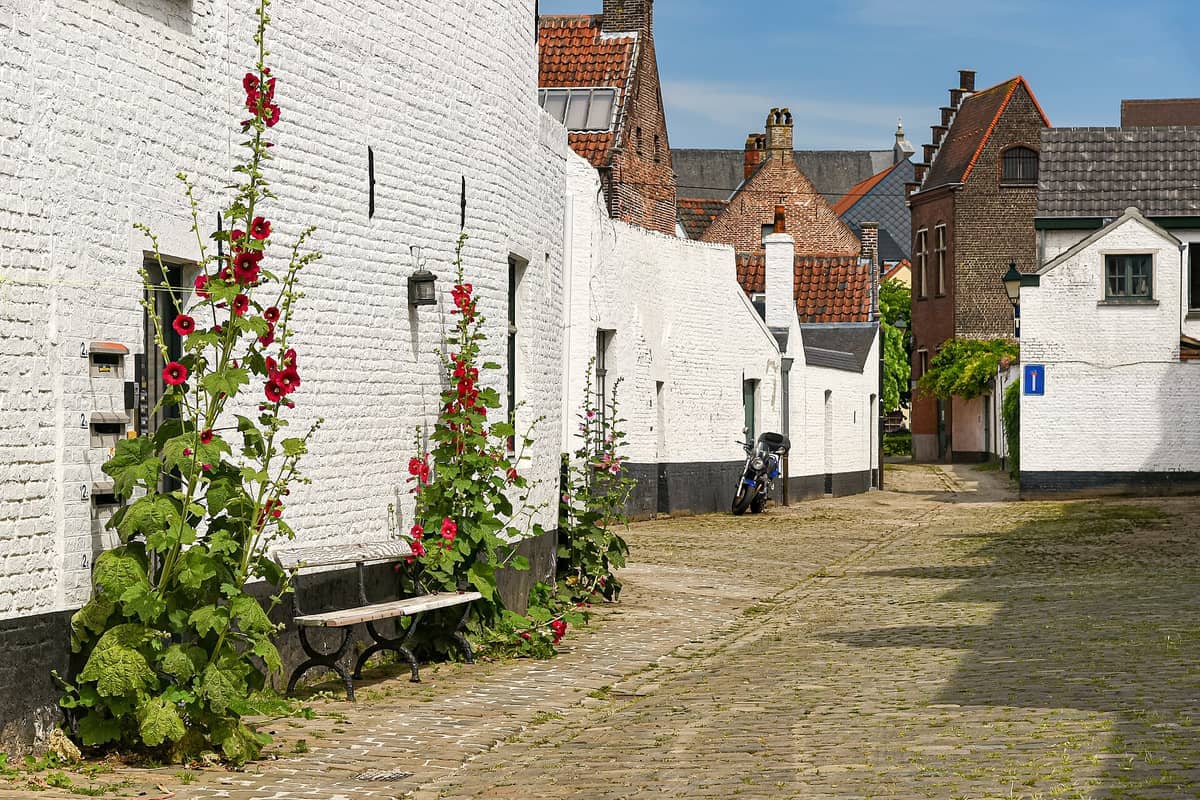
7. Step Inside a Walled Beguinage Near the Prinsenhof
One of Ghent's oldest beguinages, this walled complex of historic houses is a UNESCO-recognised Flemish cultural heritage type. The atmosphere inside is genuinely quiet and unchanged. Unlike the more famous Bruges beguinage, this one sees very few tourists.
Explore7. Step Inside a Walled Beguinage Near the Prinsenhof
One of Ghent's oldest beguinages, this walled complex of historic houses is a UNESCO-recognised Flemish cultural heritage type. The atmosphere inside is genuinely quiet and unchanged. Unlike the more famous Bruges beguinage, this one sees very few tourists.
Explore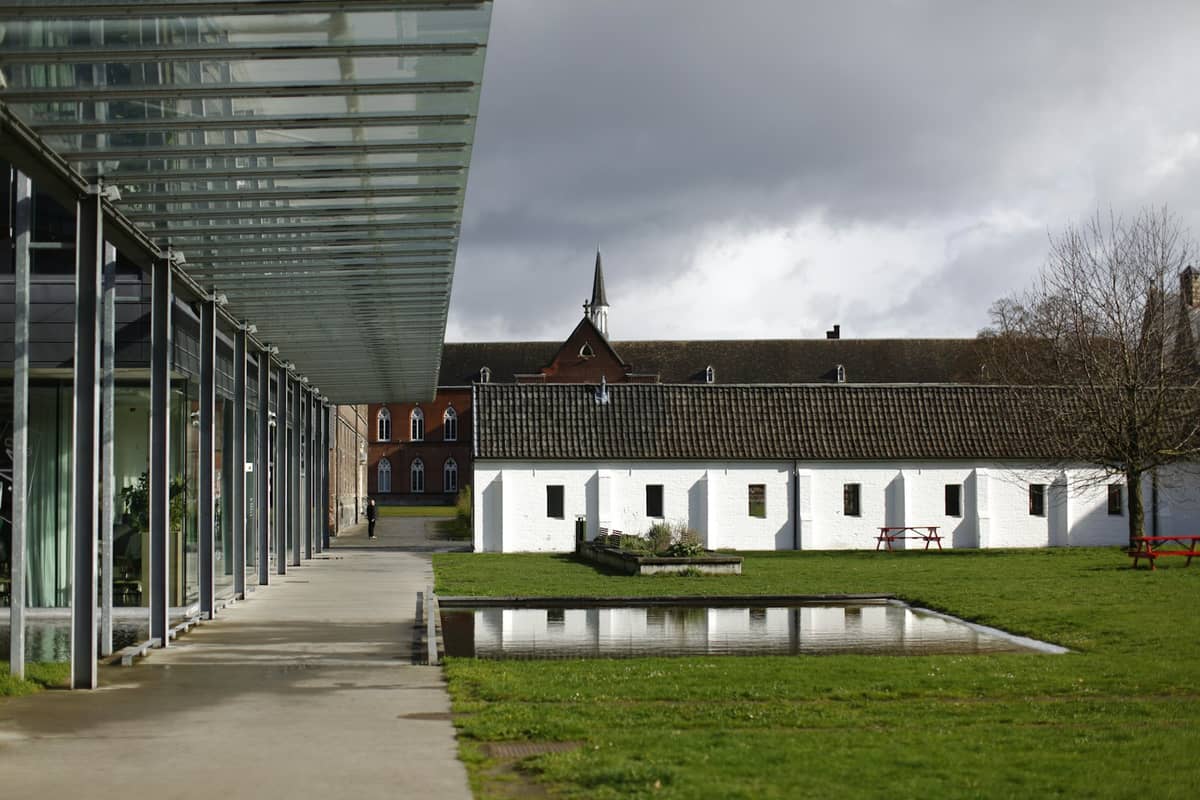
8. Visit the Gothic Refectory of Bijloke Abbey at STAM
STAM, the city history museum, is housed within a medieval abbey complex including a 14th-century Gothic refectory with original medieval frescoes still intact on the walls. The religious architecture here is exceptional, and most visitors come only for the museum displays.
Explore8. Visit the Gothic Refectory of Bijloke Abbey at STAM
STAM, the city history museum, is housed within a medieval abbey complex including a 14th-century Gothic refectory with original medieval frescoes still intact on the walls. The religious architecture here is exceptional, and most visitors come only for the museum displays.
ExploreArchitecture in Context: The Civic and Religious Streetscape
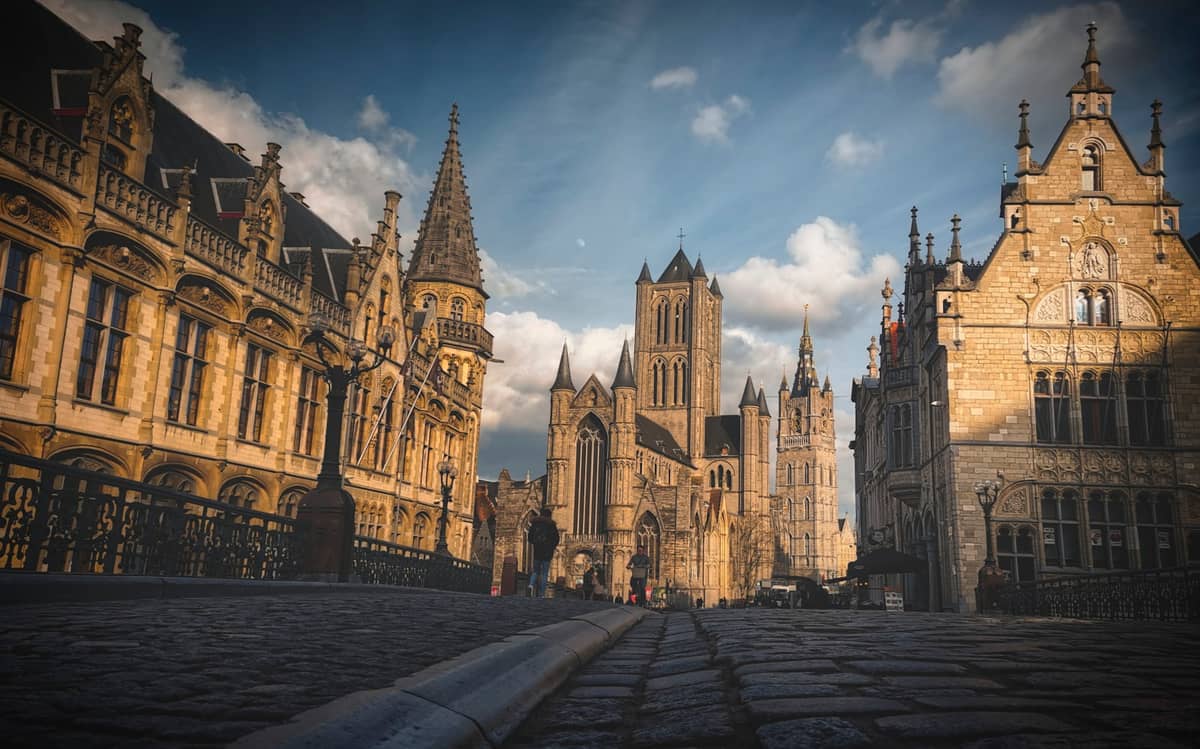
Ghent's religious buildings gain much of their meaning from the civic and commercial architecture surrounding them. The Belfry, Town Hall, and guild houses of the Graslei all formed part of the same medieval urban fabric as the city's churches. A photography guide to Ghent covers the best angles for capturing this interplay of towers and waterways.
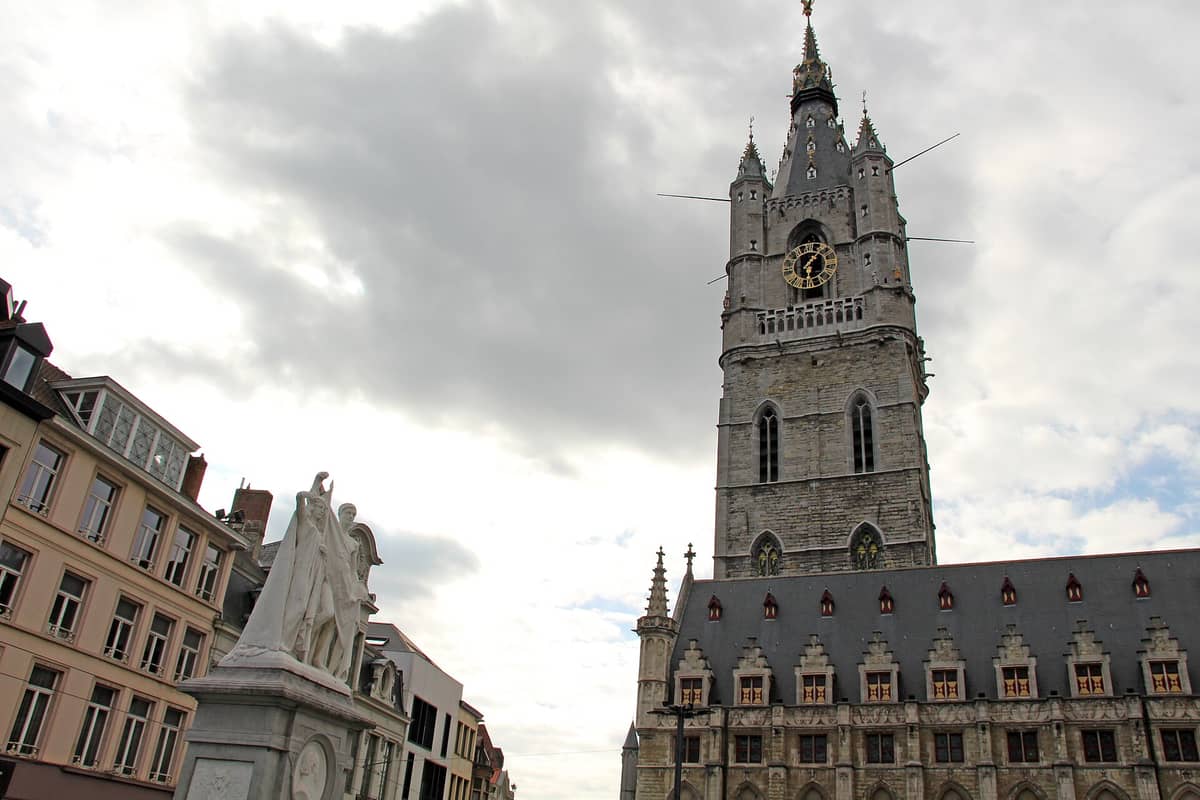
9. Climb the Belfry for a Panorama Over Ghent's Church Towers
The 91-metre Belfry is not a church but a secular watchtower, and standing at its summit shows how deliberately Ghent's medieval churches were positioned to dominate the skyline. Its 54-bell carillon still rings out. A UNESCO World Heritage Site as part of the Belfries of Belgium and France.
Explore9. Climb the Belfry for a Panorama Over Ghent's Church Towers
The 91-metre Belfry is not a church but a secular watchtower, and standing at its summit shows how deliberately Ghent's medieval churches were positioned to dominate the skyline. Its 54-bell carillon still rings out. A UNESCO World Heritage Site as part of the Belfries of Belgium and France.
Explore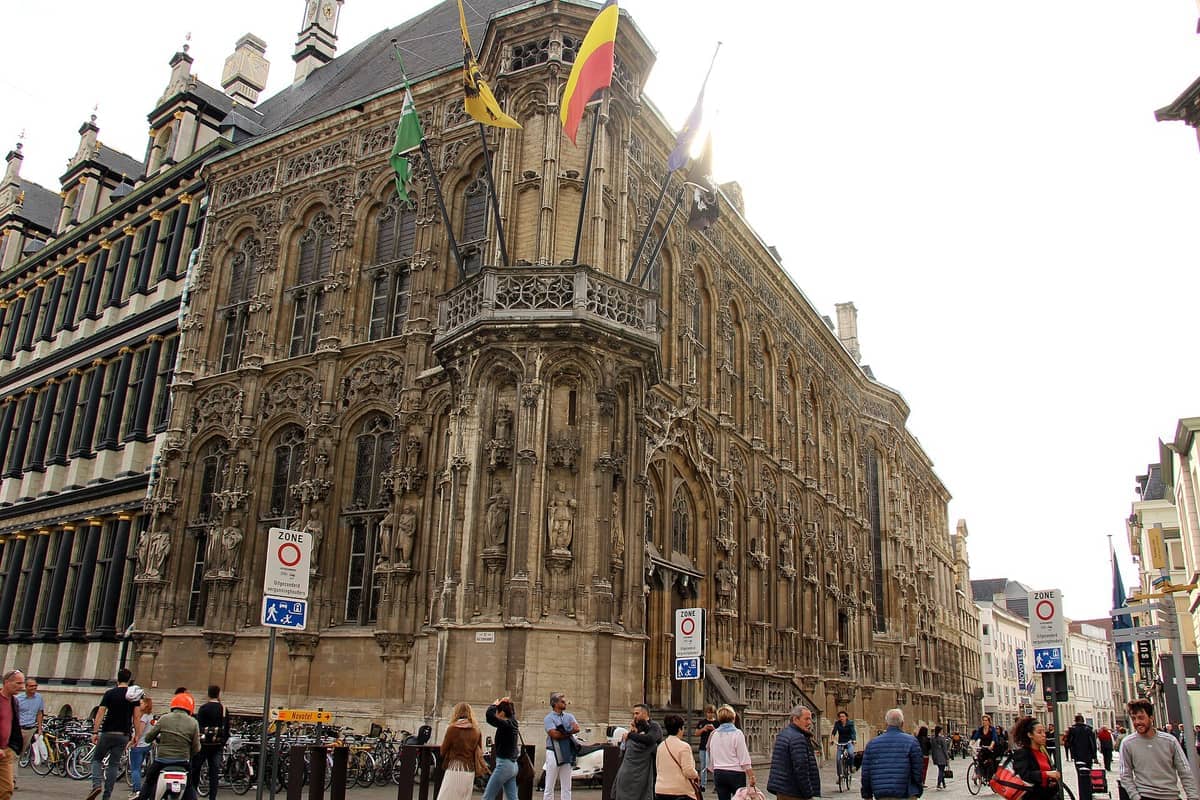
10. Compare Gothic and Renaissance on the Town Hall Façade
Built over two centuries, the Town Hall's split façade — flamboyant Gothic on one side, sober Renaissance on the other — reflects the same architectural tensions visible in Ghent's churches. Guided interior tours reveal ceremonial halls worth seeing alongside the city's religious spaces.
Explore10. Compare Gothic and Renaissance on the Town Hall Façade
Built over two centuries, the Town Hall's split façade — flamboyant Gothic on one side, sober Renaissance on the other — reflects the same architectural tensions visible in Ghent's churches. Guided interior tours reveal ceremonial halls worth seeing alongside the city's religious spaces.
Explore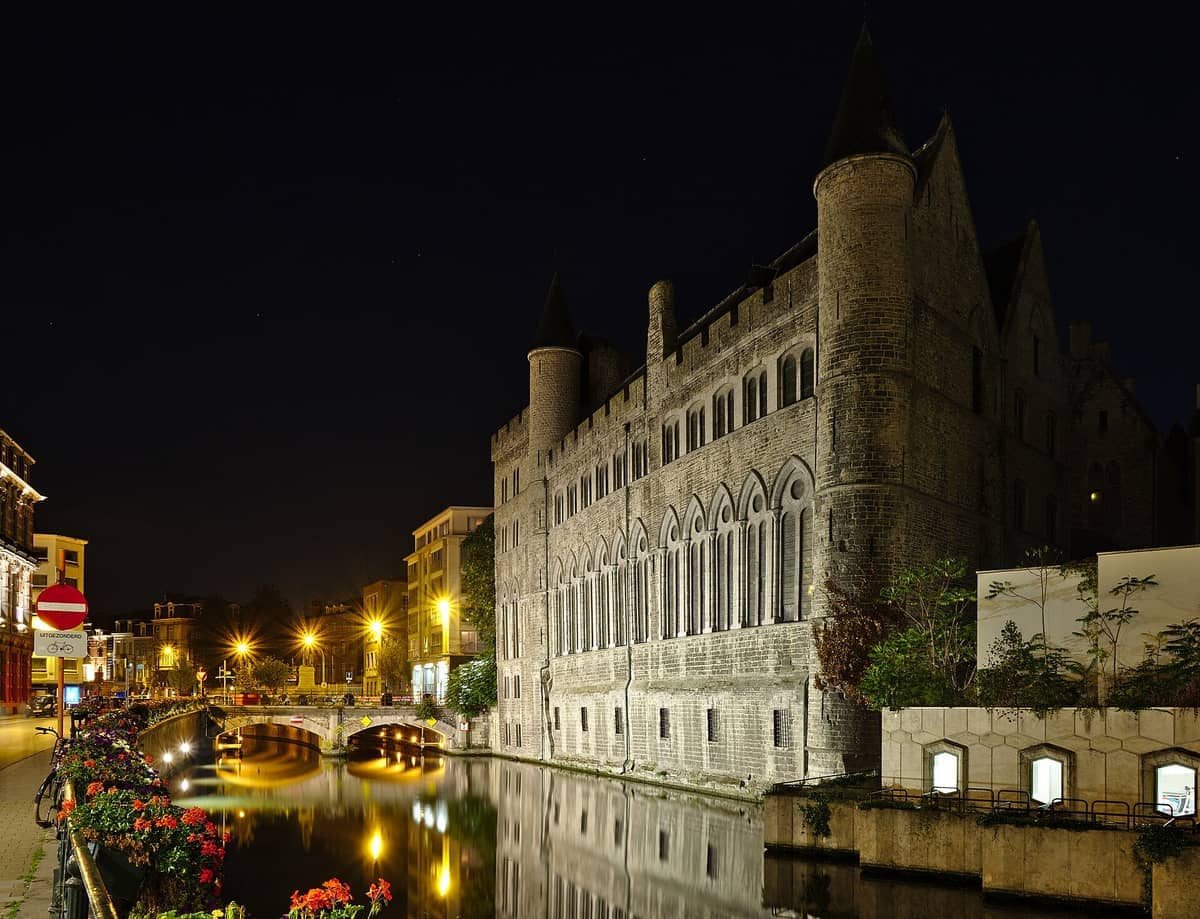
11. See Romanesque Architecture Survive at the Castle of Gerald the Devil
This 13th-century Romanesque palace predates most of Ghent's major churches and shows the architectural vocabulary that influenced early religious building in the city. Its massive grey stone façade over a quiet canal is one of Ghent's most atmospheric and undervisited sights.
Explore11. See Romanesque Architecture Survive at the Castle of Gerald the Devil
This 13th-century Romanesque palace predates most of Ghent's major churches and shows the architectural vocabulary that influenced early religious building in the city. Its massive grey stone façade over a quiet canal is one of Ghent's most atmospheric and undervisited sights.
Explore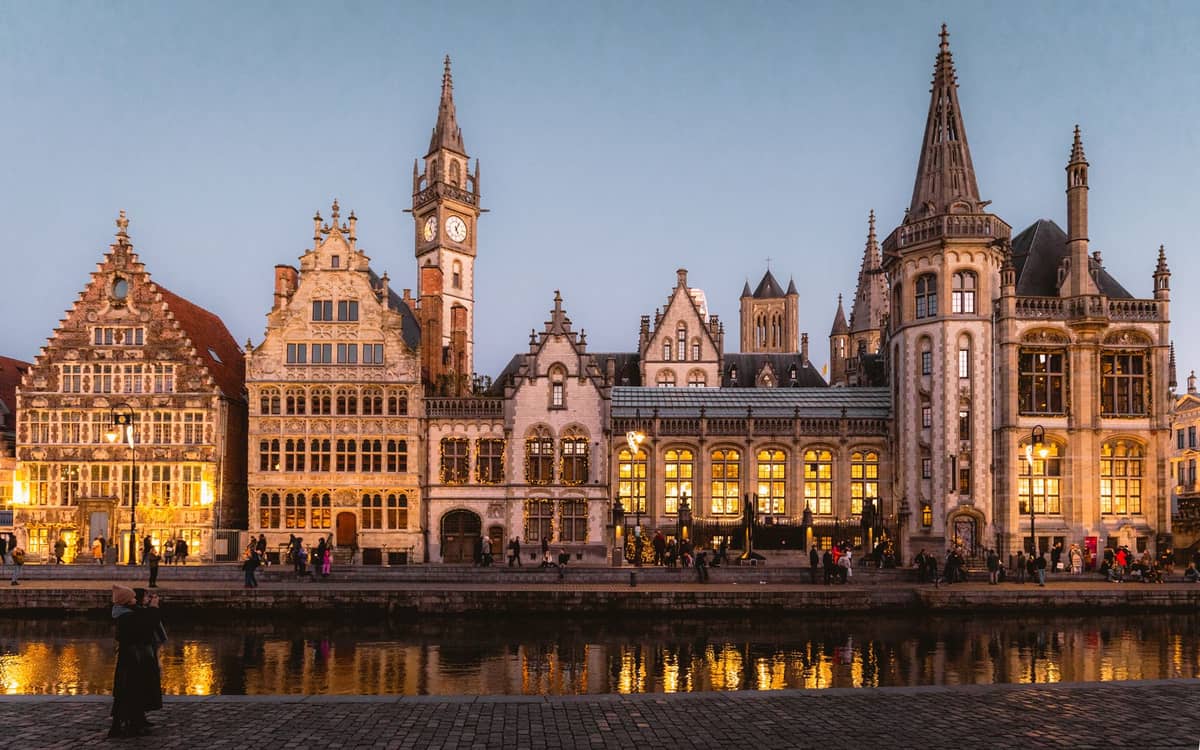
12. Frame the Cathedral Towers from the Graslei Quayside
The twin quaysides offer the classic view of Ghent's skyline with St Bavo's and St Nicholas' rising above the medieval guild houses. This is where the religious and commercial city converge most visibly. Best visited in the early morning before the terrace crowds arrive.
Explore12. Frame the Cathedral Towers from the Graslei Quayside
The twin quaysides offer the classic view of Ghent's skyline with St Bavo's and St Nicholas' rising above the medieval guild houses. This is where the religious and commercial city converge most visibly. Best visited in the early morning before the terrace crowds arrive.
Explore✨ Pro tip
If you want to visit St Bavo’s Cathedral on a Sunday, note that the cathedral only opens to general visitors from 13:00. Plan your day accordingly and visit the Graslei or St Nicholas’ Church in the morning instead. Plan your day accordingly and visit the Graslei or St Nicholas' Church in the morning instead.
FAQ
Is St Bavo's Cathedral free to enter in Ghent?
Yes, the cathedral itself is free to enter. The ticketed experience is the dedicated Ghent Altarpiece visitor centre inside, which costs €12.50 per adult (€16 with augmented reality tour, €8 for children under 12). Cathedral hours are Mon–Sat 8:30–17:30, Sun 13:00–17:30.
How many churches are worth visiting in Ghent?
For most visitors, three churches are essential: St Bavo’s Cathedral (for the Altarpiece and Gothic interior), St Nicholas’ Church, and St Michael’s Church (for the Baroque interior and the famous bridge view). St James’ Church and the Old St Elizabeth Beguinage are worthwhile additions if you have more time. St James' Church and the Old St Elizabeth Beguinage are worthwhile additions if you have more time.
Can you visit all the main churches in Ghent in one day?
Yes, the main churches are all within walking distance in the historic centre. Allow extra time for St Bavo’s Cathedral and for the beguinage if you continue deeper into the old city. A full morning to early afternoon is realistic.
What is the Ghent Altarpiece and why is it important?
The Ghent Altarpiece (Adoration of the Mystic Lamb) is a large polyptych painting completed by Jan van Eyck in 1432 and displayed in St Bavo’s Cathedral. It is considered one of the most significant paintings in Western art history, and it has survived wars, theft, and looting.
Are Ghent's churches accessible for wheelchair users?
St Bavo’s Cathedral, its visitor centre, and the Ghent Altarpiece display are fully wheelchair accessible according to Visit Gent. It is worth checking with individual venues before visiting if this is a concern.