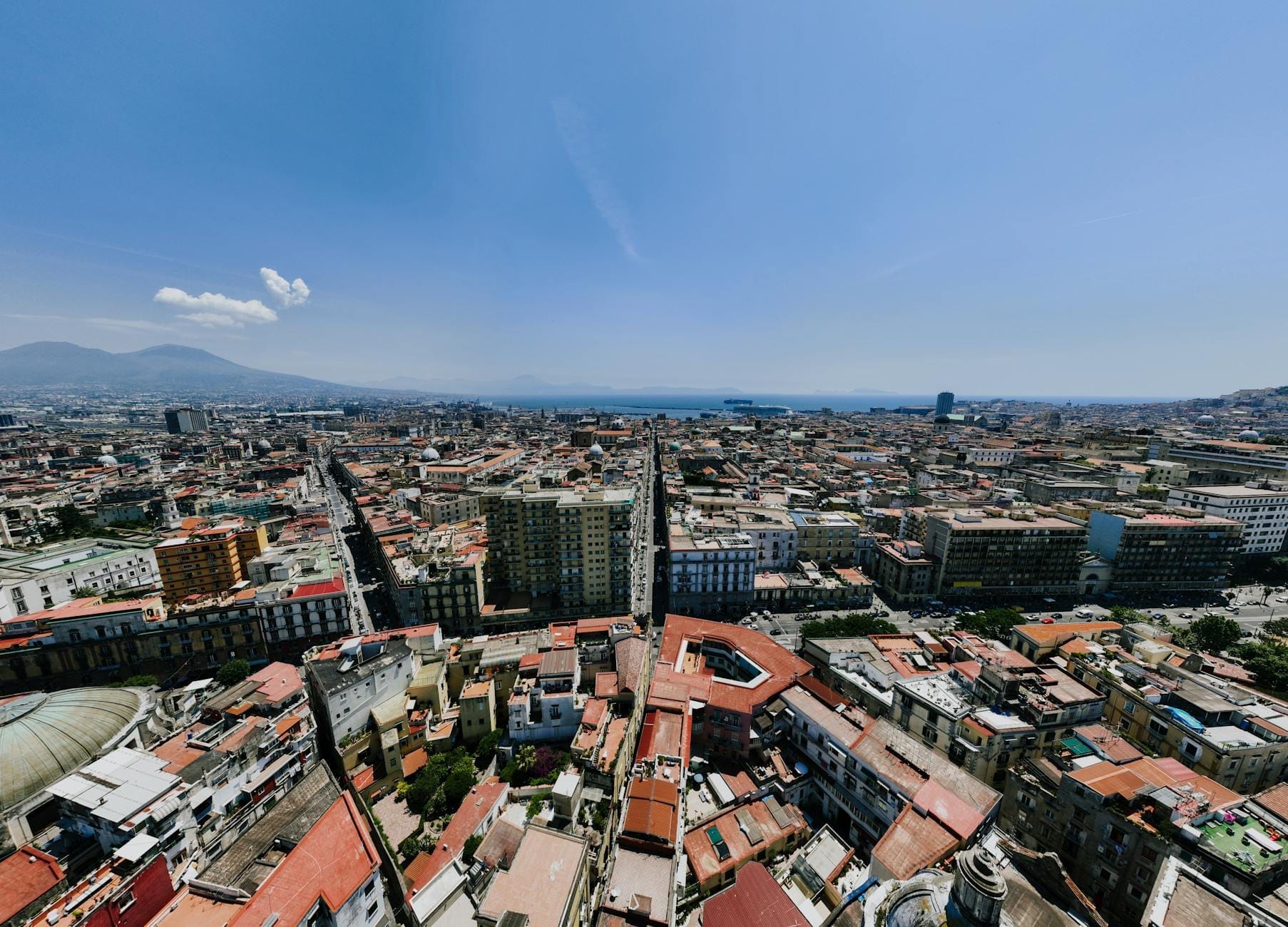
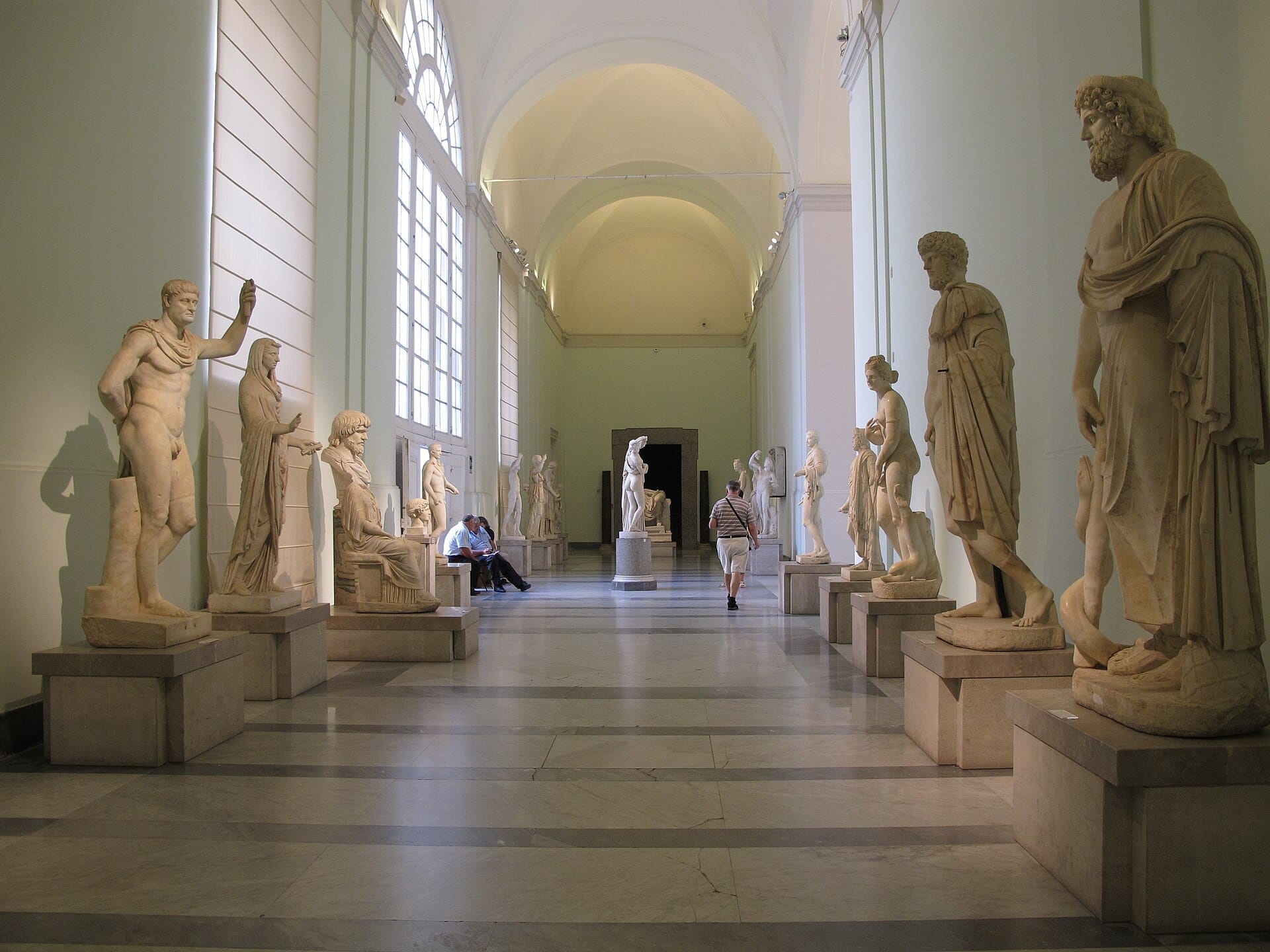
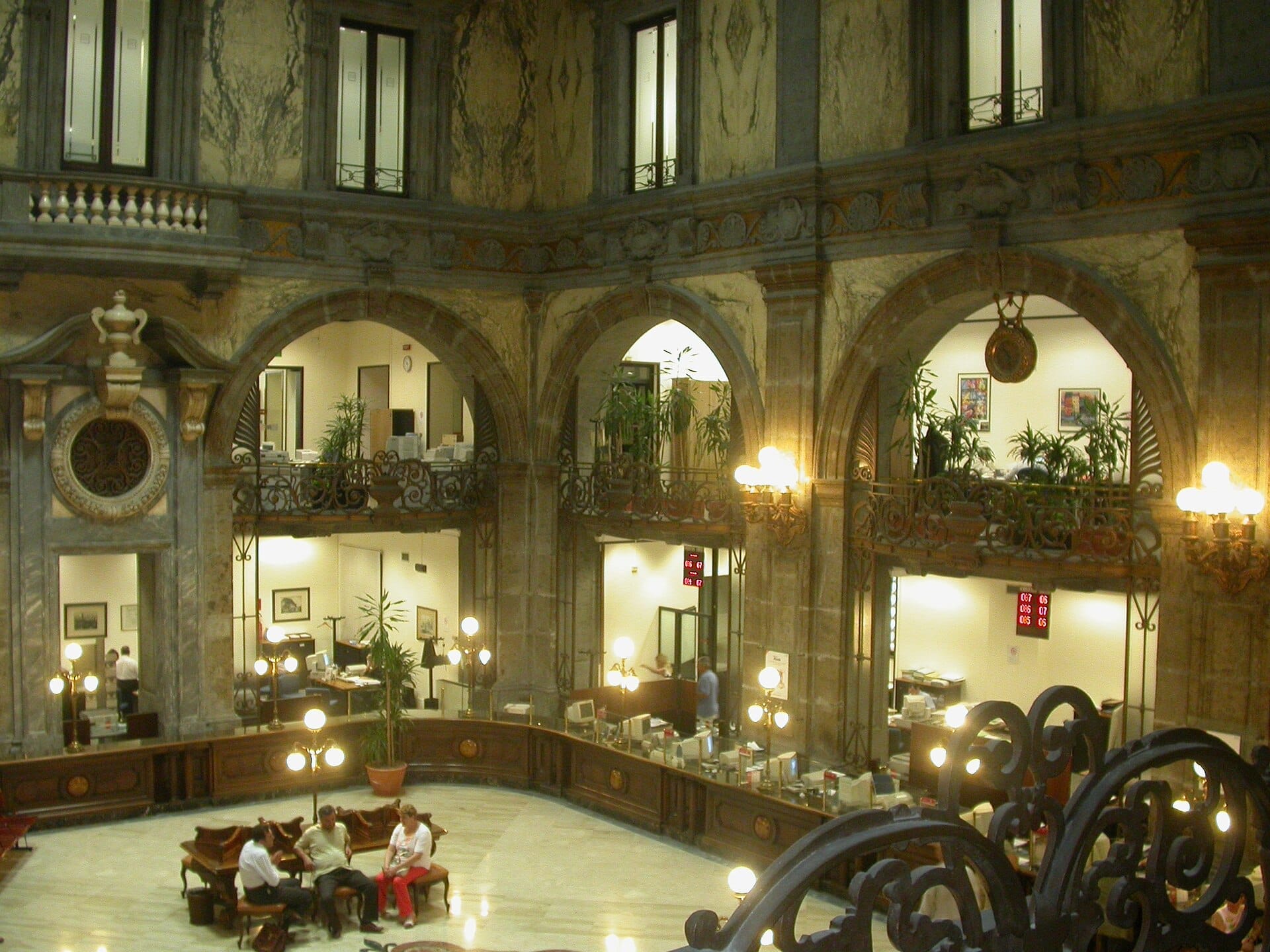
Centro Storico is the ancient heart of Naples and one of Europe's most densely historic urban areas, its street grid still following the three main decumani laid out in the ancient Greek city. Within a few city blocks you'll find baroque churches, underground Greek ruins, world-famous pizza, and one of the most intense street-level experiences of any city in Italy.
Centro Storico is where Naples is most itself: loud, layered, overwhelming in the best sense, and impossible to reduce to a single image. The UNESCO-listed historic centre preserves a street plan that predates Rome, overlaid with two millennia of churches, monasteries, palaces, and markets that sit cheek-by-jowl with laundry lines and motorbike traffic. This is not a sanitized old town; it is a living city that happens to contain an extraordinary density of art, architecture, and food within walking distance of almost everything.
Orientation
Centro Storico occupies the core of the wider UNESCO World Heritage property inscribed in 1995. The official protected area is large, but the neighborhood most visitors experience is the dense historic core around the decumani. Its boundaries are not hard lines on the ground but rather felt transitions: to the west, the neighborhood fades into the commercial corridor of Via Toledo and the Quartieri Spagnoli; to the north, the terrain rises toward the Stella and San Carlo all'Arena districts; to the east, it connects with the Piazza Garibaldi transport hub; and to the south, it descends toward the Porto and Mercato zones near the waterfront.
The internal structure of Centro Storico is defined by three ancient Greek roads known as decumani, running roughly east to west. The upper decumano is Via Anticaglia; the middle and most famous is Via dei Tribunali; the lower runs along Via Benedetto Croce, which becomes Via San Biagio dei Librai as you move east. Perpendicular to these are narrower north-south streets called cardines. This ancient grid is what gives the neighborhood its distinctive compressed geometry and explains why streets feel so narrow relative to the height of the buildings above them.
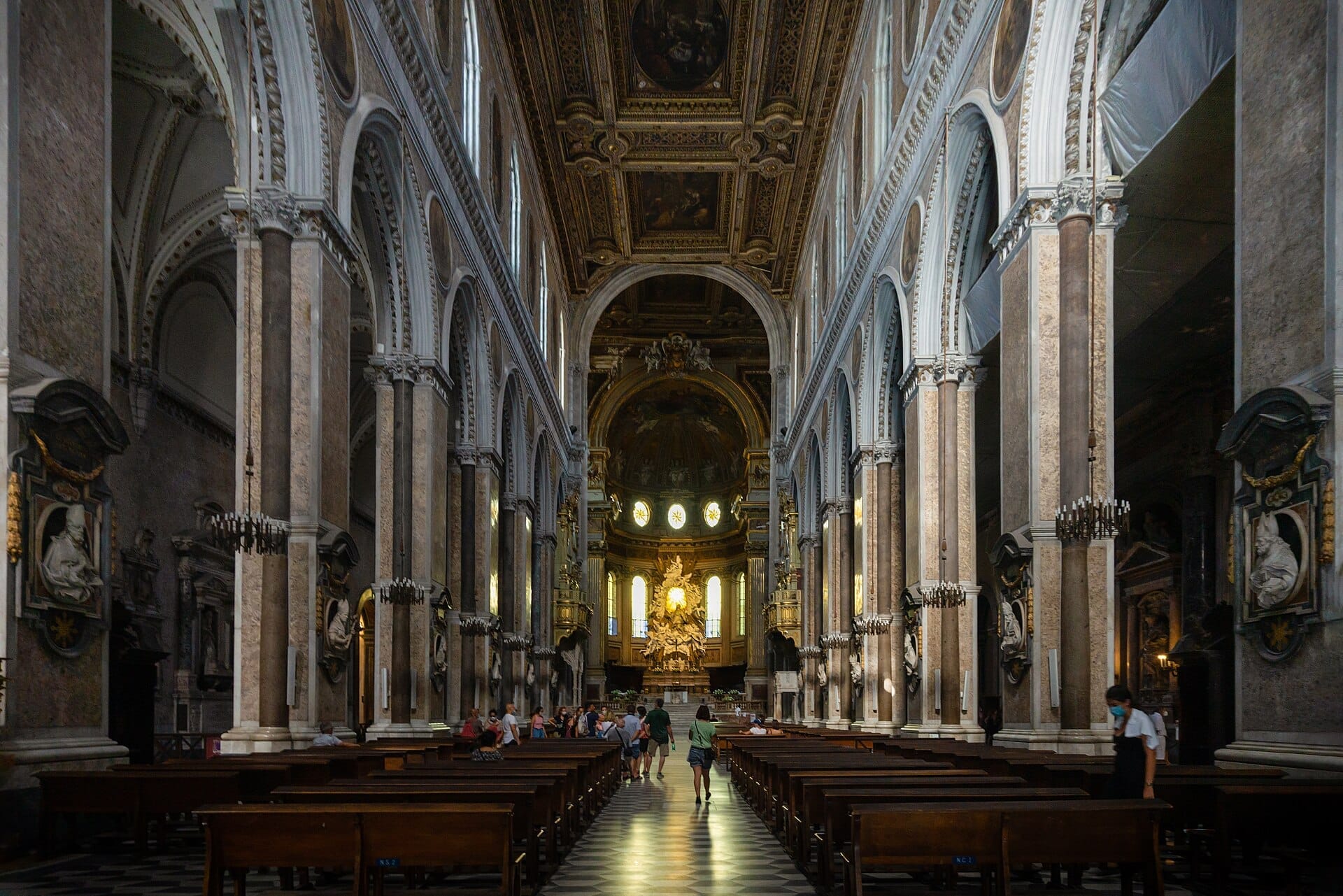
The two most useful orientation anchors for first-time visitors are Piazza del Gesù Nuovo in the west and the Duomo di Napoli in the east. The walk between them along Spaccanapoli takes about 15 minutes at a slow pace and crosses through the geographic and cultural spine of the entire neighborhood. Getting your bearings along this axis first, then exploring north and south, is the most effective way to build a mental map of Centro Storico.
Character & Atmosphere
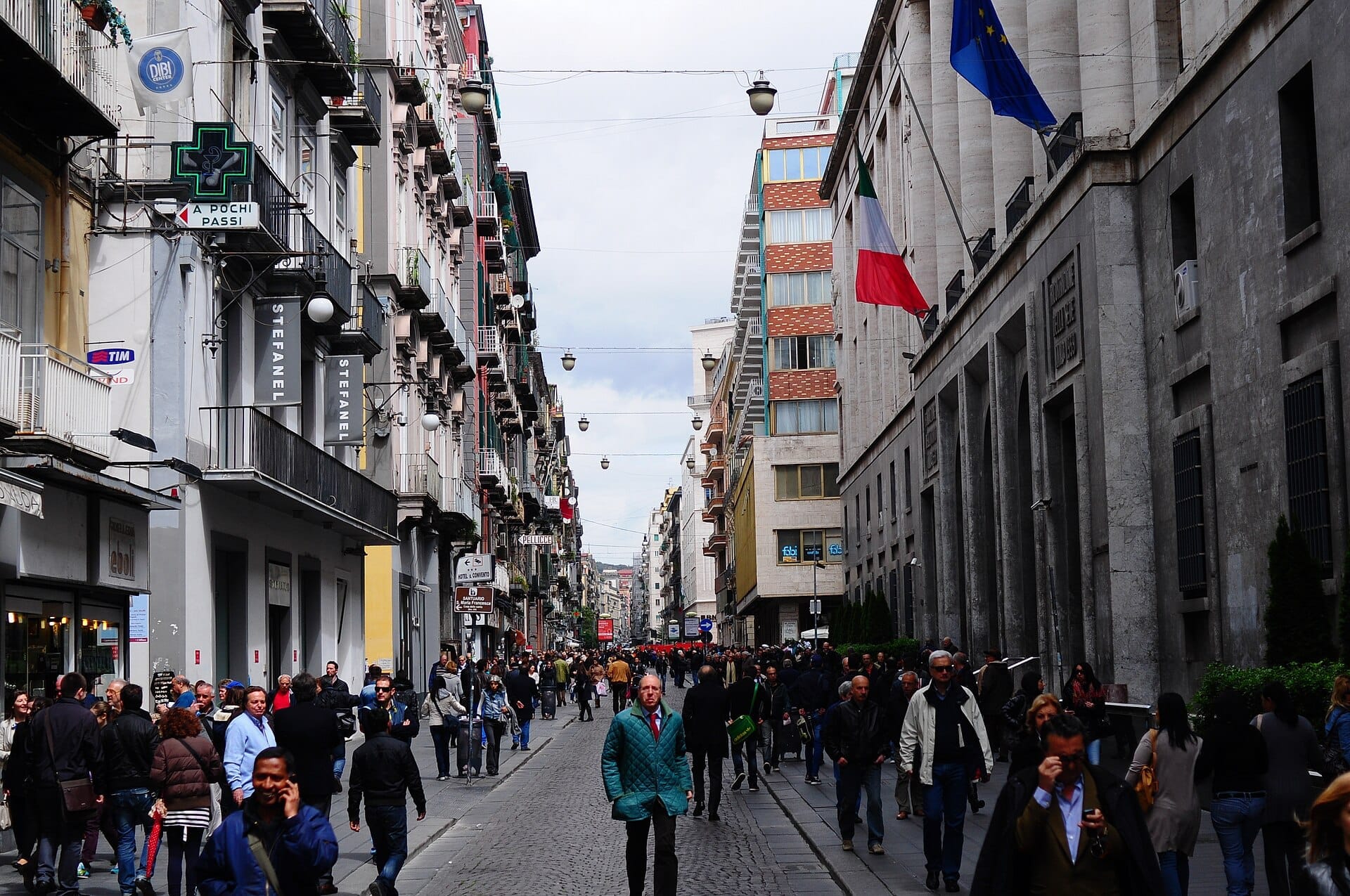
Centro Storico does not ease you in gradually. The moment you turn off Via Toledo or step out of the Dante metro station, the density of the neighborhood hits you at once: the narrowness of the streets, the height of the palazzi, the noise of scooters navigating lanes that were designed for foot traffic and mule carts. The light in the lower decumano streets is filtered for much of the day, arriving at street level only around midday when the sun is directly overhead. In the morning, that compressed light and shadow makes even a short walk feel like moving through a series of distinct interior spaces.
Mornings in Centro Storico belong to locals. The neighborhood has a dense residential population, and by 8am the streets around the markets at Porta Nolana and along Via dei Tribunali are already active with food deliveries, school runs, and shopkeepers pulling up metal shutters. The smell of espresso drifts out of corner bars where the counter is busy and no one is sitting down. Street vendors selling taralli, fried foods, and sfogliatelle set up near the main church squares before tourist foot traffic arrives.
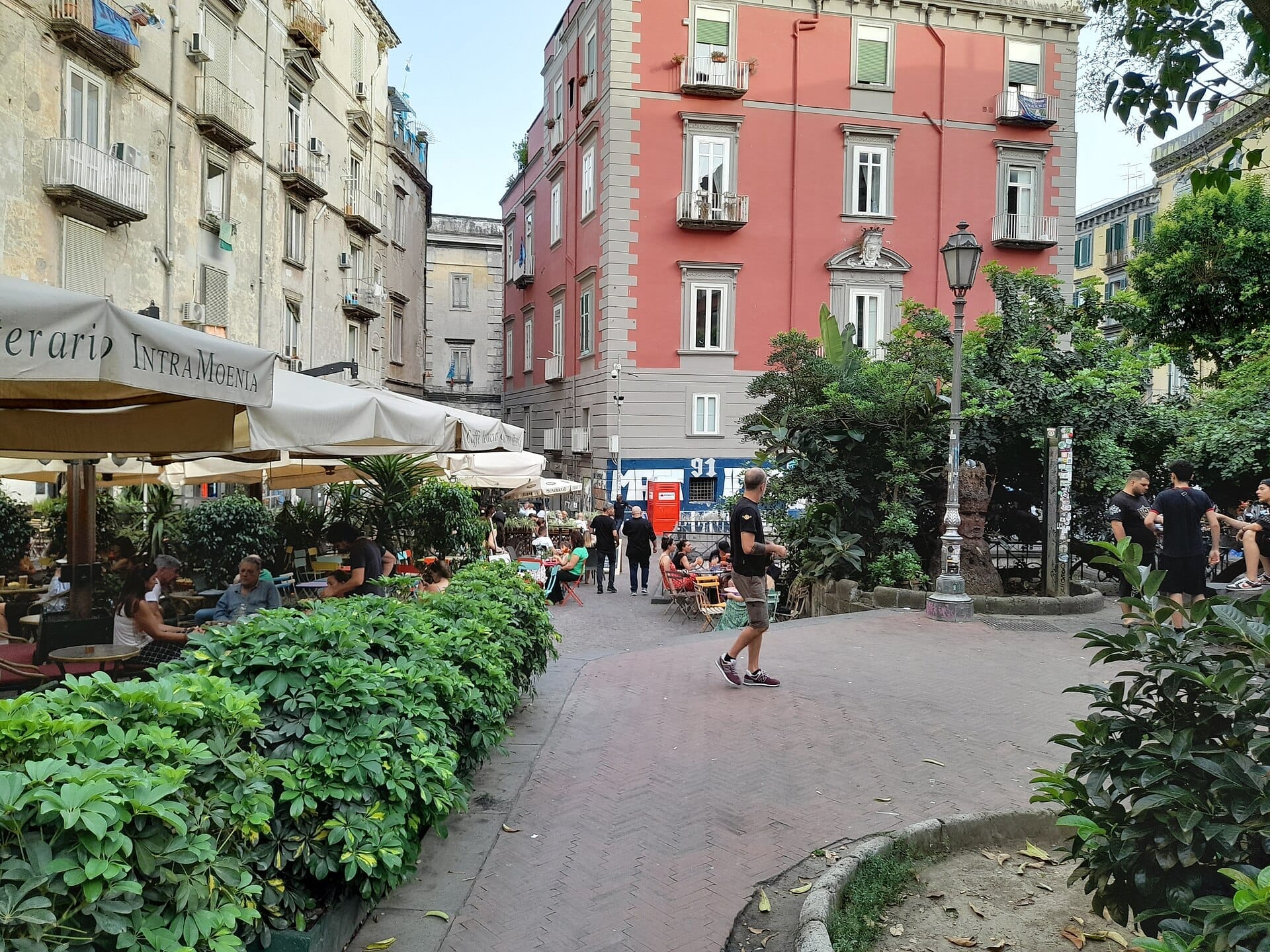
By mid-morning the tourist layer adds itself to the residential one, particularly along Spaccanapoli, Via San Gregorio Armeno, and the approaches to Cappella Sansevero. The afternoon, especially in summer, brings a heat that concentrates in the narrow streets and drives locals indoors between roughly 1pm and 4pm. This is actually an underrated time to explore: fewer people on the street, and the churches, which are cool and dim, become genuinely pleasant to visit. The late afternoon and early evening shift the mood again, when students from the University of Naples Federico II fill the bars around Piazza Bellini and Via Port'Alba, and the neighborhood takes on a younger, more social character.
💡 Local tip
Centro Storico is not one consistent atmosphere from end to end. The streets around Piazza Bellini and Via Port'Alba skew young and studenty, while the area immediately around the Duomo and Pio Monte della Misericordia is quieter and more residential. If you want the loudest, most concentrated street-food and souvenir experience, Via dei Tribunali is the place. If you want to walk without being jostled, go one block north or south.
After dark, Centro Storico splits into two different experiences. The areas around Piazza Bellini and Via dei Tribunali stay lively until midnight or later, with bars and pizzerias open and foot traffic remaining dense. Move deeper into the residential blocks east of the Duomo, and the streets quiet considerably by 10pm. The historic center is generally safe to walk at night with standard urban awareness, but poorly lit side alleys away from the main axes are best avoided late, particularly if you're unfamiliar with the area.
What to See & Do
The concentration of significant historic and artistic sites in Centro Storico is genuinely exceptional, even by Italian standards. The challenge is not finding things to see but deciding what to prioritize, because trying to cover everything in a single day leads to museum fatigue and missed depth. Plan at least two full days if you want to do justice to the main sites.
The Cappella Sansevero is the single most visited site in Centro Storico and deserves its reputation. The Veiled Christ sculpture by Giuseppe Sanmartino is one of the most technically extraordinary works of marble carving in existence, and the chapel itself is small enough that the entire visit has an intimacy that larger museums cannot replicate. Book tickets in advance; the daily capacity is limited and queues form early.
The Chiesa del Gesù Nuovo and the adjoining Santa Chiara complex form a natural pairing on Piazza del Gesù Nuovo. The Gesù Nuovo's rusticated stone facade conceals a baroque interior of intense ornamental richness. Santa Chiara offers the opposite experience: the Gothic nave was restored to its austere medieval form after wartime bombing, and the adjoining cloister, lined with majolica-tiled columns and benches, is one of the most genuinely peaceful outdoor spaces in the entire city.
San Lorenzo Maggiore: the church itself is significant, but the real draw is the excavated Greco-Roman market beneath it, one of the most accessible views of ancient Naples underground
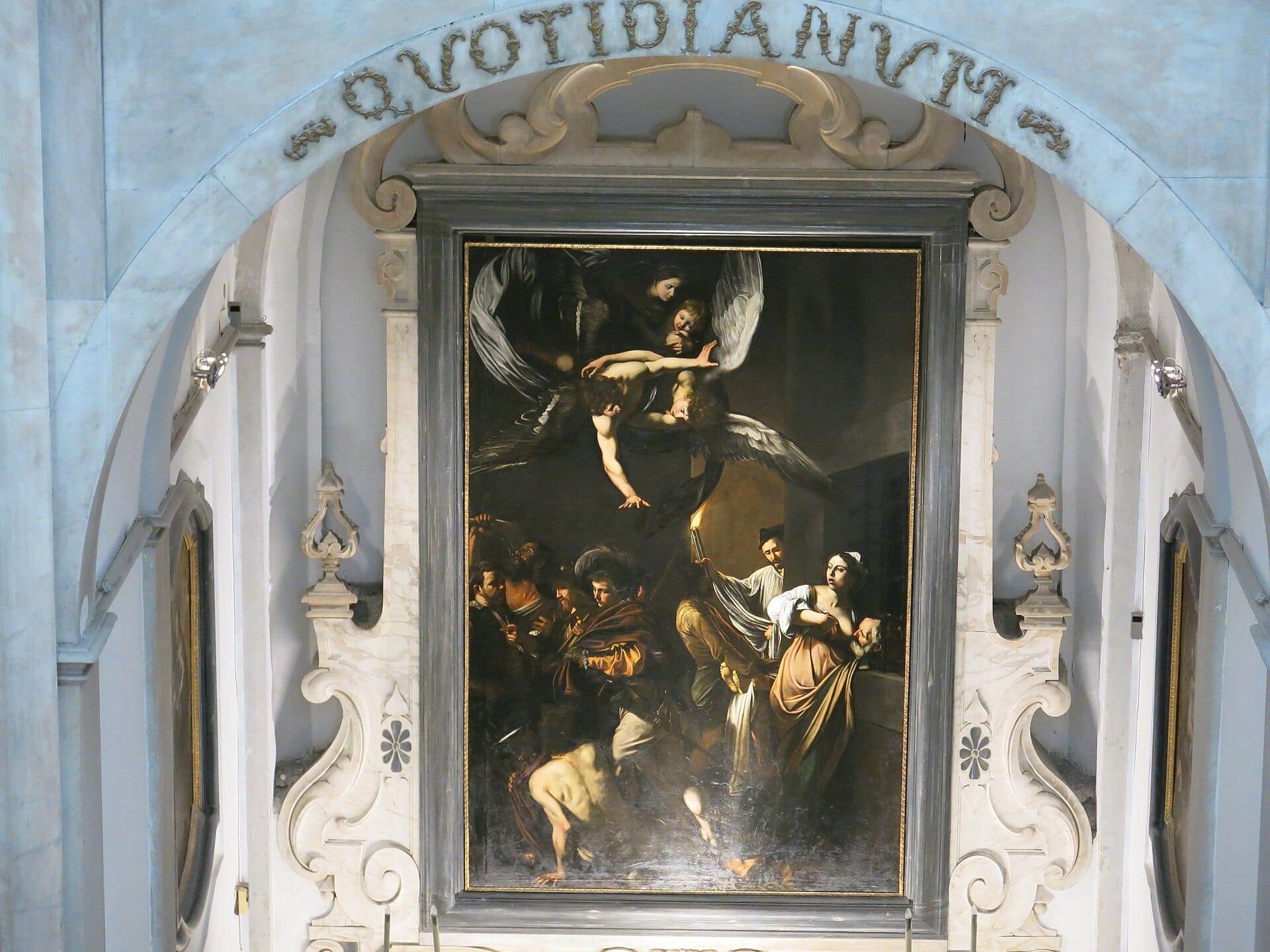
Pio Monte della Misericordia: a small oratory on Via dei Tribunali housing Caravaggio's Seven Works of Mercy, painted for this space and still hanging exactly where it was placed
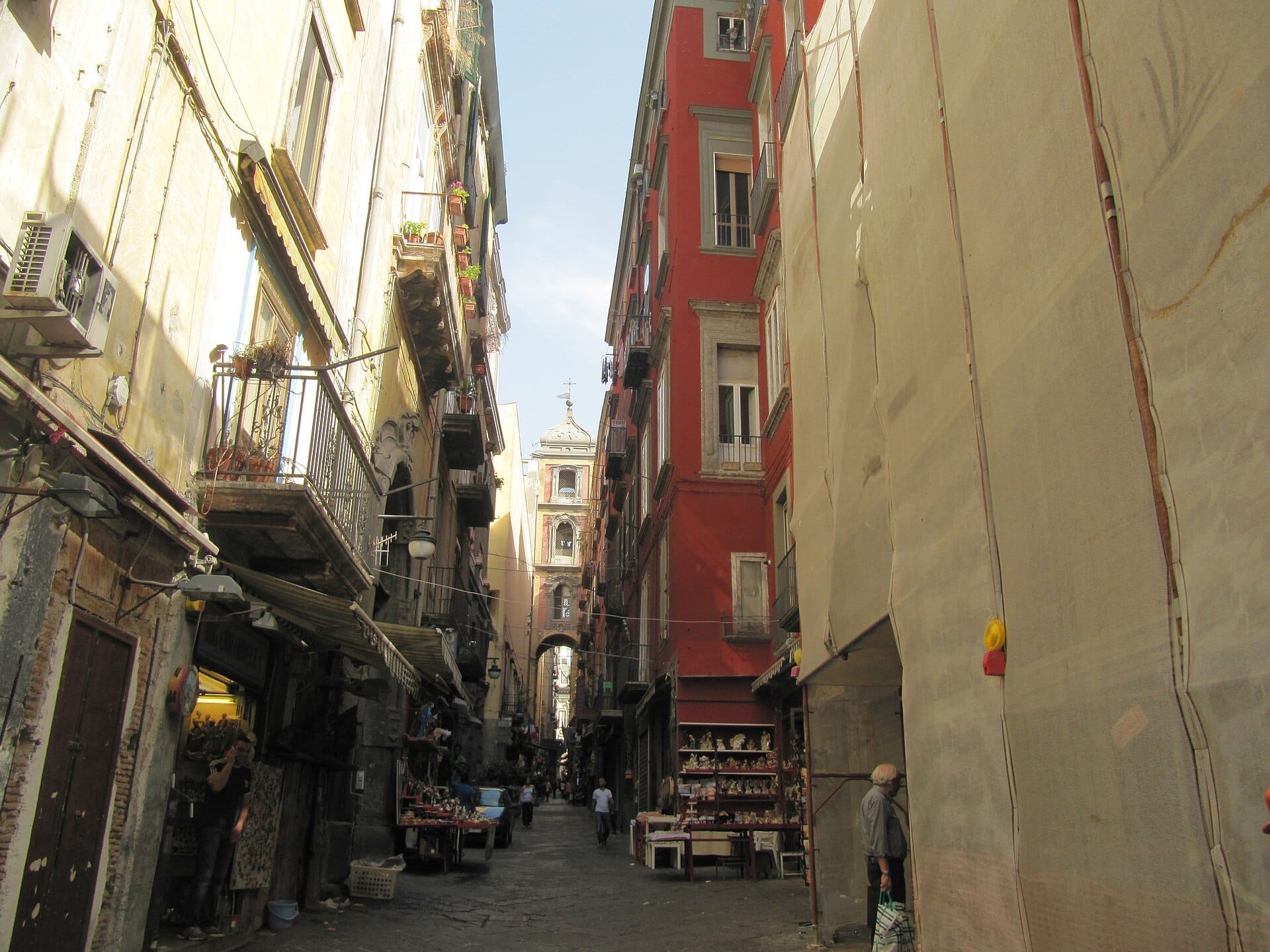
San Gregorio Armeno: the street famous for its presepe (nativity scene) workshops, active year-round, most concentrated in the weeks before Christmas
Piazza Bellini: a relaxed square built around the excavated remains of Greek city walls, lined with bars and bookshops
Via Port'Alba: a covered street of secondhand and antiquarian bookshops, one of the oldest book markets in Italy
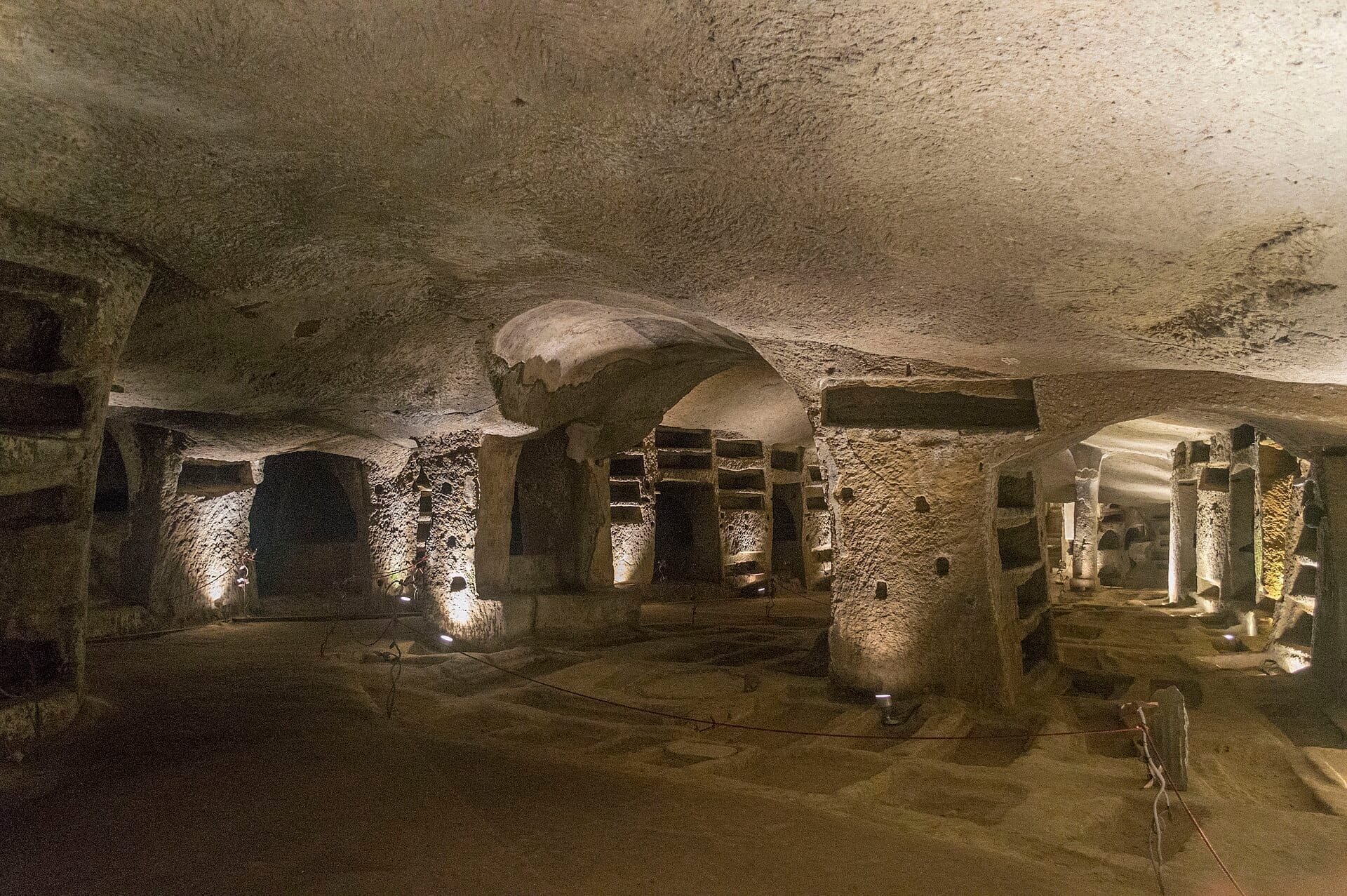
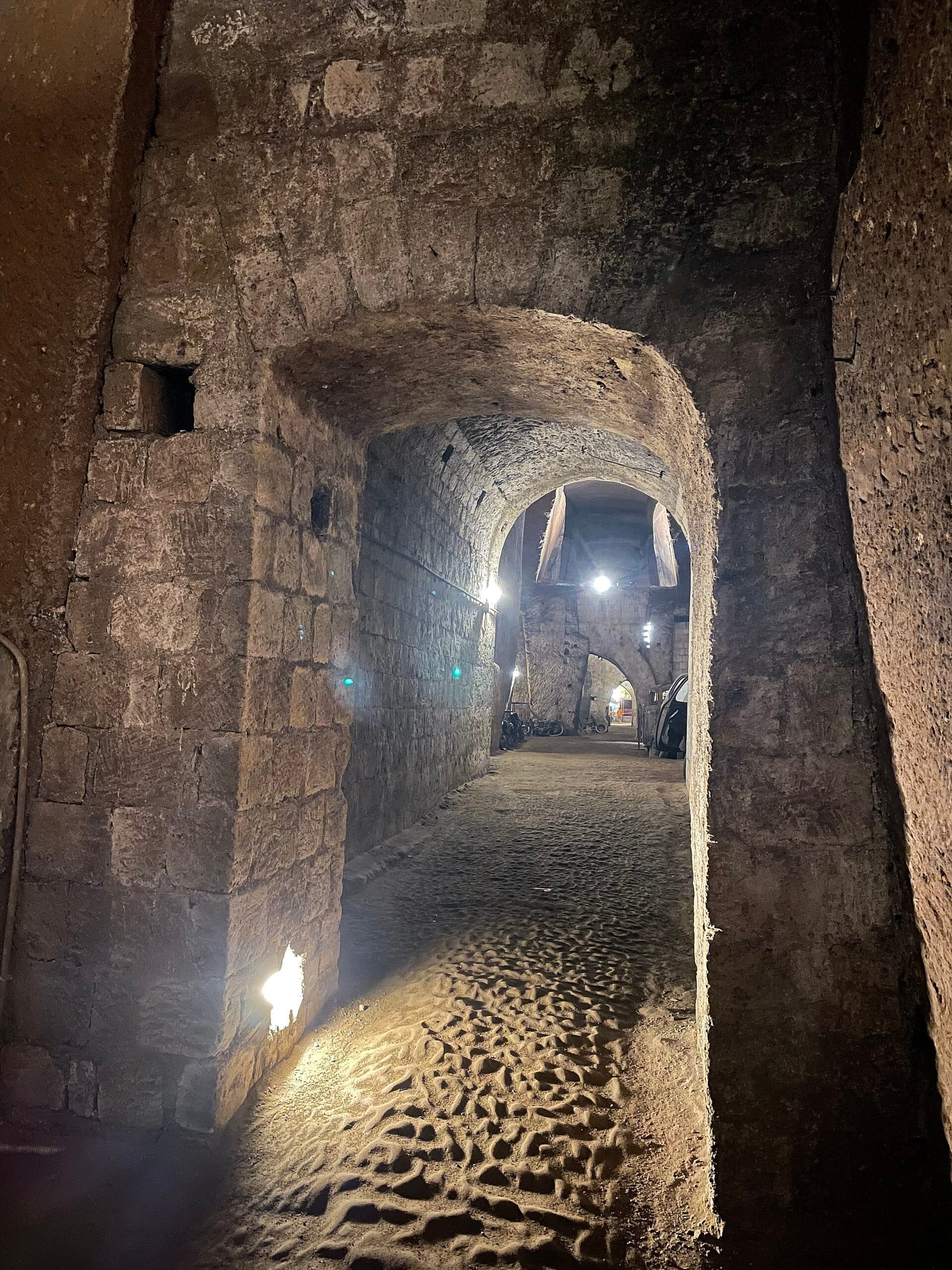
For visitors interested in what lies beneath the streets, Napoli Sotterranea operates guided tours into the ancient Greek and Roman tunnels directly beneath the historic center, entering from Piazza San Gaetano on Via dei Tribunali. The tour is informative, the temperature underground is noticeably cool, and the scale of the cistern network is genuinely surprising.
ℹ️ Good to know
Centro Storico contains over 200 historic churches, the majority of which are free to enter. Many are not heavily signposted and are easy to walk past. Checking the Campania Arte Card for combined admission discounts across multiple sites can reduce costs significantly if you plan to visit more than three or four paid attractions.
Eating & Drinking
Centro Storico is the epicenter of Neapolitan food culture, and understanding the food scene here is inseparable from understanding the neighborhood itself. The pizzerias on and around Via dei Tribunali are where the debate about Naples' best pizza is most fiercely contested. Several of the most historically significant pizzerias in the city are within a few hundred meters of each other on this street. For a deeper breakdown of what makes Neapolitan pizza distinct and where to eat it, the Naples pizza guide covers this in detail.
Street food is omnipresent and genuine, not a performance for tourists. The classic Neapolitan fried food tradition is alive in Centro Storico at dedicated friggitorie selling cuoppo (paper cones filled with fried vegetables, fish, or mixed items), pizza fritta (folded and fried pizza), and zeppole. The Naples street food guide covers the full range of what to try and where to find it, but broadly speaking, anything coming out of a wood or gas-fired fryer on Via dei Tribunali or near Piazza Garibaldi is worth investigating.
Restaurants in Centro Storico range from old-school trattorie with handwritten menus and no-frills interiors, where a full lunch with wine is under 20 euros per person, to more considered modern Neapolitan restaurants that draw on the same ingredient traditions with greater technique and higher prices. The side streets off the main decumani tend to have better value and fewer tourists than the restaurants with outdoor seating directly on Via dei Tribunali or Spaccanapoli.
The bar culture around Piazza Bellini is worth experiencing independently from the food. This square, and the streets radiating off it toward Via Port'Alba and Via Santa Maria di Costantinopoli, supports a dense cluster of cafes and bars that shift through the day from espresso stop to aperitivo spot to late-night social hub. Spritz and local wines by the glass dominate. In warmer months, every available outdoor surface fills up by early evening and stays that way until midnight.
For coffee: corner bars with standing counters scattered across the neighborhood; look for the wood-paneled interiors and the fact that no one is using a laptop
For sfogliatelle and pastries: pasticcerie near the major piazzas, particularly in the morning before stock runs low
For pizza: focus on Via dei Tribunali and the streets immediately parallel to it; reservations are not always available but arrive early or expect to wait
For a sit-down meal: side streets off Spaccanapoli between Via San Biagio dei Librai and the lower decumano offer better price-to-quality ratios than the main pedestrian axis
Getting There & Around
Metro Line 1 provides the most reliable access to Centro Storico from the rest of Naples. The Dante station drops you at the western edge of the neighborhood, within easy walking distance of Piazza del Gesù Nuovo and the start of Spaccanapoli. The Toledo station, one stop further west, is technically just outside Centro Storico but serves the Via Toledo corridor that connects to it from the south. The Università station is useful for the eastern sections of the neighborhood, near the Duomo and Pio Monte della Misericordia. For a full overview of how to navigate the city, the getting around Naples guide covers all transit modes.
Within Centro Storico itself, everything is on foot. The neighborhood is pedestrian by necessity: the streets are often too narrow for cars to pass comfortably, and motorbikes that do use them move at speeds that require sidewalk awareness. The main decumani are relatively flat, but moving north toward Capodimonte or south toward the port involves noticeable elevation change. Comfortable walking shoes are not optional here; the basalt and cobblestone surfaces are uneven and can be slippery after rain.
From Piazza Garibaldi, the main transport hub on the eastern edge of the city, Centro Storico is reachable on foot in about 15 to 20 minutes walking west along Corso Umberto I, or by metro one stop to Università station. From the Chiaia district to the southwest, the walk up through Piazza del Plebiscito and along Via Benedetto Croce takes roughly 20 minutes. From Vomero on the hill above, the quickest route is the Montesanto funicular down to its terminus, which leaves you near Via Toledo and a short walk to the western entrance of Centro Storico.
⚠️ What to skip
Driving into Centro Storico is strongly discouraged. The area is subject to ZTL (Zona a Traffico Limitato) restrictions, and the streets are genuinely difficult to navigate even without traffic penalties. If you arrive by car, park at the periphery near Piazza Garibaldi or along the waterfront and proceed on foot or by metro.
Where to Stay
Staying in Centro Storico puts you inside the historic fabric of Naples rather than looking at it from a comfortable distance. That proximity is the point, but it comes with honest trade-offs. Streets in the core of the neighborhood, particularly along Via dei Tribunali and near the major church squares, are noisy until late at night with foot traffic, scooters, and bar activity. Light sleepers or travelers expecting quiet evenings should factor this in carefully.
The accommodation offer in Centro Storico ranges from budget B&Bs and affittacamere (room rentals) in converted palazzo apartments to a growing number of boutique hotels with design-forward interiors occupying historic buildings. Prices are generally lower than equivalent quality in Chiaia or the waterfront areas, reflecting the higher noise levels and less polished street environment. For travelers focused on culture and food rather than comfort amenities, staying in Centro Storico is the obvious choice. For those who want quieter evenings or easier access to the seafront, a base in Chiaia with day trips into the historic center may suit better.
The western section of Centro Storico, roughly between Piazza del Gesù Nuovo and Via Santa Maria di Costantinopoli, tends to offer the best balance of access and atmosphere for first-time visitors. You are within five minutes' walk of the main Spaccanapoli axis, close to the Dante metro stop, and slightly removed from the densest tourist corridors. The area around Piazza Bellini in particular has a more relaxed residential feel in the early morning and is well-served by cafes and bookshops.
For a broader comparison of where to base yourself across the city, the where to stay in Naples guide breaks down each neighborhood by traveler type and budget.
Practical Notes
Dress modestly if you plan to enter churches, which in Centro Storico means most of the significant sights. Shoulders and knees should be covered; many churches keep scarves or disposable covers available at the entrance, but bringing your own is simpler. Most churches are free to enter but have specific visiting hours that avoid Mass times, typically closing around midday and reopening in the mid-afternoon.
Pickpocketing in crowded areas, particularly on the main tourist routes along Spaccanapoli and near Cappella Sansevero, is a known concern. Keep bags in front of you in dense crowds, and be aware of your surroundings near scooter traffic. The Naples safety tips guide covers this in useful practical detail without overstating the risk. Centro Storico is a functioning residential neighborhood where millions of people live normal lives; treat it with the same street awareness you would apply to any dense historic European city center.
Tap water is technically safe to drink throughout Naples but heavily chlorinated; most locals and visitors opt for bottled water. Public drinking fountains are scattered across the neighborhood. The emergency number across Italy is 112. Tipping is not obligatory in restaurants but rounding up or leaving 5 to 10 percent is appreciated where service charge is not included on the bill.
TL;DR
Centro Storico is the oldest and most historically dense neighborhood in Naples, built on an ancient Greek street grid and listed within the city's UNESCO World Heritage area since 1995.
Best for: travelers who want maximum cultural and culinary density, are comfortable with noise and urban intensity, and plan to spend most of their time walking and exploring on foot.
Key sites include Cappella Sansevero, the Duomo, Gesù Nuovo, Santa Chiara, San Lorenzo Maggiore's underground ruins, and Pio Monte della Misericordia with its Caravaggio.
Not ideal for: light sleepers, travelers who prioritize seafront access or polished environments, or anyone arriving by car.
Metro Line 1 (Dante and Università stations) provides the easiest access; once inside, everything is walkable but the streets are cobbled, uneven, and require good footwear.
Naples has more historic churches per square kilometer than almost any city in Europe. This guide covers the finest: from the Duomo's blood relic ceremony to Caravaggio's most important altarpiece, and the majolica-tiled cloister that stops every visitor cold.
Naples holds more great art per square kilometer than almost any city in Europe. This guide covers the 14 best museums in Naples, from world-class archaeological collections to intimate chapels hiding the most technically astonishing sculptures ever carved.
Planning a trip to Naples, Italy? This guide breaks down every season honestly — temperatures, crowd levels, prices, and local events — so you can choose the right time for your trip, whether you're chasing warm weather, cultural festivals, or the lowest hotel rates.
Naples is one of Italy's most dramatic cities to look at, and where you stand changes everything. This guide covers the finest viewpoints in the city, from Vomero hilltop fortresses to waterfront promenades, boat trips, and volcanic summits.
Naples sits at the center of one of Italy's richest travel regions. Within two hours you can stand inside a Roman city frozen in time, swim off a glamorous island, or walk past 2,500-year-old Greek temples. These are the best day trips from Naples, organized by type.
Naples is one of Europe's most rewarding cities for budget travelers. From UNESCO-listed streets and free castle ramparts to extraordinary public art in metro stations and chaotic street markets, here's how to experience the best of Napoli without opening your wallet.
Naples has a surprisingly functional public transport network once you know how it works. This guide covers metro lines, funiculars, buses, taxis, the airport Alibus, and everything in between, with current fares, schedules, and honest advice on what to skip.
Naples rewards every traveler differently depending on how much time they give it. This guide breaks down the ideal number of days in Naples based on your pace, interests, and whether you plan day trips to Pompeii, Capri, or the Amalfi Coast.
Naples is one of Italy's most debated destinations: raw, overwhelming, and unlike anywhere else in the country. This guide cuts through the clichés to give you a clear-eyed look at what Naples actually offers, who it suits, and whether it deserves a place on your itinerary.
Naples International Airport (Capodichino, NAP) sits just 6 km from the city center, but knowing which transfer option to take can save you time, money, and frustration. This guide breaks down every option from the €5 Alibus to fixed-rate taxis and private door-to-door transfers, with honest advice on what actually works.
Caravaggio spent two turbulent periods in Naples and left behind three surviving masterpieces that transformed Baroque painting in southern Italy. This guide locates every work, gives you current admission prices, practical visiting tips, and the context to understand why these paintings still matter.
Naples at Christmas is unlike anywhere else in Italy. From the centuries-old presepe workshops of Via San Gregorio Armeno to candlelit piazzas and December markets at Castel dell'Ovo, this guide covers everything you need to experience the city's most theatrical season.
Naples is one of the world's great eating cities, and knowing what to order makes all the difference. This guide covers every dish worth tracking down, from the perfect margherita to street food you won't find anywhere else in Italy, with practical tips on where to eat, what to pay, and what to avoid.
Naples, Italy surprises couples at every turn: candlelit trattorias in the historic centre, golden sunsets over Vesuvius from the waterfront, and ferry rides to islands that feel like a world away. This guide covers the city's most romantic spots, experiences, and seasonal tips so you can plan the perfect couples trip to Napoli.
Naples rewards those who look beyond the obvious. This guide uncovers the city's most overlooked sites, from an ossuary filled with skulls to a metro station voted the most beautiful in Europe. These are the places that make Naples genuinely unlike anywhere else.
Napoli is not a city you can absorb from a single vantage point. This guide breaks down every major neighborhood, plots the key attractions on a logical mental map, and tells you exactly how to move between them, whether on foot, by metro, or by funicular.
Naples frames some of the most dramatic sunsets in Europe, with Vesuvius, the Bay of Naples, and the islands of Capri and Ischia providing a backdrop that few cities can match. Whether you want a hilltop panorama, a waterfront stroll, or a boat ride into the golden hour, this guide covers the best spots.
Three days is enough time to get a real feel for Naples, Italy — one of Europe's oldest, most layered cities. This itinerary covers the UNESCO-listed historic centre, the seafront, the underground city beneath your feet, and the hilltop views that put it all in perspective. No filler, no tourist traps — just a practical day-by-day plan that works.
Naples, Italy rewards luxury travelers with a combination few European cities can match: grand historic hotels overlooking the Bay of Naples, world-class fine dining rooted in one of Italy's most serious food cultures, and private experiences ranging from underground archaeological tours to boat charters beneath Vesuvius. This guide cuts through the noise to identify what genuinely delivers at the top end of Napoli.
Naples, Italy comes alive after dark in ways that few Italian cities can match. From the elegant cocktail bars of Chiaia to the packed dance floors of Bagnoli, this guide breaks down exactly where to go, when to go, and what to expect from Neapolitan nightlife.
Naples is the cheapest major city in Italy to visit, with €1 espressos, €3 street pizza, and a UNESCO historic centre you can explore for free. This guide breaks down real daily costs, the best free attractions, smart transport choices, and exactly how to stretch your euros further in Napoli.
Choosing between Naples and Sorrento as your southern Italy base shapes your entire trip. This guide breaks down the real differences in cost, atmosphere, transport access, and day-trip logistics so you can make the right call for your travel style.
Naples is the birthplace of pizza, and eating it here is nothing like eating it anywhere else. This guide covers the best pizzerias across the city, from legendary institutions to neighbourhood favourites, with honest rankings, practical logistics, and advice on what actually separates great Neapolitan pizza from a tourist-trap imitation.
Naples Italy has a reputation that outpaces its reality. Petty crime exists, but with the right awareness you can explore freely. This guide covers the neighborhoods to know, the scams actually targeting tourists, and the practical habits that make the difference.
The Feast of San Gennaro is the spiritual and cultural heartbeat of Naples, drawing tens of thousands to witness a ritual that has defined the city for over 1,700 years. This guide covers all three annual dates, the blood liquefaction ceremony, crowd logistics, and what the festival reveals about Neapolitan identity.
Naples rewards shoppers who go beyond the tourist trinket stalls. This guide covers the city's best shopping streets by district, its most authentic markets, and the foods and crafts worth carrying home — with honest advice on where not to waste your time or money.
Queues at Naples' top attractions can cost you hours of your trip. This guide breaks down exactly which sites offer genuine skip-the-line access, where to book, what it costs, and which 'skip-the-line' products are misleading marketing.
Naples has one of the great street food cultures in Europe, built on centuries of feeding dock workers, market sellers, and anyone who needed a meal without a table. This guide covers the essential dishes, the best neighborhoods to eat them, and the practical details that separate a great food walk from a disappointing tourist detour.
Getting from Naples to the Amalfi Coast involves more choices than most guides admit. This breakdown covers every realistic option, from the cheapest bus combination to the fastest ferry, with honest assessments of what works in different seasons.
Getting from Naples to Capri is simpler than most visitors expect, but the details matter: which port, which operator, how early to book, and what to do once you arrive. This guide covers all of it, from ferry prices and schedules to practical day trip planning.
Pompeii is 25 kilometers from Naples and one of the most visited archaeological sites in the world. This guide breaks down every transport option, the exact station you need, what tickets cost, and how to make the most of the trip without the usual tourist pitfalls.
Beneath the streets of Naples Italy lies one of Europe's most extraordinary subterranean worlds: 450 kilometers of Greek-carved tunnels, Roman aqueducts, and WWII shelters. This guide covers everything you need to visit Napoli Sotterranea, from ticket prices and tour logistics to what you'll actually see underground.
Choosing between Naples and Rome is one of the most common dilemmas for Italy first-timers. This guide breaks down both cities across food, cost, culture, day trips, and logistics so you can make the right call for your itinerary.
Naples rewards walkers more than almost any city in Italy. This guide covers the best self-guided walking routes through the historic center, royal quarter, and waterfront, with practical details on timing, distances, costs, and what to skip.
Naples, Italy has a Mediterranean climate that rewards visitors who time their trip carefully. This guide breaks down what the weather actually looks like each month, which seasons to avoid, and what to throw in your bag depending on when you arrive.
Naples is a far better family destination than its reputation suggests. From hands-on science museums and underground Roman tunnels to pizza-making workshops and boat trips on the Bay of Naples, this guide covers the best activities for families traveling to Napoli, with honest advice on what works for different ages and how to plan your visit.
Both sites were buried by Mount Vesuvius in 79 AD, but they offer very different experiences. This guide breaks down the key differences in size, preservation, visitor experience, and logistics so you can choose the right one — or make a case for visiting both.
Naples rewards curious travelers with layers of history, art, street food, and coastal scenery that few Italian cities can match. This guide covers the essential experiences, practical logistics, honest advice on what to skip, and how to structure your time in Napoli.
Naples is one of the great eating cities of Italy, and knowing where to go separates a memorable meal from a mediocre tourist trap. This guide covers the best neighborhoods for dining, top restaurant picks across every budget, essential dishes to order, and practical tips for eating like a local.
Choosing where to stay in Naples Italy can make or break your trip. This guide breaks down every major neighbourhood by vibe, price, location, and who it actually suits, so you can book with confidence.