Best Things to Do in Naples, Italy: The Definitive Guide
Naples rewards curious travelers with layers of history, art, street food, and coastal scenery that few Italian cities can match. This guide covers the essential experiences, practical logistics, honest advice on what to skip, and how to structure your time in Napoli.
Tickets & tours
Live prices and dates from our booking partner. If you book, we may earn a commission at no extra cost to you.
TL;DR
- Naples (Napoli) is one of Italy's most rewarding cities: ancient ruins, world-class art, and the original pizza, all within walking distance of each other. See our 3-day Naples itinerary to structure your visit.
- The top in-city experiences include the Cappella Sansevero, the National Archaeological Museum, the Naples Underground, and a walk down Spaccanapoli.
- Pompeii and Herculaneum are both worth your time — Herculaneum is smaller, better preserved, and far less crowded than Pompeii.
- First Sundays of the month bring free entry to state museums; plan around this if you can, but expect larger crowds.
- April to June and September to October are the best months to visit. Read our best time to visit Naples guide for seasonal detail.
Understand Naples Before You Arrive
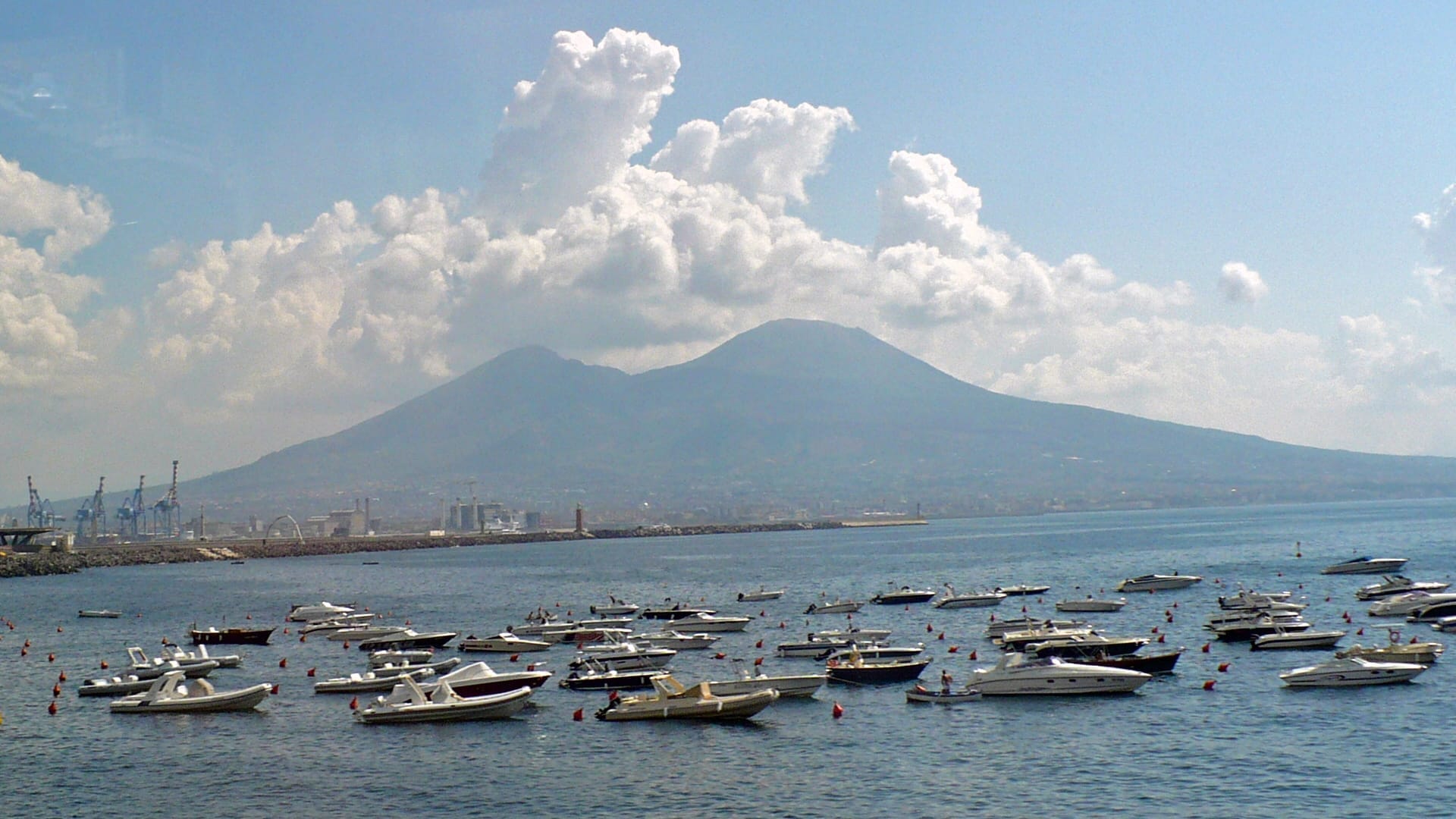
Naples is the regional capital of Campania, home to around 900,000 people in the city proper and over three million in the wider metropolitan area. It sits on the Bay of Naples, with Mount Vesuvius visible to the east and the volcanic Campi Flegrei caldera to the northwest. That geography alone tells you something important: this city has been shaped by forces far larger than any dynasty or empire.
The historic centre is a UNESCO World Heritage Site, and its street grid follows the original Greek colony of Neapolis, founded around 470 BC. Beneath the streets run Roman aqueducts, cisterns, and tunnels that were repurposed as WWII air-raid shelters. The city has been ruled by Greeks, Romans, Normans, Angevins, and the Spanish crown, and each left physical marks you can still see. If you want to understand where to start, our Naples walking tour guide maps the historic centre logically so you don't double back.
ℹ️ Good to know
Naples Capodichino Airport (NAP) is approximately 6 km from the city centre. The Alibus shuttle runs directly to Piazza Garibaldi for around €5 and takes 15-25 minutes depending on traffic. Licensed taxis use fixed fares by zone, usually in the low-to-high €20s for central Naples. Do not assume a direct metro-to-terminal route is operating; check the latest status before planning around rail.
The Historic Centre: Art, Architecture, and Underground Naples
The single best thing you can do in Naples is spend half a day on foot in the historic centre, working your way along the ancient decumanus streets. Start at Spaccanapoli, the ruler-straight boulevard that bisects the old city, and you will pass baroque churches, street altars, and the kind of market chaos that no city in northern Italy can replicate.
The Cappella Sansevero should be near the top of any list. This small 18th-century chapel contains Giuseppe Sanmartino's Veiled Christ, a marble sculpture so technically improbable that visitors routinely stand in silence trying to understand how it was made. The chapel also houses the Anatomical Machines, two unsettling skeletal displays with vascular systems reconstructed in astonishing detail. Tickets cost around €8-10 and the space is small, so booking in advance is worth doing, especially in summer.
Two blocks away, the Naples Underground offers guided tours through a 2,400-year-old aqueduct system, Greek cisterns, and wartime shelters. Tours run roughly every two hours, last about 90 minutes, and involve narrow passages that require some crouching. It is not suitable for claustrophobics, but for everyone else it is one of the most atmospheric experiences in southern Italy. The main entrance is on Via dei Tribunali near Piazza San Gaetano.
For church architecture, the concentration around the historic centre is extraordinary. The Gesù Nuovo church has a diamond-pointed facade unlike anything else in Naples, while Santa Chiara's cloister features majolica-tiled columns that are worth the entry fee alone. A full rundown of the city's best sacred buildings is in our best churches in Naples guide.
World-Class Museums You Should Not Skip

The National Archaeological Museum (MANN) is one of the most important classical collections in the world, full stop. It holds the Farnese collection, including the Farnese Hercules and the Farnese Bull, plus the Secret Cabinet of erotic art from Pompeii, and an entire floor of mosaics removed from Pompeian villas. Budget at least two to three hours here. Entry is around €15-18, and state museums offer free entry on the first Sunday of the month — though crowds on those days can be significant.
The Capodimonte Museum sits about 25 minutes north of the city centre by bus, set inside a royal palace surrounded by parkland. Its collection spans Caravaggio, Raphael, Titian, and Simone Martini, plus an entire floor of Bourbon royal apartments. It is genuinely undervisited for its quality. If you have more than two days in Naples and care about painting, it deserves a dedicated morning. See our Naples Caravaggio guide for where to find his works across the city.
- National Archaeological Museum (MANN) The essential Naples museum. Covers Pompeii, Herculaneum, and the Farnese collection. Allow 2-3 hours.
- Cappella Sansevero Small but extraordinary. The Veiled Christ alone justifies the entry fee. Book ahead in summer.
- Capodimonte Museum Royal palace with a heavyweight painting collection. Less crowded than the MANN and significantly underrated.
- Certosa di San Martino Hilltop monastery above Vomero with panoramic views of the bay and Vesuvius, plus a strong collection of Neapolitan art.
- Palazzo Reale The Bourbon royal palace on Piazza del Plebiscito, with royal apartments and a library. Included in many combo tickets.
Pizza, Street Food, and Eating Like a Neapolitan

Naples is the birthplace of pizza, and this is not a marketing claim. Neapolitan pizza, with its soft, slightly charred cornicione and simple San Marzano tomato sauce, was granted UNESCO Intangible Cultural Heritage status in 2017. The debate over the best pizzeria in Naples is both endless and earnest. The serious contenders are concentrated in the historic centre and around Piazza Sannazaro, and most have queues by 7:30 pm.
A Margherita or Marinara at a classic pizzeria will cost between €5 and €10. If you want to understand the different styles and spots, our Naples pizza guide breaks down the top pizzerias by neighbourhood. Beyond pizza, the street food scene is exceptional: fried pizza (pizza fritta), cuoppo di frittura (fried seafood in a paper cone), sfogliatella pastries, and taralli biscuits are all worth seeking out. The area around Porta Nolana market near the train station is a good starting point for street food, and food tours run several times daily through the historic centre.
💡 Local tip
Skip the touristy restaurants immediately around Piazza del Plebiscito and the port. Walk five minutes into the side streets of the Quartieri Spagnoli or along Via Tribunali for better food at lower prices. Lunch is always cheaper than dinner at the same restaurant.
Day Trips: Pompeii, Herculaneum, and the Bay Islands
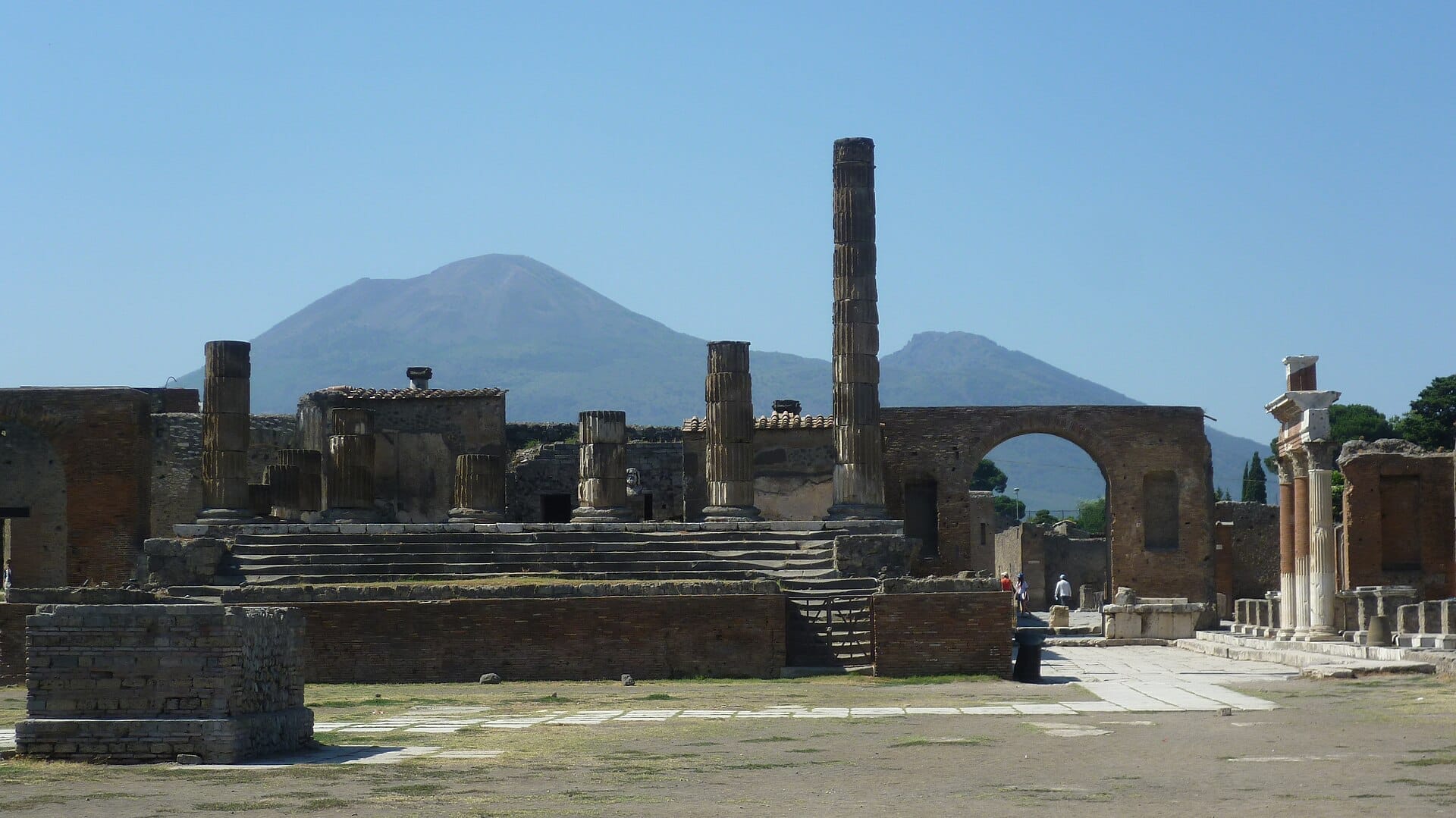
Naples is positioned ideally for day trips that would require overnight stays from most other Italian cities. Pompeii is the obvious starting point: a 24-minute Circumvesuviana train ride from Napoli Centrale (around €3 each way), and the ruins cover 66 hectares of a Roman town frozen in 79 AD. It genuinely takes a full day to do properly. Go early — the site opens at 9 am and summer heat by midday is significant. Our Naples to Pompeii guide covers transport, tickets, and which areas to prioritise.
Herculaneum deserves more attention than it gets. It is smaller than Pompeii, but the preservation is often better — wooden furniture, food carbonised in jars, intact second floors — because it was buried under a deeper layer of volcanic material. It is approximately 20 minutes by Circumvesuviana train from Naples and the site takes two to three hours rather than a full day. If you are choosing one, read our Pompeii vs Herculaneum comparison before deciding. Serious archaeology enthusiasts should do both on consecutive days.
By sea, Capri, Ischia, and Procida are all reachable by ferry or hydrofoil from the Molo Beverello port. Capri is the most famous and the most expensive. Ischia has thermal baths and a slower pace. Procida, small and still relatively uncommercialized, was Italy's Capital of Culture in 2022. Full logistics for the island ferries, including hydrofoil vs. slow ferry comparisons, are in our Naples to Capri guide.
⚠️ What to skip
The Circumvesuviana train to Pompeii and Herculaneum is known for pickpockets. Keep bags in front of you and avoid putting phones in back pockets. The trains are also often crowded and run on an older network — check schedules in advance and allow buffer time.
Views, Waterfronts, and Outdoor Naples

The Castel Sant'Elmo on the Vomero hill gives the best 360-degree view of Naples, the bay, and Vesuvius. You can reach it by taking the Centrale funicular from Via Toledo, which is itself worth riding for the engineering alone. The adjacent Certosa di San Martino monastery combines the panorama with a serious museum collection, making the hilltop an easy half-day.
Along the waterfront, the Lungomare promenade stretches from Castel dell'Ovo (Naples' oldest castle, free to enter) through the Chiaia district toward Mergellina. This walk is best in the early evening when locals are out in force. Sunsets over the bay from this stretch are genuinely striking — for the best vantage points across the city, our best views in Naples guide covers rooftops, hills, and waterfront spots.
- Vomero hill via funicular: Castel Sant'Elmo, Certosa di San Martino, and Villa Floridiana park
- Lungomare waterfront walk from Castel dell'Ovo to Mergellina (roughly 4 km, flat)
- Posillipo: cliff-top neighbourhood with sea views and the ruins of Pausilypon
- Piazza del Plebiscito: the grand civic square — largest in Naples, flanked by the Palazzo Reale and San Francesco di Paola church
- San Gregorio Armeno: the street of nativity crib makers, photogenic year-round, extraordinary in December
Practical Tips for Getting the Most Out of Naples
Naples requires a different pace than Florence or Rome. It is louder, more chaotic on the surface, and requires you to pay attention to your surroundings. Standard precautions apply: keep bags secure, use ATMs inside banks rather than on the street at night, and be aware that scooter traffic moves fast in narrow lanes. None of this should deter you — millions of visitors navigate the city without incident every year.
Church visits require modest dress: covered shoulders and knees. This applies to both men and women and is enforced at most churches. Carrying a light scarf solves the problem instantly. Tap water is technically safe but heavily chlorinated — most locals drink bottled water, and you will likely prefer it for taste. Tipping is not mandatory but rounding up a taxi fare and leaving 5-10% at restaurants if service is not included on the bill is considered courteous.
For anyone watching their budget, Naples is one of Italy's more affordable major cities. Pizza and street food are genuinely cheap. Many significant churches and public squares are free. For a full list of no-cost experiences, our free things to do in Naples guide is worth reading before you build your itinerary. If you are planning a longer stay or want to know how many days actually makes sense, see our how many days in Naples guide.
FAQ
What is Naples, Italy most famous for?
Naples is most famous as the birthplace of pizza, its extraordinary archaeological heritage (including proximity to Pompeii and Herculaneum), the historic centre which is a UNESCO World Heritage Site, and its position on the Bay of Naples with Mount Vesuvius as a backdrop. It also holds major art collections at the National Archaeological Museum and Capodimonte.
Is Naples safe to visit as a tourist?
Yes, Naples is safe for tourists who take standard urban precautions. Petty theft and pickpocketing exist, particularly on crowded public transport and in tourist-heavy areas, but violent crime targeting visitors is rare. The Quartieri Spagnoli, which has a reputation, is generally fine during the day and early evening. Use common sense, keep valuables secure, and you are unlikely to have problems.
How many days do you need in Naples?
Two full days covers the essential in-city highlights: the historic centre, Cappella Sansevero, the Archaeological Museum, and the waterfront. Three days allows you to add a day trip to Pompeii or Herculaneum and spend more time in neighbourhoods like Vomero or Chiaia. Four or five days is ideal if you want to combine Naples with Capri or the Amalfi Coast.
What is the best area to stay in Naples?
The historic centre puts you closest to major sights and the food scene, but it is noisy and parking is difficult. Chiaia is quieter, upscale, and well-connected. Vomero is calm and residential with good views. For transport links, the area around Piazza Garibaldi (the main train station) is convenient but less atmospheric. Budget stays are concentrated near the train station; boutique hotels cluster in Chiaia and the historic centre.
When is the best time to visit Naples, Italy?
April to June and September to October offer the best combination of warm weather, manageable crowds, and full site access. July and August are hot (averaging 28-30°C), crowded, and hotel prices peak. Winter (December to February) is mild by northern European standards (8-14°C) and very cheap, though some coastal attractions and island ferries run reduced schedules. The Christmas season brings the presepe (nativity) displays on San Gregorio Armeno, which are worth seeing.
Tickets & tours
Live prices and dates from our booking partner. If you book, we may earn a commission at no extra cost to you.
Planning a trip? Discover personalized activities with the Nomado app.