How Many Days in Naples Do You Need? An Honest Answer by Trip Type
Naples rewards every traveler differently depending on how much time they give it. This guide breaks down the ideal number of days in Naples based on your pace, interests, and whether you plan day trips to Pompeii, Capri, or the Amalfi Coast.

Tickets & tours
Live prices and dates from our booking partner. If you book, we may earn a commission at no extra cost to you.
TL;DR
- 2 days covers the essentials: historic centre, pizza, Castel Nuovo, and one major museum.
- 3 days is the sweet spot for most visitors, giving time for the city's highlights plus a day trip to Pompeii or Vesuvius.
- 4-5 days suits anyone who wants depth: Capodimonte, catacombs, Vomero, and serious food exploration.
- 1 week or more makes sense only if you're using Naples as a base for the Amalfi Coast, Capri, and Caserta.
- Spring (April-June) and early autumn (September-October) offer the best conditions regardless of trip length.
The Honest Baseline: What Naples Actually Requires

Naples is one of the most underestimated cities in Europe. Travelers frequently shortchange it by treating it as a one-night layover before the Amalfi Coast, then leave wishing they had more time. The city has a UNESCO-listed historic centre, one of the world's finest archaeological museums, hundreds of historic churches, a street food scene that has nothing to do with tourist convenience, and three functioning castles within walking distance of each other. It takes time to absorb.
The realistic minimum is 2 full days, not 48 hours counted from arrival. Most visitors land at Naples Capodichino Airport, which is 6 km from the centre, and lose 1-2 hours in transit on day one. Plan your schedule based on full days of sightseeing, not the clock from wheels-down.
⚠️ What to skip
Naples is not a 'quick stop.' If you only have one day before heading south to Sorrento or the Amalfi Coast, be realistic: you can walk Spaccanapoli, eat well, and see one attraction. That's a taste, not a visit.
2 Days in Naples: The Compressed Version

Two days works if you're focused and don't mind a brisk pace. On day one, plant yourself in the historic centre: walk Spaccanapoli, visit the Cappella Sansevero (book in advance, queues can reach 45 minutes without a reservation), browse San Gregorio Armeno, and eat a proper pizza at a sit-down restaurant in the evening.
Day two covers the waterfront and royal Naples: Piazza del Plebiscito, the Royal Palace, a walk through the Galleria Umberto I, and Castel Nuovo if entry lines allow. In the afternoon, take the funicular up to Vomero for panoramic views over the bay.
- Day 1 priority Cappella Sansevero, Spaccanapoli walk, Piazza Bellini for aperitivo, dinner pizza in the historic centre
- Day 2 priority Piazza del Plebiscito, Royal Palace, Galleria Umberto I, Castel Nuovo, Vomero by funicular
- What gets skipped National Archaeological Museum, Capodimonte, catacombs, Posillipo, any day trips
💡 Local tip
If you only have 2 days, skip Castel Sant'Elmo in favour of the Certosa di San Martino inside the same complex. The monastery has better interiors and the terrace view is comparable. Combined ticket around €12.
3 Days in Naples: The Recommended Minimum

Three days is where Naples starts to make sense. You get the historic centre, the royal waterfront, and one serious day trip. Most travelers use day three for Pompeii, which is reachable in 35-40 minutes on the Circumvesuviana train from Piazza Garibaldi (around €3.20 round trip). Budget 4-5 hours on site to cover the forum, the brothel, the thermopolium, and the House of the Faun without rushing.
Alternatively, swap Pompeii for Mount Vesuvius. The crater hike takes about 30 minutes each way from the bus drop-off and offers an entirely different kind of perspective on the region. Combine it with a quick stop in Herculaneum on the way back for a more compact ancient history loop than Pompeii alone.
With 3 days, you can also fit in the Naples National Archaeological Museum, which deserves at least 2-3 hours. The Secret Cabinet (erotic art from Pompeii) requires a separate request at the entrance. The Farnese collection and the original Alexander Mosaic are worth the ticket price alone, currently €22 for adults.
4-5 Days: For Those Who Want Depth

Four or five days opens up the parts of Naples that most visitors never reach. The Museo e Real Bosco di Capodimonte is 3 km north of the centre and houses one of Italy's finest painting collections, including Caravaggio's 'Flagellation.' It sits inside a royal park with views over the city that justify the journey even on days when the museum is closed. Plan 3+ hours for the galleries alone.
Days four and five also give breathing room for the Catacombs of San Gennaro, the Fontanelle Cemetery (free entry, one of the more arresting places in the city), the Chiaia neighbourhood for upscale shopping and evening dining, and a proper afternoon in Posillipo where the city feels entirely different from the historic centre.
- Day 4: Capodimonte museum and park in the morning, Quartieri Spagnoli street food in the afternoon
- Day 5: Catacombs of San Gennaro, Fontanelle Cemetery, evening in Chiaia or Posillipo
- Optional: Underground Naples (Napoli Sotterranea) tour, roughly 90 minutes, around €16 per adult
Using Naples as a Base: 1 Week or More
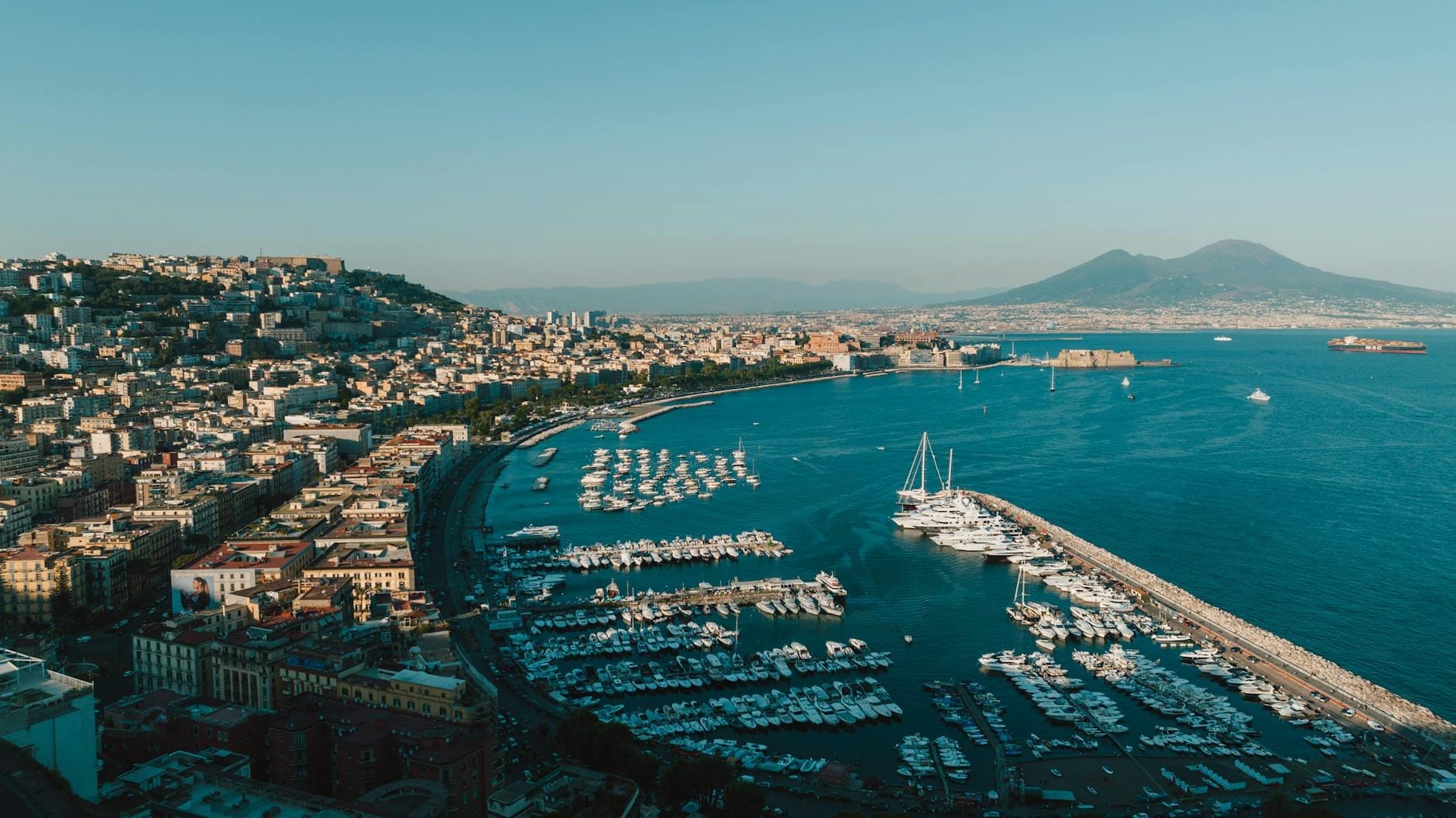
A full week in the region makes most sense if you want Naples itself plus the surrounding coast and islands. From Naples, you can reach Capri by hydrofoil (50-80 minutes depending on departure point, around €20-25 one way from Molo Beverello), Ischia by ferry (roughly 90 minutes, around €15-20), and the Amalfi Coast towns by boat or SITA bus.
The key question for a longer trip is whether to stay in Naples throughout or split the base. Staying in Naples gives better food, lower hotel prices than Sorrento or Positano, and easier rail access to Pompeii and the archaeological sites. If your priority is beach time and coastal scenery, consider 3 nights in Naples followed by 3-4 nights further south. Check the Naples vs Sorrento comparison before deciding.
✨ Pro tip
Naples hotels are significantly cheaper than equivalent quality in Sorrento, Positano, or Capri. Even if you plan to spend most of your time on the coast, consider basing yourself in Naples and commuting. The Circumvesuviana train to Sorrento takes around 70 minutes and costs €4.90.
Seasonal Timing: When You Go Changes Everything

The season affects how many days you need more than most travelers expect. In July and August, the city centre is genuinely hot (temperatures regularly hit 30-33°C), crowds at major attractions are at their worst, and some Neapolitan locals leave for the coast. You will spend more time in queues and less time comfortable outdoors. Factor in extra time for everything.
April through June and September through October offer the most efficient sightseeing conditions: mild temperatures (18-25°C), manageable crowds at most sites, and the city at something close to its natural rhythm. For more detail on each month, the Naples weather by month guide breaks down what to expect in each season. December is worth considering for the Christmas market on Via San Gregorio Armeno, one of the most atmospheric events in the city's calendar.
- April-June Best overall: warm, manageable crowds, city in full swing, spring light is ideal for sightseeing
- July-August Hottest and most crowded; add 20-30% more time per attraction for queues; beaches and islands are at peak
- September-October Second-best window; sea still warm for swimming, fewer tourists than summer, harvest season food
- November-March Cheapest prices and fewest crowds; some attractions reduce hours; rain is possible but not constant
FAQ
Is 2 days enough for Naples?
Two full days covers the essentials: the historic centre, Spaccanapoli, Cappella Sansevero, the Royal Palace, and Castel Nuovo. You won't have time for Pompeii, Capodimonte, or the catacombs. It's a genuine introduction but leaves significant gaps. If this is your only chance to visit Naples, try to stretch to 3 days.
Can I do Pompeii as a day trip from Naples?
Yes, easily. The Circumvesuviana train from Piazza Garibaldi reaches Pompeii Scavi station in around 35-40 minutes, with trains running frequently throughout the day. A return ticket costs €3.20 round trip. Allow 4-5 hours on site to cover it properly. Combine it with Herculaneum if you want a shorter but better-preserved alternative.
How many days do I need to see Naples and the Amalfi Coast?
Budget at least 5-7 days total: 2-3 nights in Naples for the city itself, then 3-4 nights spread across the Amalfi Coast towns (Ravello, Positano, Amalfi) or based in Sorrento. Using Naples as a base for the entire region is possible but adds transit time on Amalfi Coast days.
What is the best time of year to visit Naples?
April through June is the consensus best window: warm but not oppressive temperatures, smaller crowds than summer, and the city fully operational. September and October are a close second. July and August are manageable but expect heat above 30°C and longer queues at the main attractions.
Is Naples safe enough to walk around freely?
Yes, central Naples is safe for confident, aware travelers. The historic centre, Chiaia, Vomero, and the waterfront are fine day and night. As with any large Italian city, keep valuables out of sight, be aware of scooter traffic in narrow streets, and avoid leaving bags unattended. The city's reputation is somewhat overstated relative to the actual experience of most visitors.
Tickets & tours
Live prices and dates from our booking partner. If you book, we may earn a commission at no extra cost to you.
Planning a trip? Discover personalized activities with the Nomado app.