Naples Weather by Month: What to Pack & When to Go
Naples, Italy has a Mediterranean climate that rewards visitors who time their trip carefully. This guide breaks down what the weather actually looks like each month, which seasons to avoid, and what to throw in your bag depending on when you arrive.
Tickets & tours
Live prices and dates from our booking partner. If you book, we may earn a commission at no extra cost to you.
TL;DR
- Naples has a Mediterranean climate: hot, dry summers (June-August, 24-30°C) and mild, wet winters (December-February, 8-14°C).
- The best months to visit are April-June and September-October: comfortable temperatures, manageable crowds, and lower prices than peak summer.
- August is the most crowded and expensive month. July and August see intense heat above 30°C and long queues at key sites like the National Archaeological Museum and Pompeii.
- November through February brings rain and occasional cold snaps, but also low prices, zero crowds, and a more authentic local atmosphere.
- Whatever month you visit, check the full seasonal breakdown to align your itinerary with local festivals and closures.
Naples Climate at a Glance

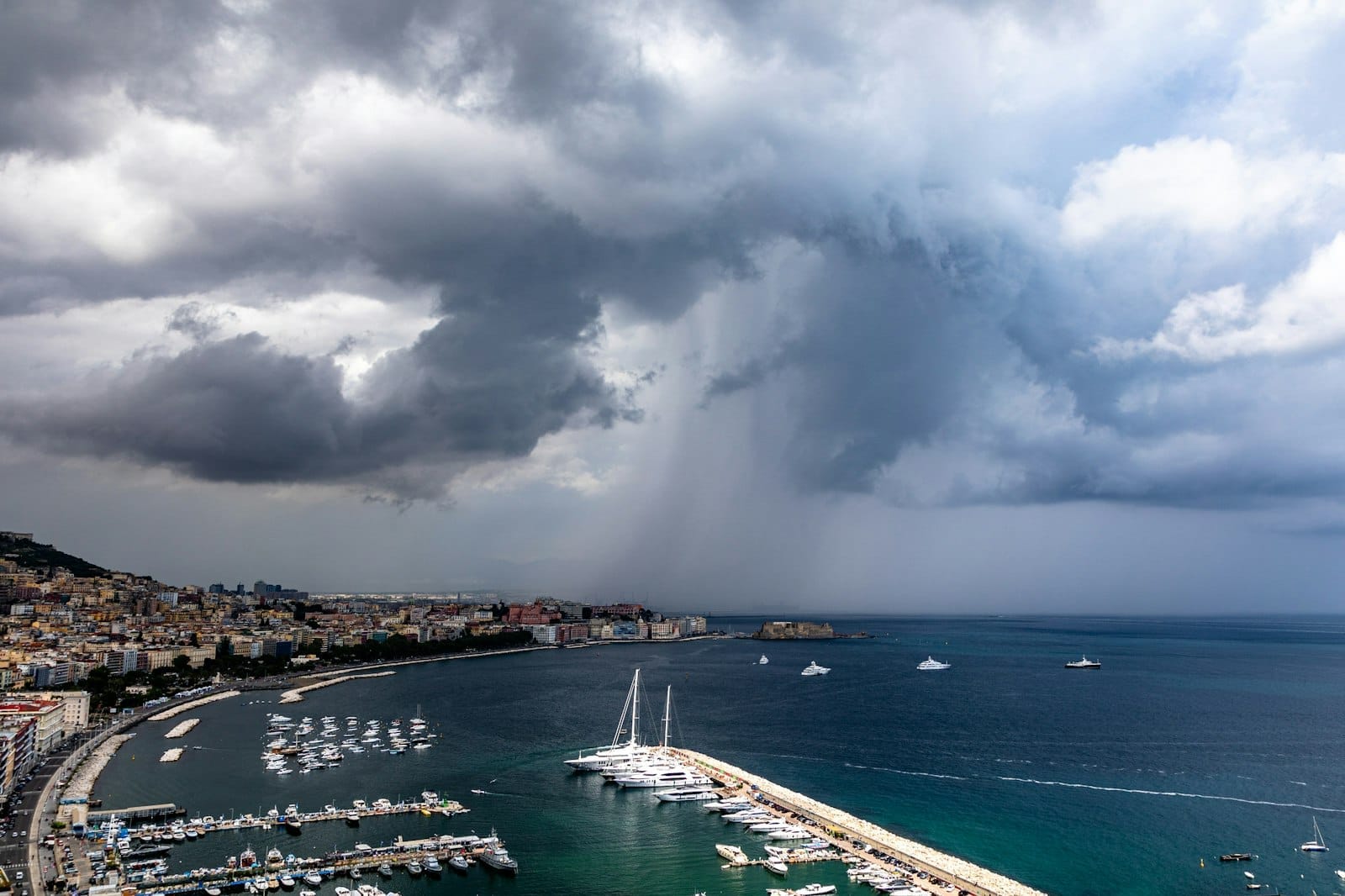
Naples, Italy (Napoli) sits on the Bay of Naples at roughly 40°N latitude, bracketed by Mount Vesuvius to the east and the Campi Flegrei volcanic fields to the northwest. This geography gives the city a classic Mediterranean climate: reliably dry summers, mild but noticeably wet winters, and two genuinely excellent shoulder seasons in spring and autumn. Annual rainfall averages around 900-1,000mm, concentrated almost entirely between October and April, while the May-September window stays largely dry.
Summer highs routinely hit 28-32°C in July and August, occasionally pushing above 35°C during heat waves arriving from North Africa. Winters are not harsh by northern European standards, but the combination of 8-12°C temperatures, high humidity off the bay, and persistent rain can feel more punishing than the numbers suggest. Wind from the sea adds a chill factor that catches many visitors off guard in January and February.
ℹ️ Good to know
Naples, Italy and Naples, Florida share a name but not a climate. This guide covers Napoli, Italy only. Florida's Naples has a subtropical climate with hot, humid summers and warm, dry winters — essentially the reverse pattern.
Month-by-Month Weather Breakdown
Here is what each month actually delivers in Naples, Italy, from temperature and rainfall to crowd levels and what you should have in your bag.
- January (avg 8-12°C) The coldest and wettest month. Expect 10-12 rainy days, overcast skies, and occasional strong winds off the bay. Upside: attractions are uncrowded, hotel rates drop significantly, and the city feels genuinely local. Pack a waterproof jacket, warm layers, and comfortable walking shoes with grip. Churches and museums are ideal focus points.
- February (avg 9-13°C) Similar to January but with occasional early signs of spring toward month-end. Carnival (Carnevale) brings street events and a more festive atmosphere. Still wet, still quiet. Good month for indoor attractions and food-focused itineraries.
- March (avg 11-15°C) Temperatures begin climbing, rain becomes less frequent from mid-month, and the first spring flowers appear. Easter week (Pasqua) falls in March or April and draws Italian domestic tourists, so book accommodation early if visiting then. A light waterproof layer is still essential.
- April (avg 13-18°C) One of the two best months to visit. Daytime highs are comfortable, rainfall is moderate and usually brief, and crowds have not yet arrived. Day trips to Pompeii, the Amalfi Coast, and Capri are all feasible without summer's logistical headaches. Pack layers and a compact rain jacket.
- May (avg 17-22°C) Arguably the single best month. Long days, warm temperatures without summer heat, low rain, and moderate tourist numbers. Every attraction is open and operating normally. Light clothing works for daytime; bring a light sweater for evenings on the waterfront.
- June (avg 21-27°C) Early June still has good conditions, but by late June the heat is building and the crowds arrive in earnest. Prices rise. Book accommodation and skip-the-line tickets well in advance. Breathable, light clothing is essential; a hat and sunscreen are non-negotiable.
- July (avg 24-30°C) Peak summer. Hot, dry, and very busy. Outdoor sites like Pompeii and Mount Vesuvius are best visited at opening time (before 9am) to avoid both heat and crowds. Carry at least 1.5 litres of water. Light linen or cotton, sunhat, and quality sunscreen should dominate your bag.
- August (avg 24-30°C) The most demanding month. Ferragosto (August 15) is a major national holiday, and many Italians leave cities — but international tourists fill the gap. Some local restaurants and shops close for weeks. It is genuinely uncomfortable outdoors mid-afternoon. Early mornings and evenings are the times to explore.
- September (avg 21-27°C) The second excellent visiting month. Heat drops to manageable levels after the first week, crowds thin noticeably from mid-month, and sea temperatures remain warm (around 24-25°C) if swimming is a priority. Prices soften. Similar packing to June but lighter layers for evenings.
- October (avg 17-22°C) Rainfall returns, especially in the second half of the month, but temperatures remain pleasant and the light is beautiful. Excellent for photography and walking the historic centre without crowds. Bring a waterproof jacket and an extra layer for evenings.
- November (avg 12-17°C) Decidedly autumnal. Rain increases noticeably, some days are genuinely grey and cold, but prices and crowds are at their lowest outside January. The San Gennaro feast days (September is the main one, but November 16 is a secondary feast) bring local colour. Layer up and pack waterproofs.
- December (avg 9-14°C) Christmas in Naples is genuinely special. The presepe (nativity scene) workshops along San Gregorio Armeno are in full swing, and the city's street food scene thrives regardless of weather. Cold and occasionally wet, but festive. Mid-December to early January sees a mild uptick in visitors for the holiday atmosphere.
Best and Worst Times to Visit Naples
For most travellers, May and September are the sweet spots. Both offer warm days, low rain probability, and the ability to cover outdoor sites like Mount Vesuvius and the Amalfi Coast without the summer ordeal. April runs a close third, with the added benefit of lower prices and full availability of all attractions post-winter closures.
July and August are the objectively worst months for comfort but the most popular for arrivals. If summer is your only option, prioritise very early morning starts, book everything in advance, and accept that mid-afternoon is best spent indoors or at the beach rather than walking Spaccanapoli in 32°C heat. The upside is that long summer evenings are genuinely pleasant and the city's street food and nightlife scenes are at full capacity.
November through February suits budget travellers and those focused on museums, churches, and food rather than outdoor sightseeing or beach access. Hotel rates can drop 30-50% compared to July-August peaks. The main risk is disruption from occasional heavy rain and the rare tramontana wind event that can cancel ferry services to Capri and the islands.
⚠️ What to skip
Easter week (Pasqua) and the Ferragosto period around August 15 bring surges in Italian domestic tourism on top of international visitors. If your dates fall in these windows, book accommodation and attractions 2-3 months ahead and expect higher prices across the board.
What to Pack for Naples by Season
Packing for Naples is simpler than many destinations, but a few details matter more here than elsewhere. The city involves a lot of walking on uneven stone streets, so footwear is the most important decision you will make. Cobblestones in the historic centre and steep stairways in Vomero make trainers or comfortable leather shoes far more sensible than sandals or heels.
Church visits require covered shoulders and knees regardless of season. This is strictly enforced at major sites including the Duomo and Santa Chiara. A lightweight scarf or sarong resolves this in summer without adding weight. For evenings, Naples dresses up more than Rome in many ways, particularly in the Chiaia district. Smart-casual works for restaurants; overly casual beachwear is noticeably out of place in the city centre after dark.
- Spring (March-May): The Layering Season Breathable layers you can add or remove as temperatures fluctuate. A compact waterproof jacket is essential through April. Light trainers or walking shoes. Sunscreen from May onwards. One smarter outfit for evenings.
- Summer (June-August): Heat Management Lightweight linen or cotton clothing. A wide-brim hat. Sunscreen SPF 50+. At least one reusable water bottle (refill at the city's free nasoni drinking fountains). Comfortable flat shoes — sandals are fine for evenings but impractical on cobblestones. A light cardigan for air-conditioned museums and restaurants.
- Autumn (September-November): The Transition Pack Similar to spring. Light clothing for early September, moving to mid-weight layers by October. A waterproof jacket becomes essential again from mid-October. Comfortable closed-toe walking shoes.
- Winter (December-February): More Than You Think A proper coat — not just a light jacket. The bay wind makes 10°C feel considerably colder. Waterproof boots or shoes with grip for wet stone streets. Umbrella. An extra wool or fleece layer for evenings. Churches are a welcome warm refuge, so plan indoor-heavy itineraries.
✨ Pro tip
Naples tap water is safe to drink but heavily chlorinated and not particularly pleasant in taste. Carry a reusable bottle and refill it at the free public drinking fountains scattered around the historic centre rather than buying single-use plastic bottles all day.
Seasonal Crowd Patterns and Pricing
Understanding when crowds peak matters as much as weather when planning a Naples trip. The city's main tourist infrastructure, including ferries to Capri and Ischia, trains to Pompeii, and day-trip coaches to the Amalfi Coast, operates at near-capacity from late June through August. Booking skip-the-line tickets for major attractions is not optional in peak season — it is the difference between a 20-minute entry and a 2-hour queue in direct sun.
Accommodation pricing follows a predictable curve: lowest in January and February, rising through spring, peaking in July-August, then dropping sharply from mid-September. The Christmas period (December 20 through January 6) brings a moderate price uptick due to Italian domestic tourism, but it is still well below summer rates. If flexibility is possible, targeting late September or early October gives near-summer conditions at significantly lower prices.
Key Festivals and Events by Month
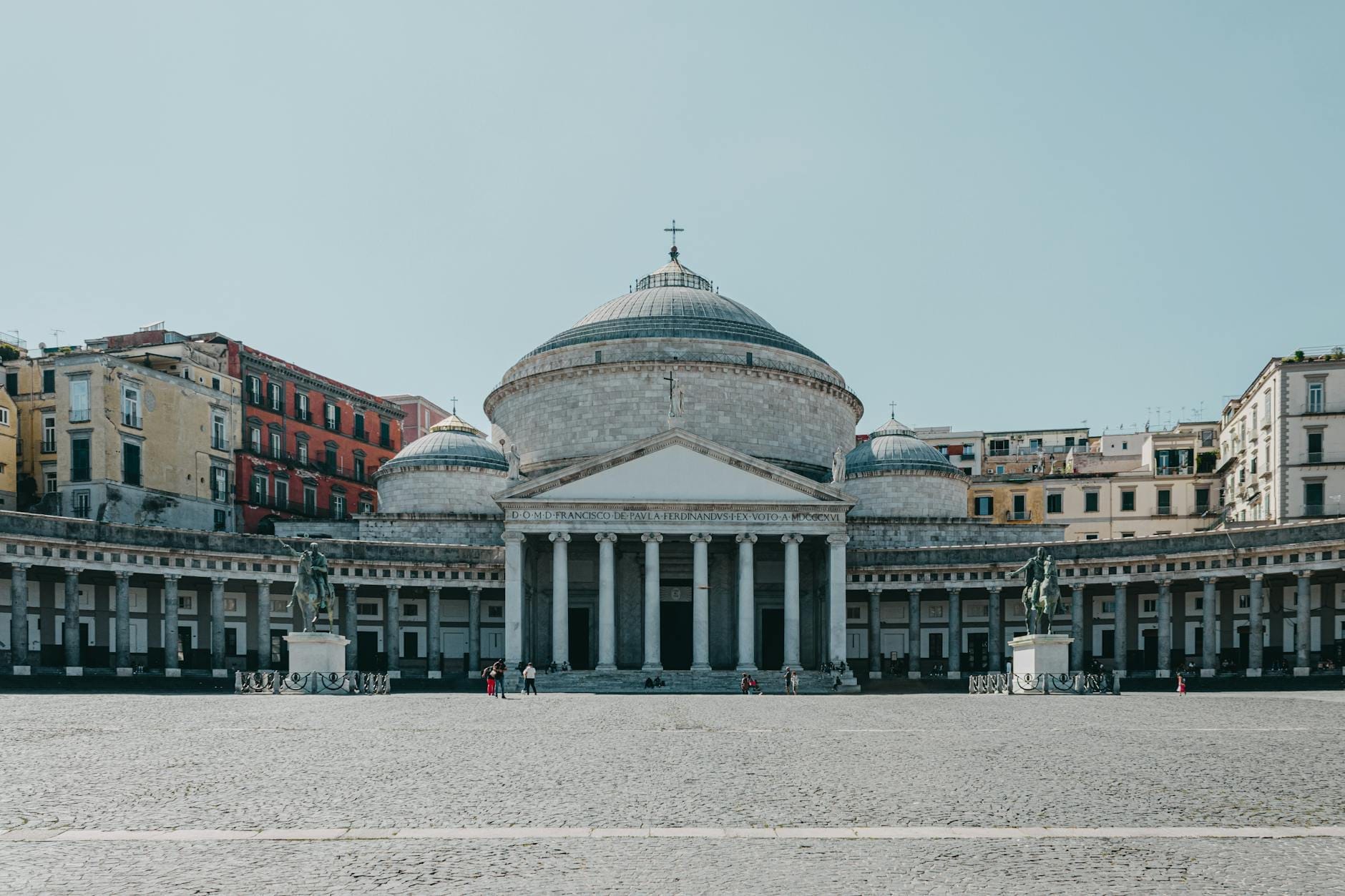
Naples has a rich calendar of events that can either enhance or complicate your visit depending on timing. The most significant is the Feast of San Gennaro, which draws enormous crowds to the Naples Duomo three times a year (September 19 being the main date). Read our dedicated San Gennaro Festival guide if you plan to attend.
- February: Carnevale street events, particularly in the historic centre.
- March/April: Easter processions through Spaccanapoli and the Quartieri Spagnoli.
- May: Maggio dei Monumenti — a month-long festival opening normally closed palaces, churches, and catacombs to the public.
- September 19: Feast of San Gennaro at the Duomo, the city's most important religious event.
- October: Napoli Pizza Village (dates vary), a large outdoor food festival on the waterfront.
- December: San Gregorio Armeno artisan workshops at full production; Christmas markets throughout the historic centre.
If your visit falls in December, the presepe craft stalls along San Gregorio Armeno are worth building into your itinerary. The street has operated as a nativity scene artisan district for centuries, and the December atmosphere is unlike anything else in the city. See our Naples Christmas guide for the full seasonal picture.
💡 Local tip
Maggio dei Monumenti in May is genuinely underrated. For one month, dozens of normally closed or restricted sites — underground chambers, private chapels, royal apartments — open for free or reduced-price entry. If culture-heavy sightseeing is your priority, May delivers exceptional value.
FAQ
What is the best month to visit Naples Italy for good weather?
May and September are widely considered the best months. May offers warm temperatures (17-22°C), low rainfall, and manageable tourist numbers. September brings similar conditions after the summer peak subsides, with the added bonus of warm sea temperatures for swimming. Both months avoid the oppressive heat of July-August and the persistent rain of November-January.
How hot does Naples Italy get in summer?
July and August average daily highs of 29-30°C, but heat waves arriving from North Africa can push temperatures above 35°C for several days at a time. Humidity from the Bay of Naples makes it feel warmer. Midday outdoor sightseeing at exposed sites like Pompeii or Mount Vesuvius is genuinely uncomfortable in peak summer.
Does it rain a lot in Naples Italy?
Naples receives around 900-1,000mm of rain annually, concentrated between October and April. November and December tend to be the rainiest months. The May-September period is largely dry, with only occasional brief showers. If you visit in winter, a waterproof jacket is essential rather than optional.
Is Naples worth visiting in winter?
Yes, for the right traveller. Winter (December-February) offers the lowest prices, virtually no tourist crowds, and a genuinely local atmosphere. The focus shifts to museums, churches, food, and neighbourhood exploration rather than outdoor sightseeing or day trips. The Christmas atmosphere in the historic centre is a legitimate draw. The main drawback is persistent rain and cold winds off the bay.
What should I pack for Naples in October?
October is transitional. Pack light-to-mid-weight clothing for warm afternoons (17-22°C), but add a waterproof jacket for the increasingly frequent rain, particularly in the second half of the month. Comfortable closed-toe walking shoes with some grip are better than sandals on wet cobblestones. Bring a light layer for evenings, which cool down noticeably.
Tickets & tours
Live prices and dates from our booking partner. If you book, we may earn a commission at no extra cost to you.
Planning a trip? Discover personalized activities with the Nomado app.