Best Time to Visit Naples, Italy: A Month-by-Month Guide
Planning a trip to Naples, Italy? This guide breaks down every season honestly — temperatures, crowd levels, prices, and local events — so you can choose the right time for your trip, whether you're chasing warm weather, cultural festivals, or the lowest hotel rates.
Tickets & tours
Live prices and dates from our booking partner. If you book, we may earn a commission at no extra cost to you.
TL;DR
- April-May and September-October are the sweet spot: mild temperatures (16-22°C), manageable crowds, and reasonable prices.
- September is the single best month overall — warm, festive, and noticeably less packed than August.
- August brings peak crowds and heat (up to 31°C); locals partially vacate the city, but tourist sites get overwhelmed.
- Winter (December-February) is underrated for budget travelers and culture-focused visitors — just pack for rain. See the Naples on a budget guide for how to maximize value in the off-season.
- November has the highest rainfall of the year — factor that in if you're planning outdoor day trips to Pompeii or the Amalfi Coast.
The Short Answer: When to Go to Naples
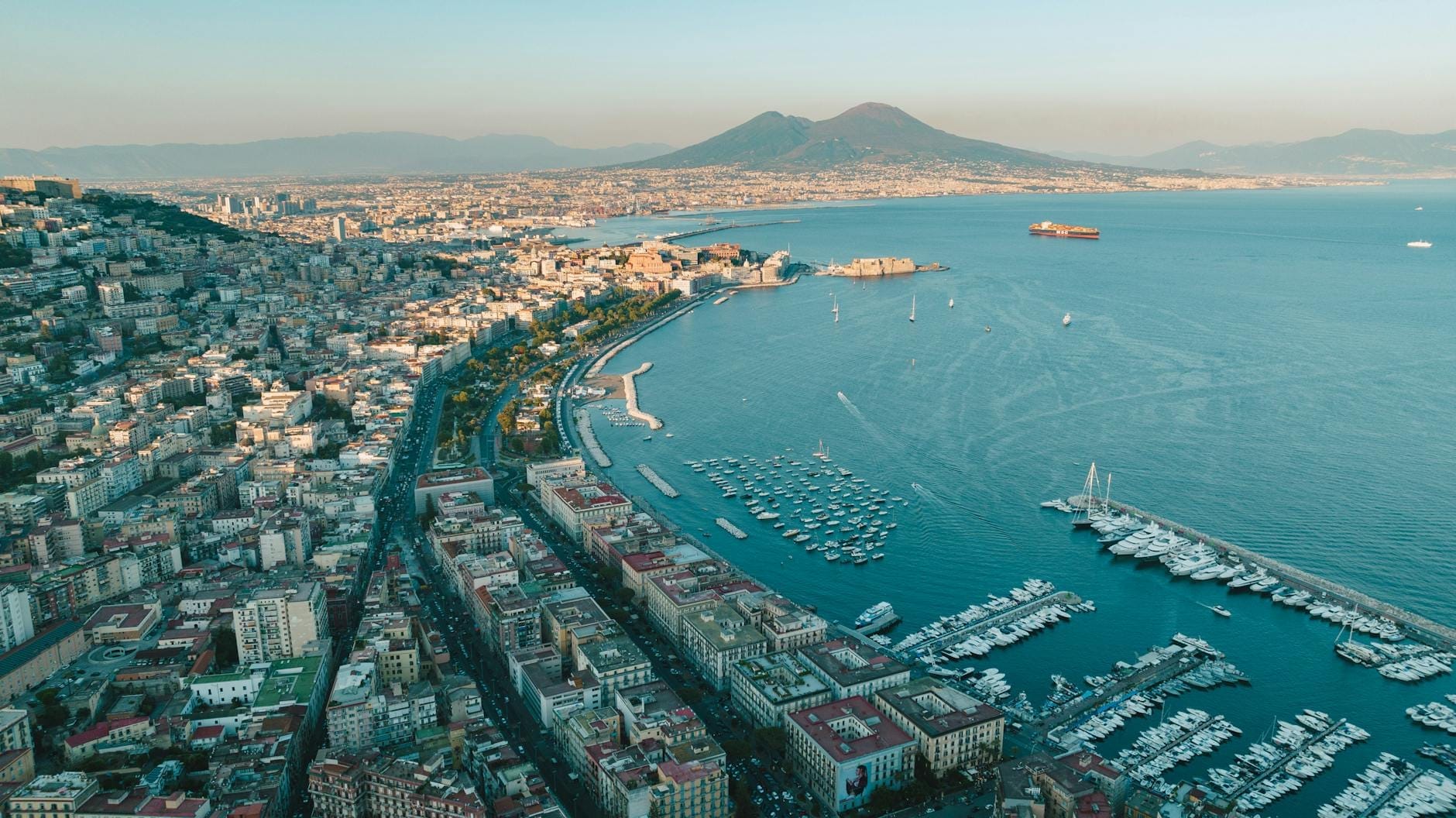
Naples, Italy operates on a Mediterranean rhythm. Summers are hot and crowded, winters are mild and quiet, and the shoulder seasons in spring and autumn hit the ideal balance most travelers are looking for. If you can only visit once, aim for late April through early June or the first half of September. Both windows offer temperatures between 18-26°C, functional public transport that isn't swamped, and the ability to book a decent restaurant table without a three-day wait.
That said, the 'best' month depends heavily on what you're coming for. Beach days, cultural immersion, budget travel, and food-focused trips each favor different windows. The guide below breaks it all down. If you're still deciding how long to stay, the how many days in Naples guide pairs well with this one.
Spring (March to May): The Crowd-Beaters' Season
Spring is when Naples starts to feel like itself again after winter. March can still be unpredictable — expect occasional wind, rain showers, and temperatures ranging from 13-17°C — but by April the city stabilizes into genuinely pleasant weather. Highs reach around 18-22°C in April and push toward 26°C by late May.
This is the season for Maggio dei Monumenti, Naples' month-long cultural event in May when dozens of lesser-known palaces, churches, courtyards, and underground spaces open to the public, many free of charge. For anyone interested in the city's layered history, this alone justifies a May visit. Easter weekend draws significant crowds for the Via Crucis procession, so if you want quiet streets during Holy Week, adjust accordingly.
Accommodation prices in spring sit noticeably below summer rates, especially in March and early April. Markets in the Centro Storico stock artichokes, fresh peas, and early asparagus — the city's food scene shifts with the season in ways that matter if you're eating well.
💡 Local tip
Book Maggio dei Monumenti visits in advance for the most popular sites — the Galleria Borbonica and private palazzo tours fill up fast. Check the Comune di Napoli website for the official program, which usually goes live in late April.
Summer (June to August): Peak Season Realities
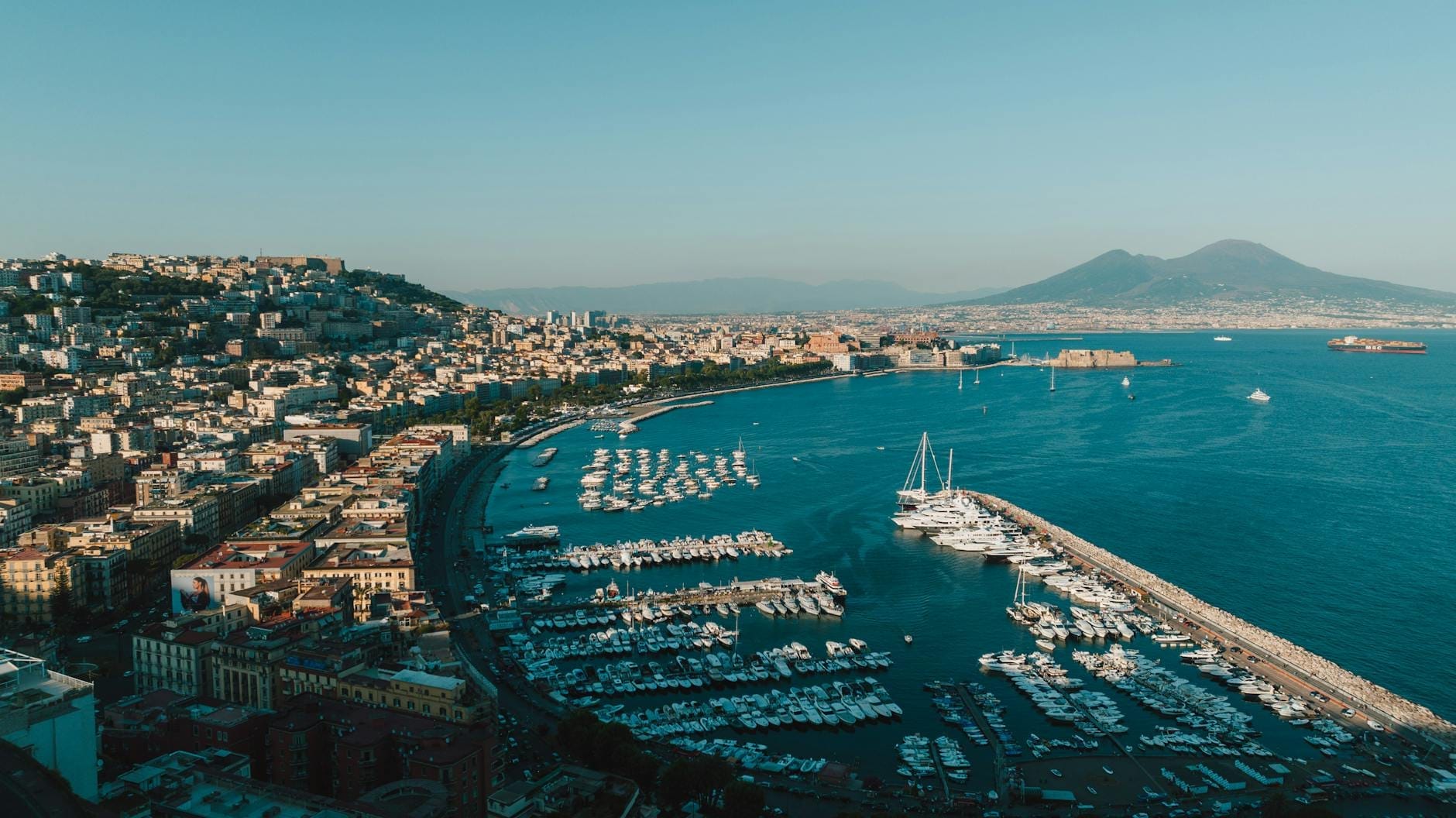
June is warmer than most visitors expect. Temperatures hit 26-29°C regularly, beaches at Posillipo and along the coast are open and appealing, and the city is in full swing. It's a good month if you want the energy of peak season without quite the crush of July and August. Ferry connections to Capri, Ischia, and Procida run at maximum frequency.
July and August are a different proposition. Highs regularly reach 30-31°C, the historic centre gets genuinely crowded, and hotel prices spike. The Naples National Archaeological Museum and the Cappella Sansevero can have queues of 45-60 minutes without advance booking. August is paradoxical: peak tourist season, but many locals leave the city for the coast, which means some neighborhood restaurants and shops close entirely for part of the month.
⚠️ What to skip
August 15 (Ferragosto) is a national holiday. Expect significant closures of local restaurants, shops, and some smaller museums. Tourist sites stay open, but the city has a different, quieter feel — not necessarily bad, just different from what most first-timers expect.
For beach-focused trips or island-hopping, summer remains the obvious choice. Water temperatures peak in August at around 25°C. If the heat and crowds don't bother you and you book well in advance, you can still have a great trip — just go in with realistic expectations and pre-book everything.
Autumn (September to November): The Informed Traveler's Pick

September is, by most measures, the best single month to visit Naples. Average temperatures sit around 22-26°C, the Adriatic is still warm enough for swimming, and the summer crowds have visibly thinned. Prices for accommodation drop from their August peaks but the city is far from quiet. The combination of functional weather, good food, and shorter queues makes it the most consistently rewarding time to visit.
October brings a real shift. Temperatures drop to 17-21°C, the first autumn rains arrive, and the atmosphere becomes more local. The opera season at Teatro San Carlo kicks off in late October or November, running through June. For a city with Naples' musical heritage, catching a performance here is worth planning around. The festival of San Gennaro takes place in September, drawing large local crowds to the Duomo for the liquefaction ceremony.
November is the month that divides opinion. It records the highest average rainfall of the year, and some weeks are genuinely grey and wet. But for cultural travelers with flexible schedules, it's also the quietest, cheapest, and most authentic month to experience Naples. Locals are back, the tourist infrastructure has de-pressurized, and you can walk through the centro storico without dodging selfie sticks.
✨ Pro tip
If you're visiting in September specifically for the San Gennaro festival (the liquefaction ceremony typically takes place on September 19), book accommodation at least 6-8 weeks ahead. The Duomo area fills up with both locals and visitors, and nearby hotels price accordingly.
Winter (December to February): The Budget Season
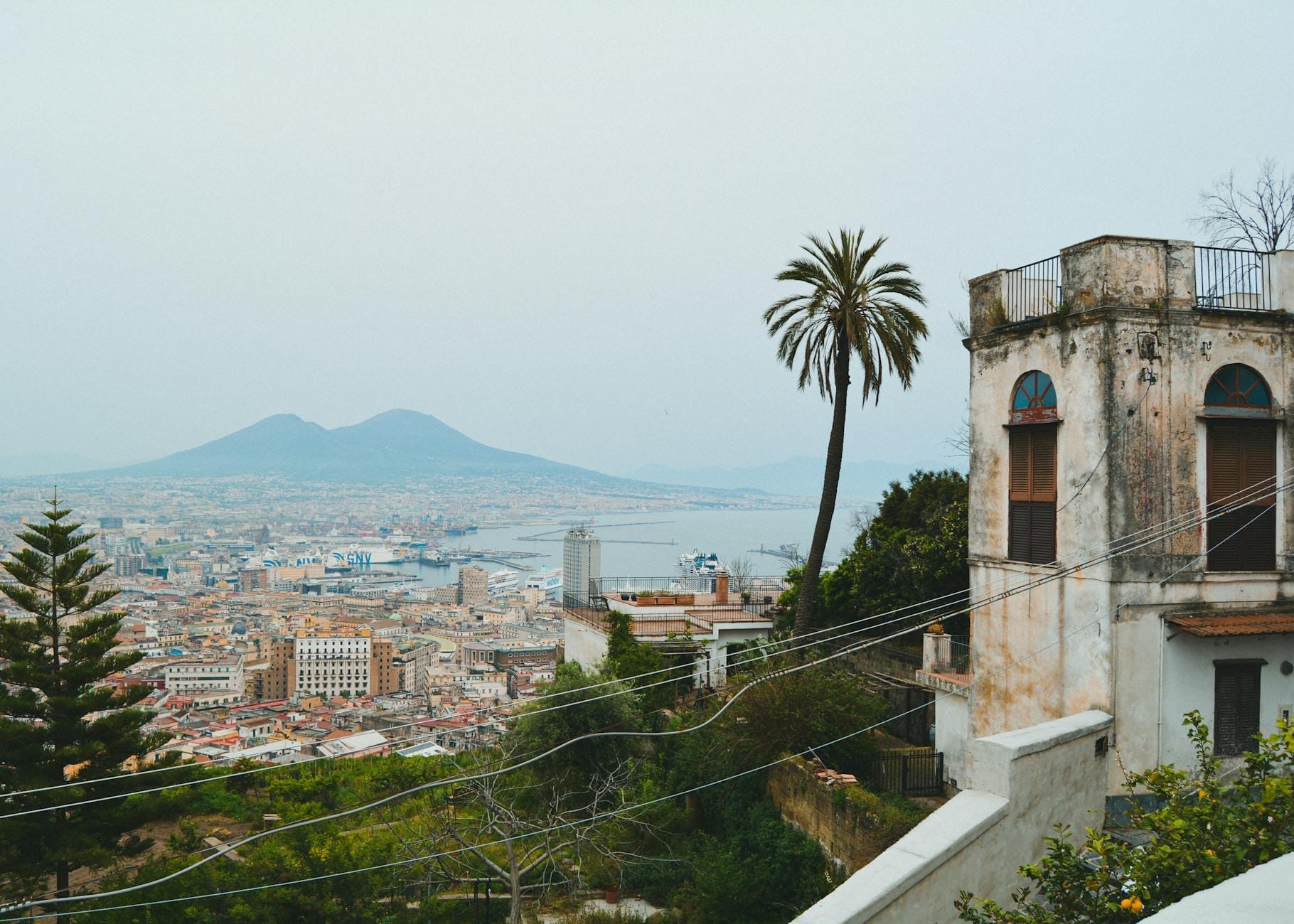
Naples in winter is one of Southern Italy's most underrated propositions. Temperatures average 8-14°C, rarely dropping below freezing, and the city gets on with daily life at a pace that feels genuinely different from peak season. Museums are accessible without planning gymnastics, restaurants are easier to book, and accommodation rates drop significantly across the board.
Christmas in Naples is a serious occasion. The presepe (nativity scene) tradition is centuries old here, and San Gregorio Armeno — the city's famous street of nativity artisans — is at its most atmospheric from late November through early January. The Naples Christmas guide covers this in detail if you're planning a December trip.
The honest drawbacks of winter: rain arrives regularly from November through February, some coastal day trips become impractical, and shorter daylight hours (sunset around 4:45 PM in December) limit outdoor sightseeing time. But for anyone prioritizing museums, food, and value, winter delivers a strong case.
Month-by-Month Comparison
- January & February Lowest prices of the year. Average 8-11°C. Frequent rain, very few tourists. Best for museum-heavy itineraries and budget stays.
- March Transitional and unpredictable. 12-16°C, some rain. Prices still low. Good for flexible travelers.
- April Excellent all-round. 15-20°C, mostly dry. Easter can spike prices briefly. Maggio dei Monumenti builds toward end of month.
- May One of the best months. 19-24°C, low rain. Maggio dei Monumenti in full swing. Prices still moderate.
- June Summer starts in earnest. 24-29°C. Beaches open, island ferries running. Crowds building but manageable until mid-month.
- July Peak crowds begin. 27-31°C. High prices, hot streets, long queues. Pre-book everything or reconsider.
- August Hottest and most crowded month. Some local businesses close for Ferragosto. Sea temperature ideal for swimming.
- September Best overall month. 22-26°C. San Gennaro festival mid-month. Crowds drop after the 15th. Highly recommended.
- October Good conditions, some rain. 17-22°C. Opera season starts. Noticeably fewer tourists than summer.
- November Highest rainfall of the year. 12-18°C. Quiet, cheap, authentic. Not ideal if outdoor day trips are a priority.
- December Festive atmosphere with Christmas markets and presepe culture. 9-14°C. Prices rise slightly around Christmas week.
Practical Planning: What Changes by Season
Transport logistics shift noticeably with the seasons. Ferries to Capri, Ischia, and Procida run on reduced winter schedules from November through March, and rough seas occasionally cancel crossings entirely. If island day trips are central to your trip, shoulder or summer season is more reliable. The Circumvesuviana train to Pompeii and Herculaneum runs year-round, but Vesuvius hiking paths can be closed or restricted during heavy winter weather.
Accommodation pricing broadly follows crowd patterns: lowest from November to early March (excluding Christmas), rising through spring, peaking in July-August, and easing from mid-September onward. The where to stay in Naples guide covers the best neighborhoods by trip type, which is worth cross-referencing when you lock in your dates.
- Book skip-the-line tickets for the Cappella Sansevero and Pompeii at least 2 weeks ahead in June-September
- Summer sunset cruises from Mergellina sell out days in advance — pre-book or go early morning instead
- Restaurant reservations become necessary in July-August; walk-ins are fine in winter and early spring
- Dress in layers for spring and autumn — morning temperatures in April can be 14°C while afternoons hit 22°C
- Modest dress (covered shoulders and knees) is required for churches year-round, but especially relevant if you visit during religious festivals
ℹ️ Good to know
Naples Capodichino Airport (NAP) is approximately 6 km from the city centre. The Alibus shuttle runs to Piazza Garibaldi for around €5 one-way. A licensed taxi is a fixed rate of approximately €25-28. Flight prices to Naples follow the same seasonal pattern as tourism: cheapest November-February, most expensive July-August. Booking 8-10 weeks ahead for summer flights typically saves 20-35% compared to last-minute fares.
FAQ
What is the best month to visit Naples, Italy?
September is the best single month for most travelers — warm temperatures around 22-26°C, the San Gennaro festival, noticeably thinner crowds than summer, and prices beginning to ease from their August peak. Late April and May are strong alternatives if you prefer spring conditions and want to catch Maggio dei Monumenti cultural events.
Is Naples too hot in August?
It depends on your heat tolerance. August regularly hits 30-31°C in the city, and the stone streets and buildings retain heat. It's manageable if you stay hydrated, visit outdoor sites in the early morning, and take a midday break. The bigger issue for most people is the crowds and the highest prices of the year, not the heat itself.
Is Naples good to visit in winter?
Yes, for the right type of traveler. Temperatures stay mild (8-14°C), crowds are minimal, prices are lowest, and the presepe culture around Christmas makes December genuinely atmospheric. The main downsides are regular rainfall from November through February and reduced ferry schedules to the islands. If your trip is museum-focused or food-focused, winter works very well.
When is Naples least crowded?
November through February is consistently the quietest period, with January being the least visited month of the year. Outside of the Christmas holiday window (roughly December 22 to January 6), you'll find easy bookings, short queues, and a noticeably more local atmosphere throughout the centro storico.
Does it rain a lot in Naples?
Naples has a classic Mediterranean rain pattern: dry from May through September, with increasing rainfall from October onward. November is the wettest month. Rain rarely comes as all-day downpours — more typically as intense showers followed by clearing skies — but it's worth packing a compact waterproof jacket for any trip outside summer.
Tickets & tours
Live prices and dates from our booking partner. If you book, we may earn a commission at no extra cost to you.
Planning a trip? Discover personalized activities with the Nomado app.