Naples on a Budget: How to Visit Italy's Most Affordable City
Naples is the cheapest major city in Italy to visit, with €1 espressos, €3 street pizza, and a UNESCO historic centre you can explore for free. This guide breaks down real daily costs, the best free attractions, smart transport choices, and exactly how to stretch your euros further in Napoli.

Tickets & tours
Live prices and dates from our booking partner. If you book, we may earn a commission at no extra cost to you.
TL;DR
- Naples is genuinely affordable: a tight daily budget of €45-65 covers a hostel dorm, street food, and city transport — far cheaper than Rome or Florence.
- The UNESCO-listed historic centre costs nothing to walk. Many of Naples' best churches and piazzas are free entry — see the full list of free things to do in Naples for a complete breakdown.
- The Campania Artecard (3-day pass) saves €25-40 on major attractions and public transport — worth buying if you plan to visit more than two paid sites.
- A day trip to Pompeii costs around €15-20 total using the Circumvesuviana train — skip the overpriced private tours.
- Shoulder season (April-June, September-October) cuts accommodation costs by 25-40% compared to July-August peaks.
What Does Naples Actually Cost? Daily Budget Breakdown
Naples has a reputation for chaos and, in some circles, danger. What it rarely gets credit for is being one of the most wallet-friendly cities in Western Europe. Compared to Rome, Milan, or any city in northern Italy, Napoli is a genuinely cheap destination where the best experiences often cost nothing at all.
Here is a realistic daily budget breakdown for 2026. These are ranges based on actual costs, not aspirational minimums:
- Ultra-budget (€45-65/day) Hostel dorm €25-35, street food and pizza €15-20, metro/bus transport €2-5. Possible if you self-cater breakfast and stick to markets and street stalls.
- Standard budget (€65-90/day) Budget B&B or private room €40-55, sit-down meals at local trattorias €20-30, Campania Artecard for transport and entries.
- Comfortable mid-range (€120-180/day) 3-star hotel, restaurant meals twice daily, paid attractions, and one or two guided experiences.
A 3-day trip on a genuine budget lands around €180-260 total, including a day trip to Pompeii. A full week on ultra-budget comes in at €315-420. Those numbers are hard to match in Italy outside of rural Calabria.
ℹ️ Good to know
Currency: Everything in Naples operates in Euro (EUR). ATMs are widely available in the city centre, but carry some cash for street food stalls and small cafes — card readers are still inconsistent in the historic centre.
Getting to Naples Without Paying Over the Odds
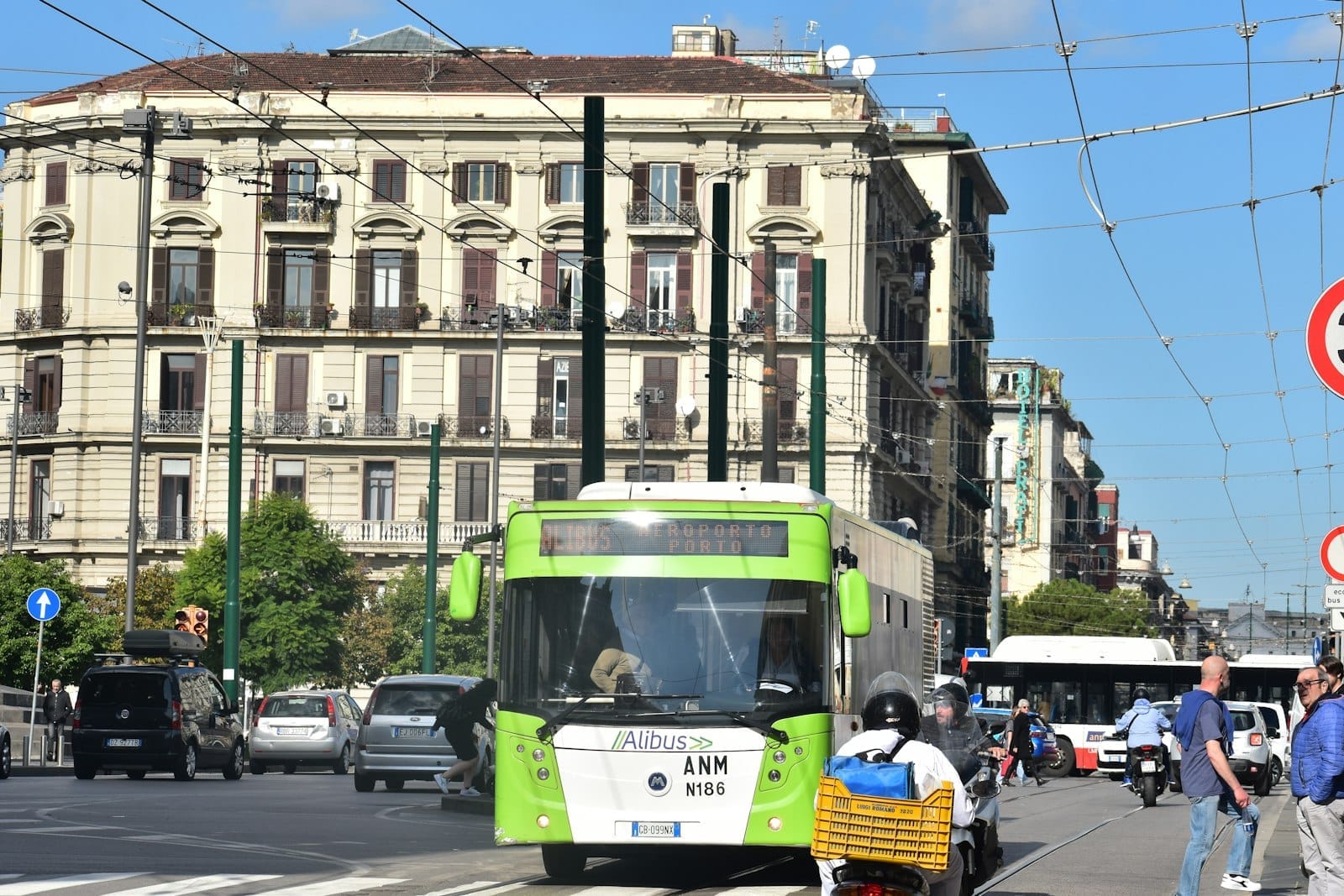
Naples International Airport (Capodichino, IATA: NAP) sits about 6 km from the city centre. From there, your cheapest option is the Alibus shuttle, which runs directly to Piazza Garibaldi (the main train hub) for €5. The journey takes 20-40 minutes depending on traffic. Taxis operate at a fixed rate of €25 to the city centre — legitimate, but five times the bus price. For full logistics, check the Naples airport transfer guide.
If you are arriving by train from Rome or elsewhere in Italy, Naples Centrale (Piazza Garibaldi) is the main terminus. Advance Trenitalia or Italo tickets on the high-speed Frecciarossa from Rome can be as low as €9-19 if booked weeks ahead — compare that to flying and paying baggage fees.
⚠️ What to skip
Avoid unofficial taxi touts at the airport arrivals hall. Only use official white taxis with the Naples municipality logo, or book through the Free Now app. The fixed airport rate to the city centre is €25 — if a driver quotes more, decline.
Cheap Transport Inside the City
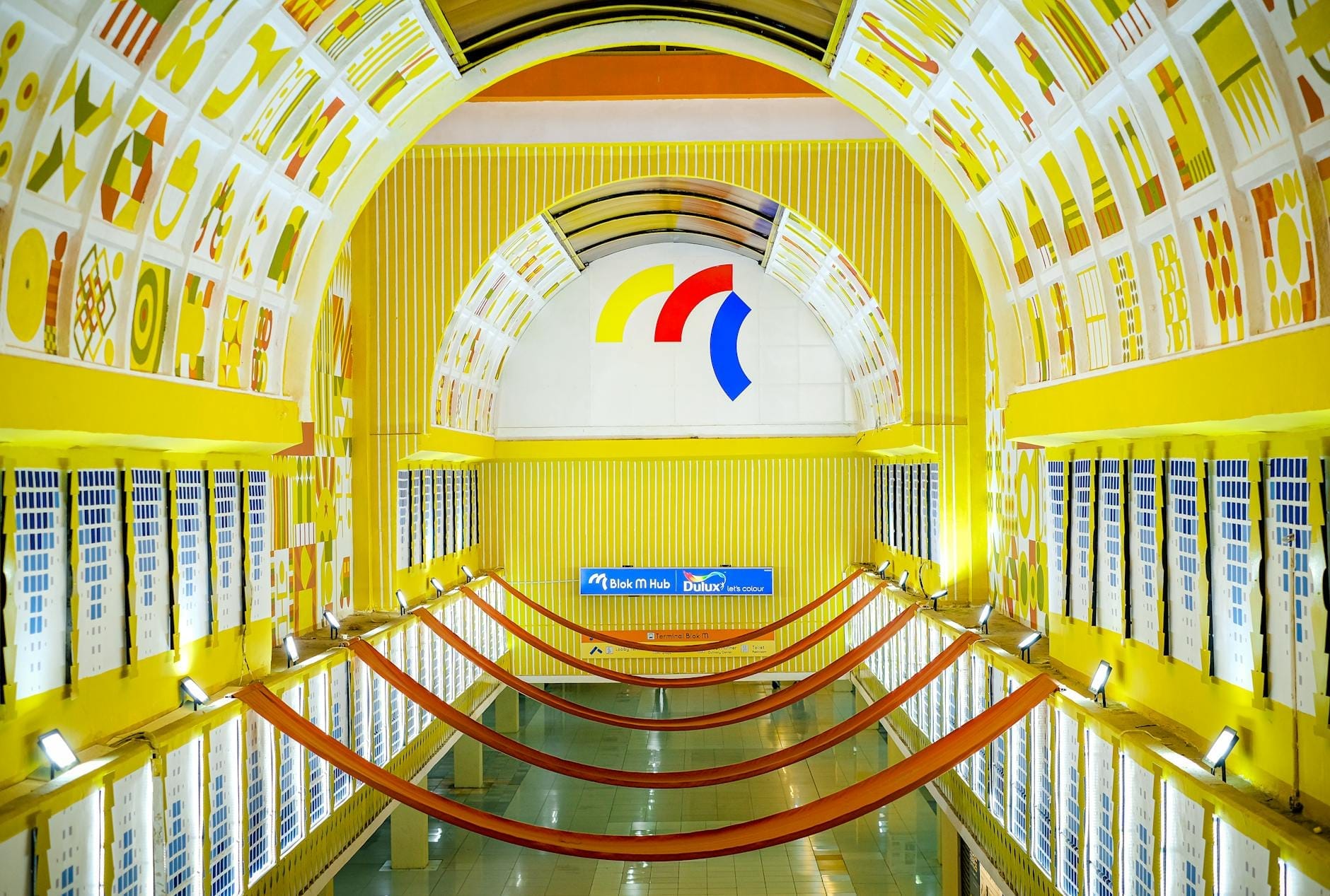
The ANM network (Azienda Napoletana Mobilità) covers the city with metro Lines 1 and 6, four funicular lines, buses, and trams. A single ticket costs around €1.50 and is valid for 90 minutes across modes. For most budget travellers, spending €3-5 per day on transport is realistic. The funiculars up to Vomero are included on standard tickets — a scenic ride that costs nothing extra and delivers one of the best views in the city. Learn more about the network in the guide to getting around Naples.
The Campania Artecard is a multi-day pass covering unlimited public transport plus free or discounted entry to major attractions. The 3-day Naples version saves €25-40 depending on which sites you visit. Buy it online at campaniaartecard.it before arrival to skip ticket queues on day one.
One important note: the historic centre (Centro Storico) is compact enough that you will walk most of it. The metro and funiculars are most useful for reaching Vomero, Chiaia, and Posillipo — the elevated and waterfront districts that lie outside easy walking distance from Spaccanapoli.
Free and Cheap Attractions: Where to Spend Your Time
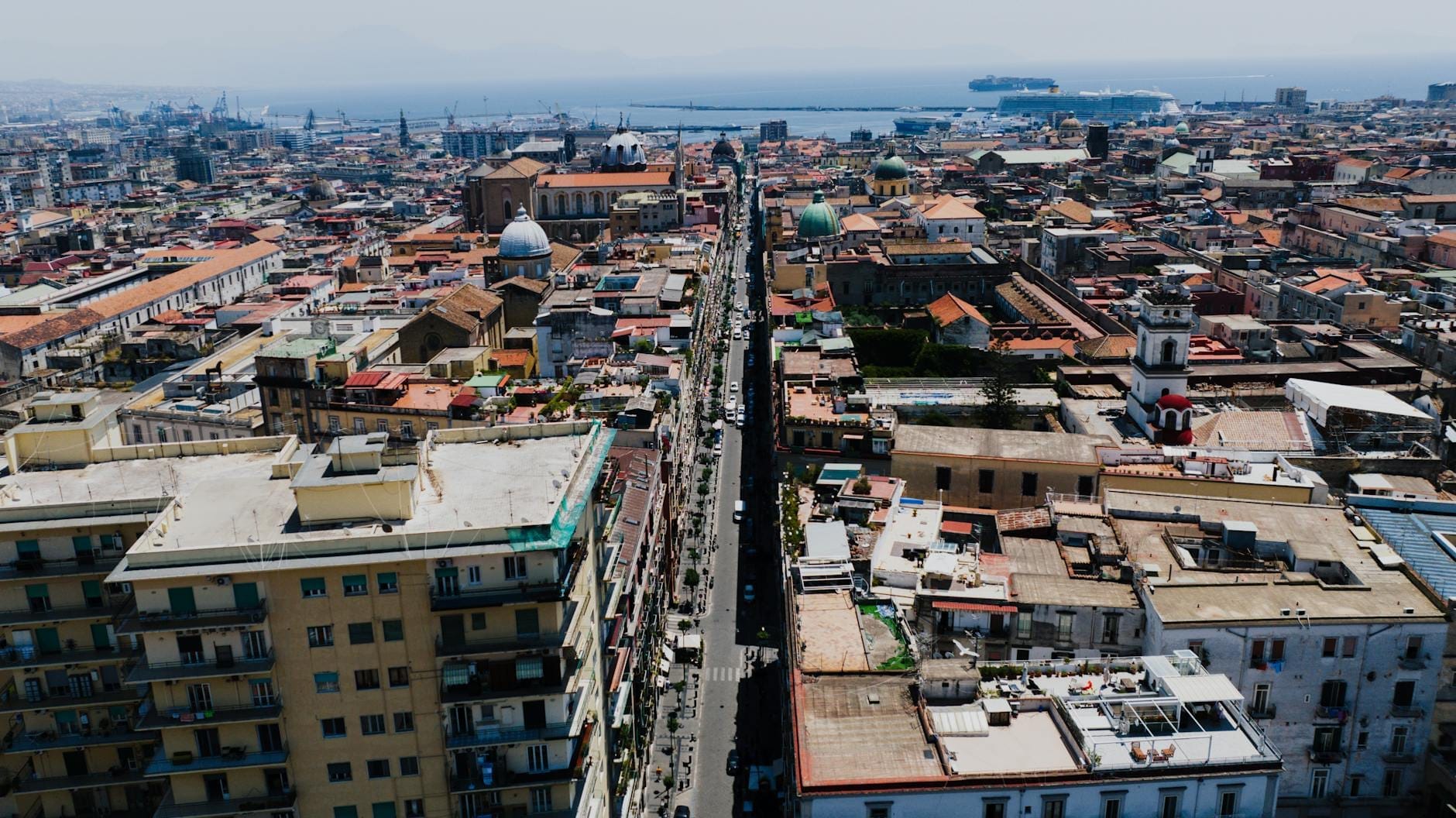
The single biggest budget advantage Naples has over other Italian cities is that its most impressive asset — the UNESCO-listed historic centre — is entirely free to explore. Walking Spaccanapoli, the long straight street that cuts the old city in half, costs nothing. The same goes for San Gregorio Armeno (the street of nativity craftsmen), Piazza del Plebiscito, and the waterfront at Mergellina.
Churches are another major free category. Naples has over 400 of them, and most charge nothing. The Gesù Nuovo church and the Santa Chiara complex (the cloister has a small entry fee but the church itself is free) are standouts. The Cathedral of Naples (Duomo) is free to enter on most days. For a full rundown of the city's sacred architecture, the guide to the best churches in Naples covers the essential stops.
- Piazza del Plebiscito and the surrounding Royal Palace exterior: free
- Castel dell'Ovo exterior and grounds: free (interior charges apply for exhibitions)
- Villa Comunale park along the waterfront: free
- Posillipo Park Virgiliano panoramic viewpoint: free
- The Fontanelle Cemetery (Cimitero delle Fontanelle): low-cost, with advance booking required
- Naples Maradona murals around Quartieri Spagnoli: free walking route
- All four funicular rides: covered by standard ANM transit ticket
For paid attractions, prioritise selectively. The Cappella Sansevero charges around €8-10 and is genuinely unmissable for its sculptural artistry. The National Archaeological Museum (MANN) runs €12-15 but contains one of the most important ancient artifact collections in Europe — the Pompeii finds alone justify the price. Use the Campania Artecard to get discounted or free entry to both.
Eating Well for Almost Nothing

Food is where Naples genuinely separates itself from every other Italian city. Naples invented pizza, and a margherita here costs €5-8 at a sit-down pizzeria — less than half of what you would pay in Milan. Pizza a portafoglio (folded street pizza) costs €3-4 and is the real working lunch of Naples. The Naples pizza guide covers the best spots by neighbourhood.
Beyond pizza, the street food scene is remarkable and cheap. Fried pizza (pizza fritta), cuoppo di mare (fried seafood cone), zeppole, and sfogliatelle pastries all cost €2-5 each. The Naples street food guide maps out the best stalls in the historic centre and at Porta Nolana market. Espresso at a standing bar counter runs €1-1.50 — the local custom is to drink it fast at the bar, which is cheaper than sitting.
✨ Pro tip
Eat where locals eat: look for trattorias without English menus outside and packed with office workers at lunch (1-2:30pm). A two-course pranzo (lunch) with wine at these spots runs €12-18. Tourist-facing restaurants near Piazza Garibaldi and the waterfront charge 30-50% more for similar quality.
For self-catering, the Porta Nolana fish market and Pignasecca market in the Spanish Quarter offer some of the cheapest fresh produce in the city. A picnic lunch assembled from a market and a nearby bakery will cost €5-7 and can be eaten at any of the city's free public spaces.
Budget Day Trip to Pompeii and Vesuvius
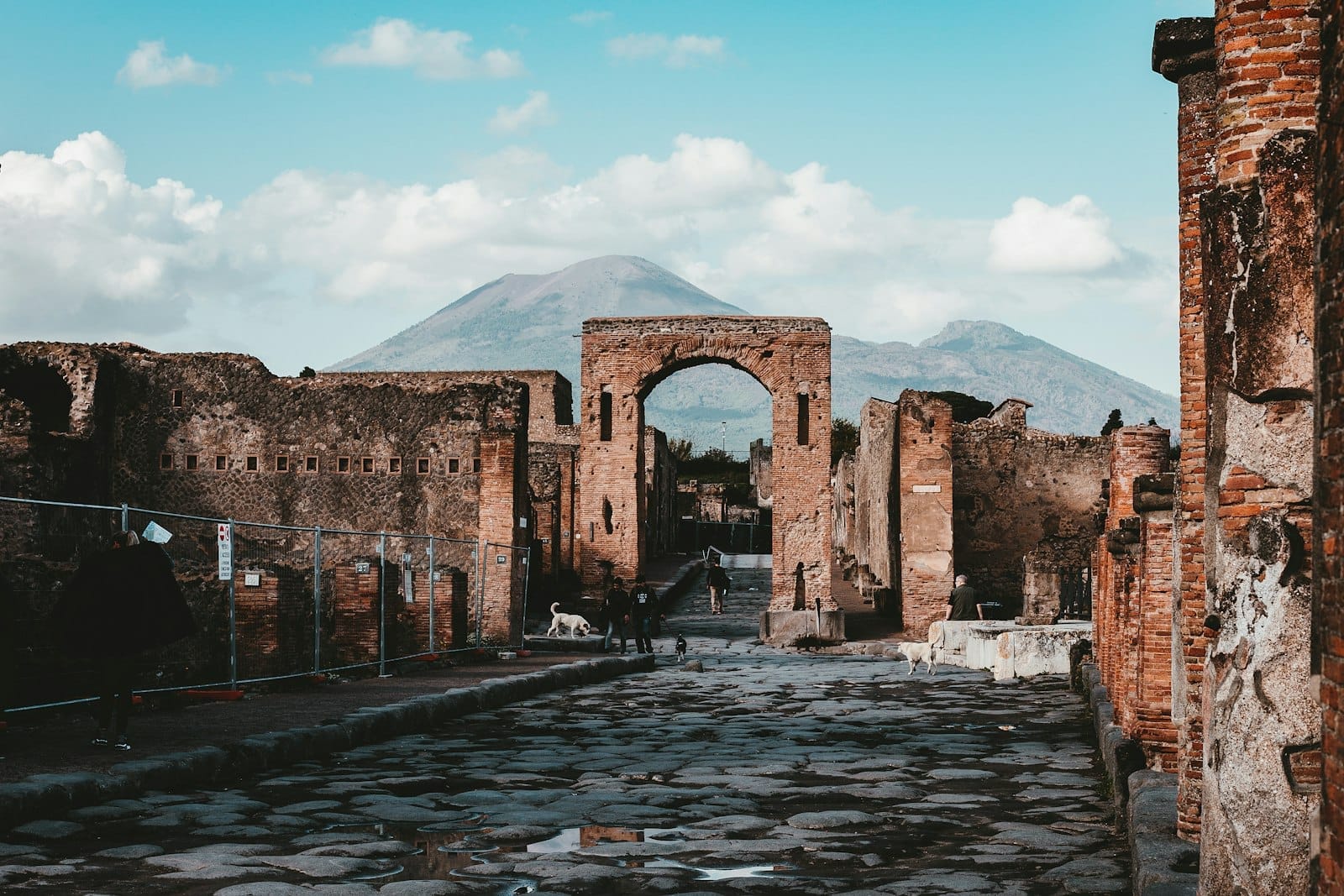
A day trip to Pompeii is one of the most rewarding and affordable excursions from Naples. The key is using the Circumvesuviana commuter train from Naples Centrale rather than a private tour. The train takes around 35-40 minutes and costs around €2.20 each way. Entry to the Pompeii archaeological site itself is around €18 for adults (free on the first Sunday of each month). Total cost for the day: €15-22, depending on whether you eat at the site or bring your own food.
Private tours marketed outside Naples Centrale typically cost €50-120 per person for what is fundamentally a train ride you can do yourself. The Naples to Pompeii guide explains the exact logistics. If you want to combine Pompeii with Mount Vesuvius, budget an extra €10-15 for the crater entry and the shuttle bus from the Pompeii parking area.
💡 Local tip
Book Pompeii tickets online at the official site before you go. The first Sunday of the month is free entry for all Italian state museums and archaeological sites — but crowds are significantly larger. Arrive before 9am either way to beat the tour groups.
Accommodation: Where to Stay on a Budget
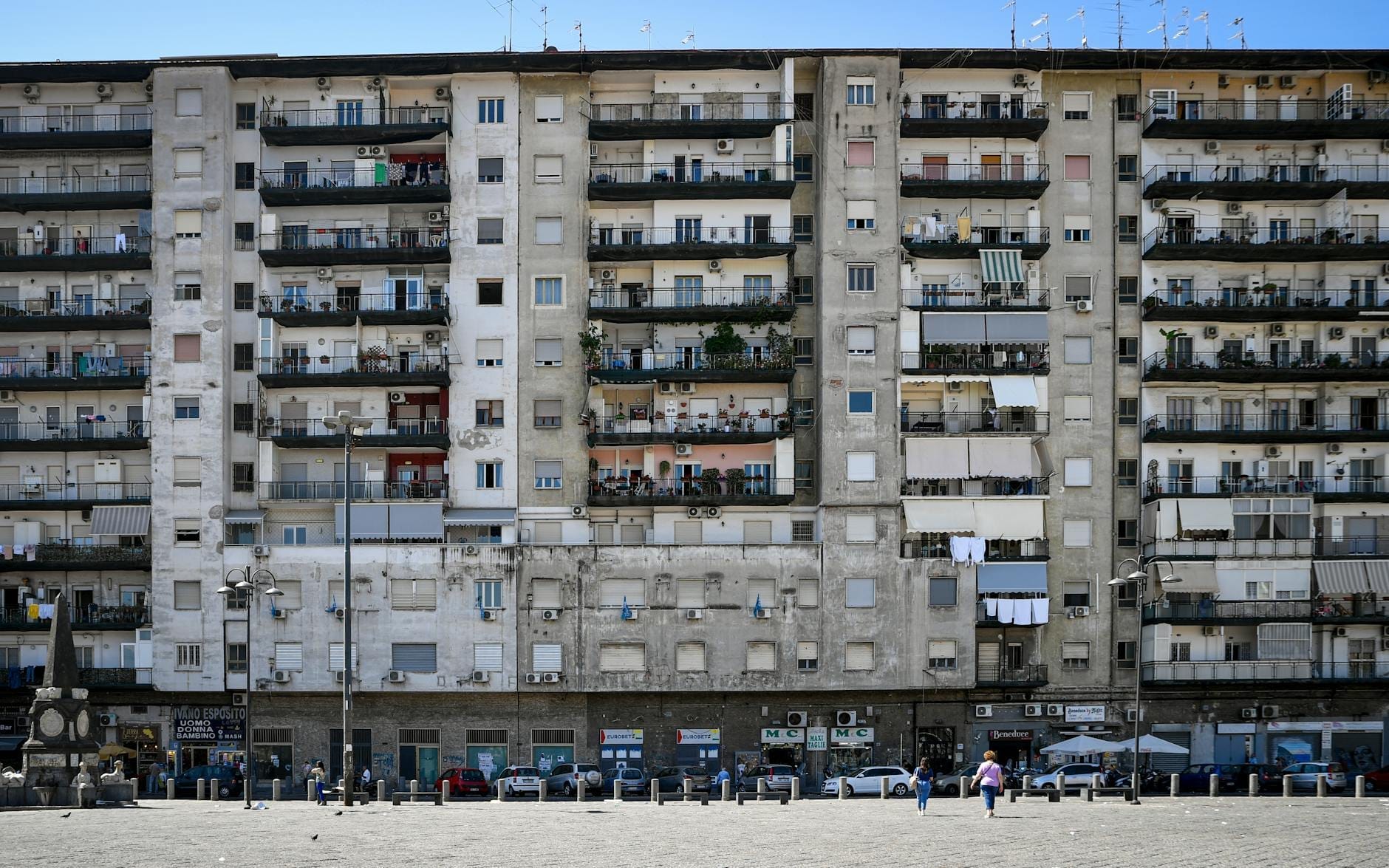
Hostel dorms in Naples run €25-35 per night and are concentrated around Piazza Garibaldi and the historic centre. The area around Piazza Garibaldi has a rough-around-the-edges reputation at night but is safe for transit use and improving year on year. B&Bs in the Centro Storico offer private rooms from €55-80 in shoulder season, dropping further if you book 6-8 weeks ahead.
For the best value-to-location ratio, look at accommodation in the historic centre or around Piazza Bellini rather than the waterfront Chiaia district, where prices reflect the neighbourhood's upscale character. Staying near the Toledo metro station gives good access to both the historic centre and the waterfront without the premium price of the seafront hotels.
Shoulder seasons (April through early June, and September through October) offer the same city with 25-40% lower accommodation rates than July-August. The weather in those months is also more comfortable for walking — summers regularly hit 30°C+ in the streets of the old city, which are sheltered from coastal breezes.
FAQ
Is Naples cheap to visit compared to other Italian cities?
Yes — Naples is consistently the most affordable major city in Italy for visitors. A margherita pizza costs €5-8, espresso €1-1.50, and public transport tickets around €1.50-2 each. Daily budgets of €45-65 are realistic, which is difficult to achieve in Rome or Florence without sacrificing quality.
What is the Campania Artecard and is it worth buying?
The Campania Artecard is a multi-day pass sold at campaniaartecard.it covering unlimited ANM public transport and free or discounted entry to Naples' major museums and archaeological sites. The 3-day Naples version typically saves €25-40 depending on your itinerary. It's worth buying if you plan to visit at least two paid attractions (MANN, Cappella Sansevero, Palazzo Reale, etc.) during your stay.
How do I get from Naples airport to the city cheaply?
Take the Alibus shuttle from Capodichino Airport directly to Piazza Garibaldi for around €5. It runs frequently and takes 20-40 minutes. The official fixed taxi rate is €25 — legitimate but optional. Avoid any driver who approaches you in the arrivals hall quoting higher fares or offering 'private transfers.'
Can I do a Pompeii day trip from Naples on a budget?
Absolutely. Use the Circumvesuviana train from Naples Centrale (around €2.20 each way, 35-40 minutes). Pompeii site entry is around €18, or free on the first Sunday of the month. Bring your own lunch to avoid the overpriced cafes inside the site. Total cost for the day: €20-25 if you pack food.
What are the best free things to do in Naples?
Walking the Spaccanapoli and the UNESCO historic centre costs nothing. Major free spots include Piazza del Plebiscito, the Castel dell'Ovo grounds, Villa Comunale park, Posillipo Park Virgiliano, and many of the city's historic churches including the Duomo and Gesù Nuovo. The Fontanelle Cemetery is better treated as a low-cost booked visit rather than a casual free walk-in. The funicular rides to Vomero are covered by standard transit tickets.
Tickets & tours
Live prices and dates from our booking partner. If you book, we may earn a commission at no extra cost to you.
Planning a trip? Discover personalized activities with the Nomado app.