Naples Street Food Guide: What to Eat on the Go
Naples has one of the great street food cultures in Europe, built on centuries of feeding dock workers, market sellers, and anyone who needed a meal without a table. This guide covers the essential dishes, the best neighborhoods to eat them, and the practical details that separate a great food walk from a disappointing tourist detour.
Tickets & tours
Live prices and dates from our booking partner. If you book, we may earn a commission at no extra cost to you.
TL;DR
- Naples street food is dominated by fried food: cuoppo, frittatina di pasta, and panzarotti are the local staples alongside pizza a portafoglio.
- The best areas to eat are Spaccanapoli, Via dei Tribunali, and the Pignasecca market in the historic center.
- Sfogliatella (both riccia and frolla) should be eaten warm, ideally within minutes of leaving the oven.
- Most street food items cost between €1 and €4. For broader eating context, see the full Naples food guide.
- Avoid vendor clusters immediately around major tourist sites: prices jump and quality drops within a few hundred meters.
Why Naples Street Food Is Different
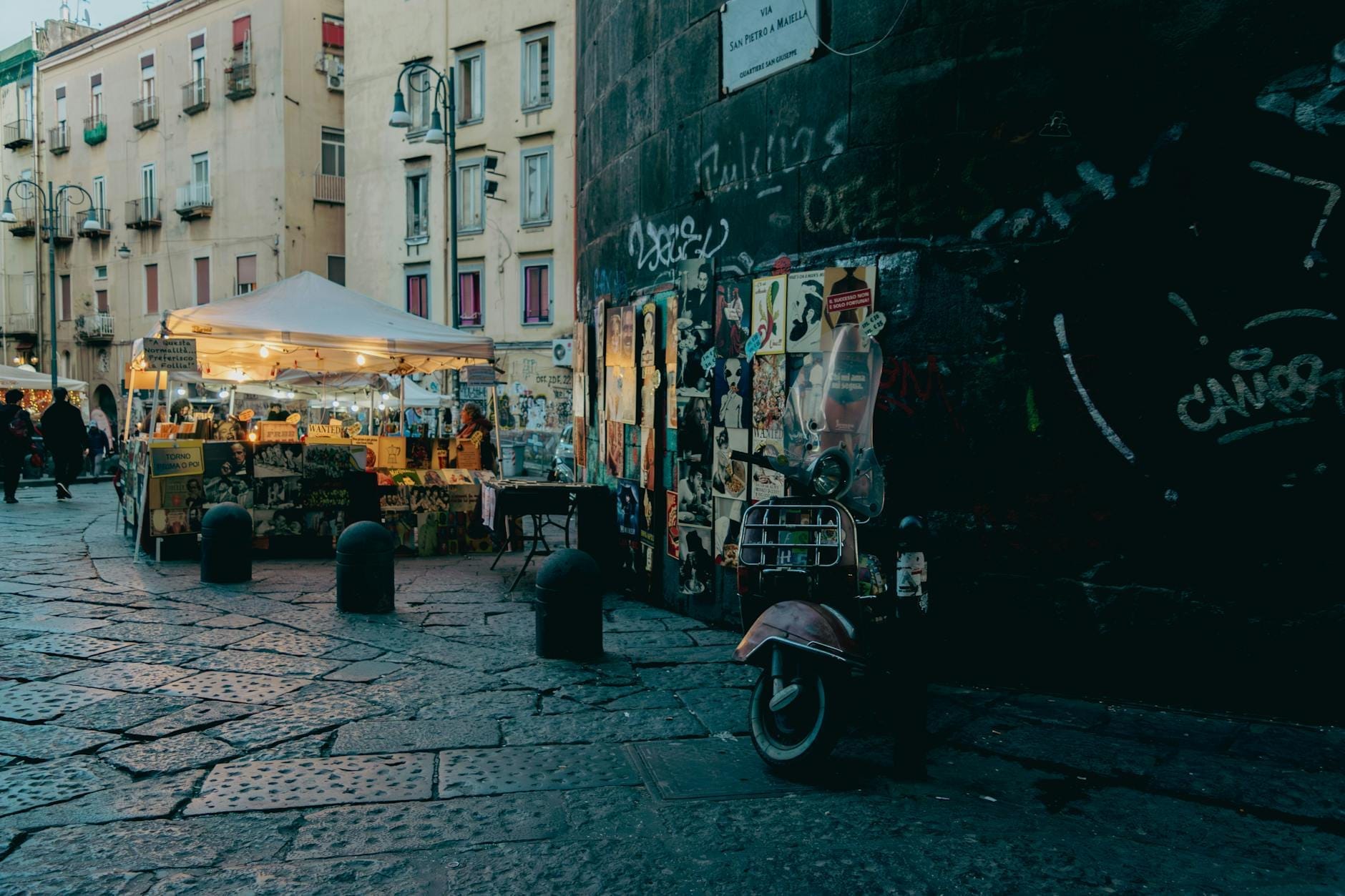
Street food in Naples is not a trend or a tourist attraction layered on top of the city's dining culture. It is the dining culture for a large portion of the population. The tradition dates to when the city was one of the most densely populated urban centers in Europe, and working-class Neapolitans, including dock workers, market porters, and artisans, needed fast, filling, cheap food they could eat standing up or walking. That constraint produced some of the most technically refined fried food in the world.
Frying is the dominant cooking method here, and Neapolitans take it seriously. The oil temperature, the batter, the timing: these are not afterthoughts. A good cuoppo from a serious friggitoria is light, crisp, and non-greasy in a way that surprises first-time visitors expecting something heavy. This is the benchmark to hold vendors against.
ℹ️ Good to know
Naples is in the Campania region of southern Italy, and its street food reflects the local pantry: San Marzano tomatoes, buffalo mozzarella, fresh ricotta, anchovies, and an abundance of seafood from the Bay of Naples. These ingredients appear across almost every category of street food, sweet and savory alike.
The Essential Dishes: What to Order and Why
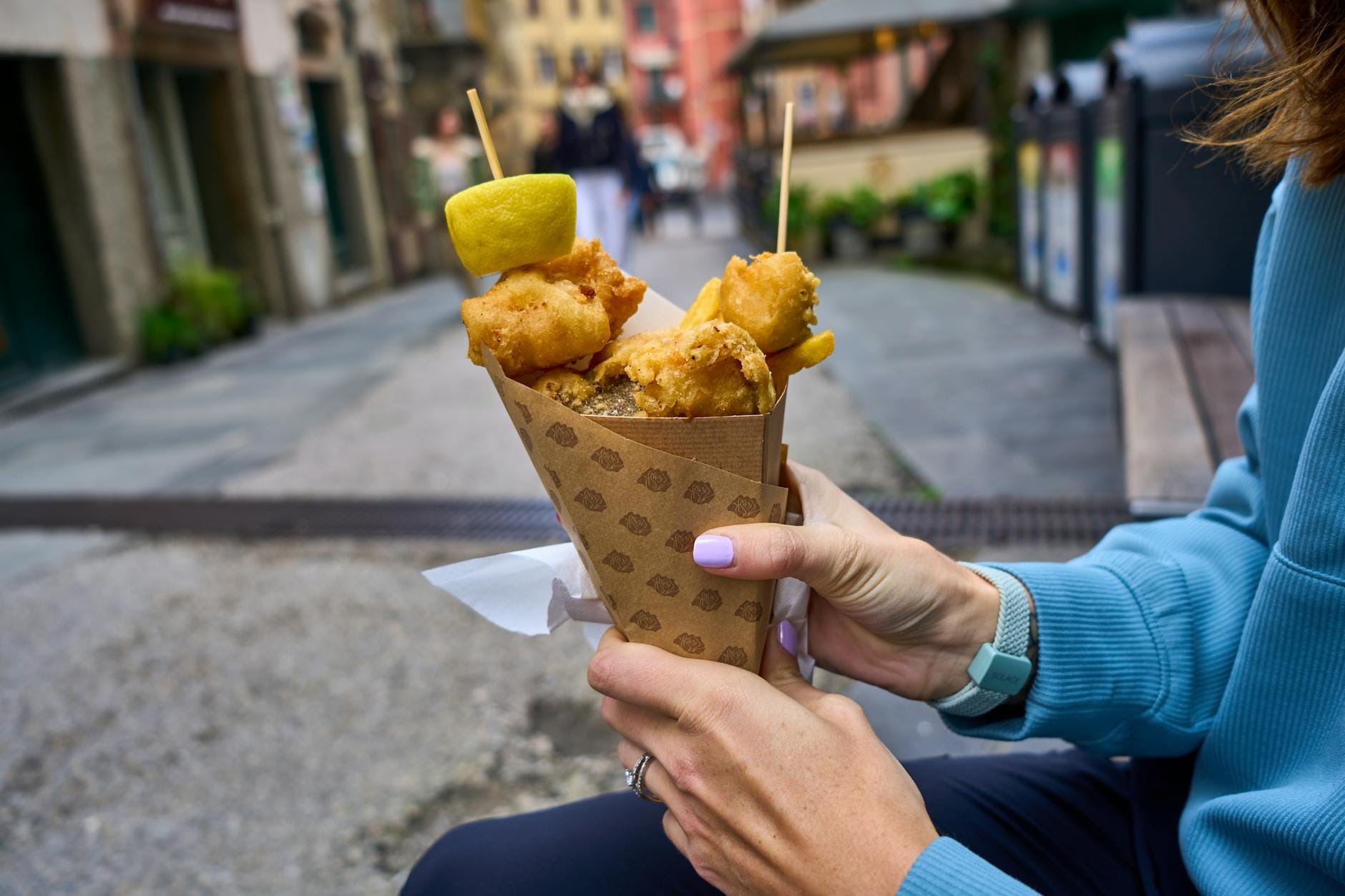
Cuoppo is the single dish most associated with Neapolitan street food. It arrives in a paper cone (the cuoppo itself) filled with small fried items. The mare version contains seafood: baby squid, shrimp, small fish. The terra version substitutes vegetables and dough-based bites. Both are eaten immediately, standing up, from the cone. A good cuoppo should be eaten within minutes of being handed over; once it cools, the texture suffers significantly.
Pizza a portafoglio, literally wallet pizza, is a full Neapolitan pizza (usually margherita or marinara) folded in quarters so it fits in your hand. The crust is soft and slightly charred with the signature leopard-spot pattern on the base. It was designed specifically for eating while walking, and it remains the most practical way to experience Neapolitan pizza without committing to a sit-down meal. Prices typically run around €1.50 to €2.50 depending on the neighborhood.
- Cuoppo (mare or terra) Paper cone of small fried items, either seafood or vegetables. The definitive Neapolitan street snack. Eat immediately.
- Pizza a portafoglio Folded Neapolitan pizza, eaten walking. Look for leopard-charred bases and a soft, floppy center. Around €1.50–2.50.
- Frittatina di pasta Fried pasta patty made from leftover pasta bound with béchamel, cheese, and ham. Dense, savory, and filling. A true working-class food.
- Panzarotti Potato croquettes stuffed with mozzarella and cooked ham, fried until golden. Sometimes called crocché. One of the more approachable items for first-timers.
- Zeppole Fried dough balls available in sweet (dusted with sugar) or savory versions, sometimes with seaweed. Light and addictive.
- Sfogliatella The signature Neapolitan pastry. Riccia has a flaky, layered shell; frolla has a softer, shortcrust exterior. Both are filled with ricotta and lemon-scented semolina. Always order warm.
- Tarallo napoletano A hard, savory ring cracker made with lard, pepper, and almonds. Sold in bags. Excellent with a coffee or as a pocket snack between meals.
✨ Pro tip
Sfogliatella riccia and frolla are often sold side by side. Riccia is technically more difficult to make and is generally considered the benchmark of quality. If a pastry shop only offers frolla, it usually means they are cutting corners on production. For the best versions, arrive within an hour of opening when the pastries are freshest from the oven.
Where to Eat: The Best Neighborhoods for Street Food
The historic center of Naples is the obvious starting point, and for good reason. The density of friggitorie, bakeries, and food stalls is unmatched anywhere else in the city. The challenge is knowing which streets reward exploration and which have drifted toward catering to tourists.
Via dei Tribunali runs through the heart of the Decumani district and is the single best street for a dedicated street food walk. It connects the National Archaeological Museum area to the east, passing through blocks packed with family-run shops that have operated for generations. Cuoppo, frittatina, and pizza a portafoglio vendors are concentrated here, and competition keeps quality reasonably high.
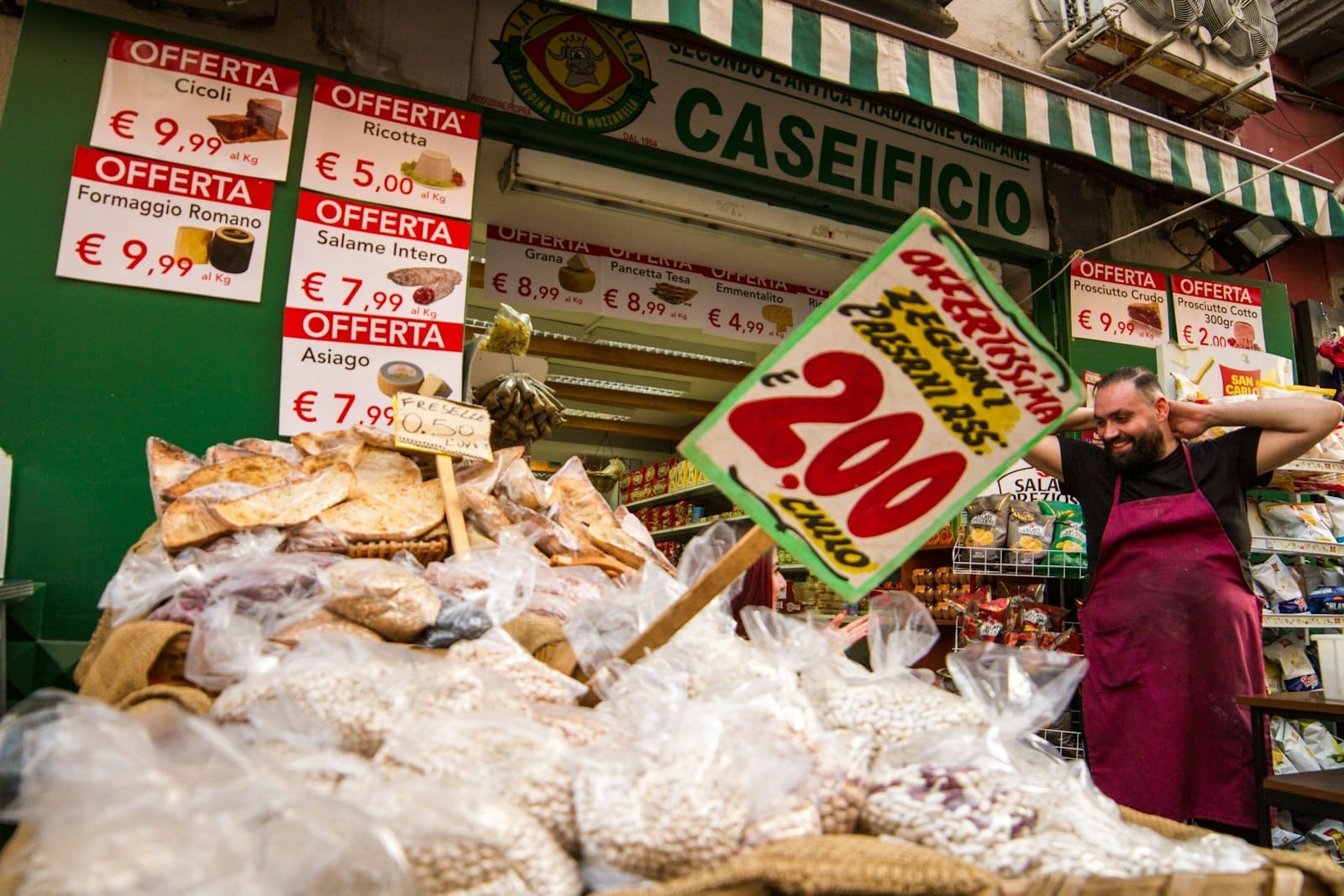
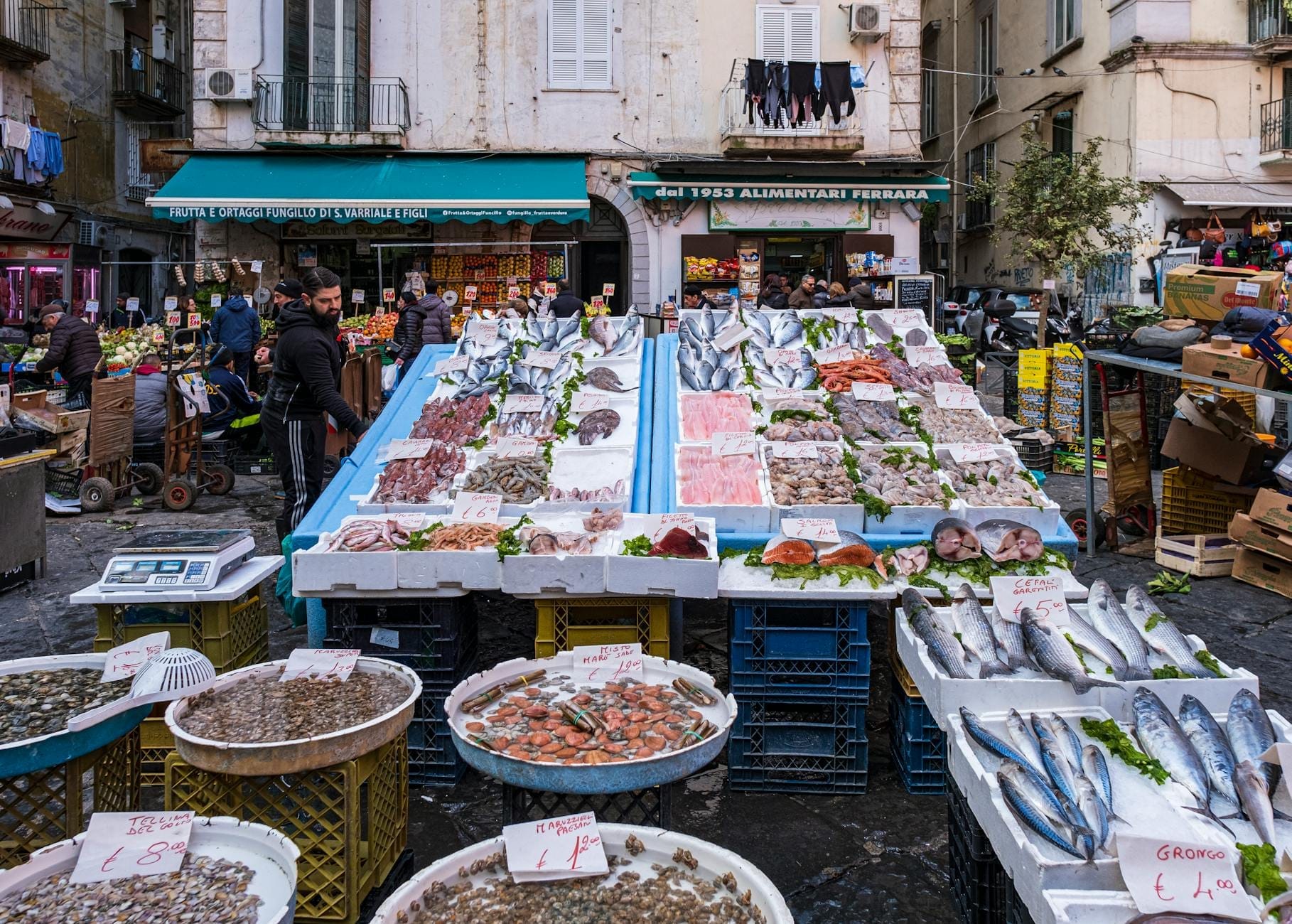
The Pignasecca market, just west of Via Toledo, is where locals actually shop and eat. It is louder, less curated, and more chaotic than Via dei Tribunali, but the food tends to be cheaper and the vendors are feeding their regular customers rather than passersby. This is the place to find cuoppo and frittatina at their most honest. Market activity is strongest in the morning through early afternoon.
SpaccanapoliSpaccanapoli, the long straight road that cuts through the historic center, has a mix of excellent and mediocre options. The closer you get to major churches and set-piece piazzas, the more the quality-to-price ratio deteriorates. Venture one or two blocks off Spaccanapoli and the picture improves immediately.
- Via dei Tribunali Best overall street for a focused food walk. High density of quality vendors. Go between 11am and 2pm for maximum selection.
- Pignasecca Market Most authentic market atmosphere. Better prices than tourist-adjacent streets. Morning through midday is peak time.
- Spaccanapoli side streets Avoid eating directly on the main drag near major churches. Two blocks in either direction and options improve.
- Quartieri Spagnoli The Spanish Quarter west of Via Toledo has neighborhood-level friggitorie that cater almost entirely to locals. Worth a short detour.
Timing, Crowds, and Practical Logistics
The street food rhythm in Naples tracks with the local eating schedule, not tourist hours. Most friggitorie begin frying fresh batches in the late morning, and the best window for cuoppo and frittatina is roughly 11am to 2pm. Pastry shops operate earlier: serious sfogliatella shops often sell out of the best batches before noon. If you are planning a dedicated food walk, start around 10am.
Summer (June through August) brings heat that makes standing over fried food less appealing, and crowds peak in July and August when the city fills with Italian domestic tourists as well as international visitors. The shoulder months of April through June and September through October offer the best combination of mild weather and manageable crowds. In winter, sfogliatella and taralli are more prominent, and the fried items feel more appropriate for the cooler temperatures.
⚠️ What to skip
Vendors clustered immediately outside major attractions like Piazza del Gesù Nuovo, the Castel Nuovo waterfront, or the main entrance to the archaeological museum tend to have inflated prices and inconsistent quality. They rely on foot traffic from tourists who do not return. Walk two or three blocks away from any major landmark before buying food and the quality-to-price ratio improves significantly.
On the question of hygiene: Neapolitan street food involves a lot of frying, which means high heat and rapid turnover. Items that sit out for long periods, especially in warmer months, are worth avoiding. A long queue at a friggitoria is a reliable positive signal. An empty counter with food sitting under a lamp is not.
Guided Street Food Experiences
A guided food tour makes particular sense in Naples because the historic center is dense and disorienting, and local context transforms the experience of eating. Knowing that pizza a portafoglio was designed for dock workers, or that frittatina evolved from the practice of frying leftover pasta, changes how the food tastes. The Naples pizza tour options vary considerably in quality, so reading recent reviews before booking matters.
Organized tours typically cover the stretch from Piazza Dante through to Piazza del Gesù Nuovo, hitting the major food categories along the way: pizza, fried snacks, pastries, and often a sauce or condiment tasting. Expect a duration of around 3 to 3.5 hours and pricing in the range of €80 to €120 per person for all-inclusive tours. The better operators keep groups small (under 10 people) and include at least one stop in a working kitchen or pastry lab.
Budget Breakdown and What to Skip
Street food in Naples is genuinely affordable by European standards. A complete informal lunch of pizza a portafoglio, a cuoppo, and a sfogliatella with a coffee should cost €6 to €10 total at a non-tourist-facing establishment. Individual items range from around €1 for a tarallo or a small zeppola up to €4 to €5 for a generous cuoppo. Sfogliatella typically runs €1.50 to €2.50 depending on the type and the neighborhood.
What to skip: packaged pastries sold in cellophane wrappers near tourist sites are almost always inferior to what you get fresh from a dedicated pastry shop. "Authentic Neapolitan pizza" sold by the slice in tourist areas near the waterfront or around Galleria Umberto I is often pre-made and reheated. Neither of these is worth your euros or your appetite.
For travelers managing a tight budget across the full trip, the street food approach is one of the most effective ways to eat well without spending much. The Naples on a budget guide covers accommodation and transport angles alongside food strategies.
FAQ
What is the most famous street food in Naples?
Cuoppo (a paper cone of fried seafood or vegetables) and pizza a portafoglio (folded pizza eaten walking) are the two most iconic. Sfogliatella is the most celebrated pastry. All three are widely available in the historic center.
Where is the best street food in Naples?
Via dei Tribunali in the historic center has the highest concentration of quality vendors. The Pignasecca market is the best option for a more local, market-atmosphere experience. Avoid eating directly adjacent to major tourist landmarks where prices are higher and quality is inconsistent.
What is sfogliatella and where should I try it?
Sfogliatella is a Neapolitan pastry filled with sweetened ricotta and lemon-scented semolina. It comes in two versions: riccia (with a flaky, layered shell) and frolla (with a softer shortcrust shell). Riccia is the more technically demanding and is generally considered the superior version. Always eat it warm, ideally within minutes of purchase.
Is Naples street food safe to eat?
Yes, with common sense. Items with high turnover and visible frying activity are consistently reliable. Avoid food sitting out under heat lamps for extended periods, particularly in summer. A busy friggitoria with a queue is almost always a good sign.
How much should I budget for street food in Naples?
An informal street food lunch covering pizza a portafoglio, a cuoppo, and a sfogliatella with a coffee should cost €6 to €10 at a non-tourist-facing spot. Individual items typically range from €1 to €5. Guided street food tours run €80 to €120 per person all-inclusive.
Tickets & tours
Live prices and dates from our booking partner. If you book, we may earn a commission at no extra cost to you.
Planning a trip? Discover personalized activities with the Nomado app.